Taggiasca Olive Tree (Olea europaea ‘Taggiasca’)
Last updated: November 3, 2026
Olea europaea ‘Taggiasca’, the Taggiasca Olive Tree, is the signature olive of the Italian Riviera, grown through the terraced hillsides of western Liguria around the town of Taggia. Gardeners and small growers plant it for its small, flavorful fruit, used two ways: pressed into one of Italy’s most prized delicate, low-bitterness olive oils (Riviera Ligure DOP), and salt- or brine-cured into dark, wrinkled Taggiasca table olives sold whole or pitted in specialty markets worldwide.
Botanically, Taggiasca is recognized by olive researchers as the same genotype as Frantoio — the widely grown Tuscan cultivar also known regionally as Correggiolo and, in Puglia, Ogliarola Barese — but it has been grown, selected and marketed as a distinct regional denomination in Liguria for so long, under such different growing conditions (steep, terraced, maritime hillsides rather than Tuscan or Apulian plains), that it is treated commercially and horticulturally as its own cultivar, with its own name, history and oil style. Ligurian growers and DOP regulations recognize Taggiasca as the valley’s own, and this page follows that long-standing regional usage while noting the genetic relationship honestly.
Olive (Olea europaea) is native to the Mediterranean basin and Near East, not North America, so Taggiasca is an introduced, cultivated tree wherever it is grown here. It carries no federal noxious-weed listing, but in parts of coastal and central California, birds spread the fruit of fruiting olive cultivars into oak woodland and other wildlands, where California’s invasive plant council (Cal-IPC) rates olive a limited-impact invasive. Gardeners in those areas should harvest the crop each year and avoid planting right at a wildland edge.
Identification
Bark & Stems
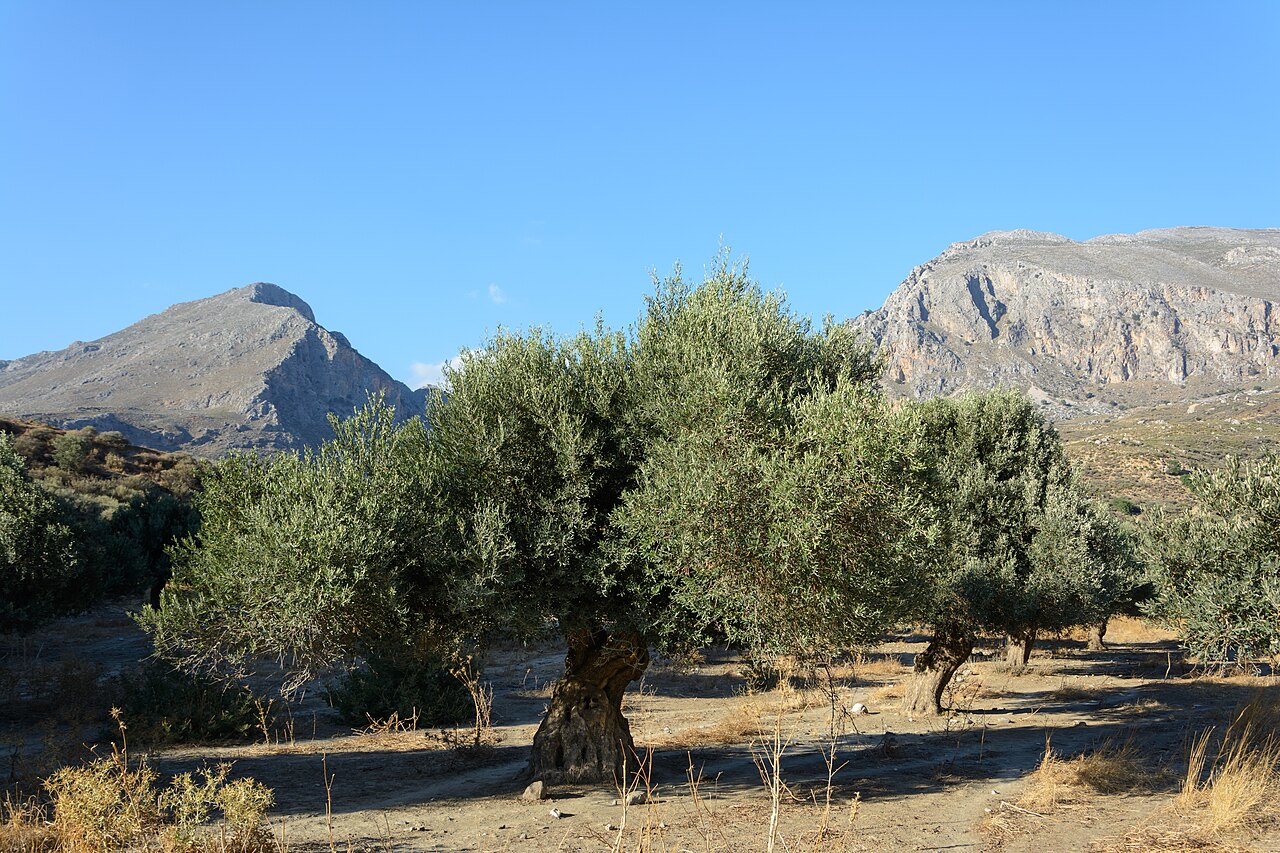
Taggiasca forms a medium-size, moderately vigorous tree with a somewhat weeping or drooping branch habit as it matures — a trait shared with Frantoio-type trees generally, and one that suits the terraced, wind-exposed hillsides of the Ligurian coast, where a lower, more flexible canopy sheds coastal wind better than a stiffly upright form.
Leaves
Leaves are narrow and lance-shaped, silvery-gray beneath and dull green above, in the typical Frantoio-type proportions: longer and narrower than the broad leaves of table cultivars like Nocellara del Belice.
Flowers
Small, cream-white, wind-pollinated flowers open in loose clusters in late spring, following the same general flowering pattern as other Frantoio-type olives grown across central and northern Italy.
Fruit & Seeds
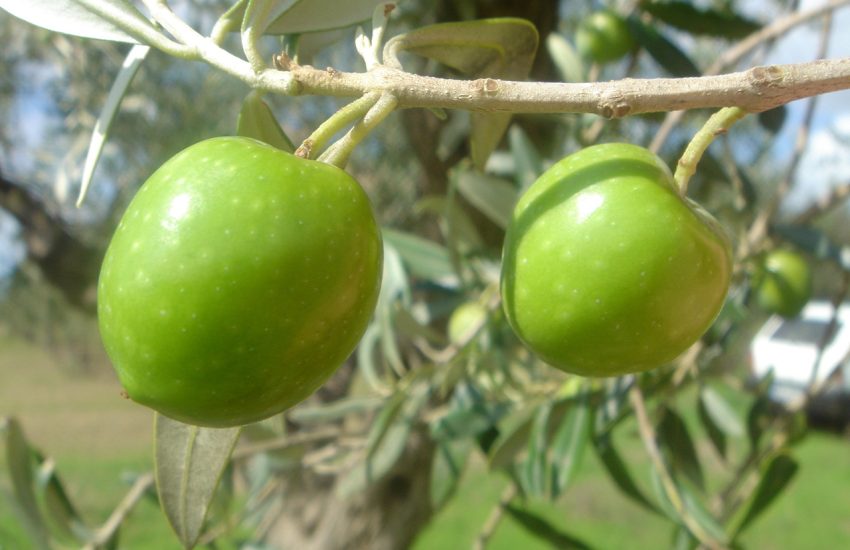
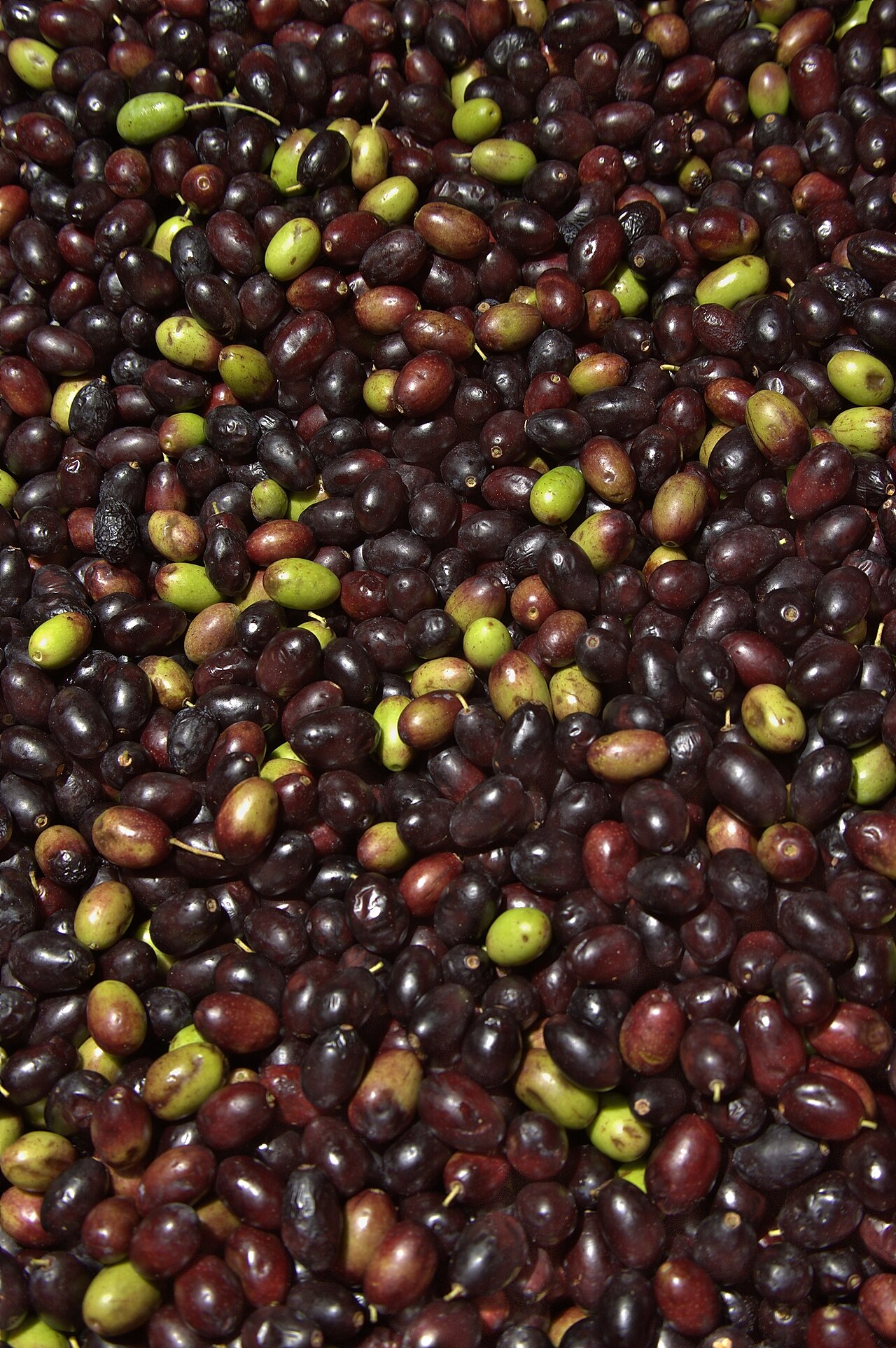
The defining trait of Taggiasca fruit is its small size — noticeably smaller than mainstream Tuscan or Apulian oil olives — which concentrates flavor and makes the fruit especially well suited to whole-fruit curing as a table olive as well as pressing for oil. Fruit ripens from green through violet to a deep purplish-black; for oil it is typically harvested as it turns color, while for table use it is usually left to ripen further toward full black before curing. Pressed Taggiasca gives a pale, delicately flavored oil, lower in bitterness and pungency than most central and southern Italian oils, prized by cooks who want an olive oil that doesn’t overpower delicate dishes such as Ligurian pesto or seafood.
Quick Facts
| Scientific Name | Olea europaea ‘Taggiasca’ |
| Cultivar | Taggiasca (the Ligurian regional denomination of the Frantoio genotype; see note above) |
| Family | Oleaceae |
| Plant Type | Evergreen, dual-purpose (oil and table) olive tree |
| Native to North America | No — introduced; species native to the Mediterranean basin and Near East, grown as a distinct regional cultivar in Liguria, Italy |
| Mature Height | 15–25 ft unpruned (commonly held at 10–15 ft) |
| Mature Spread | 15–20 ft, with a somewhat weeping branch habit |
| Growth Rate | Medium |
| Sun Exposure | Full sun |
| Water Needs | Low once established; drought tolerant, benefits from coastal humidity |
| Soil Type | Well-drained; tolerates thin, rocky, terraced hillside soils |
| Soil pH | Neutral to alkaline (about 6.5–8.5) |
| Bloom Time | Late spring |
| Leaf / Fall Color | Evergreen; narrow, gray-green above, silvery below, no fall color change |
| Fruit | Small, dual-purpose; green to black; mild, delicate low-bitterness oil; also cured whole as a table olive |
| Deer Resistant | Yes, generally |
| USDA Hardiness Zones | 9–10; benefits from the moderating influence of coastal climates |
| Invasive Status | Not native; species rated a limited-impact invasive by Cal-IPC in parts of coastal/central California, where birds spread the fruit of fruiting cultivars into wildlands |
Origin & Where It Grows
Taggiasca takes its name from Taggia, a town in the province of Imperia on the western Ligurian coast, where Benedictine monks are traditionally credited with expanding olive cultivation on the region’s steep, terraced hillsides from the Middle Ages onward. The narrow coastal strip of western Liguria, squeezed between the Maritime Alps and the Mediterranean, developed a distinctive olive-growing tradition shaped by its terrain: thin, rocky, terraced soils, a mild maritime climate, and small-scale, often hand-tended groves rather than the broad flat plantings of Tuscany or Puglia. Those conditions, over centuries, shaped Taggiasca’s regional identity even though the underlying genotype corresponds to Frantoio, the same cultivar grown as “Correggiolo” in Tuscany and “Ogliarola Barese” in Puglia.
Taggiasca oil carries the Riviera Ligure Protected Designation of Origin (DOP), and Taggiasca table olives — small, dark, wrinkled, and cured in brine — are a well-known Ligurian export in their own right, often sold alongside the region’s other culinary signatures such as pesto and focaccia.
The species itself, Olea europaea, is native to the Mediterranean basin, the Levant and parts of northern Africa. In the United States, Taggiasca-type trees are grown on a small scale in California’s milder coastal and Central Coast olive districts, where the maritime climate echoes Liguria’s, as well as in warmer inland valleys.
Taggiasca Origin & Range
| Species Native Range | Mediterranean basin, Near East, parts of northern/eastern Africa |
| Cultivar Origin | Taggia area, Imperia province, Liguria, Italy (regional selection of the Frantoio genotype) |
| Best U.S. Regions | California’s coastal and Central Coast olive districts; milder inland valleys |
| USDA Zones | 9–10 |
| Invasive Status | Not native to North America; limited-impact invasive risk via bird-spread fruit in parts of coastal/central California |
Growing & Care Guide
Taggiasca grows well under the same conditions as other Mediterranean oil-and-table olive cultivars, with a particular appreciation for the milder, humid air of a coastal climate.
Light
Full sun is essential, at least six to eight hours of direct light, for strong flowering and good fruit development.
Soil & Water
Taggiasca tolerates thin, rocky, well-drained hillside soils in the style of its native terraced Ligurian groves. It needs sharp drainage above all — standing water around the roots quickly causes rot. Water regularly through the first two to three years, then reduce; established trees are drought tolerant, though they also perform well with the ambient humidity of a coastal site.
Planting Tips
Plant in spring in a site with full sun and good air movement. Taggiasca’s somewhat weeping, flexible branch habit handles coastal wind reasonably well, making it a sound choice for exposed seaside gardens where a stiffer, more brittle tree might suffer wind damage. Allow 15–20 ft of garden spacing for a mature specimen.
Pruning & Maintenance
Prune in late winter to maintain an open canopy and control the tree’s tendency to droop under its own fruit load; some growers lightly head back long weeping shoots to keep fruit within easy reach for harvest. Fruit forms on the previous year’s wood, so avoid removing all of last season’s growth in a single pruning pass.
Propagation
Taggiasca is propagated by cuttings or grafting to preserve the cultivar’s small fruit size and oil chemistry; seedlings grown from its fruit will not reliably reproduce these traits.
Landscape Uses
- Home oil and table-olive production for gardeners who want both uses from one tree
- Coastal and seaside gardens, where its flexible, wind-tolerant branching is an advantage
- Mediterranean and terraced hillside landscaping, echoing its native Ligurian growing style
Harvest & Pollination
Cross-pollination from a different nearby olive cultivar generally improves fruit set, as it does for most olives, though Taggiasca-type (Frantoio-genotype) trees are reasonably productive on their own. Harvest timing depends on intended use: for the delicate Riviera Ligure DOP-style oil, growers typically pick as the small fruit is changing color, from green toward violet-black; for Taggiasca table olives, fruit is generally left to ripen further toward full black before curing in a brine solution, which softens the fruit and removes its natural bitterness over several weeks to months. As with all olives, raw Taggiasca fruit is bitter and must be cured before it is edible — never eat it straight off the tree.
Wildlife & Ecological Value
Olive flowers, including Taggiasca’s, are wind-pollinated and offer little nectar, so they support far fewer pollinators than a comparable native flowering tree, though generalist bees take pollen opportunistically. Birds such as robins and starlings readily eat ripe olive fruit left unharvested, dispersing seed and contributing to the limited-impact invasive status that fruiting olive cultivars carry in parts of coastal and central California — one more reason to pick Taggiasca’s small, abundant fruit promptly rather than let it drop. As an introduced fruit-and-oil tree, Taggiasca offers considerably less habitat and food-web value than a comparable native tree of similar size.
Native Alternatives
- Desert Olive (Forestiera neomexicana) — a tough, drought-tolerant native small tree/shrub for Southwestern gardens
- Texas Olive (Cordia boissieri) — a showy-flowered, drought-tolerant native small tree
- American Sweet Olive / Devilwood (Osmanthus americanus) — a native evergreen Oleaceae relative for mild coastal Southeastern gardens
- Arizona Rosewood (Vauquelinia californica) — an evergreen, drought-tolerant native small tree for hot, dry Southwestern landscapes
- Honey Mesquite (Prosopis glandulosa) — a native small tree for warm, dry climates similar to coastal California
History & Uses
Taggiasca’s story is inseparable from the terraced hillsides of western Liguria, where it is traditionally said that Benedictine monks helped expand olive growing from the Middle Ages onward, shaping a cultivation style built around small, hand-worked groves on steep, dry-stone-walled terraces. Over centuries, that isolation and distinct growing environment gave rise to Taggiasca as a recognized regional name and identity, even though modern genetic work has shown the underlying tree corresponds to Frantoio, the same cultivar grown under different regional names elsewhere in Italy.
Today Taggiasca is central to two of Liguria’s best-known food exports: Riviera Ligure DOP olive oil, prized by chefs for its pale color and delicate, low-bitterness flavor that doesn’t overwhelm dishes like pesto alla Genovese or fresh seafood, and brined Taggiasca table olives, small, dark and wrinkled, sold whole or pitted as a specialty item in Italian markets and delis worldwide.
Frequently Asked Questions
Is Taggiasca the same as Frantoio?
Genetically, researchers in the International Olive Council’s World Catalogue of Olive Varieties identify Taggiasca as the same genotype as Frantoio, the cultivar also grown as “Correggiolo” in Tuscany and “Ogliarola Barese” in Puglia. In practice, Taggiasca has been grown, selected and marketed under its own name in Liguria for so long, under distinct regional growing conditions, that it is treated as its own recognized cultivar commercially and under Italian DOP rules.
Is Taggiasca olive native to North America?
No. Olea europaea is native to the Mediterranean basin and Near East; Taggiasca is an Italian regional cultivar introduced to North America for cultivation. It is not federally listed as invasive, but fruiting olive cultivars are rated a limited-impact invasive by Cal-IPC in parts of coastal and central California, so harvest the fruit and avoid planting next to wildland there.
Can you eat Taggiasca olives straight off the tree?
No. Like all raw olives, Taggiasca fruit is bitter from natural compounds and must be cured — typically brined over several weeks to months — before it is edible, whether for oil pressing or table use.
Is Taggiasca oil different from other Italian olive oils?
Yes, noticeably. Taggiasca produces one of Italy’s most delicate, low-bitterness extra-virgin oils, much milder than the peppery, high-polyphenol oils of cultivars like Coratina or Moraiolo, which is part of why it pairs so well with delicate Ligurian dishes.
How cold-hardy is Taggiasca?
It is generally grown in mild, coastal to warm-temperate climates (roughly USDA zones 9–10), reflecting the moderate maritime winters of its native Ligurian Riviera; it is not considered especially cold-hardy and should be sited with protection at the colder edge of its range.