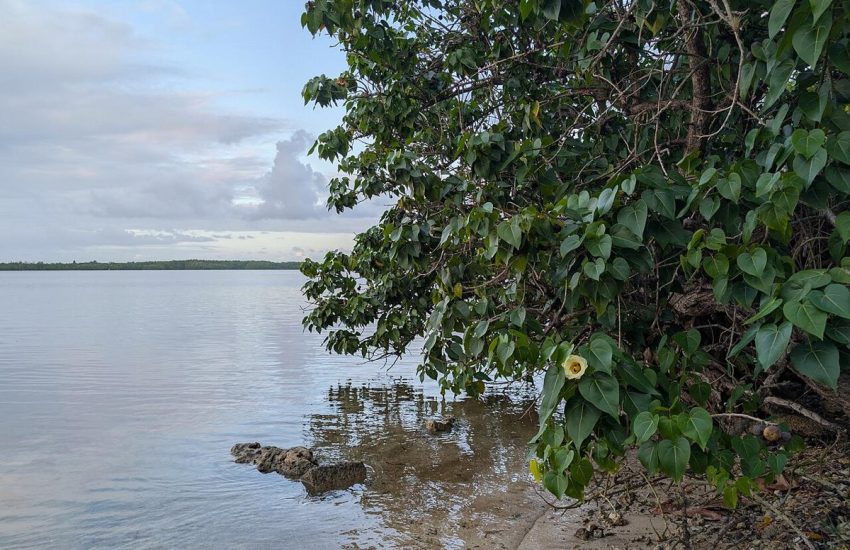
Hōlei (Ochrosia haleakalae)
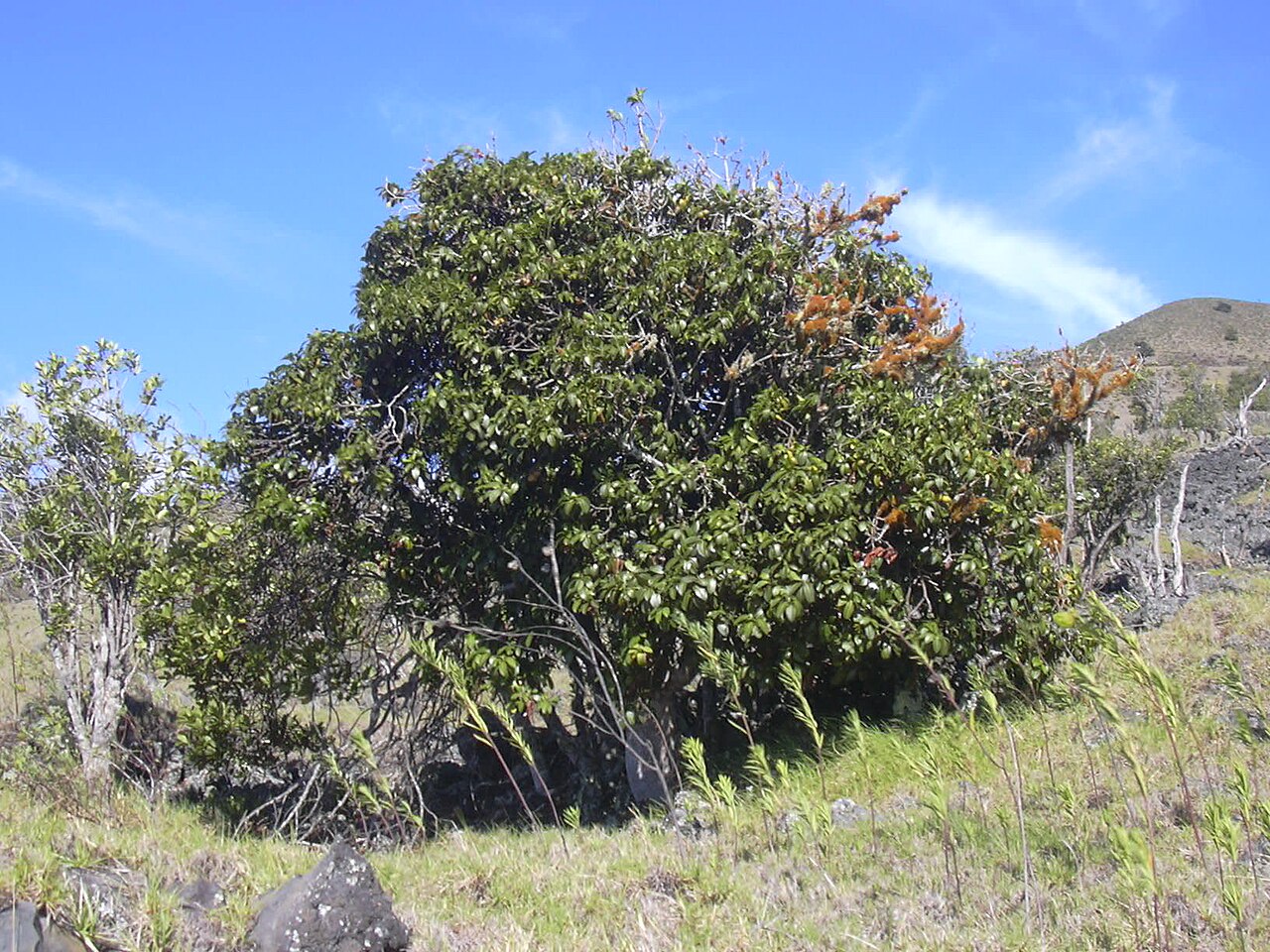
Ochrosia haleakalae, known as hōlei or the island yellowwood, is a rare Hawaiian endemic tree in the dogbane family (Apocynaceae), named for Haleakalā on Maui, within its native range. Fewer than 400 individuals are believed to remain in the wild, concentrated in the dry forest of East Maui, with the species historically also known from Hawaiʻi Island. It is classified as Endangered by the IUCN and threatened primarily by habitat loss.
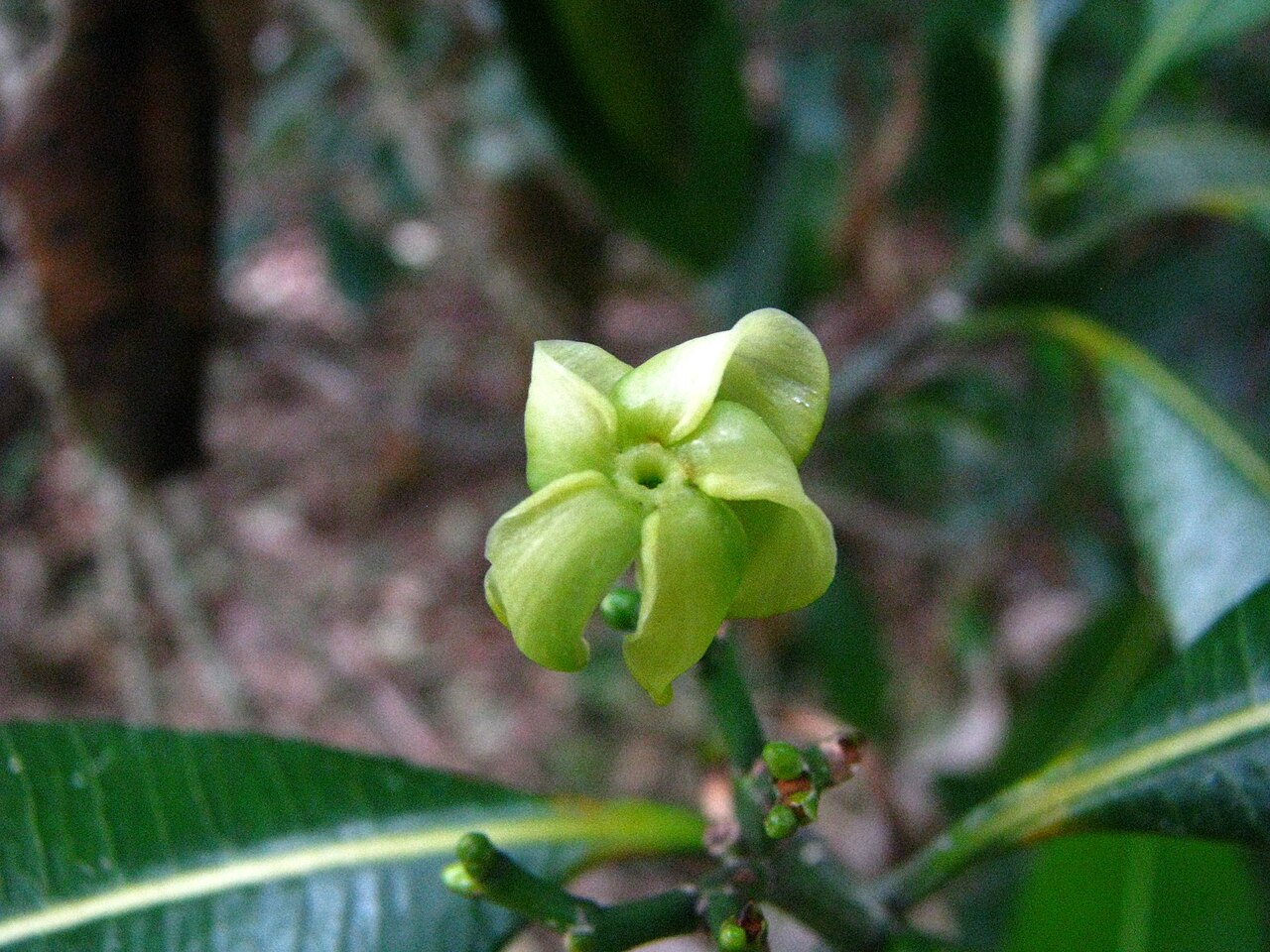
Hōlei is a small, often multi-stemmed tree with glossy, deep green leaves and small, pale greenish-white flowers that release a light fragrance from the leaf axils near the branch tips. Like other members of the dogbane family, it produces milky sap throughout the plant, a trait worth keeping in mind when working around it. It is a conservation-priority species rather than a common landscape plant, grown mainly by native plant restoration programs and specialty collections within Hawaiʻi.
Identification
Hōlei is a tree, typically 7 to 26 feet (2–8 m) tall, often with a somewhat shrubby, multi-stemmed form. As with all Apocynaceae, every part of the plant exudes milky sap when cut or broken.
Leaves
Leaves are simple, smooth-edged, and elliptical, deep green with a contrasting yellowish midrib and clearly visible secondary veins. They are arranged in groups of three to four at each node, giving the branch tips a distinctive whorled look.
Flowers
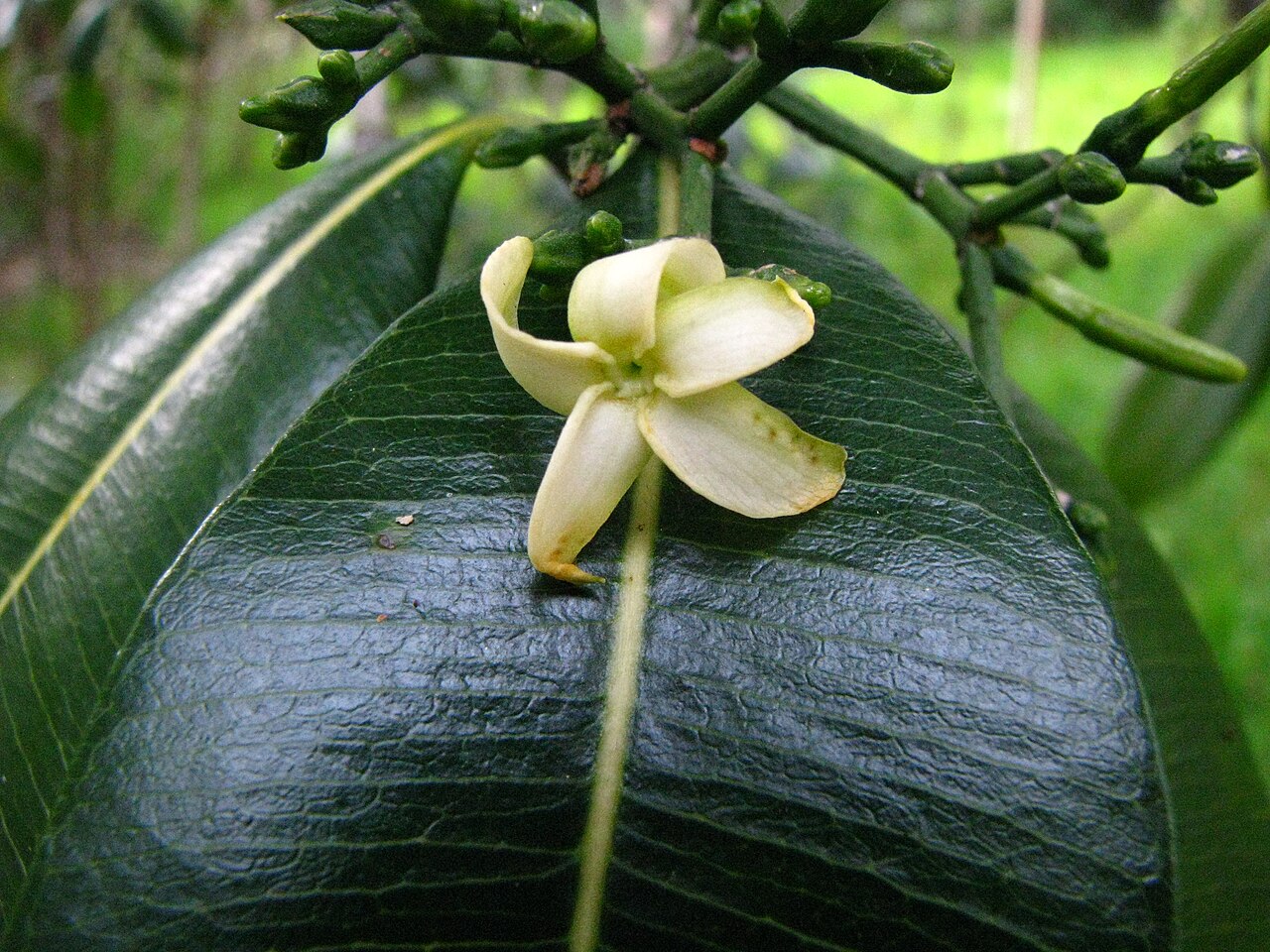
Flowers are small, perfect (containing both male and female parts), fragrant, and pale greenish-white with five petals, arising from the leaf axils near the ends of branches.
Fruit
The fruit is an ovoid to narrowly ellipsoid pod-like structure, 1.6 to 2.4 inches (4–6 cm) long, broadest near the base and tapering toward the tip, developing irregular ridges and turning yellow to brown-streaked as it ripens — the genus name Ochrosia comes from the Greek for “pale yellow,” referring to this fruit color.
Quick Facts
| Scientific Name | Ochrosia haleakalae |
| Family | Apocynaceae (Dogbane) |
| Plant Type | Small Tree |
| Mature Height | 7–26 ft |
| Growth Rate | Slow to moderate |
| Sun Exposure | Full Sun |
| Water Needs | Low once established |
| Soil Type | Well-drained, dry-forest soils |
| Flower Color | Pale greenish-white, fragrant |
| Conservation Status | IUCN Endangered; fewer than 400 wild individuals |
| USDA Hardiness Zones | 11 |
Native Range
Hōlei is endemic to the Hawaiian Islands, today found primarily in the dry forest of East Maui, in and around Haleakalā, for which it is named. The species was historically also known from Hawaiʻi Island, though wild populations there are now far reduced or extirpated, and most of the fewer than 400 remaining wild individuals are concentrated on Maui. It is not native outside Hawaiʻi.
In its Maui dry forest habitat, it grows in the company of other native dry forest species documented at sites like Auwahi, including associates such as Māmane (Sophora chrysophylla) and ʻAʻaliʻi (Dodonaea viscosa), part of a lowland and upland dry forest community that is itself critically reduced across the islands.
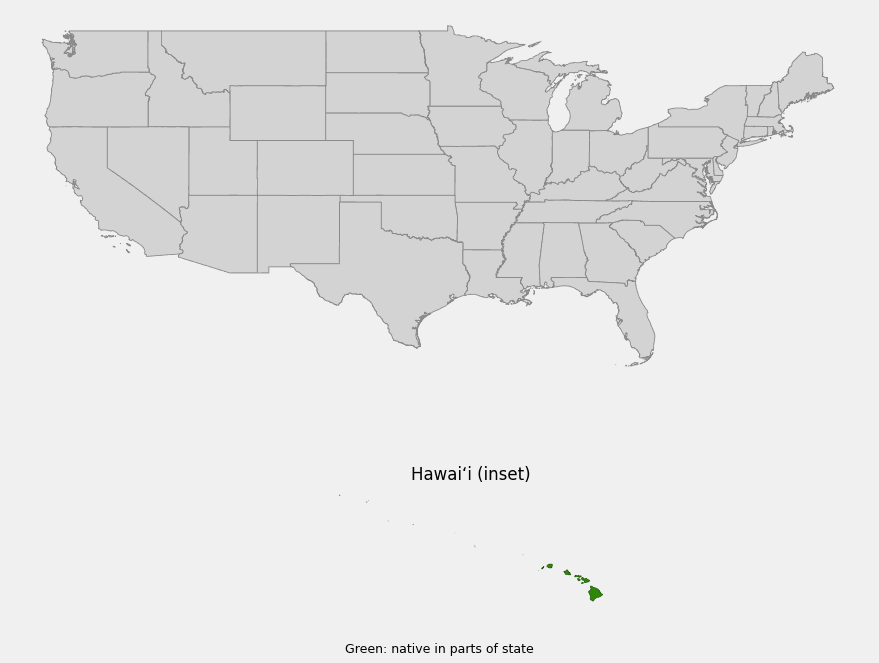
📋 Regional plant lists featuring Hōlei: Hawaii
Growing & Care Guide
Hōlei is grown mainly through conservation-focused native plant nurseries and dry forest restoration projects on Maui and Hawaiʻi Island, rather than general retail nurseries, given its rarity and endangered status.
Light
Give it full sun, matching the open, exposed dry forest conditions where it grows naturally at sites like Auwahi.
Soil & Water
Well-drained soils are essential, and established plants are drought tolerant, reflecting the long dry seasons of Hawaiian leeward dry forest. Young plants need more consistent water while establishing a root system.
Planting Tips
Because the wild population is so small, any cultivated hōlei contributes meaningfully to the species’ conservation. Plantings are best coordinated through established dry forest restoration programs, which can ensure genetic diversity and appropriate siting within protected or managed dry forest remnants.
Pruning & Maintenance
Minimal pruning is needed beyond removing dead wood. Wear gloves when handling cut stems or foliage, since the milky sap typical of the dogbane family can be irritating to skin and eyes in sensitive individuals.
Propagation
Propagation is generally from seed collected from ripe fruit, though given how few wild trees remain, most propagation today happens through coordinated conservation seed banking and nursery programs rather than casual collection. Seedlings are slow-growing in their early years, typical of long-lived Hawaiian dry forest trees.
Pests & Problems
No major pest or disease issues are well documented specifically for hōlei, but like other Hawaiian dry forest natives it faces indirect pressure from invasive grasses that fuel wildfire and from feral ungulates that browse seedlings, both significant factors in the species’ overall decline.
Landscape & Conservation Uses
- Dry forest restoration plantings within its historic East Maui range
- Ex-situ conservation collections supporting recovery of an endangered species
- Specimen planting in protected native gardens for its fragrant flowers
Wildlife & Ecological Value
Hōlei’s fragrant flowers likely attract native insect pollinators adapted to Hawaiian dry forest, though detailed documentation of its specific pollinators is limited given how rare the species has become. As with many endangered Hawaiian dry forest plants, its decline has occurred alongside broader losses among the native insects and birds that once filled this now-fragmented ecosystem.
Ecosystem Role
As one of the rarer components of East Maui’s dry forest, hōlei contributes to the structural and species diversity of an ecosystem type considered among the most endangered in the United States. Conservation plantings that include it alongside associates like māmane and ʻaʻaliʻi aim to rebuild functioning, resilient dry forest rather than isolated populations of a single struggling species on its own.
Cultural & Historical Uses
Early Hawaiians used hōlei wood for gunwales (moʻo) on outrigger canoes (waʻa) and for scraping boards used in processing olonā (Touchardia latifolia) fiber. The bark of the stems and roots was also used to produce a yellow dye for kapa (bark cloth) — a use consistent with the genus name Ochrosia, referring to the pale yellow color associated with the plant.
Today hōlei’s significance is primarily as a flagship species for East Maui dry forest conservation, alongside other rare natives documented in our guides to canopy trees in Hawaii and Hawaiʻi’s rarest flowering trees.
Frequently Asked Questions
Is hōlei sap toxic?
Like all members of the dogbane family (Apocynaceae), hōlei produces milky sap throughout the plant. While specific toxicity data for this species is limited, sap from Apocynaceae plants in general can irritate skin and eyes, so it should not be ingested and is best handled with gloves. It should never be treated as edible or medicinal.
How rare is hōlei?
Very rare. Fewer than 400 individuals are believed to survive in the wild, concentrated in East Maui dry forest, and the species is classified as Endangered by the IUCN.
Can I buy a hōlei tree for my garden?
Only occasionally, through Hawaiʻi-based native plant nurseries and dry forest restoration programs involved in its conservation. Always source from a reputable conservation-minded grower and never collect material from the wild.
Why is it called “island yellowwood”?
The common English name and the genus name Ochrosia (from the Greek for “pale yellow”) both reference the yellow to brown-streaked color of the ripe fruit, and historically the yellow dye traditionally extracted from its bark.
What other islands did hōlei grow on historically?
Beyond its current stronghold on East Maui, hōlei was historically also documented on Hawaiʻi Island, though wild populations there have been greatly reduced.
How is hōlei different from the showier native trees commonly grown in Hawaiian gardens?
Unlike widely planted natives chosen for bold color, hōlei has small, pale, understated flowers and is grown chiefly for conservation value rather than ornamental impact — its appeal lies more in its rarity and its role in dry forest ecology than in dramatic garden presence.

Looking for a nursery that carries Hōlei?
Browse our native plant nursery directory: Hawaii