Lilac Leaf Scorch or Leaf Spot? A Symptom-by-Symptom Check
Last updated: November 6, 2026
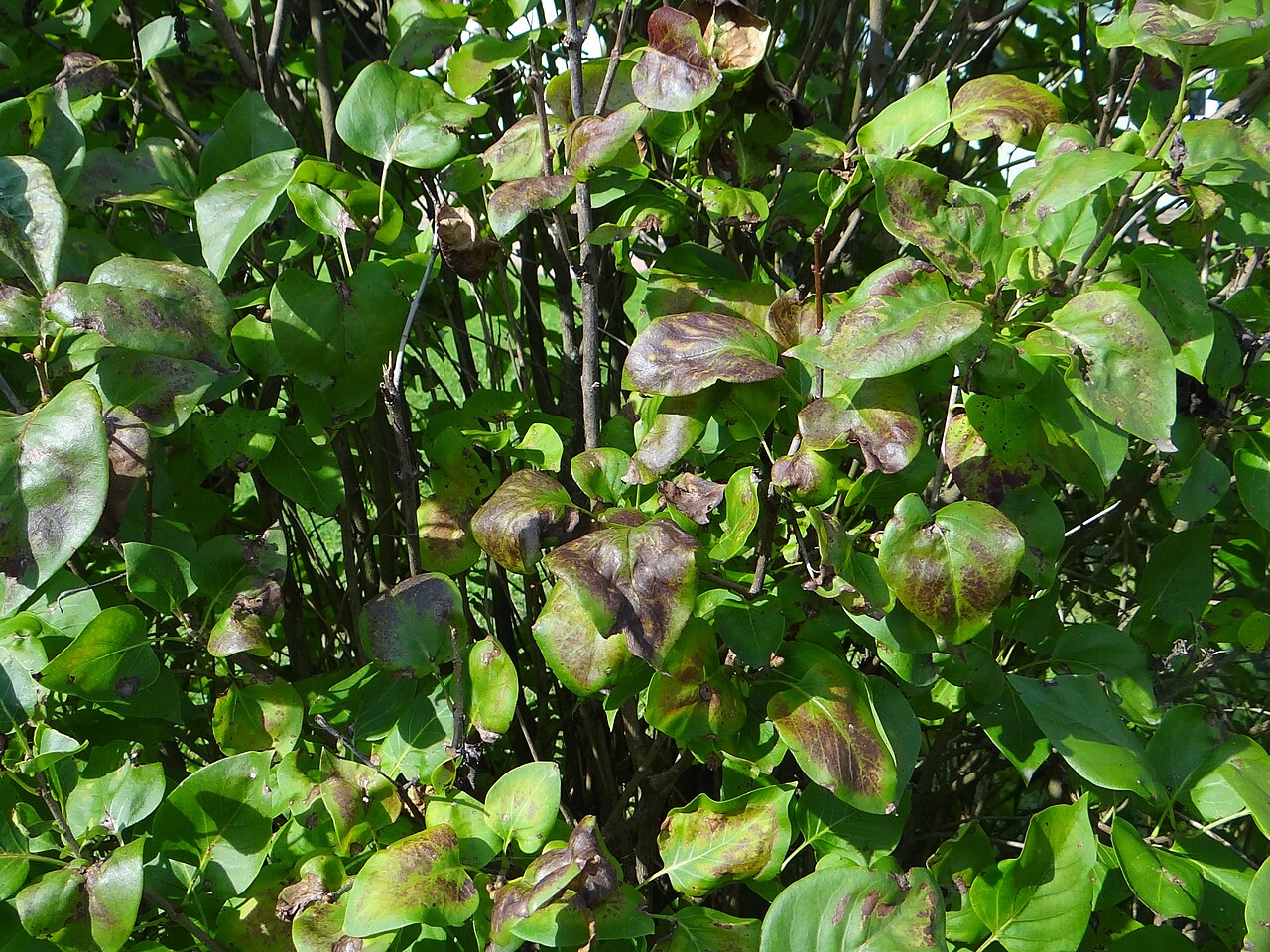
Your lilac looked fine in spring. Now the leaves are browning, curling, or dropping, and you want to know whether the shrub is sick or simply cooked by the weather.
That question matters because the fixes point in opposite directions. Leaf scorch is a water problem you solve at the roots. Leaf spot and blight are infections you manage with cleanup, pruning, and airflow.
This guide walks through the symptoms one at a time, so you can sort out what you’re looking at before you spray, prune, or water more. If you want a broader list of every possible cause, see our overview of lilac leaves turning brown.
The Short Answer
Look at where the brown is and when it showed up:
- Brown edges and tips, worst on the sunny or windy side, after hot dry weather: leaf scorch. Water deeply and check the root zone.
- Brown spots that start small, stop at the veins, then merge, after a wet spring: Pseudocercospora leaf spot (often called lilac leaf blight).
- Black spots with yellow halos and shoot tips that bend over and die in spring: bacterial blight.
- A white, dusty film: powdery mildew, which is mostly cosmetic.
- Hollow, papery blotches with tiny caterpillars inside: lilac leafminer.
Why Lilac Leaves Brown in the First Place
A lilac leaf browns when its tissue dies. What kills it can be a shortage of water, a fungus, a bacterium, or an insect feeding inside the leaf.
Leaf scorch is not an infection at all. University of Missouri Extension describes it as a noninfectious condition caused by an unfavorable environment: water leaves the leaf faster than the roots can replace it.
The leaf edges and the tissue between the veins sit farthest from the water supply, so they dry out first. That’s why scorch shows up as browned margins while the area along the main veins stays green.
Infections work differently. They start at a point where spores or bacteria land and get in, then spread outward from that point. The result is a spot, not a smooth band along the edge.
When Each Problem Usually Appears
| Early spring | Bacterial blight on new shoots in cool, wet weather. Frost injury on tender leaves. |
| Late spring – early summer | Leaf spot infections during rainy, humid stretches. Early leafminer mines on leaf undersides. |
| Midsummer | Scorch during heat, drought, and drying wind. Powdery mildew on older shrubs. |
| Late summer | Leaf spot damage becomes obvious and leaves drop, even though the infection happened weeks earlier. |
| Fall | Normal yellowing and leaf drop. |
Timing is a strong clue. Iowa State University notes that Pseudocercospora symptoms often don’t develop until seven or more days after infection, so the brown you see in August may trace back to wet weather in June.
Check 1: Where on the Leaf Did the Brown Start?
Pick ten affected leaves from different parts of the shrub. Hold each one up to the light and look at the pattern of dead tissue.
- A continuous brown band along the edge or tip, with green tissue next to the main veins, points to scorch.
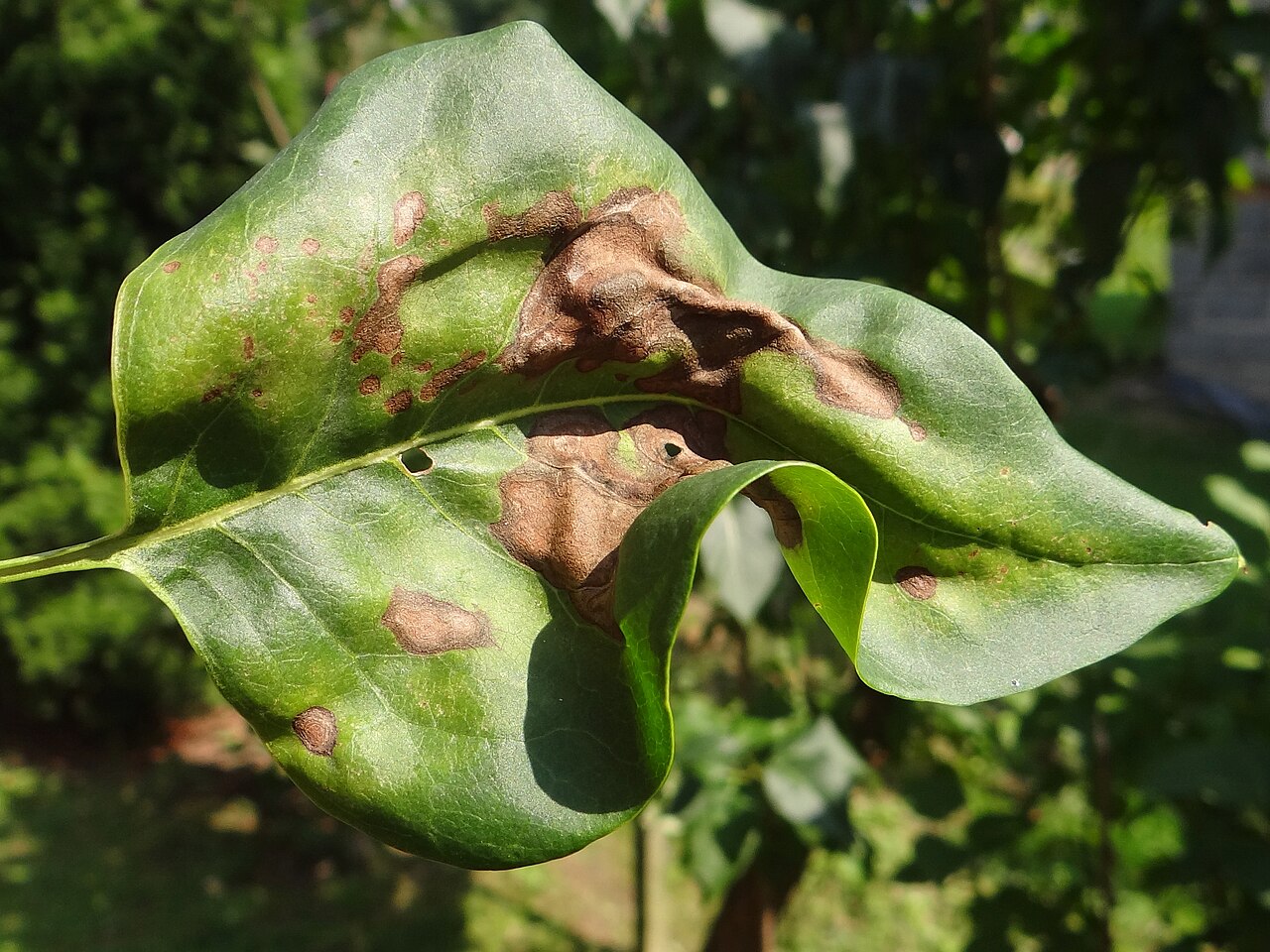
- Separate spots that grew and ran together, often with edges that follow the veins, point to leaf spot.
- Dark, nearly black spots with a yellow ring point to bacterial blight.
- A blotch you can see light through, like a blister, points to a leafminer.
Leaf spot can also begin at the margins. The University of Vermont Extension describes lilac leaf blight as brown spots that start at the leaf edges and grow together until the leaf curls and drops. Look closely at the border between brown and green: separate spots merging together suggests infection, while a smooth, even edge suggests scorch.
Check 2: Which Side of the Shrub Is Worse?
Step back and look at the whole plant. Scorch usually hits the most exposed leaves first, on the side facing afternoon sun, wind, or reflected heat from pavement or a wall.
Missouri Extension notes that scorch may appear on one branch or one side, or across the whole plant, with the exposed side showing injury first. Interior leaves shaded by the outer canopy often stay green.
Leaf spot follows moisture, not sun. Extension sources tie it to wet, humid weather and recommend thinning crowded shrubs, so damage tends to be scattered through dense growth rather than concentrated on the hot side.
Check 3: What Was the Weather Like Before the Brown Appeared?
Think back two to four weeks. Leaf diseases need moisture, and scorch needs heat and dry air.
- Several hot, dry, windy days, especially days in the 90s, followed quickly by brown edges: scorch.
- A long stretch of wet, cloudy weather that suddenly turned sunny and windy: also scorch. Missouri Extension lists this sudden switch as a classic trigger.
- A rainy, humid spring or early summer, then browning weeks later: leaf spot. Iowa State reports that Pseudocercospora favors high humidity and moderate temperatures around 76°F.
- Cool, wet weather or a late frost as leaves were emerging: bacterial blight.
Wet weather can also cause scorch indirectly. University of Illinois Extension explains that saturated soil can suffocate part of the root system. When hot weather arrives later, the damaged roots can’t keep up and the leaves dry out on the branch.
Check 4: Look at the Shoot Tips and Twigs
This check separates bacterial blight from everything else. Examine the newest shoots, especially in spring.
The Pacific Northwest disease handbook describes bacterial blight starting as brown spots on young stems and leaves that turn black and grow quickly in rainy periods. On young stems the infection can girdle the shoot, which bends over at the lesion while the part above it withers.
The University of Wisconsin adds black streaking on twigs and death of branch tips and blossoms to the list. It also notes that white-flowered forms of common lilac are the most susceptible.
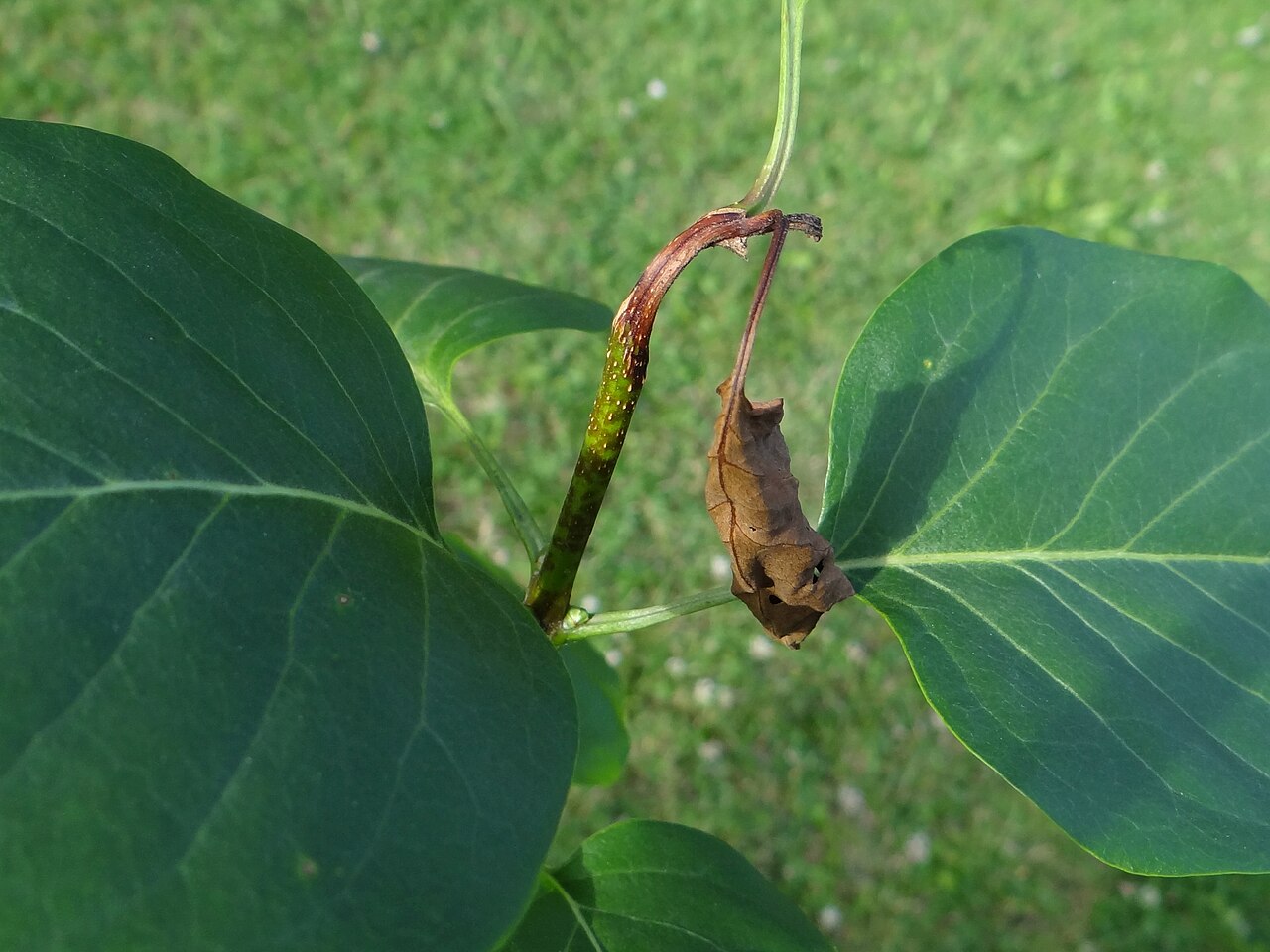
Scorch and Pseudocercospora leaf spot don’t produce blackened, bent shoot tips. If the twigs are healthy and only the leaves are damaged, you can mostly rule blight out.
Check 5: Is It a Coating or a Mine Instead?
Two common lilac problems are easy to confuse with browning at a glance.
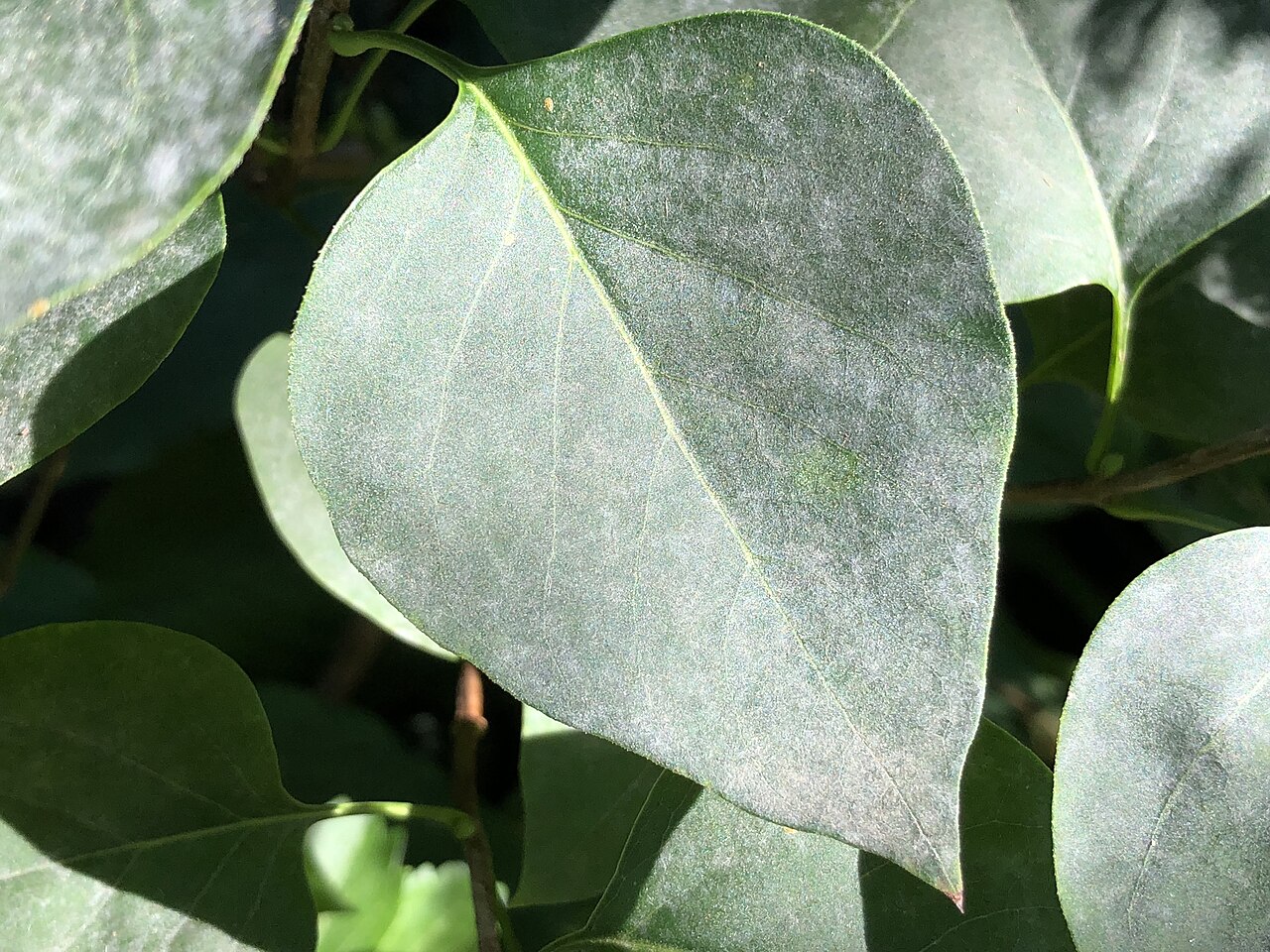
Powdery mildew leaves a white to gray film on the leaf surface that you can rub with a finger. Illinois Extension says it can be expected on most older lilacs during summer. It looks bad but rarely does lasting harm to an established shrub.
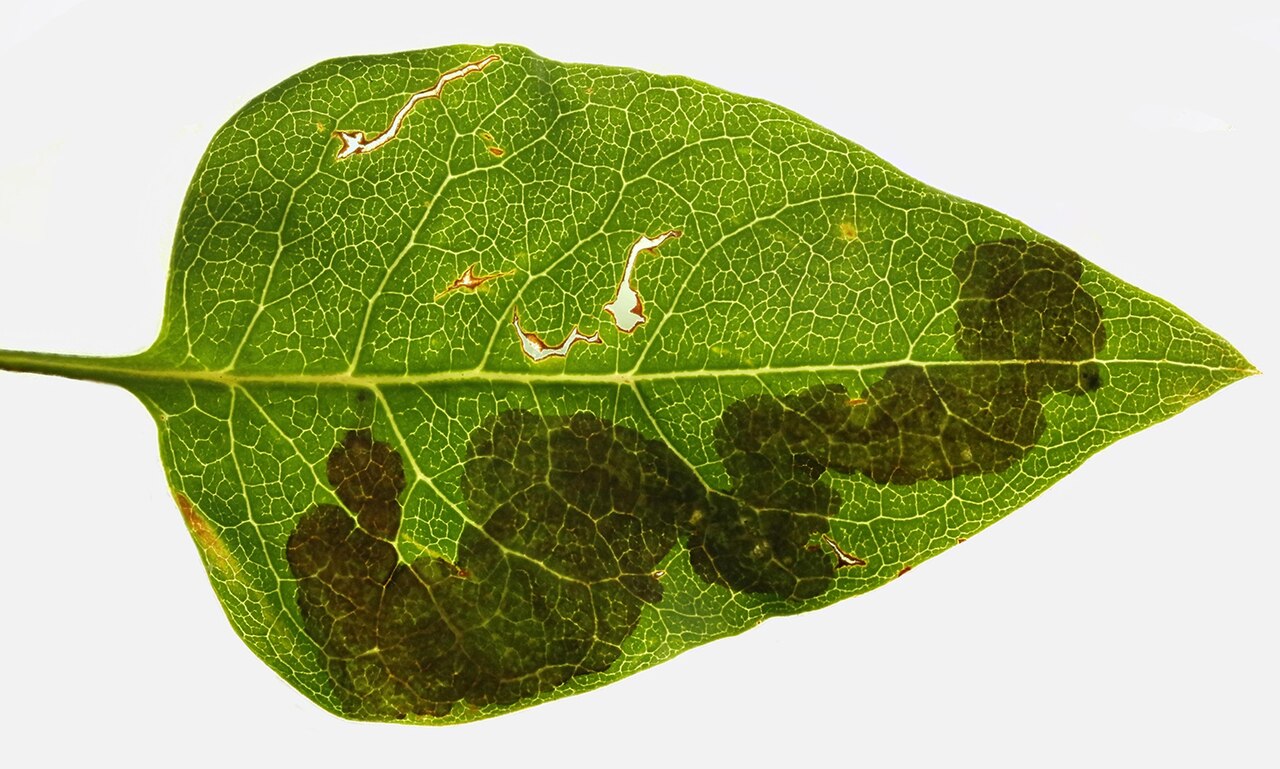
Lilac leafminer is a small moth whose caterpillars feed between the upper and lower surfaces of the leaf. UMass Extension describes small linear mines that merge into a blotch, after which the larvae leave the mine and fold the leaf.
Mined blotches turn brown and papery. Hold one up to the light: you’ll see a hollow pocket, sometimes with tiny caterpillars or dark specks of droppings inside. Fungal spots and scorch are solid dead tissue.
Check 6: Scratch a Twig Before You Worry
A shrub that has lost half its leaves in August can look like it’s dying. Usually it isn’t.
UVM Extension suggests scratching just under the bark near the end of a twig. If the tissue is green and next year’s buds are visible at the tips, the plant should leaf out normally in spring.
Repeated defoliation year after year is what weakens a lilac. One bad season, on its own, rarely does.
Troubleshooting at a Glance
| Leaf scorch | Brown margins and tips, green near veins, worst on exposed side, follows heat or drought. Fix: deep watering, mulch, root-zone checks. |
| Pseudocercospora leaf spot | Spots that grow, stop at veins, and merge; curling and leaf drop in late summer after a wet spring. Fix: rake leaves, thin the shrub. |
| Bacterial blight | Black spots with yellow halos, black streaks on twigs, shoot tips bent and dead in spring. Fix: prune out well below symptoms in dry weather. |
| Powdery mildew | White film that rubs off. Usually cosmetic; improve airflow. |
| Lilac leafminer | Hollow, papery blotches; folded leaves. Pinch off infested leaves; rake in fall. |
What to Do Now, Based on What You Found
If it’s scorch, give the shrub a slow, deep soak at the root zone during dry spells rather than frequent light sprinkles. Our watering guide for shrubs and trees covers how to tell when the soil actually needs it.
The Morton Arboretum notes that lilac is shallow rooted, so a layer of mulch helps moderate soil temperature. Keep it a few inches back from the stems; our guide to mulching techniques explains depth and placement.
If the lilac went in the ground this year, scorch is usually a root-zone problem. Our checks for a newly planted lilac wilting cover watering, planting depth, and drainage.
Missouri Extension also warns against fertilizing after June and against excess nitrogen, since soft new growth scorches easily. If you suspect a nutrient problem, follow our soil testing tips before adding anything.
If it’s leaf spot, spraying now won’t help. Illinois Extension points out that by late summer the fungus is no longer active, and fungicides only protect new leaves as they emerge in spring.
Instead, rake up and dispose of fallen leaves this fall. Iowa State reports that Pseudocercospora can survive about two years in leaf debris, so cleanup removes next spring’s source of spores.
Then thin the shrub while it’s dormant to let air move through. Illinois Extension recommends removing about a third of the oldest, thickest stems at ground level rather than shearing. Our guide on how to prune trees and shrubs covers the basic cuts, and our multi-year lilac rejuvenation schedule shows how to thin an old shrub without losing a season of flowers.
If it’s bacterial blight, cut affected shoots back 10 to 12 inches below the visible symptoms, in dry weather, as the University of Wisconsin recommends. Disinfect your pruners between cuts with 70% alcohol.
Avoid overhead watering that keeps leaves wet, and don’t push a young shrub with heavy fertilizer. If late frosts are common where you live, our page on frost protection covers covering tender growth on cold nights, since frost wounds give the bacteria an entry point.
If you’re still unsure, send a sample to your state’s plant diagnostic clinic. Illinois Extension is blunt about it: fungal leaf spot and bacterial blight look so alike that anything short of a lab test is guessing, and a fungicide won’t stop a bacterium.
Should You Use a Fungicide?
For most home lilacs, no. UVM Extension says fungicides are not typically warranted, and Iowa State notes that Pseudocercospora rarely becomes severe enough to cause decline.
If a lab-confirmed disease defoliates the shrub badly year after year, extension sources describe preventive sprays starting as leaves emerge in spring. Read and follow the label exactly, and match the product to the confirmed problem: Illinois Extension lists different active ingredients for the fungal and bacterial diseases.
Cultural fixes come first, and they often make spraying unnecessary. Our guide to pest control without chemicals applies the same thinking to insects like leafminers.
A Season-by-Season Plan to Prevent a Repeat
- Late winter: Thin crowded, old stems at the base while the shrub is dormant, and remove any dead or cankered twigs. Avoid tip-pruning, which removes flower buds; see lilac not blooming after pruning.
- Spring: Watch new shoots for black lesions during cool, wet weather. Prune out blighted tips in dry weather.
- Early summer: Check leaf undersides for early leafminer mines and pinch off affected leaves.
- Midsummer: Water deeply during drought and heat, and keep mulch in place.
- Fall: Rake and remove fallen lilac leaves. Note which problem you saw this year so you know what to watch for next spring.
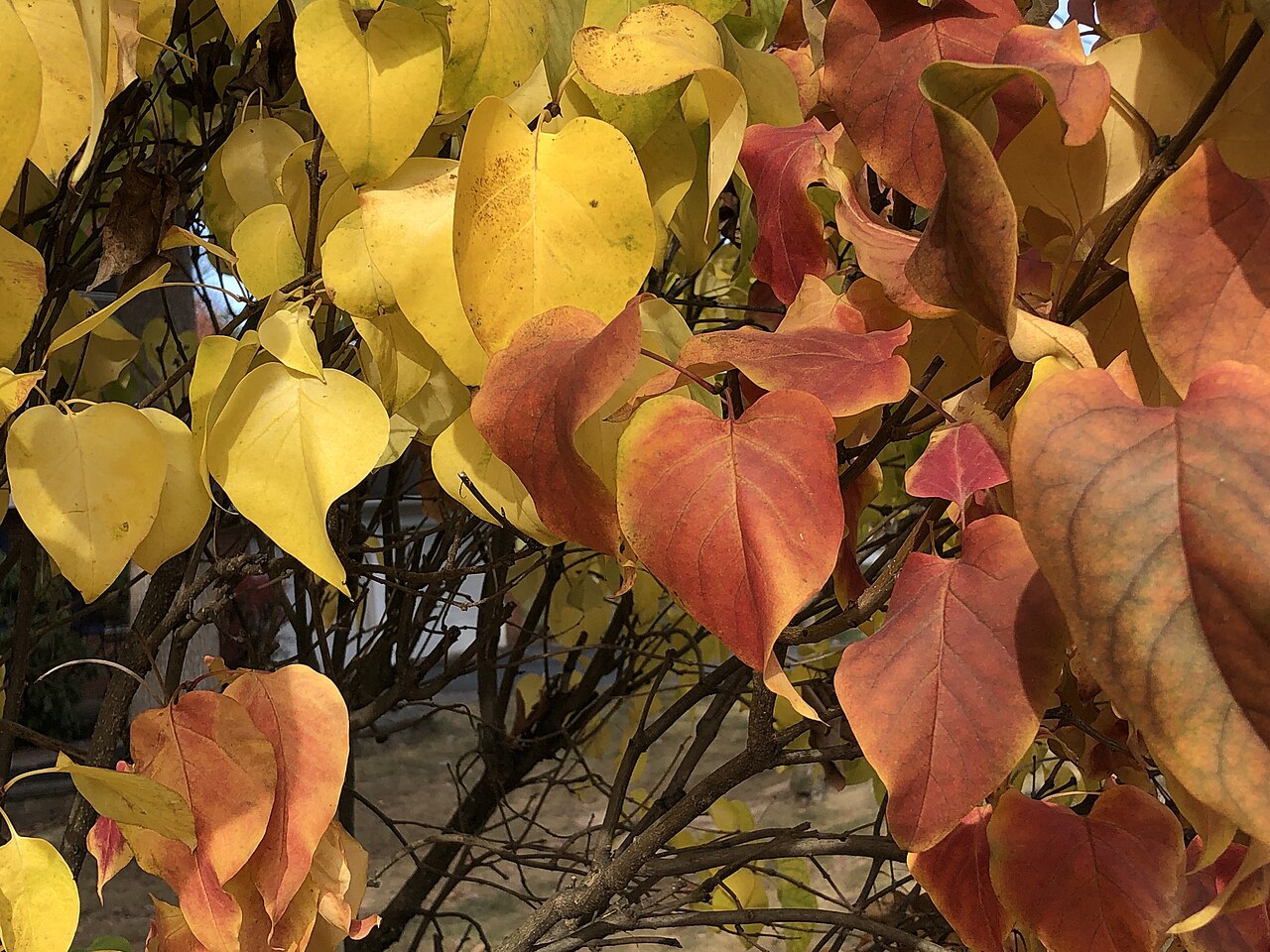
Lilac isn’t native to North America; the Morton Arboretum lists its home range as southeastern Europe. If you’re replacing a chronically diseased shrub, consider a native with fragrant spring flowers such as fringetree, a lilac relative in the olive family, or summer-blooming summersweet for a wetter spot.
Fringetree has its own browning issues, covered in our guide to fringetree leaves turning brown. For a similar spot-by-spot diagnosis on a native shrub, see black chokeberry leaf spots.
Frequently Asked Questions
Can a lilac have leaf scorch and leaf spot at the same time?
Yes. A wet spring can set up leaf spot infections and damage roots in soggy soil, and a hot, dry July can then add scorch on top. Treat the root zone and do the fall cleanup.
Will brown lilac leaves turn green again?
No. Dead leaf tissue doesn’t recover. What matters is whether the twigs and buds are alive, which you can check by scratching a twig for green tissue.
Should I cut off all the brown leaves?
Not for scorch or leaf spot in late summer; the leaves will drop on their own, and the shrub still uses the green parts. Rake fallen leaves instead. Do prune out blighted shoot tips and pinch off leafminer-infested leaves.
Does powdery mildew kill lilacs?
It rarely does lasting harm to established shrubs. Improving airflow by thinning old stems usually reduces it.
Is my lilac dying if it dropped its leaves in August?
Probably not. If the twigs show green under the bark and next year’s buds are present, it should leaf out in spring. Repeated defoliation over several years is what weakens a shrub, so take the cleanup steps seriously.
Sources
- Leaf Scorch of Ornamental Trees and Shrubs, University of Missouri Extension
- Lilac Pseudocercospora Leaf Spot, Iowa State University Extension
- Lilac Leaf Blight, University of Vermont Extension
- What’s Wrong With My Lilac? Summer Foliar Diseases, University of Illinois Extension
- Bacterial Blight, University of Wisconsin–Madison
- Lilac (Syringa spp.) – Bacterial Blights, Pacific Northwest Plant Disease Management Handbook
- Lilac Leafminer (Gracillaria syringella), UMass Amherst Extension
- Common Lilac, The Morton Arboretum