Rejuvenating an Old Lilac: Planning a Multi-Year Pruning Schedule
Last updated: November 6, 2026
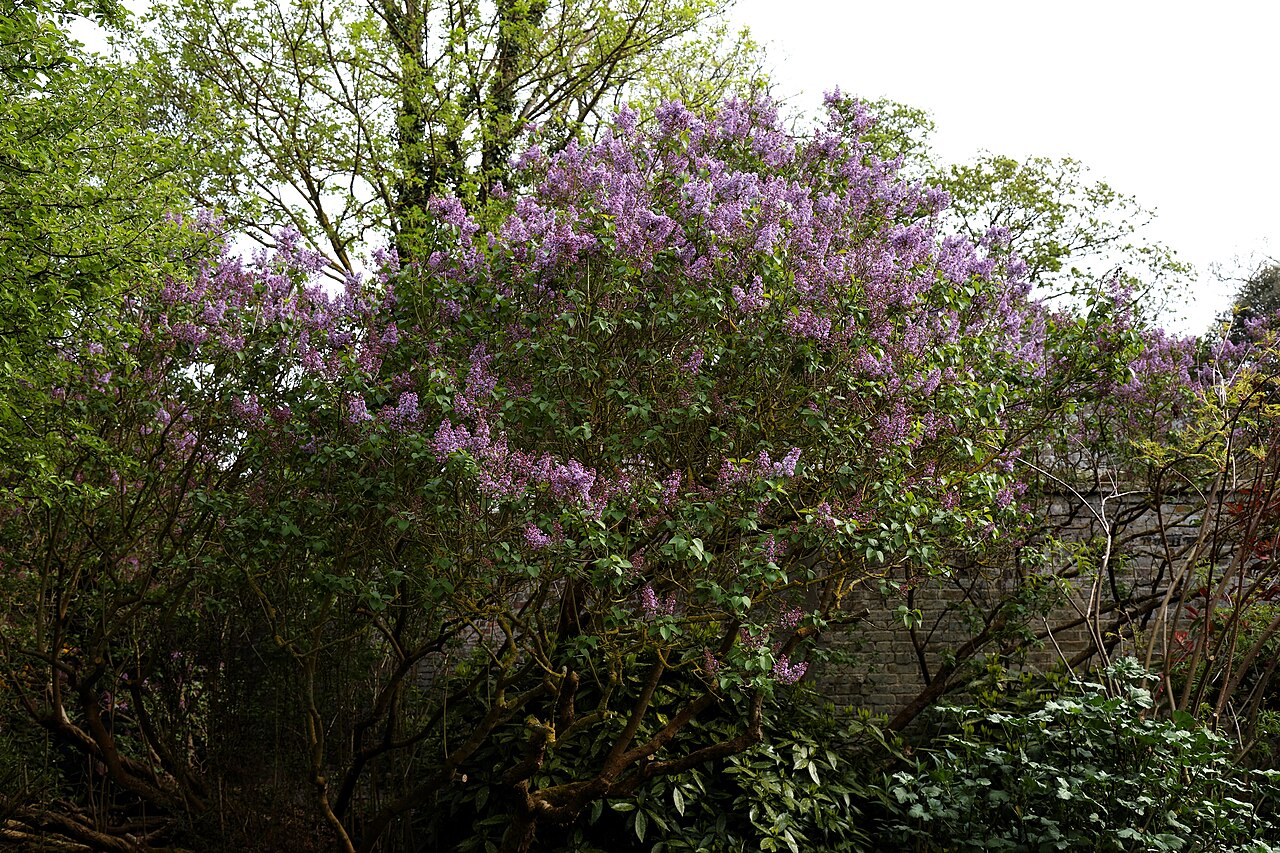
Old lilacs have a way of turning into small trees. The flowers move up out of reach, the bottom goes bare, and the shrub swallows the path, the window, or the fence it was planted beside.
The tempting fix is to cut the whole thing down in one afternoon. Sometimes that works, but it can also cost you several years of flowers and leave you with a thicket of new shoots.
For most old lilacs, a planned schedule over three years is the better route. This guide shows how to set it up, what to cut each year, and how to keep the shrub young once it’s renewed.
The Short Answer
- Year 1: Remove about one-third of the oldest, thickest stems at ground level, plus anything dead.
- Year 2: Remove about half of the remaining old stems, and thin the new shoots to the best few.
- Year 3: Remove the last of the old stems and thin new shoots again.
- Every year after: Take out a few of the oldest stems so the shrub never gets old again.
- Timing: late winter is easiest to see what you’re doing; right after bloom saves the most flowers.
Why Old Lilacs Get Leggy and Stop Blooming Well
Common lilac is a multi-stemmed, suckering shrub. Nebraska Extension notes that it can reach 15 to 20 feet, and that as it matures the upper canopy shades the lower portions until they lose their leaves.
The result is a shrub of tall, thick trunks with foliage and flowers only at the top. Iowa State University Extension observes that large, older branches often aren’t as floriferous as younger ones.
Old stems also invite trouble. Nebraska Extension says those thick, heavy stems are very prone to attack by lilac borers, and University of Illinois Extension notes that borers tend to target stressed or very old stems.
Choose Your Method
There are three common ways to renew an old lilac. The difference is how fast you go and what you give up.
Gradual Rejuvenation vs. Hard Renovation
| Gradual (three years) | Remove old stems in stages. The shrub keeps foliage and keeps blooming each year. Fewer unwanted new shoots. |
| Faster (two years) | The Chicago Botanic Garden describes hard-pruning half the stems one year and the rest the next, to avoid losing all bloom at once. |
| Renovation (all at once) | Cut every stem to a few inches above the ground in late winter. One day of work, but Iowa State says lilacs may not bloom for 3 to 5 years, and Nebraska Extension warns of a flush of excess suckers. |
Nebraska Extension calls the three-year approach the best way to prune lilacs. Because you never remove all the stems and their stored reserves at once, the plant keeps enough leaves to stay vigorous, and you still get flowers every spring.
Renovation makes sense when the shrub is mostly dead wood, badly damaged by borers, or so far gone that waiting three years isn’t worth it. If you choose it, the shoot-selection steps below still apply.
Step 1: Assess the Shrub Before You Cut
Walk around the lilac and look at it from the ground up. You’re answering four questions.
- How many main stems are there? Count them, roughly. A third of that number is your first-year target.
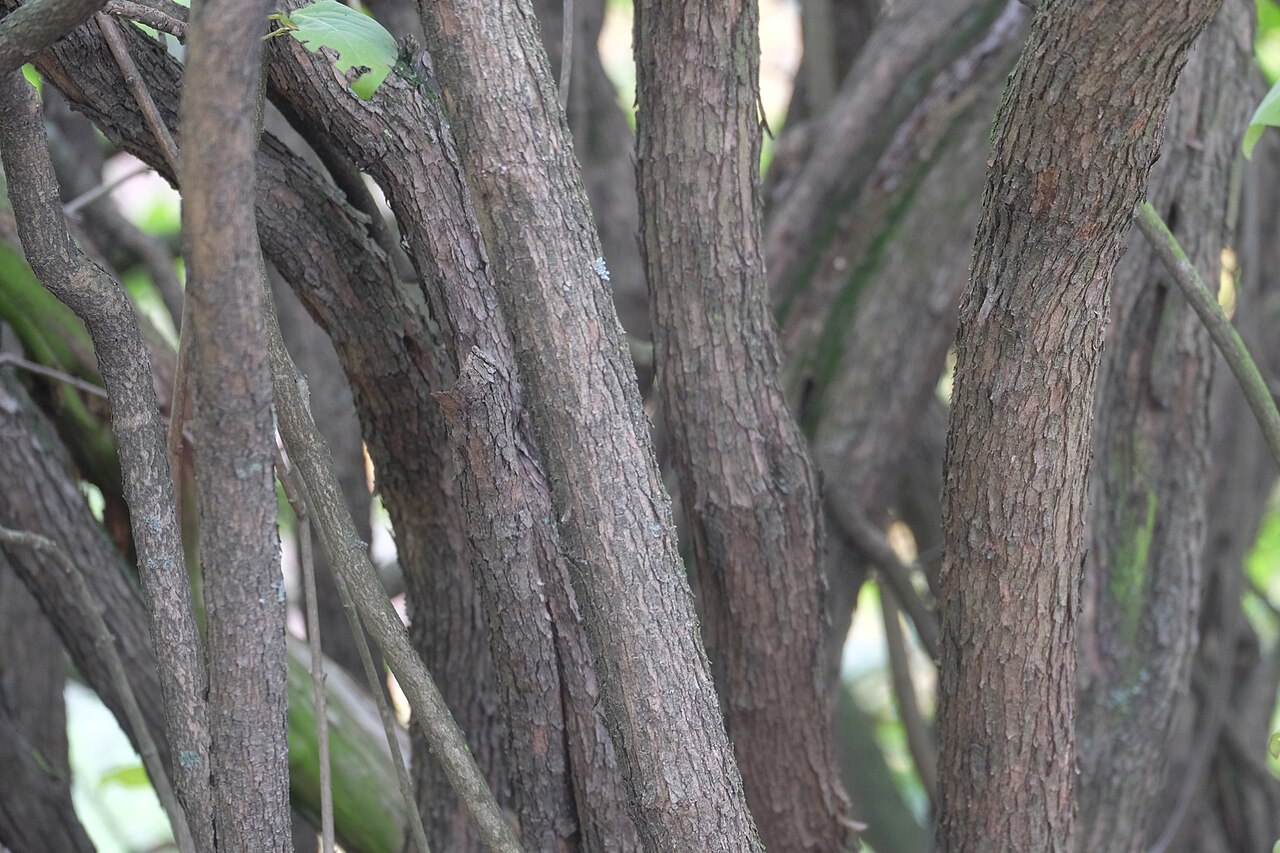
- Which are the oldest? Oregon State University Extension describes the oldest canes as having scaly, cracked bark and dry, brittle wood. They’re usually also the thickest and tallest.
- Is anything dead or borer-damaged? Look for bare stems that didn’t leaf out, and for sawdust, sap, or frass near the base, which Illinois Extension lists as borer signs.
- Is it grafted? Oregon State cautions against pruning below the graft union. On an old shrub you may not be able to find it; if you can’t tell, the gradual method is the safer choice.
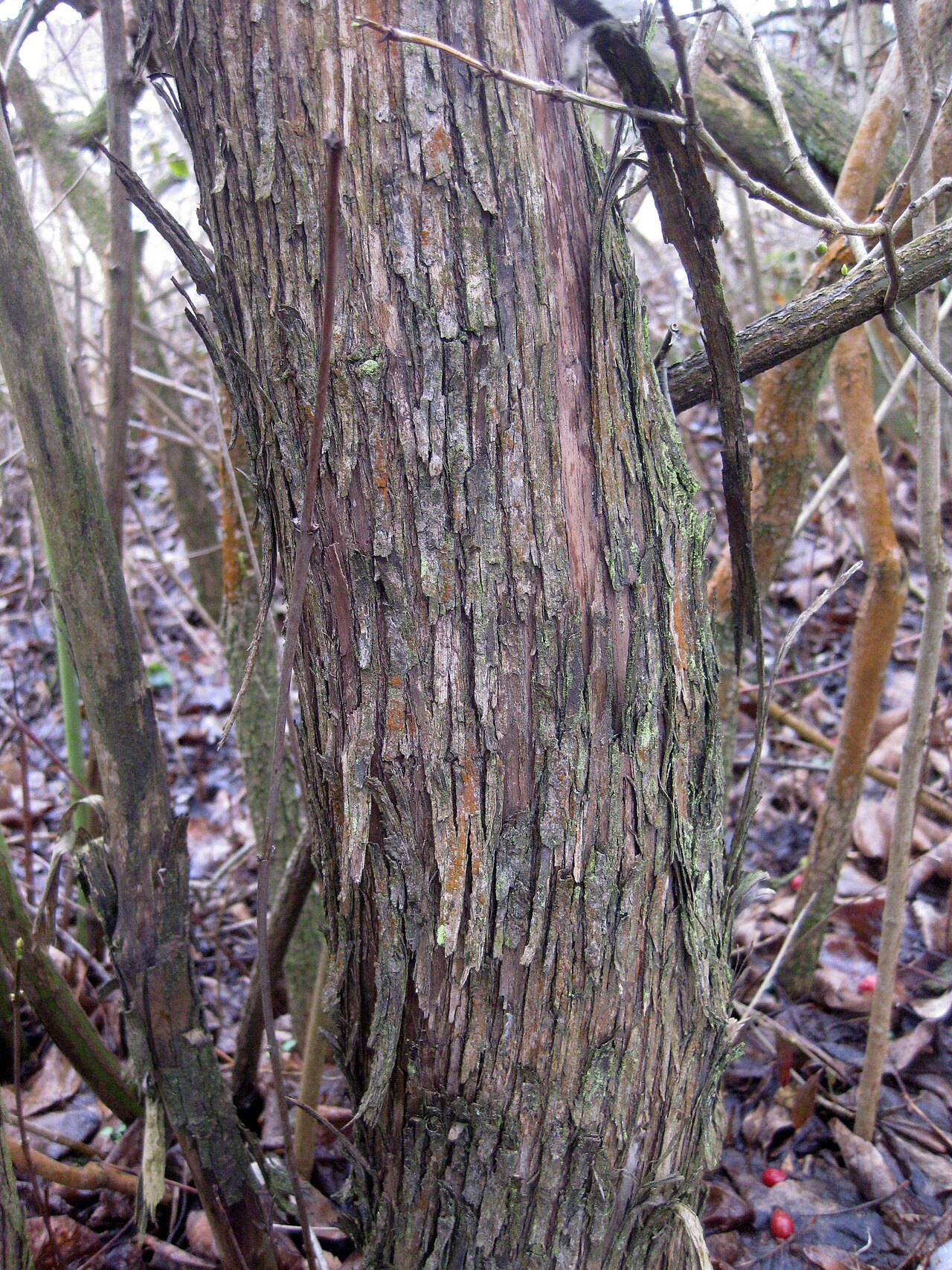
Mark your Year 1 stems with a twist of string or flagging tape. Spread them around the shrub rather than clearing one side, so the shape stays balanced while it fills in.
Step 2: Pick Your Pruning Window
Extension sources split on timing, and both choices are reasonable.
Late winter, before buds break. Iowa State and Nebraska Extension both schedule rejuvenation cuts here; Iowa State suggests March or early April for its region. The shrub is leafless, so you can see the stems clearly and reach the base easily. You’ll lose the flower buds on the stems you remove, but Iowa State notes those old branches usually aren’t heavy bloomers anyway.
Right after flowering in late spring. Oregon State recommends removing the old stems right after bloom, which lets you enjoy that year’s flowers first. Working around a shrub in full leaf is harder, but nothing you remove has next year’s buds yet.
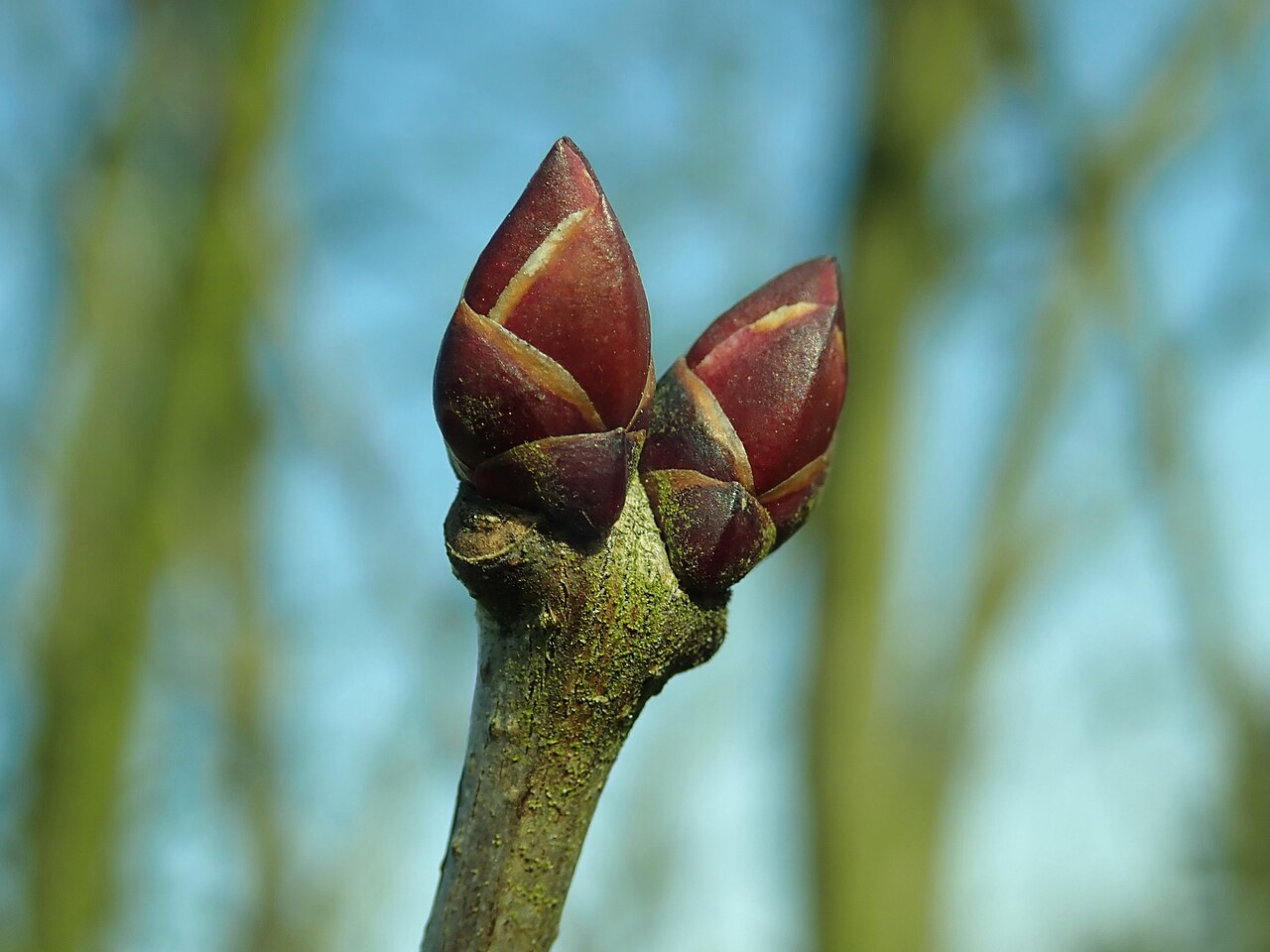
Whichever you pick, stick with the same window each year so the schedule stays on track. Avoid midsummer through fall, when the shrub is setting next year’s flower buds.
Step 3: Make the Year 1 Cuts
Remove your marked stems one at a time, cutting as close to the ground as you can. Nebraska Extension notes that on a young plant this may mean only two or three stems, while on a badly neglected shrub you may take out more.
Use loppers for smaller stems and a pruning saw for anything thicker. Our guide to garden saws for thick branches compares options if you don’t own one.
Cut tall stems down in sections rather than felling them whole into the rest of the shrub. Wear eye protection and gloves. If a lilac has grown into a tree near a house or power line, call a certified arborist rather than working from a ladder.
Remove any dead or unhealthy branches at the same time, as Nebraska Extension advises. For basic cut placement and tools, see how to prune trees and shrubs.
Step 4: Year 2, Remove More Old Wood and Thin the New
By now, new shoots will have come up from the base where you made last year’s cuts. That’s exactly what you want, but usually there are too many.
Iowa State’s schedule calls for removing about half of the remaining old stems in the second year. At the same time, thin the new growth: keep several well-spaced, vigorous shoots and remove all of the others at ground level.
Choose keepers that are spread around the crown, growing upright or slightly outward, and free of damage. Remove the weak, crowded, or crossing ones. Nebraska Extension also suggests cutting young shoots back at staggered heights, just above an outward-facing bud, to encourage branching.
Step 5: Year 3, Finish the Old Stems
Take out the last of the old wood at ground level. Then do another round of thinning on the new shoots, keeping the best and removing the rest.
At this point, the shrub is made almost entirely of stems a few years old or younger. Oregon State says a rejuvenated lilac should respond with vigorous new shoots and more flowers lower on the plant.
Don’t expect the youngest stems to flower right away. Nebraska Extension notes that lilac wood generally needs to be three or more years old before it blooms, so the newest shoots will join the show over the next few seasons.
The Three-Year Schedule at a Glance
| Year 1 | Remove about one-third of the oldest, thickest stems at the base, spread around the shrub. Remove dead wood. |
| Year 2 | Remove about half of the remaining old stems. Keep several strong new shoots; remove the rest. |
| Year 3 | Remove the last old stems. Thin new shoots again. |
| Year 4 onward | Remove a few of the oldest stems each year, deadhead after bloom, and keep a mix of stem ages. |
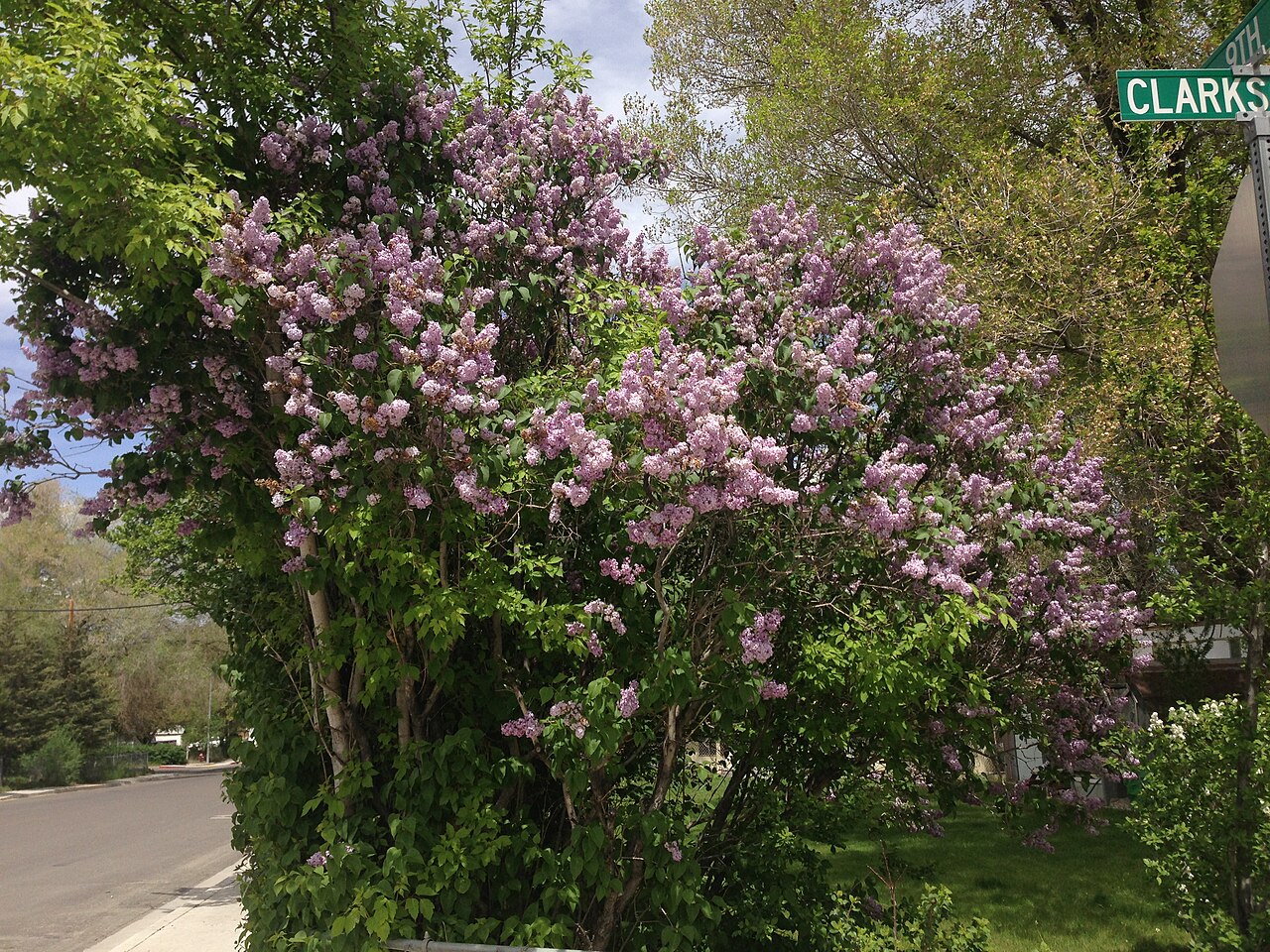
Step 6: Keep It Young With an Annual Cycle
Once the shrub is renewed, don’t let it age out again. Nebraska Extension recommends continuing to remove some of the oldest, thickest stems every year for the life of the plant.
Because the tallest stems are usually the oldest, this steady removal also brings the height down over time without shearing. Iowa State describes a lighter version: removing the oldest, largest branches near the base every three to five years.
After each year’s stem removal, Nebraska Extension says you can lightly tip-prune to even out the outline. Remember that every tip you cut removes flower buds, so keep this to a minimum.
Deadheading fits into the same routine. Iowa State recommends cutting spent flower clusters just above the uppermost leaves soon after bloom.
Mistakes That Undo a Rejuvenation
- Shearing the whole shrub to 3 or 4 feet. Nebraska Extension calls this often the worst option: the thick old bases keep aging and attract borers, and badly timed cuts remove the flower buds.
- Removing all the new shoots. They’re your future flowering wood. Thin them; don’t eliminate them.
- Cutting in late summer or fall. Next year’s flower buds are already formed by then.
- Cutting below a graft. Shoots from the rootstock won’t be the variety you planted.
- Giving up after Year 1. A shrub with a third of its old wood gone can look lopsided. It fills in by the end of the schedule.
If your shrub skipped blooming after an earlier pruning attempt, our guide to a lilac not blooming after pruning walks through what went wrong before you start a new schedule.
Aftercare During the Schedule
Rejuvenation stresses a shrub less than renovation, but it still helps to support the new growth.
Water during dry spells, especially in the first summer after a big round of cuts. Our watering guide for shrubs and trees explains how to water deeply and less often.
Mulch the root zone. The Morton Arboretum notes that lilac is shallow rooted and benefits from mulch to moderate soil temperature. Keep it a few inches back from the stems; see our mulching techniques guide.
Go easy on fertilizer. Iowa State says lilacs generally don’t need it, and heavy feeding can push leaves at the expense of flowers. A light application in early spring is the most it needs.
Watch the new shoots for disease. Thinning improves airflow, which helps with leaf problems. If leaves brown during the schedule, use our lilac leaf scorch or leaf spot guide to sort out the cause.
A Season-by-Season Plan
- Late winter: Make the year’s stem removals if you prune in the dormant season. Thin last year’s new shoots.
- Spring bloom: Note which stems flowered. Flag next year’s removals while it’s easy to see the oldest wood.
- Right after bloom: Deadhead. Make the year’s stem removals now if you prune after flowering.
- Summer: No pruning. Water during drought and check the base for borer signs.
- Fall: Rake up fallen leaves if there was leaf disease. Plan next year’s cuts.
Lilac is native to southeastern Europe, not North America. If you’re deciding whether to renew an old lilac or replace it, consider a native multi-stemmed shrub such as fringetree, a lilac relative, or New Jersey tea for smaller spaces. Our page on caring for native shrubs covers their basic upkeep.
Frequently Asked Questions
Will my lilac still bloom during a three-year rejuvenation?
Yes. That’s the main advantage of the gradual method. Nebraska Extension notes that it lets you enjoy flowers every spring, because most of the shrub is untouched each year.
Can I just cut my old lilac to the ground?
You can, and lilacs usually respond with many new shoots. Expect to wait several years for flowers; Iowa State estimates 3 to 5 years. You’ll also need to thin the flush of new shoots the following winter.
How many new shoots should I keep?
Extension guides say “several” rather than a fixed number. Keep enough well-spaced, vigorous shoots to replace the old stems you removed, and take out the weak and crowded ones.
What if my lilac is spreading with suckers too?
Rejuvenation and sucker control go together: the new shoots you don’t keep are removed at ground level each year. Hard renovation tends to trigger more suckers, according to Nebraska Extension, so the gradual method is the better choice for a spreading shrub. Our guide to lilac suckers taking over covers setting a boundary for the patch.
Is it too late to save a lilac that’s mostly dead wood?
Not necessarily. Lilacs resprout readily from the base. If most stems are dead or riddled with borers, renovation may be the practical choice. For a broader look at decline, see our overview of lilac leaves turning brown.
Sources
- Pruning Lilacs, Nebraska Extension in Lancaster County
- Rejuvenating Older Lilacs, Nebraska Extension in Lancaster County
- Pruning Large, Overgrown Shrubs, Iowa State University Extension
- Growing Lilacs in the Home Garden, Iowa State University Extension
- Keep Lilacs Healthy and Blooming With Regular Pruning, Oregon State University Extension
- Lack of Flowers on Lilacs, Chicago Botanic Garden
- What’s Wrong With My Lilac?, University of Illinois Extension
- Common Lilac, The Morton Arboretum