Pruning an Overgrown Winterberry: Plan Cuts Around Flowers and Fruit
Last updated: November 6, 2026
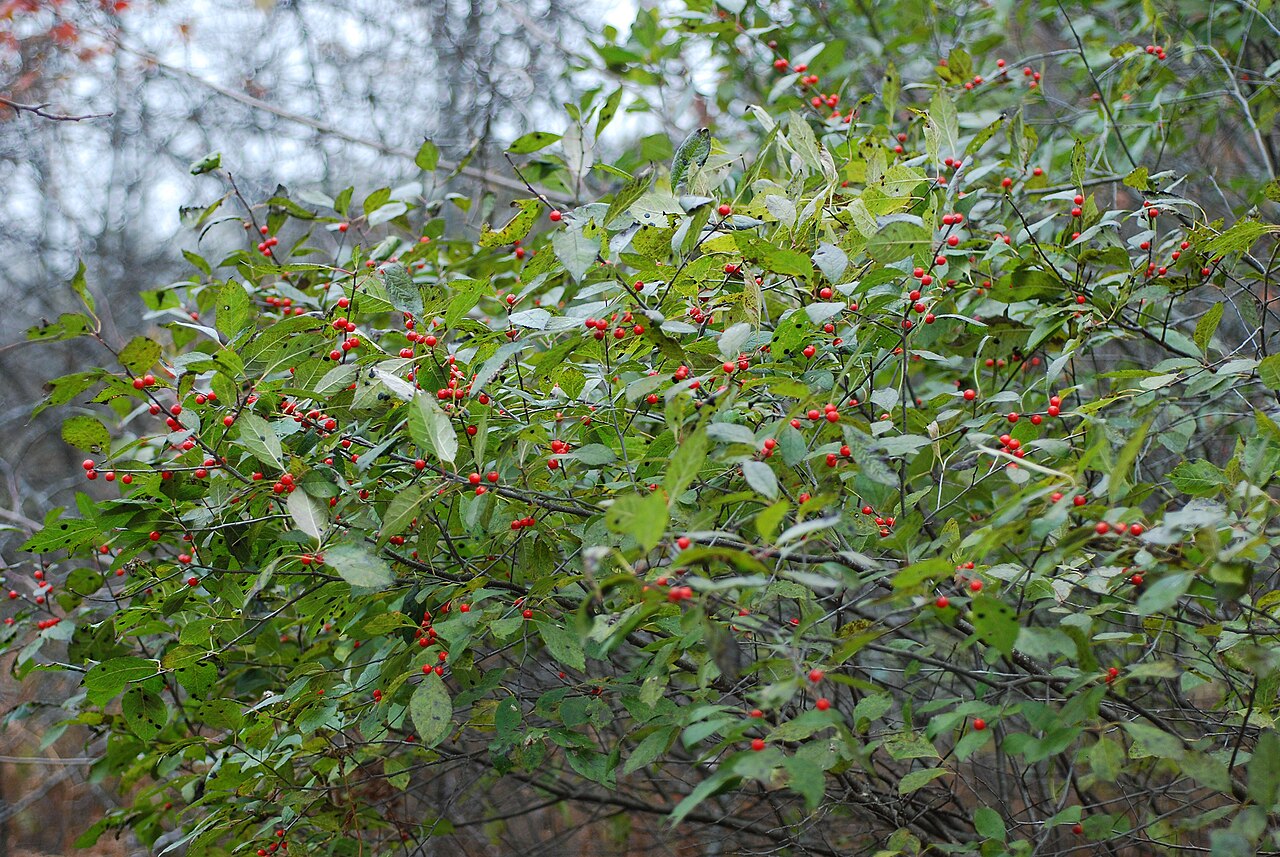
A young winterberry holly is tidy and upright. Ten years later it may be a wide thicket of stems, crowding a path or swallowing a window, with berries mostly up top where you can’t see them.
The urge is to shear it back to size. Don’t. Winterberry’s berries form along its stems, and a flat-top haircut in the wrong season can wipe out next winter’s display.
The better approach is renewal pruning. Remove the oldest stems at the base, a few at a time, over two or three winters. This guide shows how to plan those cuts around flowering and fruit.
The Short Answer
- When: late winter or early spring, before new growth starts. Cutting berried branches for decoration in December also counts.
- How: cut the oldest, thickest stems at ground level. Leave younger stems to carry flowers and fruit.
- How much: no more than about one third of the shrub in a year.
- Pace: spread a full renovation over about three years.
- Avoid: shearing the outside of the shrub, and pruning after spring growth begins.
- Keep the male: renovate pollinator plants the same way. Don’t remove them.
How Winterberry Grows (and Why Shearing Backfires)
Winterberry is a multi-stemmed shrub. New stems come up from the base, and in moist soil it suckers to form clumps or thickets. The UConn Plant Database notes its tendency to sucker and form large clumps.
Flowers appear along the shoots in late spring and early summer. Female flowers then become the berries you see on bare stems in winter.
Sources disagree on one point. NC State Extension says flowers appear on new growth. A University of Maryland Extension answer says most references describe flowering on wood from the previous year. That disagreement matters less than it sounds, because both point to the same practical rules.
- Don’t cut once spring growth is underway; you’ll remove developing flowers either way.
- Don’t shear the outer shell of the shrub; that’s where most flowering stems are.
- Do take whole old stems out at the base in late winter, and leave younger ones uncut.
The Pruning Calendar
| December | Cut berried branches for arrangements, spread across the shrub. This is real pruning, so count it. |
| Late winter – early spring | Main pruning window. Remove old stems at the base, dead wood, and suckers you don’t want. |
| Spring – summer | Hands off, except for broken or dead branches. Flowers and young fruit are on the stems. |
| Fall | Enjoy the berries. Mark stems to remove later with a twist tie or flagging tape. |
Step 1: Decide What “Overgrown” Means for Your Shrub
Before you cut, decide what you’re fixing. The plan changes depending on the problem.
- Too tall or wide for the space: you’ll take out the tallest and widest-leaning stems at the base, gradually lowering the shrub’s outline.
- Spreading into a lawn or path: you’ll remove suckers and outer stems on that side.
- Bare and leggy at the bottom: you’ll remove the oldest stems to push new growth from the base.
- Fewer berries than it used to have: pruning may help light reach the center, but check pollination and shade too.
Also be realistic about size. Mature winterberry varies a lot by cultivar and site. University of Minnesota Extension gives 3 to 15 feet for height and spread. A large cultivar in a small spot will need regular pruning forever, and moving it may be the better long-term answer.
Step 2: Mark Stems in Fall, While the Berries Show
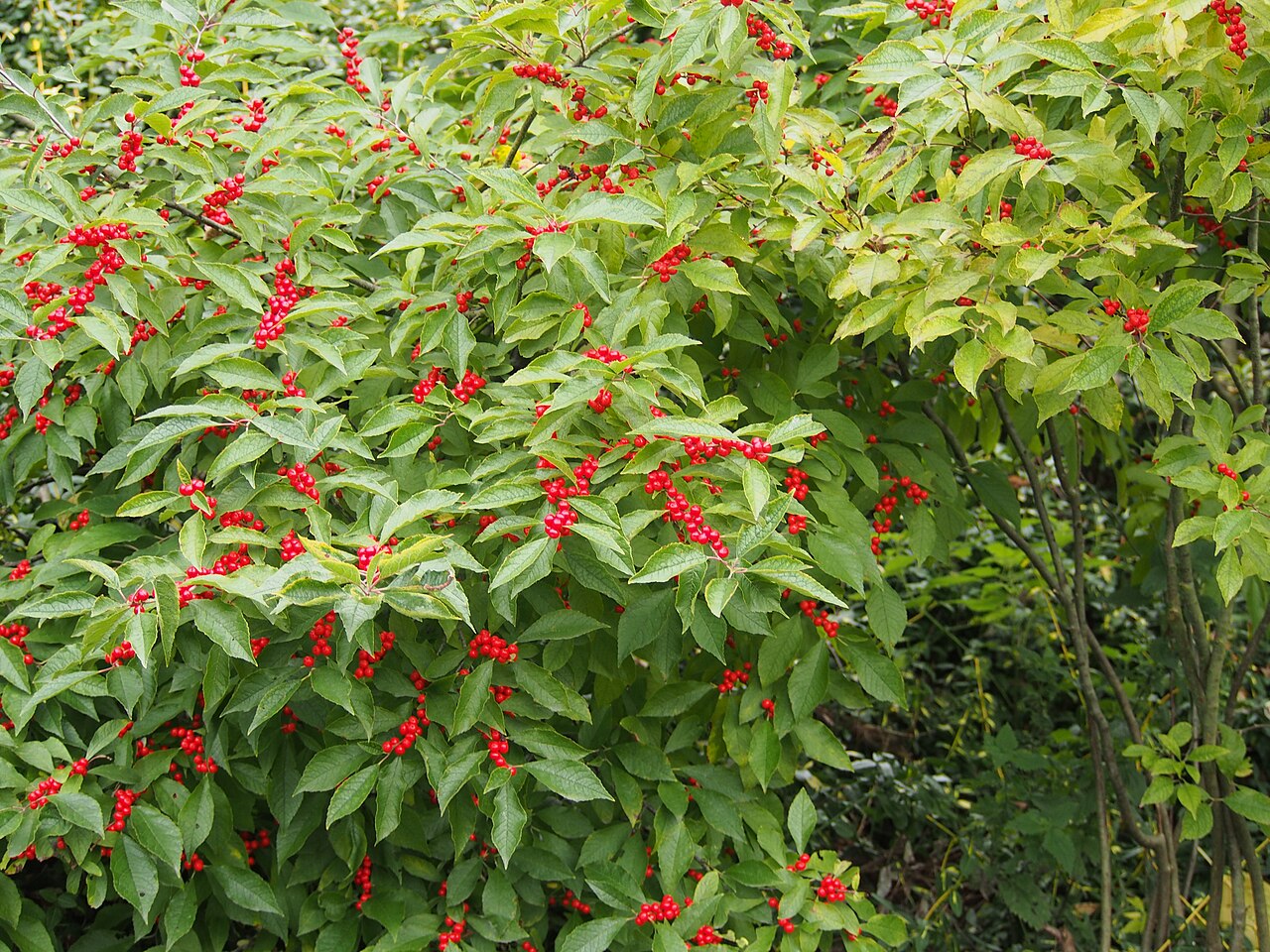
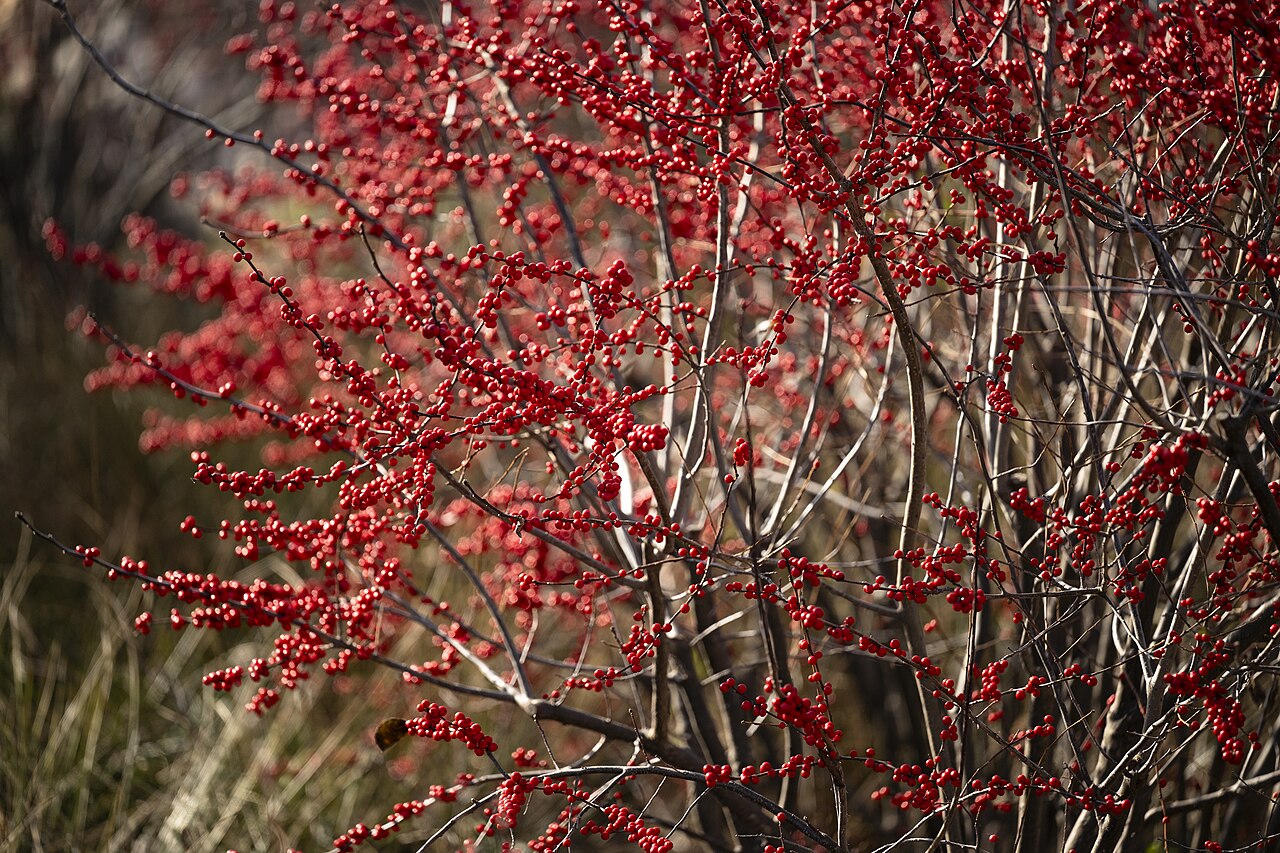
Fall is the best time to plan and the wrong time to cut. With fruit on the stems, you can see which branches carry the crop and which are old, sparse, or shaded out.
Tie flagging tape or a twist tie around stems you plan to remove. Choose:
- Dead or broken stems.
- The oldest, thickest stems, especially ones with little fruit.
- Stems leaning into the path, house, or a neighboring plant.
- Stems rubbing or crossing others in the center.
Mark early: a flock of birds can strip the fruit in a day, and then the branches all look alike. (Our guide to winterberry berries disappearing explains when that tends to happen.)
Count them. If your list adds up to more than about a third of the stems, split it across two or three winters.
Step 3: Make Renewal Cuts in Late Winter
Piedmont Master Gardeners recommend pruning to shape in late winter or early spring, before new growth appears. UMass Extension’s late-winter advice for multi-stemmed shrubs, winterberry included, is to remove a couple of the oldest stems near the ground. That keeps the shrub vigorous and encourages young growth from the base.
For each marked stem:
- Follow it to the base.
- Cut it as close to the ground as you can, using loppers or a pruning saw for thick stems.
- Remove the cut stem carefully so it doesn’t tear the branches around it.
Don’t leave stubs a foot tall. Short stubs at ground level disappear among new shoots; tall ones stay ugly for years.
UMass Extension also gives a useful limit: removing no more than one third of the canopy reduces the risk of weakening the plant or triggering excessive regrowth. For an overgrown shrub, plan on three rounds.
Our general guide to pruning trees and shrubs covers cut placement and tools in more detail.
Step 4: Shorten Stems Only With Thinning Cuts
Sometimes a stem is fine at the base but too tall. In that case, cut it back to a side branch growing in the direction you want, rather than chopping it at a random height.
This is called a thinning cut. It shortens the stem without creating a flush of upright shoots at the cut, and it leaves the remaining branch to flower.
Make these cuts sparingly. A few per year are enough. If most of the shrub needs shortening, renewal cuts at the base will work better.
Step 5: Manage Suckers at the Edges
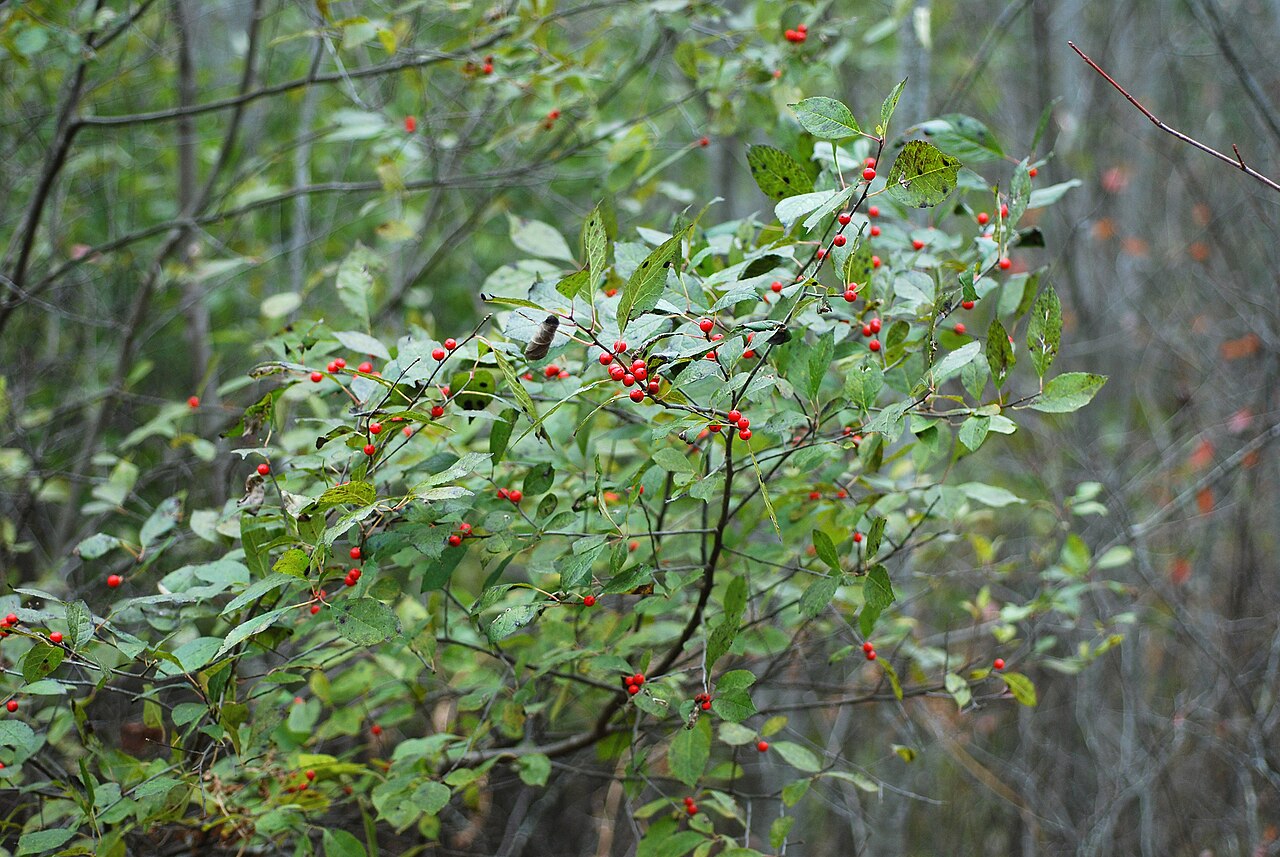
In wet sites winterberry can spread into a dense thicket, while in drier soil it tends to stay a tighter shrub. If yours is creeping into lawn or a path, cut unwanted suckers at ground level in late winter at the same time as your other cuts.
Keep a few well-placed young suckers inside the clump. They are your replacement stems for the old ones you’re removing.
If you have room, you can also let suckers fill in naturally. A broad clump is good bird cover and still carries plenty of fruit.
Step 6: Plan Around Flowers, Fruit, and the Male
Renewal pruning costs some berries each year, because you’re removing older stems that would have fruited. Taking out only a third at a time keeps most of the display.
Don’t forget the male. If your berries depend on a male winterberry nearby, renovate it the same staged way. Cutting it to the ground or removing it can leave your females with nothing to pollinate them.
Three-Year Renovation Plan
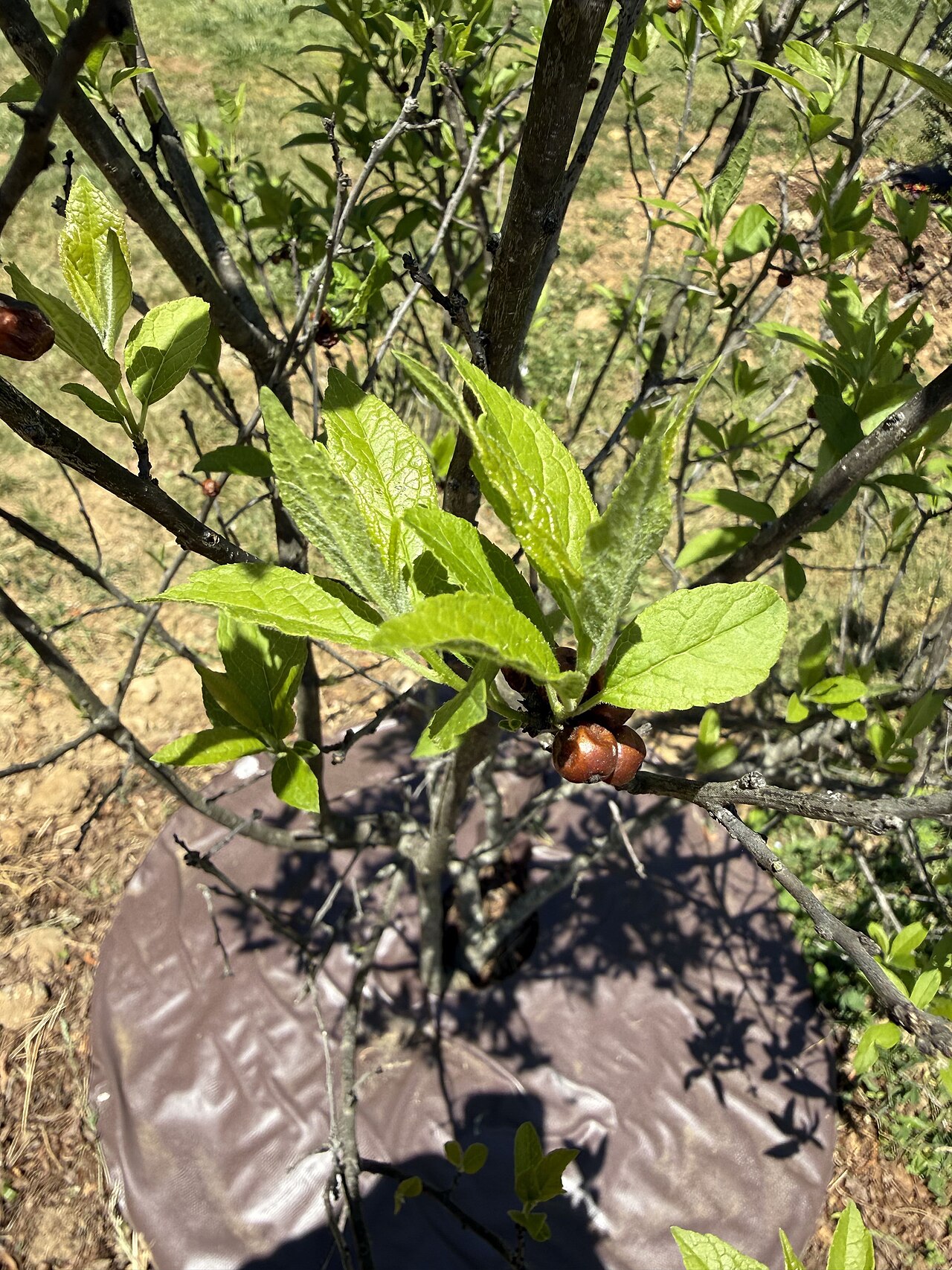
| Year 1, late winter | Remove dead wood plus about one third of stems, starting with the oldest and the ones in the way. |
| Year 1, growing season | No cuts. Water in dry spells; new shoots should appear from the base. |
| Year 2, late winter | Remove the next third of old stems. Thin new shoots to the strongest, best-placed ones. |
| Year 3, late winter | Remove the last old stems. From now on, take out one or two of the oldest stems each year. |
Mistakes to Avoid
- Shearing into a ball or box. It removes the outer shoots that flower and fruit.
- Pruning in late spring or summer. Flowers and young berries are already on the stems.
- Cutting everything at once. Removing more than about a third in a year stresses the plant and costs at least a year’s berries.
- Forgetting holiday cuts. If you cut a lot of berried stems in December, take fewer in late winter.
- Removing the male plant. Your females need it.
The same staged approach works on other suckering native shrubs. See our staged pruning plan for an overgrown black chokeberry for a closely related example.
If berries were already scarce before the shrub got overgrown, check our guide to winterberry holly with no berries before you start cutting.
A Season-by-Season Plan
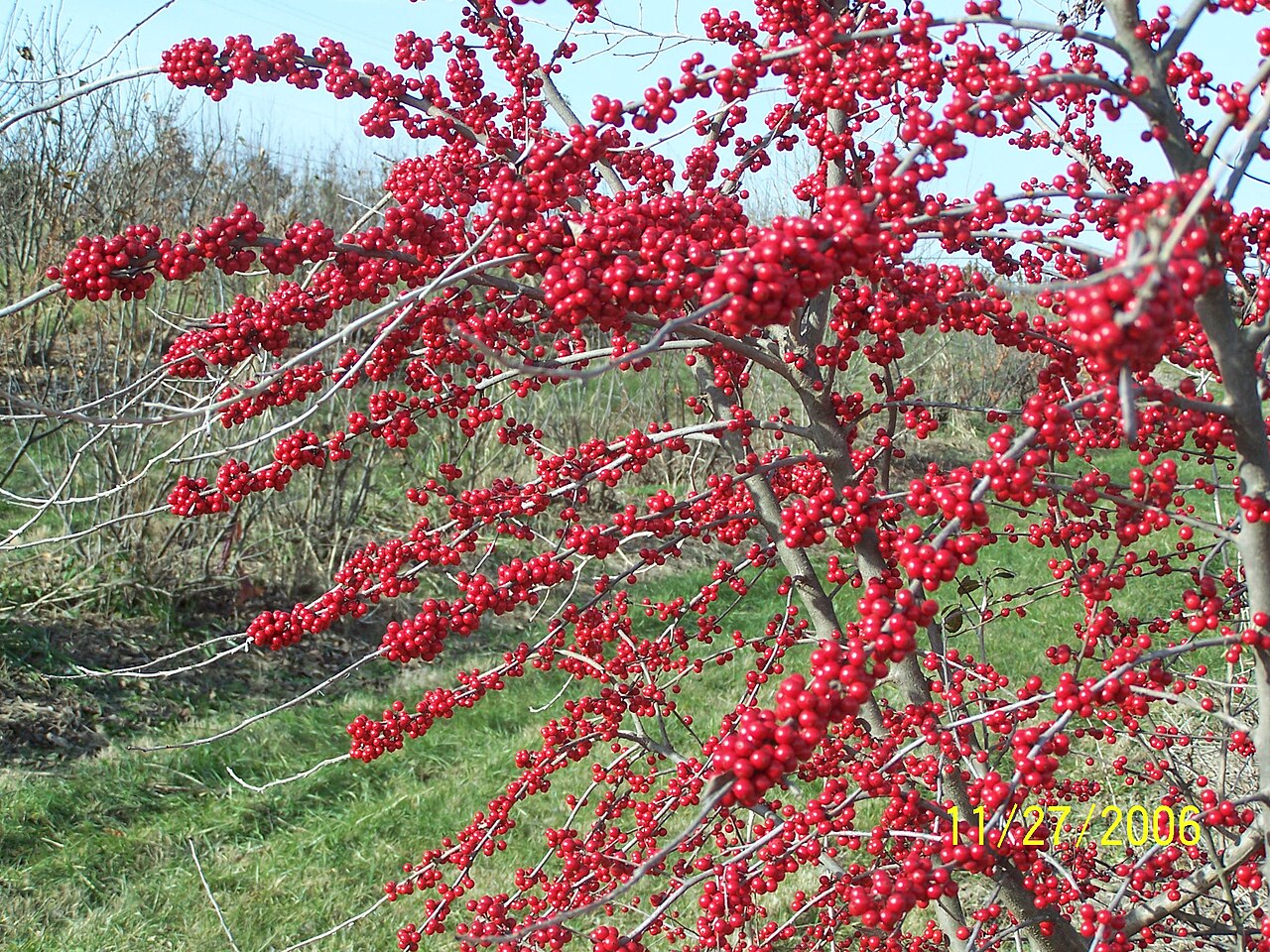
- Fall: mark stems to remove while berries show which branches carry fruit.
- December: cut decorative branches evenly from around the shrub.
- Late winter: make renewal cuts at the base, remove dead wood and unwanted suckers.
- Spring: watch new shoots emerge. Mulch and keep the soil moist.
- Summer: no pruning. Water deeply in dry spells so the flowers set fruit.
📋 More on this plant: read the full Winterberry Holly (Ilex verticillata) profile, or find it in our native plant lists for New Hampshire, Maine & Vermont, Connecticut, Massachusetts & Rhode Island, New York, Pennsylvania & Northern New Jersey, Delaware, Southern New Jersey & Long Island, Maryland, Virginia & West Virginia, North Carolina & South Carolina, Georgia, Alabama & Mississippi, Kentucky & Tennessee, Ohio & Indiana, Michigan, Wisconsin & Eastern Minnesota, and Arkansas, Louisiana, Eastern Oklahoma & Eastern Texas.
Frequently Asked Questions
When is the best time to prune winterberry holly?
Late winter or early spring, before new growth starts. Piedmont Master Gardeners recommend shaping it then, and cutting at that time avoids removing developing flowers.
Can I cut winterberry back hard to the ground?
We didn’t find extension guidance specific to cutting winterberry completely to the ground. A staged approach removing about a third of stems each year is the safer choice, and it keeps some berries every winter.
Does cutting branches for Christmas decorations hurt winterberry?
Not if you’re moderate. It’s a form of pruning, so take stems from different parts of the shrub and reduce your late-winter cuts accordingly.
Should I prune the male winterberry too?
Yes, the same way: thin old stems in late winter. Don’t remove it or cut it to the ground, because the females depend on its pollen.
Why does my pruned winterberry have fewer berries?
Usually because cuts removed flowering stems: shearing the outside, pruning after growth began, or taking too much at once. Switch to late-winter thinning at the base.
Sources
- UMass Extension, Hort Notes 2022 Vol. 33:1: removing a couple of the oldest stems near the ground on winterberry and similar shrubs; no more than one third of the canopy.
- Piedmont Master Gardeners (Virginia), Winterberry Holly: pruning to shape in late winter or early spring before new growth; cut stems for arrangements.
- North Carolina Extension Gardener Plant Toolbox, Ilex verticillata: tolerates pruning; flowers on new growth.
- Ask Extension (University of Maryland Extension answer), Winterberry holly disease: most references describe flowering on the previous year’s wood; wait until late winter to prune.
- University of Connecticut Plant Database, Ilex verticillata, Common Winterberry: suckering habit and clump formation.
- University of Minnesota Extension, Winterberry: mature size range and suckering.
- Wikipedia, Ilex verticillata: dense thickets in wet sites, tight shrub in dry soil, cut branches in arrangements.