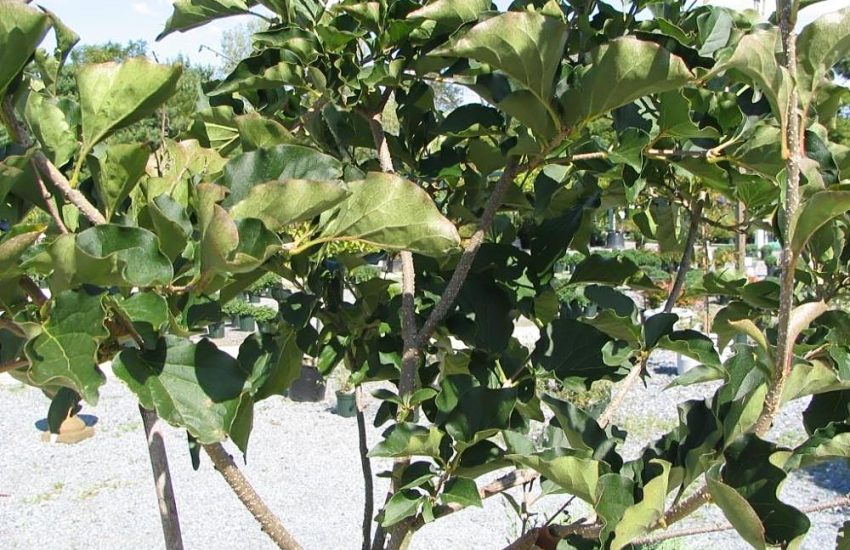
Fringetree Leaves Turning Brown: Root-Ball and Site Troubleshooting
Last updated: November 6, 2026
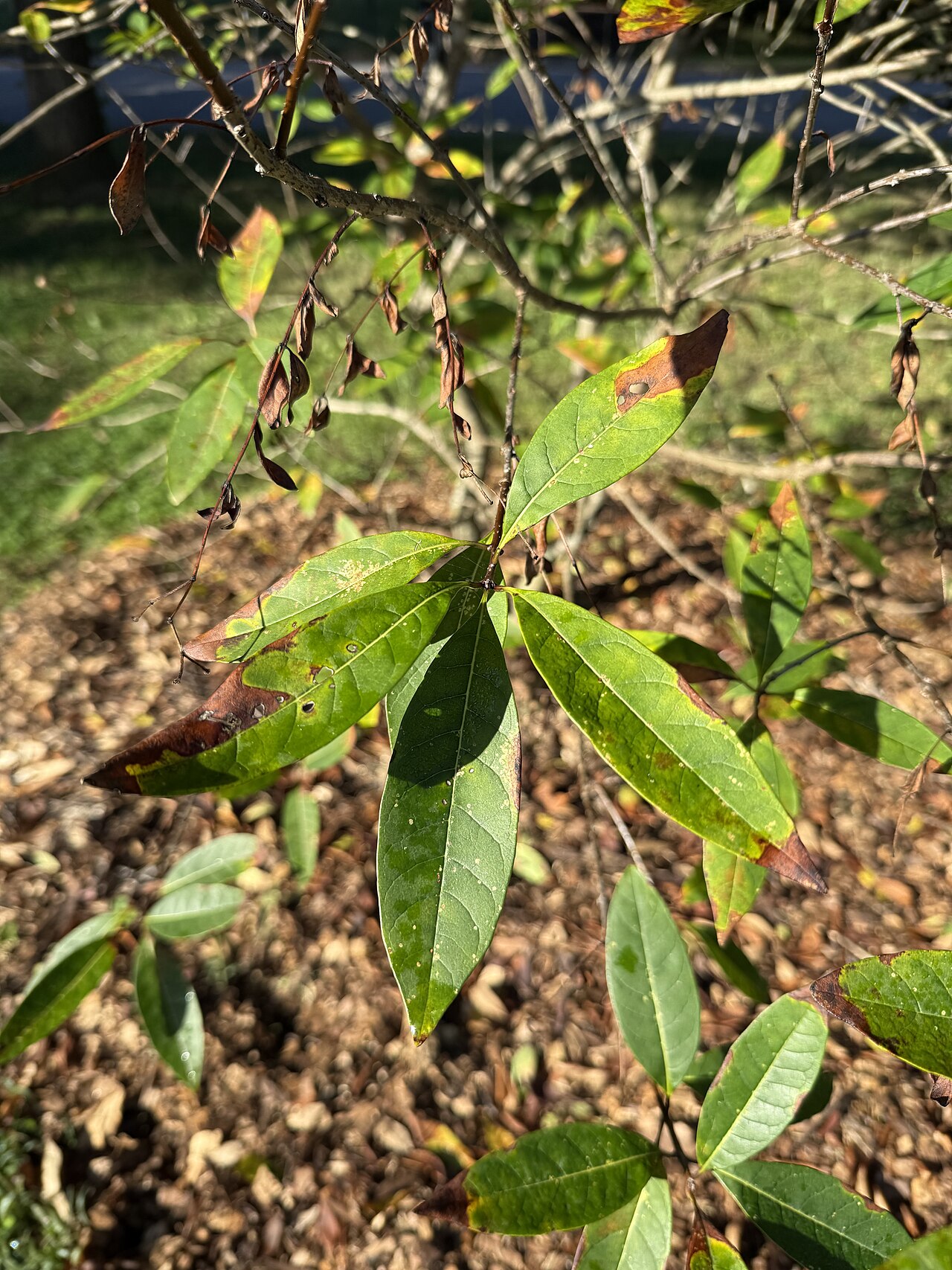
Your fringetree had glossy green leaves. Now the tips and edges are turning brown, and some leaves are curling up or dropping.
Brown leaves are a symptom, not a diagnosis. On fringetree, the cause is usually below ground: a root ball that dries out, soil that stays too wet, or a planting problem that limits how much water the roots can deliver.
This guide works through the checks from most to least likely. Start with the season, then look at the leaves, the root ball, and the site.
The Short Answer
Browning on white fringetree (Chionanthus virginicus) usually comes from one of these:
- Normal fall color. In the Southeast, fringetree leaves often fade to greenish brown in autumn.
- Leaf scorch from heat, wind, and dry soil, especially on young or newly planted trees.
- A dry root ball on a recently planted tree, even when the surrounding soil is moist.
- Soggy, poorly drained soil that damages roots.
- Planting problems: too deep, mulch piled on the trunk, or circling roots.
- Less often, leaf spot, dieback, or borers on a stressed tree.
Why Fringetree Leaves Turn Brown
Leaves lose water constantly through their surfaces. The roots have to replace it. When the roots can’t keep up, the leaf tissue farthest from the supply dies first.
The Morton Arboretum explains that this is why scorch starts at the tips and edges. Those parts are the last to get water from the roots, so they’re the first to dry out and brown.
That makes brown edges a “supply” problem. The question is why supply fell short: not enough water in the soil, roots that can’t reach it, or roots that are damaged.
Fringetree is more exposed to this than its reputation suggests. It grows naturally in damp woods, thickets, and bluffs, according to the Lady Bird Johnson Wildflower Center. Clemson Extension says it prefers moist, deep, well-drained soil. It’s adaptable once established, but a young tree in a hot, dry, open site is working outside its comfort zone.
Reading the Browning Pattern
| Whole canopy yellowing, then browning in fall | Normal autumn change. |
| Tips and edges brown in July or August | Leaf scorch. Check soil moisture and the root ball. |
| Worse on the sunny or windy side | Exposure and reflected heat add to water stress. |
| Wilting and browning despite wet soil | Possible root damage from waterlogging. |
| Distinct spots scattered across the leaf | Possible leaf spot disease rather than scorch. |
| Whole branches brown and dead | Dieback or borers. Inspect the bark. |
Check 1: Rule Out Fall Color
Start with the calendar. If it’s September or later and the whole tree is changing, you may be looking at fall color.
Fringetree can turn a clear yellow in fall, but not reliably. Clemson Extension notes that in the Southeast, white fringetree leaves usually fade to yellow-green or greenish brown, and only occasionally turn bright yellow.
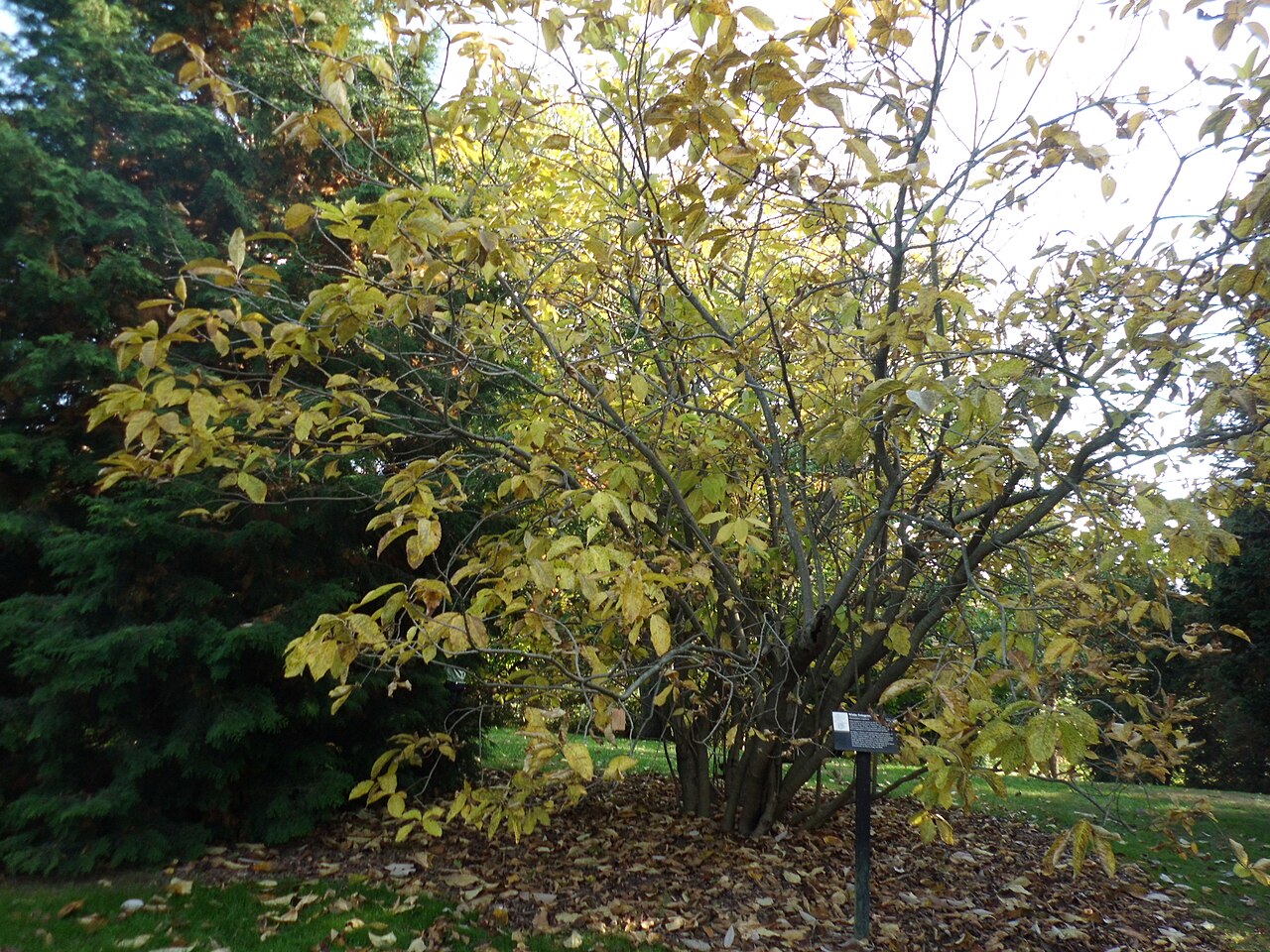
Seasonal change looks even. The whole canopy shifts color over a few weeks, and leaves drop normally. Scorch is patchy and starts at the edges while the rest of the leaf stays green, often in mid to late summer.
A dry late summer can blur the line. A tree that went into fall short on water may brown and drop early. That’s still a watering issue worth fixing for next year.
Check 2: Look at Where the Brown Is
Pick a few affected leaves and look closely.
- Brown edges and tips, green centers: classic scorch, a water-supply problem.
- Yellowing along the margins first: early scorch. The Morton Arboretum notes it can start as yellow edges that turn brown if conditions don’t improve.
- Round or irregular spots in the middle of the leaf: more likely a leaf spot disease. Clemson notes leaf spots can occasionally affect fringetree.
Then step back and look at the whole tree. The Morton Arboretum points out that scorch is often heavier on the side facing prevailing wind, strong sun, or reflected heat from brick walls and pavement.
Note what’s nearby. A fringetree beside a south-facing wall, a driveway, or a street gets far more heat than one at a woodland edge.
Check 3: Test the Root Ball on a Newly Planted Tree
If the tree went in within the last year or two, this is the most likely cause.
Nursery root balls are usually a light, bark-based potting mix. Garden soil around them holds water differently, so the root ball can be dry while the soil a foot away feels damp. Clemson Extension’s planting guide notes that the root ball needs to be watered directly at first, since roots haven’t yet grown into the surrounding soil.
Dig a small hole with a trowel right at the edge of the original root ball, a few inches deep. Then dig another in the garden soil a foot or so out and compare the two.
- Root ball dry, surrounding soil moist: the tree is short of water even though the bed looks fine. Water the root ball directly and more often.
- Both dry: general drought stress. Water deeply and slowly.
- Both wet or soggy: skip ahead to Check 4.
Our step-by-step guide to watering a newly planted fringetree covers the full first-season schedule and how much water to apply.
Check 4: Look for Soggy Soil and Poor Drainage
Too much water can produce the same brown leaves as too little. Roots in waterlogged soil can’t get oxygen, and damaged roots can’t supply the leaves.
Clemson Extension lists Phytophthora root rot as a fringetree problem in poorly drained soil. Their planting guide also observes that plants in poorly drained soil more often get too much water than too little.
Signs the site is too wet:
- Soil stays wet or smells sour a day or two after rain.
- Water stands in the planting hole or basin for hours.
- The tree wilts or browns even though the soil is wet.
- The planting is in a low spot, or in heavy clay that was dug out like a bowl.
If this sounds like your site, stop routine watering and water only when the top inch or two is dry. For future plantings, Clemson recommends setting trees 2 to 4 inches higher than the surrounding soil where drainage is poor. Our clay soil improvement tips cover longer-term fixes.
Check 5: Check Planting Depth, Mulch, and Circling Roots
Several planting problems cut off the root supply slowly. They often show up as browning a year or more after planting.
Too deep. Pull back the mulch at the base of the trunk. You should see the trunk flare outward where it meets the roots. If the trunk goes straight into the ground like a post, the tree is probably planted too deep. Clemson notes that as little as half an inch of extra soil over a container root ball can keep water from getting in.
Too much mulch. Mulch piled against the trunk holds moisture on the bark. The University of Minnesota Extension warns that layers deeper than about 3 inches can shed water before it reaches the roots, starve roots of oxygen, and encourage roots to grow up into the mulch.
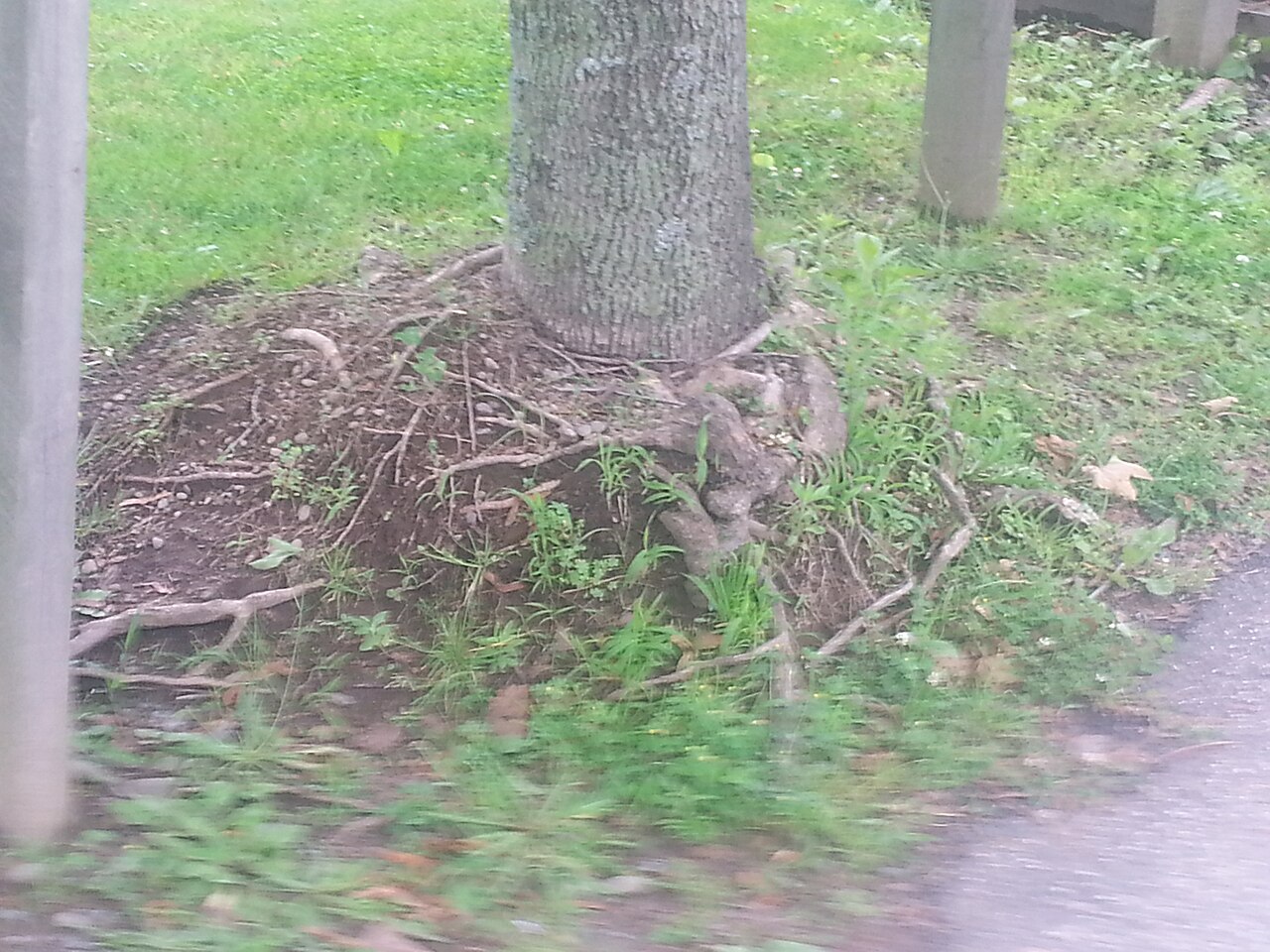
Circling roots. Trees that sat too long in a nursery pot develop roots that wrap around the root ball. University of Maryland Extension describes how these can grow into girdling roots that slowly strangle the trunk. Early symptoms include thin crowns, scorched leaves, early fall color, and leaf drop.
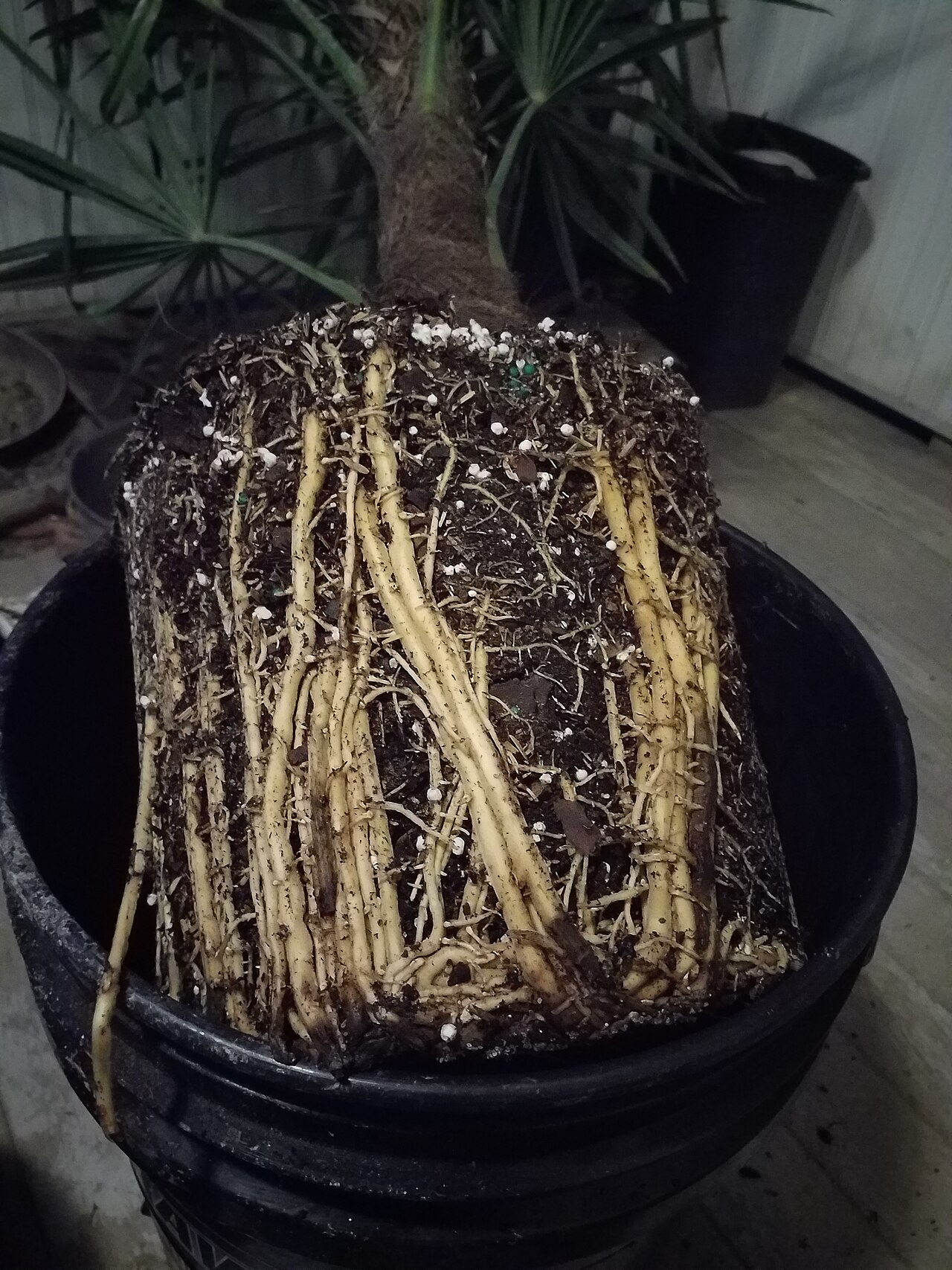
Brush back the soil gently at the base. Roots running around the trunk rather than outward are a warning sign. Small ones can be cut. For anything thicker than a couple of inches, Maryland Extension recommends consulting a licensed arborist.
Check 6: Consider Exposure, Salt, and Chemicals
Fringetree handles urban conditions well, but a few site factors push it toward scorch.
- Hot afternoon sun. Clemson suggests sun for most of the day with shade during hot afternoon hours as the ideal compromise for fringetree.
- Salt. Clemson notes that fringetrees are not salt tolerant. Road salt, de-icing runoff, and salt spray near the coast can all cause browning.
- Fertilizer and chemicals. The Morton Arboretum lists high concentrations of fertilizer and chemicals among the less obvious causes of scorch, and advises against fertilizing trees or the surrounding lawn in summer.
- Construction. Trenching, grading, or new paving near the tree can damage roots and cause scorch months later.
Spider mites can also discolor leaves. Clemson notes mites are pests of fringetrees in full sun. Look for fine stippling and webbing on the undersides of leaves. That’s a different look from the solid brown edges of scorch.
Check 7: Rule Out Dieback and Borers
If whole branches are brown and dead rather than just leaf edges, look more closely at the wood.
Clemson notes that Botryosphaeria dieback can occur on stressed fringetrees, particularly drought-stressed ones. It also lists borers as the most serious insect pest, mostly on trees that are already stressed or wounded.
Scratch the bark on an affected branch. Green underneath means it’s alive. Brown and dry means that section is dead.
Fringetree can also host emerald ash borer, which kills branches from the top down. Our guide to a fringetree that won’t flower describes the signs to look for. If you suspect borers, have a county Extension office or a certified arborist confirm it before treating anything.
Troubleshooting at a Glance
| Even color change in fall | Normal. No action needed. |
| New tree, root ball dry | Water the root ball directly and more often. |
| Midsummer scorch, dry soil | Deep, slow watering during dry spells, plus 2 to 3 inches of mulch. |
| Browning with wet soil | Poor drainage. Cut back watering and assess the site. |
| No trunk flare visible | Too deep or over-mulched. Pull mulch back and check depth. |
| Near a road or the coast | Salt injury. Divert runoff and flush the soil with water. |
| Dead branches, damaged bark | Possible dieback or borers. Get a professional diagnosis. |
What to Do Now
The brown leaves themselves won’t turn green again. What matters is whether new leaves and next year’s growth come out healthy.
Don’t prune off the browned leaves or branches right away. Partly brown leaves are still making food for the tree. Wait to see which branches leaf out next spring, and remember fringetree leafs out late. When you do prune, our guide to pruning a young fringetree covers timing and clean cuts.
Don’t fertilize a stressed tree. The Morton Arboretum notes that scorch alone rarely kills an otherwise healthy plant. The fix is water, roots, and site, not fertilizer. A basic soil test is a better starting point if you suspect a soil problem.
If the tree is young and badly sited, consider moving it while it’s still small. NC State notes that larger fringetrees resent root disturbance, so earlier is better. Move it while dormant, to a spot with morning sun, afternoon shade, and well-drained soil.
A Season-by-Season Plan
- Spring: expect late leaf-out. Check the trunk flare and pull back any mulch touching the bark.
- Early summer: check the root ball weekly on young trees and water deeply when it’s dry.
- Midsummer: this is scorch season. Watch the sunny side of the tree first, and water before leaves curl.
- Fall: keep watering in dry spells until the ground freezes. Note whether the color change is even or patchy.
- Winter: inspect bark and branches while leaves are down. Keep de-icing salt away from the root zone.
📋 More on this plant: read the full Fringetree (Chionanthus virginicus) profile, or see it in our native plant lists for North & South Carolina, Georgia, Alabama & Mississippi, Arkansas, Louisiana, Eastern Oklahoma & Eastern Texas, Maryland, Virginia & West Virginia, Delaware, Southern New Jersey & Long Island, New York, Pennsylvania & Northern New Jersey, and Ohio & Indiana.
Frequently Asked Questions
Why are my fringetree’s leaf edges turning brown in summer?
Most likely leaf scorch. The roots can’t keep up with water lost from the leaves during heat, wind, or dry weather. On young trees, the root ball often dries out first. Check soil moisture right at the root ball and water deeply if it’s dry.
Is it normal for fringetree leaves to turn brown in fall?
Often, yes. In the Southeast, fringetree fall color is frequently a yellow-green to greenish brown rather than bright yellow. Even color across the whole tree in autumn is normal. Patchy browning in midsummer is not.
Can overwatering cause brown leaves on a fringetree?
Yes. Waterlogged soil damages roots, and damaged roots can’t supply the leaves. Clemson Extension lists Phytophthora root rot as a risk in poorly drained soil. Check whether the soil is soggy before adding more water.
Will a fringetree with brown leaves recover?
Usually, if the cause is fixed. Scorch alone rarely kills an otherwise healthy tree. Look for healthy new leaves next spring. Branches that stay bare after the rest of the tree leafs out can be pruned then.
Should I cut off the brown leaves?
No. Leaves that are only partly brown are still feeding the tree. Let them fall naturally, and wait until the tree leafs out next spring before removing any dead branches.
Sources
- The Morton Arboretum, Leaf Scorch: why tips and edges brown first, exposure and reflected heat, root-related causes, fertilizer timing, and management.
- Clemson Cooperative Extension Home & Garden Information Center, Fringetree (HGIC 1027): fall color in the Southeast, soil and light preferences, salt intolerance, mites, leaf spots, Phytophthora root rot, Botryosphaeria dieback and borers.
- Clemson Cooperative Extension Home & Garden Information Center, Planting Trees Correctly (HGIC 1001): watering the root ball, excess soil over the root ball, planting high in poorly drained soil.
- University of Maryland Extension, Girdling Roots: causes, symptoms including scorch and early leaf drop, and when to call an arborist.
- University of Minnesota Extension, Watering newly planted trees and shrubs: mulch depth and problems with deep mulch.
- North Carolina Extension Gardener Plant Toolbox, Chionanthus virginicus: root disturbance and drought-related pest susceptibility.
- Lady Bird Johnson Wildflower Center, Chionanthus virginicus: native habitat.