Pruning a Young Fringetree: Choosing Which Branches to Keep
Last updated: November 6, 2026
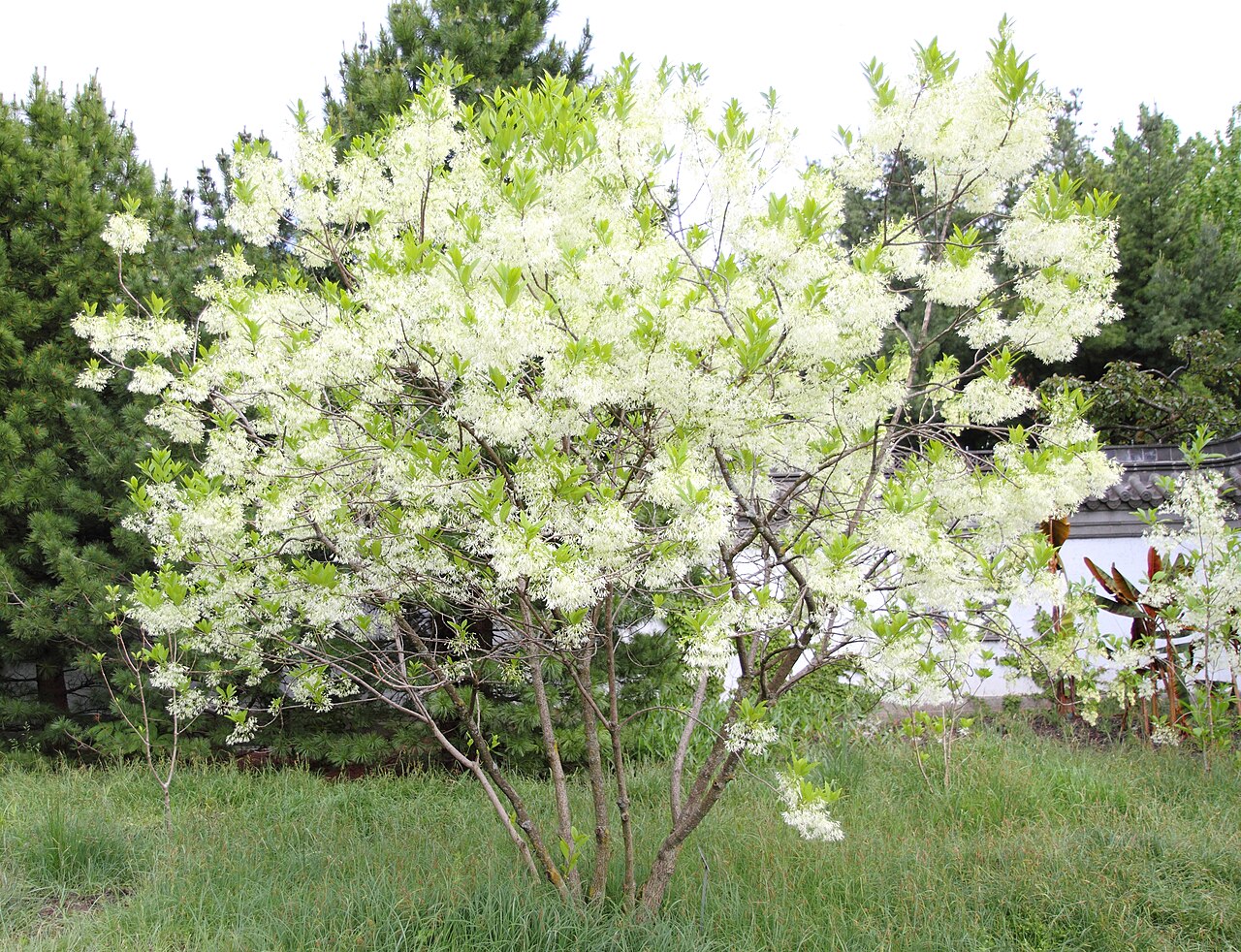
A young fringetree often arrives as a bushy tangle of stems. It’s tempting to start cutting right away to give it some shape.
Go slowly. Fringetree is one of the easier small trees to prune, because it naturally builds a strong framework. Most of the work is choosing which branches to keep, not cutting a lot off.
This guide walks through when to prune, how to decide between a multi-stemmed and single-trunk form, and which branches to keep or remove in the first few years.
The Short Answer
For a young white fringetree (Chionanthus virginicus):
- Prune right after it flowers in spring. It blooms on last year’s wood.
- Do very little in the first year after planting, beyond removing dead or broken wood.
- Decide on a form: natural multi-stemmed, or trained to a single trunk.
- Keep strong, well-spaced stems and branches with wide angles.
- Remove dead, broken, crossing, rubbing, and inward-growing branches, plus any rootstock sprouts.
- Spread structural work over several years rather than doing it all at once.
How a Young Fringetree Grows
Fringetree naturally grows with multiple stems. Clemson Extension describes the typical form as spreading, with an open crown, and notes it can be trained to a single trunk.
It also grows slowly. Clemson and NC State both put growth at about 6 to 10 inches a year. Every branch you remove represents a lot of the tree’s annual growth, which is one more reason to cut sparingly.
The good news is that fringetree builds a sound structure with little help. Clemson notes that thanks to its naturally strong branch structure, it rarely needs pruning, except to train a young plant into a single-trunk tree.
The Pruning Year
| Late winter | Bare branches make the framework easy to see. Plan cuts and remove only dead or broken wood. |
| Spring bloom | Flowers open on last year’s twigs. Leave everything in place. |
| Right after bloom | The main pruning window for structural and thinning cuts. |
| Summer | New shoots grow and set next year’s flower buds. Avoid cutting. |
| Fall | Avoid pruning. Cuts now remove next spring’s flowers. |
Step 1: Wait for the Right Time
Fringetree flowers on the previous year’s wood. The University of Arkansas Extension and Trees and Shrubs Online both note this, and it decides your timing.
Clemson’s general rule is that trees flowering before June 1 should be pruned after they bloom. The Piedmont Master Gardeners and the University of Arkansas give the same advice for fringetree specifically: prune right after flowering, so the new growth has the season to form next year’s buds.
The same rule covers other spring bloomers like flowering dogwood. Prune in fall or winter, and you cut off the coming spring’s flowers. Cuts made just after bloom also remove any young fruit on those branches. Our guide to why a fringetree isn’t flowering covers how that plays out.
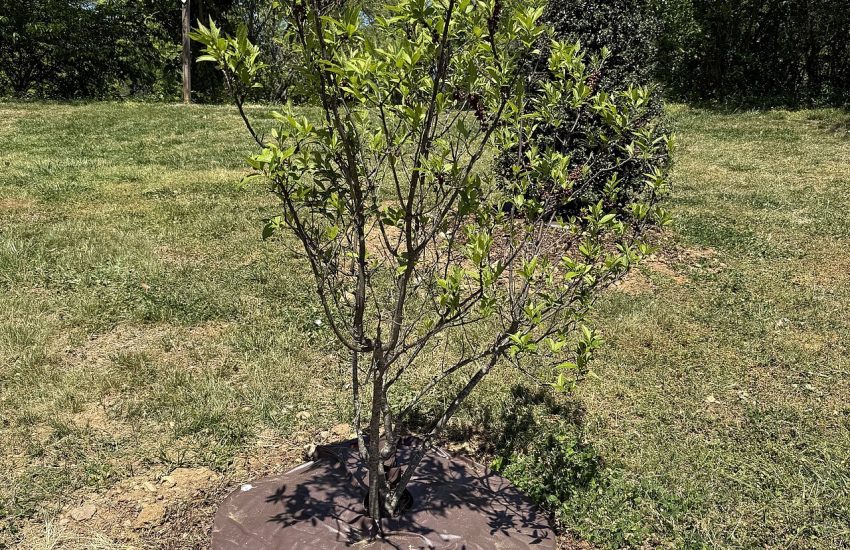
For a newly planted tree, wait longer. Clemson’s planting guidance says little or no pruning is needed at planting beyond removing injured, diseased, or dead branches. On trees with adequate form, structural pruning can begin a year or two after planting.
Step 2: Choose Your Form
Before you cut anything, decide what you want the tree to look like in ten years. There are two main options.
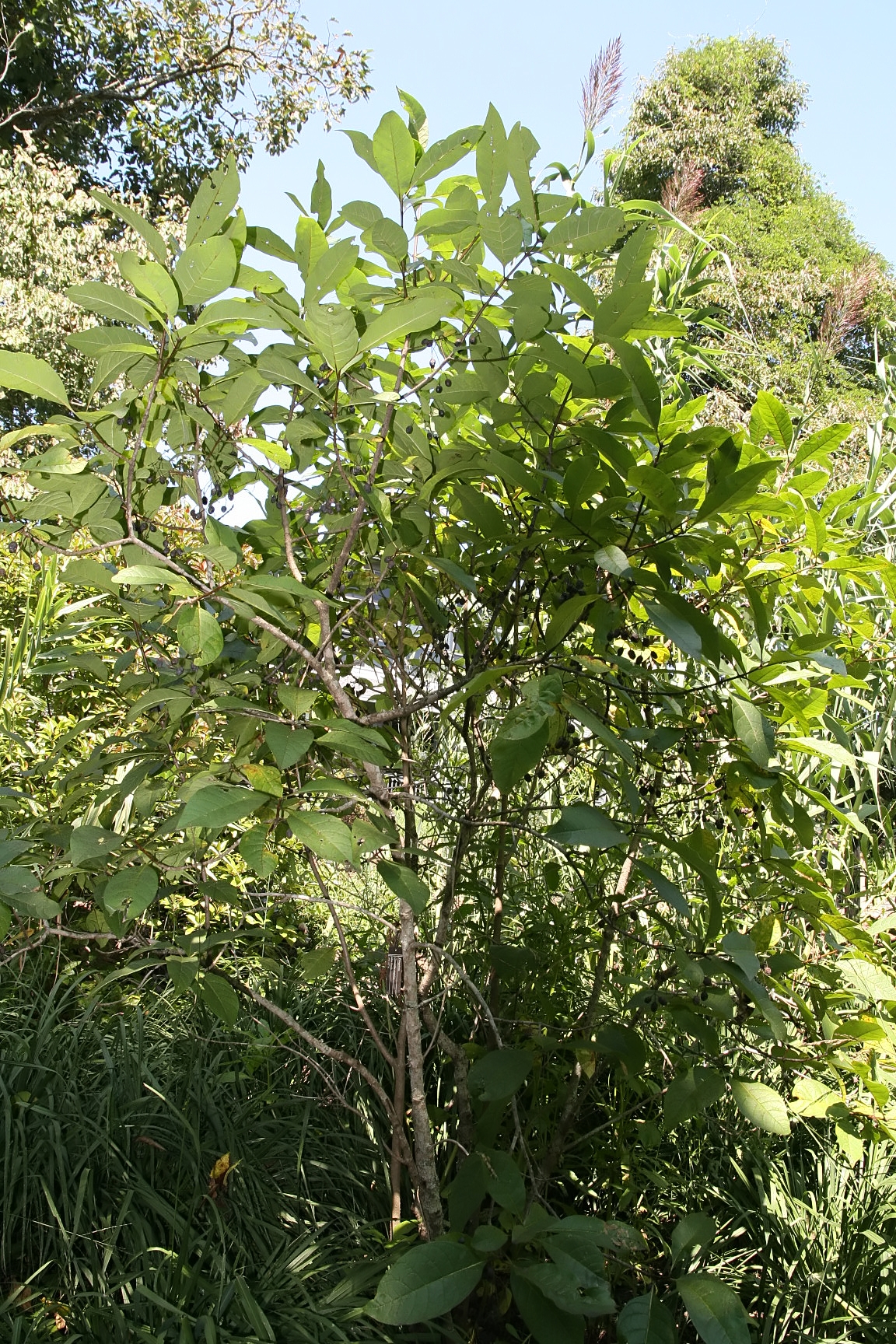
Multi-stemmed (natural). This is how fringetree wants to grow. It needs the least pruning and suits naturalistic plantings, mixed shrub borders, and woodland edges. You choose a handful of strong, well-spaced stems and remove the rest over time.
Single trunk (tree form). Clemson and NC State both note fringetree can be trained to a single trunk. This form suits small yards, patios, and places where you want to walk or plant underneath. It takes more early pruning and a few years of follow-up.
A middle path also works: keep two or three trunks and raise the lower branches. The Piedmont Master Gardeners note that the shrubby form can be shaped into a small tree by removing the lower limbs.
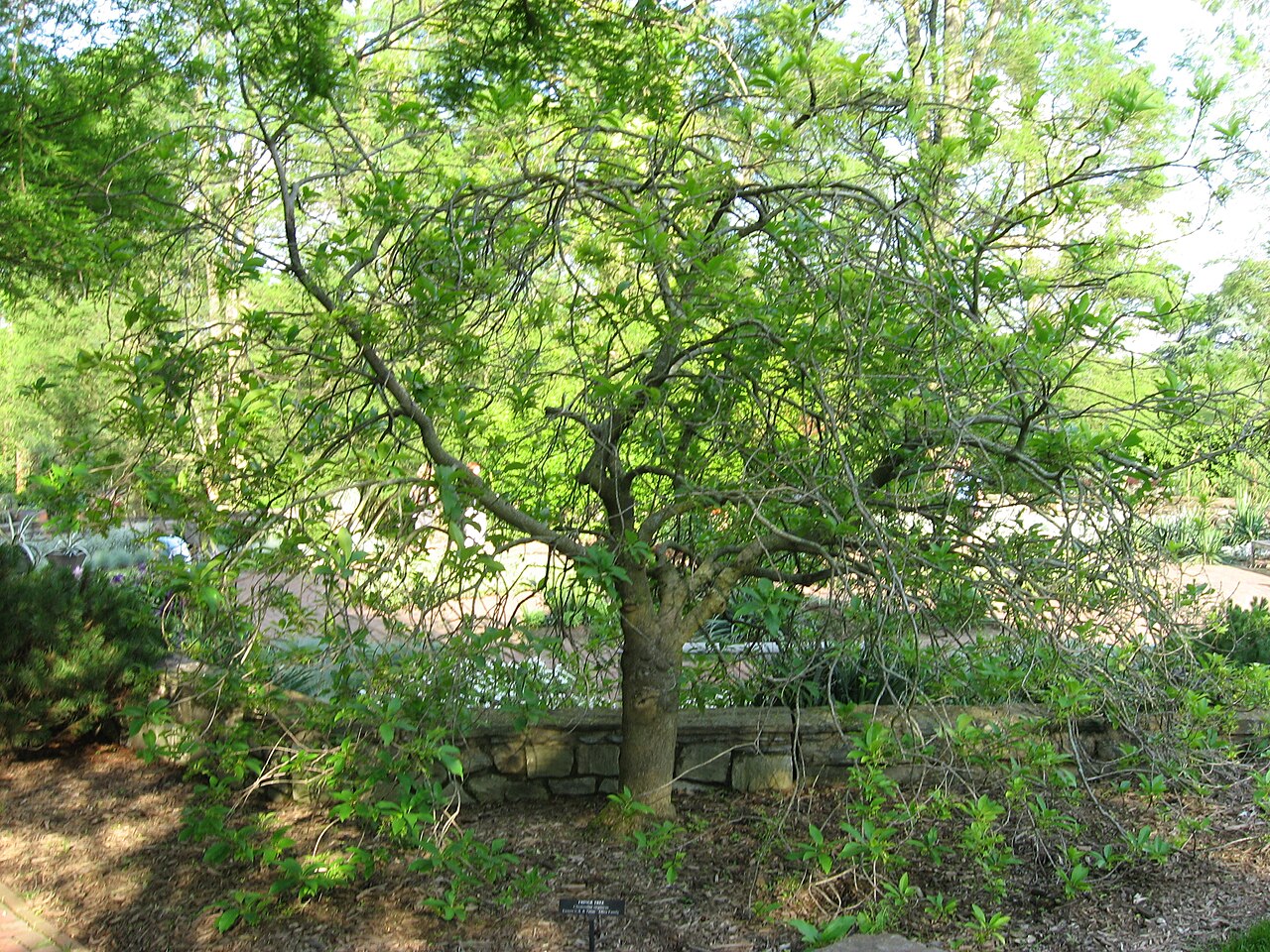
Step 3: Remove the Obvious First
Every pruning session starts with the same cleanup. Clemson recommends removing branches that are dead, diseased, broken, rubbing, or crossing before making any other decisions.
- Dead wood: scratch the bark. Brown and dry underneath means it’s dead. Remember that fringetree leafs out late, so wait until the rest of the tree is in leaf before judging.
- Broken branches: cut back to a healthy side branch or the trunk.
- Rootstock sprouts: Clemson notes that some fringetrees are grafted onto ash understocks. Shoots from below the graft, often with compound ash-like leaves, should be removed promptly.
Stop after this step in the first year. On many young trees, this is all the pruning they need.
Step 4: Pick the Stems or Leader to Keep
This is the main decision, and it’s different for each form.
For a multi-stemmed tree, look at the stems coming from the base. Keep the strongest ones that are spaced around the plant and lean slightly outward. Remove weak stems, stems crowded against a stronger neighbor, and stems growing inward across the center.
For a single trunk, Clemson advises locating the straightest and strongest leader to keep. Upright branches that compete with that leader should be removed or shortened, or the tree will form a weaker, multi-leader crown.
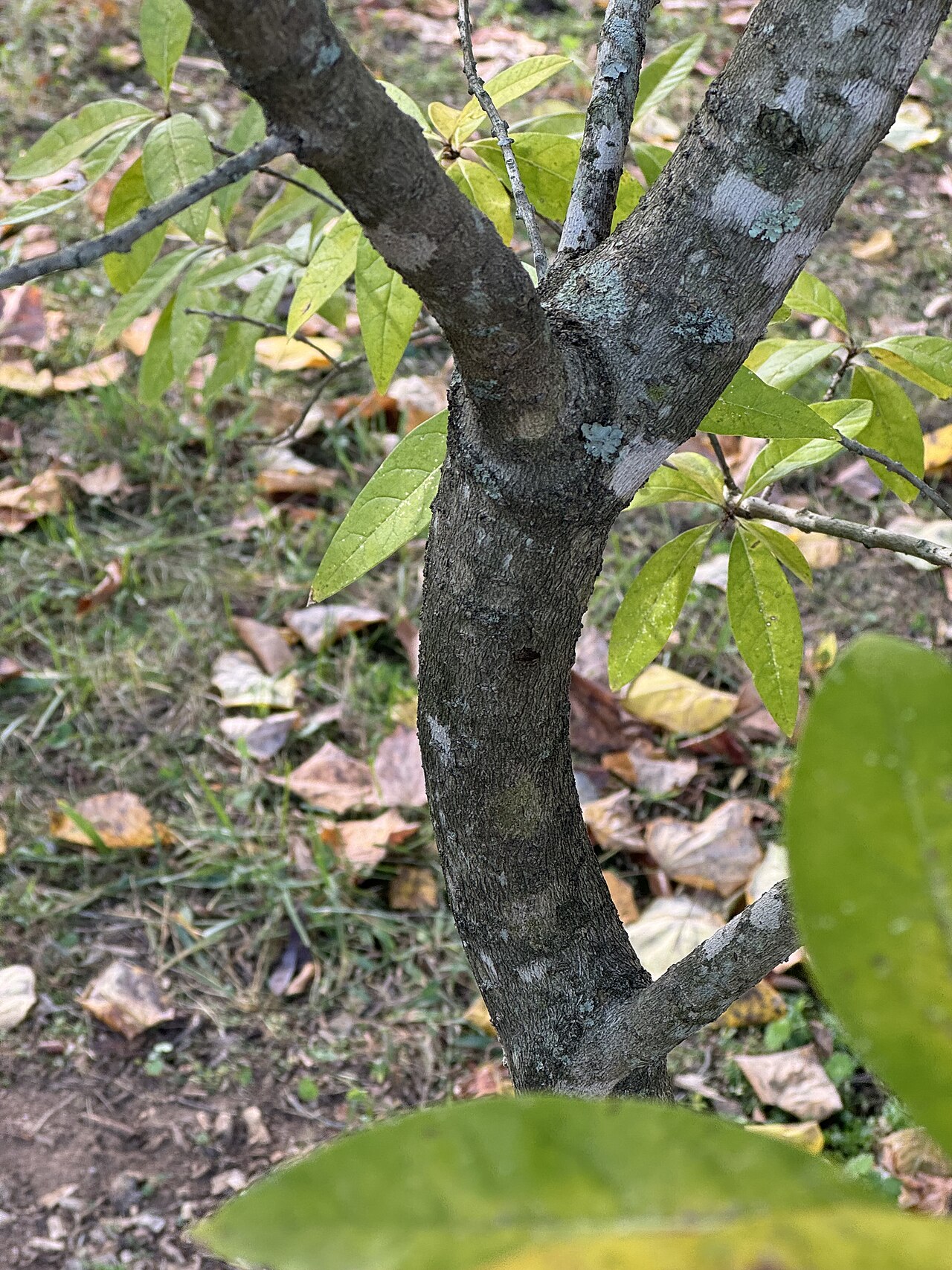
Don’t remove all the competition at once. Many gardeners shorten a competing stem first to slow it down, then remove it entirely a year or two later. That keeps more leaves on the tree while it grows.
Expect basal sprouts on a single-trunk tree. Clemson recommends removing fast-growing suckers from the base and along the trunk while they’re young.
Step 5: Choose Which Side Branches to Keep
With the main stems chosen, look at the side branches along them. Clemson gives several guidelines for picking permanent branches:
- Wide angles. Branches attached at a narrow angle to the trunk, less than about 45 degrees, tend to form weak unions that can split.
- Smaller than the trunk. Branches less than two-thirds the diameter of the trunk they grow from are less likely to split.
- Spaced along the trunk. Clemson suggests permanent branches 6 to 24 inches apart depending on mature size. For small trees such as dogwoods, about 6 inches is adequate, and fringetree is similar in scale.
- Growing outward. Remove branches growing inward, downward, or toward a neighboring branch they’ll eventually rub.
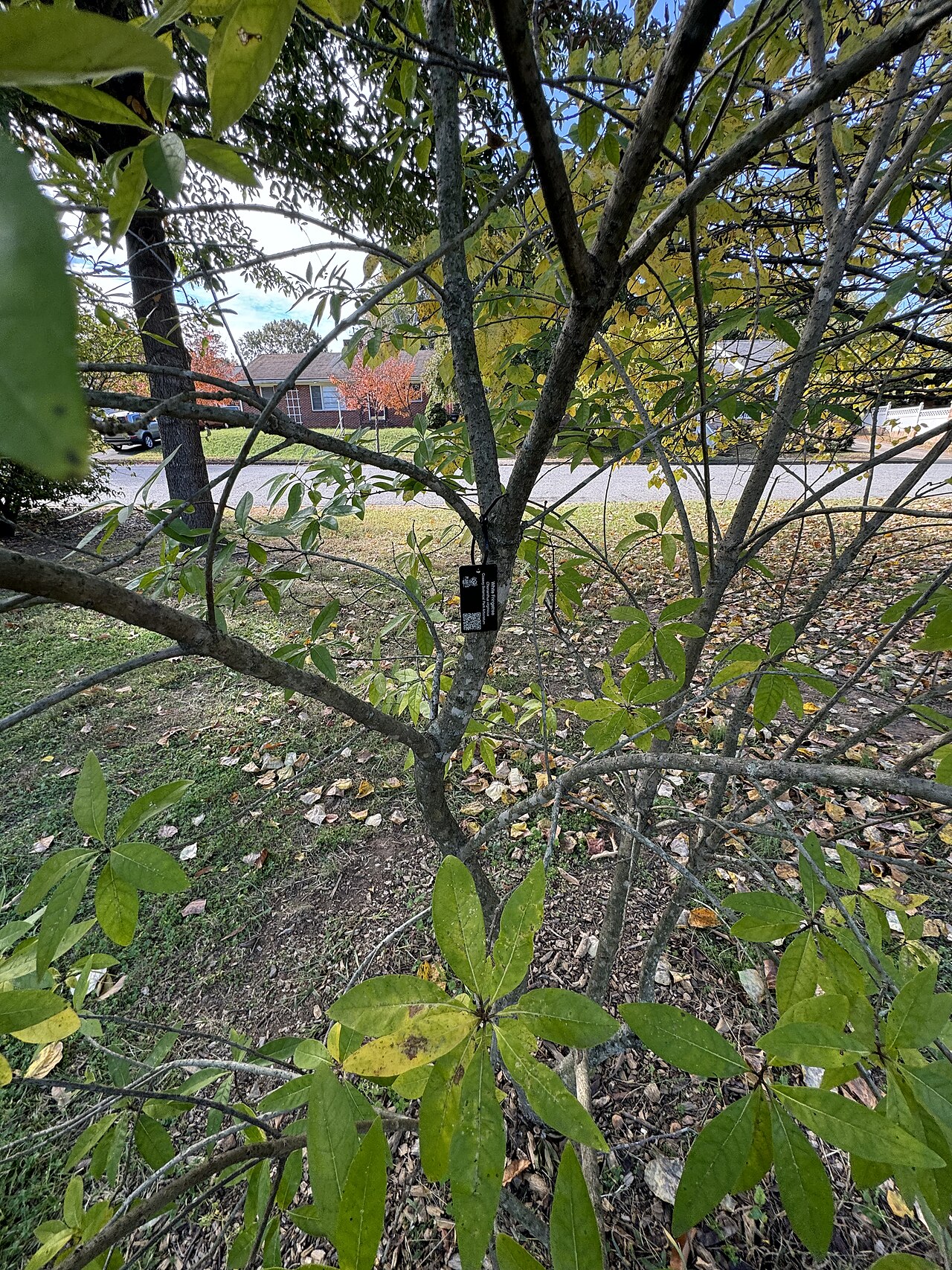
Work with the tree’s natural shape. Clemson advises studying the form before removing live branches, and pruning to enhance the natural shape rather than change it.
Step 6: Handle the Lower Branches Gradually
If you’re raising the canopy for a tree form, don’t strip the trunk all at once.
Clemson’s guidance for young trees treats branches below the lowest permanent limb as temporary. Leaving smaller ones on the trunk for a few years helps it thicken and protects the bark. Remove the larger lower branches first, and take the rest over several seasons as the crown fills in above.
For a multi-stemmed fringetree, lower branches are part of the look. Remove only those that block a path or rub on each other.
Step 7: Make Clean Cuts
Good technique matters more than how many cuts you make.
- Use the right tool. Clemson recommends hand pruners for branches up to about half an inch, loppers for half an inch to 1½ inches, and a pruning saw above that.
- Cut back to something. Always cut to a bud, a side branch, or the trunk. Stubs heal slowly and can die back.
- Respect the collar. When removing a branch, cut just outside the swollen collar at its base. Clemson warns against flush cuts, which leave larger wounds prone to decay.
- Use three cuts for bigger limbs. For branches over 1½ inches, make an undercut, then a top cut farther out, then a final cut at the collar, so the bark doesn’t tear.
- Skip the wound paint. Clemson notes research shows wound dressings don’t prevent decay.
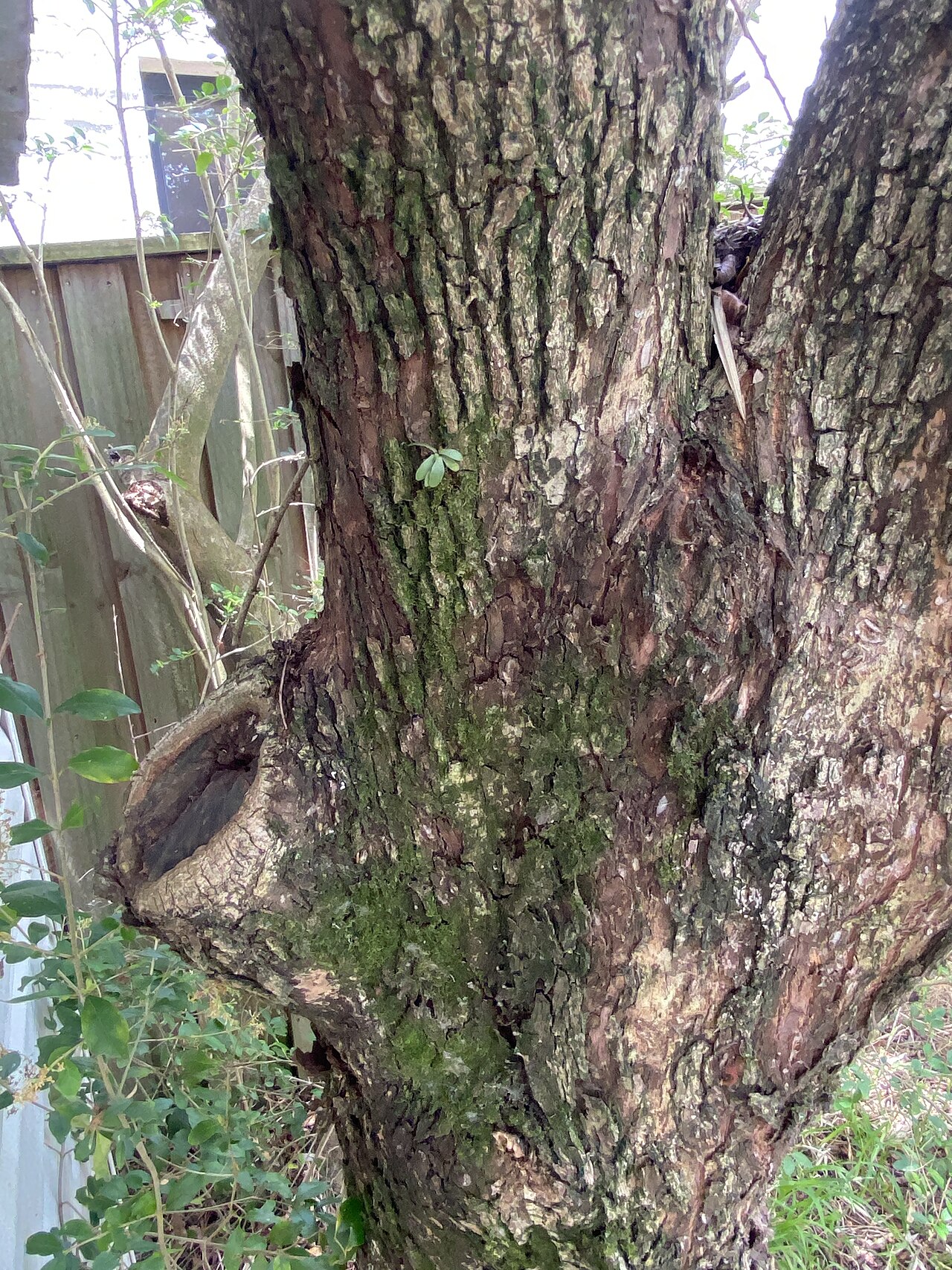
For more on thinning versus heading cuts, see our guides to pruning basics for small trees and how to prune trees and shrubs.
Keep or Remove at a Glance
| Strong stem, well spaced, leaning out | Keep. This is part of the permanent framework. |
| Dead, broken, or diseased | Remove at any time of year. |
| Crossing or rubbing | Remove the weaker or worse-placed one. |
| Narrow-angled, upright competitor | Shorten now, remove later if needed. |
| Growing inward or downward | Remove after bloom. |
| Small branches low on a young trunk | Keep for now. Remove gradually over a few years. |
| Shoots from below a graft | Remove promptly. |
Mistakes to Avoid
Pruning in late winter “while it’s dormant.” That’s the right time for many trees, but on fringetree it removes this year’s flowers.
Shearing or topping. Clemson warns that heading cuts often create undesirable multiple leaders. Cutting all branches back to a set length has no place on a landscape tree.
Doing it all at once. A slow-growing tree that loses many of its branches in one season takes a long time to recover. Spread structural work over several years.
Fighting the natural form. If you want a tall, narrow tree, fringetree is the wrong choice. It naturally grows about as wide as it is tall, 12 to 20 feet each way according to Clemson.
A Three-Year Pruning Plan
- Year 1 (planting year): remove only dead, broken, or damaged branches and any rootstock sprouts. Focus on watering instead.
- Year 2, after bloom: decide on the form. Remove crossing and inward-growing branches, and shorten the strongest competitors to your chosen stems or leader.
- Year 3, after bloom: remove competitors you shortened last year if they’re still in the way. Select permanent side branches and take off a few lower temporary branches if you’re raising the crown.
- After that: light maintenance only, right after bloom, plus dead-wood removal whenever you spot it.
📋 More on this plant: read the full Fringetree (Chionanthus virginicus) profile, or see it in our native plant lists for North & South Carolina, Georgia, Alabama & Mississippi, Arkansas, Louisiana, Eastern Oklahoma & Eastern Texas, Maryland, Virginia & West Virginia, Delaware, Southern New Jersey & Long Island, New York, Pennsylvania & Northern New Jersey, and Ohio & Indiana.
Frequently Asked Questions
When should I prune a young fringetree?
Right after it finishes flowering in spring. Fringetree blooms on the previous year’s wood, so pruning in summer, fall, or winter removes the next spring’s flowers. Dead or broken branches can be removed at any time.
Should a fringetree have one trunk or several?
Either works. Fringetree naturally grows with several stems, and that form needs the least pruning. It can also be trained to a single trunk for small yards and patios, which takes a few years of early pruning.
How much can I prune a fringetree at once?
Less than you might think. It grows only about 6 to 10 inches a year, so heavy pruning sets it back. Remove dead and problem branches first, and spread structural changes over two or three years.
Should I prune a fringetree when I plant it?
Only to remove dead, broken, or damaged branches. Clemson Extension notes little pruning is needed at planting, and structural pruning on a well-formed tree can wait a year or two.
What are the shoots coming up from the base of my fringetree?
On a multi-stemmed tree, they may be new stems you can keep or remove. On a grafted tree, shoots from below the graft with compound, ash-like leaves are rootstock sprouts and should be removed promptly.
Sources
- Clemson Cooperative Extension Home & Garden Information Center, Fringetree (HGIC 1027): natural form, size, growth rate, single-trunk training, strong branch structure and ash understocks.
- Clemson Cooperative Extension Home & Garden Information Center, Pruning Trees (HGIC 1003): timing for spring-flowering trees, leader selection, branch angles and spacing, temporary branches, tools, collar cuts, three-cut method and wound dressings.
- Clemson Cooperative Extension Home & Garden Information Center, Planting Trees Correctly (HGIC 1001): pruning at planting and when to begin structural pruning.
- University of Arkansas Cooperative Extension, Fringetree: flowering on last year’s wood and pruning after flowering.
- Piedmont Master Gardeners, Fringetree: Slow to Bloom but Worth the Wait: pruning immediately after flowering and shaping the shrub form into a small tree.
- North Carolina Extension Gardener Plant Toolbox, Chionanthus virginicus: growth rate and single-trunk training.
- Trees and Shrubs Online, Chionanthus virginicus: flowering on previous-year wood and grafting onto ash rootstocks.