Fringetree Fruit or No Fruit: What to Check About Your Tree
Last updated: November 6, 2026
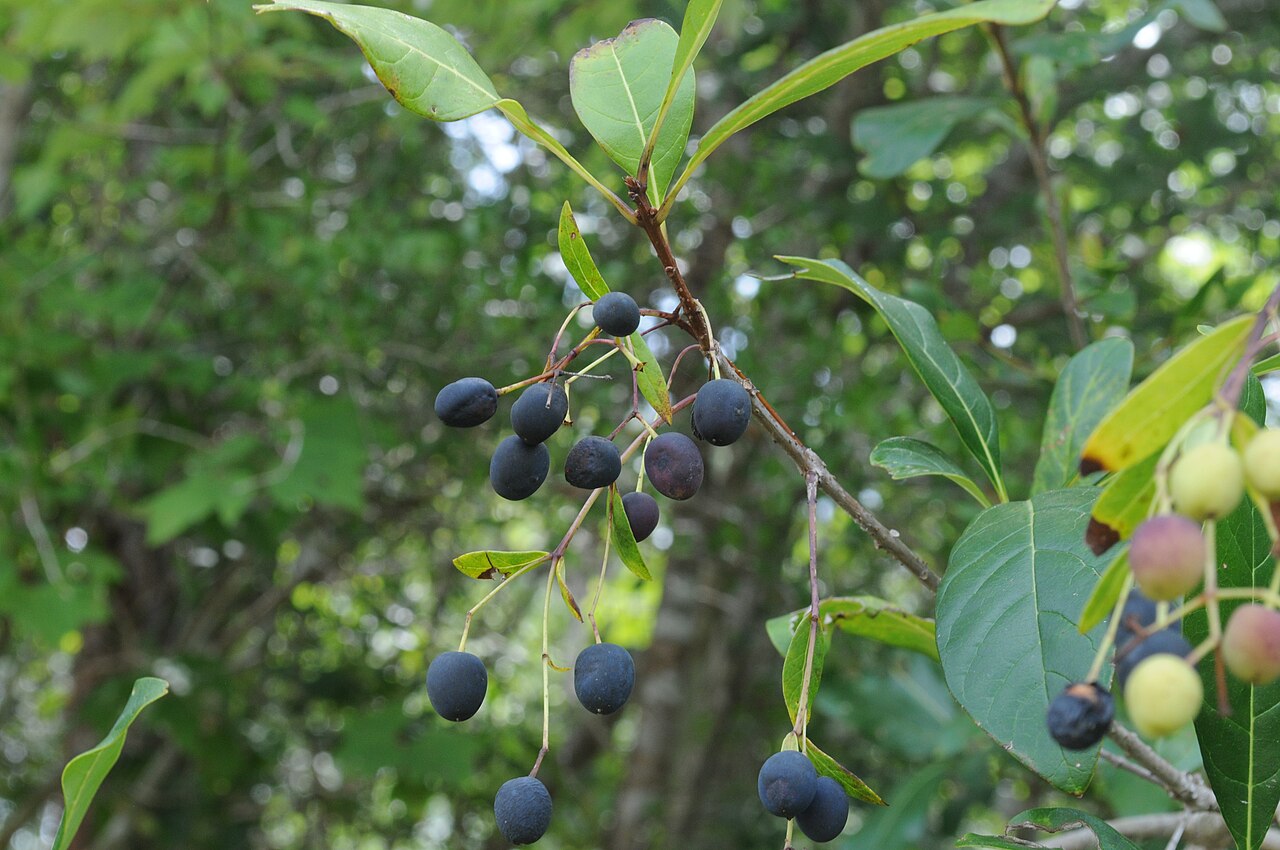
Some fringetrees hang heavy with dark blue fruit by late summer. Others flower beautifully every spring and never produce a single one.
If yours is in the second group, it may not be a problem at all. Fruit on fringetree depends first on the tree’s sex, and many trees are simply never going to fruit.
This guide explains how fringetree fruit forms, how to tell whether your tree can produce it, and what to check if a tree that should fruit doesn’t.
The Short Answer
White fringetree (Chionanthus virginicus) usually has male and female flowers on separate trees. No fruit typically means:
- It’s a male tree. Male trees flower, often more showily, but don’t fruit, or bear only a few.
- It’s a female with no male nearby to supply pollen.
- It didn’t flower, because of age, shade, or pruning at the wrong time.
- The fruit is there but hidden inside the canopy, or birds ate it.
- Drought or stress caused young fruit to drop.
How Fringetree Makes Fruit
Fringetree is dioecious, meaning male and female flowers usually grow on separate plants. Clemson Extension notes that occasional trees carry both kinds of flowers.
NC State adds a useful detail. Each flower has both male and female parts, but on most trees only one set works. The system isn’t perfect, so a few fruits sometimes form on otherwise male trees.
On a female tree, pollinated flowers become olive-like fruits. That makes sense, since fringetree belongs to the olive family. Clemson describes the fruit as blue-black and about ½ to ⅔ inch long, ripening in late summer to early autumn.
The Fringetree Fruit Year
| Mid to late spring | Flowers open on last year’s wood. Bees and other insects visit. |
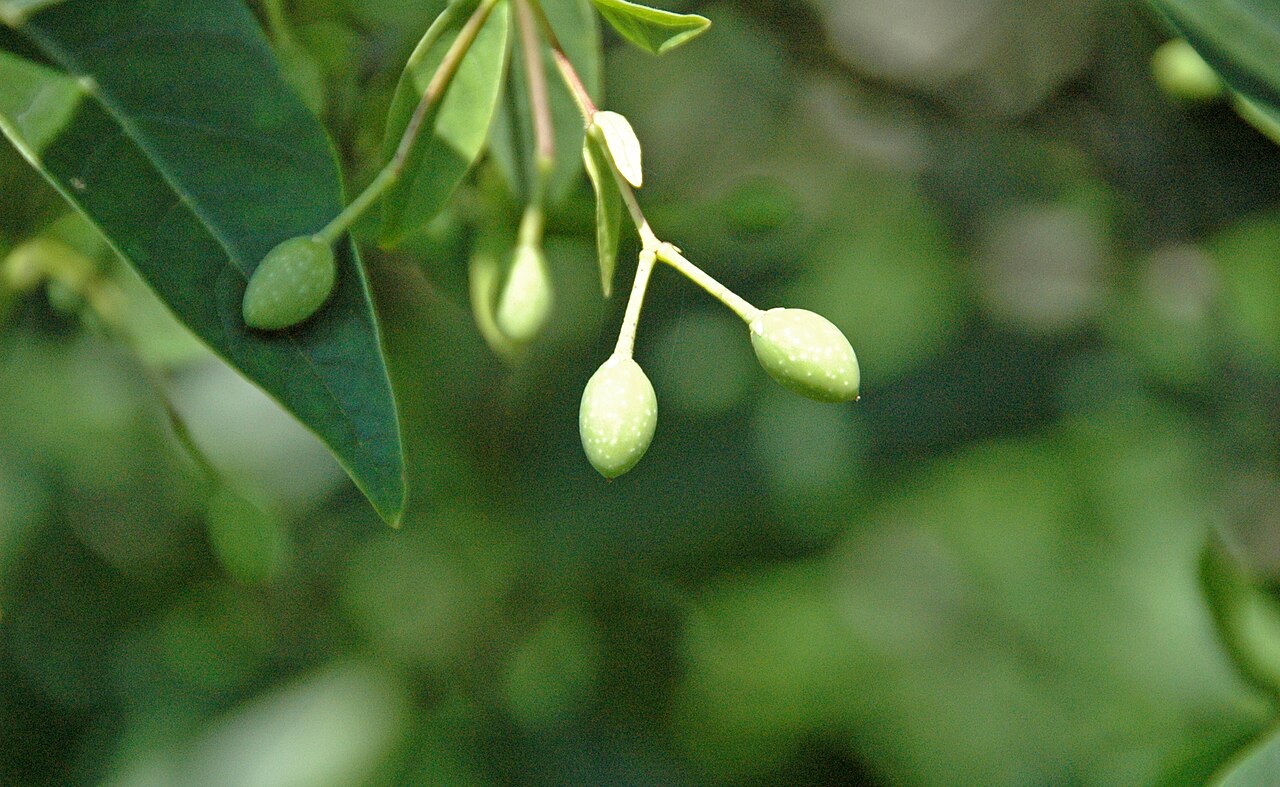
| Early summer | Small green fruits swell where pollinated female flowers were. |
| July – September | Fruits ripen to dark blue or bluish black. |
| Late summer – fall | Birds and other wildlife eat the ripe fruit. |
| Winter | Flower buds for next spring are already set on the twigs. |
Check 1: Did It Flower This Year?
No flowers means no fruit, so start here.
Fringetree’s bloom is short, about two weeks according to Clemson, so it’s easy to miss. In early summer, look along last year’s twigs for dried flower stalks hanging in loose clusters.
If there’s no sign the tree flowered at all, the cause is age, light, pruning, or stress rather than anything to do with fruit. Our guide to a fringetree that isn’t flowering walks through those checks.
Check 2: Work Out Whether It’s Male or Female
This is the question that settles most “no fruit” cases.
Nurseries rarely know. Clemson Extension notes that fringetrees are seldom sold labeled as male or female, so unless a tree is bought in bloom or carrying fruit, there’s no way to tell which you’re getting.
Some named cultivars are clearly identified. The Piedmont Master Gardeners describe ‘Emerald Knight’ and ‘Spring Fleecing’ as male selections that flower without fruiting. If your plant tag names one of these, you have your answer.
Otherwise, use these clues:
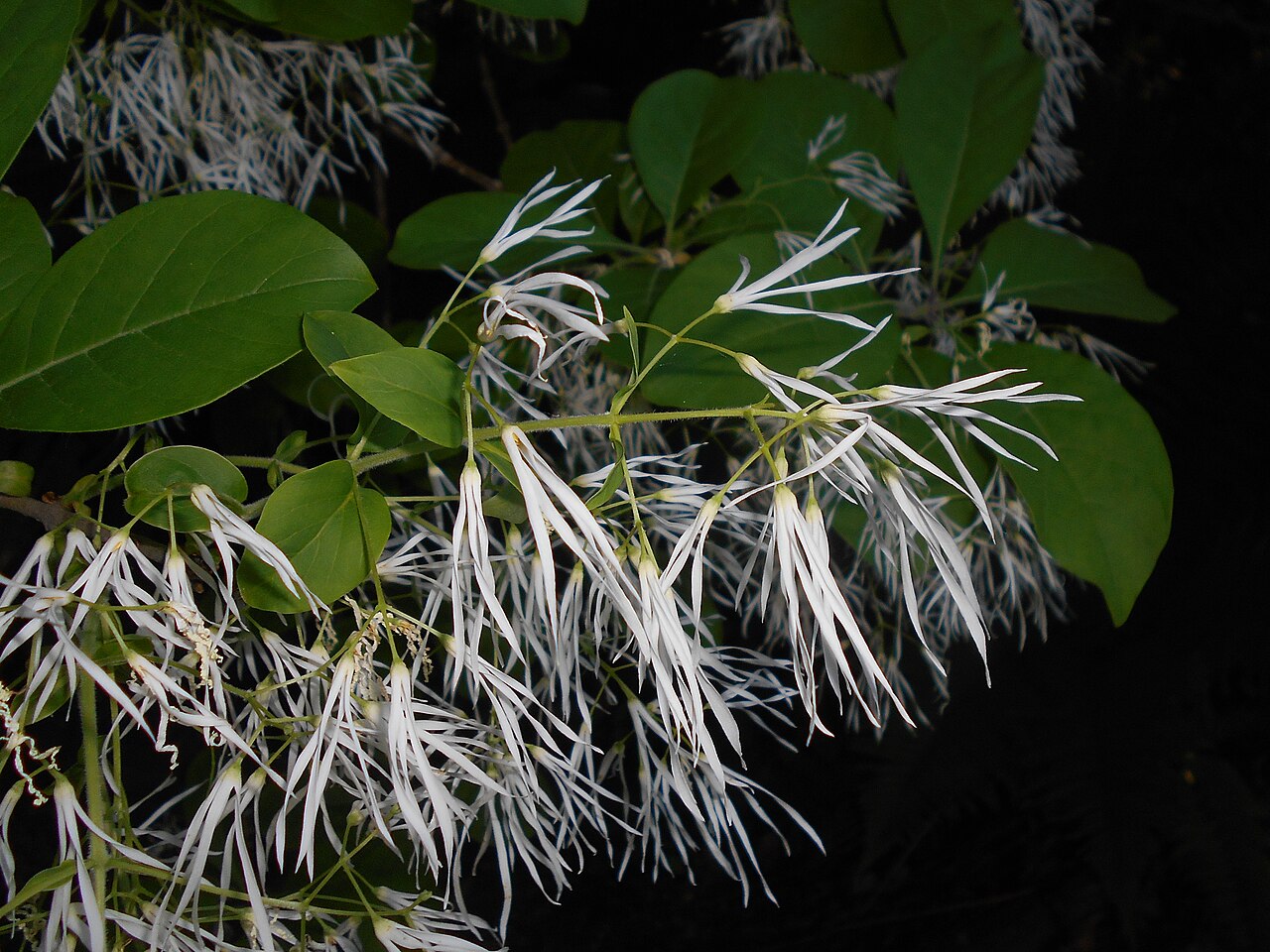
- Petal length. Clemson and NC State both note that male flowers are showier because of their longer petals. A tree with a lighter, less fluffy display may be female, but this is hard to judge without a comparison tree.
- The center of the flower. Look closely at a few flowers in full bloom. Flowers that set fruit have a small green swelling at the center that keeps growing after the petals fall.
- A few green fruits in June. These are the clearest sign. Remember that a male tree may still set a handful, according to NC State.
A tree that blooms heavily for several years and never sets more than a few fruits is very likely male. That’s normal and nothing to fix. Male trees are often chosen on purpose for their showier flowers.
Check 3: Is There a Male Tree Nearby?
A female fringetree needs pollen from a male to set fruit. Clemson notes that female trees bear fruit if male plants are nearby, and Trees and Shrubs Online describes fruit as an added attraction when both female and pollinating male parents are present.
Look around your neighborhood and nearby woods in late spring. Fringetree is native across much of the eastern U.S., from New Jersey and Ohio south to Florida and west to eastern Texas and Oklahoma, according to the Lady Bird Johnson Wildflower Center. In parts of that range, wild or planted males may already be close enough.
Outside that range, or in a neighborhood without other fringetrees, a lone female may flower every year and fruit little or not at all. Planting a second fringetree is the main fix. Since young trees are rarely sold by sex, buying one in bloom or choosing a named male cultivar is the surest way to get a pollinator.
Check 4: Were Pollinators Active During Bloom?
Fringetree flowers are fragrant and attract insects. The Piedmont Master Gardeners note that fringetree supports many pollinators, particularly bees.
Cold, wet weather during the short bloom period limits insect visits. Insecticide sprays during bloom, including mosquito fogging, do the same.
On a warm morning during bloom, spend a few minutes watching the flowers. If insects are scarce year after year, skip sprays during bloom and add other native flowers that bloom at the same time to support local bees.
Check 5: Look Inside the Canopy
Sometimes the fruit is there and you just haven’t seen it.
The University of Arkansas Extension points out that because white fringetree flowers on last year’s wood, its fruits develop toward the interior of the plant and are usually hidden by the foliage. Dark blue fruit among dark green leaves is easy to overlook.
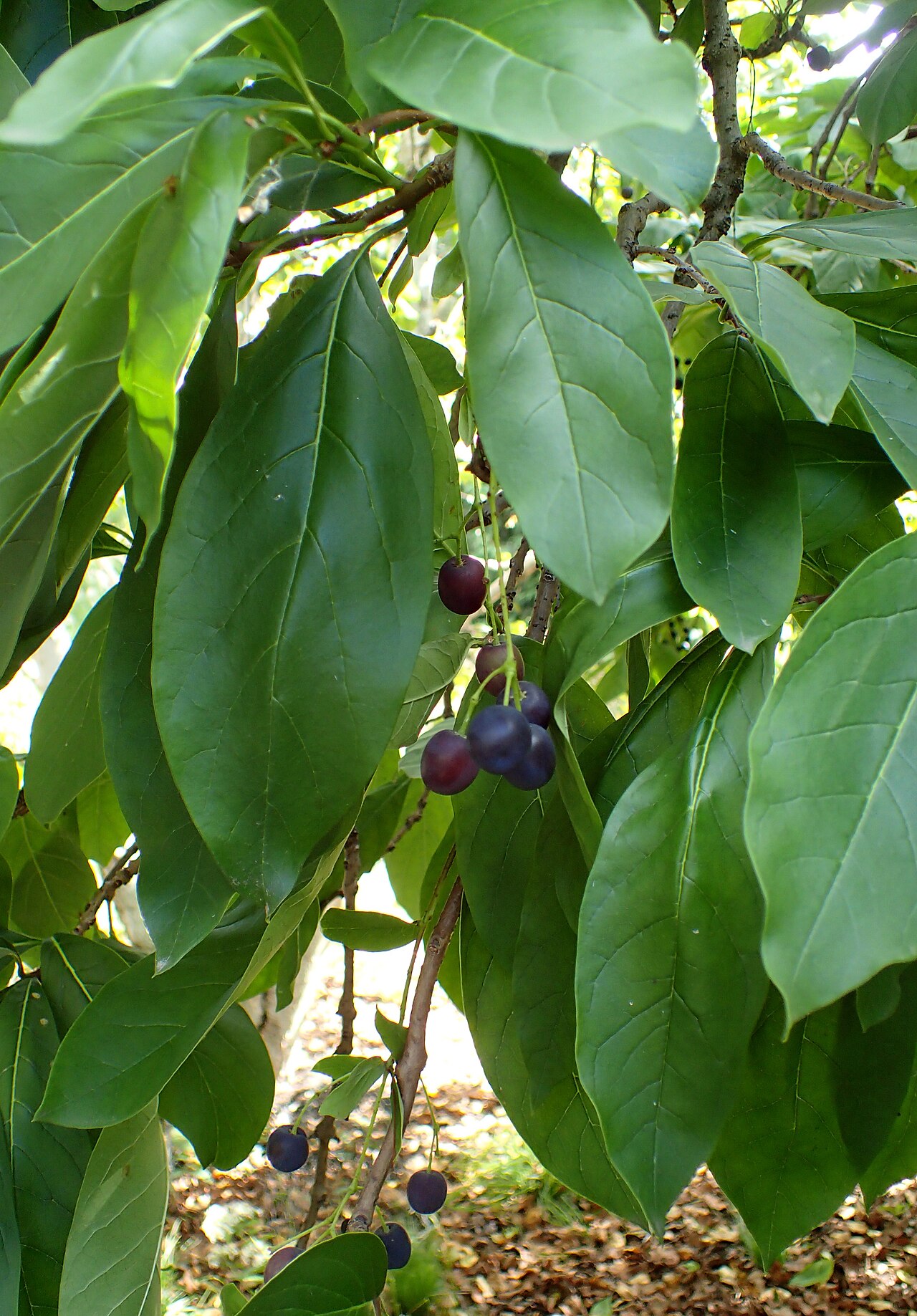
Check in mid to late summer. Lift branches and look underneath, especially on the interior of the crown and along older twigs.
Check 6: Rule Out Birds and Wildlife
Fringetree fruit is wildlife food, and it doesn’t always last long once it ripens.
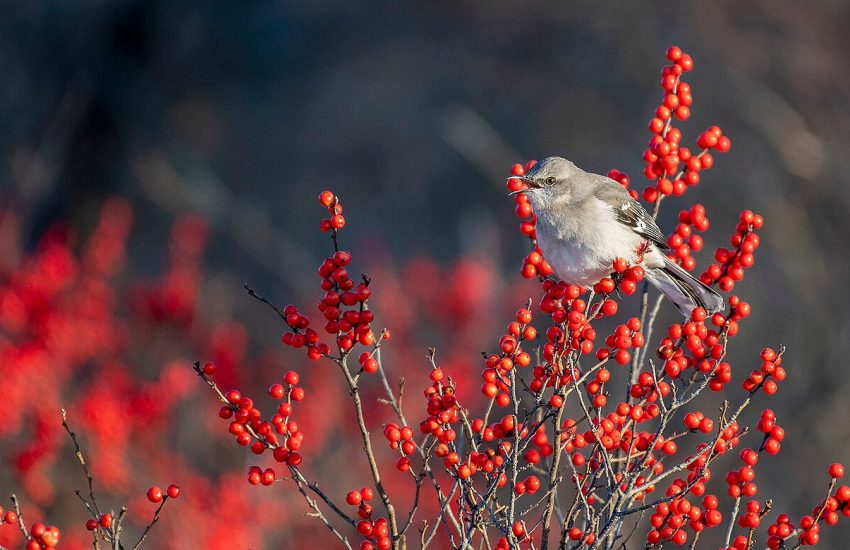
NC State and Clemson both note that the fruits are eaten by birds and other wildlife. The Piedmont Master Gardeners list blue jays, cardinals, mockingbirds, and wild turkeys among the birds that eat them.
Clues that fruit formed and was eaten:
- Bare fruit stalks hanging where clusters used to be.
- Green fruit in early summer that disappeared as it ripened.
- Purple-stained droppings on nearby paths and fences.
If birds are getting the crop, the tree is doing exactly what a native fruiting tree should. Our guide to attracting songbirds with native plants shows how fringetree fits into a larger habitat planting.
Check 7: Consider Water, Stress, and Pruning
A female tree that flowers and is pollinated can still lose its crop.
The Morton Arboretum notes that fruits and seeds may fail to develop, or develop poorly, when water is lacking. A long dry spell in early summer, while the young fruit is swelling, is a likely cause of fruit drop, especially on young trees and dry sites.
Pruning matters too. Cuts made after bloom remove any young fruit on those branches. Cuts made in summer, fall, or winter remove the next year’s flower buds. If you need to prune, our guide to pruning a young fringetree covers timing and which branches to keep.
Check 8: Make Sure It’s the Native Species
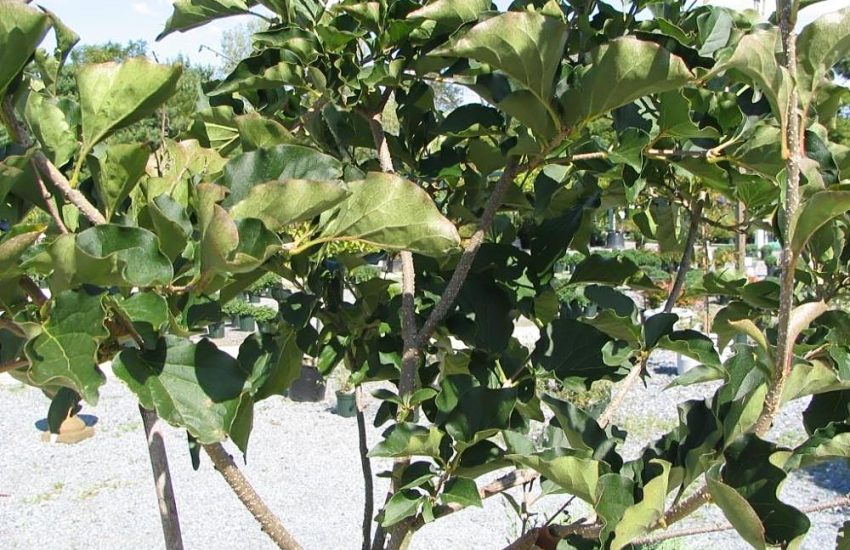
Chinese fringetree (Chionanthus retusus) is also sold in nurseries and looks similar in bloom. Its fruit behaves differently.
The University of Arkansas Extension explains that Chinese fringetree flowers on new growth, so its fruits appear at the ends of the stems, well outside the foliage. Native fringetree’s fruit hangs inside the canopy. Clemson adds that Chinese fringetree’s flowers open after the leaves emerge, in smaller, denser clusters at the branch tips.
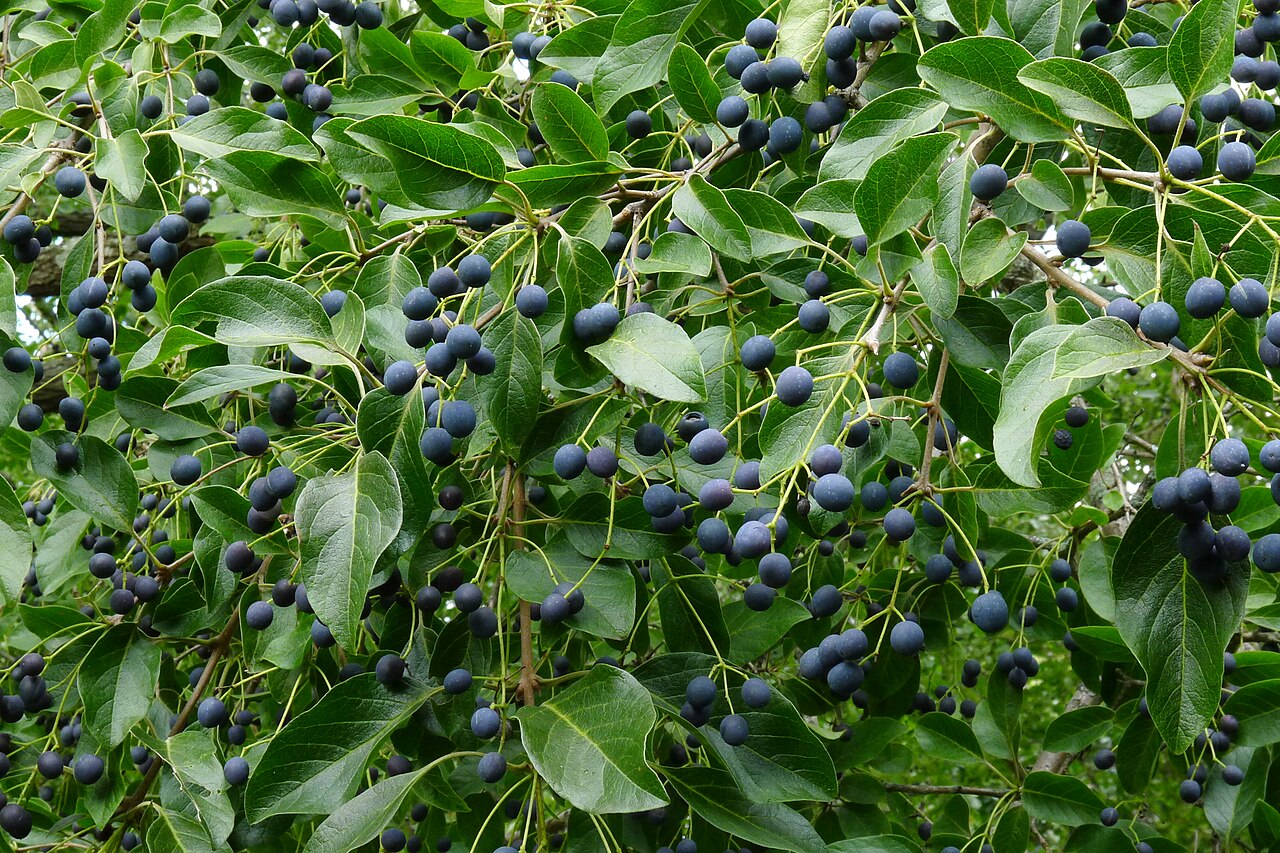
Both species are dioecious, so the male-or-female question applies to Chinese fringetree too. But if you planted it for native wildlife value, it’s worth knowing which tree you have.
Troubleshooting at a Glance
| No flowers | Not a fruit problem. Check age, light, and pruning first. |
| Heavy bloom for years, no fruit | Probably male. Nothing to fix. |
| Only a few fruits most years | A male with occasional fruit, or a female short on pollen. |
| Female, no other fringetrees around | Needs a male nearby. Plant a known male or one bought in bloom. |
| Green fruit in June, gone by fall | Birds or wildlife, or drought-related drop. |
| Fruit at branch tips, outside the leaves | Likely Chinese fringetree. |
| Dry summer, small or dropped fruit | Water deeply during dry spells while fruit develops. |
Do You Even Want Fruit?
That depends on why you planted the tree.
If you want wildlife value, a fruiting female is a bonus. Plant a male nearby, avoid sprays during bloom, and leave the fruit for the birds.
If you want the biggest flower show, a male tree is arguably the better choice. Male flowers are showier, and there’s no fruit to drop on patios or walks.
If you want to grow your own seedlings, you’ll need ripe fruit. The Lady Bird Johnson Wildflower Center recommends collecting fruit from July to September when it has turned purple. The seeds need a warm, moist period followed by a cold, moist one before they’ll sprout. Clemson notes that seed sown in fall usually comes up the second spring.
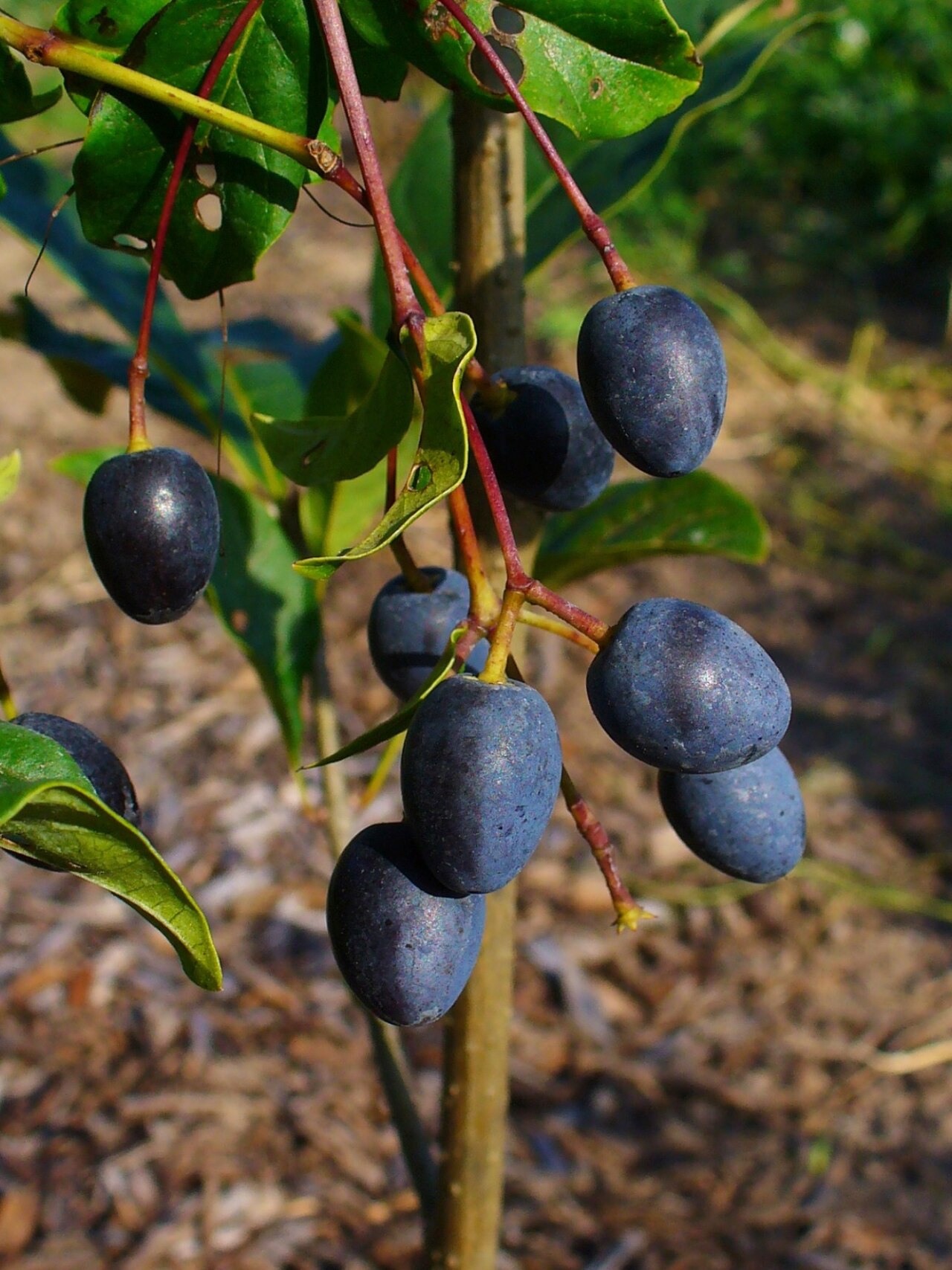
The fruit is grown for wildlife, not as a food crop. We don’t recommend eating it.
A Season-by-Season Plan
- Spring bloom: watch the flowers closely. Note how showy they are, look for insect activity, and skip sprays.
- Early summer: check for small green fruits inside the canopy. Their presence settles the male-or-female question.
- Summer: water deeply during dry spells while the fruit develops, especially on young trees.
- Late summer – fall: look for ripe blue fruit and for birds feeding on it. Collect a few if you want to try growing seedlings.
- Winter: plan any new planting, such as adding a male tree near a lone female.
📋 More on this plant: read the full Fringetree (Chionanthus virginicus) profile, or see it in our native plant lists for North & South Carolina, Georgia, Alabama & Mississippi, Arkansas, Louisiana, Eastern Oklahoma & Eastern Texas, Maryland, Virginia & West Virginia, Delaware, Southern New Jersey & Long Island, New York, Pennsylvania & Northern New Jersey, and Ohio & Indiana.
Frequently Asked Questions
Why does my fringetree flower but never fruit?
Most likely it’s a male tree. Fringetree usually has male and female flowers on separate plants, and only females produce a real crop. A female with no male nearby can also fail to fruit.
Do you need two fringetrees to get fruit?
You need a female tree and a male close enough for insects to carry pollen between them. If wild or neighborhood fringetrees grow nearby, a single female may fruit without a second tree in your yard.
How can I tell if my fringetree is male or female?
The surest sign is fruit. Small green fruits in early summer mean the tree is female, although male trees occasionally set a few. Male flowers also tend to have longer, showier petals.
When does fringetree fruit ripen?
Fruit ripens from late summer into early fall, turning from green to dark blue or bluish black. NC State gives July to September as the typical ripening window.
Is fringetree fruit messy?
It’s rarely a big problem. The fruit on native fringetree tends to hang inside the canopy, and birds eat much of it. If dropped fruit is a concern near a patio, a male tree avoids the issue.
Sources
- Clemson Cooperative Extension Home & Garden Information Center, Fringetree (HGIC 1027): dioecy, sex labeling in nurseries, fruit size and ripening, need for nearby males, bloom length, Chinese fringetree differences and seed germination.
- North Carolina Extension Gardener Plant Toolbox, Chionanthus virginicus: functionally unisexual flowers, occasional fruit on male trees, ripening July to September, wildlife value.
- University of Arkansas Cooperative Extension, Fringetree: fruit position inside the canopy and comparison with Chinese fringetree.
- Trees and Shrubs Online, Chionanthus virginicus: fruiting when both female and pollinating male parents are present.
- Piedmont Master Gardeners, Fringetree: Slow to Bloom but Worth the Wait: male cultivars, birds that eat the fruit, and pollinator value.
- Lady Bird Johnson Wildflower Center, Chionanthus virginicus: native distribution, seed collection timing and stratification.
- The Morton Arboretum, Water Trees and Plants: water and fruit development.
- Wikipedia, Chionanthus virginicus: fruit description and ripening period.