Fringetree Not Flowering: Age, Light, and Pruning Checks
Last updated: November 5, 2026
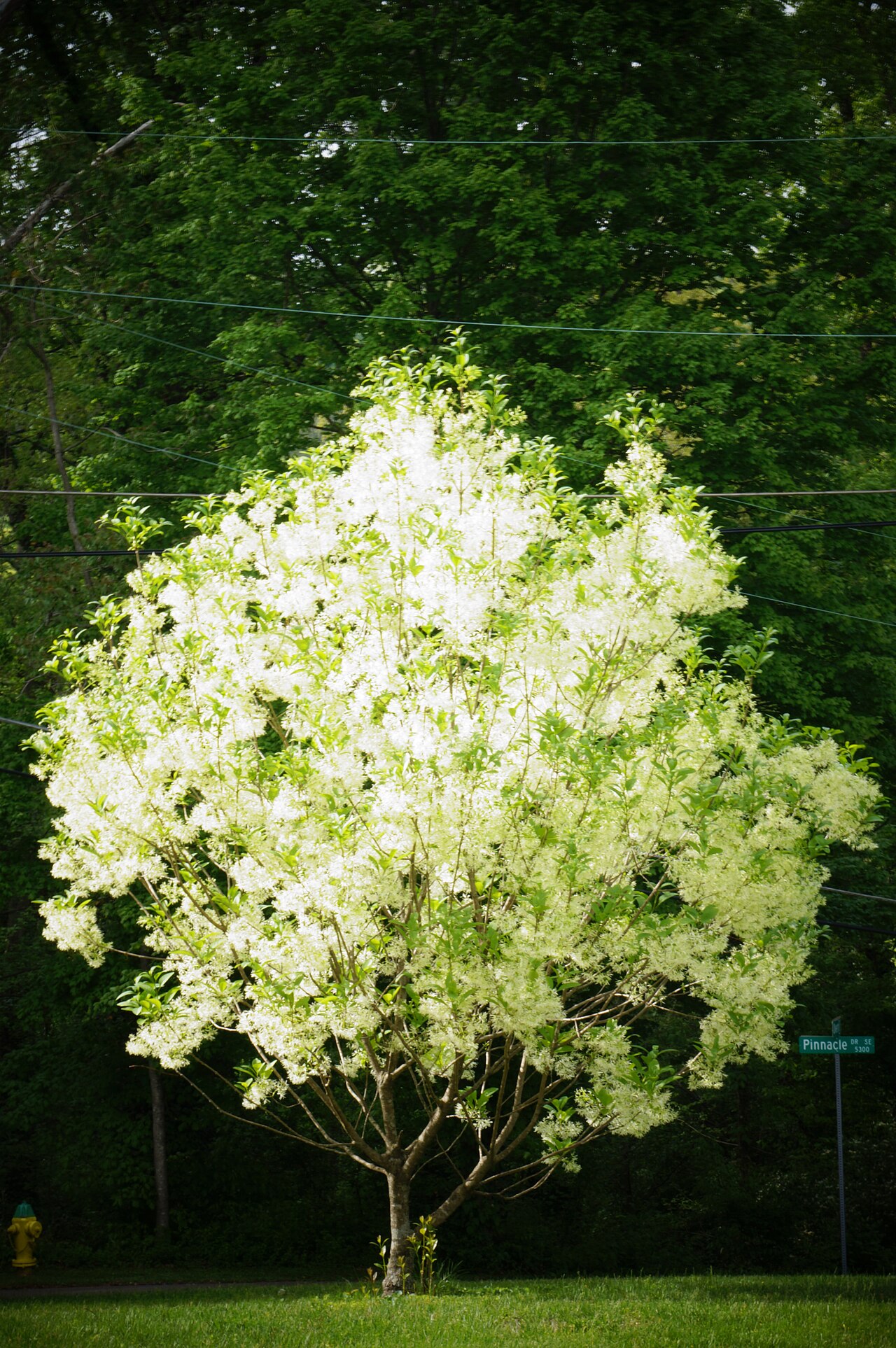
You planted a fringetree for those clouds of white, fringe-like flowers. Spring came and went, and your tree put out leaves and nothing else.
Fringetree has a reputation for being slow, and some of that is simply how the plant grows. But a tree that stays flowerless year after year usually has a reason you can find.
This guide walks through the checks in order: age, light, pruning, water and stress, and finally whether you have the tree you think you have. Most of them take a few minutes with the tree in front of you.
The Short Answer
White fringetree (Chionanthus virginicus) blooms in spring from buds carried on last year’s wood. When it doesn’t flower, the cause is usually one of these:
- A young or recently planted tree that is still building roots. Fringetree grows slowly and dislikes root disturbance.
- Too much shade. It grows in part shade, but flowers most heavily in full sun.
- Pruning at the wrong time. Cuts made between summer and spring remove next year’s flower buds.
- Stress from drought, a poor site, or borers, which reduces bud formation or kills flowering branches.
- It did bloom, briefly, and you missed the two-week window, or it’s a less showy female tree.
How Fringetree Makes Its Flowers
Fringetree flowers on the previous year’s wood. The flower clusters come from buds that formed on last season’s twigs, not from the new shoots that grow this spring.
That makes it different from summer bloomers like crape myrtle, which flower on new growth. It also makes it different from Chinese fringetree (Chionanthus retusus), which flowers at the ends of the current season’s shoots.
Fringetree is also one of the last trees to leaf out. The Lady Bird Johnson Wildflower Center notes that it can look dead in spring until the leaves and flowers appear, which often happen together.
The Fringetree Year
| Early spring | Bare twigs. The tree often looks dead while other trees leaf out. |
| Mid to late spring | Flowers open from last year’s wood as the first leaves emerge. Bloom lasts about two weeks. |
| Right after bloom | The only good window for pruning. New shoots start growing. |
| Summer | New twigs mature and buds for next year develop. Water matters here. |
| Fall – winter | Leaves turn yellow and drop. Next spring’s flowers are already on the twigs. |
Timing varies by region. Clemson Extension puts first bloom in April on the South Carolina coastal plain and early May in the Upstate, while trees around New York City bloom in mid to late May.
Check 1: Make Sure It Really Didn’t Bloom
Start here, because a surprising number of “non-flowering” fringetrees did flower.
The bloom is short. Clemson Extension describes the display as lasting about two weeks, and it can come and go during a busy stretch of spring or while you’re away.
Look for evidence in early summer:
- Dried flower stalks hanging in loose, branched clusters along last year’s twigs.
- Small green fruits where flowers used to be. These mean the tree flowered and is female.
- Petals on the ground or caught in mulch beneath the canopy.
Also consider the sex of your tree. Fringetrees are usually male or female, and male flowers have longer petals and look showier. A female tree in bloom can read as “a few scraggly flowers” next to a neighbor’s male tree.
Check 2: Count the Years Since Planting
Age is the cause that fixes itself, so rule it in or out early.
Fringetree grows slowly. Clemson and NC State both put typical growth at about 6 to 10 inches a year. A tree that size has to build roots and branch structure before it has much to spare for flowers.
Planting adds a delay. Clemson notes that fringetrees do not transplant well, and NC State adds that larger plants resent disturbance at their roots. Expect a tree to spend its first season or two settling in.
Where the tree came from matters too. Most fringetrees are grown from seed, and seedlings vary. Some named selections, such as ‘Spring Fleecing’ and ‘White Knight’, are described as flowering heavily from a young age, which suggests that many ordinary seedlings take longer.
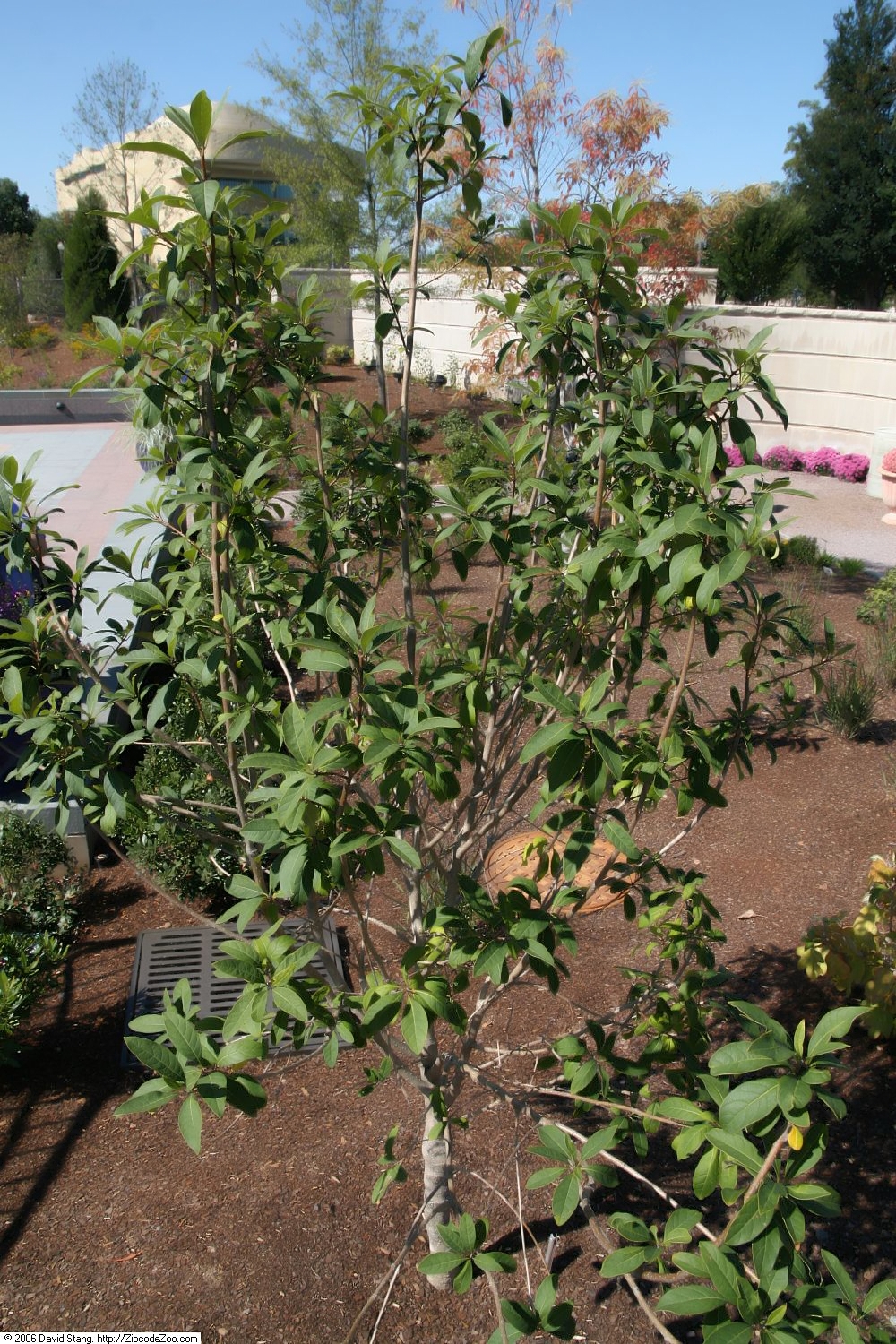
If your tree is young, check that it’s actually growing. Measure the new twig length at the end of summer. Several inches of healthy new growth means the tree is on track, even without flowers yet.
If it’s barely growing after two or three seasons, look at the planting itself. A root ball set too deep, mulch piled against the trunk, or a pot-bound root mass can stall a young tree for years. Our guide to caring for young saplings covers planting depth and early aftercare.
Check 3: Measure the Light
Fringetree grows naturally along woodland edges and in forest openings, so it tolerates shade. Flowering is another matter.
NC State Extension puts it simply: the best foliage comes in partial shade and the best flowering in full sun. Clemson recommends sun through most of the day with shade during the hot afternoon hours as the ideal compromise.
In heavy shade, the tree stays alive but grows more open and leggy, with sparse flower clusters scattered along long branches.
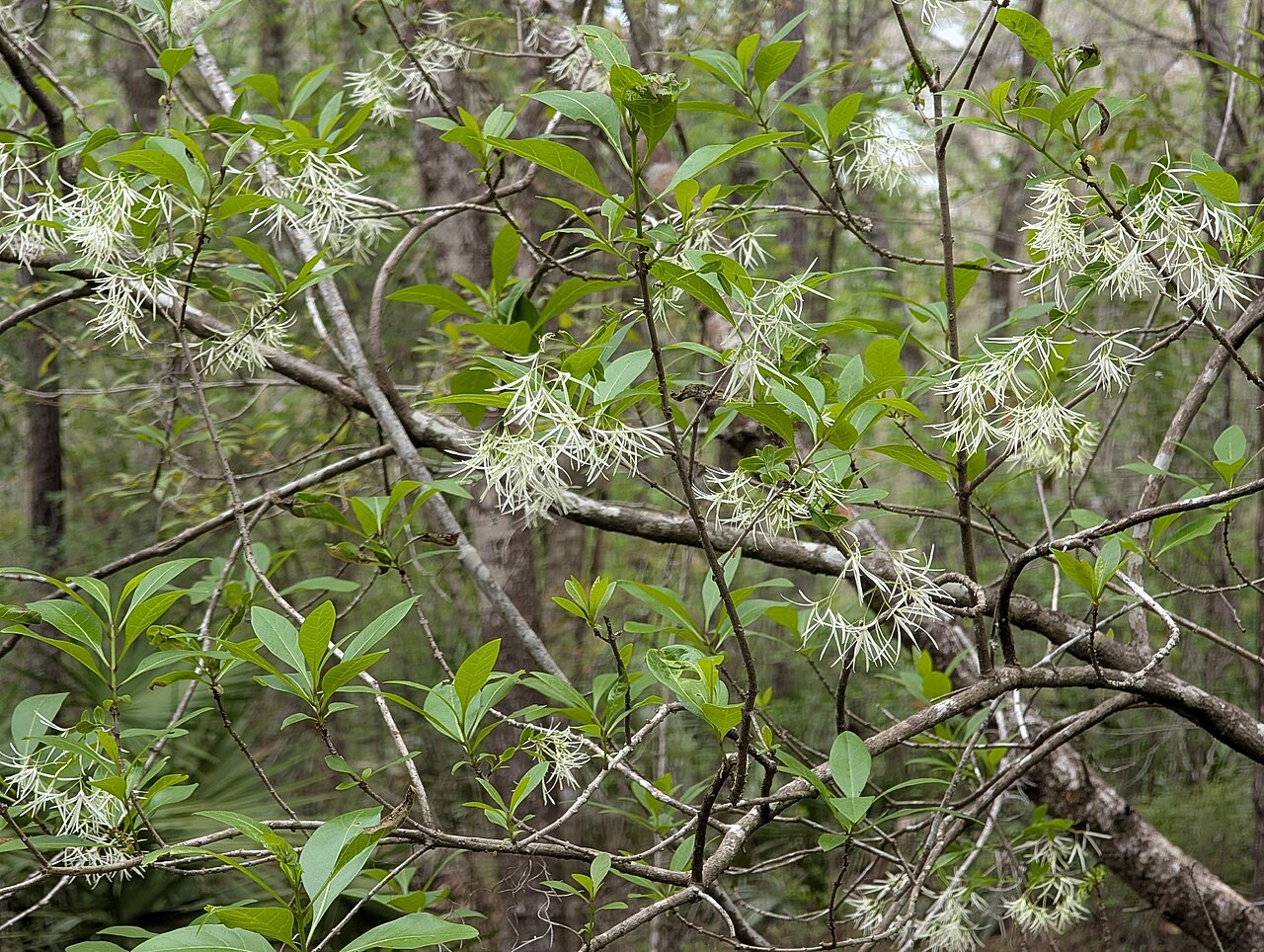
Check the light in summer, when the trees around yours are in full leaf. Note the sun at morning, midday, and late afternoon.
- Six or more hours of direct sun: light isn’t your problem.
- Morning sun with afternoon shade: close to ideal, especially in hot southern gardens.
- Bright shade or dappled light all day: expect light flowering at best.
Shade often creeps up slowly. A fringetree that bloomed well when it was planted can fade as a neighboring maple or oak fills in overhead.
Check 4: Review When It Was Last Pruned
Because the flowers come from last year’s wood, the timing of every cut matters.
Prune in summer, fall, or winter, and you remove the twigs that are carrying next spring’s flowers. Shaping the tree in late winter “while it’s dormant,” the way many trees are pruned, is the classic mistake.
Clemson’s general rule, the same one that applies to flowering dogwood, is that trees blooming before June 1 should be pruned after they bloom. The Piedmont Master Gardeners and the University of Arkansas Extension both recommend pruning fringetree right after flowering, which gives the new shoots the whole season to develop next year’s buds.
The good news is that fringetree rarely needs pruning at all. Clemson notes that its naturally strong branch structure means little routine cutting is needed beyond training a young tree. For general technique, see our guide to pruning basics for small trees.
Ask anyone who works on the yard, too. A crew that “cleans up” small trees each fall will remove the flowers every year.
Check 5: Look at Summer Water and Stress
Next year’s buds develop over the summer. A tree that spends July and August short of water has less to work with.
The Morton Arboretum notes that trees form next year’s buds during the current summer and that water is needed for flower buds as well as leaf buds. Dry summers can mean fewer, smaller buds the following spring.
Fringetree tolerates some drought once established, but young trees and trees on sandy or compacted soil feel dry spells sooner. During a dry stretch, water slowly and deeply rather than often and lightly. Our watering guide for shrubs and trees covers how much and how often.
A wide ring of wood-chip mulch helps, as long as it stays a few inches deep and off the trunk. See our mulching techniques for native gardens for the details.
Check 6: Check for Dieback and Borers
A tree that once flowered well and now has bare, dead, or sparse branches has a different problem.
NC State lists scale and borers as occasional problems, particularly when the tree is stressed by drought. Clemson adds that borers are the most serious insect pest and are more likely to attack trees that are already stressed or wounded.
Fringetree is also a close relative of ash trees such as white ash. Researchers have found the emerald ash borer infesting white fringetrees in Ohio, Illinois, Indiana, and Pennsylvania. Reported symptoms include crown dieback and sprouts from the trunk.
Signs worth a closer look:
- Whole branches that leaf out late, thinly, or not at all.
- Small holes, cracked bark, or bark flaking away in patches.
- Clusters of new shoots sprouting from the trunk or main limbs.
If you see these, especially in an area where emerald ash borer is known, contact your county Extension office or a certified arborist for a diagnosis before treating anything.
Check 7: Confirm What You Planted
Two identity issues can make a healthy tree look like a non-bloomer.
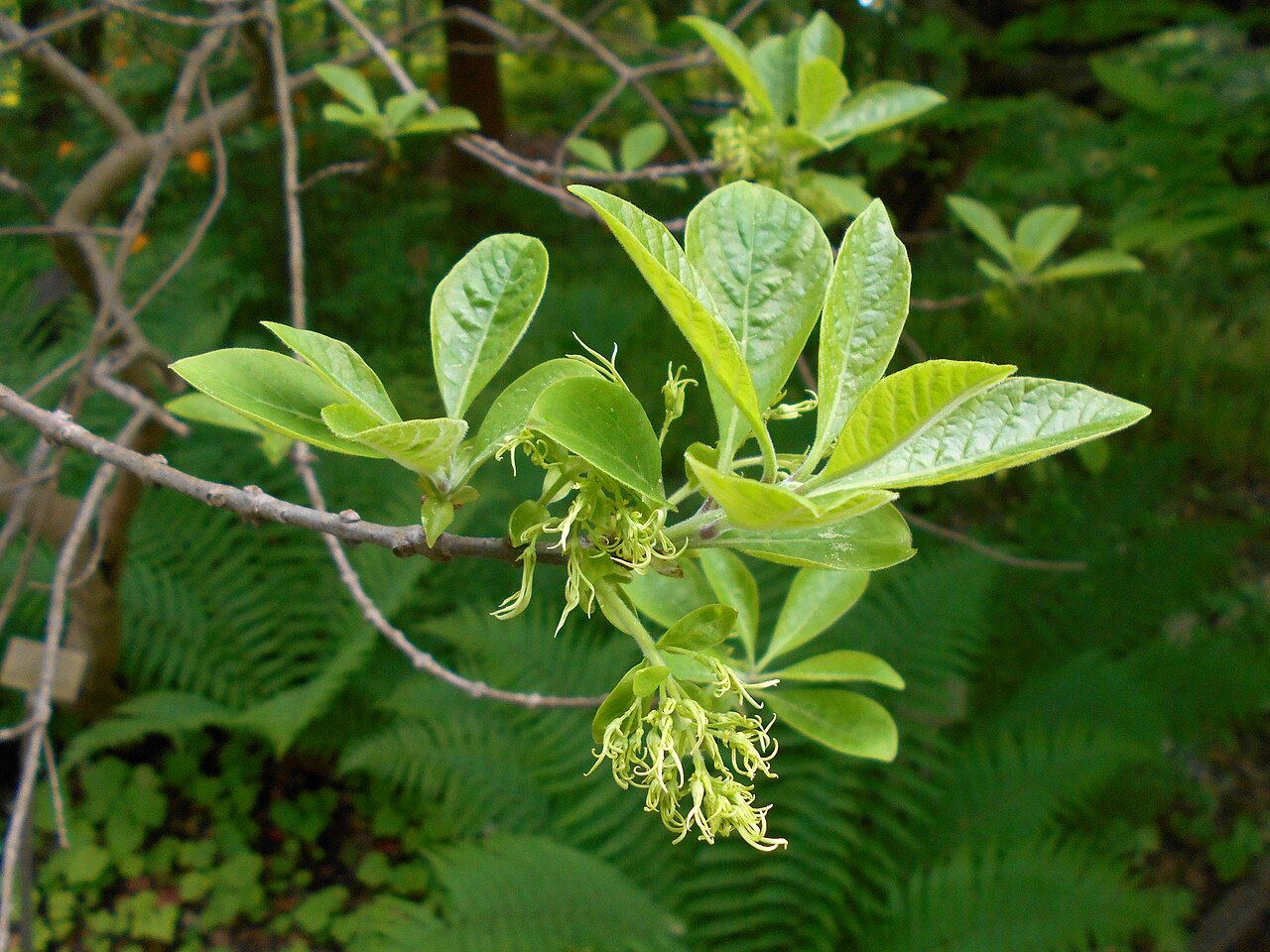
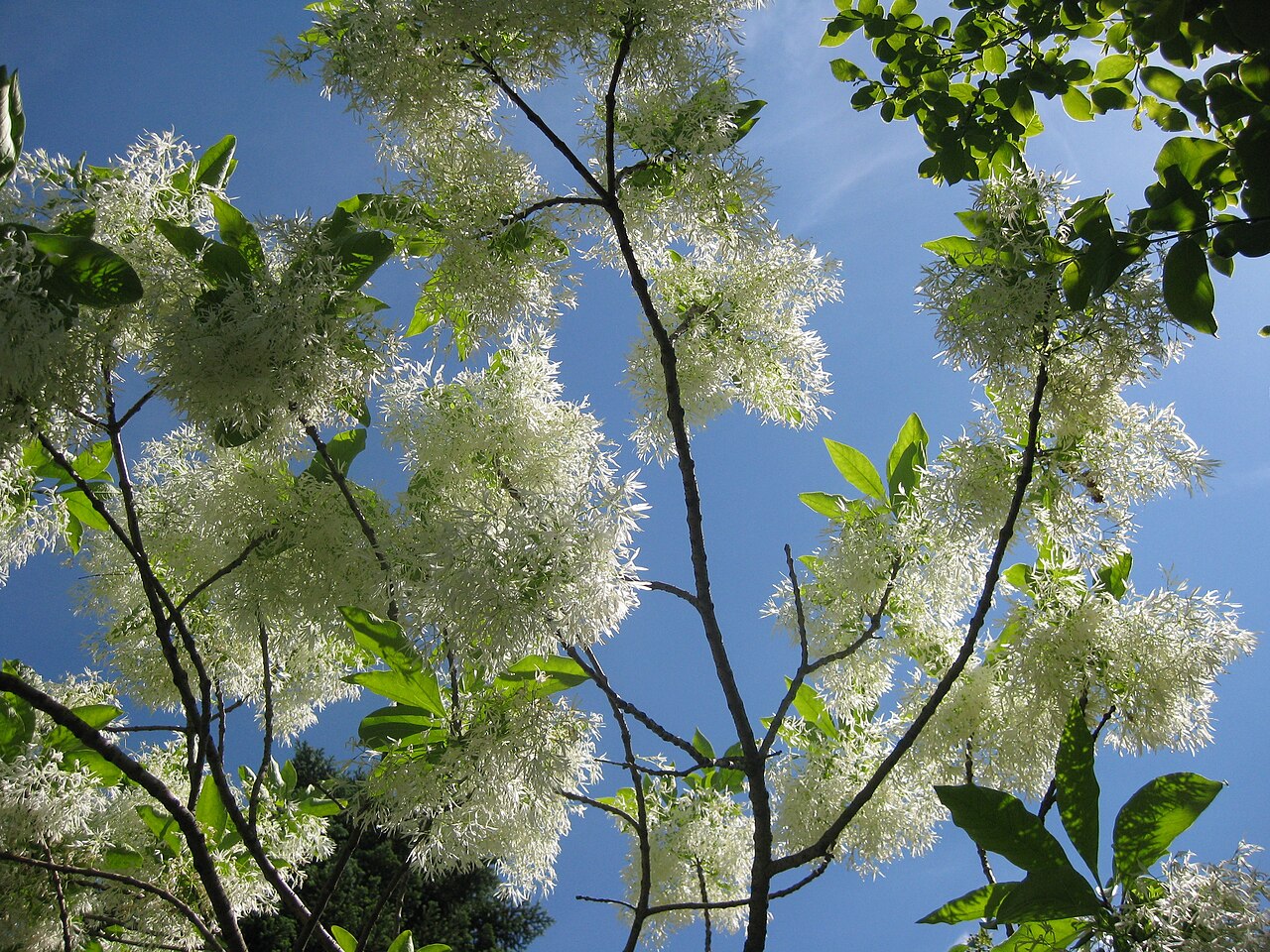
The first is Chinese fringetree (Chionanthus retusus), which is sold alongside the native species. It flowers after its leaves emerge, in denser clusters at the ends of the branches. The University of Arkansas Extension notes that it tends to bloom about two weeks later than white fringetree. If you’re judging it on the native tree’s schedule, it may simply not be its turn yet.
The second is a graft. Clemson notes that some fringetrees are grafted onto ash understocks, and sprouts from the understock must be removed promptly. Vigorous shoots from the base with different, compound leaves are ash, not fringetree, and they will never flower like the top of the tree.
Troubleshooting at a Glance
| Dried flower stalks or green fruit in summer | It bloomed and you missed it. Watch closely next spring. |
| Planted in the last two or three years | Normal establishment. Water through dry spells and wait. |
| Open, leggy, few flowers | Too much shade. Limb up neighboring trees or plan a move while it’s young. |
| Cut back in fall or winter | Flower buds were removed. Prune only right after bloom from now on. |
| Dry summer last year | Fewer buds formed. Water deeply in summer and mulch the root zone. |
| Dead or thinning branches | Possible borers or decline. Have it inspected. |
| Flowers at branch tips, after the leaves | Likely Chinese fringetree, which blooms later than the native species. |
What to Do Now
Most flowerless fringetrees need patience and one or two changes, not drastic action.
If the tree is young and growing: leave it alone. Keep the mulch ring weed-free, water during dry spells, and skip the pruners.
If it’s in heavy shade and still small: consider moving it to a sunnier spot while it’s young, since larger fringetrees resent root disturbance. A fall or early-spring move while the tree is dormant is the usual approach. If moving isn’t practical, raising the lower limbs of neighboring trees can let in more light.
If the problem was pruning: stop cutting outside the post-bloom window. The tree should flower again the spring after a full season of uncut growth.
If branches are dying: get a diagnosis first. Clemson notes that chemical control on large trees is usually not practical, and borer treatment is a job for a professional.
A Season-by-Season Plan
- Early spring: don’t panic if the tree is still bare while others leaf out. Fringetree is late. Scratch a twig with a fingernail; green underneath means it’s alive.
- Bloom time: check the tree every few days so you don’t miss the short flowering window. Note whether the flowers are on old twigs (native) or branch tips (Chinese).
- Right after bloom: make any pruning cuts now, and keep them few.
- Summer: water deeply during dry spells, especially in the first few years. This is when next year’s buds develop.
- Fall and winter: put the pruners away. Look over the bark and branches for dieback or borer signs while the leaves are down.
📋 More on this plant: read the full Fringetree (Chionanthus virginicus) profile, or see it in our native plant lists for North & South Carolina, Georgia, Alabama & Mississippi, Arkansas, Louisiana, Eastern Oklahoma & Eastern Texas, Maryland, Virginia & West Virginia, Delaware, Southern New Jersey & Long Island, New York, Pennsylvania & Northern New Jersey, and Ohio & Indiana.
Frequently Asked Questions
How long does it take a fringetree to bloom after planting?
There’s no fixed number. Fringetree grows slowly, about 6 to 10 inches a year, and takes time to settle in after planting. Expect at least a season or two of root growth, and longer for small seedlings. Some named cultivars are selected for flowering young.
Do you need a male and female fringetree for flowers?
No. Both male and female trees flower on their own. You only need both sexes nearby if you want fruit on the female tree. Male trees tend to have the showier flowers.
When is the right time to prune a fringetree?
Right after it finishes flowering in spring. Fringetree blooms on the previous year’s wood, so pruning in summer, fall, or winter removes next year’s flowers.
Why does my fringetree look dead in spring?
It’s probably just late. Fringetree is one of the last trees to leaf out, and its flowers and leaves often appear together. Scratch a twig to check for green tissue before assuming the worst.
Will fertilizer make my fringetree bloom?
Usually not. Fringetree is a low-maintenance tree, and extra nitrogen tends to push leaves rather than flowers. Fix light, pruning timing, and summer water first, and use a soil test before feeding.
Sources
- Clemson Cooperative Extension Home & Garden Information Center, Fringetree (HGIC 1027): growth rate, bloom timing and length, male and female trees, light, transplanting, pruning needs, ash understocks and pests.
- Clemson Cooperative Extension Home & Garden Information Center, Pruning Trees: pruning flowering trees after bloom and fall pruning of dogwood and redbud.
- North Carolina Extension Gardener Plant Toolbox, Chionanthus virginicus: light and flowering, root disturbance, growth rate, pests and emerald ash borer.
- University of Arkansas Cooperative Extension, Fringetree: flowers on last year’s wood, Chinese fringetree bloom timing, pruning after flowering.
- Piedmont Master Gardeners, Fringetree: Slow to Bloom but Worth the Wait: pruning immediately after flowering.
- Lady Bird Johnson Wildflower Center, Chionanthus virginicus: late leaf-out and flowering with the first leaves.
- Trees and Shrubs Online, Chionanthus virginicus: flowering on previous-year wood and cultivars that flower from a young age.
- The Morton Arboretum, Water Trees and Plants: summer bud formation and deep watering.
- Entomology Today, Emerald Ash Borer Infestation of White Fringetree Found to be Widespread, and Wikipedia, Chionanthus virginicus: emerald ash borer in fringetree, bloom timing and dioecy.