Soil Improvement Tips for Clay Soil: Effective Strategies for Better Drainage and Fertility
Last updated: September 6, 2026
Clay soil’s dense, sticky texture can make growing healthy plants feel like an uphill battle. Adding organic matter—think compost or peat moss—helps loosen things up and boosts both aeration and water retention.
The key to better clay soil is loosening its structure while enhancing nutrient content.
Good drainage matters a lot, since clay loves to hang onto water and can suffocate roots. Creating raised beds or mixing in a bit of sand can help improve texture and prevent compaction.
Understanding Clay Soil Characteristics
Clay soil comes with its own quirks that really affect how plants grow. Knowing its texture and structure, and how to test it, makes it way easier to manage the headaches and improve overall soil health.
Key Properties and Challenges
Clay soil contains a ton of tiny particles that cling together stubbornly. This tight structure blocks water drainage and airflow, so soil compaction happens fast.
Roots can suffocate, and plant growth often suffers because of it. Clay does hold onto nutrients, but it gets dense and sticky when wet, then turns rock-hard as it dries out.
It usually has a high cation exchange capacity, so it’s packed with nutrients, but working with it can be tough. Depending on your area, you might need to adjust the pH, since clay can swing acidic or alkaline.
Soil Structure and Texture Explained
Soil texture is all about the mix of sand, silt, and clay. Clay clocks in at over 40% clay particles—way smaller than sand or silt—which gives it that smooth, sticky feel.
Water moves through clay at a snail’s pace, thanks to those tiny particles. When it comes to structure, clay tends to form dense clumps or blocks, shrinking pore space.
That means you get surface crusting and roots have a rough time pushing through. Tossing in organic matter helps by creating air pockets and breaking up those clumps.
Assessing Soil Quality Through Testing
Soil testing gives you the inside scoop on clay’s nutrients, pH, and texture. A basic test checks for nitrogen, phosphorus, potassium, and pH.
Knowing your numbers helps you decide if you need lime or fertilizer, and how much. Sampling your native soil the right way makes the results more accurate.
Tests also show how compacted your soil is and how much organic matter it has. Regular soil testing keeps you on track for healthy soil and better plant growth.
Effective Soil Improvement Strategies
If you want to fix clay soil, you’ll need a mix of tweaks to boost texture, nutrients, and life in the dirt. The right combo of materials and techniques helps water move, roots spread, and the whole garden just feels healthier.
Incorporating Organic Matter and Amendments
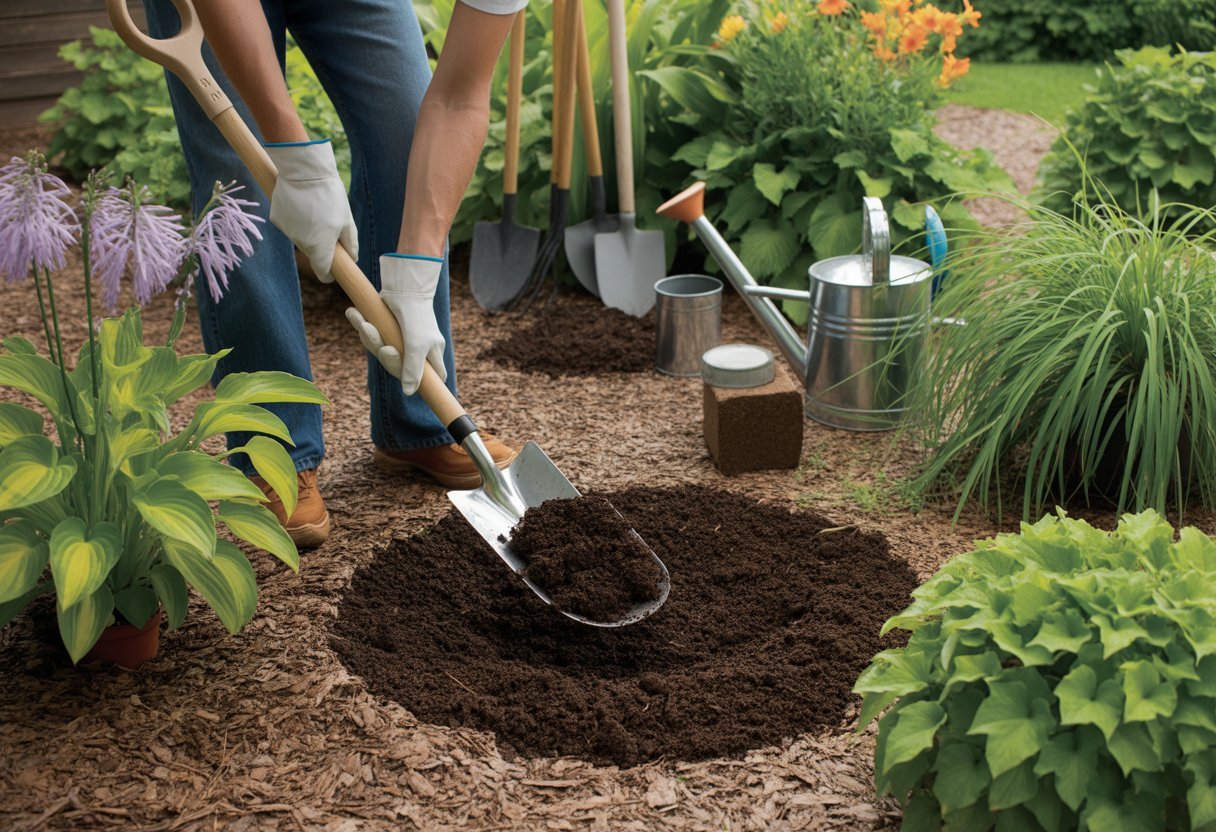
Adding organic matter like compost, manure, or mushroom compost breaks up dense clay, making it easier for water and roots to move through. These amendments open up the soil, letting air and moisture in.
Spread a 2-3 inch layer of well-rotted compost and till it in for even results. Using gypsum as an amendment can loosen clay by changing its chemistry, which helps those stubborn particles break apart.
Regular top-dressing with mulch or planting cover crops keeps the organic material coming and protects against erosion. Mixing physical amendments with organic matter keeps the soil in good shape for roots.
Enhancing Drainage and Aeration
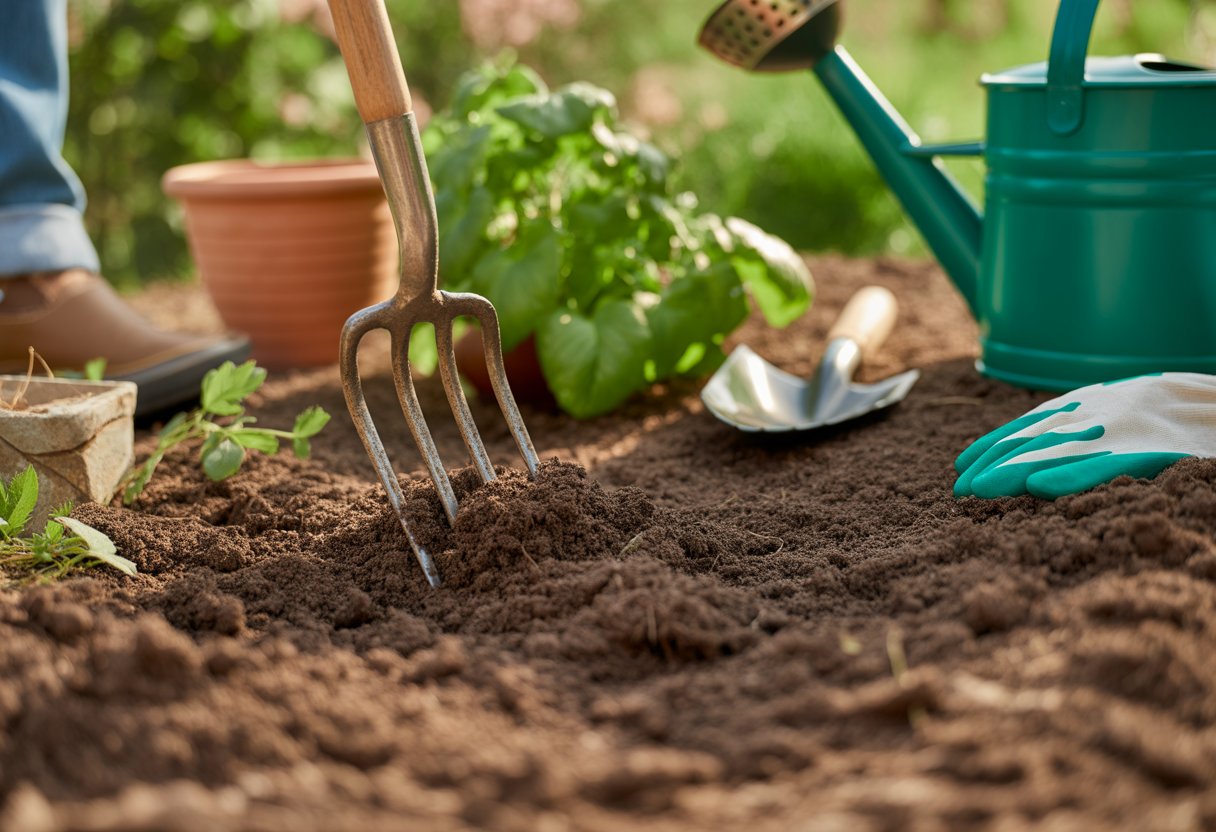
Clay really holds onto water, and that can drown roots before you know it. Grab a spading fork or rototiller to break up compacted layers, so water and air can move around.
Aeration boosts oxygen, which is great for roots and all those helpful microbes. Sometimes gardeners add coarse materials like sand, but honestly, it only helps if you mix it super thoroughly with organic matter.
Mulching with wood chips helps the soil breathe and holds in just enough moisture. That way, your plants don’t dry out or get waterlogged.
Restoring Nutrient Balance
Clay soils have a knack for holding nutrients, but sometimes plants still can’t grab them because there’s just not enough air. Adding balanced organic fertilizers or nitrogen-fixers like legume cover crops gets nutrients moving again.
Compost and manure release their goodies slowly, feeding plants over time. Soil tests tell you what you need, so you don’t go overboard.
Using amendments that release nutrients bit by bit keeps the soil healthy, so your plants grow strong without running into toxic buildups.
Reducing Compaction and Promoting Healthy Microorganisms
Compacted soil squeezes out air and water, making it tough for roots to spread. Try to keep heavy equipment off wet clay—trust me, it makes a difference.
Loosen things up with hand tools, then follow with a dose of organic matter. Healthy microorganisms love loose, rich soil.
They break down organic material, improve structure, and help nutrients move around. Regular compost and cover crops keep them well-fed, which means your soil gets better year after year.
Best Gardening Practices and Plant Choices
Picking plants that don’t mind heavy, wet soil makes clay gardening a lot less stressful. Mulch and cover crops help manage moisture and add more organic matter.
Encouraging earthworms and other helpful critters boosts aeration and keeps nutrients cycling, which is always good news for your plants.
Selecting Suitable Crops and Flowers
Choose plants that can handle dense, clay-heavy soil. Root veggies like carrots and beets usually struggle, but crops like broccoli, cabbage, and kale do much better.
For flowers, daylilies, coneflowers, and black-eyed Susans don’t mind wet spots or compacted earth. Trees such as oaks and maples dig in deep, so they’re right at home in clay.
Going with plants that actually like clay takes the guesswork out and sets your garden up for success.
Using Mulch and Cover Crops Effectively
Mulching with organic materials—straw, shredded leaves, bark—keeps the surface loose and holds moisture. A 2-3 inch layer is usually just right.
Cover crops like clover, rye, or vetch add organic matter and their roots poke holes that improve drainage. Plant cover crops in fall or early spring to get the most benefit before the growing season kicks off.
Encouraging Beneficial Soil Life
Earthworms and microbes speed up the breakdown of organic matter. As they move through the soil, they make tunnels that boost aeration and help water soak in.
When you add compost often, you feed these helpful organisms and keep the ecosystem lively. If you avoid too much tilling, you give soil life a better chance and keep the structure intact.
Trying things like compost tea or humic acid can wake up microbial activity. That little boost often leads to healthier plants, especially in tough, clay-heavy soils.