How to Clean and Store Tomato Supports Between Growing Seasons
Last updated: November 6, 2026
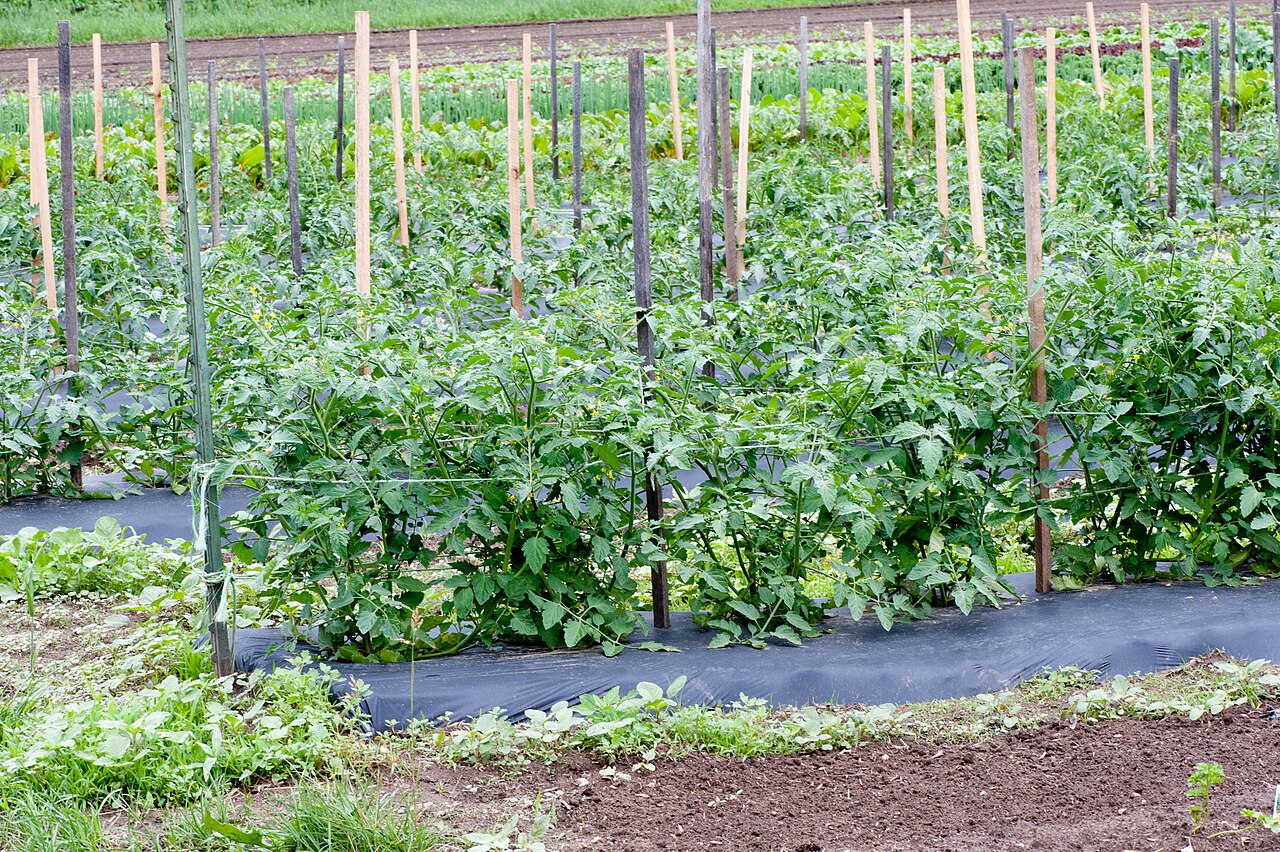
The tomatoes are done. What’s left is a tangle of dead vines wrapped around cages, stakes, and twine.
It’s tempting to yank everything out and toss it behind the shed. But supports that go into storage dirty come out next spring dirty, and some of what clings to them can be a problem for next year’s plants.
This guide walks through clearing, cleaning, disinfecting when it’s warranted, and storing each type of support so it lasts more seasons and starts the next one clean.
The Short Answer
- Always: strip off old vines, leaves, and ties, and knock off soil. Ask Extension advises removing leaf debris from stakes and cages.
- Usually enough: wash with soapy water, rinse, and let everything dry fully.
- Disinfect when disease was present: University of Connecticut IPM recommends disinfecting stakes after bacterial disease, using a 1-part bleach to 9-parts water soak after cleaning.
- Discard wooden stakes after bacterial canker, and any supports that are rotted, cracked, or brittle.
- Store dry, off the ground, and out of the weather.
Why Supports Need Cleaning at All
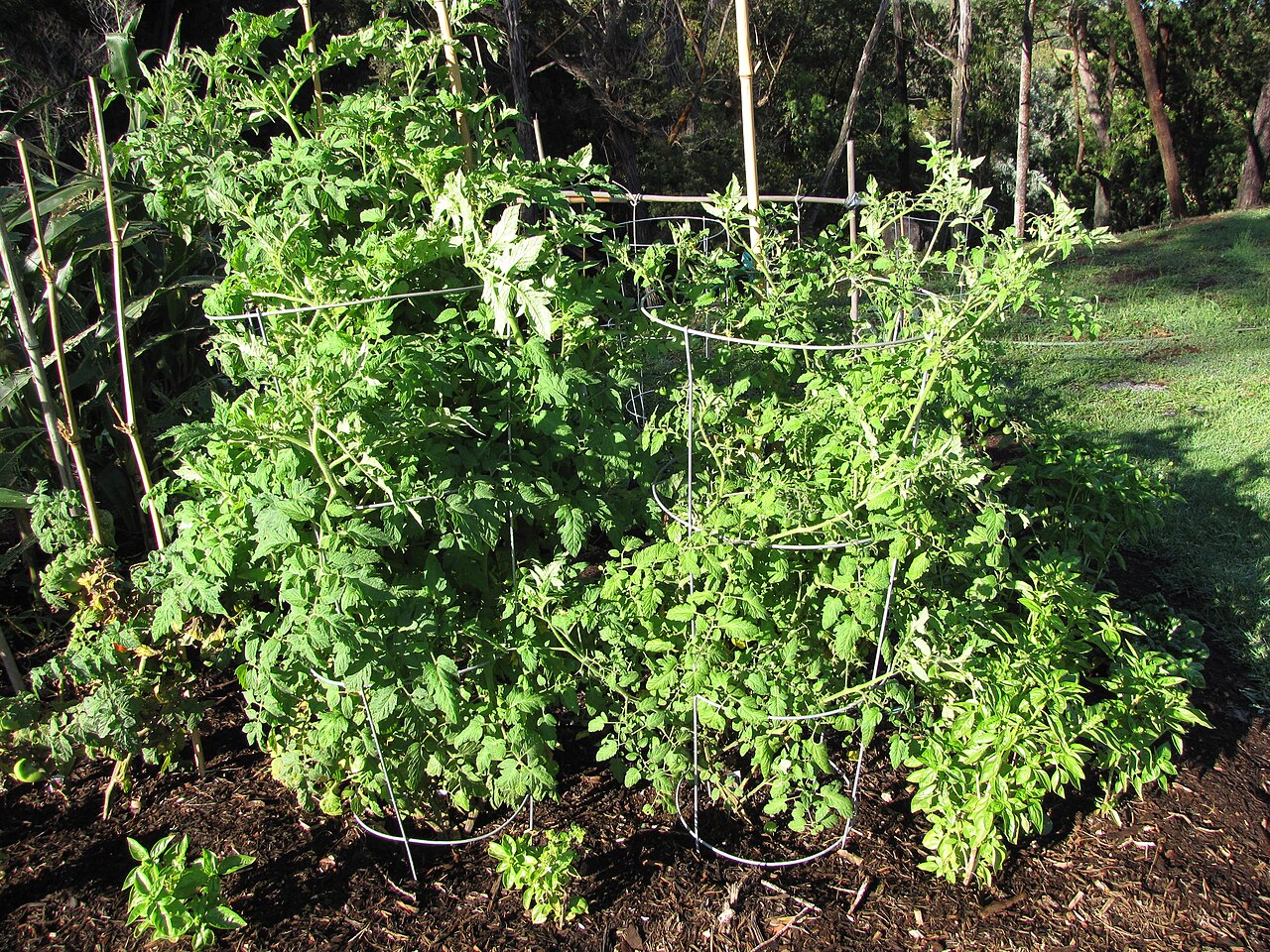
Tomato supports spend months in contact with leaves, stems, and soil. Bits of plant debris stay stuck in twine, wrapped around wire, and pressed into the grain of wooden stakes.
UConn IPM notes that wooden stakes can carry the bacterial pathogens that cause bacterial speck, spot, and canker from one crop to the next. Researchers have even used stakes from a diseased planting as a source of the pathogen for later experiments.
That said, Ask Extension points out that for typical garden diseases, disinfecting stakes and cages generally isn’t necessary. It reduces the amount of disease present, but not by a great deal. Removing debris and getting diseased plants out of the garden matters more.
Clean or Disinfect?
| Healthy season, no disease | Remove debris, wash, dry, store. |
| Leaf spots or blight on plants | Remove debris carefully, wash. Disinfecting is optional but reasonable. |
| Bacterial speck or spot | Clean, then disinfect wooden stakes. |
| Bacterial canker | UConn IPM recommends discarding wooden stakes. |
If you weren’t sure what your plants had, our guide to organic pest control for tomatoes covers some common problems. Your local Extension office can also identify a disease from a sample.
Step 1: Pull Supports Before the Vines Rot In
Do this soon after the final harvest, while the vines are still mostly intact. Dead, wet vines tangled in a cage are much harder to pull out after a few weeks of rain.
Cut the main stems at the base first. Then cut or untie each plant from its support and pull the vines out from the top, rather than dragging the cage up through them.
- Healthy plants: compost the vines.
- Diseased plants: keep them out of the compost. The gardener in Ask Extension’s blight question bagged and trashed diseased plants, and the Extension response agreed that was right.
- Twine, plastic ties, and clips: cut them off and throw away twine that touched diseased plants. It’s cheap and hard to clean.
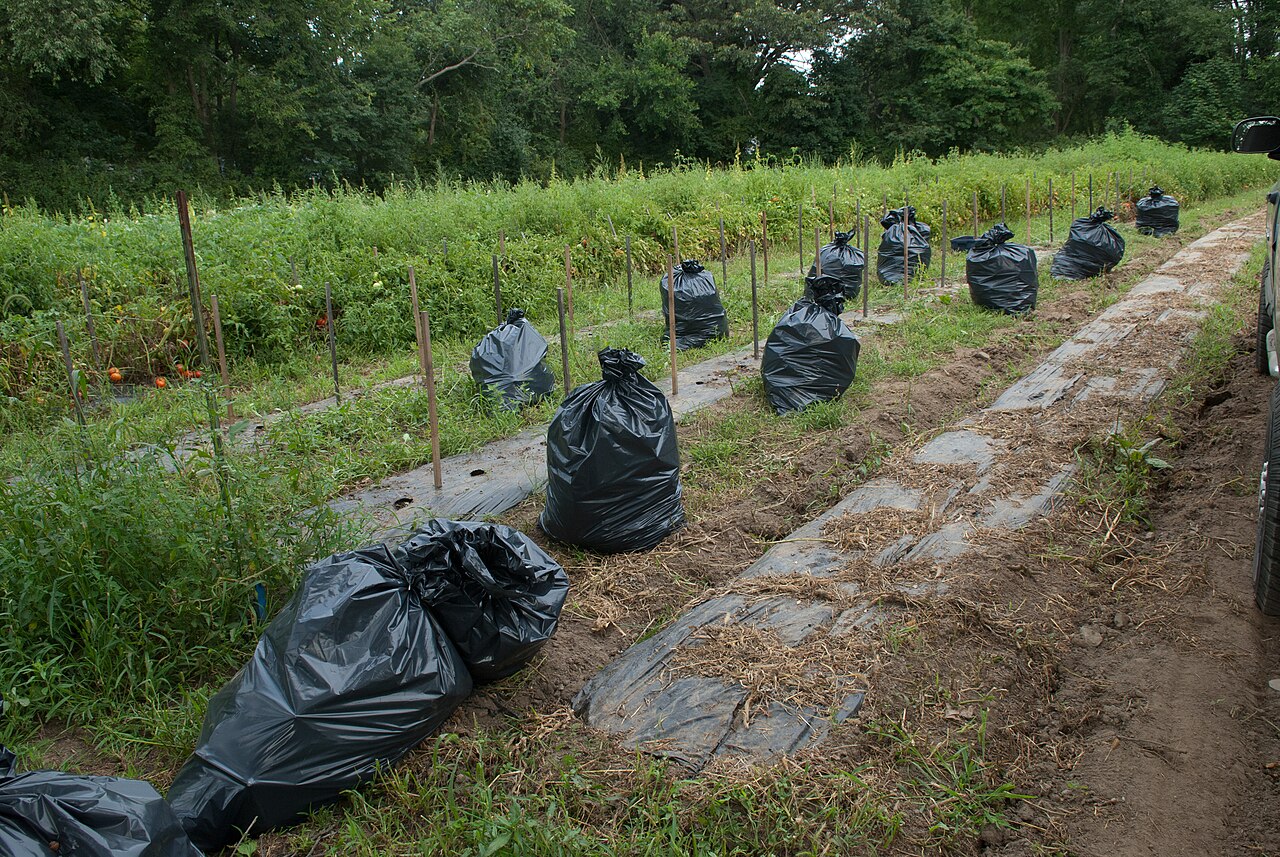
Step 2: Scrape and Hose Off Debris
This is the most important cleaning step. UConn IPM explains that dirt and debris protect pathogens and deactivate disinfectants, so nothing else works well until surfaces are clean.
Knock soil off the bottom of stakes and cage legs. Pull dried leaves and tendrils out of wire joints. A stiff brush or a putty knife helps with caked soil.
Then hose everything down. UConn IPM recommends starting any disinfection by hosing down used stakes.
Step 3: Wash With Soapy Water
For a season without disease problems, a wash is usually all you need. Ask Extension describes a simple first step: wash cages with a soap solution to remove dirt and grime.
Fill a bucket with warm water and a squirt of dish soap. Scrub stakes and cage wires with a brush, paying attention to the bottom foot that sat in the soil. Rinse well.
Grow bags and plastic containers can be cleaned the same way. Maryland Extension suggests washing reusable food-grade containers with soap and water before reuse. If you grew in fabric bags this year, our grow bag watering audit has notes on sizing them for next season.
Step 4: Disinfect When It’s Warranted
If your plants had a bacterial disease, or you simply want a clean start after a bad disease year, disinfect after washing. UConn IPM gives clear directions for stakes.
Bleach. Mix 1 part household chlorine bleach with 9 parts water. Work outdoors or in a well-ventilated area. UConn IPM recommends soaking stakes for 30 minutes.
Mix only what you’ll use right away. UConn IPM notes that diluted bleach has a half-life of only about 2 hours and is quickly inactivated by organic matter. That’s another reason to clean thoroughly first.
Other disinfectants. UConn IPM notes quaternary ammonium products are more stable than bleach once diluted, but should still be used within 24 hours of mixing. Hydrogen peroxide-based products are an option for organic growers. Follow the label rate for whichever product you choose.
Contact time. Whatever you use, UConn IPM advises soaking for at least 10 minutes so the solution can penetrate porous wood. A quick wipe isn’t enough for wood.
For cages too big to soak, wiping wire thoroughly with the bleach solution after washing is a practical alternative, as described in Ask Extension’s cage answer.
Safety Notes
- Wear gloves and eye protection when mixing and handling disinfectants.
- Read and follow the product label. Never mix bleach with other cleaners.
- Work outside or in good ventilation, as UConn IPM advises for bleach.
- Rinse disinfected supports with clean water and keep pets and children away from soaking tubs.
- Dispose of used solution according to the label and local rules, away from plants you want to keep.
Step 5: Dry Everything Completely
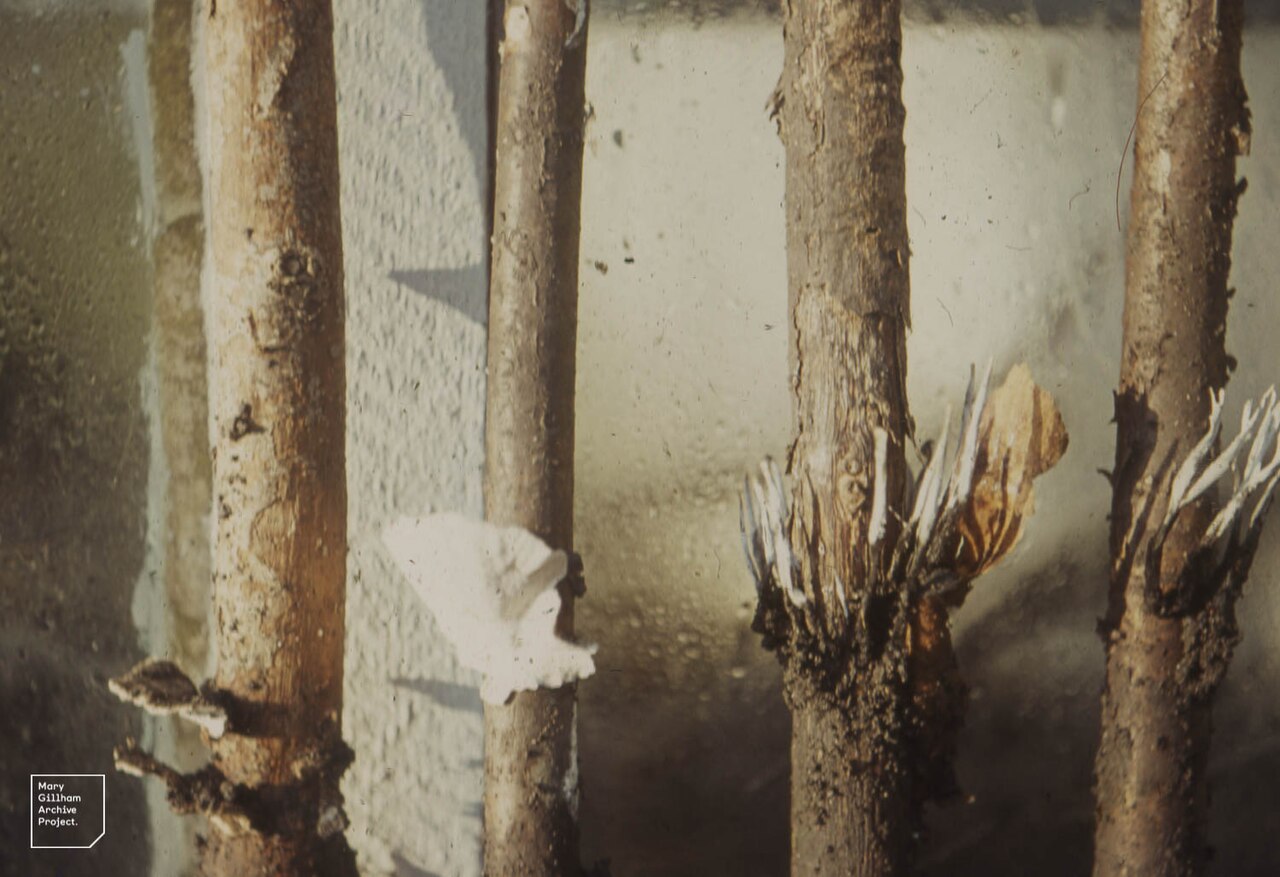
Never store supports wet. Damp wood rots and grows mold, and damp metal rusts in storage.
Lay stakes and cages out in the sun for a day or two, turning them once. In Ask Extension’s answer on sterilizing cages, the expert who responded lets cleaned cages sit in the sun for a couple of days before use.
Check the bottom ends of wooden stakes, which soak up the most moisture, before bundling them.
Step 6: Inspect and Sort
Clean, dry supports are easy to inspect. This is the time to decide what goes back into service.
- Wooden stakes: discard any that are soft, split, or rotted at the base. Toss any from a bacterial canker planting, as UConn IPM advises.
- Wire cages: straighten bent legs, and set aside any with broken welds for repair or recycling.
- Plastic stakes, clips, and ties: Maryland Extension notes that plastic not made for outdoor use becomes brittle from weather exposure. Replace anything that’s cracked or chalky.
- Bamboo: discard canes that are split lengthwise.
If you need replacements, our roundups of tomato cages and vegetable supports and plant supports and trellises compare options.
Step 7: Store Dry and Off the Ground
Good storage keeps supports from rotting, rusting, and tangling. It also keeps them from becoming a home for overwintering debris.
- Stakes: bundle by length with twine or straps and store flat or upright on a rack, off the floor.
- Round cages: nest them inside each other, top-down, in a dry corner or hung on a wall.
- Folding or flat-panel cages: fold flat and stack against a wall.
- Clips and reusable ties: keep in a labeled bin so they don’t scatter.
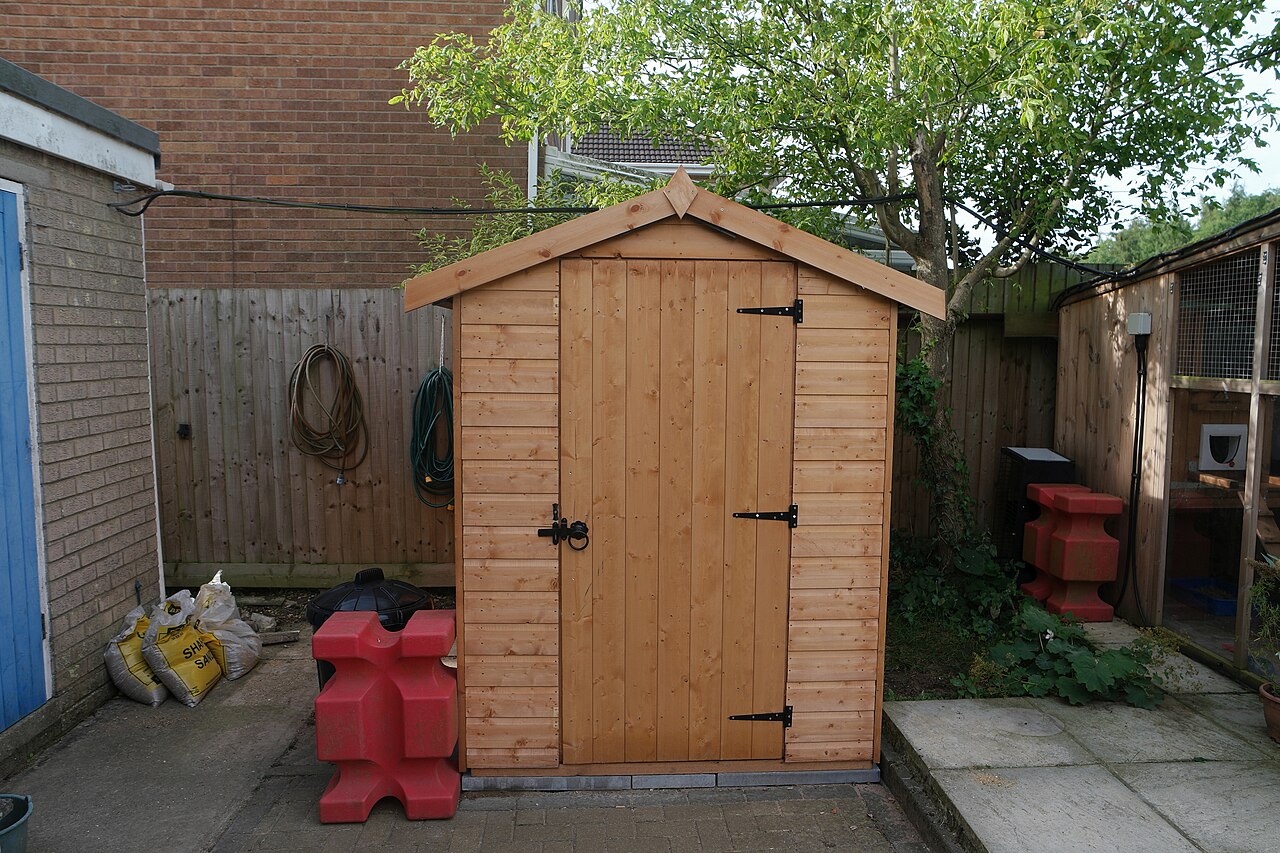
- Outdoors: if there’s no room inside, raise supports on blocks and cover them with a tarp, leaving airflow underneath.
For storage ideas, see our roundup of garden tool organizers for sheds.
Quick Reference by Support Type
| Wooden stakes | Scrape, hose, wash. After bacterial disease, soak in disinfectant at least 10 minutes. Dry fully. Discard rotted stakes. |
| Wire cages | Pull debris from joints, wash, wipe with disinfectant if needed. Rinse and dry. Nest to store. |
| Metal stakes and spirals | Wash, rinse, dry. Store indoors to limit rust. |
| Plastic stakes and clips | Wash and dry. Replace brittle pieces. |
| Twine and soft ties | Discard after use, especially after disease. |
Getting Supports Ready for Spring
Pull supports out a few weeks before planting so you have time to fix or replace anything you missed in fall. Minnesota Extension recommends installing stakes, cages, spirals, or trellises at the time of planting, so have them ready to go in with the transplants.
If you plant in the same bed, rotating tomatoes to a different spot is a common way to reduce disease carryover from soil, since clean supports can’t help with what’s in the ground.
Choosing between cages and stakes for next year? Our guide to determinate and indeterminate tomatoes explains which growth habit suits which support, and our step-by-step tomato planting guide covers setting supports at planting time.
A Season-by-Season Plan
- Right after the last harvest: cut plants out, bag diseased vines, and remove twine and ties.
- Early fall: scrape, hose, and wash supports. Disinfect if disease was present. Dry fully in the sun.
- Late fall: inspect and sort. Store dry and off the ground.
- Winter: make a list of replacements, and note which supports worked for which varieties.
- Early spring: pull out supports, check them once more, and set them at planting time.
For the rest of the tomato year, see our beginner’s guide to growing tomatoes. If you had trouble this season with flowers dropping without fruit, curling leaves, or cracked fruit after rain, now is a good time to plan next year’s fixes.
Frequently Asked Questions
Do I really need to disinfect tomato cages every year?
Usually not. Ask Extension notes disinfecting generally isn’t necessary for common garden diseases. Removing debris and washing is enough after a healthy season. Disinfect after bacterial diseases or a bad blight year.
What bleach ratio should I use for tomato stakes?
UConn IPM recommends 1 part household bleach to 9 parts water, mixed fresh, with stakes soaked for 30 minutes after cleaning.
Can I reuse wooden tomato stakes?
Yes, if they are sound. Clean them, and disinfect after bacterial disease. UConn IPM recommends discarding stakes after bacterial canker.
Should I compost the old tomato vines?
Healthy vines can go in the compost. Keep diseased vines out and dispose of them away from the garden.
Can I leave tomato cages outside over winter?
You can, but they last longer stored dry. If they must stay outdoors, clean them, raise them off the ground, and cover them while allowing airflow.
Sources
- University of Connecticut Integrated Pest Management, Disinfecting Used Tomato Stakes: bacterial pathogens on stakes, pre-cleaning, bleach rate and soak time, alternative disinfectants, discarding after canker.
- Ask Extension, Do you need to clean cages and stakes used around tomato plants with blight?: debris removal and when disinfection is worthwhile.
- Ask Extension, Sterilizing tomato cages: two-step wash and bleach-wipe method for cages.
- University of Maryland Extension, Growing Vegetables in Containers and Salad Tables: plastic weathering and cleaning reusable containers.
- University of Minnesota Extension, Growing tomatoes in home gardens: installing supports at planting.