
Cóbana Negra (Stahlia monosperma)
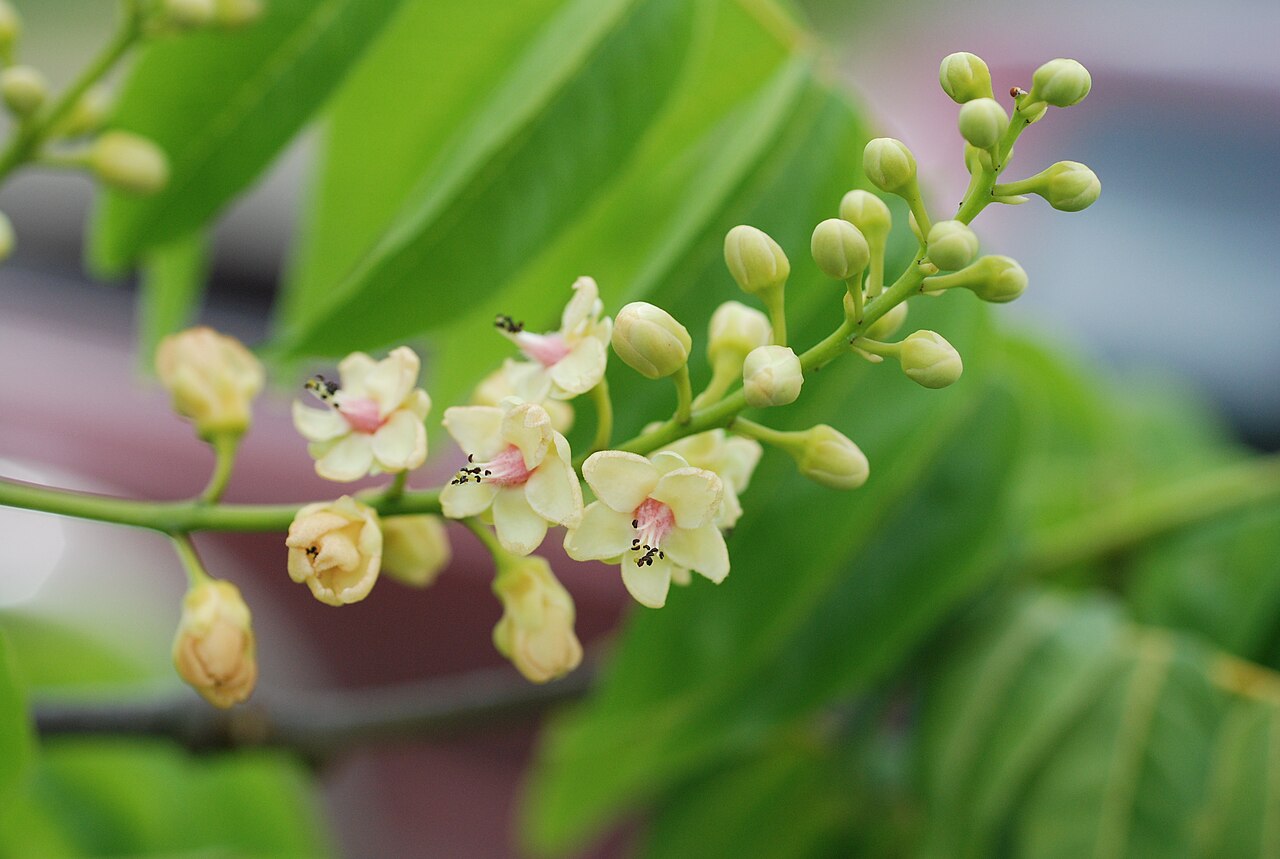
Stahlia monosperma, known in Puerto Rico as Cóbana Negra, cóbana or polisandro, is a rare evergreen tree of the legume family (Fabaceae) that grows at the edges of mangroves and brackish lagoons. USDA PLANTS lists it as cobana negra. It is federally listed as threatened under the U.S. Endangered Species Act, a status it has held since 1990, and it is one of the rarest native trees of Puerto Rico’s coasts.
The genus name honors Agustín Stahl, considered the first Puerto Rican naturalist. Cóbana negra is native only to Puerto Rico, including Vieques, and the Dominican Republic; the Smithsonian’s Flora of the West Indies treats it as endemic to Puerto Rico. According to the U.S. Fish and Wildlife Service, only nine natural populations with 1,118 individuals have been documented, and only 14 percent of those trees are reproductive adults.
Cóbana negra is also a handsome garden tree, with glossy compound leaves, pale yellow flowers and bright red, apple-scented fruits. Recovery partners have planted more than 2,500 of them across Puerto Rico. If you want to grow one, buy only nursery-propagated plants from a reputable native nursery, and never collect seeds, seedlings or cuttings from wild trees.
Identification
Cóbana negra is easiest to identify by its leaves: pinnately compound, with six to twelve lance-shaped to oval leaflets on reddish stalks, each leaflet dotted underneath with tiny glands that look like black specks. In season, its red, one-seeded fruits are unmistakable.
Form & Bark
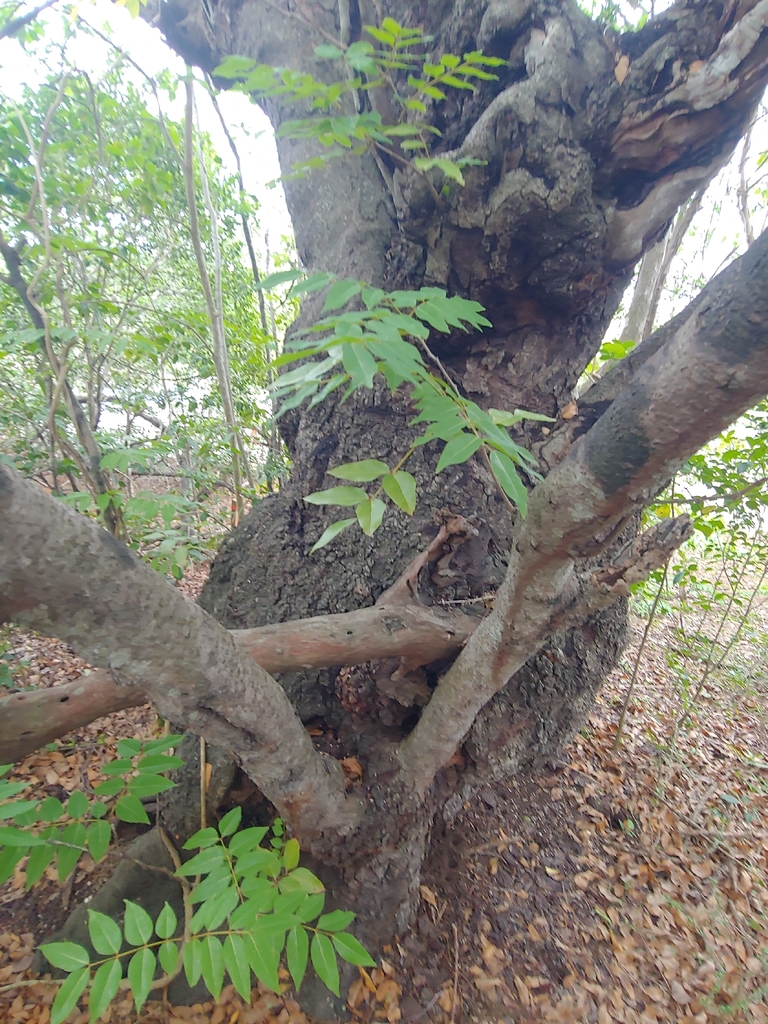
This is a medium-sized evergreen tree, about 23 to 50 feet (7–15 m) tall, with a trunk 12 to 18 inches (30–45 cm) in diameter. Old trees develop thick, gnarled, often leaning trunks with gray-brown bark. The wood is very hard and dense, with dark brown heartwood and light brown sapwood.
Leaves
The leaves are alternate and pinnately compound, with six to twelve lance-shaped to ovate leaflets arranged along reddish stalks. The leaflets are glossy green with smooth edges. The best field mark is on the underside: small glands that look like scattered black dots, easy to see when a leaf is held up to the light.
Flowers
In Puerto Rico, cóbana negra flowers between March and May, depending on rainfall. The flowers are pale yellow, often blushed pink at the center, and open from round buds along slender clusters at the branch tips. Honey bees have been seen visiting the flowers and may pollinate them.
Fruit & Seeds
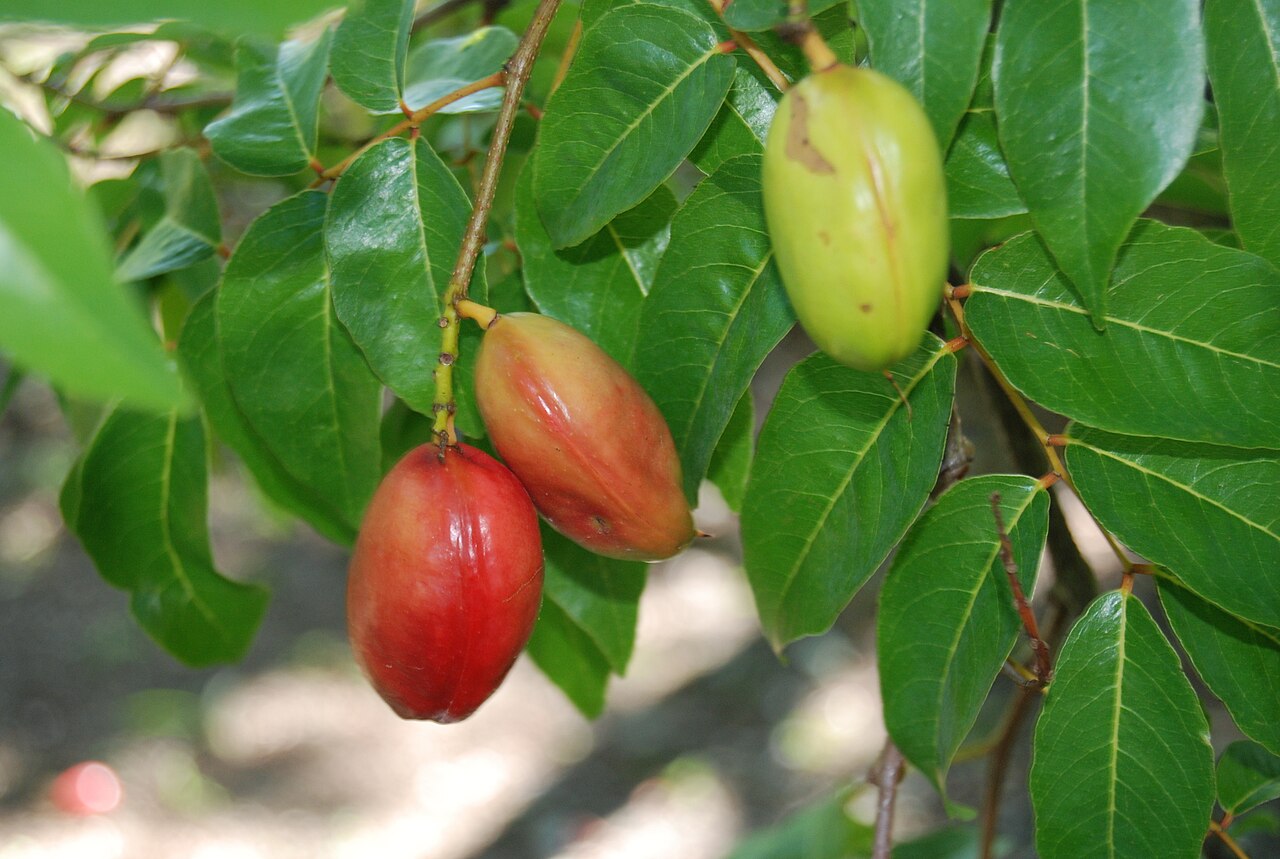
The fruits ripen in summer. They are short, slightly fleshy pods about 1 to 2 inches (2.5–5 cm) long that turn bright red when ripe and give off a pleasant smell of ripe apple, similar to acerola. Each fruit contains a single seed, which is the origin of the species name monosperma (“one-seeded”).
Quick Facts
| Scientific Name | Stahlia monosperma (Tul.) Urb. |
| Family | Fabaceae (legume or pea family) |
| Plant Type | Medium-sized evergreen tree |
| Mature Height | 23–50 ft |
| Mature Spread | Rounded crown, often about as wide as tall on open-grown trees |
| Growth Rate | Moderate |
| Sun Exposure | Full sun |
| Water Needs | Moderate to high; tolerates seasonal flooding and brackish margins |
| Soil Type | Wide range in cultivation; wild on wet coastal soils and limestone |
| Soil pH | Adaptable |
| Bloom Time | March–May in Puerto Rico |
| Flower Color | Pale yellow, often pink at the center |
| Fall Color | None; evergreen |
| Fruit | Bright red, slightly fleshy, apple-scented pod with one seed; ripens in summer |
| Deer Resistant | Not rated (no deer in Puerto Rico) |
| USDA Hardiness Zones | Frost-free tropics only (about zones 10b–12) |
Native Range
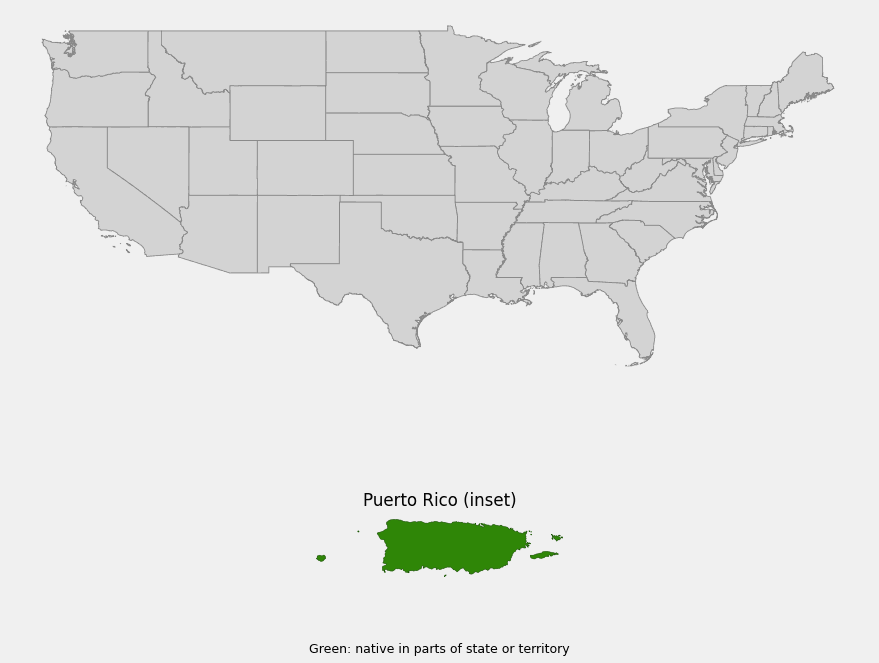
Cóbana negra is native only to Puerto Rico and the Dominican Republic. USDA PLANTS lists it as native in Puerto Rico, and the Smithsonian’s Flora of the West Indies treats it as endemic to Puerto Rico, recording it on the main island, Vieques and Magueyes Island. The Institute for Regional Conservation describes it as a rare tree of low elevations in southern, western and northeastern Puerto Rico, including the southwestern coastal lowlands around Cabo Rojo and Boquerón, the southern coastal limestone near Sabana Grande, the Susúa State Forest and the northern coastal lowlands near Río Grande.
According to the U.S. Fish and Wildlife Service, natural populations grow mainly in the southwest and east of the island and on Vieques. They occur along streams and at the edges of salt flats and shallow brackish lagoons, in association with mangroves, in areas that flood during the wet season. Some populations grow on slightly higher, drier spots next to these wetlands that are not occupied by wetland plants.
Nine natural populations with a total of 1,118 trees have been documented, and only about 14 percent are reproductive adults. More than 2,500 nursery-raised cóbana negra trees have been planted on public and private conservation lands in 22 municipalities of Puerto Rico and in three areas of the Dominican Republic. The status of those plantings, and of the species in the Dominican Republic, is not well known.
📋 Regional plant lists featuring Cóbana Negra: Puerto Rico
Growing & Care Guide
Cóbana negra is a rewarding tree for coastal gardens, school grounds and restoration sites in Puerto Rico. Planted trees have proven adaptable, and every one grown from nursery stock adds to the species’ small numbers. Because it is federally threatened, start only with nursery-propagated plants or seed from cultivated trees.
Light
Plant in full sun. The U.S. Fish and Wildlife Service notes that full sunlight seems necessary for vigorous growth of seedlings, and that in the wild many young plants struggle in the shade beneath their parent trees.
Soil & Water
Planted trees tolerate a wide variety of soil and moisture conditions. In the wild cóbana negra grows on seasonally flooded ground at the edges of mangroves and brackish lagoons, as well as on slightly higher, drier spots, so it handles wet soils and some salt in the air or ground better than many trees. Water young trees regularly until established.
Planting Tips
Buy trees only from nurseries that propagate them; never dig, collect or take cuttings or seed from wild trees, which are protected and too few to spare. Coastal properties in southern and western Puerto Rico, wetland buffers and conservation areas are ideal sites. Give each tree a sunny spot with room for a 20- to 50-foot crown, and keep competing vegetation down around young plants.
Pruning & Maintenance
Little pruning is needed. Remove dead or damaged branches and shape young trees to a single strong trunk if desired. The dense, termite-resistant wood makes established trees sturdy.
Propagation
Seed propagation in nurseries is straightforward. Remove the fleshy outer cover (exocarp) and set the seed just slightly above the surface of the germination medium. Seeds planted right after collection germinate in five to seven days; dried seeds take seven to fourteen days. If you grow cóbana negra from the fruit of a cultivated tree, keep the seedlings in full sun.
Landscape Uses
- Coastal gardens: an evergreen tree for sunny sites near mangroves and lagoons
- Wetland buffers: tolerates seasonal flooding at brackish margins
- Conservation plantings: helps the recovery of a federally threatened native tree
- Schools and public grounds: an attractive tree with an important conservation story
- Ornamental fruit: bright red, apple-scented fruits in summer
Wildlife & Ecological Value
Cóbana negra is part of the narrow band of coastal forest between mangroves and drier uplands, a habitat that has been reduced across Puerto Rico.
For Pollinators
The pale yellow flowers open from March to May. The common honey bee has been observed around the flowers and might be a pollinator, according to the U.S. Fish and Wildlife Service; the full range of native pollinators has not been well documented.
For Birds
Despite its bright red, fragrant fruits, cóbana negra appears to lack a natural seed disperser today. Most young plants are found growing under their parent trees, where few reach reproductive size. Researchers have suggested that the animals that once dispersed the seeds may be missing from the landscape.
For Mammals
No native mammals are known to depend on cóbana negra. Puerto Rico’s native land mammals are mostly bats.
Ecosystem Role
As a tree of mangrove margins and brackish lagoons, cóbana negra helps form the transition zone between salt-tolerant mangroves and coastal dry forest. Recovery partners have worked to propagate and plant it on private lands and protected areas, enhance its habitat with other native trees, monitor wild populations and educate the public about the species.
Cultural & Historical Uses
The genus Stahlia is named for Agustín Stahl (1842–1917), a physician and naturalist considered the first Puerto Rican naturalist, who studied the island’s plants and animals in the nineteenth century. The species was originally described as Caesalpinia monosperma and later placed in Stahlia by Ignatz Urban.
A 2016 DNA study of the legume family led botanists to move the species into the genus Libidibia, as Libidibia monosperma. The U.S. Fish and Wildlife Service continues to use the listed name Stahlia monosperma until a formal revision of the listing, and USDA PLANTS also uses Stahlia.
The wood of cóbana negra is very hard, dense, durable and resistant to termites, with dark brown heartwood. These qualities made it valued locally, and the name polisandro links it to the rosewood-like hardwoods. Today its protected status means the tree is valued for conservation rather than timber: it was first listed as rare in Puerto Rico in 1975, listed as threatened by the U.S. Fish and Wildlife Service in 1990, and is listed as a critical element by Puerto Rico’s Department of Natural and Environmental Resources.
Frequently Asked Questions
Is cóbana negra endangered?
Cóbana negra is federally listed as threatened under the U.S. Endangered Species Act (since 1990). Only nine natural populations with about 1,118 trees are documented, and only about 14 percent are reproductive adults. Puerto Rico’s Department of Natural and Environmental Resources also lists it as vulnerable.
Can I plant cóbana negra in my yard?
Yes, if you buy nursery-propagated plants from a reputable native plant nursery. Planting it in suitable sunny sites helps the species. Never collect plants, seeds or cuttings from wild trees.
Where does cóbana negra grow naturally?
In Puerto Rico, mainly in the southwest (around Cabo Rojo and Boquerón), in the east and on Vieques, along streams and at the edges of salt flats and brackish lagoons near mangroves. It also grows in the Dominican Republic.
Why is it called monosperma?
The species name means “one-seeded”: each of its red, fleshy fruits contains a single seed.
What other native trees grow in Puerto Rico’s coastal forests?
Good companions for coastal plantings include sea grape (uva de playa), gumbo limbo (almácigo) and geiger tree (Cordia sebestena).

Looking for a nursery that carries Cóbana Negra?
Our nursery directory does not yet include Puerto Rico. Browse the native plant nursery directory by state: Alabama–Arkansas · California · Colorado–Hawaii · Idaho–Kansas · Kentucky–Montana · Nebraska–Oklahoma · Oregon · Pennsylvania–Virginia · Washington · West Virginia–Wyoming