
Canyon Sunflower (Venegasia carpesioides)
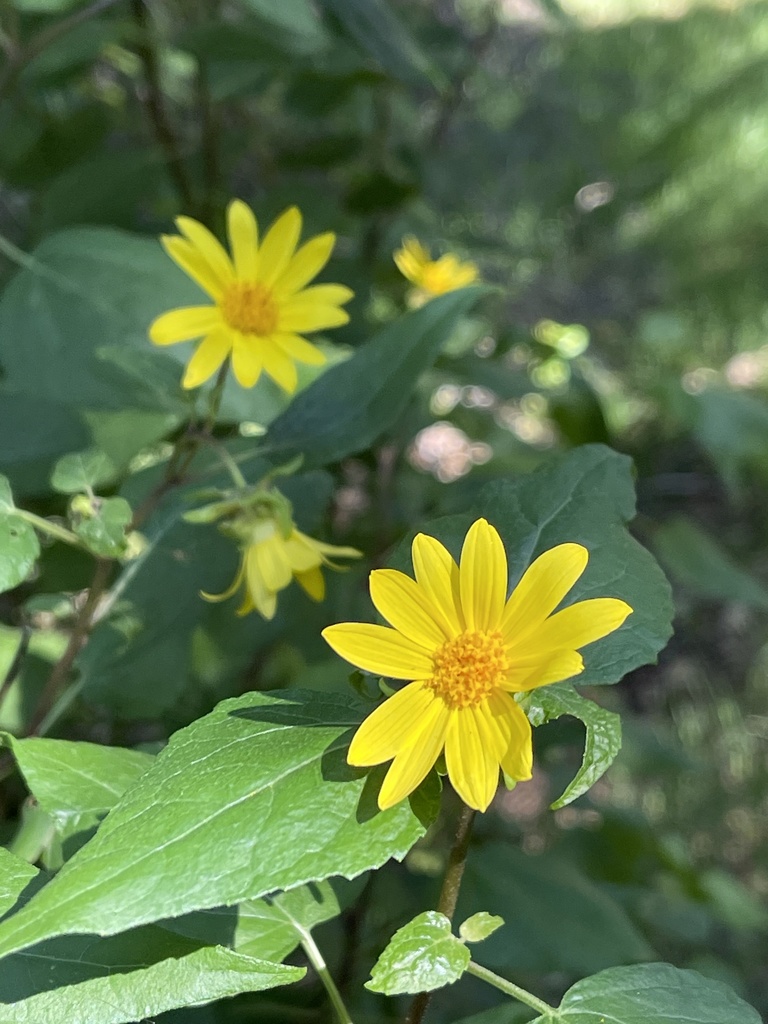
Venegasia carpesioides, the Canyon Sunflower, is a lush, bushy perennial of shaded canyons in coastal central and southern California and northern Baja California. It is the only species in its genus, and it is one of the few native sunflowers that blooms happily in shade.
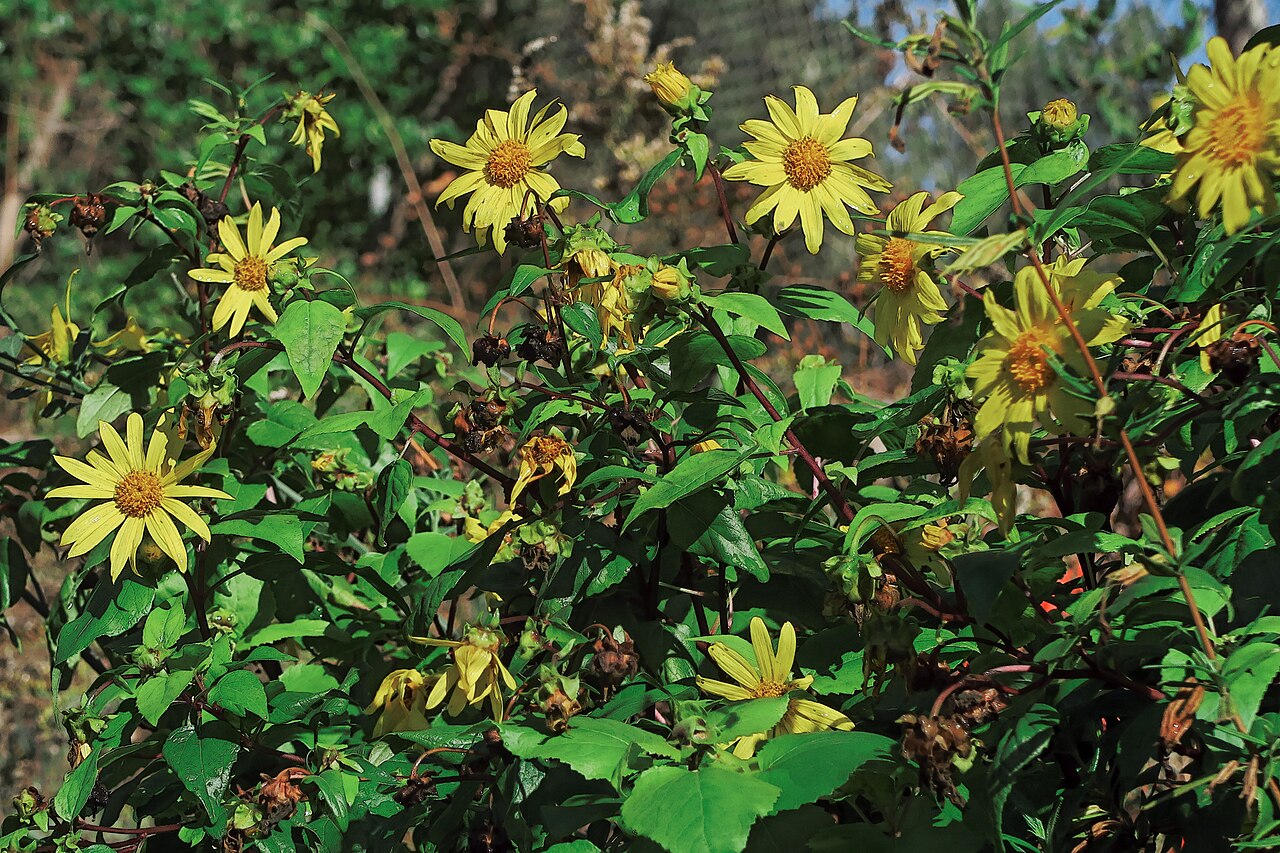
It grows 2 to 5 feet tall and wide from a woody base, with soft, bright green, triangular to heart-shaped leaves and many bright yellow daisy-like flower heads about 2 inches across. Bloom peaks from late winter through early summer, and in moist, shady spots it can flower for much of the year.
Canyon sunflower is a cheerful, fast-growing choice for California shade gardens, oak woodland plantings and the edges of creeks and north-facing slopes. It brings bright color to places where few other native flowers bloom, and it attracts bees, butterflies and seed-eating birds.
Identification
Look in shaded canyons, oak woodlands and moist slopes for a soft-leaved, bushy plant with broad, toothed, triangular leaves and large, bright yellow sunflower-like heads with leafy bracts behind them.
Growth Habit
A perennial or subshrub with many leafy stems from a somewhat woody base, forming a rounded, bushy plant usually 2 to 5 feet tall and wide. Stems are green to purplish and somewhat brittle.
Leaves
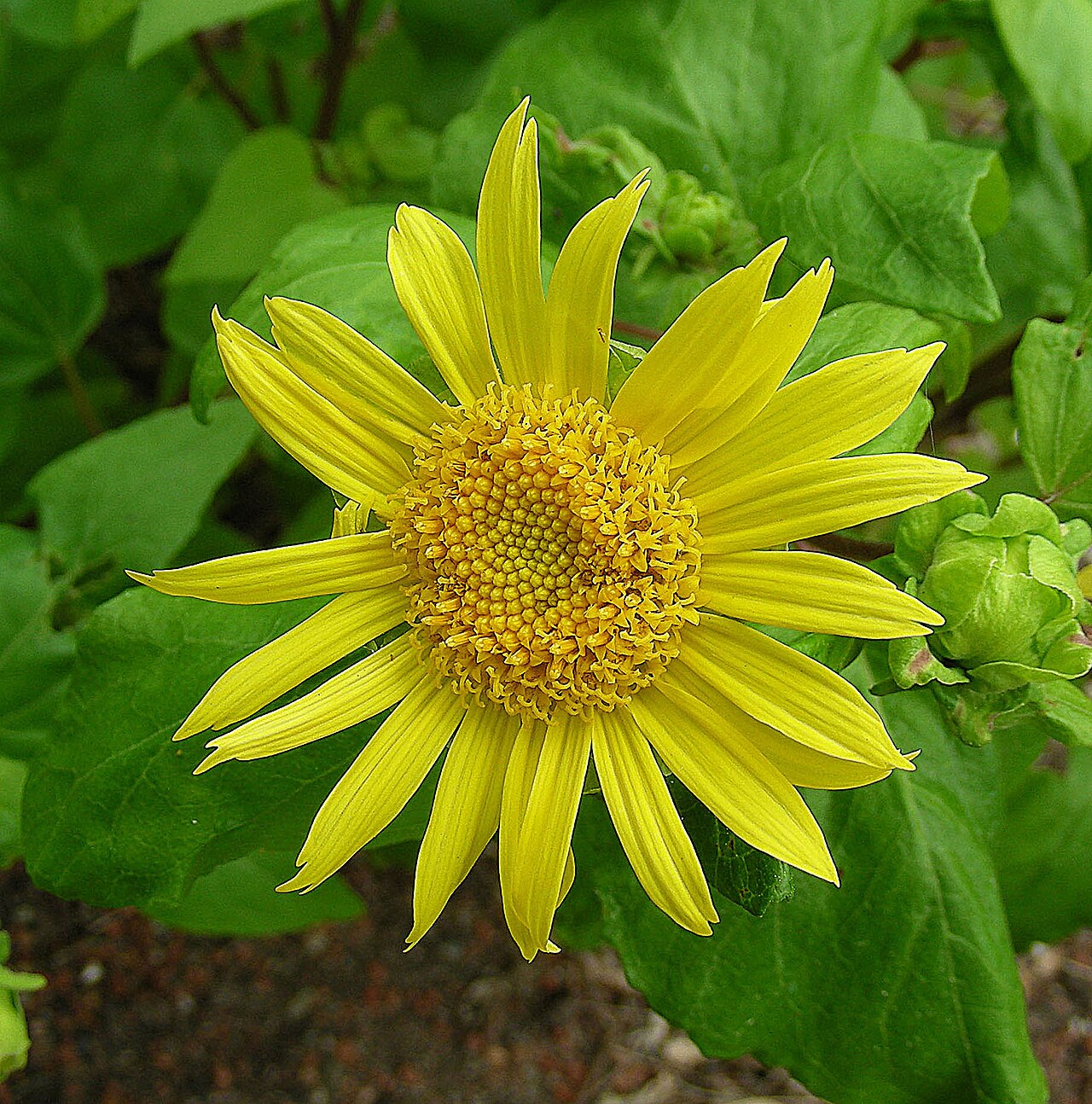
Leaves are alternate, thin and soft, about 2 to 6 inches long, triangular to broadly oval or heart-shaped, with coarsely toothed edges and long stalks. They are bright green and nearly hairless, giving the plant a lush look unusual among southern California natives.
Flowers
The flower heads are about 1 1/2 to 2 1/2 inches across, on long stalks above the leaves. Each has about 13 to 21 bright yellow rays around a yellow to golden-orange disk. Behind the head are broad, leafy green bracts. Bloom is mainly from about February to July, and sporadically at other times where moisture allows.
Fruit
The seeds (achenes) are small, dark and ribbed, without a fluffy pappus, and fall near the plant. Goldfinches and other small birds pick them from the old heads.
Look-alikes
California encelia has smaller, grayer leaves, dark brown disk flowers and grows in sunny coastal sage scrub. Brittlebrush has silvery-white leaves and grows in deserts. Annual and perennial Helianthus sunflowers have rough, sandpapery leaves and usually grow in sun.
Quick Facts
| Scientific Name | Venegasia carpesioides |
| Family | Asteraceae (aster family) |
| Plant Type | Perennial subshrub |
| Mature Height | 2–5 ft |
| Mature Spread | 2–5 ft |
| Growth Rate | Fast |
| Sun Exposure | Part shade to full shade; full sun near the coast |
| Water Needs | Low to moderate; looks best with occasional summer water |
| Soil Type | Loamy to rocky, well-drained soil |
| Soil pH | Slightly acidic to slightly alkaline (about 6.0–7.5) |
| Bloom Time | Late winter to early summer (February–July) |
| Flower Color | Bright yellow |
| Fall Color | None notable |
| Fruit | Small ribbed achene |
| Deer Resistant | Moderately |
| USDA Hardiness Zones | 8–10 |
Native Range
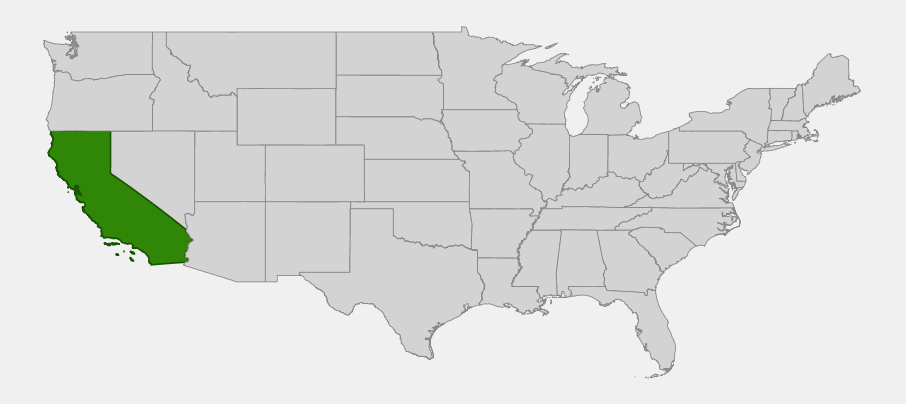
Canyon sunflower is native to California and northern Baja California, Mexico. USDA PLANTS records it in California only within the United States.
It grows in the coastal mountains and foothills from the central coast (about Monterey and San Luis Obispo counties) south through the Santa Ynez, Santa Monica, San Gabriel and Santa Ana Mountains to San Diego County, and on some of the Channel Islands. It is especially common in the shaded canyons of the Santa Monica Mountains.
It grows in shaded canyons, on north-facing slopes, along streams and in oak and bay woodlands, at the edges of chaparral and coastal sage scrub, usually below about 3,000 feet. It often comes up in large numbers after fire or other disturbance opens the canopy.
📋 Regional plant lists featuring Canyon Sunflower: California & Nevada
Growing & Care Guide
Canyon sunflower is one of the easiest and most colorful native perennials for shady California gardens. It grows quickly, blooms young, and tolerates a range of soils as long as drainage is decent.
Light
Part shade to full shade inland, such as under oaks or on the north side of a building. Near the coast it also takes full sun. In hot inland sun the leaves wilt and scorch.
Soil & Water
It grows in most well-drained soils, from loam to rocky clay loam. It is drought tolerant once established, but it may wilt and go semi-dormant by late summer without water. An occasional deep summer watering keeps it green and blooming longer, especially in shade.
Planting Tips
Plant in fall or winter to take advantage of the rains. Space plants 3 to 4 feet apart. It looks good with hummingbird sage, ferns, heucheras and other native shade plants under oaks.
Pruning & Maintenance
Cut stems back hard in late summer or fall when the plant looks tired. It resprouts quickly with fresh growth. It is often short-lived, about three to five years, but usually reseeds in suitable spots.
Propagation
Grows easily from seed sown in fall or winter; no special treatment is needed. Volunteer seedlings can be moved while small. Collect seed only where permitted.
Landscape Uses
- Shade gardens: bright yellow flowers where few natives bloom
- Oak woodland gardens: grows naturally under oaks and bays
- Slopes and banks: fast cover for shady slopes
- Pollinator and bird gardens: nectar for bees and butterflies; seeds for finches
- Post-fire and habitat restoration: quick to establish in disturbed canyon sites
Wildlife & Ecological Value
Canyon sunflower supports a variety of wildlife in the shaded canyons where it grows.
For Pollinators
Its flowers are visited by many native bees, including bumble bees and smaller solitary bees, and by butterflies, which feed on nectar and pollen over a long season.
For Birds
Lesser goldfinches and other small seed-eating birds feed on the seeds. Insect-eating birds hunt among the dense foliage.
For Mammals
Deer sometimes browse the soft foliage, but it regrows quickly. The dense growth gives cover to small mammals and reptiles.
Ecosystem Role
As a fast-growing, short-lived perennial, it quickly covers ground in canyons after fire, floods or landslides, helping stabilize soil while slower shrubs and trees return.
Cultural & Historical Uses
The genus Venegasia honors Miguel Venegas, an eighteenth-century Jesuit historian who wrote an early account of California. It has only one species, Venegasia carpesioides.
The species name carpesioides means “like Carpesium,” a genus of Eurasian daisies with similar leafy bracts around the flower heads.
Canyon sunflower has become a popular plant in California native gardens and is grown by many native plant nurseries and botanic gardens, valued for its long bloom in shade.
Frequently Asked Questions
Does canyon sunflower grow in shade?
Yes. It is one of the best native California perennials for part to full shade, especially under oaks. Near the coast it also tolerates sun.
When does canyon sunflower bloom?
Mainly from late winter through early summer, about February to July. With some summer water it can bloom much longer.
How big does canyon sunflower get?
Usually 2 to 5 feet tall and wide, forming a rounded, bushy plant.
Is canyon sunflower drought tolerant?
It survives summer drought once established, but it often wilts or goes semi-dormant without water. Occasional summer watering keeps it lush.
Should I cut back canyon sunflower?
Yes. Cutting it back hard in late summer or fall renews the plant, and it resprouts quickly.

Looking for a nursery that carries Canyon Sunflower?
Browse our native plant nursery directory: California

