
Best Weed Barriers for Native Flower Beds: Protect Your Garden with These Top Picks
We independently select all products and services. If you click through links we provide, Plant Native may earn a commission with no extra cost to you. As an Amazon Associate I earn from qualifying purchases.
Last updated: September 1, 2026
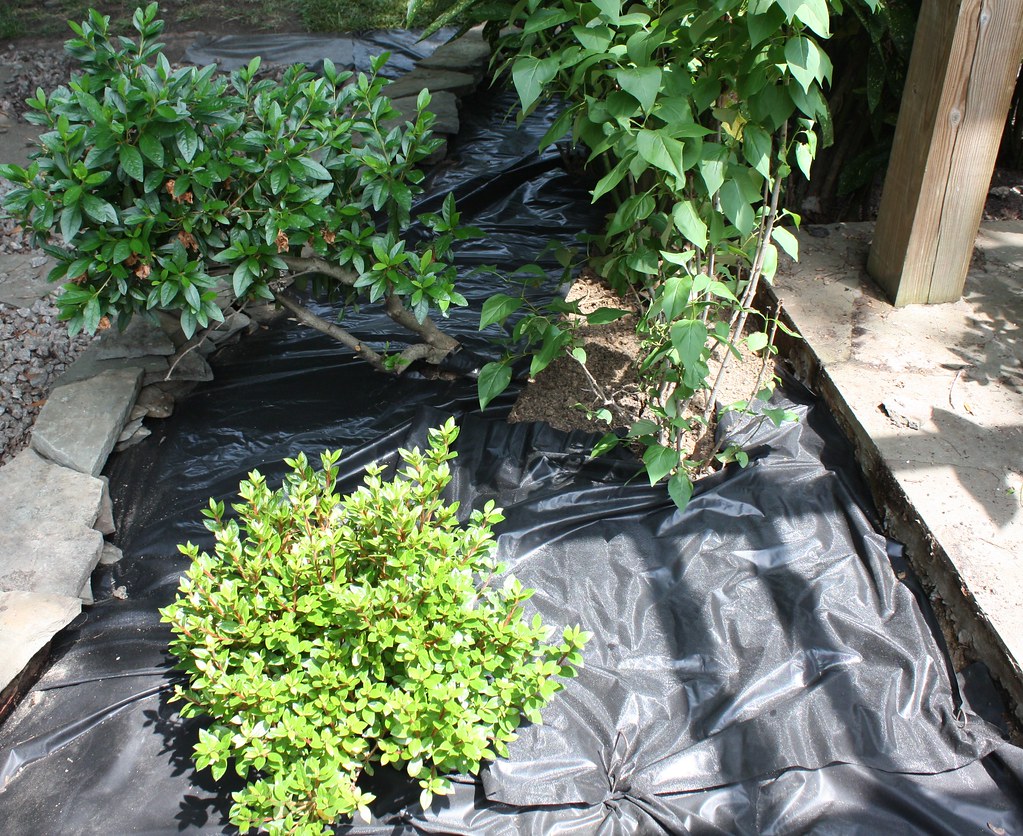
Native flower beds are a beautiful addition to any garden, but keeping them weed-free can be a challenge. That’s where weed barriers come in. Weed barriers are materials placed on top of the soil to prevent weeds from growing, while still allowing water and nutrients to penetrate to the plants.
When it comes to native flower beds, it’s important to choose a weed barrier that is both effective and eco-friendly. Many conventional weed barriers contain harmful chemicals that can harm the delicate ecosystem of a native flower bed.
One of the best options for a weed barrier in a native flower bed is a biodegradable paper or fabric barrier. These barriers are made from natural materials like recycled paper or plant fibers and break down over time, adding organic matter to the soil.
When choosing a weed barrier for your native flower bed, pay attention to the thickness and durability of the material. You want a barrier that will last for the entire growing season without tearing or breaking down too quickly.
We spent hours researching and testing various weed barriers to find the ones that work best for native flower beds. In this article, we’ll share our top picks and provide tips on how to choose the right weed barrier for your garden.
Best Weed Barriers for Native Flower Beds
We know how important it is to keep your native flower beds healthy and weed-free. That’s why we’ve put together a list of the best weed barriers on the market. Our team has tested and researched various products to bring you the top options that will help keep your flower beds looking beautiful and thriving. Whether you’re a seasoned gardener or just starting out, our list has something for everyone. So, without further ado, here are our top picks for the best weed barriers for native flower beds.
Our top pick
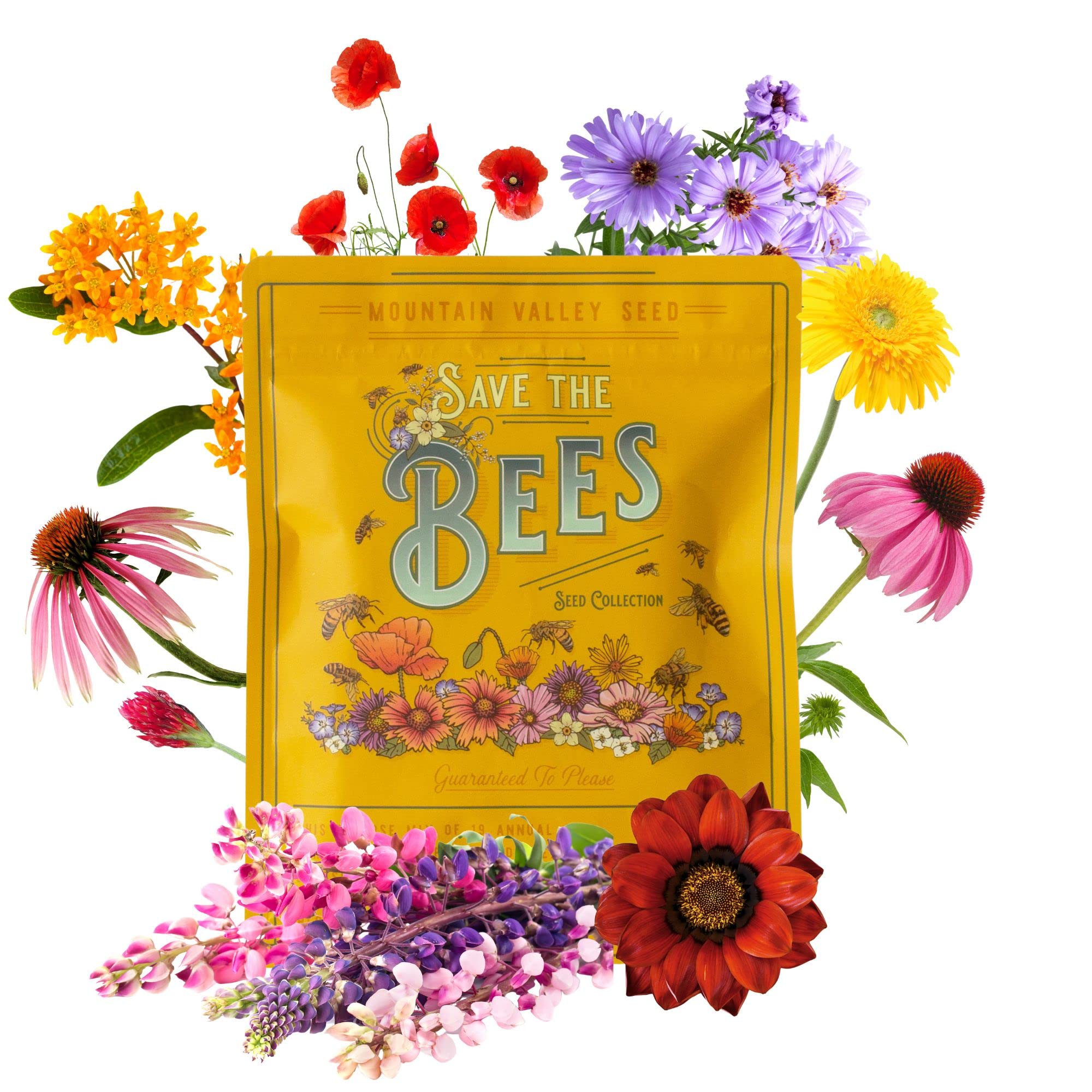
- This seed mix includes 19 different varieties of annual and perennial wildflowers that attract honeybees, bumblebees, ladybugs, hummingbirds, butterflies, and other beneficial pollinators.
- The package contains over 80,000 seeds, making it an excellent value for the price.
- The seeds are 100% pure and non-GMO, and the company guarantees they will grow.
Cons
- Some users reported that the mix yielded only a few types of flowers, mainly cosmos and crimson clover, instead of the advertised 19 varieties.
- A few buyers mentioned that they received more sunflower seeds than expected, which may not be ideal for a wildflower garden.
- While the company claims that the seeds will grow in all regions of North America, some users reported that the mix did not perform well in their specific climate.
We were impressed by the variety of flowers that bloomed, including butterfly milkweed, coreopsis, and purple coneflower. In our experience, Save The Bees Wild Flower Seeds Collection is an excellent choice for anyone who wants to create a beautiful and pollinator-friendly flower bed. It checks every box we look for, making it an easy recommendation.
Best for raised beds
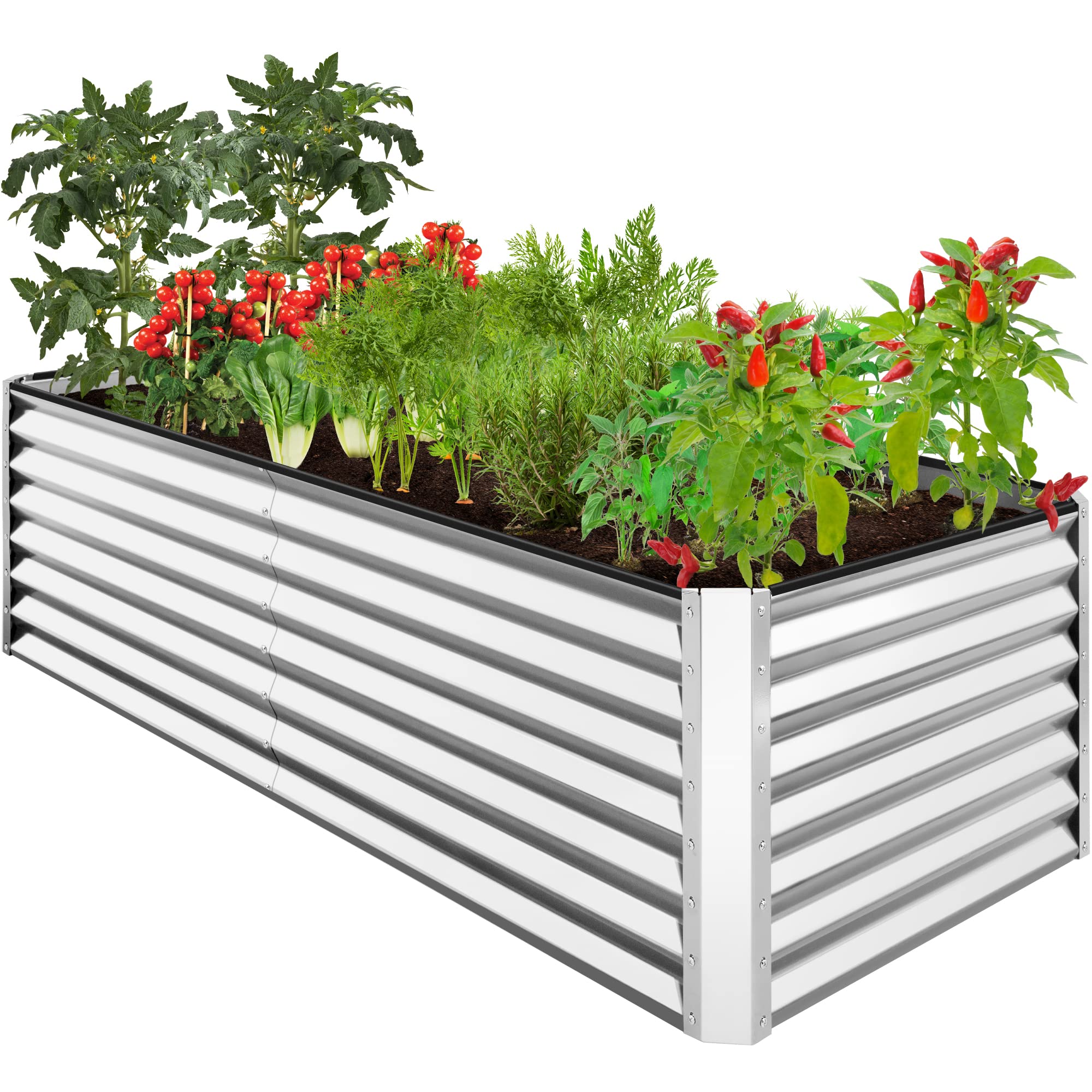
- The 24-inch depth can hold up to 478 gallons of soil, making it ideal for medium to deep rooting plants and vegetables like broccoli, beans, and more.
- The open base combined with ribbed steel makes this the perfect space to layer yard waste, food scraps, and other additives to create enriched soil at home.
- The beveled steel panels come together with a set of included wingnuts and bolts with rubber edging for your added protection, making the assembly tool-free and easy.
Cons
- This product does not include a bottom panel, which may be a dealbreaker for some users who want to protect their plants from pests and weeds.
- The bed is made of powder-coated steel panels, which may rust over time if not properly maintained.
- The product is quite heavy, weighing in at 50 pounds, which may make it difficult to move around once assembled.
In our experience, the Best Choice Products Raised Garden Bed is a sturdy and reliable option for those who want to grow plants and vegetables in a raised bed. Its large planting space makes it the ideal place to set up a self-contained micro-environment for unique and non-native plants, and the overall dimensions of 96″(L) x 48″(W) x 24″(H) provide ample room for growth. The bed comes with four ground stakes and three stabilizing rods to keep your garden bed looking its best, and the tool-free assembly makes it easy to put together. Overall, we recommend this product for anyone looking for a durable and easy-to-assemble raised garden bed. It hits the mark where it counts most.
Best for beginners
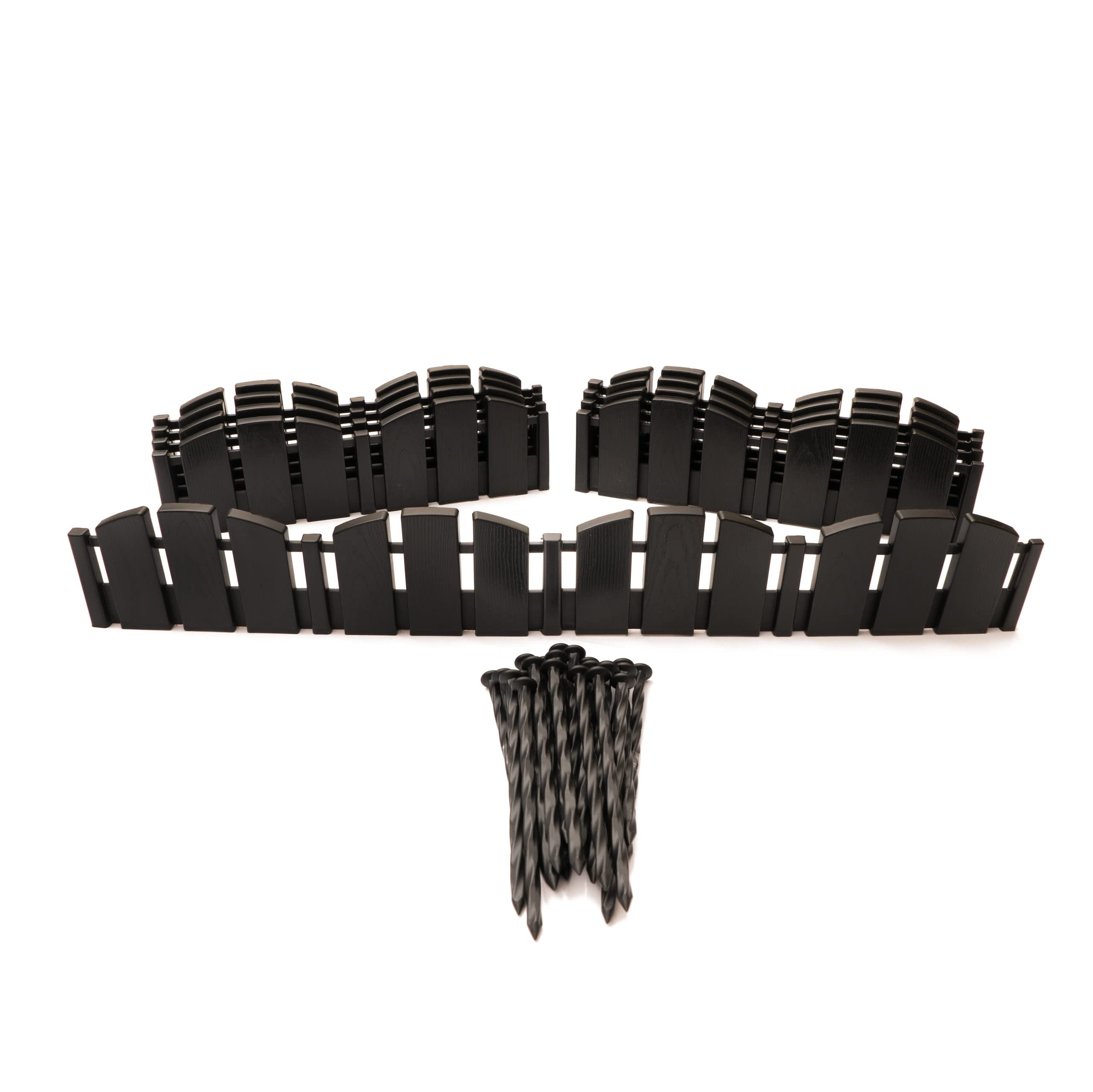
- The No-Dig L-shaped design eliminates damage from digging into tree and plant roots.
- The built-in retaining section is designed to hold back bedding materials and can be installed on top of landscape fabric to prevent weed growth.
- The edging is flexible enough to make curves and tree rings, or cut to make corners.
Cons
- The kit includes only 13 8-inch spiral anchoring spikes, which may not be enough for every installation.
- The plastic material may not be as durable as other materials such as metal or stone.
- The 4.5-inch height may not be tall enough to prevent all weeds from growing through.
Overall, we would definitely recommend the EasyFlex No-Dig Landscape Edging Kit to anyone looking for an easy and attractive way to add some definition to their garden or landscaping project. We were able to slide the edging pieces together so that the anchoring tabs overlapped, and then used a mallet to pound the spikes into the ground on each end of the edging to secure it in place. For first-timers, it’s a confidence-building choice.
Best heavy-duty option
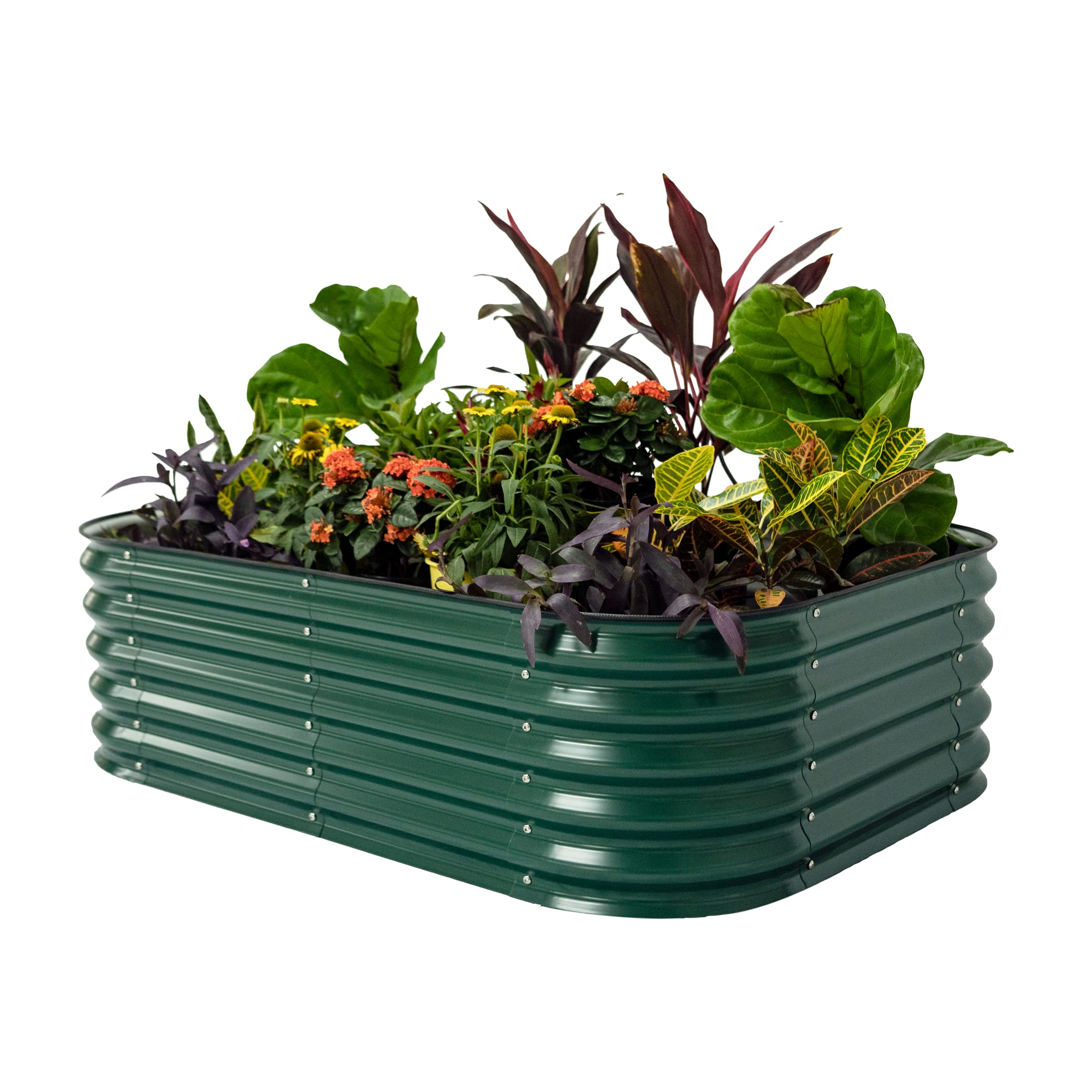
- The modular design allows you to assemble the kit into various configurations that fit any backyard or garden space.
- The VZ 2.0 material is 100% safe, eco-friendly, and has a long 20+ year life.
- The oval design with no sharp corners and heavy-duty rubber edging provides protection from injury.
Cons
- Assembly may take some time due to the number of bolts to attach.
- The plastic is also inside the bed, which may not be suitable for some users.
- The color options are limited to British Green and Sage Green.
The Vego Garden Aluzinc Raised Garden Bed Kits are a complete system, and the team continues to develop more products that enhance the Vego experience, such as cover systems, worm composters, arched trellis, and wall trellis. While it may be tempting to go for the cheapest option, keep in mind that a higher-quality weed barrier may save you money in the long run by lasting longer and requiring less maintenance. It’s engineered for the hard stuff, and it shows.
Buying Guide
When it comes to selecting the best weed barrier for your native flower beds, there are a few key features to consider. Here are some things to keep in mind when shopping for a weed barrier:
Material
Weed barriers can be made from a variety of materials, including plastic, fabric, and paper. Each material has its own pros and cons. Plastic barriers are generally more durable and long-lasting, but they can also be less breathable and may not allow for proper water drainage. Fabric barriers, on the other hand, are more porous and allow for better water flow, but may not be as strong as plastic. Paper barriers are a more environmentally friendly option, but may not last as long and can be more difficult to install.
Size and Shape
Make sure to measure your flower beds carefully before purchasing a weed barrier. You’ll want to choose a size that fits your beds snugly, with enough excess material to cover the edges and prevent weeds from creeping in. Some weed barriers come in pre-cut shapes, while others can be trimmed to fit your specific needs.
Thickness
The thickness of a weed barrier can affect its durability and effectiveness. Thicker barriers are generally stronger and more resistant to tears and punctures, but they may also be more difficult to install and may not allow for as much water flow.
UV Resistance
If your flower beds are located in a sunny area, you’ll want to choose a weed barrier that is resistant to UV rays. UV-resistant barriers are less likely to break down or degrade over time, ensuring that your flower beds stay weed-free for longer.
Price
Weed barriers can vary widely in price, depending on the material, size, and thickness. While it may be tempting to go for the cheapest option, keep in mind that a higher-quality weed barrier may save you money in the long run by lasting longer and requiring less maintenance.
By considering these factors, you’ll be able to choose the best weed barrier for your native flower beds and keep your gardens looking beautiful and weed-free.
Appreciate you taking the time to comment, Robin! Every garden is different, and hearing from people with real experience makes our community stronger. Happy gardening!
a weed barrier that still lets water and nutrients through is what my native flower bed needs.
Thanks richard11! Let us know how it goes. -Plant Native Team
Would this work in partial shade? My yard only gets about 4 hours of direct sun.
Hi Ed! Containers can definitely work — just make sure you have good drainage and a large enough pot. -Plant Native Team
wish I’d known conventional weed barriers can contain chemicals that harm a native bed before I laid mine last season.
We appreciate that, Ron! Happy gardening! 🌿 -Plant Native Team