
Bihou Japanese Maple (Acer palmatum ‘Bihou’)
Last updated: November 3, 2026
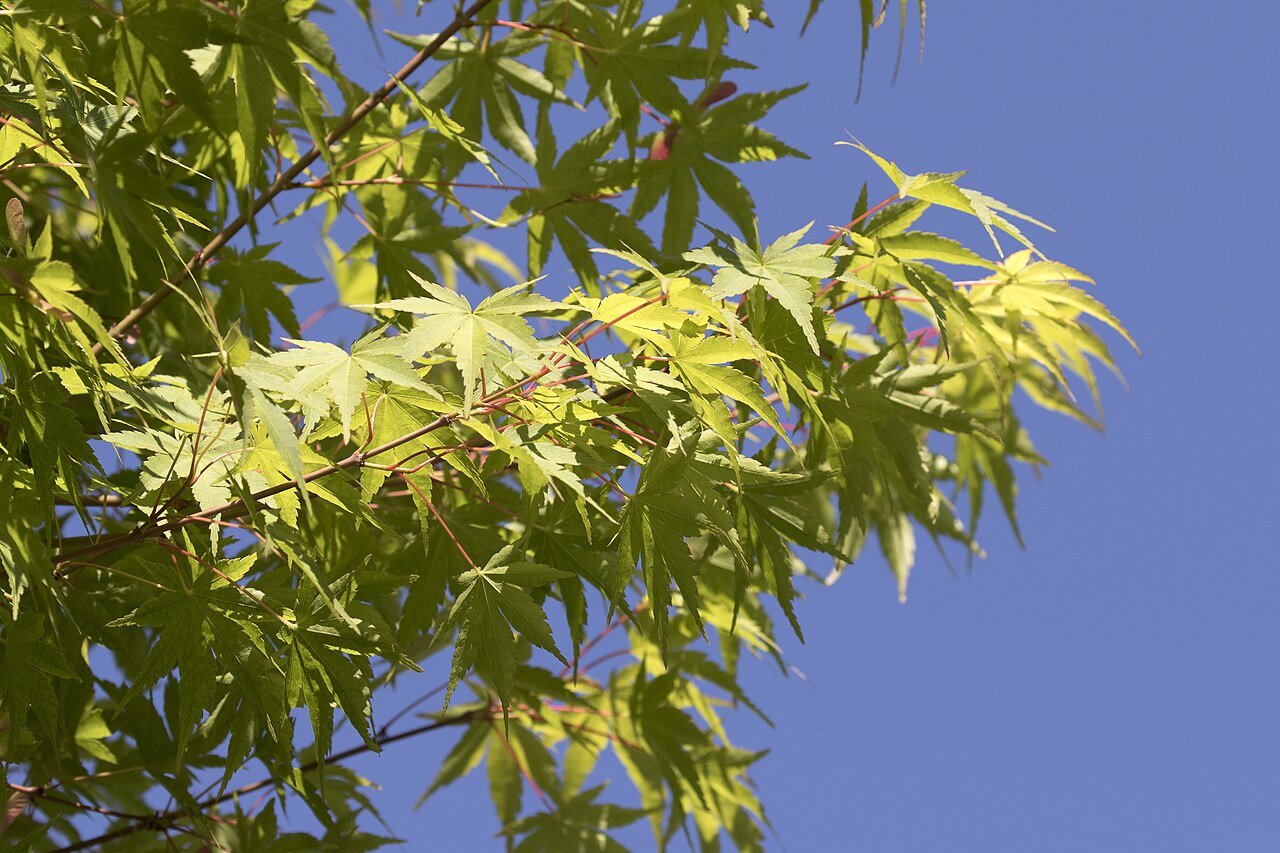
Acer palmatum ‘Bihou’ is a Japanese maple cultivar grown chiefly for what happens after the leaves drop: its smooth young bark turns a warm greenish-gold to amber, deepening to a coral-orange tint toward the branch tips in cold weather. That winter bark display puts ‘Bihou’ in the small group of “coral bark” type Japanese maples, cultivars selected for colorful stems rather than colorful leaves, and gives the plant genuine four-season interest in a way that red- or green-leafed cultivars without bark color cannot match.
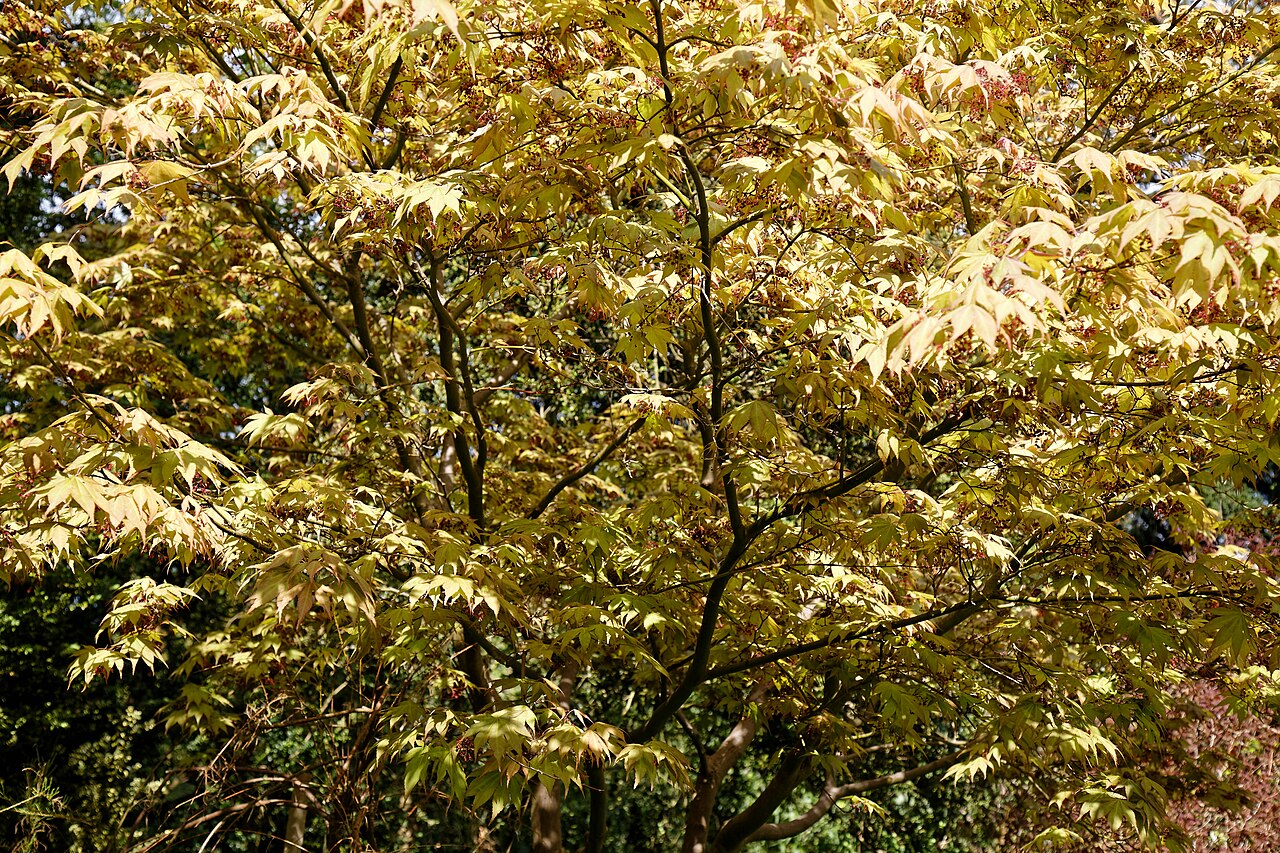
Gardeners plant ‘Bihou’ for exactly that trait: a tree that still earns its spot in the garden after autumn, when the golden-yellow fall foliage has dropped and the bare, glowing stems take over as the main attraction. Leaves themselves emerge with a pinkish tinge in spring, turn light yellow-green through summer, and finish gold in fall, giving ‘Bihou’ a softer, brighter palette than the purple and red Japanese maples that dominate most nursery displays. The common Japanese name translates roughly to “beautiful mountain range,” a nod to the layered, hazy-gold look of the tree’s bark and foliage together.
Japanese maple (Acer palmatum) is not native to North America; the species is native to Japan, Korea and eastern China, and ‘Bihou’ is a selected cultivar of it, not a wild-collected plant. It is not on any federal or state noxious-weed list, but in parts of the eastern United States, particularly the Mid-Atlantic, Japanese maple seedlings have been documented escaping cultivation into forest understories. As with any Japanese maple, it is good practice to plant ‘Bihou’ away from the edges of natural woodland and to pull any volunteer seedlings that appear nearby.
Identification
‘Bihou’ is most easily identified in the dormant season, when its colored bark is fully visible; in leaf, it reads as a fairly typical upright Japanese maple with unusually light, bright foliage color.
Bark & Stems
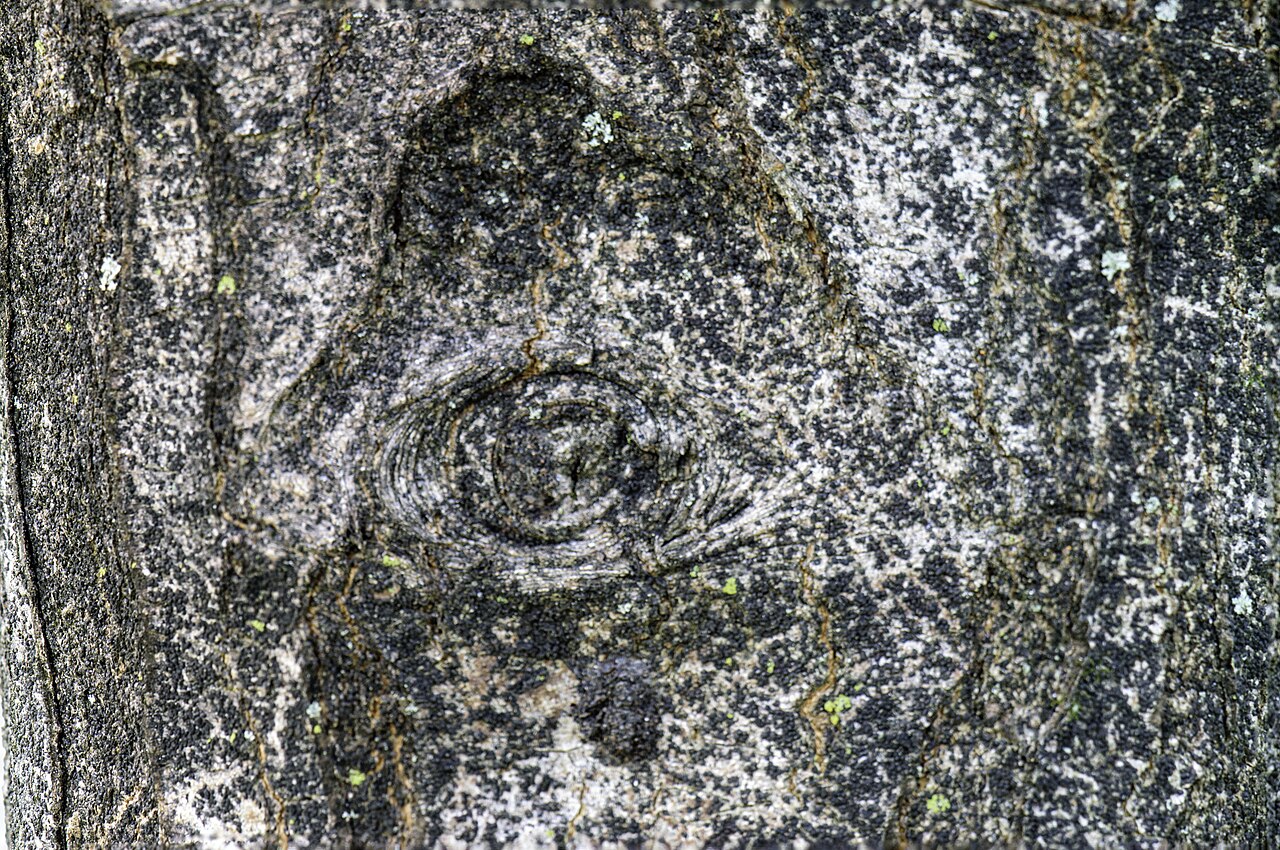
The signature feature. Young stems and branches are a fresh, glowing yellow-green to amber through the growing season, intensifying to a warm coral-orange tint at the branch tips with the onset of cold weather, a color that is most vivid on one- and two-year-old wood. Older, thicker trunk bark gradually fades to a duller tan-brown, so the brightest color is concentrated in the younger outer branches, which is why winter pruning to encourage fresh young growth is often recommended for coral bark types.
Leaves
Leaves are palmate with five to seven lobes, emerging with a light pink flush in early spring, maturing to a soft yellow-green through summer, and turning clear gold in fall. The foliage color is noticeably brighter and lighter than that of green-leafed species-type Japanese maples, giving ‘Bihou’ a luminous look in dappled shade.
Flowers & Fruit
Small reddish flowers appear in spring, largely hidden by the unfolding leaves, followed by the small winged samaras typical of Japanese maple. Neither is a significant ornamental feature on this cultivar; the bark and foliage color carry the show.
Telling It From Other Coral Bark Maples
‘Bihou’ is often compared to the better-known coral bark cultivar ‘Sango-kaku‘ (also sold as ‘Senkaki’). The two are distinguished mainly by bark tone: ‘Sango-kaku’ stems run toward a more saturated coral-red, while ‘Bihou’ bark leans more yellow-gold with an amber or orange cast, especially on the youngest wood. Leaf color is also a touch brighter yellow-green on ‘Bihou’ through summer.
Quick Facts
| Scientific Name | Acer palmatum ‘Bihou’ |
| Cultivar | ‘Bihou’ (sometimes spelled ‘Bihoo’) |
| Family | Sapindaceae (Maple) |
| Plant Type | Deciduous small upright tree |
| Native to North America | No — introduced; species native to Japan, Korea and eastern China |
| Mature Height | Sources vary: about 8 ft in 10 years to 10–12 ft at maturity |
| Mature Spread | 4–8 ft |
| Growth Rate | Moderate |
| Sun Exposure | Bright morning sun with light afternoon shade; full sun intensifies winter bark color |
| Water Needs | Average, consistent moisture |
| Soil Type | Rich, well-drained loam |
| Soil pH | Slightly acidic to neutral (about 5.5–7.0) |
| Bloom Time | Mid-spring; flowers inconspicuous |
| Leaf / Fall Color | Pink-flushed spring growth, light yellow-green summer leaves, gold fall color |
| Fruit | Small winged samaras; not ornamentally significant |
| Deer Resistant | Somewhat (occasional browsing on young plants) |
| USDA Hardiness Zones | 5–8 |
| Invasive Status | Not listed as invasive; species occasionally self-seeds into eastern U.S. woodlands |
Origin & Where It Grows
Acer palmatum is native to the forests and mountain slopes of Japan, the Korean peninsula and parts of eastern China. Japanese nurseries have selected and named hundreds of distinct cultivars from this species over centuries, prizing small variations in leaf shape, color, bark and growth habit; coral- and gold-bark types such as ‘Bihou’ represent one of those specialized lines, selected specifically for winter stem color rather than leaf color alone.
‘Bihou’ is a more recently introduced cultivar in Western horticulture compared with older coral bark selections like ‘Sango-kaku’, and it has become a sought-after “collector’s” Japanese maple in American and European nurseries for its unusual amber-gold winter bark. Its Japanese name, roughly translating to “beautiful mountain range,” reflects how the layered gold tones of bark and fall foliage together can resemble a hazy, color-washed hillside.
In the United States, ‘Bihou’ performs well across much of the range suited to Japanese maples generally, from the Pacific Northwest through the Mid-Atlantic, Northeast and parts of the Upper South. Winter bark color develops best where the tree gets some direct sun in the cold months and where young wood is encouraged through light, regular pruning.
Growing & Care Guide
‘Bihou’ is grown much like other Japanese maples, with a bit of extra attention paid to pruning if you want to maximize its winter bark show.
Light
Bright morning sun with light afternoon shade gives the best balance of good leaf color and strong winter bark color without scorching the foliage in hot climates. More sun generally intensifies the amber-coral winter stem color; too much deep shade mutes it.
Soil & Water
Plant in rich, well-drained soil. Keep soil evenly moist, particularly during the first few years of establishment, and apply a few inches of mulch to buffer soil temperature and moisture. Avoid heavy, poorly drained clay, which can lead to root problems.
Planting Tips
Site ‘Bihou’ where its winter bark will actually be seen: near a path, window or entry that gets regular use in the colder months, since that is when the coral-gold color peaks. Protect it from strong winter winds, which can dry and dull young bark. Plant at the same depth as in the nursery container.
Pruning & Maintenance
Because the brightest bark color shows on younger wood, many growers prune out some of the oldest, dullest branches each winter to stimulate fresh colorful shoots, a technique borrowed from coral bark maple care generally. Prune while dormant, remove dead or crossing branches, and watch for any reverted shoots with dull, non-colored bark, which should be cut back to keep the display consistent.
Propagation
‘Bihou’ is propagated by grafting onto seedling Acer palmatum rootstock, or occasionally by cuttings; both methods preserve the cultivar’s distinctive bark color. Seedlings grown from its seed will not reliably reproduce the golden winter bark trait.
Landscape Uses
- Winter interest plantings near entries, patios or windows where bare branches stay visible all season
- Specimen tree underplanted with evergreen groundcovers that set off the bright bark
- Mixed borders alongside dark-barked or evergreen shrubs for contrast
- Large containers on a patio, moved to a prominent spot for the cold months
Wildlife & Ecological Value
‘Bihou’, like Japanese maple in general, offers limited wildlife value in North American gardens. Its small spring flowers provide some nectar for early bees, and its branching can offer modest cover for small birds, but because the species evolved in Asia, it does not host the range of native caterpillars and other insects that native maples such as red maple support. It is best valued as a four-season ornamental rather than as a habitat planting; pair it with native shrubs and perennials nearby to round out a garden’s wildlife value.
Native Alternatives
For gardeners who want a native tree with standout bark or multi-season color instead of an introduced coral bark maple:
- Striped maple (Acer pensylvanicum) — a native maple with distinctive green-and-white striped bark, offering its own kind of winter stem interest.
- Red maple (Acer rubrum) — a widespread native maple with brilliant red fall color and red twigs and buds that add some winter color.
- Downy serviceberry (Amelanchier arborea) — a small native tree with smooth gray bark, spring flowers, summer fruit and good fall color for year-round interest.
- Rocky Mountain maple (Acer glabrum) — a native, often multi-stemmed maple with reddish young stems and good fall color, suited to western gardens.
History & Uses
Coral and gold bark Japanese maples represent a specialized branch of a very old tradition: Japanese gardeners have selected and named Japanese maple cultivars for centuries, valuing subtle differences most Western gardeners would never notice on a wild tree. ‘Bihou’ continues that tradition with a focus on winter bark rather than autumn leaf color, extending the tree’s season of interest into the months when deciduous gardens otherwise look bare.
Since its introduction to Western nurseries, ‘Bihou’ has become popular with Japanese maple collectors and designers looking for a lighter, gold-toned alternative to the more common red coral bark cultivar ‘Sango-kaku’. Its name, translating roughly to “beautiful mountain range,” reflects the hazy, layered gold look the tree develops as its young bark colors up each winter.
Its use remains purely ornamental; unlike some maple species grown for syrup or lumber, Japanese maple cultivars like ‘Bihou’ are planted strictly for garden display rather than any commercial product.
Frequently Asked Questions
Is Bihou Japanese maple native to North America?
No. ‘Bihou’ is a cultivar of Acer palmatum, a species native to Japan, Korea and eastern China. It is introduced, not native, though it is not considered invasive; as with any Japanese maple, avoid planting it right at the edge of natural woodland in the eastern U.S. and remove any stray seedlings.
What makes Bihou’s bark change color?
Cold weather triggers the shift from summer’s yellow-green bark to a deeper amber-coral tone, concentrated on young, one- and two-year-old wood. The color fades on older, thicker bark, which is why some pruning to encourage fresh growth helps maintain a strong winter display.
How is Bihou different from Sango-kaku (coral bark maple)?
Both are coral bark types, but ‘Sango-kaku’ bark leans toward a brighter coral-red, while ‘Bihou’ bark is more golden-amber with an orange cast. ‘Bihou’ foliage also tends to be a slightly brighter yellow-green through summer.
How big does Bihou Japanese maple get?
Estimates vary by source, from roughly 8 feet in 10 years to 10 to 12 feet at full maturity, with a spread of about 4 to 8 feet. Expect a modest, garden-scaled small tree rather than a large shade tree.
Does Bihou need full sun for good bark color?
It does best with bright light, ideally morning sun and some afternoon shade in hot climates. More sun generally intensifies the winter bark color, while deep shade tends to mute it.

