
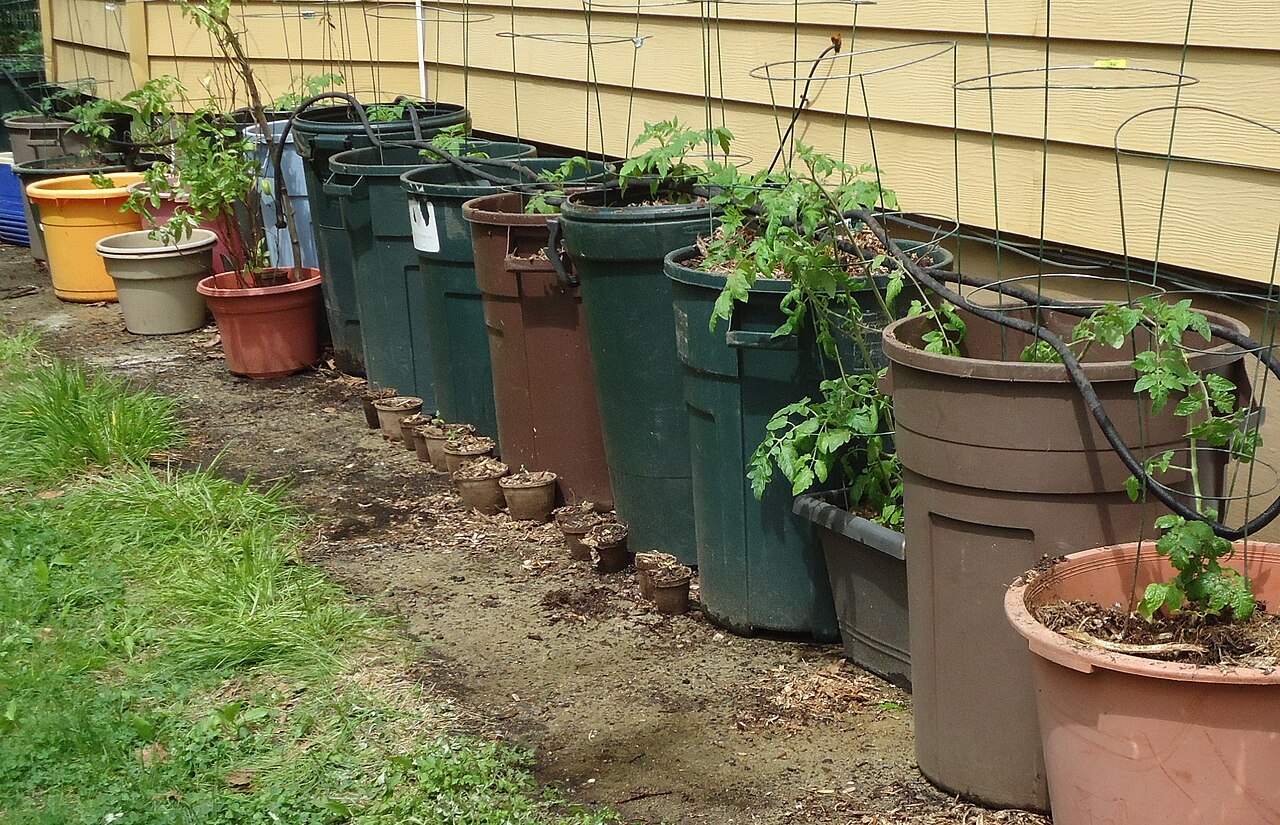
Tomatoes in large barrels and pots fed by drip hose along a house wall in New Jersey. Bigger containers and a steady water supply are
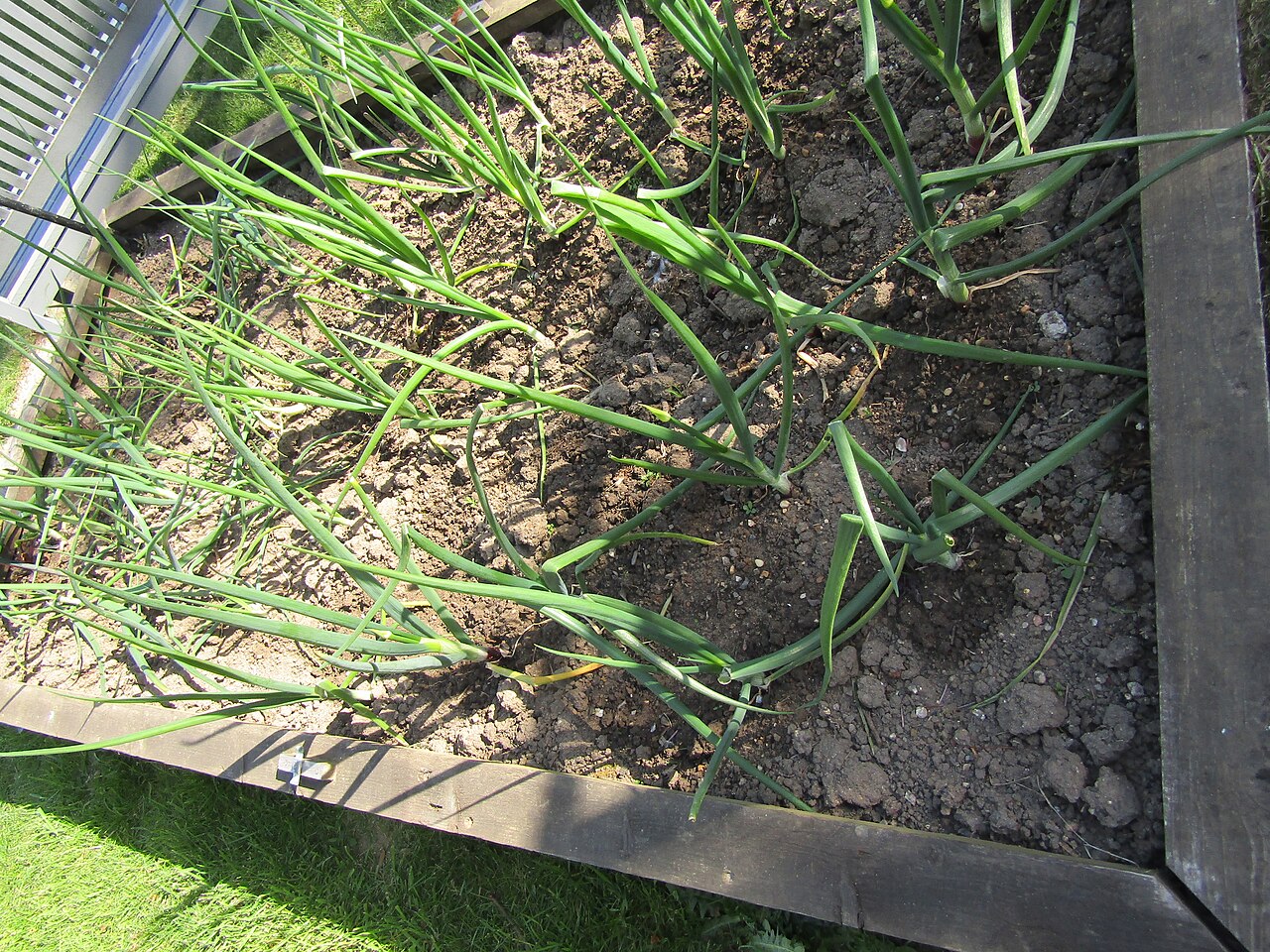
Plenty of leaves, slim necks: onions that have not started to bulb yet, Trimingham, Norfolk. Photo: Kolforn, Wikimedia Commons (CC BY-SA 4.0) Your onion bed
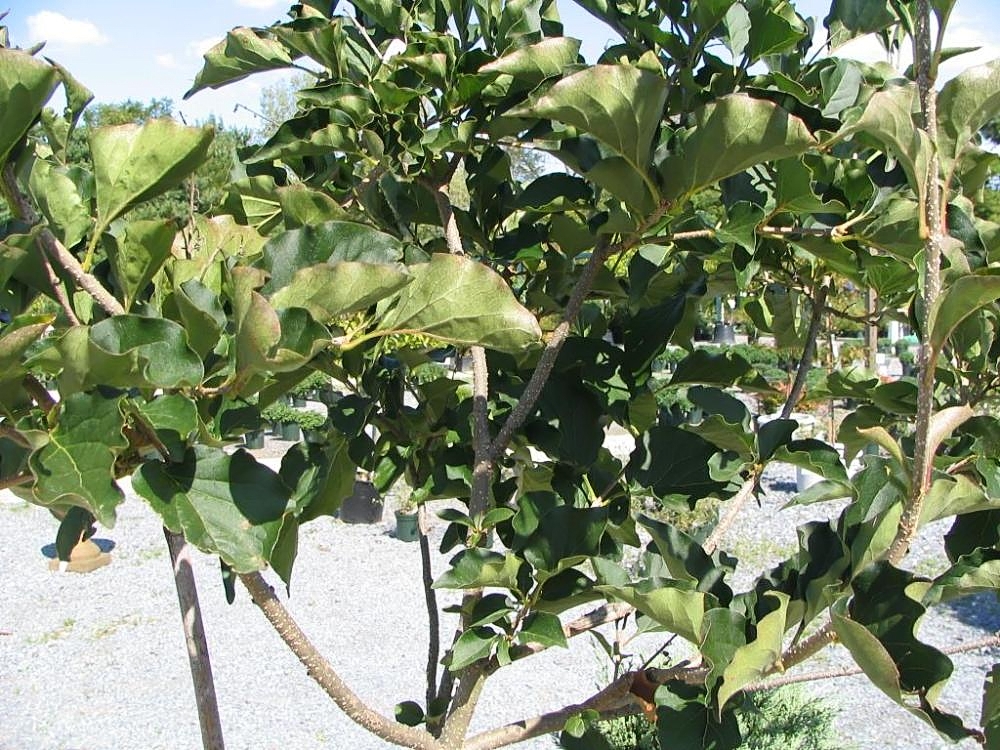
A container-grown ‘Miss Kim’ lilac at a nursery. Until it went in the ground, a plant like this had daily irrigation and a root ball
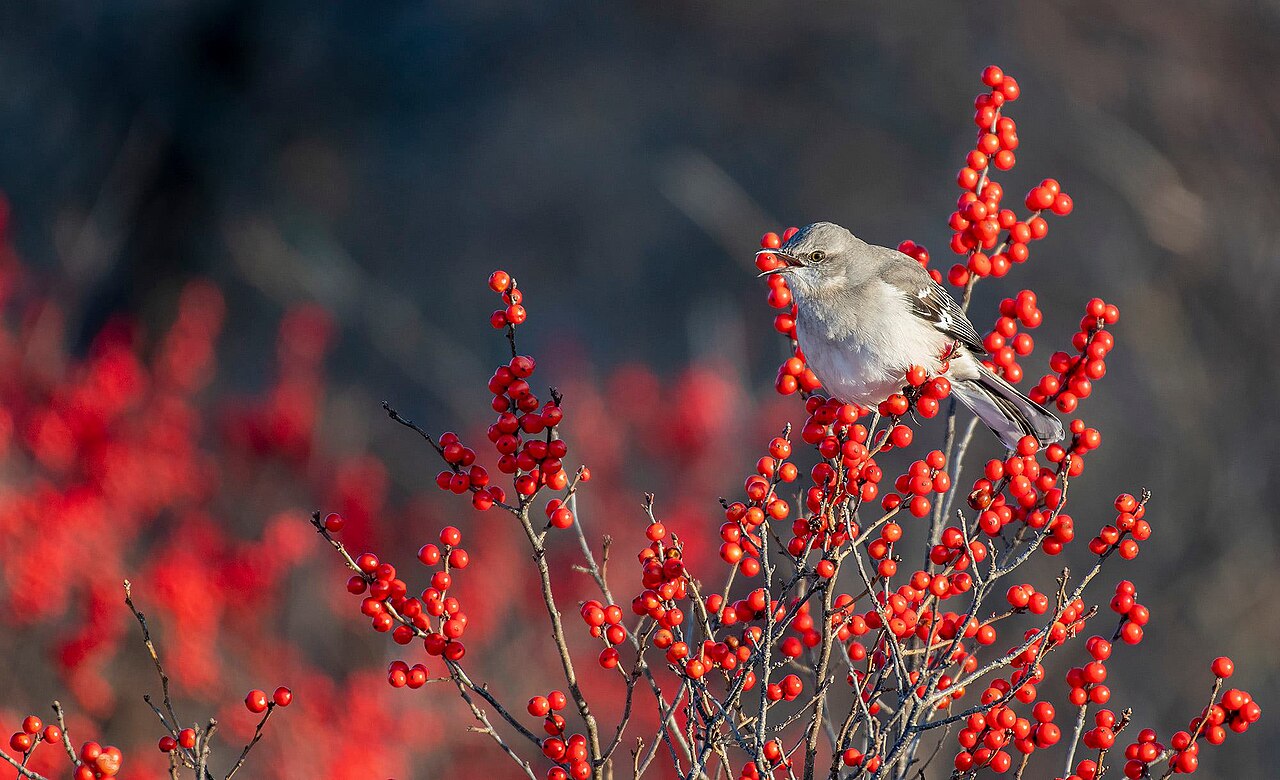
A northern mockingbird feeding on winterberry at Parker River National Wildlife Refuge, Massachusetts. Winterberry is one of the few foods birds can reach when snow
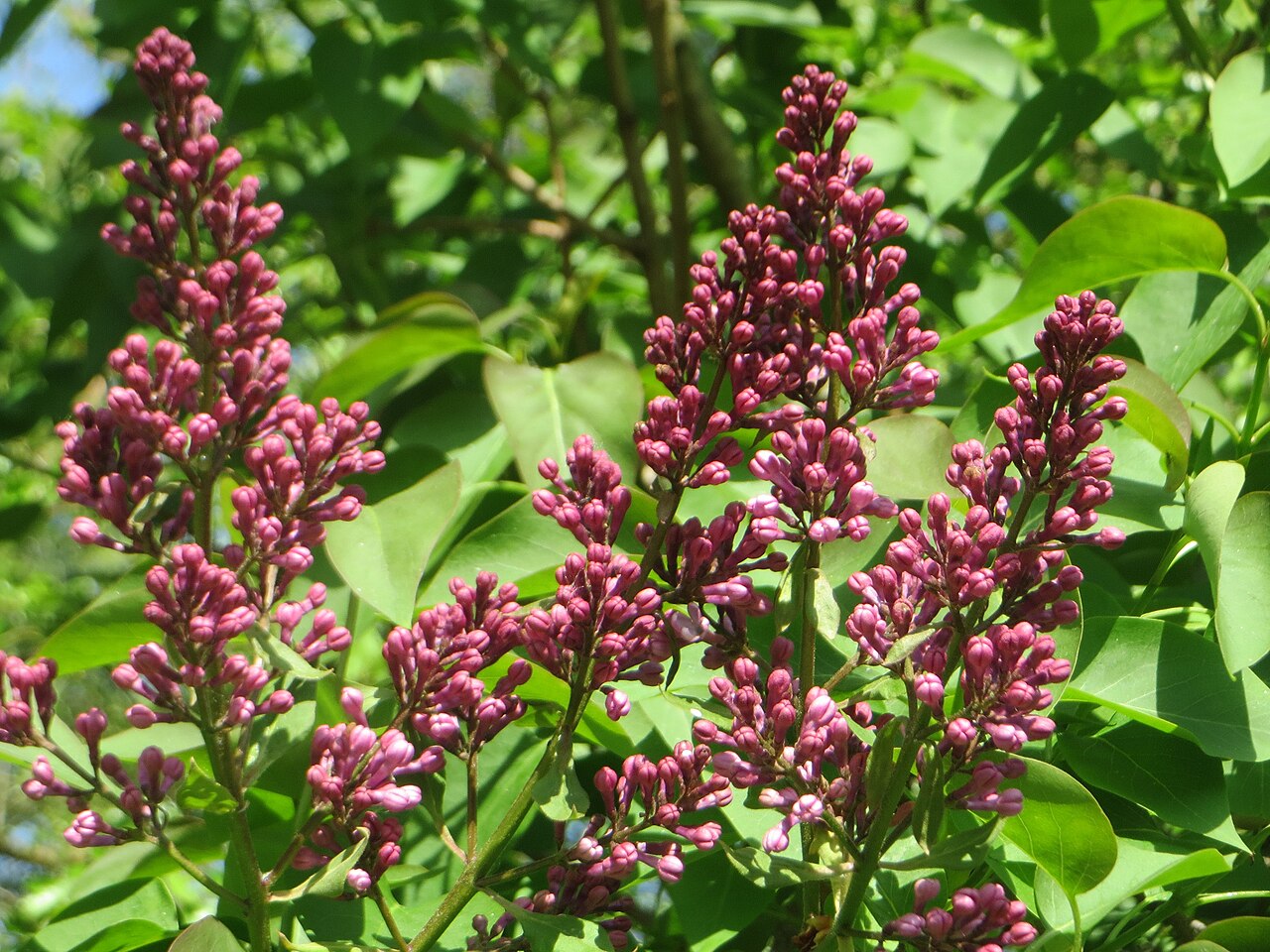
Flower clusters in bud on a common lilac in spring. These clusters formed inside buds the previous summer. Hockenheim, Germany. Photo: AnRo0002, Wikimedia Commons (CC0)
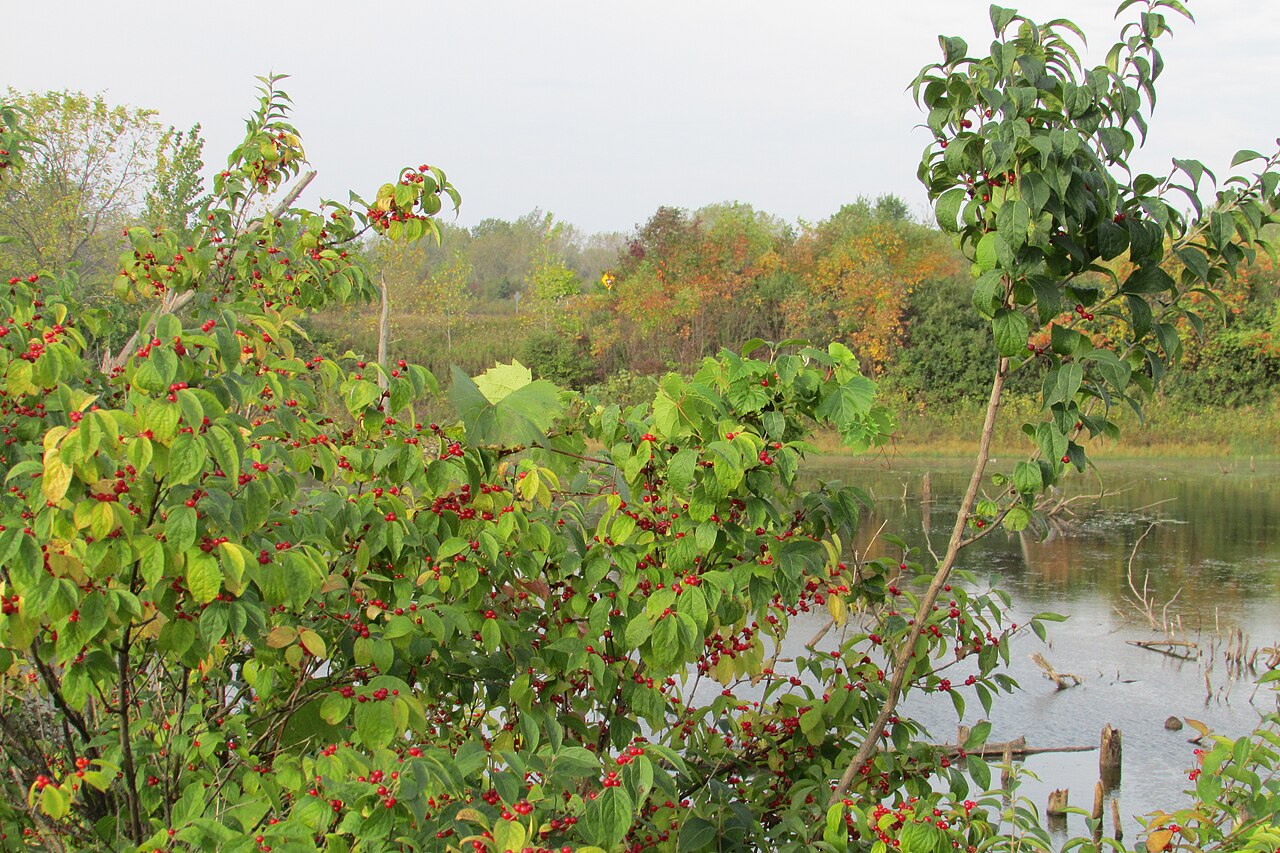
Winterberry at home: a wet pond margin, full leaves, and berries coloring. Westchester Migratory Bird Sanctuary. Photo: Chris Light, Wikimedia Commons (CC BY-SA 4.0) Winterberry
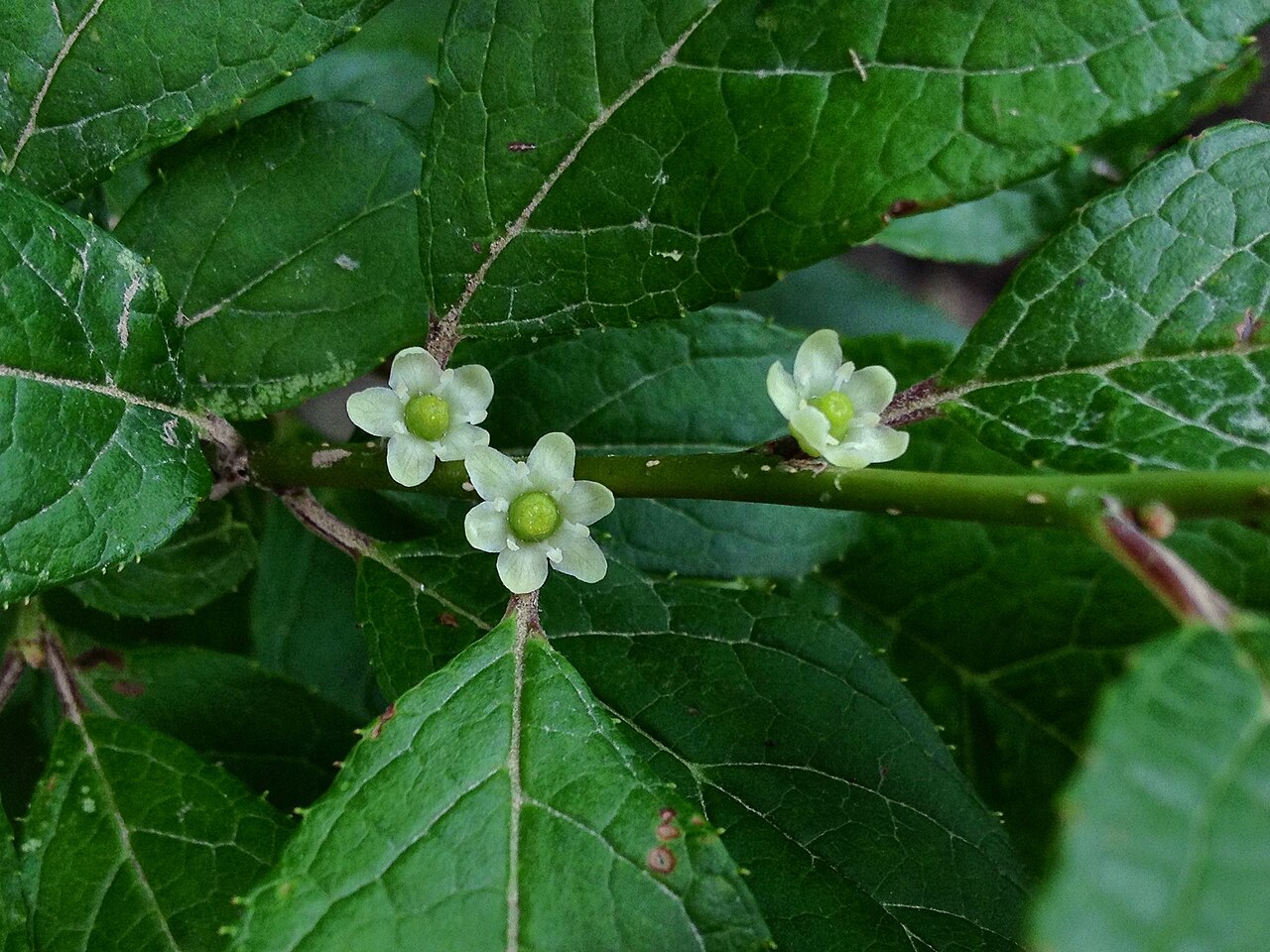
Female winterberry flowers: each one has a green ovary at its center that can become a berry, but only if pollen from a male plant
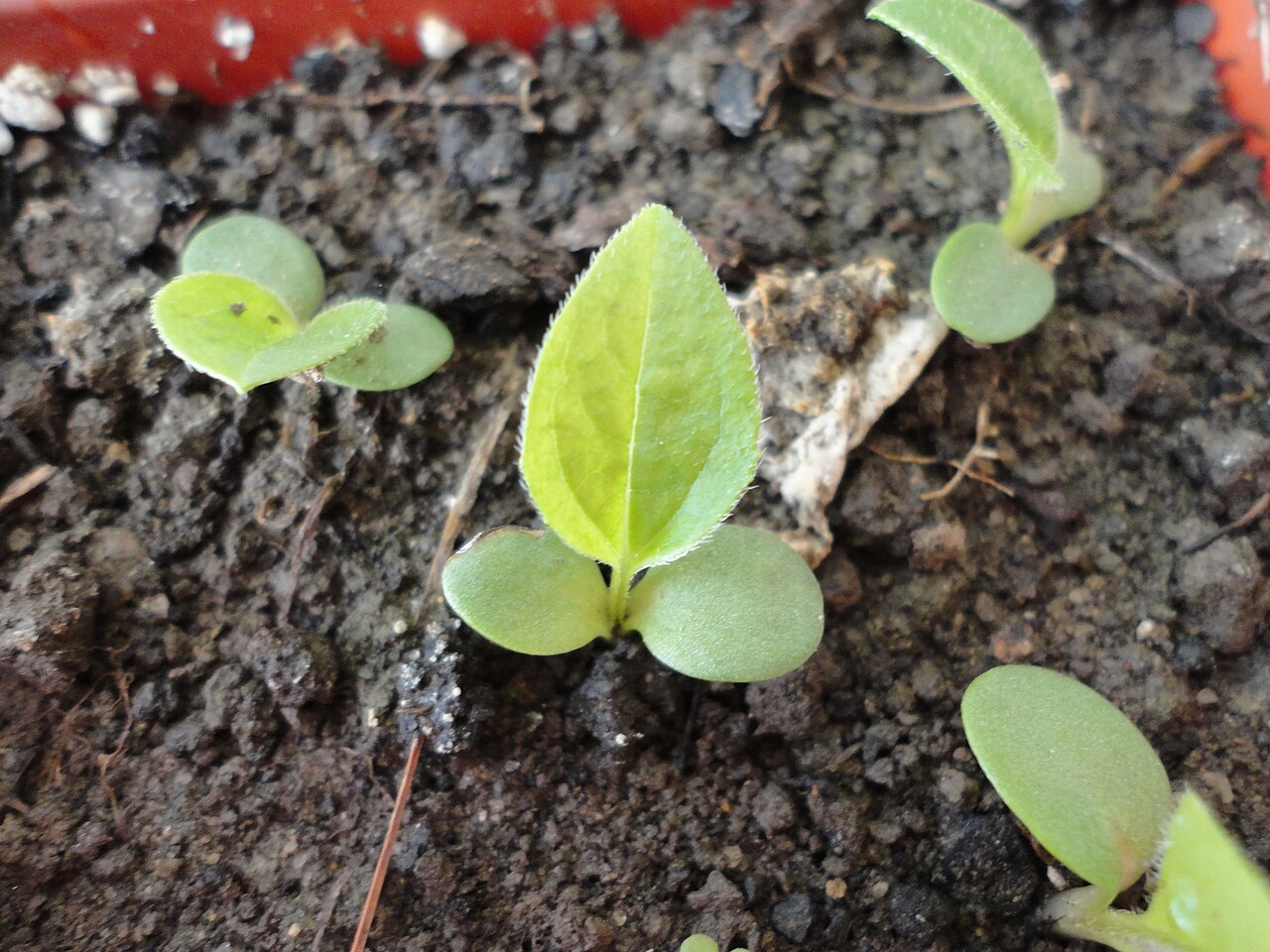
A young purple coneflower seedling with its two rounded seed leaves and first true leaf. At this size it can vanish overnight. Photo: PhytoplanktonSandwich, Wikimedia
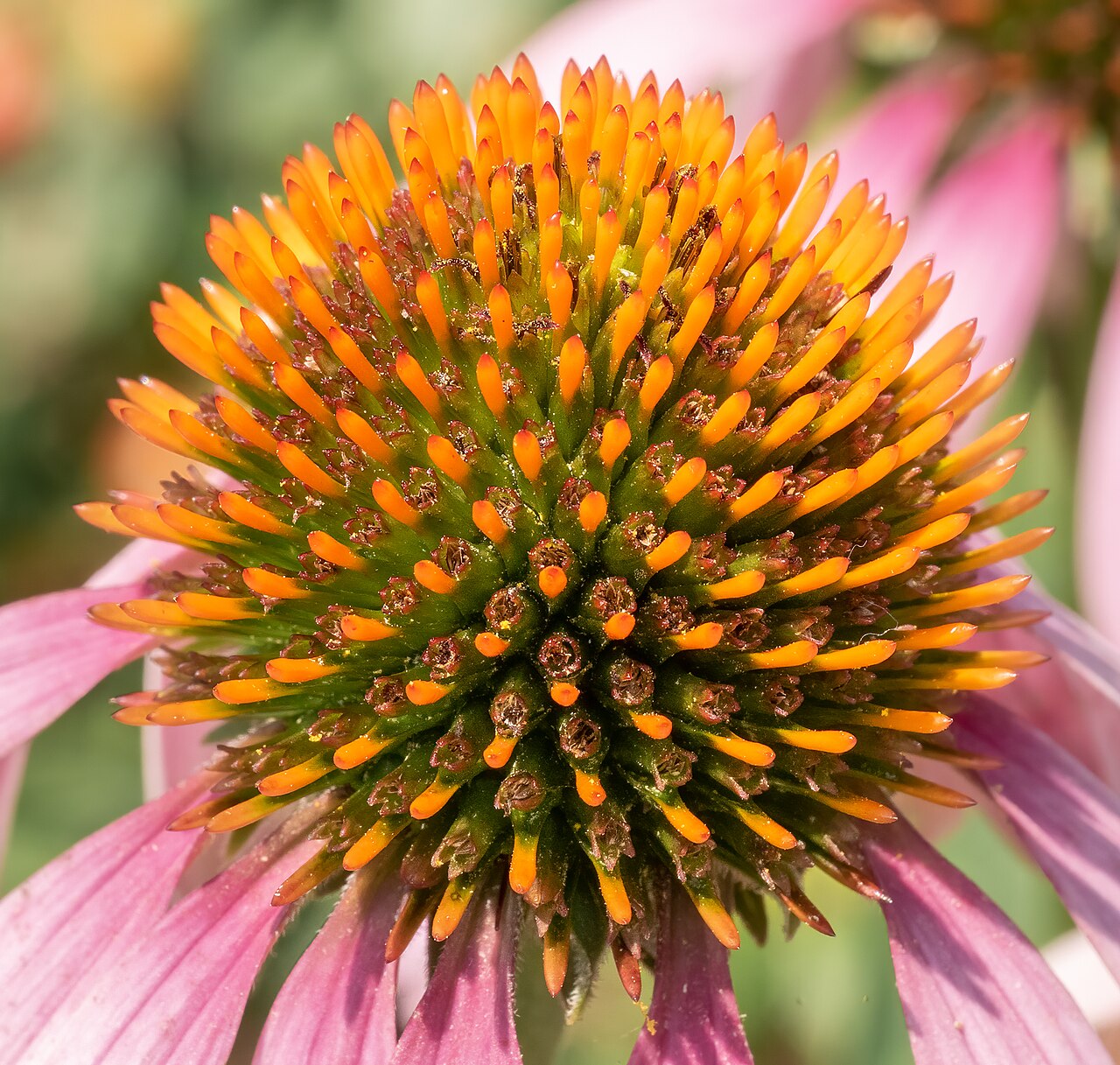
Your baseline: a normal purple coneflower head, with a domed cone of spiny florets and drooping rays. Brooklyn Botanic Garden. Photo: Rhododendrites, Wikimedia Commons (CC
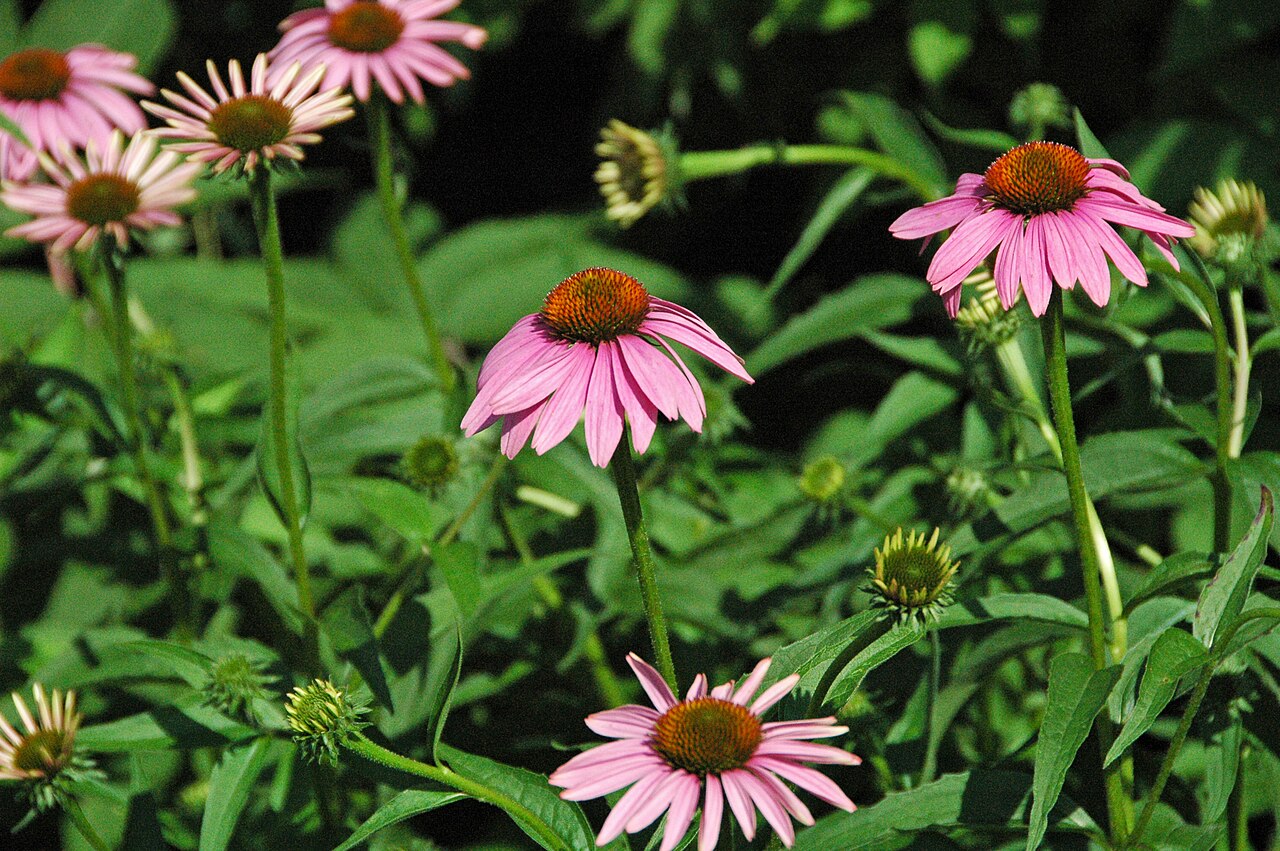
What you’re hoping for: a full clump with many flowering stems. Dawes Arboretum, Ohio. Photo: James St. John, Wikimedia Commons (CC BY 2.0) Your purple
View More