
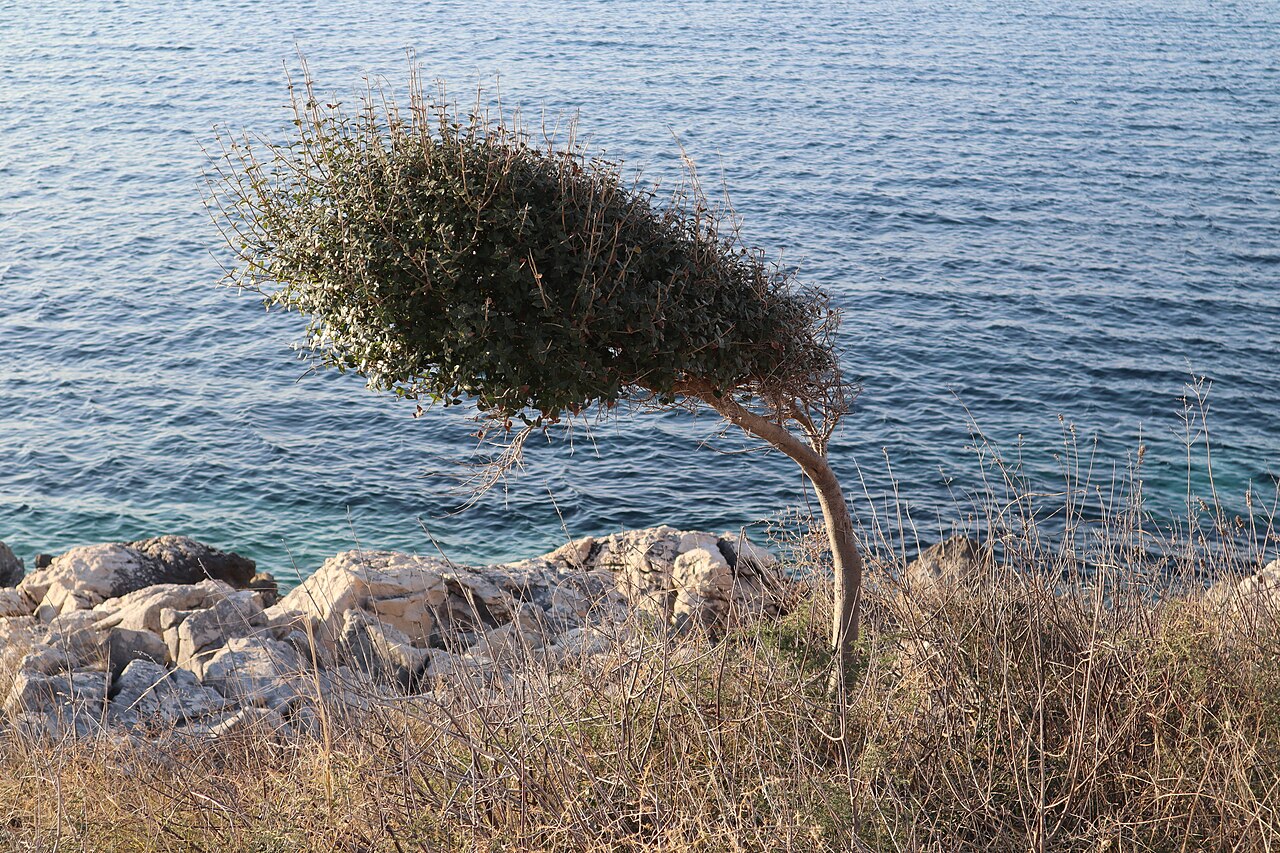
Olive (Olea europaea), the parent species; not the Swan Hill selection itself. Photo: Palauenc05, via Wikimedia Commons (CC BY-SA 4.0) Olea europaea ‘Swan Hill’ is
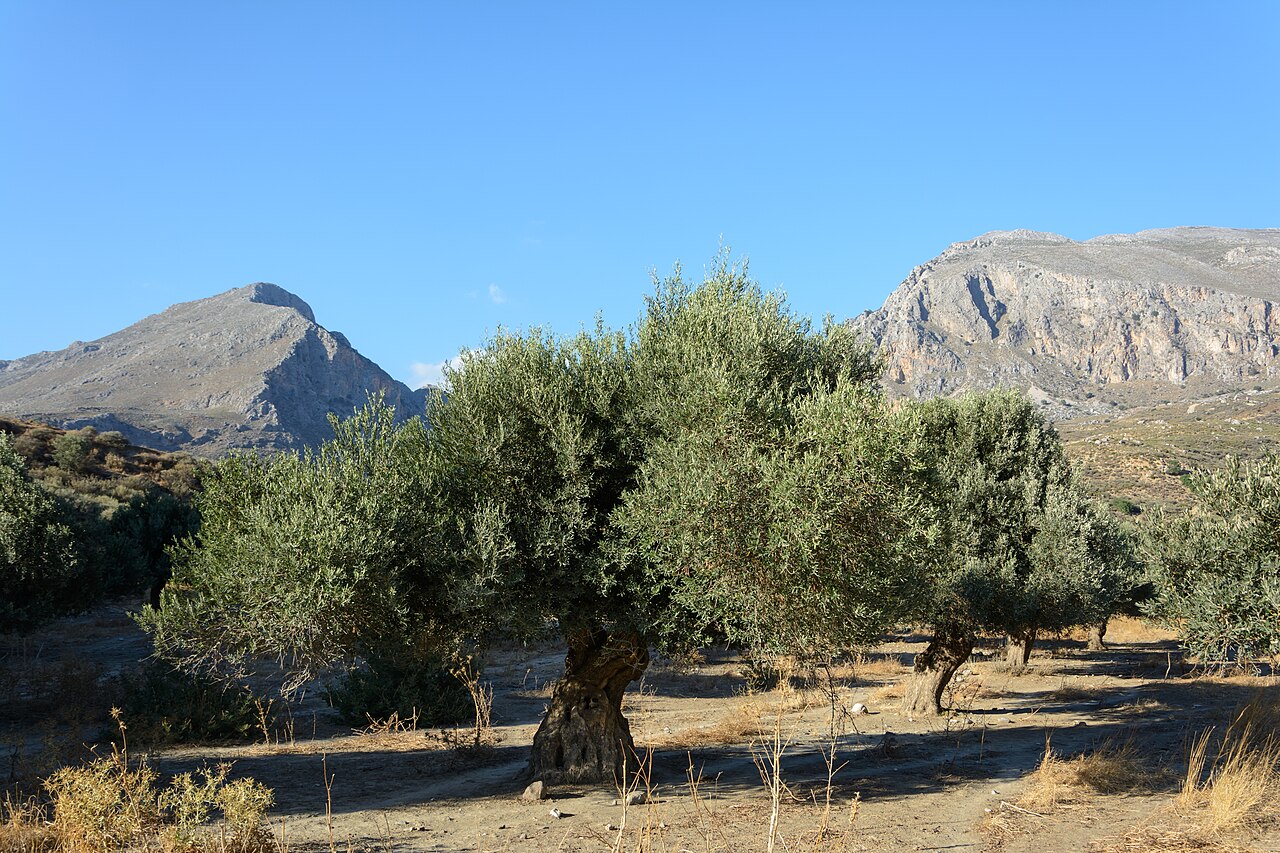
Olive (Olea europaea), the parent species; not Majestic Beauty itself. Photo: Uoaei1, via Wikimedia Commons (CC BY-SA 4.0) Olea europaea ‘Monher’, trademarked and sold as
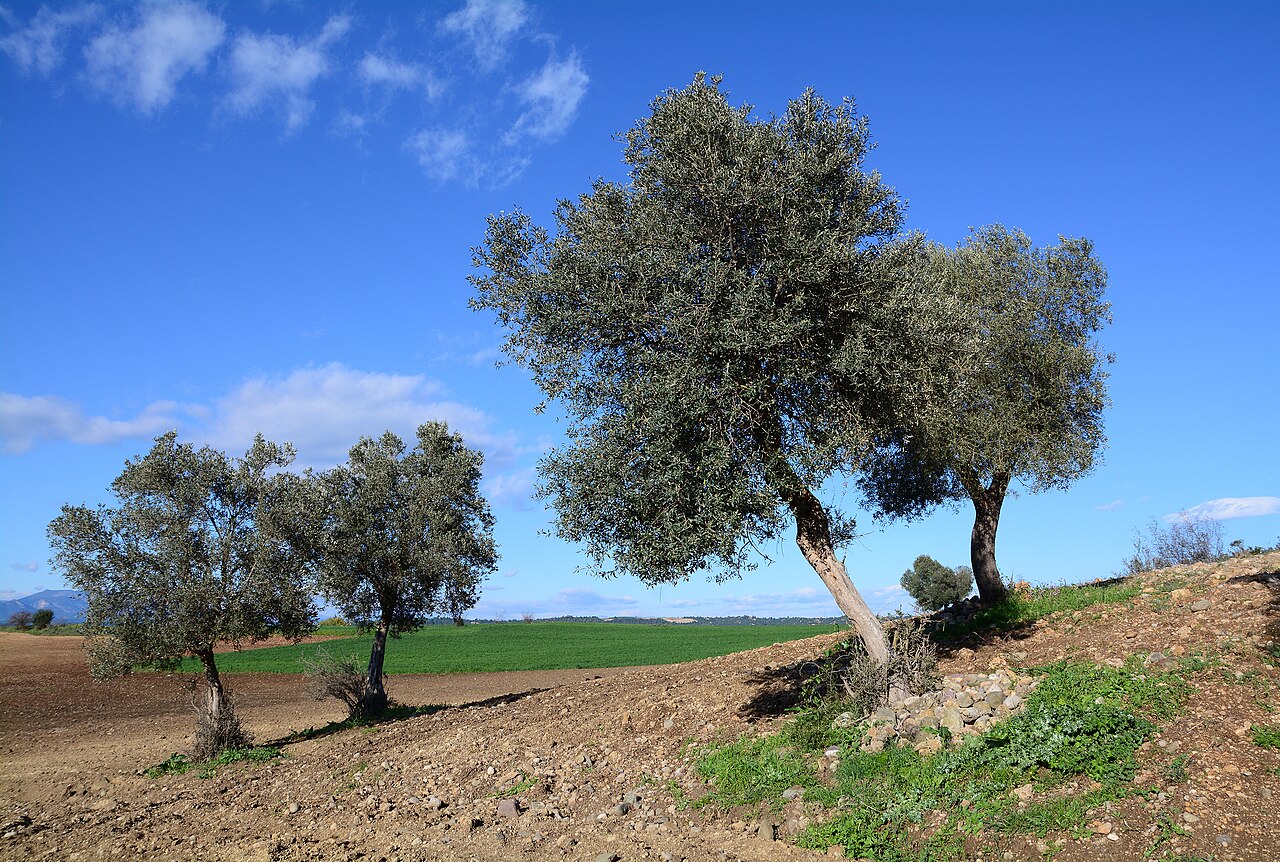
Olive (Olea europaea), the parent species; not Little Ollie itself, which stays shrub-sized. Photo: Zeynel Cebeci, via Wikimedia Commons (CC BY-SA 4.0) Olea europaea ‘Montra’,
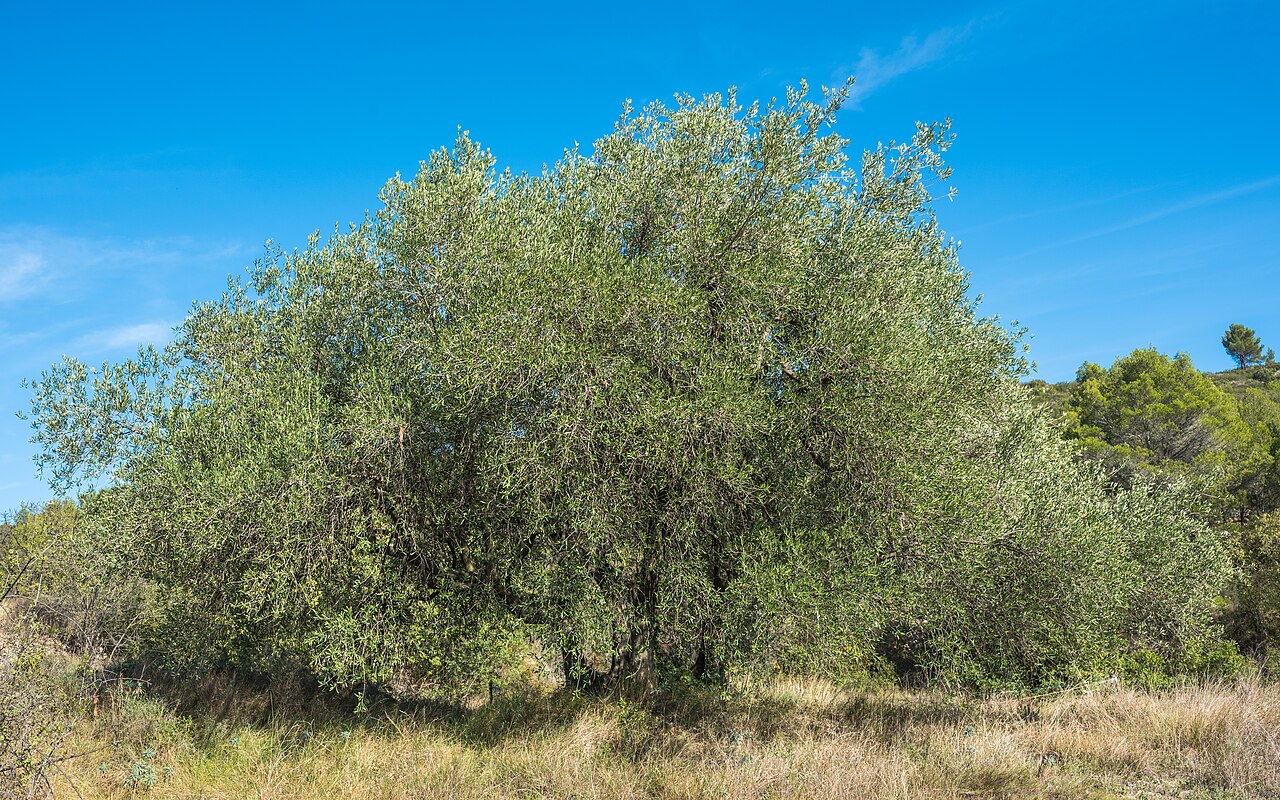
Olive (Olea europaea), the species ‘Barouni’ belongs to; not ‘Barouni’ itself. Photo: Christian Ferrer, via Wikimedia Commons (CC BY-SA 4.0) Olea europaea ‘Barouni’ is a
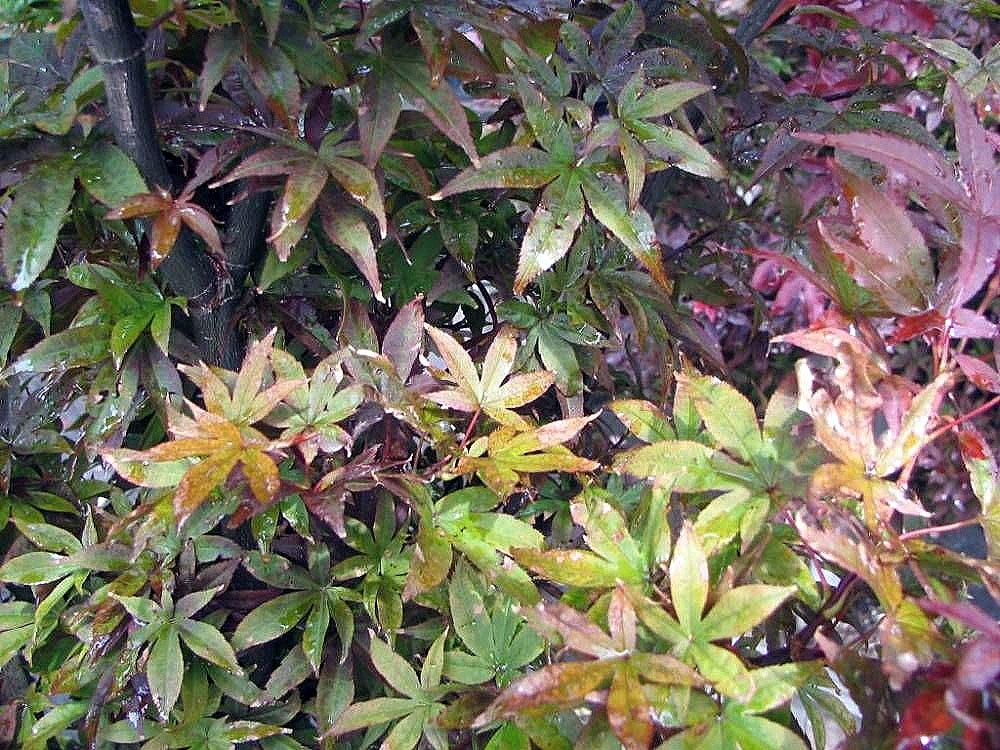
Twombly’s Red Sentinel grows as a dense, narrow column, with foliage that shifts between red and green tones through the season. Photo: David J. Stang,
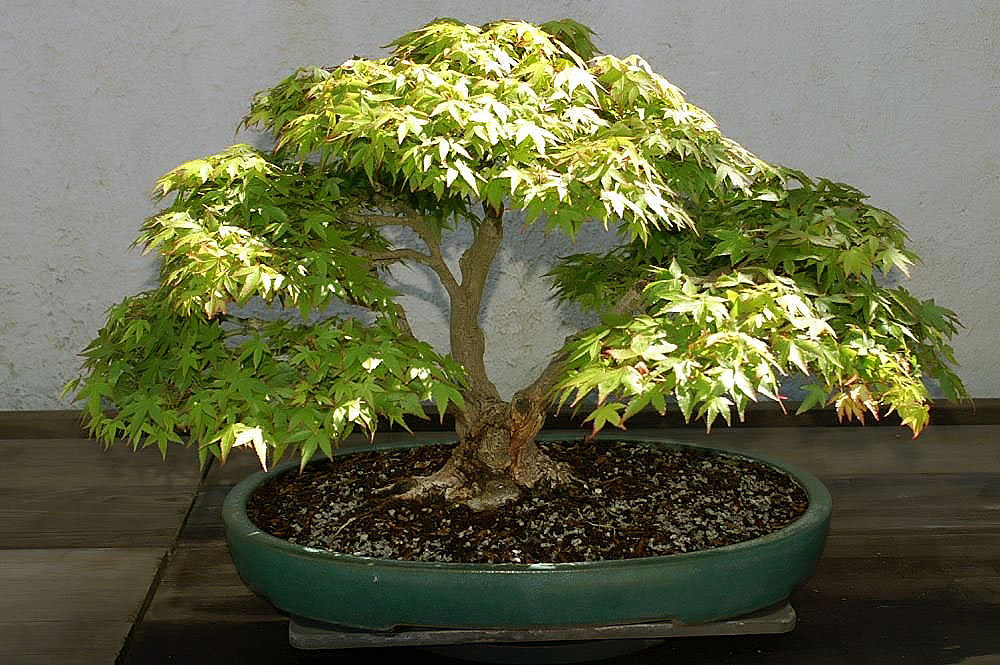
‘Mikawa-yatsubusa’ grown in a container, showing its naturally dense, tiered mounding habit even without heavy pruning. Photo: David J. Stang, via Wikimedia Commons (CC BY-SA
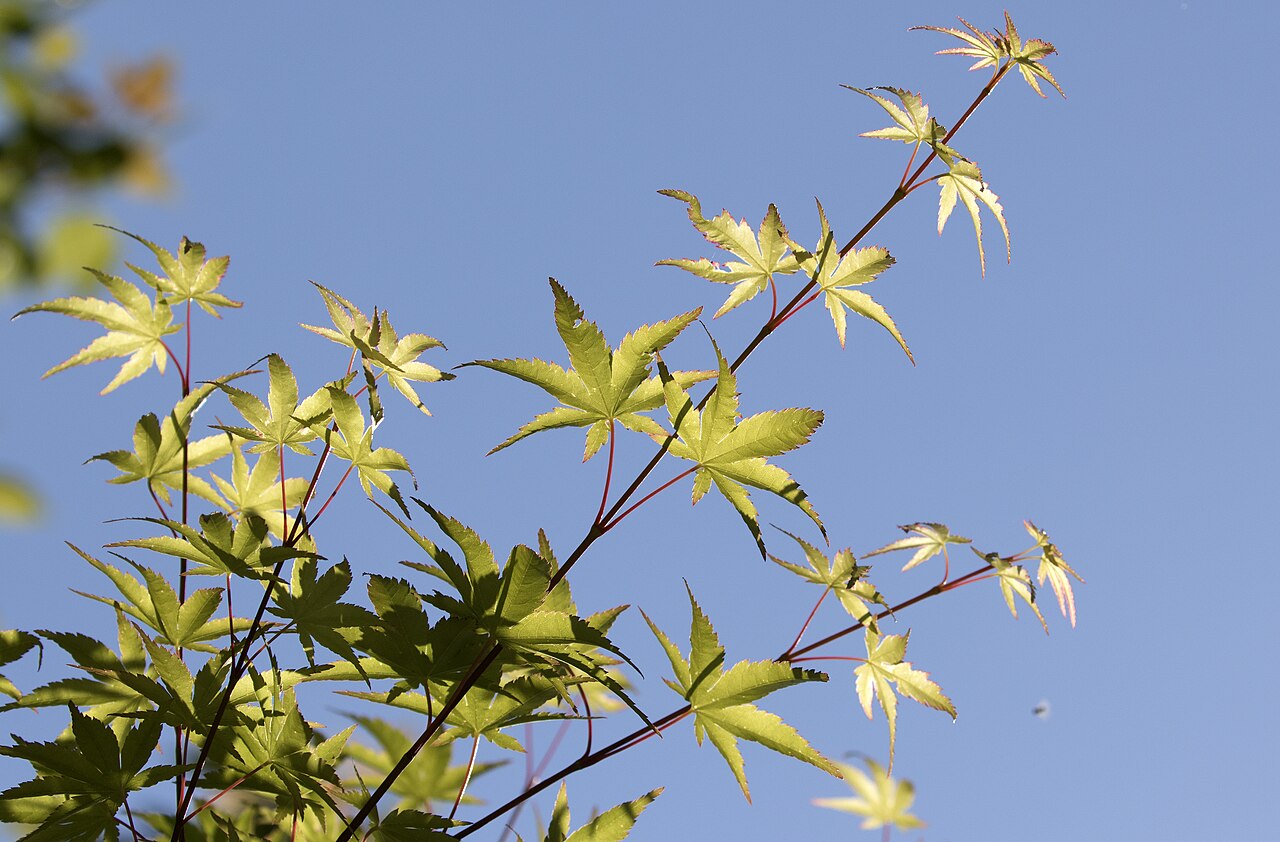
Japanese maple (Acer palmatum), the parent species; not ‘Koto-no-ito’ itself, shown here to illustrate typical upright branching before the narrower strap-like lobes of this cultivar’s
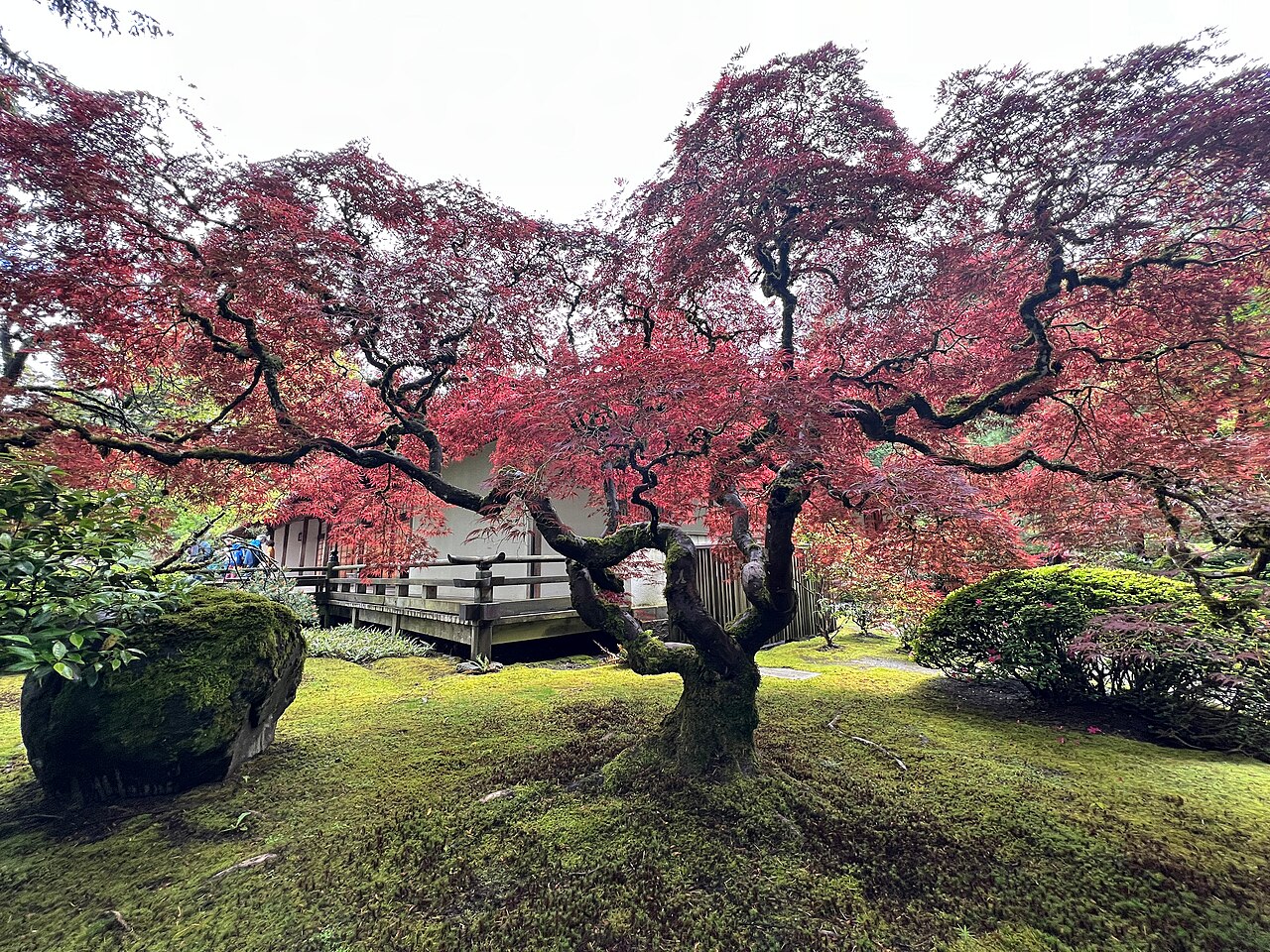
A mature red laceleaf Japanese maple, a weeping form of the parent species Acer palmatum; not ‘Ever Red’ itself, shown to illustrate the mounded, cascading
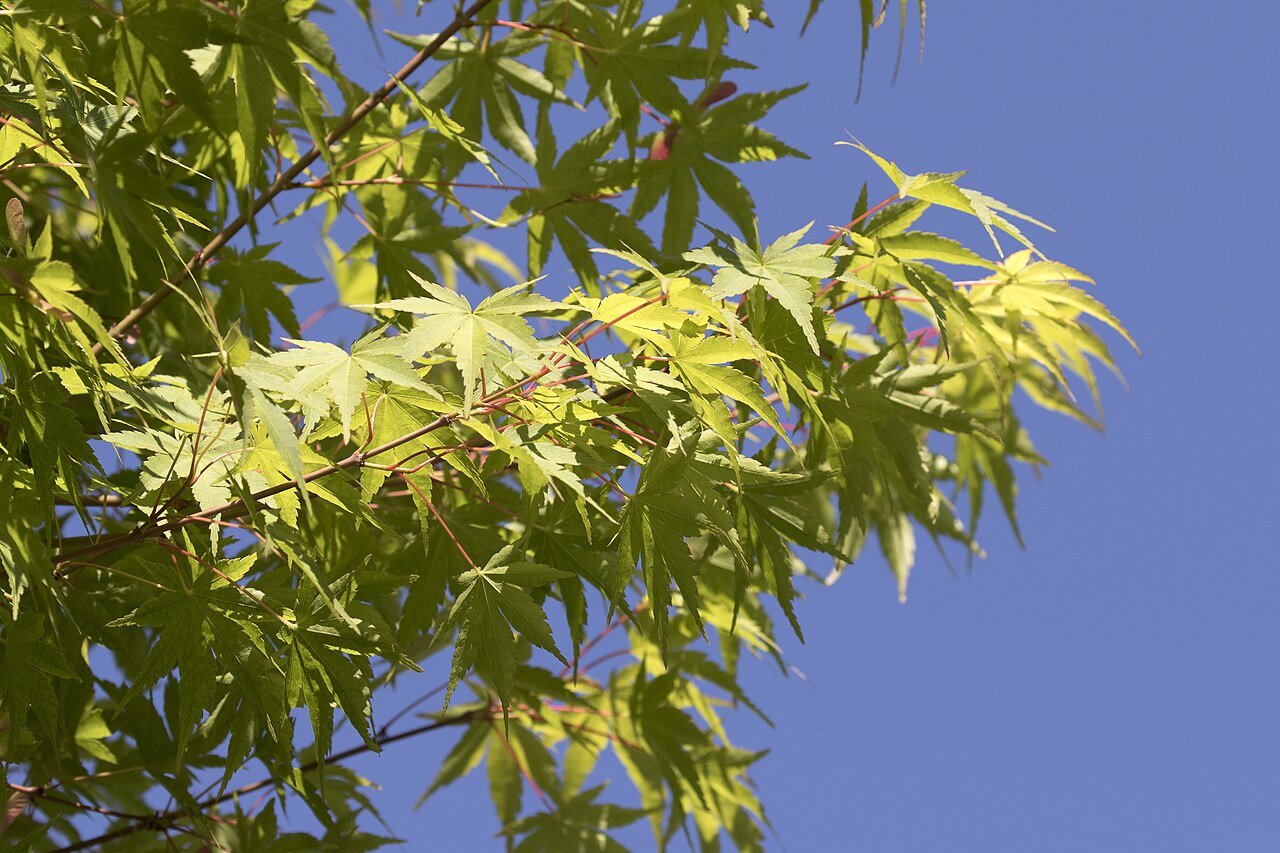
Japanese maple (Acer palmatum), the parent species; not ‘Bihou’ itself, shown here to illustrate typical foliage and branching. Photo: Zeynel Cebeci, via Wikimedia Commons (CC
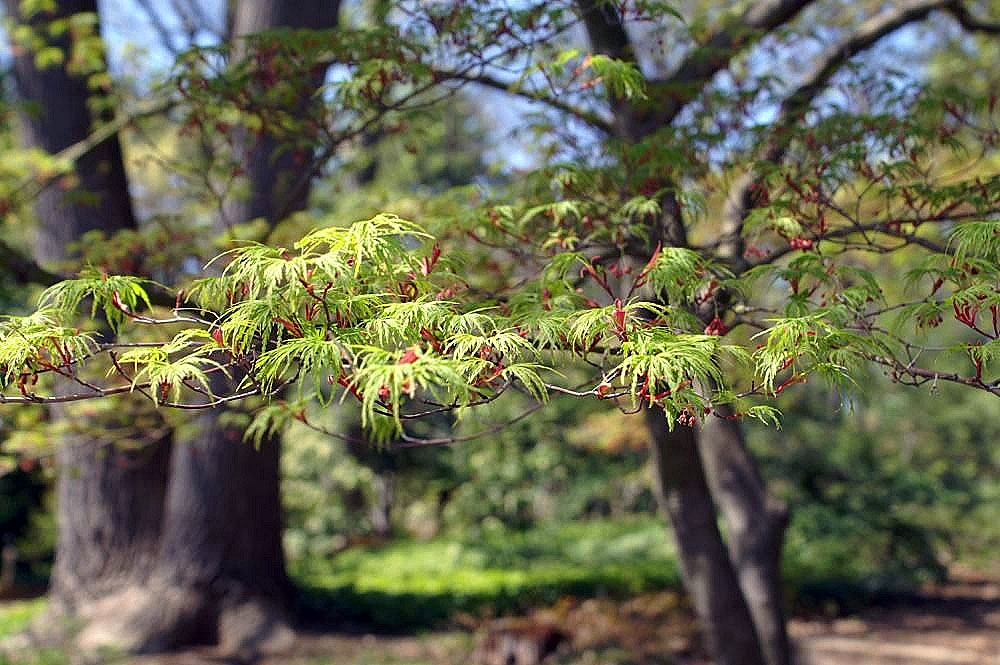
Seiryu’s finely dissected, upright-growing foliage at the United States National Arboretum, Washington, D.C. Photo: David J. Stang, via Wikimedia Commons (CC BY-SA 4.0) Acer palmatum
View More