
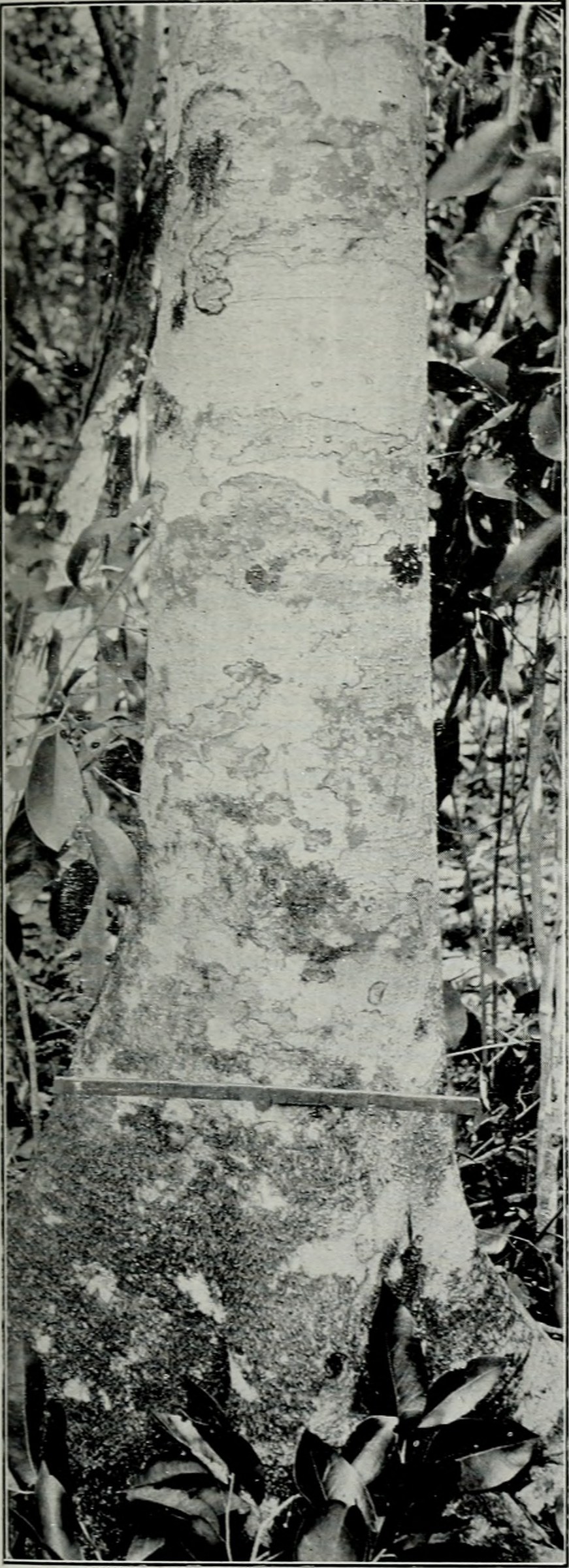
Milkbark’s smooth, pale, blotchy trunk is the easiest field mark for this rare Keys hammock tree. Photo: Internet Archive Book Images, Wikimedia Commons (no known
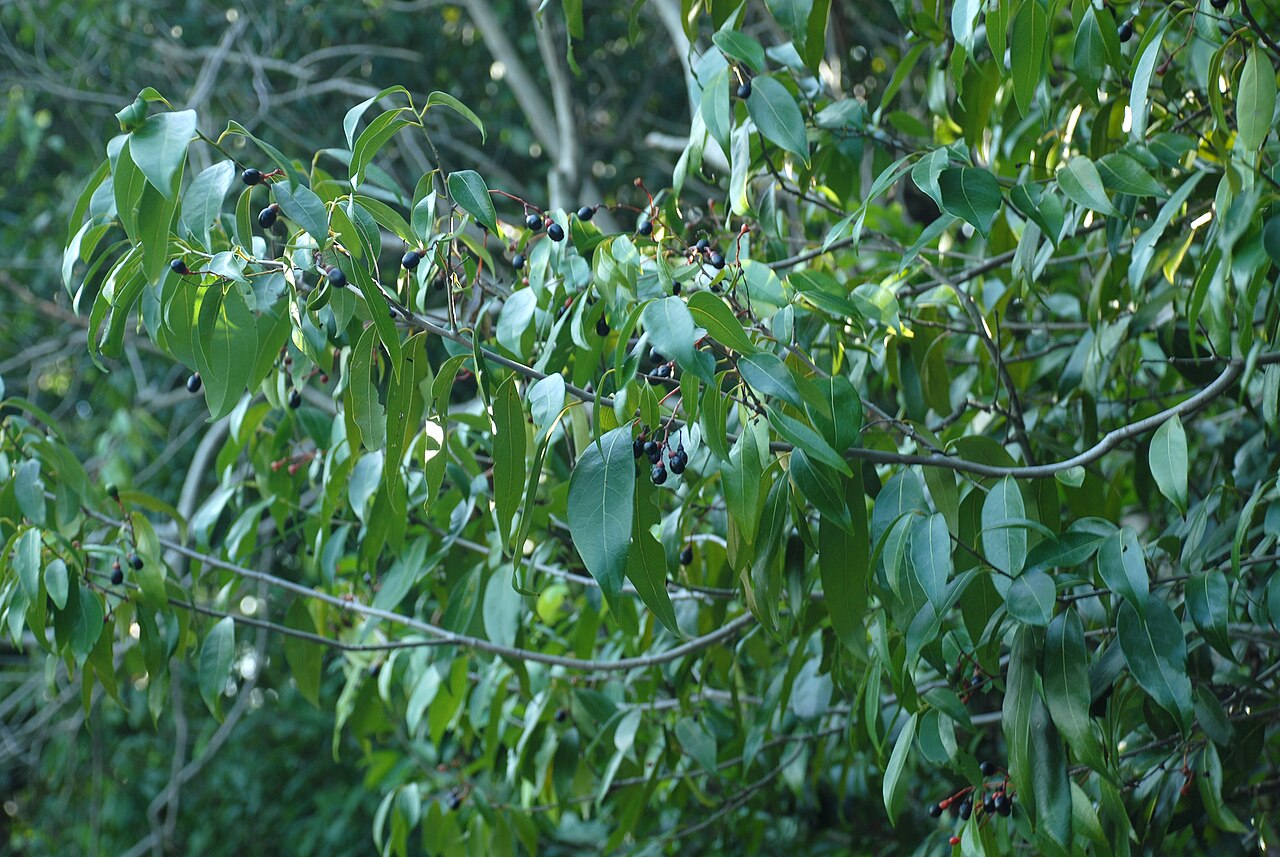
A fruiting Lancewood branch in a South Florida hammock, with ripe black and unripe green fruit together. Photo: Douglas Goldman, Wikimedia Commons (CC BY-SA 4.0)
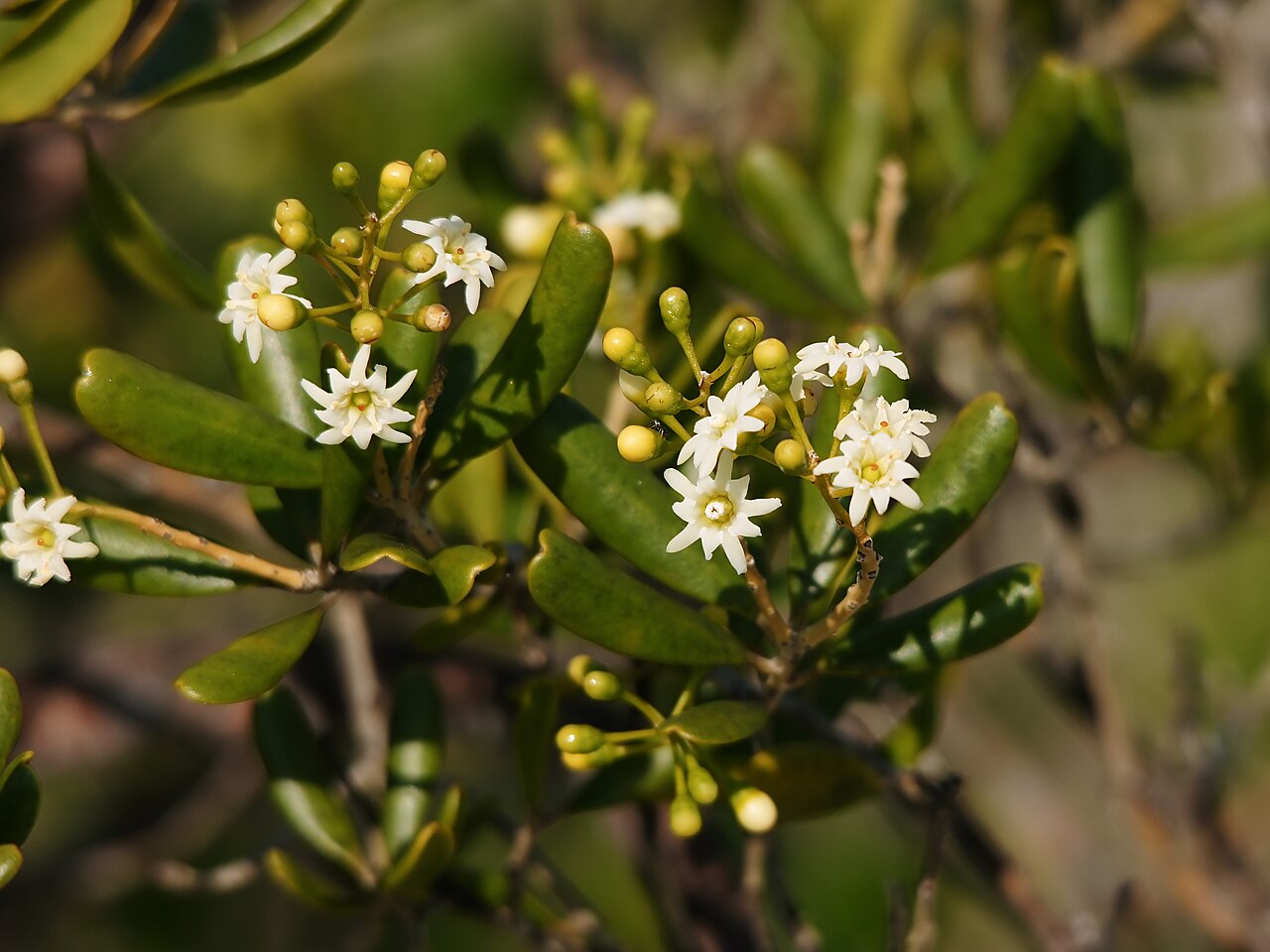
Joewood’s fragrant, star-shaped white flowers cluster along the branches of this coastal Keys shrub. Photo: Hans Hillewaert, Wikimedia Commons (CC BY-SA 3.0) Jacquinia keyensis, commonly
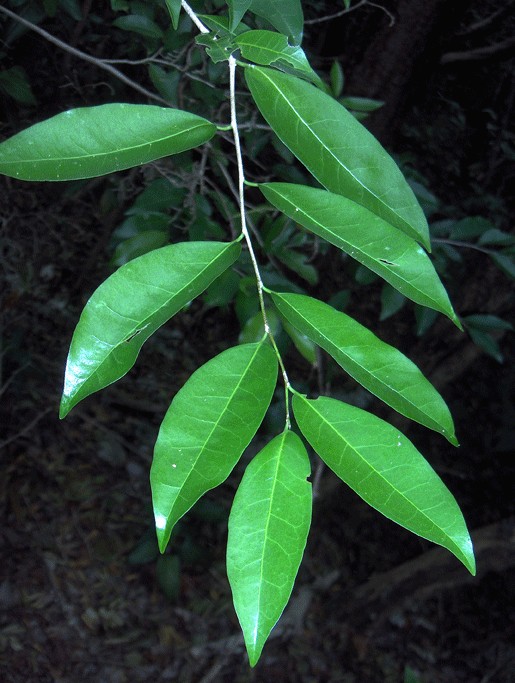
Guiana Plum’s glossy, pointed, elliptical leaves, unscented when crushed — a key difference from similar hammock trees. Photo: Homer Edward Price, Wikimedia Commons (CC BY
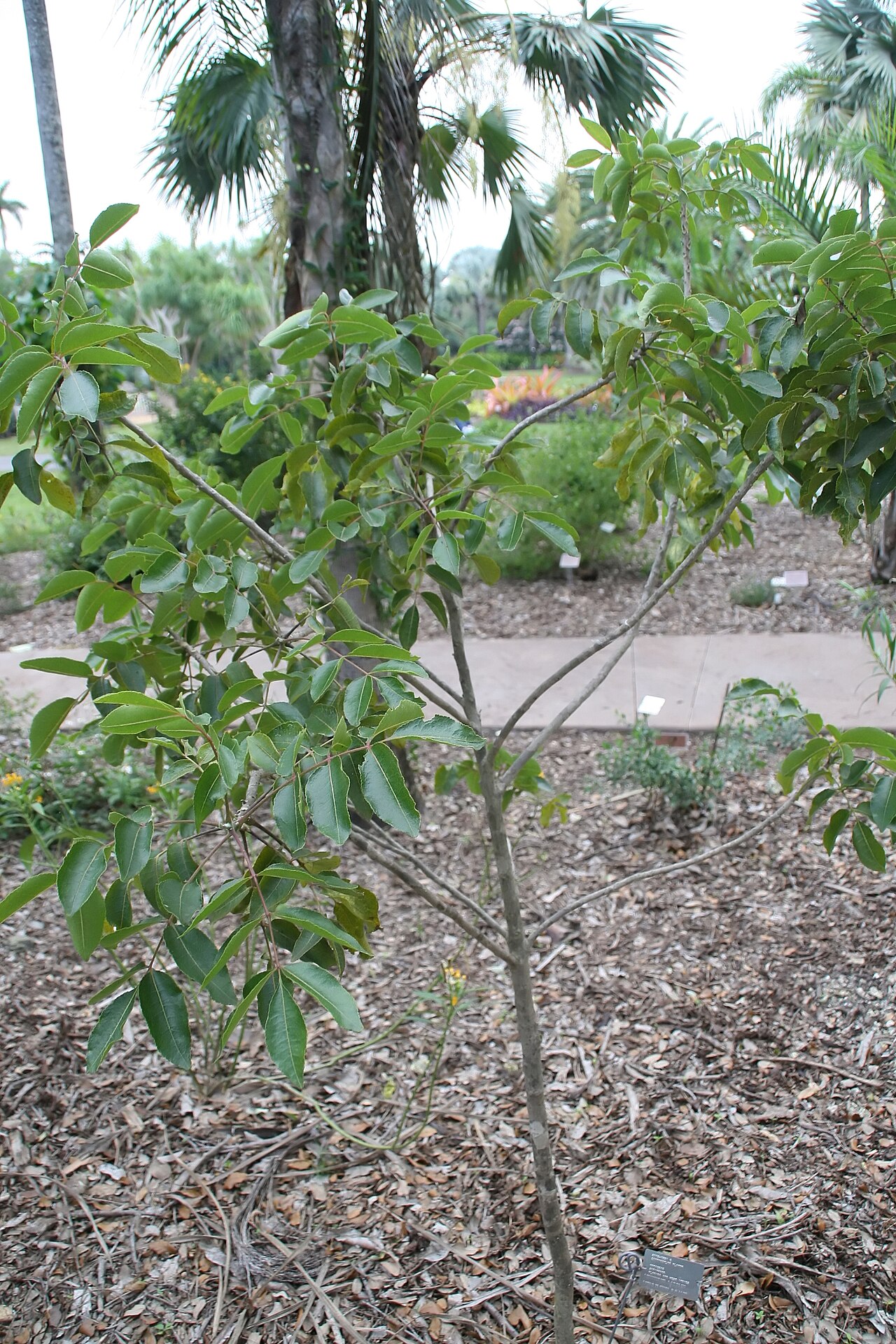
A young West Indian satinwood showing its glossy, pinnately compound foliage. Photo: David J. Stang, Wikimedia Commons (CC BY-SA 4.0) Zanthoxylum flavum, commonly called West
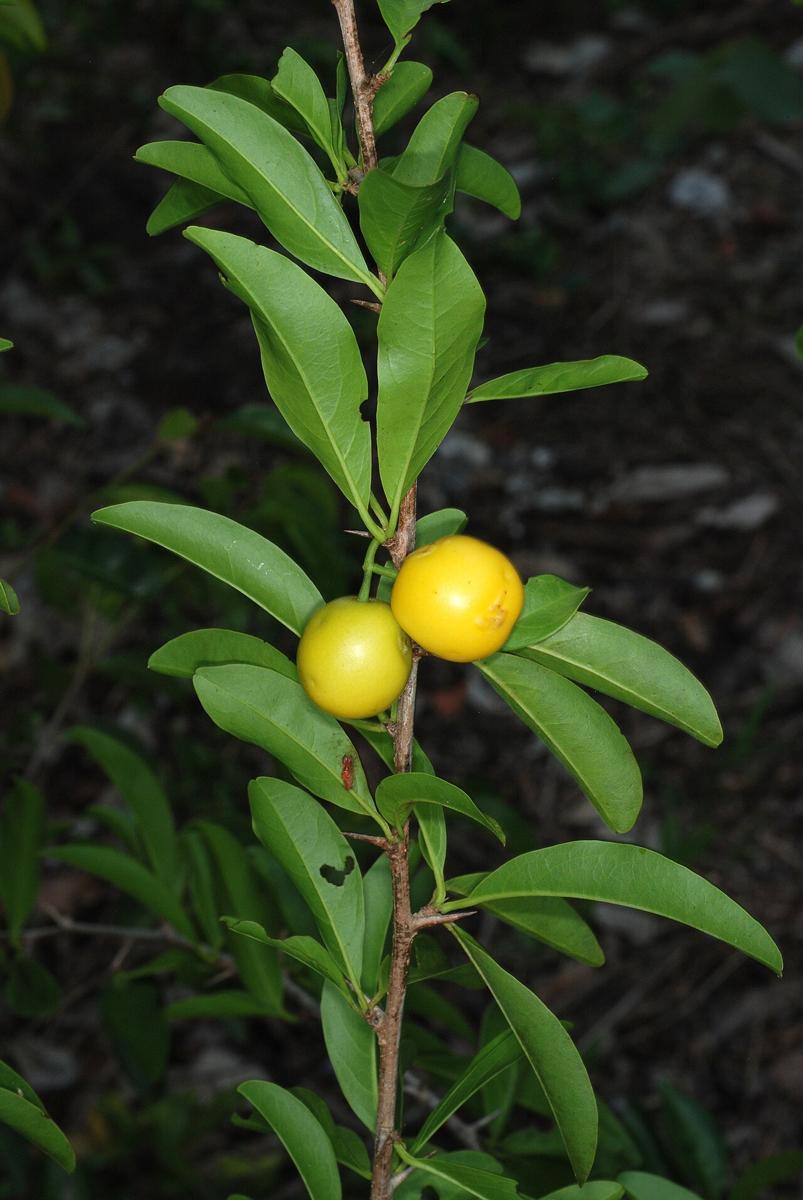
Tallowwood’s narrow, glossy leaves and small, plum-like fruit ripening from green to golden-yellow. Photo: Douglas Goldman, Wikimedia Commons (CC BY-SA 4.0) Ximenia americana, commonly known
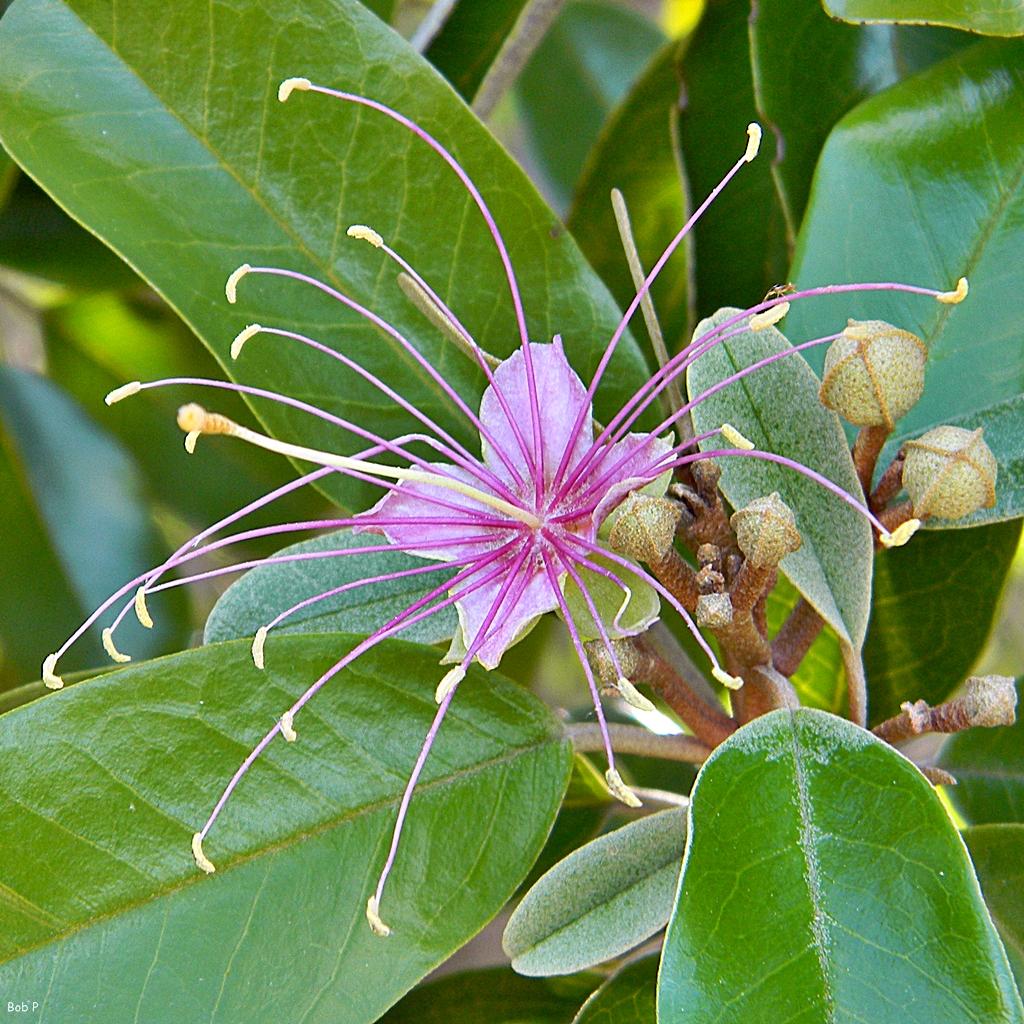
A Jamaica caper flower a couple of hours after opening, its petals shifting from white to lavender-pink. Photo: Bob Peterson, Wikimedia Commons (CC BY-SA 2.0)
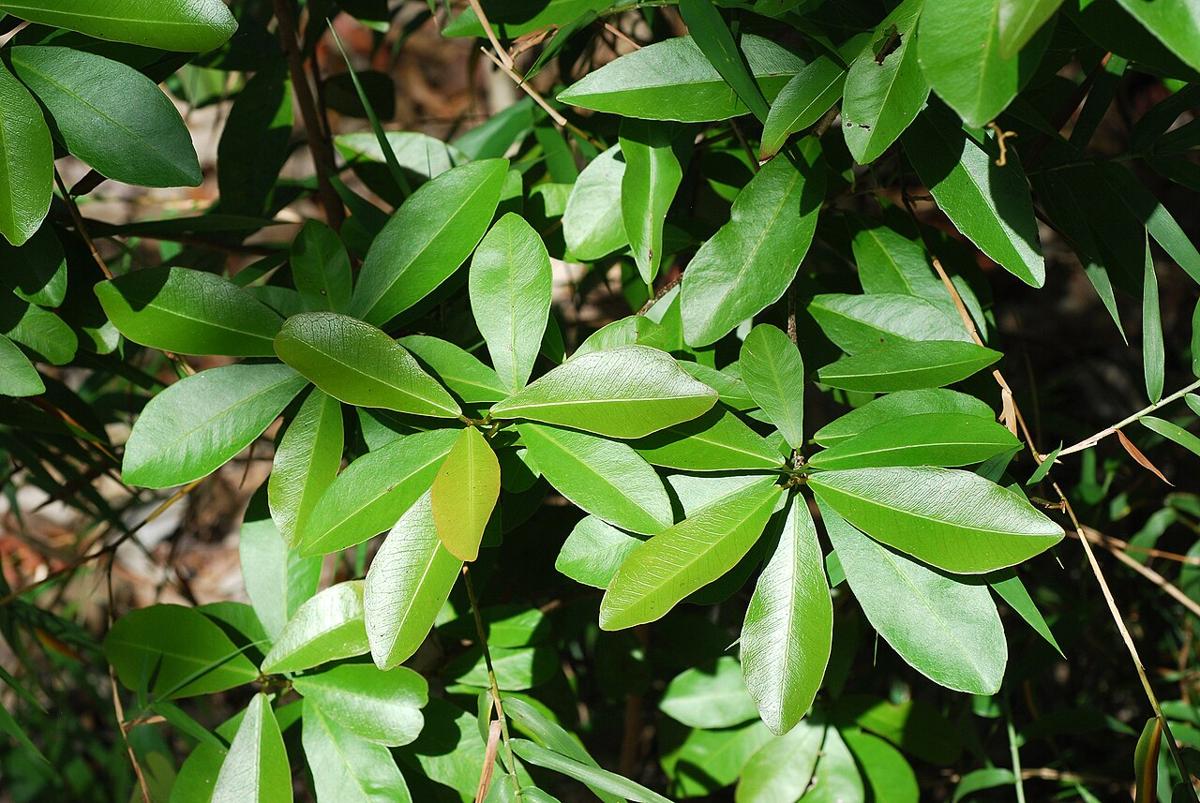
Crabwood’s glossy, leathery leaves cluster toward the ends of its branches. Photo: Douglas Goldman, Wikimedia Commons (CC BY-SA 4.0) Gymnanthes lucida, commonly known as Crabwood
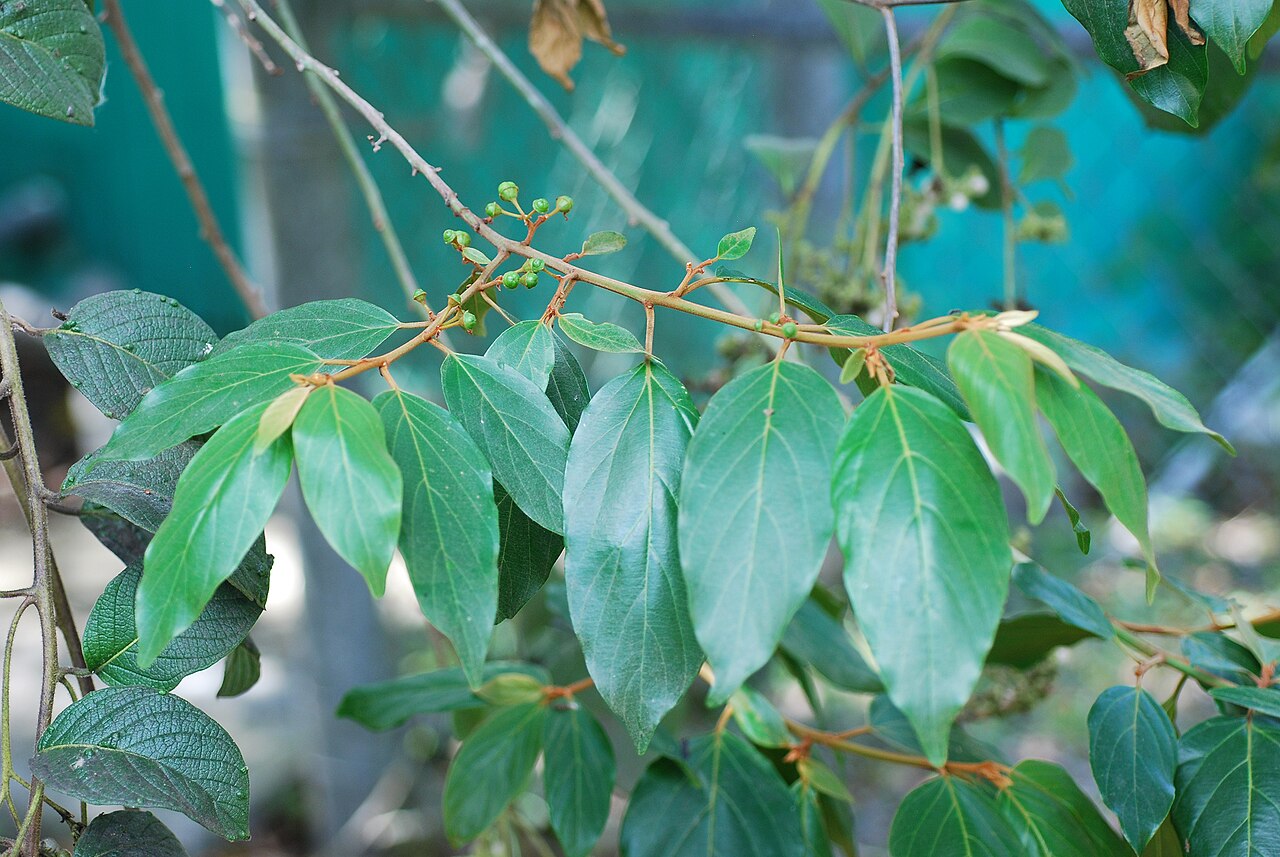
Coffee Colubrina’s glossy foliage and small green fruit, which ripen through purple to black. Photo: Douglas Goldman, Wikimedia Commons (CC BY-SA 4.0) Colubrina arborescens —
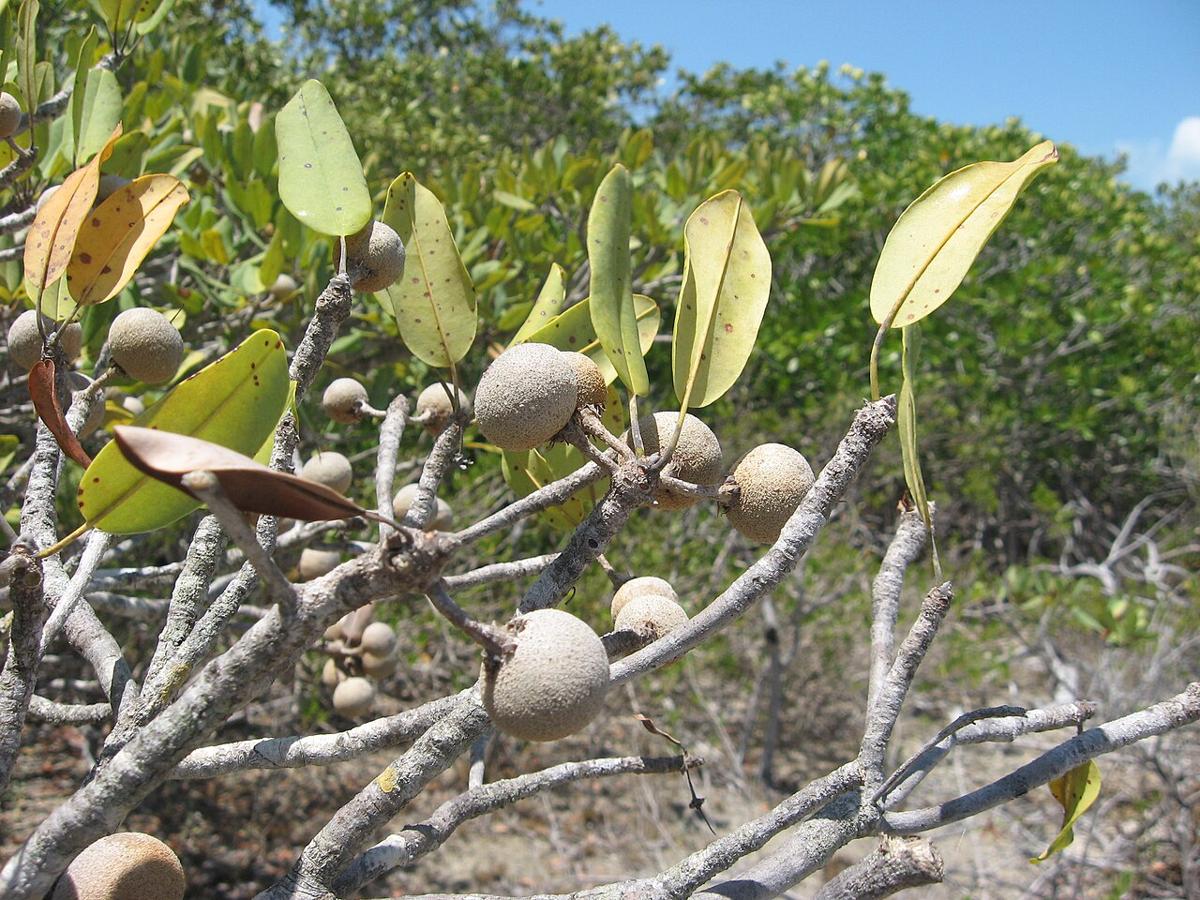
Wild Dilly’s rough-skinned, golf-ball-sized fruit clusters along the branches. Photo: Mason Brock / Wikimedia Commons (Public Domain) Manilkara jaimiqui subsp. emarginata, commonly called Wild Dilly,
View More