
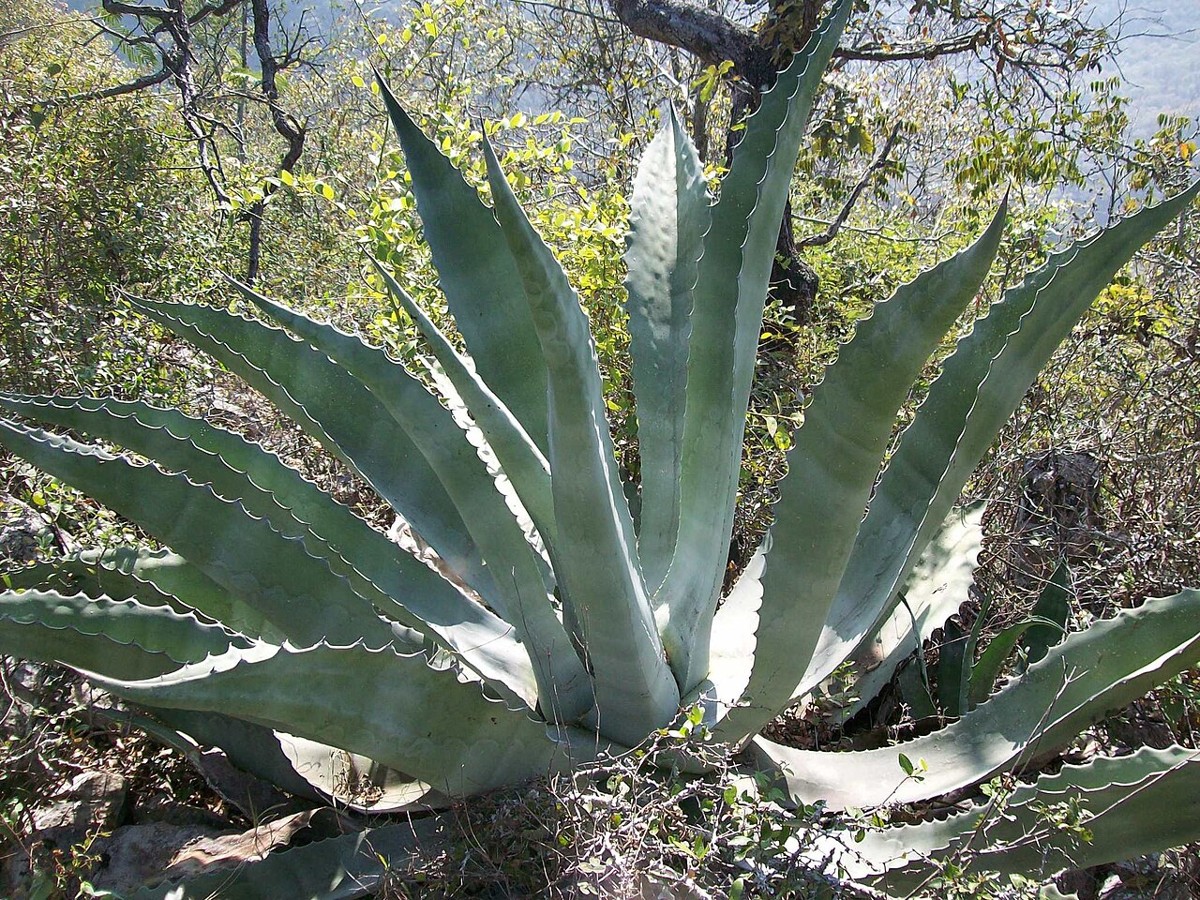
A large Rough Agave rosette, its broad blue-gray leaves edged with wavy, horn-colored teeth. Photo: Raúl Ernestoo, Wikimedia Commons (CC BY-SA 4.0) Agave asperrima (long
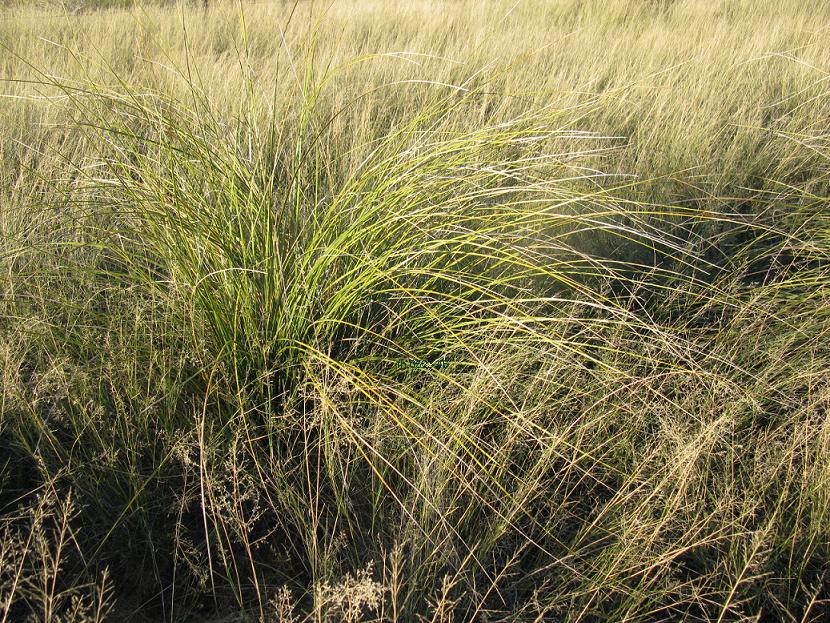
A Foothill Beargrass clump in Cottonwood Canyon, Texas, its fine, arching leaves blending into the surrounding desert grassland. Photo: Fritz Hochstaetter, Wikimedia Commons (Public domain)
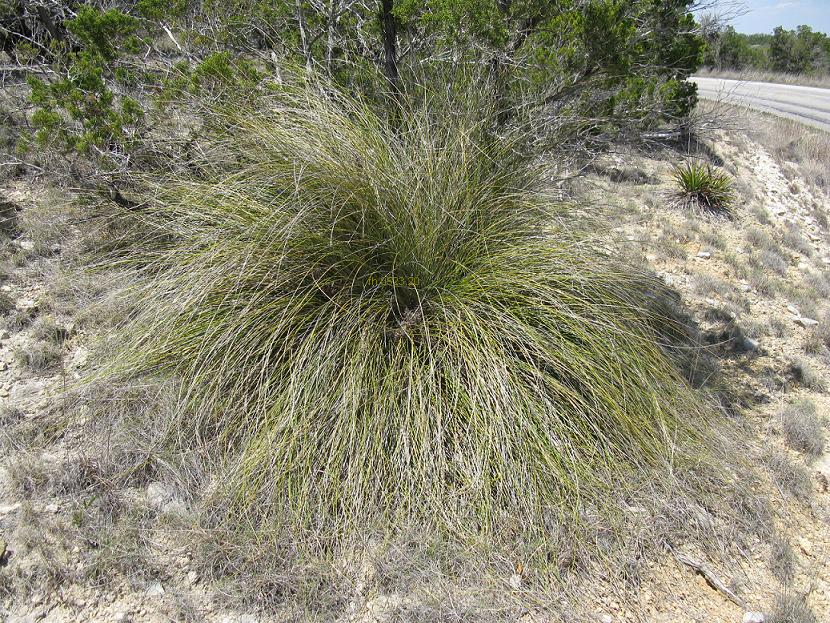
A mature Devil’s Shoestring clump forms a dense, rounded mound of wiry, grasslike leaves on a limestone bank in the Edwards Plateau. Photo: Wikimedia Commons
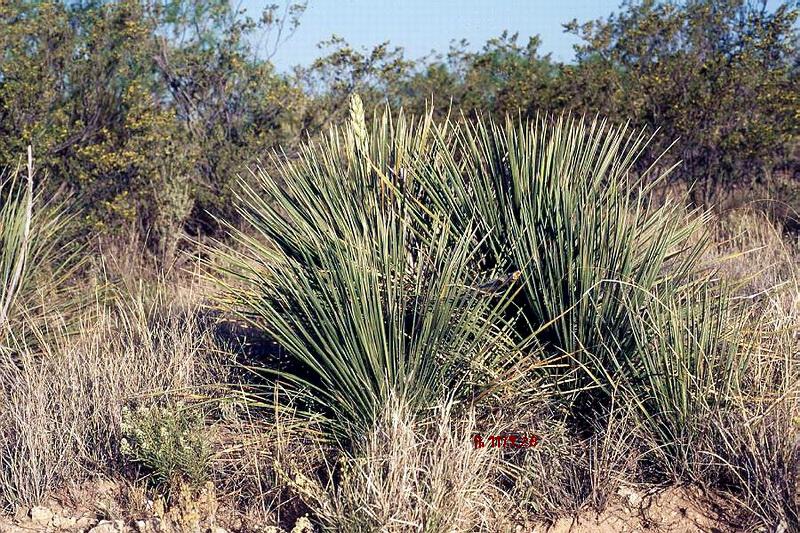
A mature Buckley’s yucca clump on a brushy Texas rangeland, with a flower stalk just beginning to rise from the rosette. Photo: Rebou, Wikimedia Commons
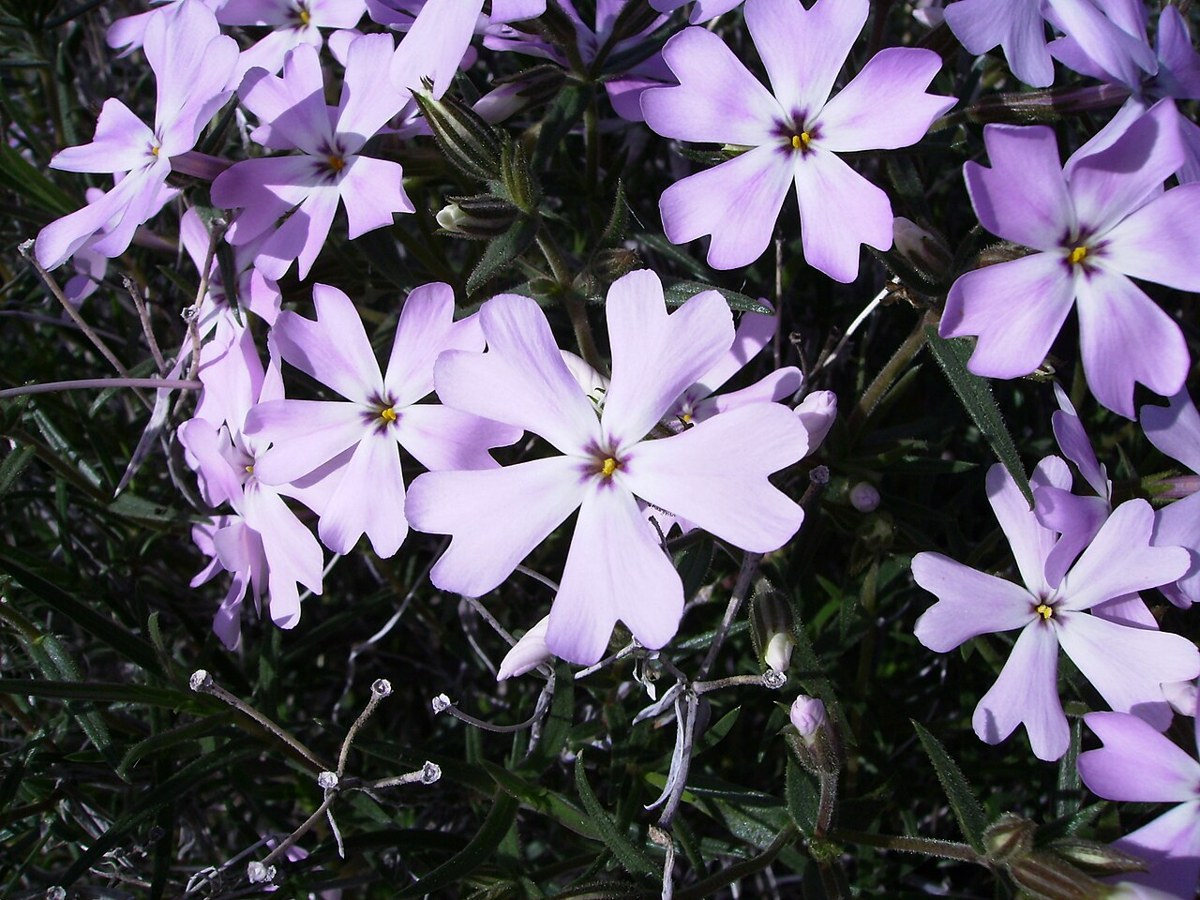
Showy phlox in full spring bloom at Colockum Wildlife Area, Washington. Photo: ThayneT, Wikimedia Commons (CC BY-SA 4.0) Phlox speciosa, commonly called showy phlox, is
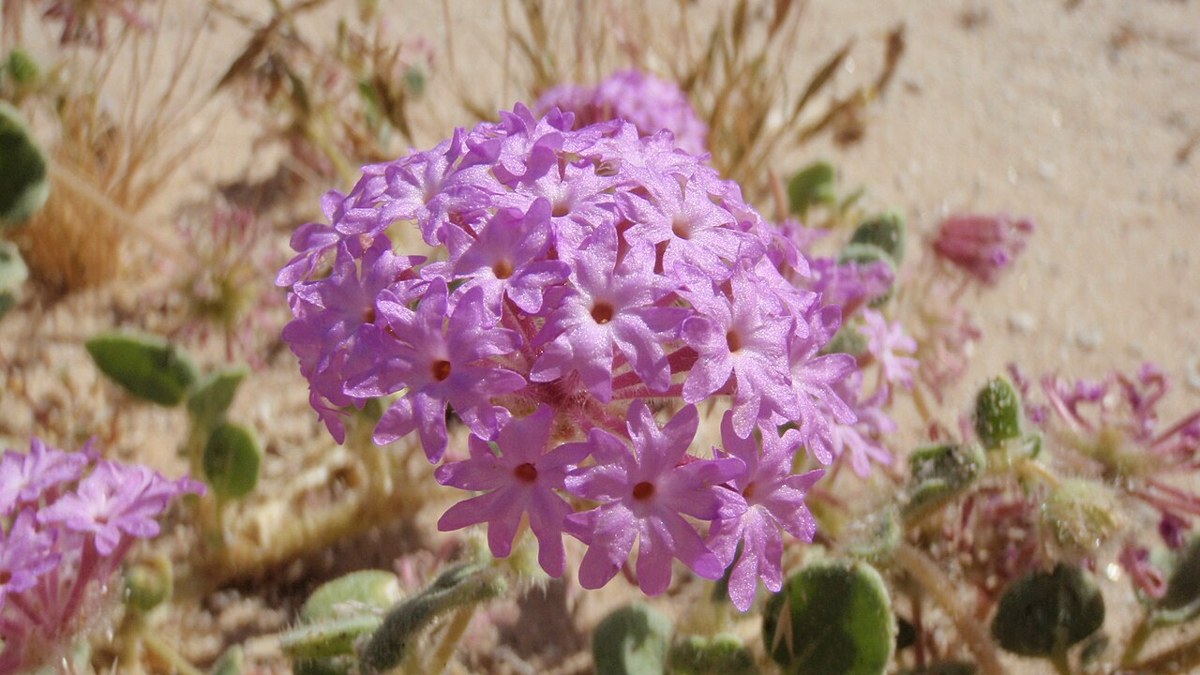
Desert sand verbena carpeting a sandy wash after winter rains. Photo: NPS/Stacy Manson (Public domain) Abronia villosa, commonly called desert sand verbena, is the plant
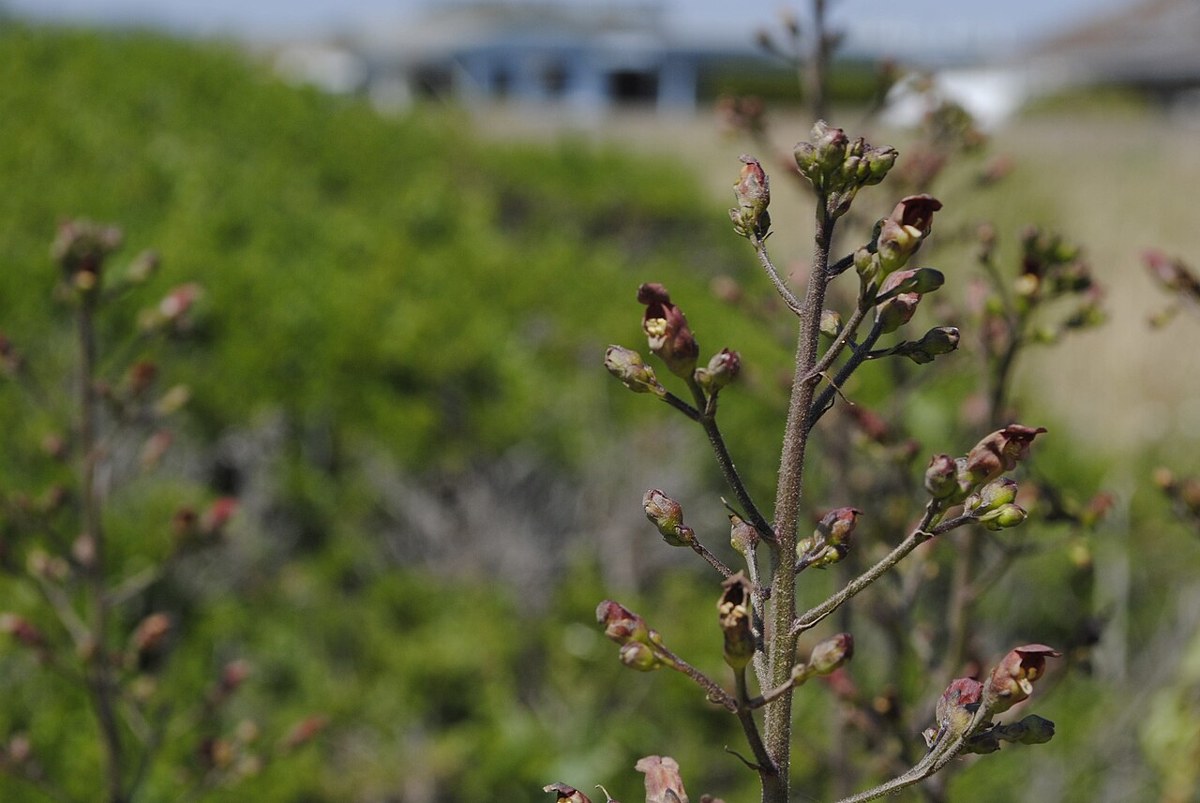
California bee plant flowering on a coastal bluff. Photo: Wikimedia Commons (CC BY-SA 2.0) Scrophularia californica, known as California bee plant or California figwort, is
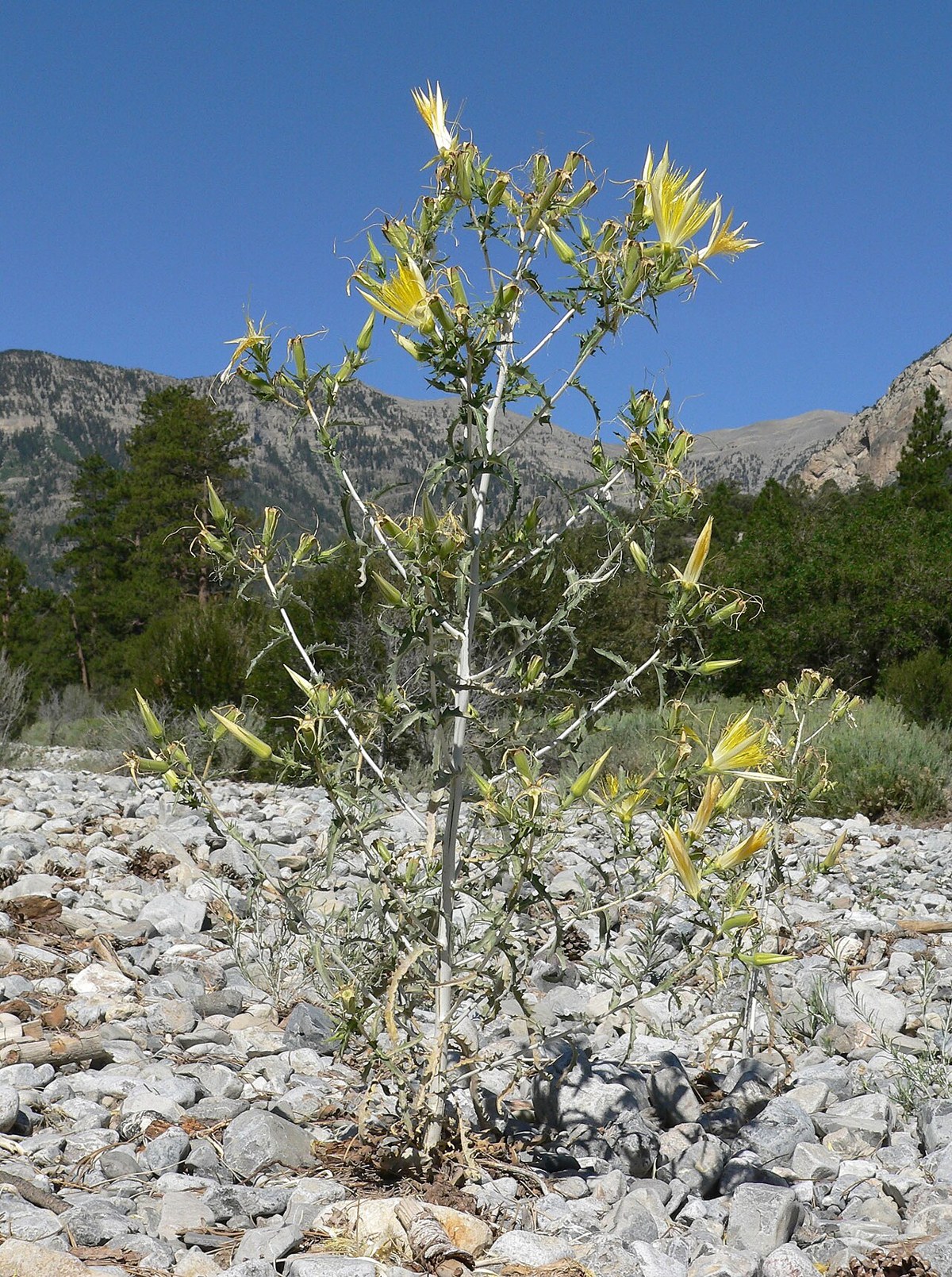
Blazing star on a rocky slope in Nevada’s Spring Mountains. Photo: Stan Shebs, Wikimedia Commons (CC BY-SA 3.0) Mentzelia laevicaulis, commonly called blazing star or
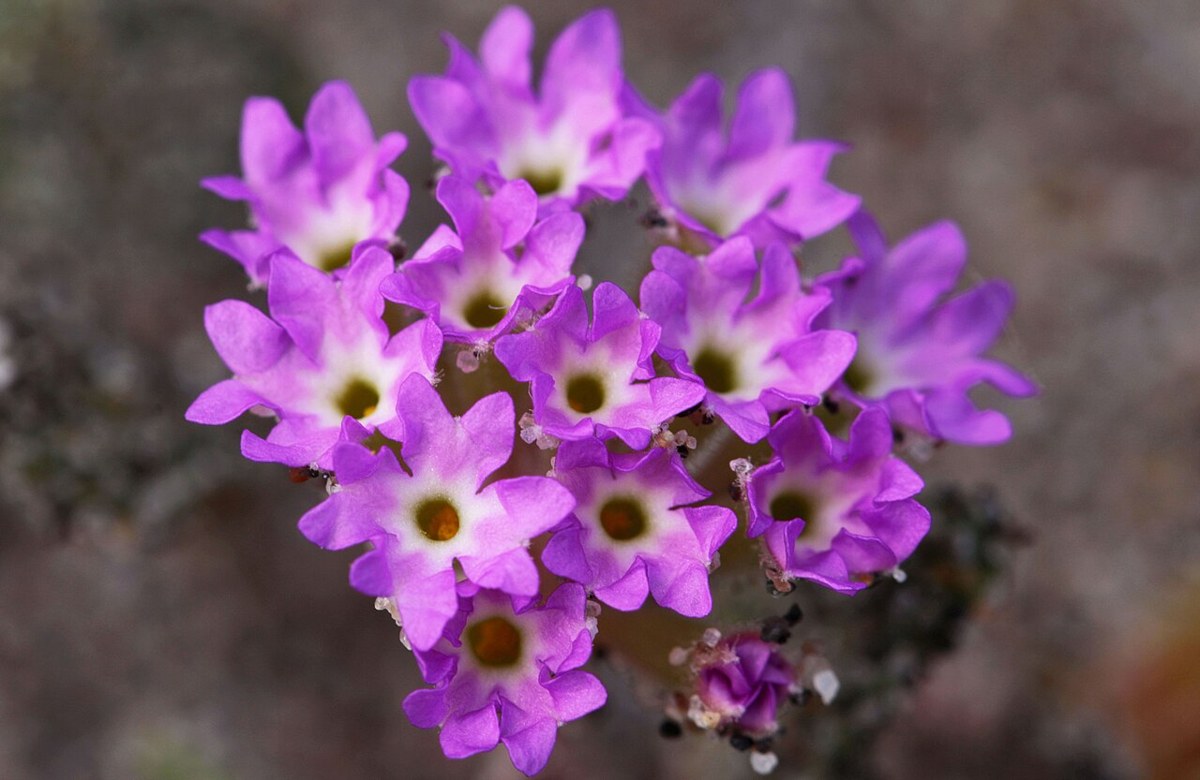
Beach sand verbena flowering on open coastal dune sand. Photo: USFWS (Public domain) Abronia umbellata, commonly known as beach sand verbena or pink sand verbena,
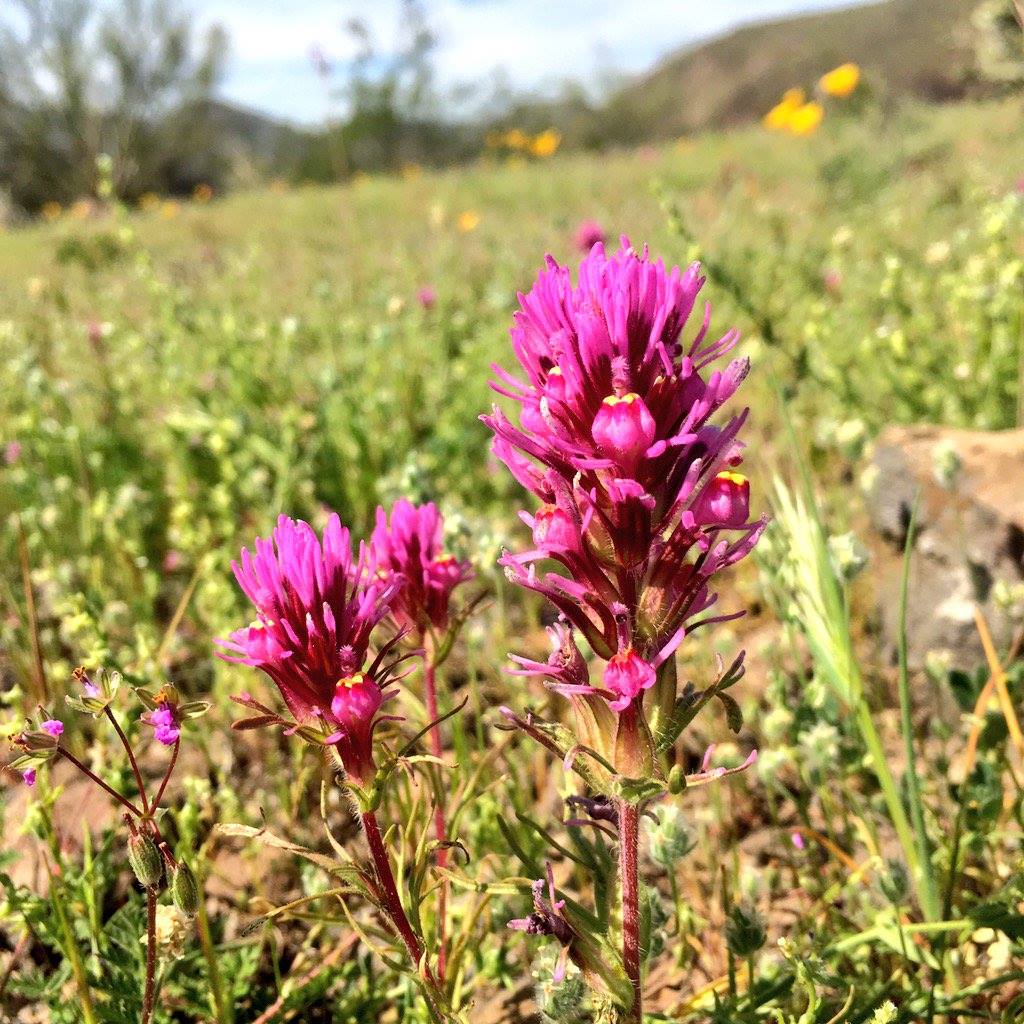
Purple owl’s clover blooming during an Arizona wildflower superbloom. Photo: Bureau of Land Management, Wikimedia Commons (Public Domain) Castilleja exserta, commonly called purple owl’s clover
View More