
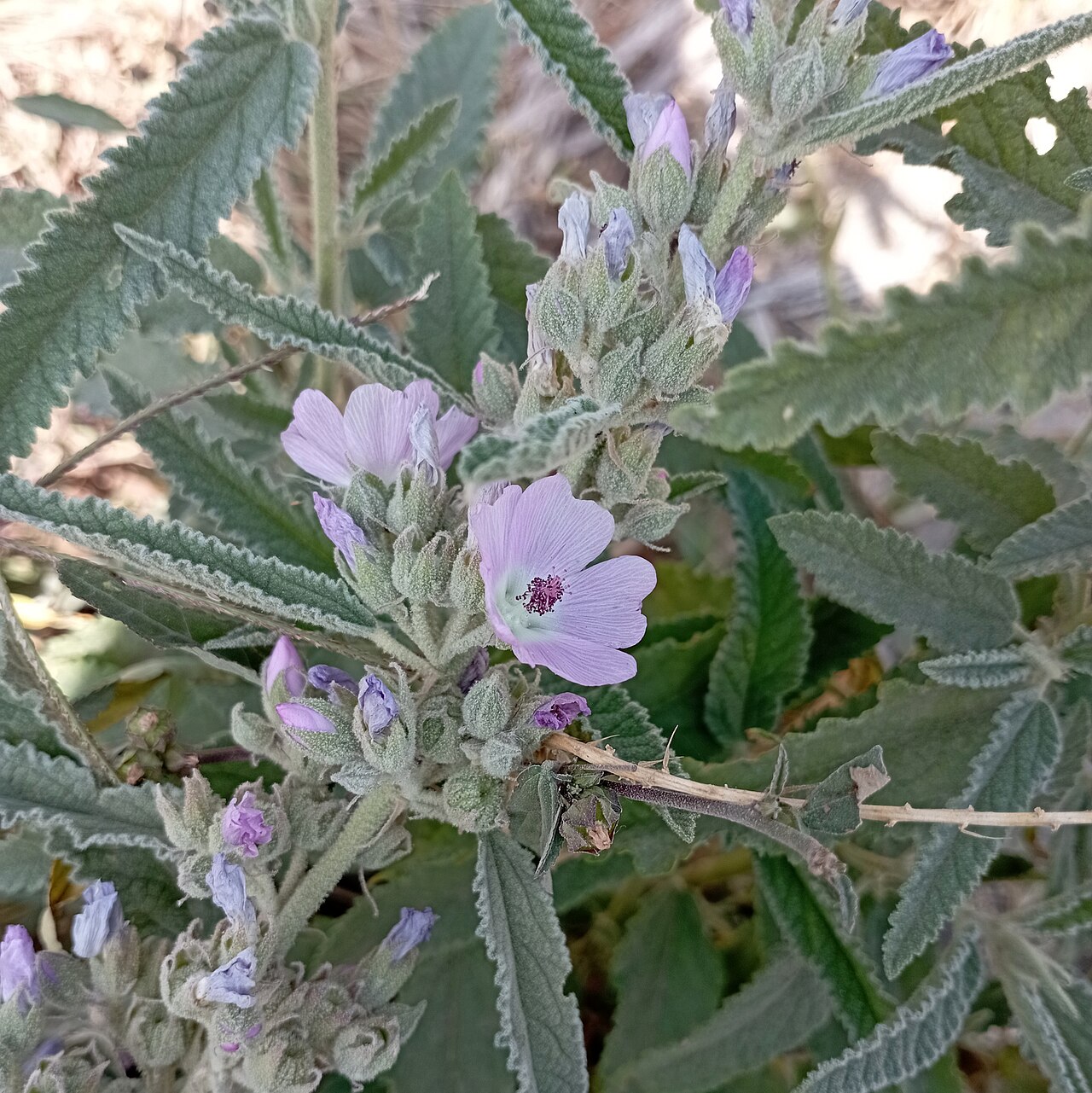
Copper globemallow in flower, showing its characteristically toothed, felt-textured leaves. Photo: Wikimedia Commons (CC BY-SA 4.0) Sphaeralcea angustifolia, commonly called Copper Globemallow or narrow-leaved globemallow,
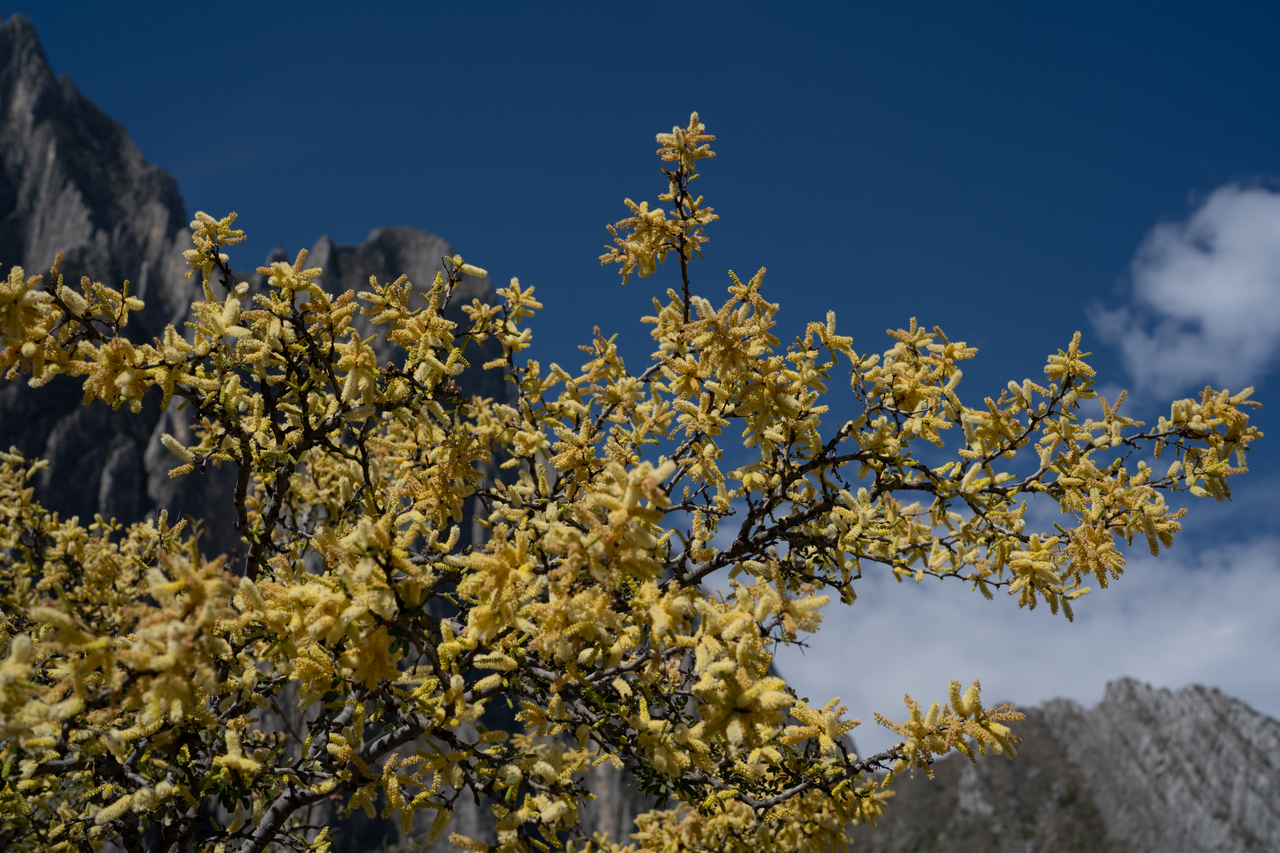
Blackbrush acacia in full bloom, its branches covered in fragrant pale-yellow puffball flower clusters. Photo: Wikimedia Commons (CC BY 4.0) Vachellia rigidula, known to most
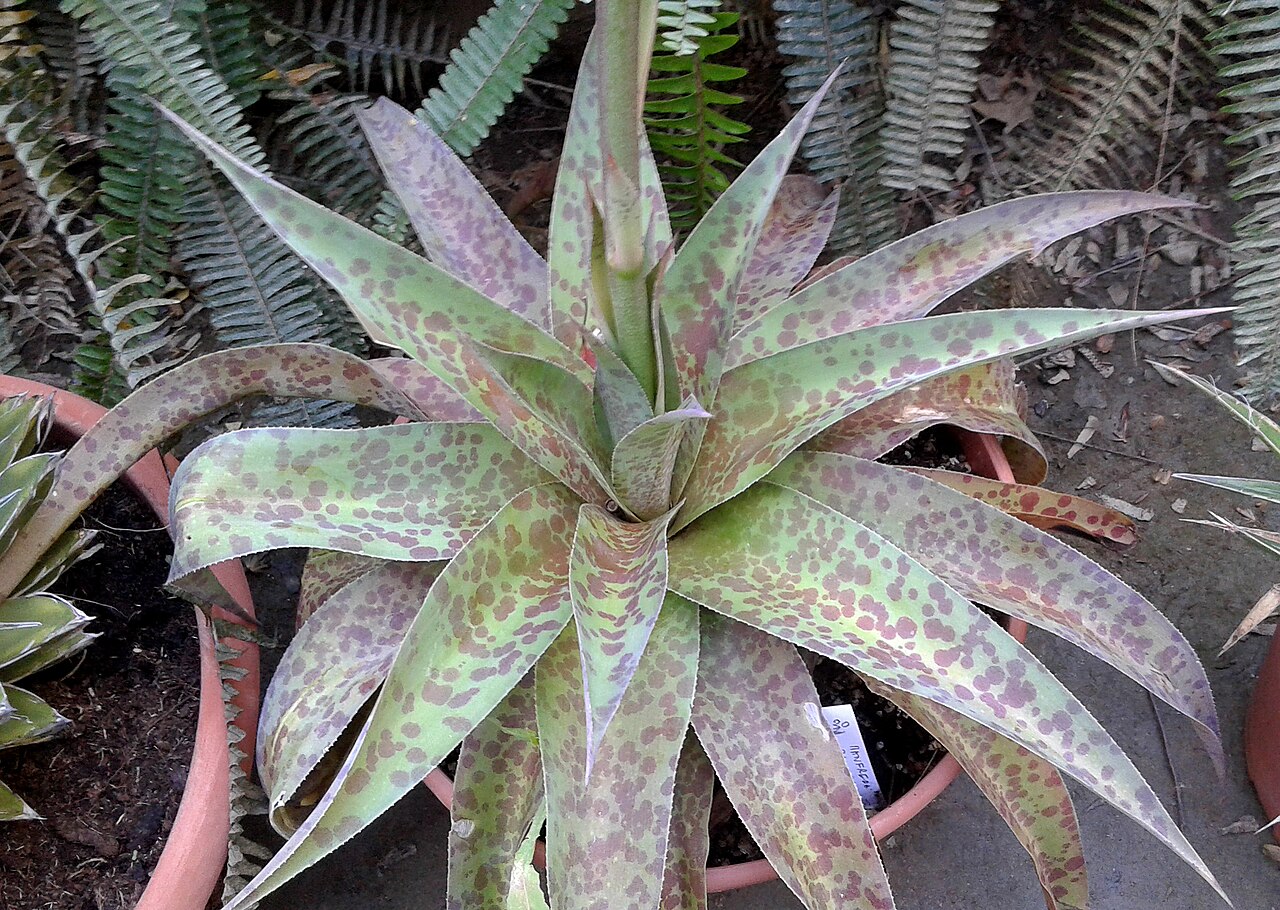
The striking purple-spotted rosette of Texas Tuberose, a South Texas succulent grown as much for its foliage as its flowers. Photo: Consultaplantas, Wikimedia Commons (CC
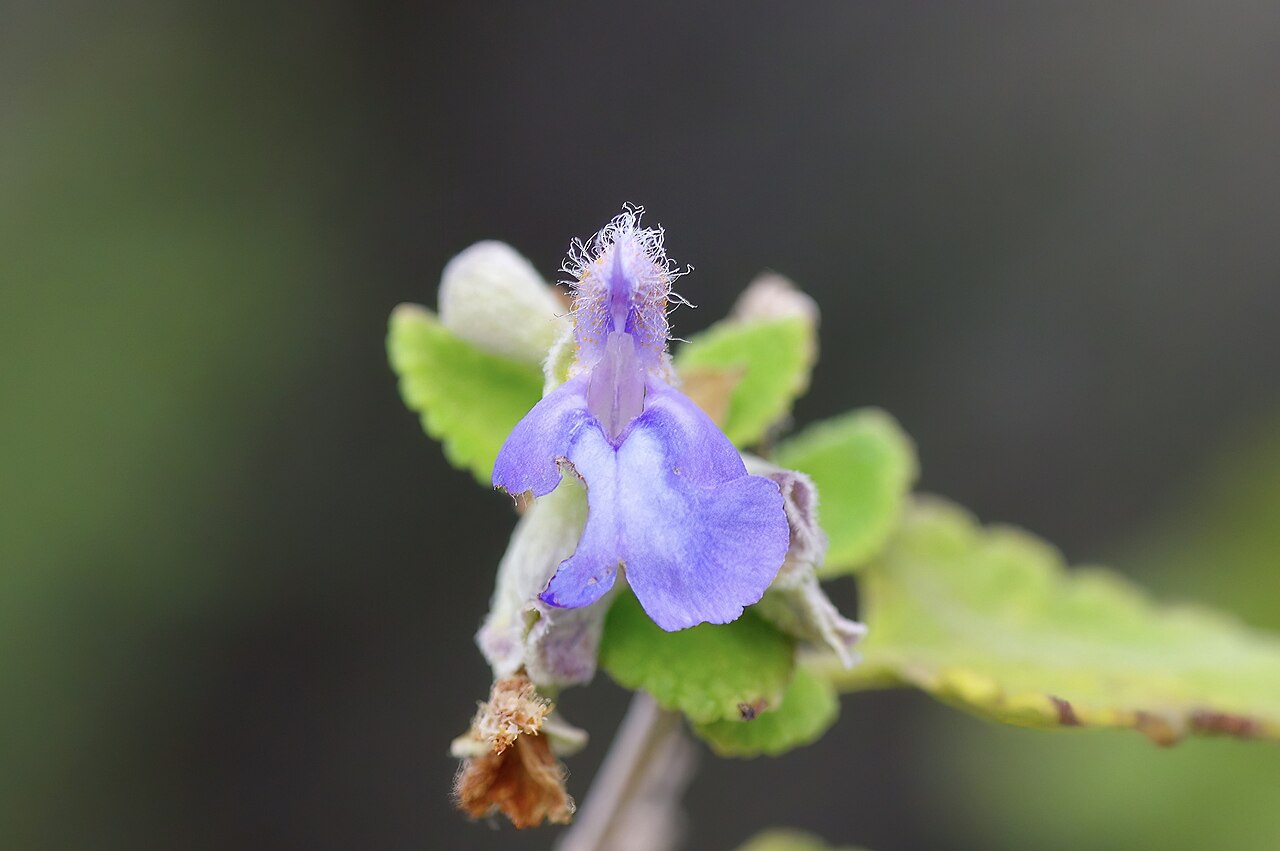
The small violet-blue flowers of Shrubby Blue Sage, each with a tuft of white filaments at the throat. Photo: Michelle W. (鍾偉瑋), iNaturalist (CC BY
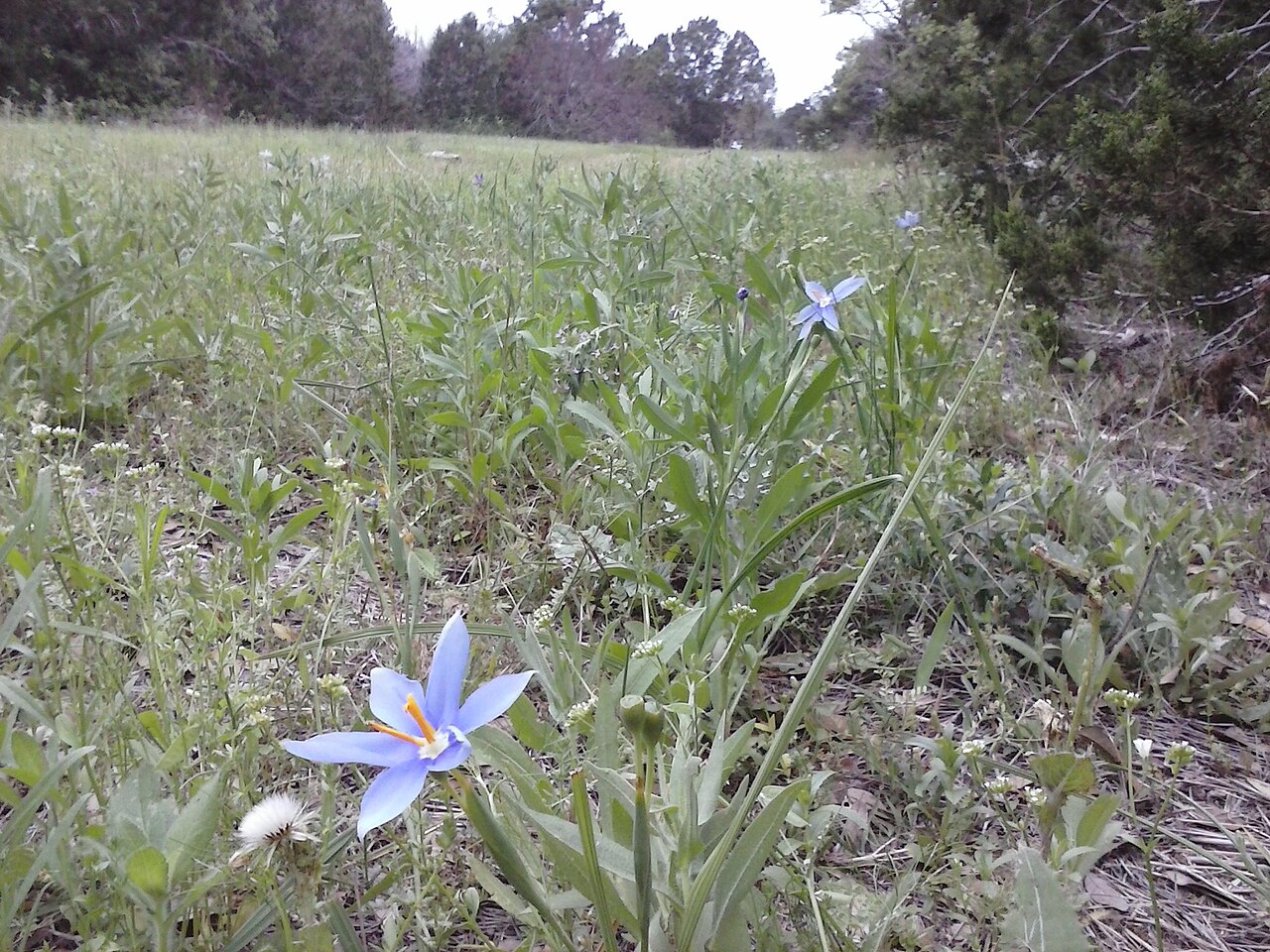
Prairie Celestial Lily scattered through native grassland, its sky-blue flowers opening for just a single morning. Photo: Wikimedia Commons (CC BY 3.0) Nemastylis geminiflora, commonly
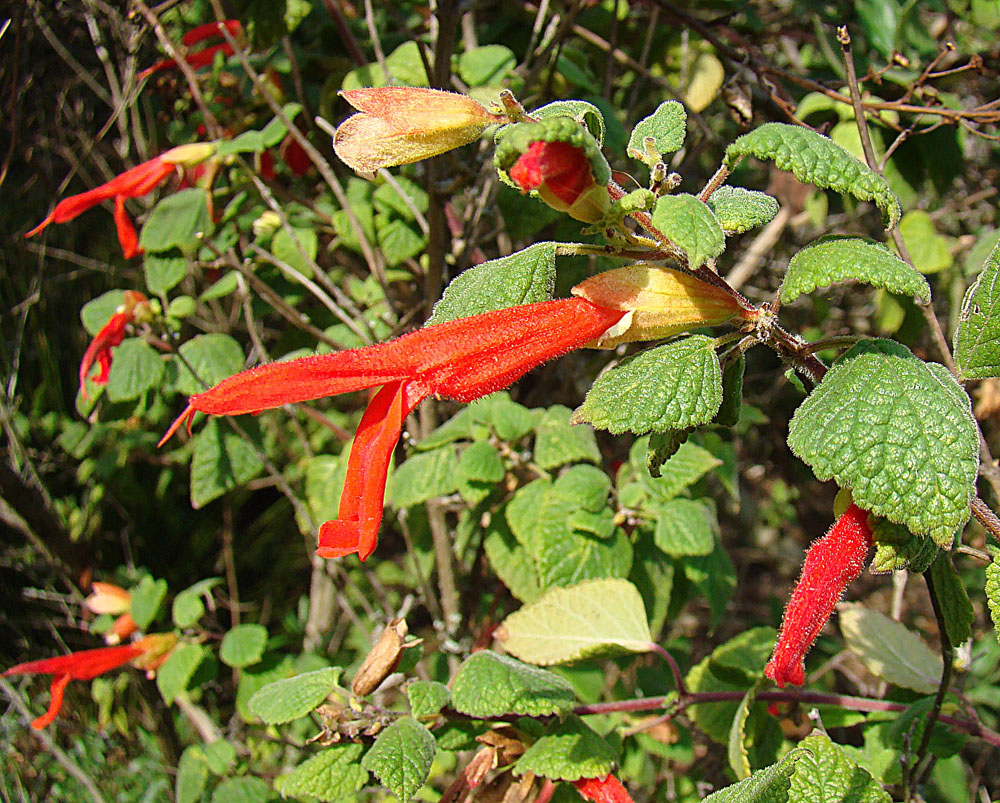
Mountain sage in bloom, its tubular orange-red flowers held above crinkled, aromatic leaves. Photo: Dick Culbert (CC BY 2.0) Salvia regla, commonly called Mountain Sage,
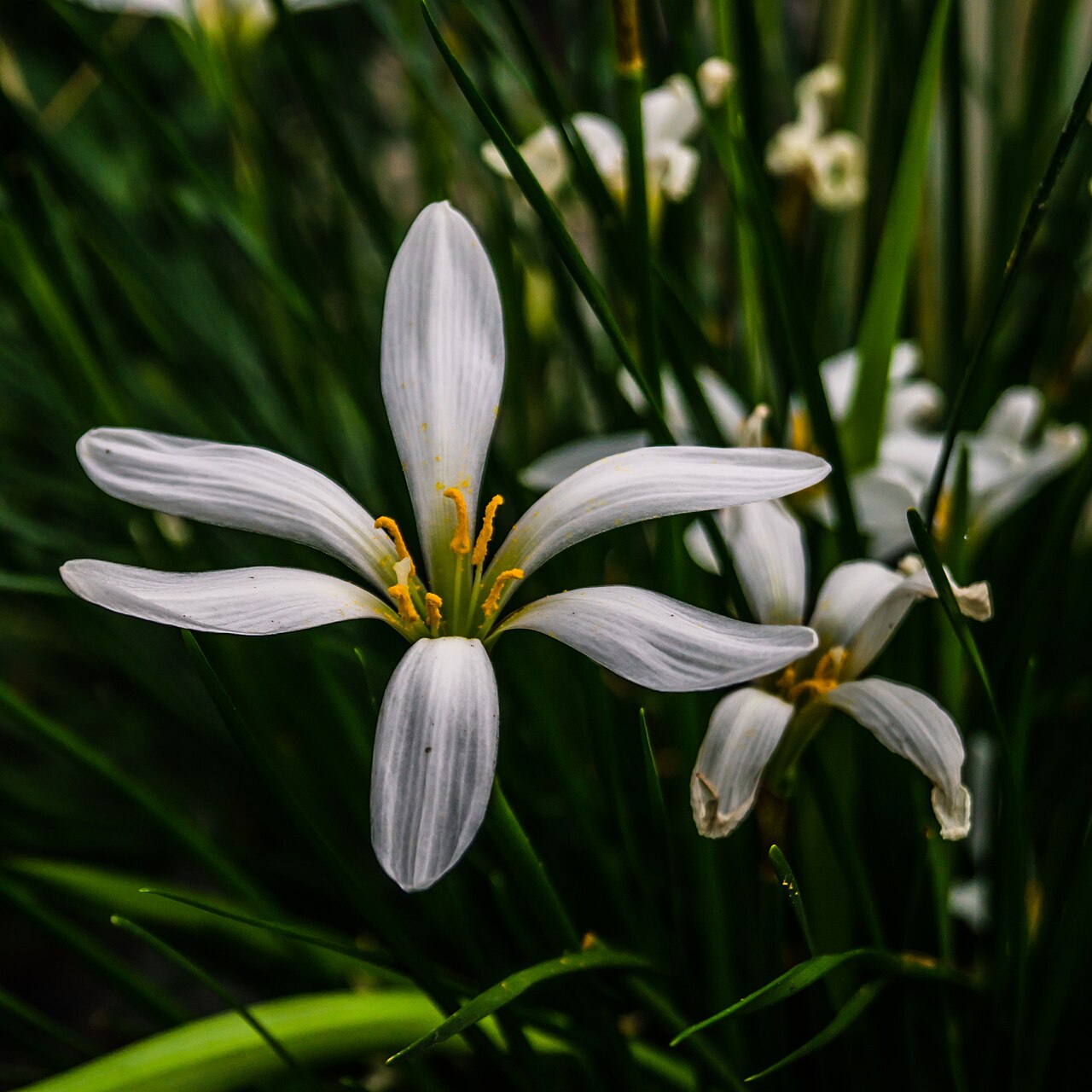
Giant Rain Lily in bloom, with its large, star-shaped white flowers rising above grassy, strap-like leaves. Photo: Haller1962, Wikimedia Commons (CC BY-SA 4.0) Zephyranthes drummondii
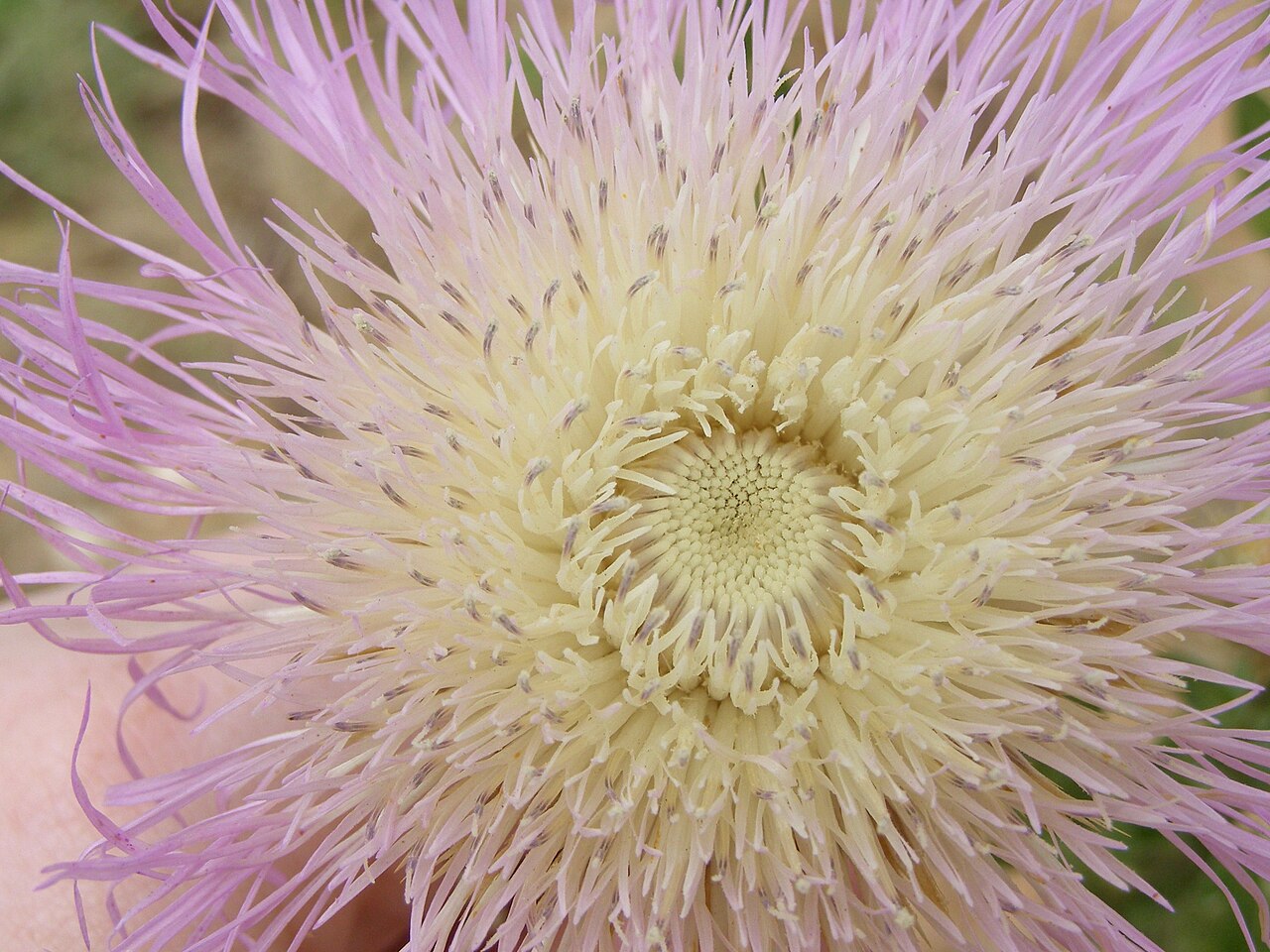
The large, fringe-petaled bloom of American Basketflower, with its distinctive pale cream center. Photo: user:pschemp, Lubbock, Texas, Wikimedia Commons (CC BY-SA 3.0) Centaurea americana (also
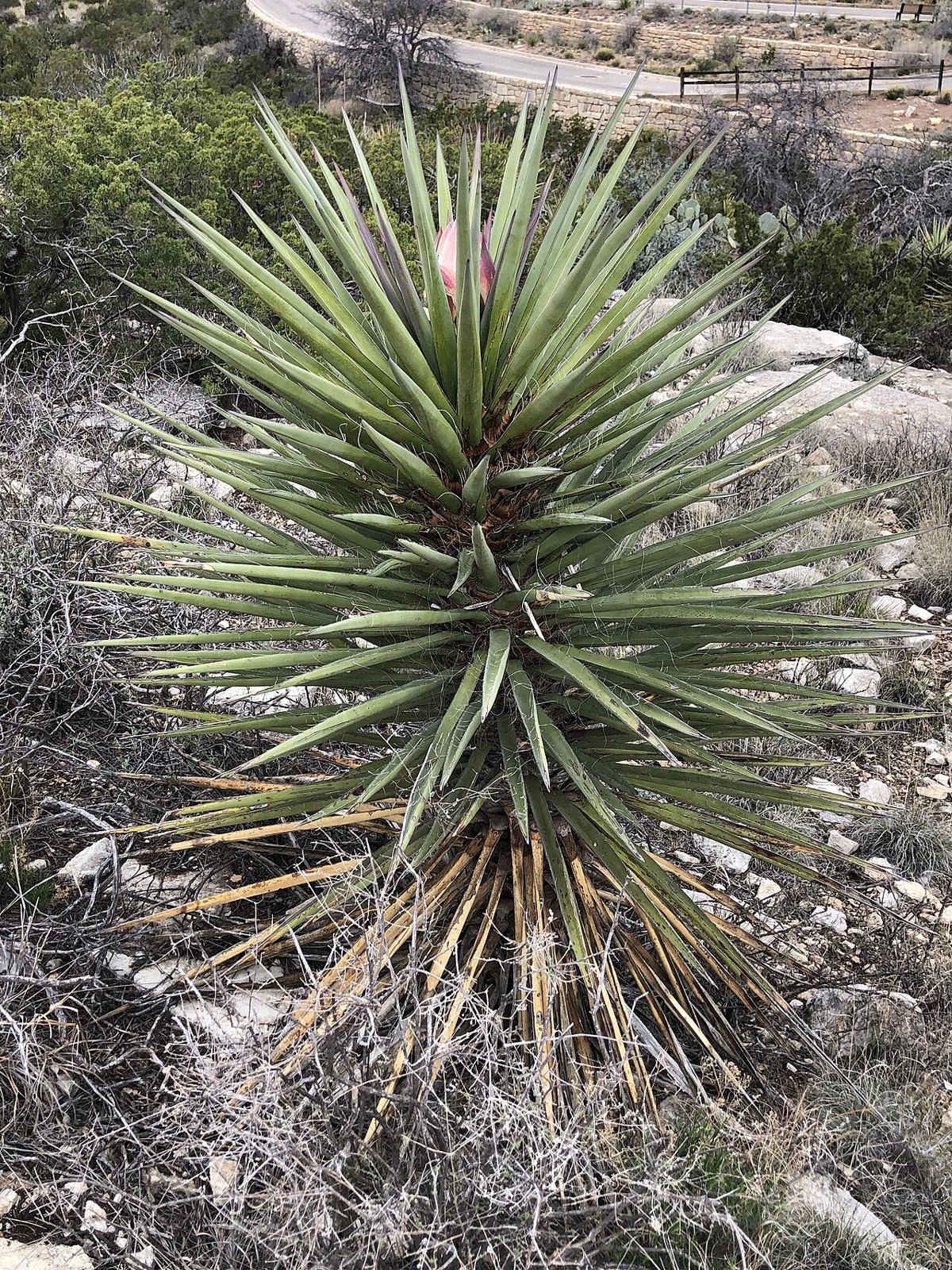
Torrey Yucca’s dense, spine-tipped rosette, photographed from above as a flower stalk begins to emerge. Photo: Kailey Day / NPS (Public domain) Yucca torreyi, commonly
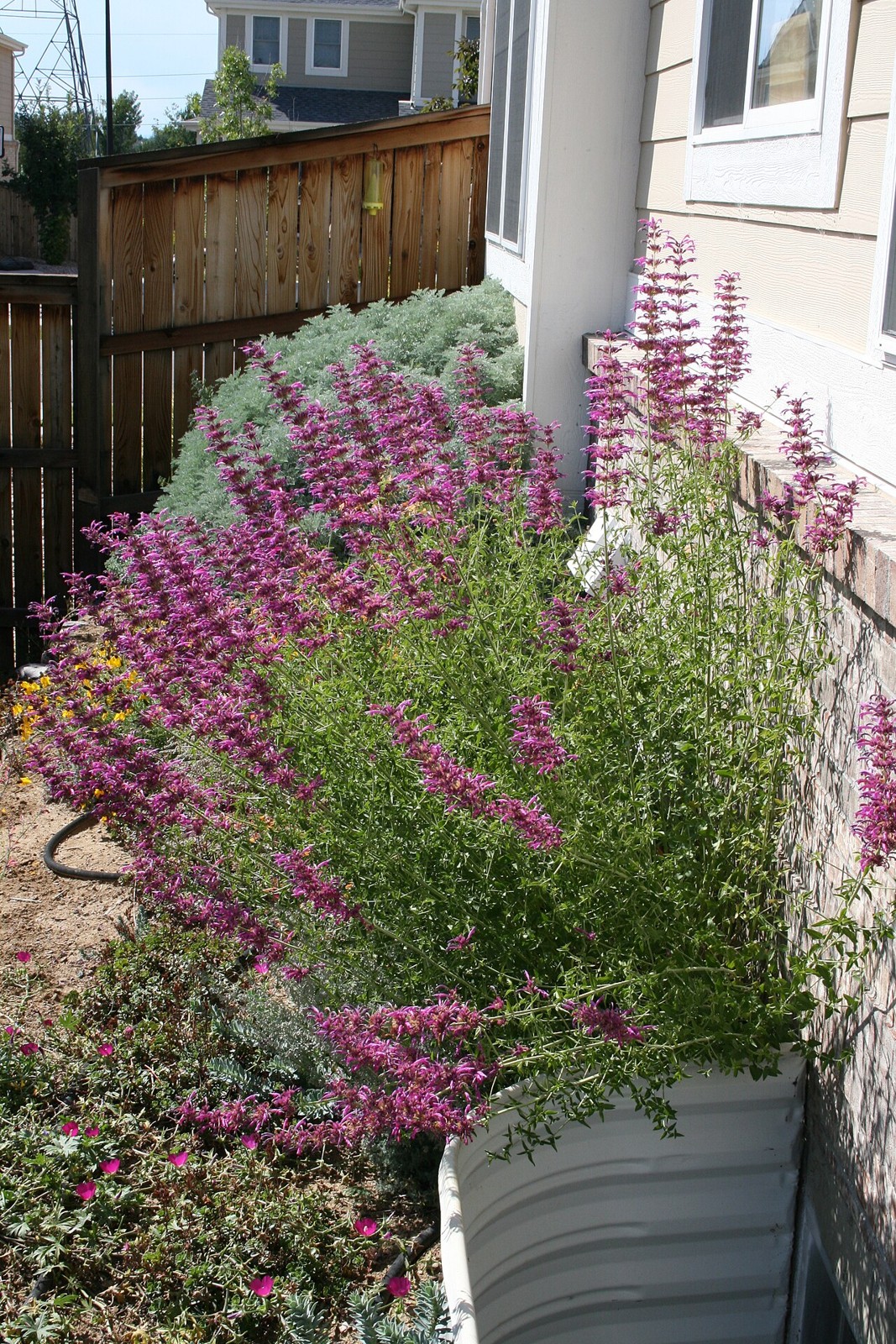
Texas Hummingbird Mint in full late-summer bloom, showing its dense spikes of raspberry-pink flowers. Photo: Patrick Standish / Wikimedia Commons (CC BY 2.0) Agastache cana,
View More