
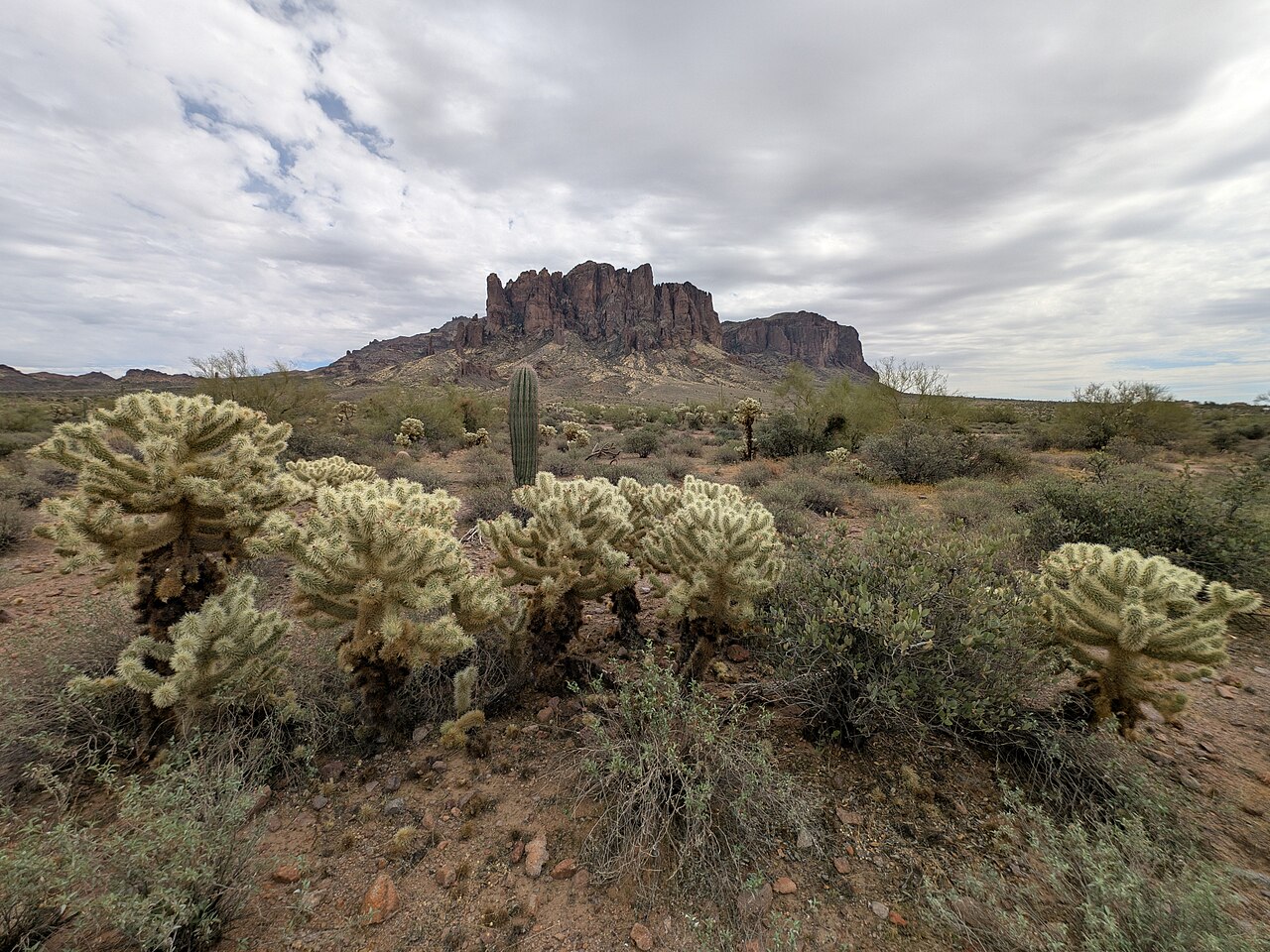
Teddy bear cholla at Lost Dutchman State Park, Arizona. Photo: Krzysztof Ziarnek, Kenraiz, Wikimedia Commons (CC BY-SA 4.0) Cylindropuntia bigelovii, commonly called teddy bear cholla
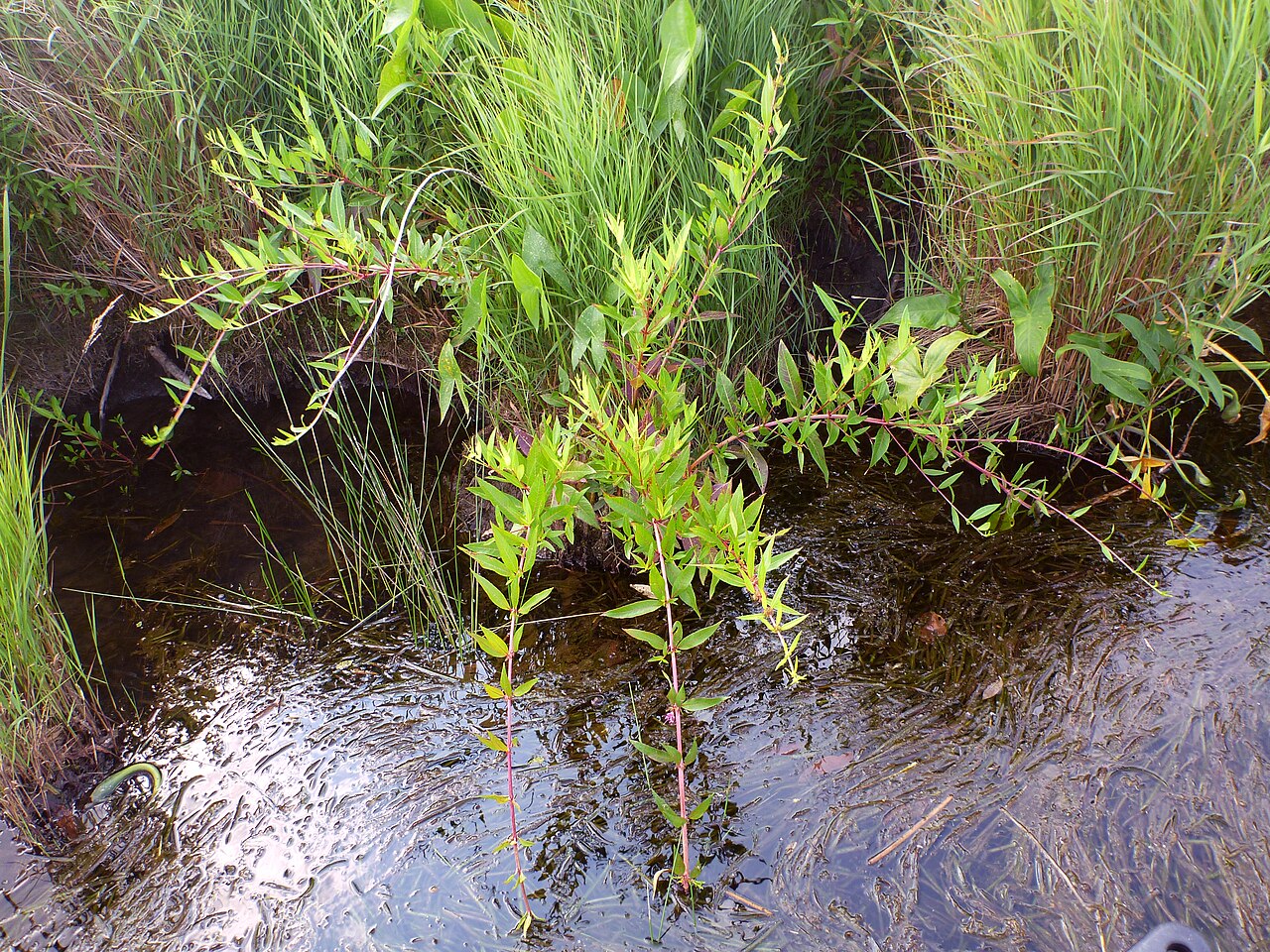
Swamp loosestrife’s arching stems root wherever the tips touch mud or shallow water, in Oswego County, New York. Photo: Antepenultimate, Wikimedia Commons (CC BY-SA 4.0)
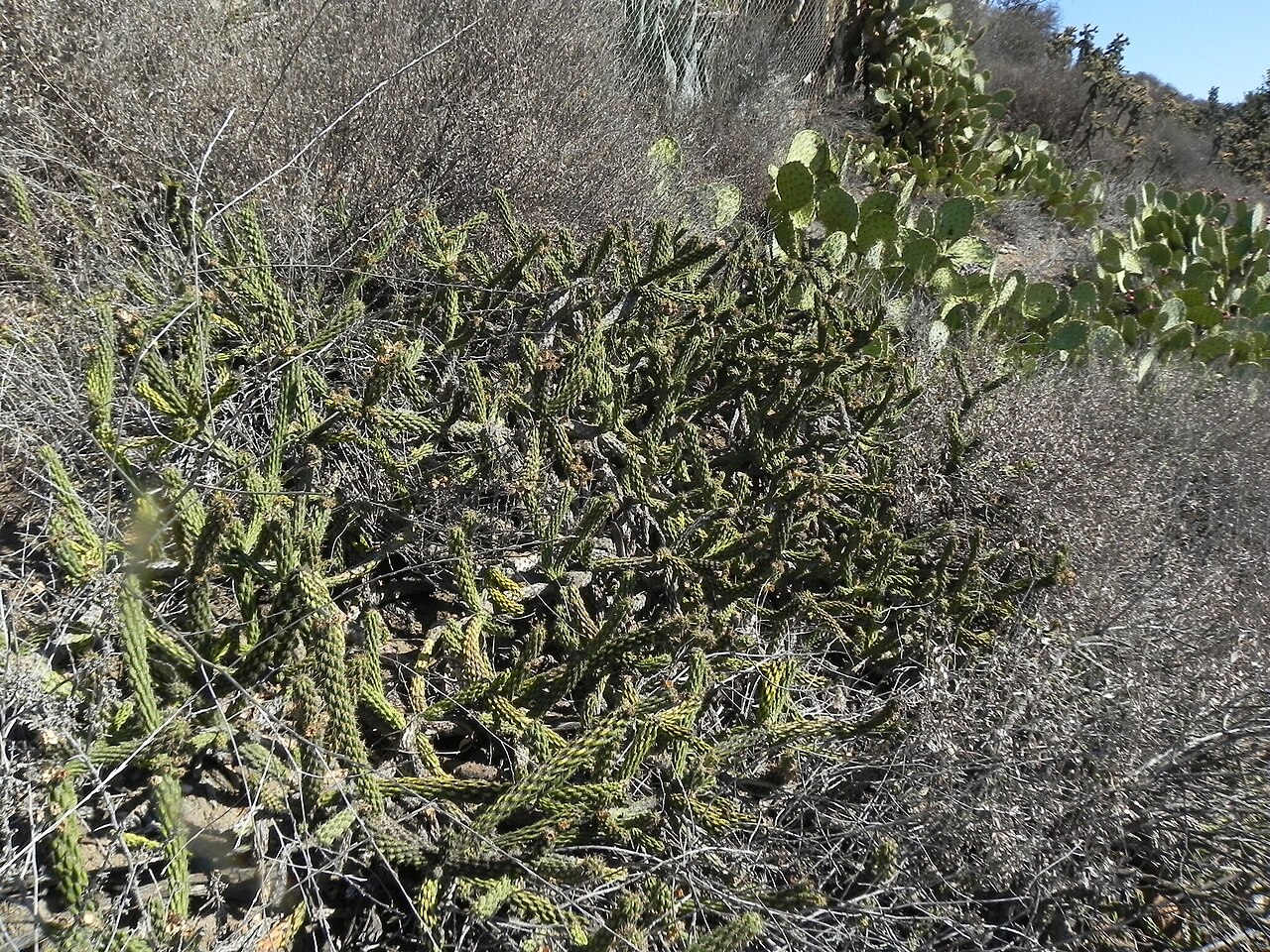
A low, sprawling colony of California cholla on a San Diego County hillside, with prickly pear behind it. Photo: Wikimedia Commons (CC0) Cylindropuntia californica, commonly
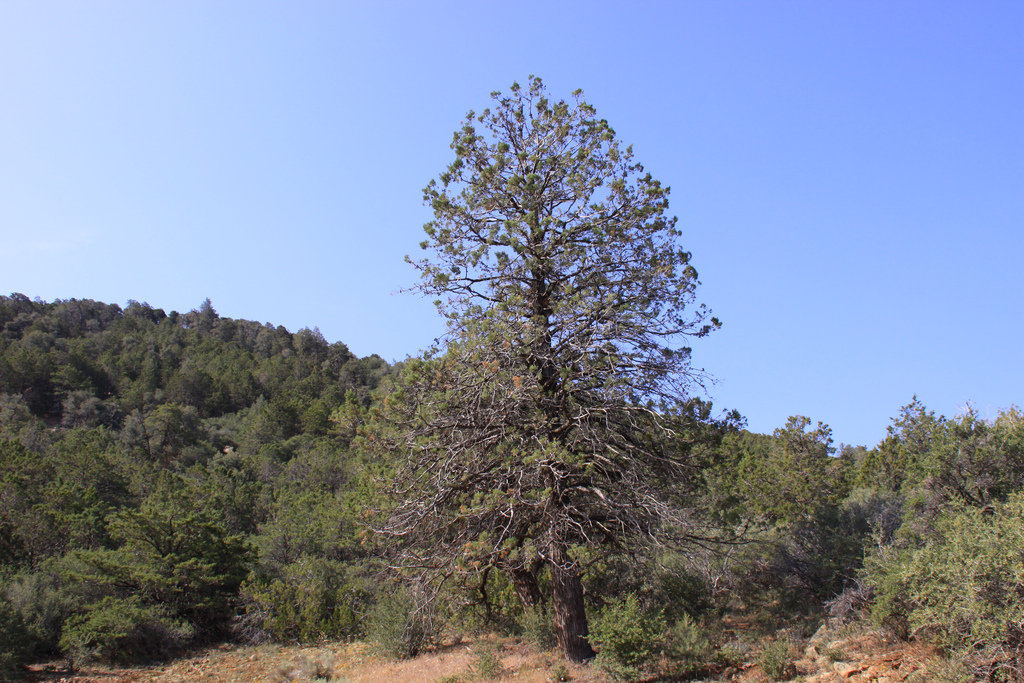
A Piute cypress on Piute Mountain, Sierra Nevada, growing in the dry pinyon-juniper and oak woodland typical of the species. Photo: Rick Sharloch, via Wikimedia
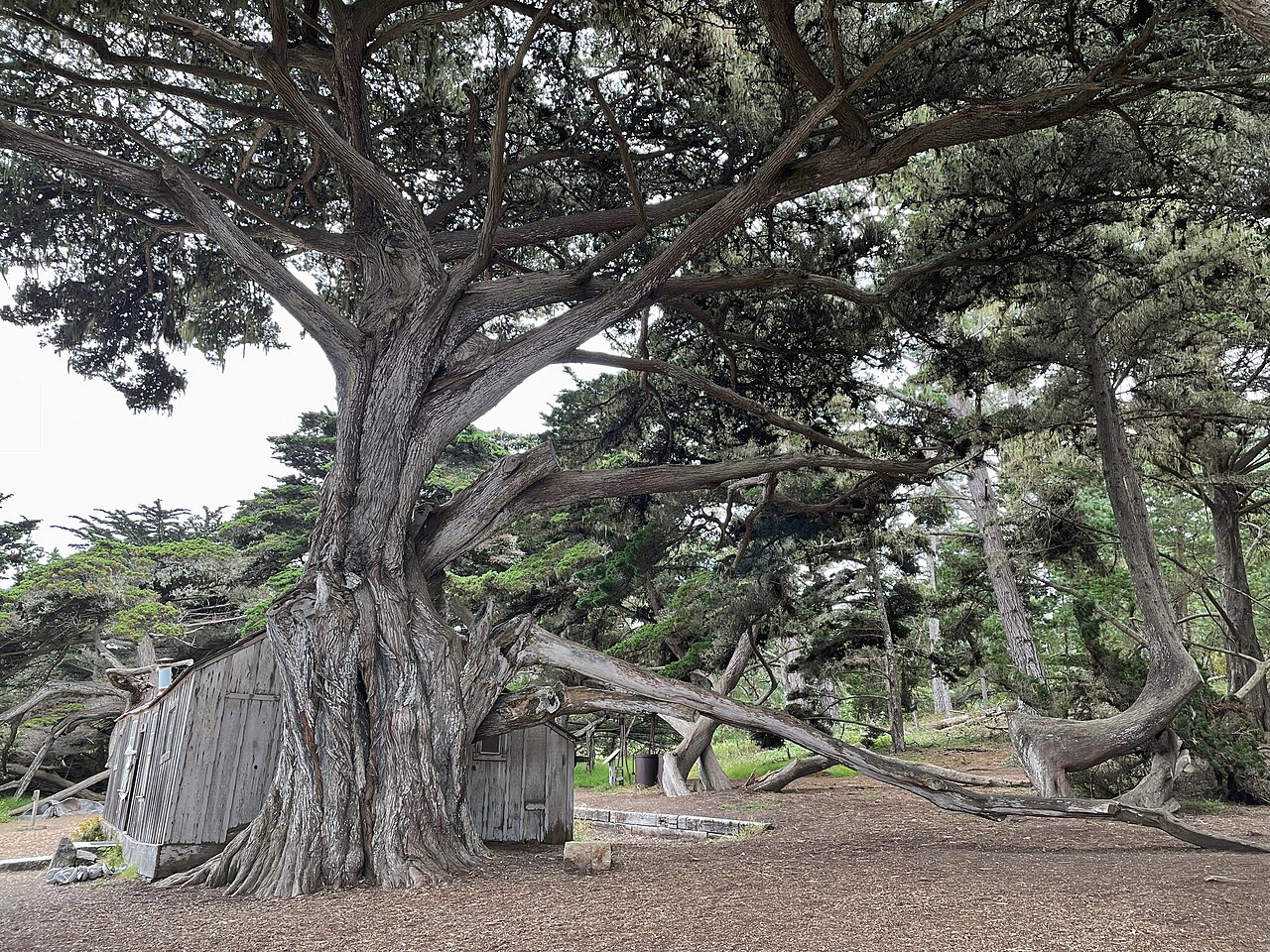
An old Monterey cypress with a massive, gnarled trunk at Point Lobos State Natural Reserve, one of the species’ two native groves. Photo: Marty Aligata,
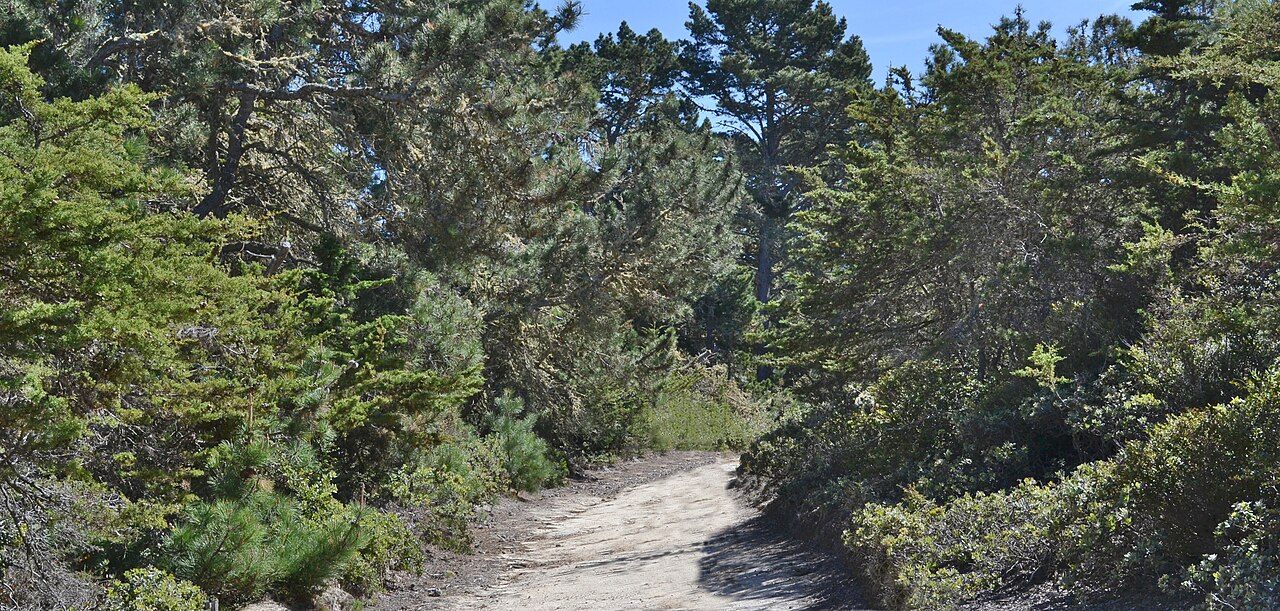
Gowen cypress (smaller trees) growing with Monterey pine at the SFB Morse Botanical Reserve, Huckleberry Hill, Monterey County. Photo: JOE BLOWE, via Wikimedia Commons (CC
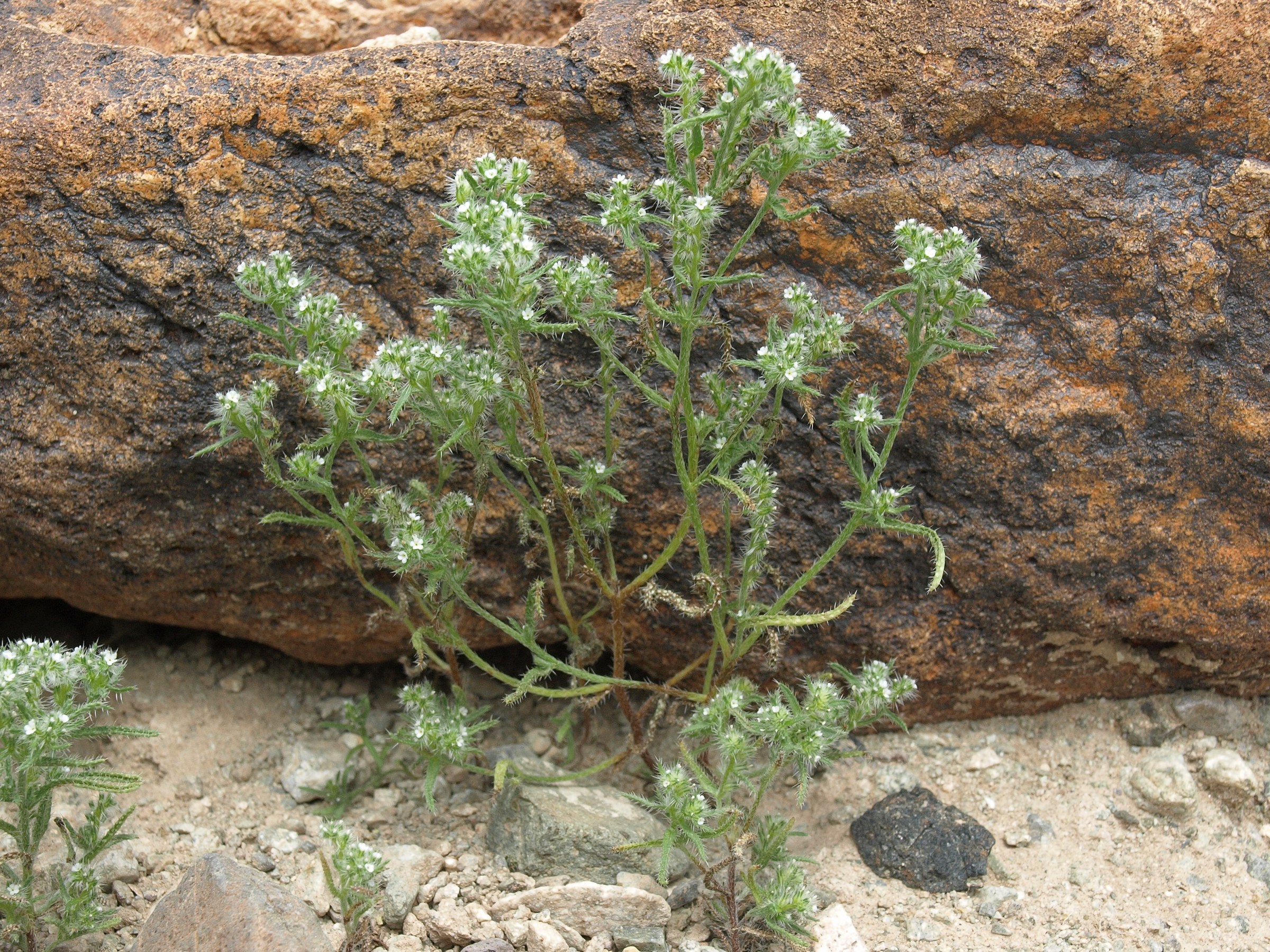
A flowering Panamint cryptantha growing from gravelly desert soil in the Eldorado Mountains, Nevada. Photo: Jim Morefield, Wikimedia Commons (CC BY-SA 2.0) Cryptantha angustifolia, commonly
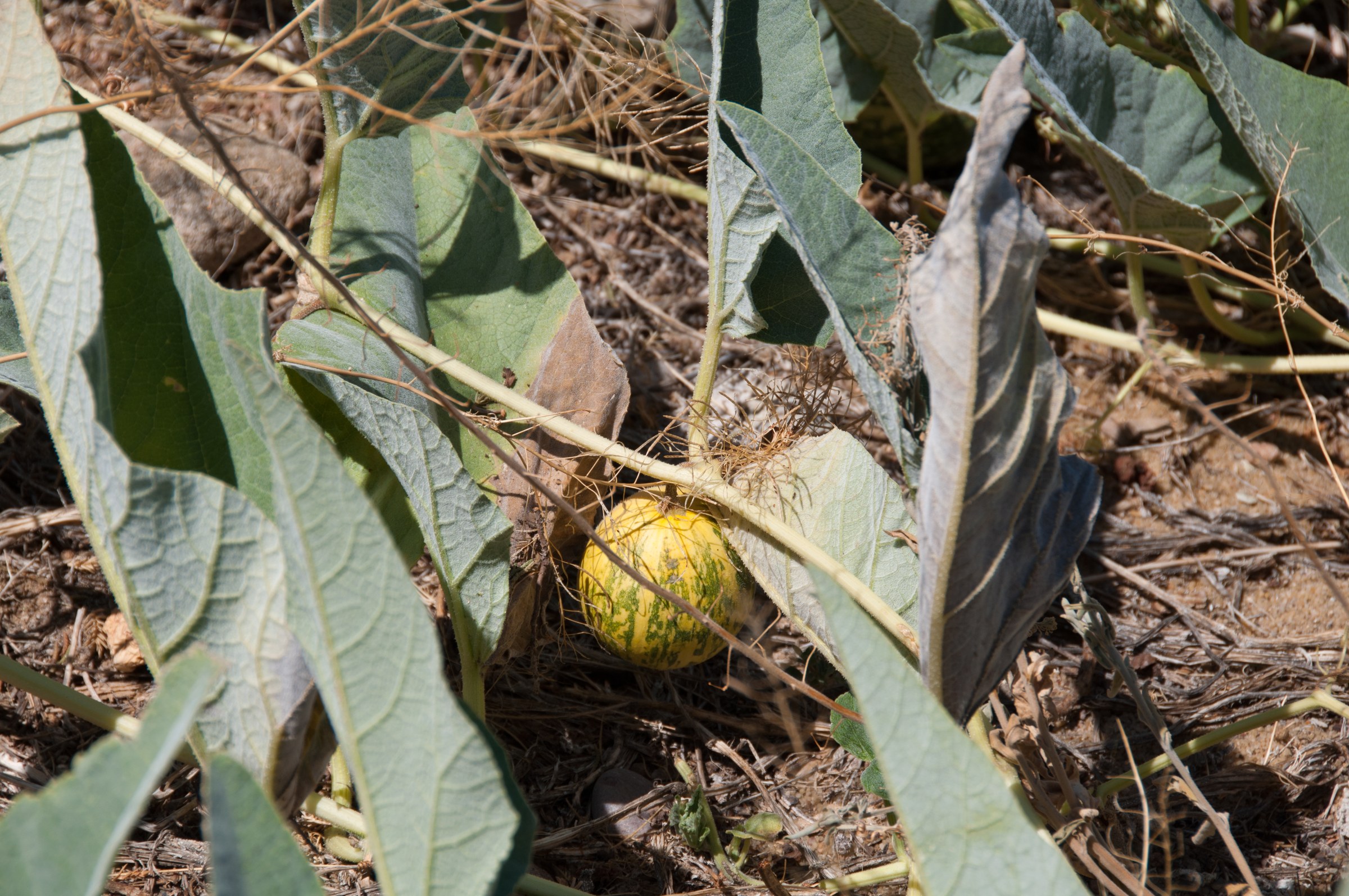
A buffalo gourd vine sprawling across dry ground, its large felted leaves shading a developing fruit. Photo: Paul Asman and Jill Lenoble, Wikimedia Commons (CC
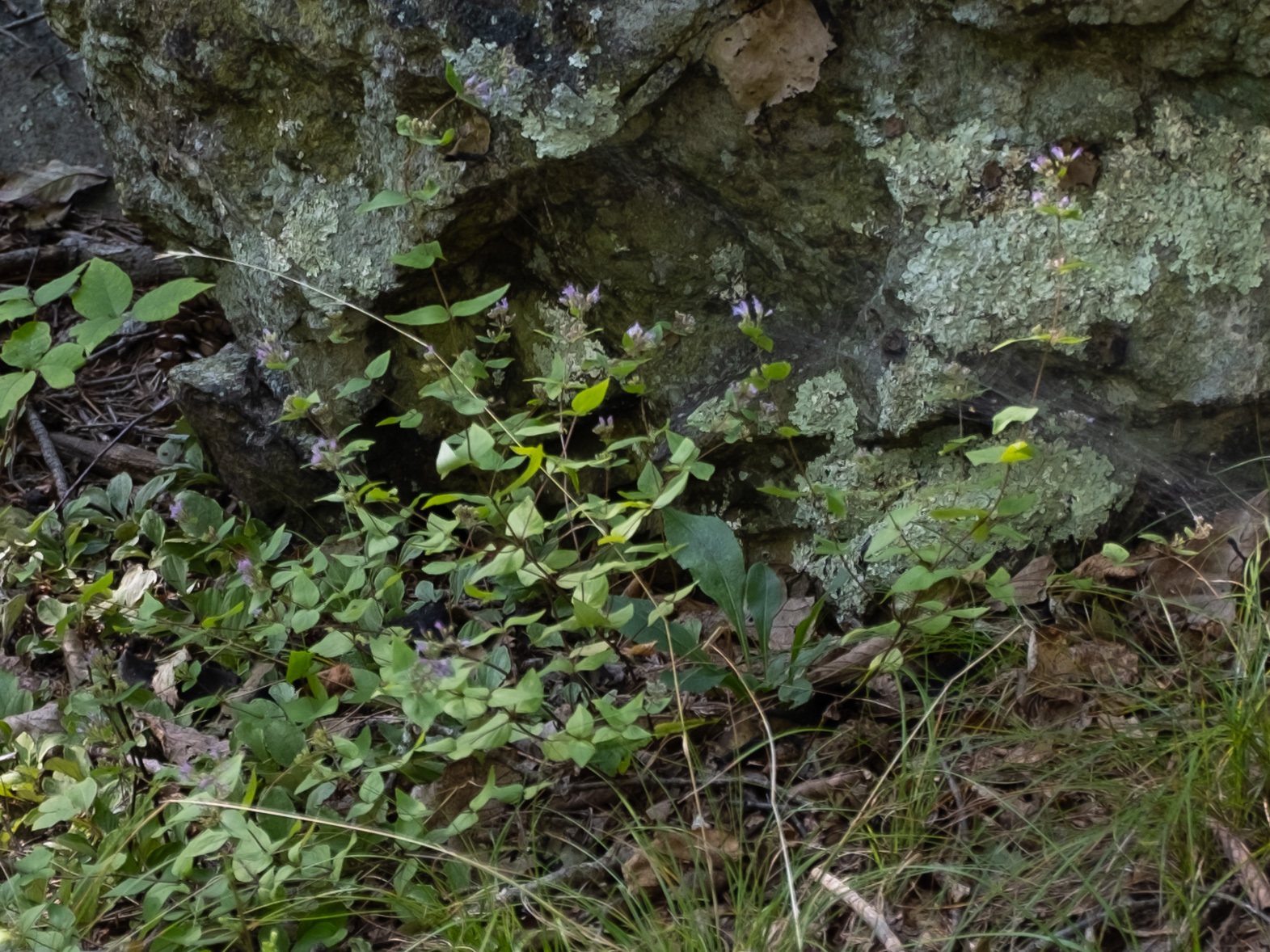
American dittany growing in its classic habitat: thin, rocky soil at the base of a sandstone outcrop. Photo: Alex Abair, Wikimedia Commons (CC BY 4.0)
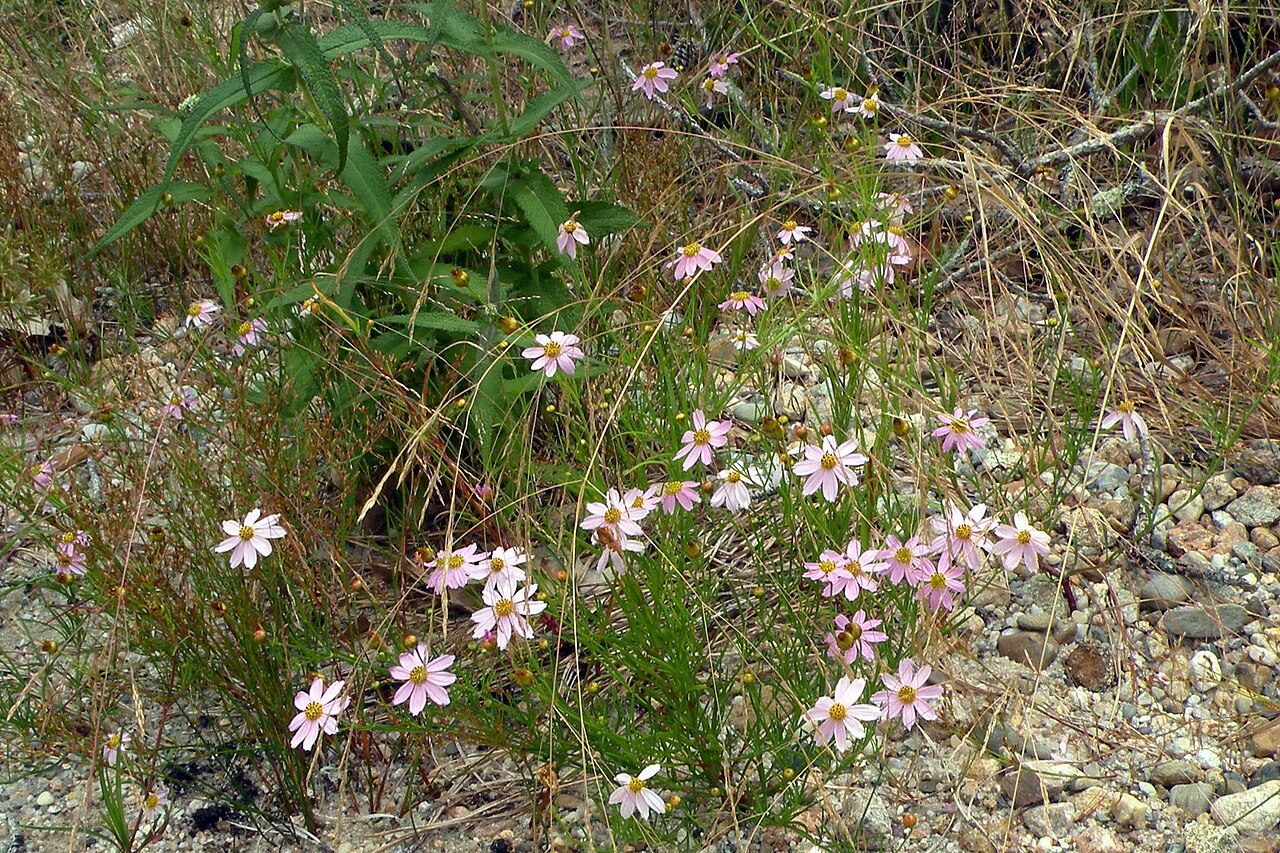
Pink Tickseed flowering on a sandy pond shore in Brewster, Massachusetts. Photo: Doug McGrady, Wikimedia Commons (CC BY 2.0) Coreopsis rosea, commonly called Pink Tickseed
View More