Top 5 Picks: Top Rated Grain Moisture Tester for Native Plant Farms Reviewed
We independently select all products and services. If you click through links we provide, Plant Native may earn a commission with no extra cost to you.
Last updated: November 7, 2026
Grain moisture testers are a must-have for farmers and agronomists who want to keep an eye on the moisture content of their harvested crops. These gadgets help prevent spoilage in storage and make sure your grains are in top shape for selling.
For native plant farms, having a solid tester matters even more. Native seeds and grains often have different moisture needs than your standard crops.
Moisture testers measure electrical resistance or capacitance in the grain, which links directly to water content. Portable handheld models let you check moisture quickly in the field.
Bench-top versions offer more precise readings if you’re working in a lab. Picking the right tester is a balancing act—accuracy, ease of use, and durability all come into play, especially out on the farm.
Think about the calibration range for different crop types, how accurate the tester is, sample size, and how easy it is to keep clean. Battery life and ruggedness really matter since you’ll use these outdoors a lot.
We researched a bunch of testers to find the best options for native plant farms.
Top Rated Grain Moisture Testers for Native Plant Farms
Here are our top picks for grain moisture testers that give you the accurate readings you need for native plant farming. We focused on reliable, user-friendly devices that help protect your crops and make harvest timing easier.
Our top pick
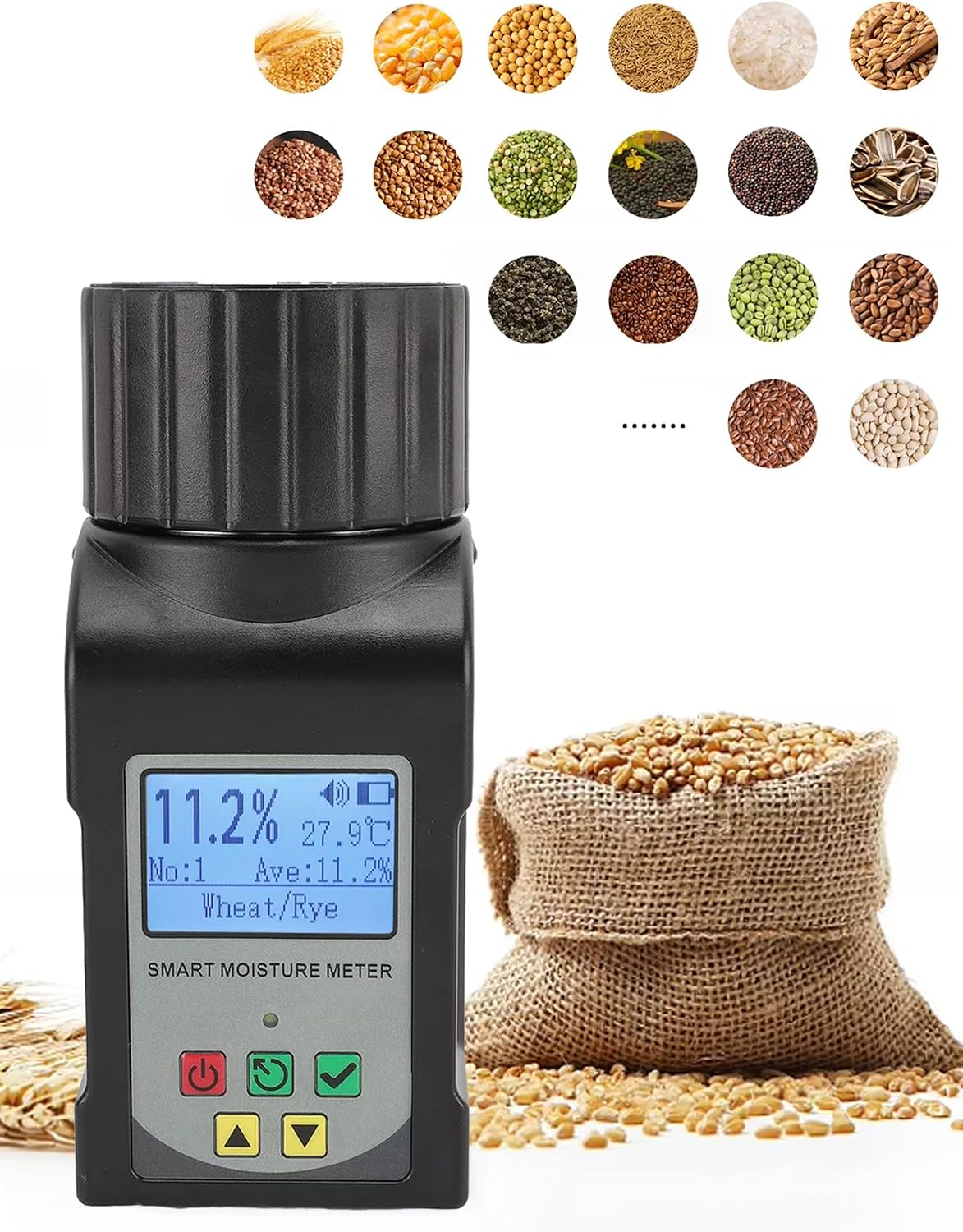
- Automatic temperature compensation
- Works for 25 different grain types
- Data storage for tracking over time
Cons
- Batteries (4 AAA plus a CR-2032) not included
- Few Amazon ratings so far
- Cup design is bulkier than pocket-sized meters
The GS25A covers the widest range of grains in this list, and switching between grain settings makes it handy when you handle many different native crops. Automatic temperature compensation is meant to keep readings consistent in changing weather, and stored readings help with planning harvests and storage.
Budget for batteries, which are sold separately.
Best runner-up
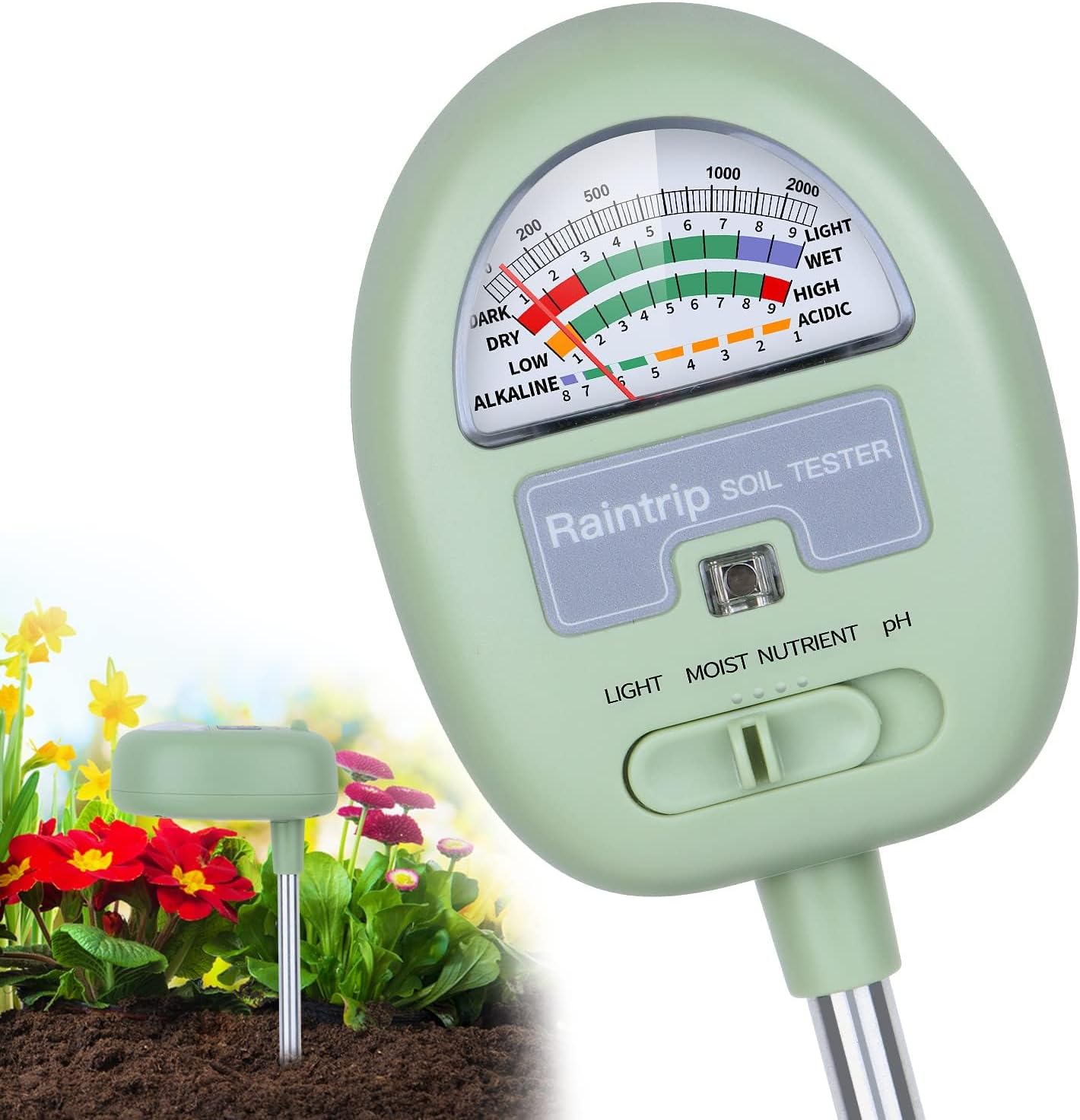
- Measures four soil factors in one device
- Single probe is gentle on roots
- 90° rotating dial so you can read it without bending
- No batteries required
Cons
- Measures soil, not grain moisture
- Probe must go more than 4 inches deep; may not read well in loose soil
- pH readings are approximate
With more than 5,800 Amazon ratings, this is a low-cost way to check moisture, pH, nutrients and light in one tool for general soil health checks. It complements a grain tester rather than replacing one, since it does not measure harvested seed or grain.
Best budget option
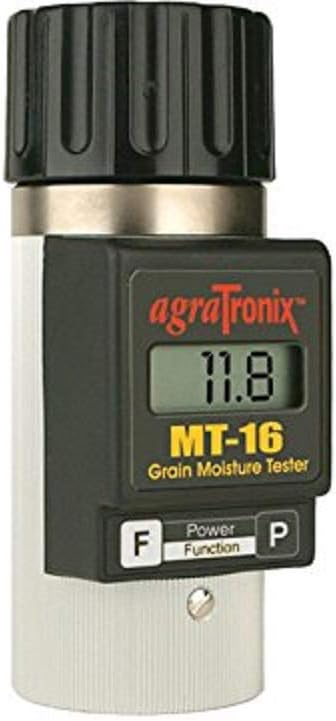
- Handles 16 different grain types
- Backlit, multilingual display for low light
- Can average up to 99 readings
Cons
- Needs two 9V batteries
- Advanced calibration takes some patience
- Priciest tester in this list
AgraTronix is a long-standing grain-tester brand, and the MT-16 is the top-rated meter here at 4.7 stars. Its backlit screen helps with early-morning checks, and the advanced calibration mode lets you match local elevator readings.
It operates from 32° to 113°F and runs on two 9V batteries.
Best premium choice
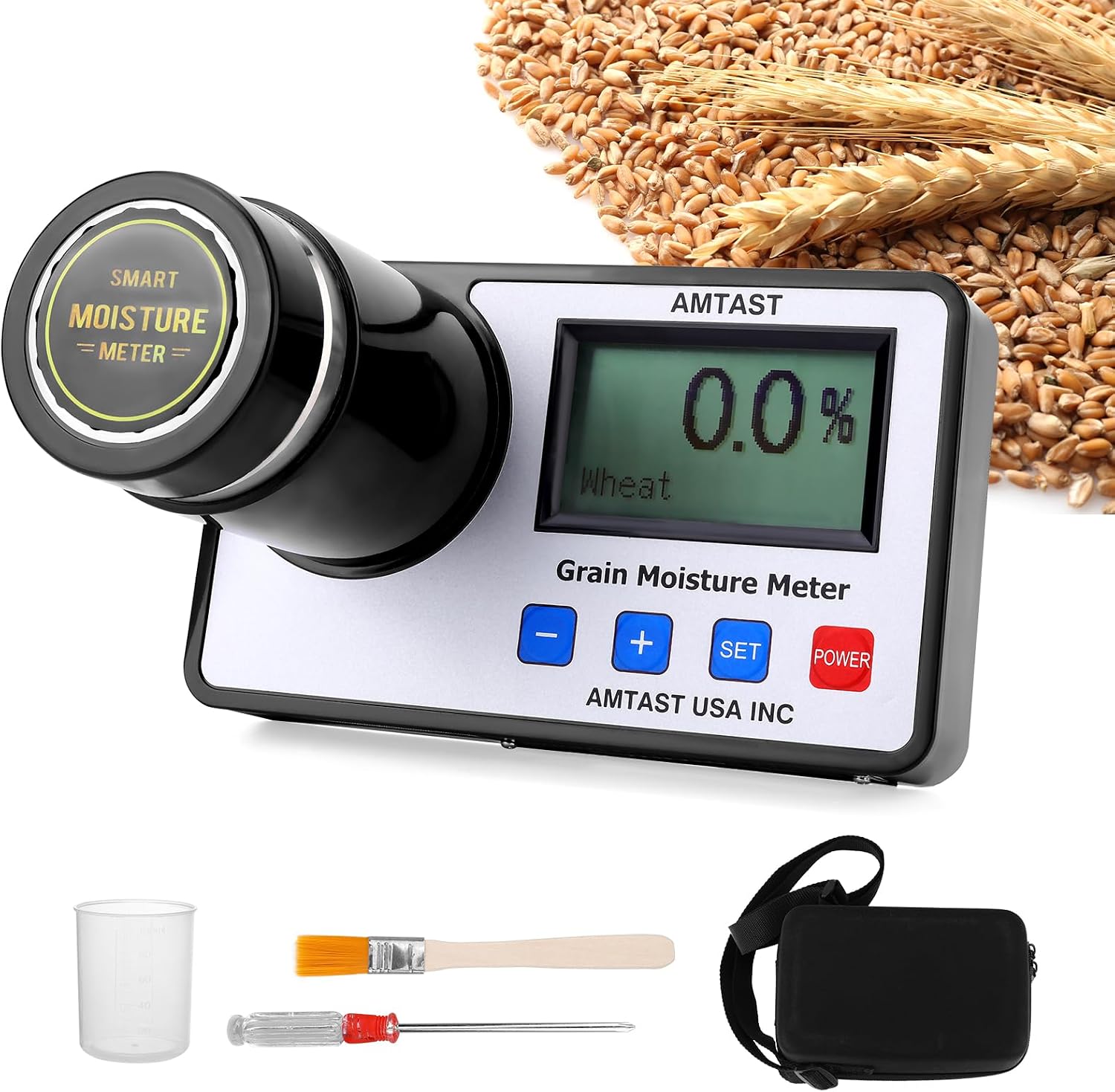
- Works for 22 grain types
- 9V battery rated for up to a year, with auto shutdown
- Built-in temperature compensation
Cons
- Basic interface
- No setting for some grains, such as oats
The AMTAST AMT155 has the most Amazon ratings of the grain testers here (more than 400). Automatic temperature compensation is designed to keep readings steady as conditions change, and auto shutdown stretches battery life.
It doesn’t have a setting for every grain (like oats), so check the list against your crops.
Also great
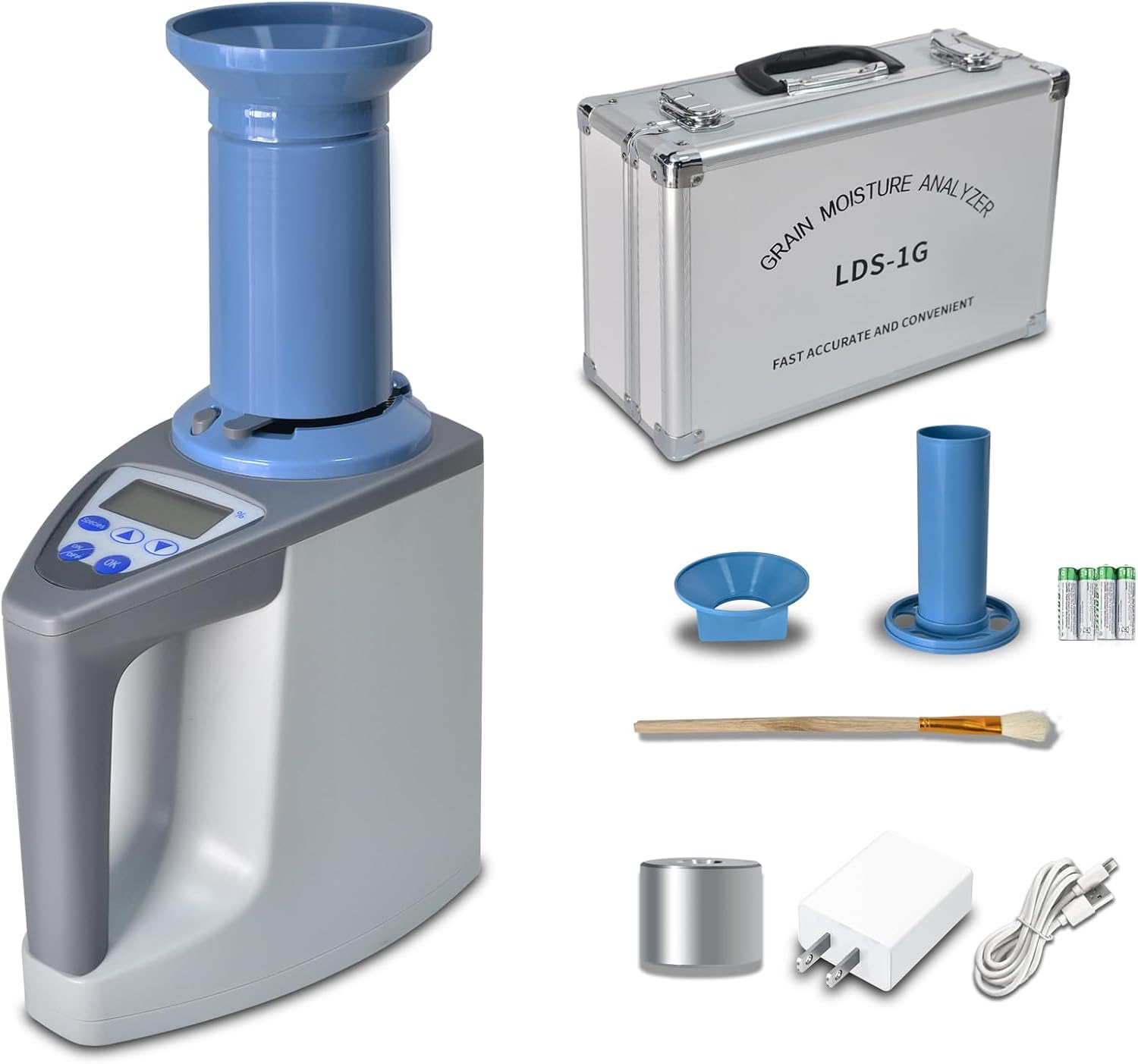
- Gives results in about 10 seconds
- Calibration check with the included 200 g weight
- Runs on battery or USB
Cons
- Few Amazon ratings so far
- More parts to keep track of than simple pin meters
The kit includes an aluminum case, calibration weight, AA batteries, power adapter, brush, chute bucket and sampler, so it is ready to use out of the box. Having both AA batteries and USB power options makes it flexible for field or indoor use.
The included case makes it easy to carry around the farm.
Buying Guide
If you’re picking a grain moisture tester for native plant farms, accuracy is the big one. You want solid readings to dry and store crops right, so they don’t spoil.
Look for testers with reliable sensors and easy calibration. Ease of use matters, too. If several folks use the tester, simple controls and clear displays save time.
Lightweight, portable models make moving around the farm less of a hassle. Measurement range is another thing to check. Different grains need different moisture levels, so a wide range helps.
Battery life can make or break your day. Testers that last longer or have easy-to-swap batteries mean less downtime. Rechargeable options are a bonus, but even just fast battery changes help during busy fieldwork.
Key Features to Compare
| Feature | Why It Matters | What To Look For |
|---|---|---|
| Accuracy | Prevents waste and spoilage | Consistent, calibrated readings |
| Ease of Use | Saves time and reduces errors | Intuitive interface, quick results |
| Measurement Range | Covers different grain types and conditions | Wide, suitable for native plants |
| Battery Life | Supports long field sessions | Long-lasting, rechargeable |
| Durability | Reliable in farm environments | Sturdy build, water/dust resistance |
Honestly, I always focus on these features when hunting for a tester. Native plant farms have their own quirks, so picking something that fits those needs just makes sense.
We independently select all products and services. If you click through links we provide, Plant Native may earn a commission with no extra cost to you. As an Amazon Associate I earn from qualifying purchases.