
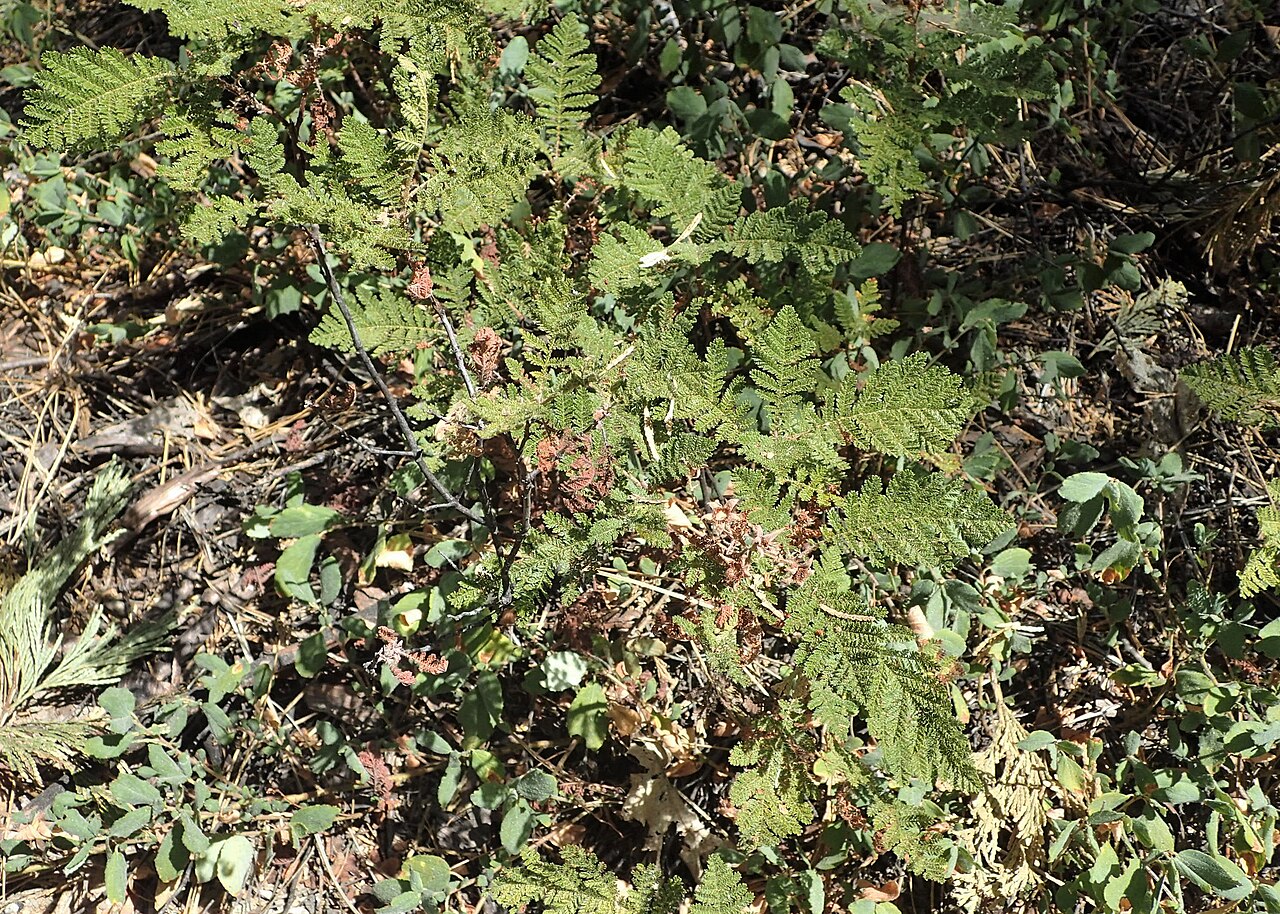
A dense mat of mountain misery carpeting the forest floor near Badger Pass, Yosemite National Park. Photo: Krzysztof Ziarnek, Kenraiz, Wikimedia Commons (CC BY-SA 4.0)
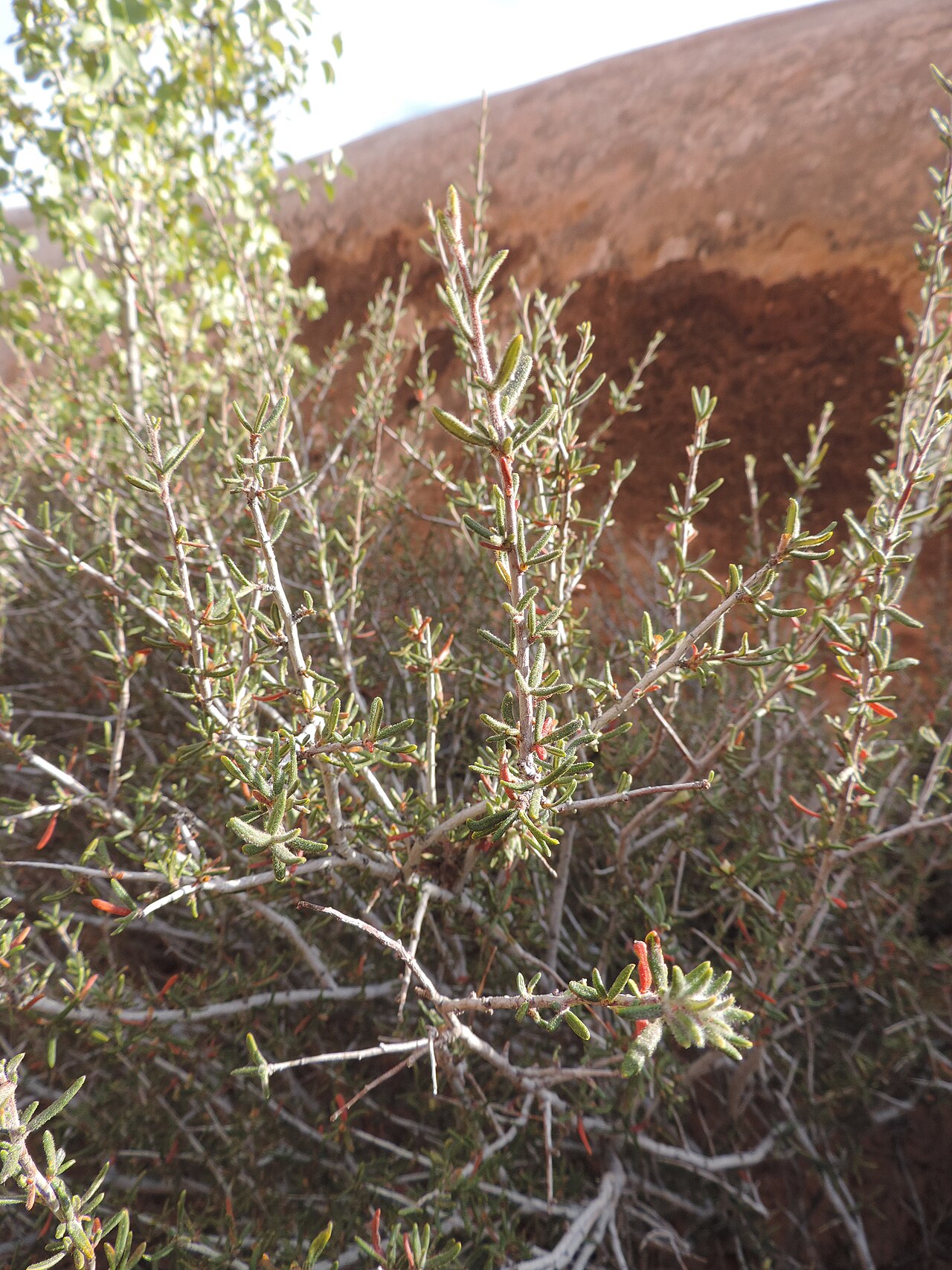
A densely branched littleleaf mountain mahogany at Devils Garden, Arches National Park, Utah. Photo: Krzysztof Ziarnek, Kenraiz, Wikimedia Commons (CC BY-SA 4.0) Cercocarpus intricatus, known
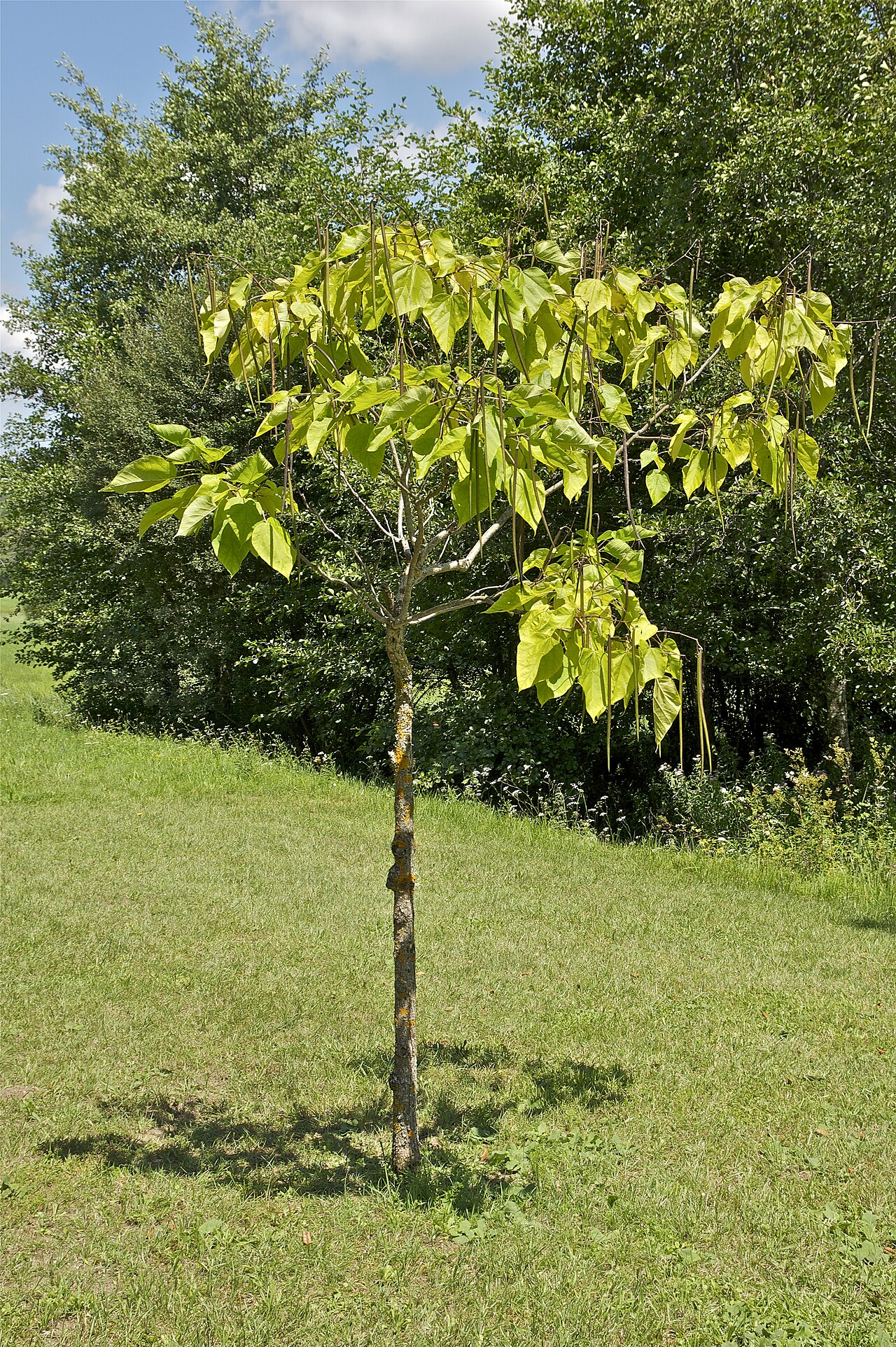
A young Southern Catalpa showing its characteristic broad, rounded crown and dangling seed pods. Photo: Wikimedia Commons (CC BY-SA 4.0) Catalpa bignonioides, commonly called Southern
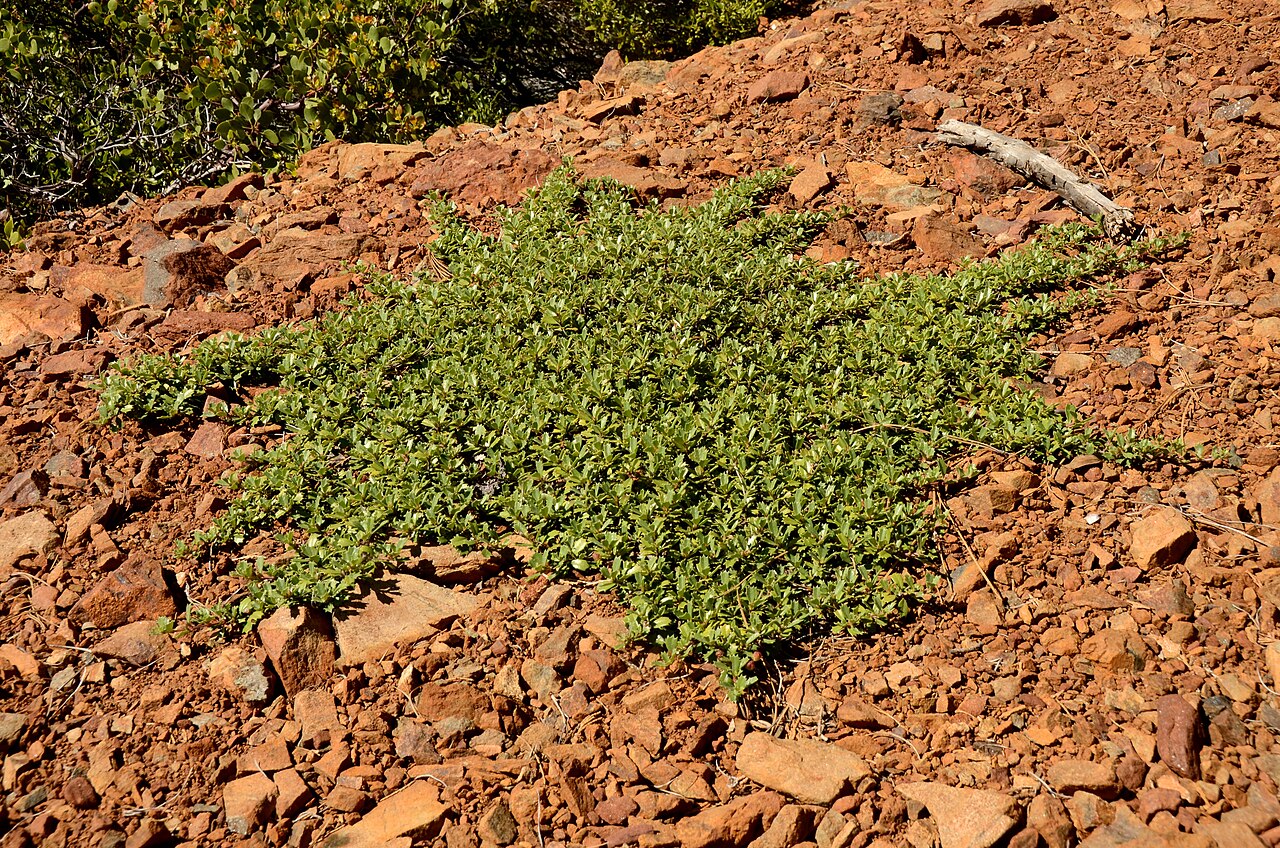
Pinemat spreads into dense, ground-hugging mats on open, rocky ground in dry conifer forest. Photo: Wikimedia Commons (CC BY-SA 4.0) Ceanothus prostratus, commonly known as
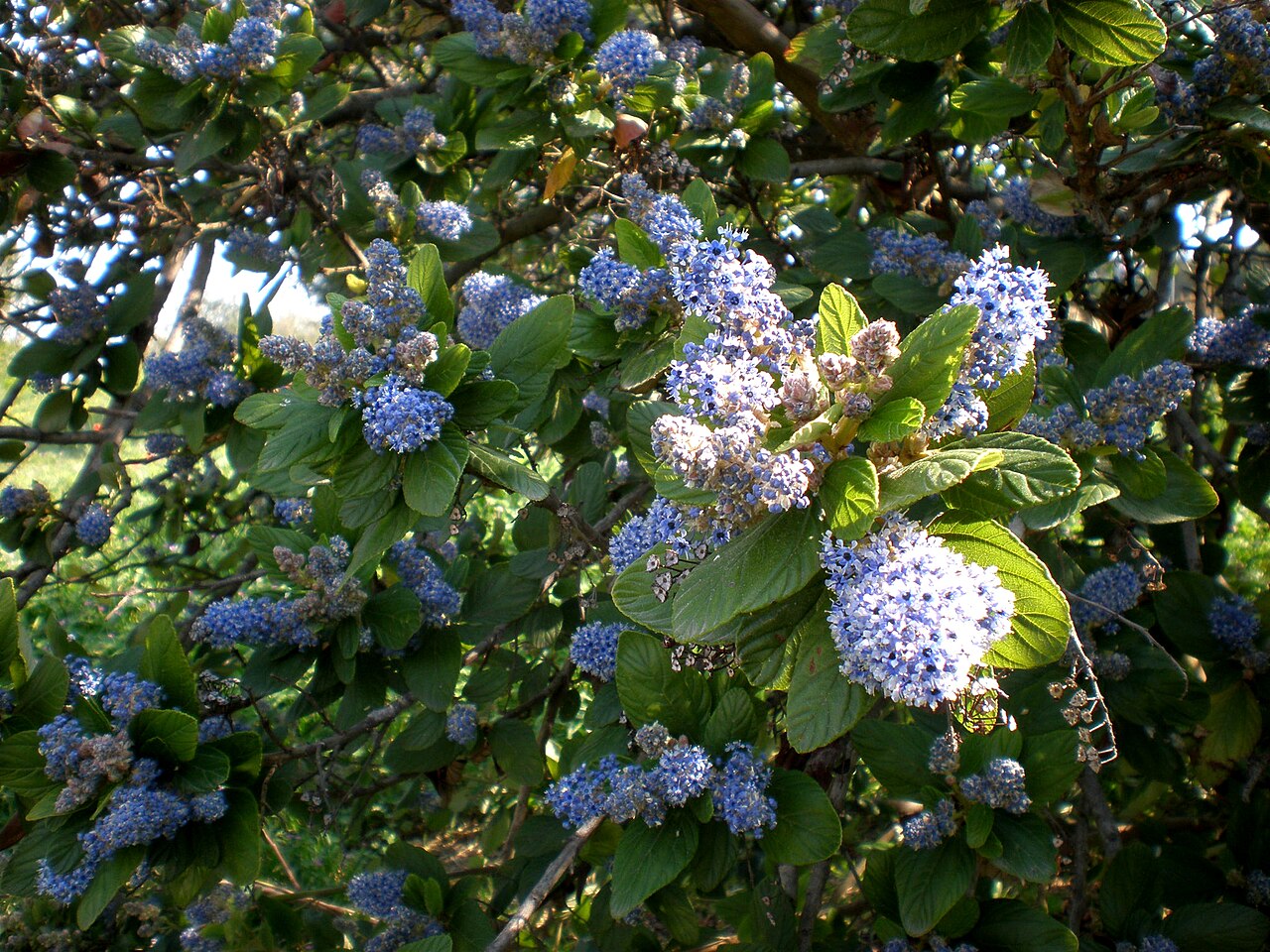
A mature Island Ceanothus in full spring bloom, smothered in pale blue flower clusters. Photo: Wikimedia Commons (CC BY-SA 4.0) Ceanothus arboreus, commonly known as
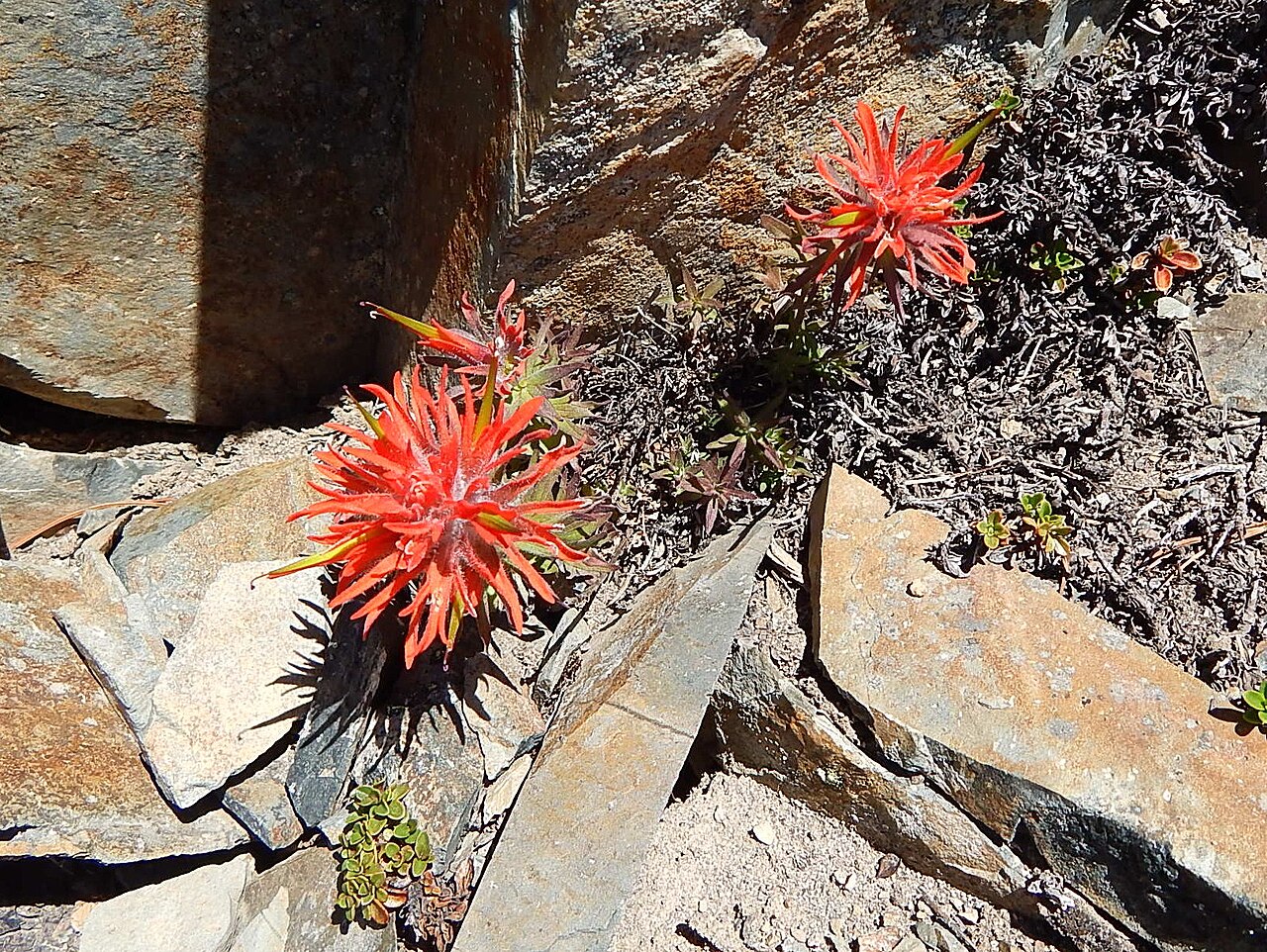
Scarlet Paintbrush flowering among subalpine rock on Sourdough Ridge, Mount Rainier National Park. Photo: Ron Clausen / Wikimedia Commons (CC BY-SA 4.0) Castilleja miniata, commonly
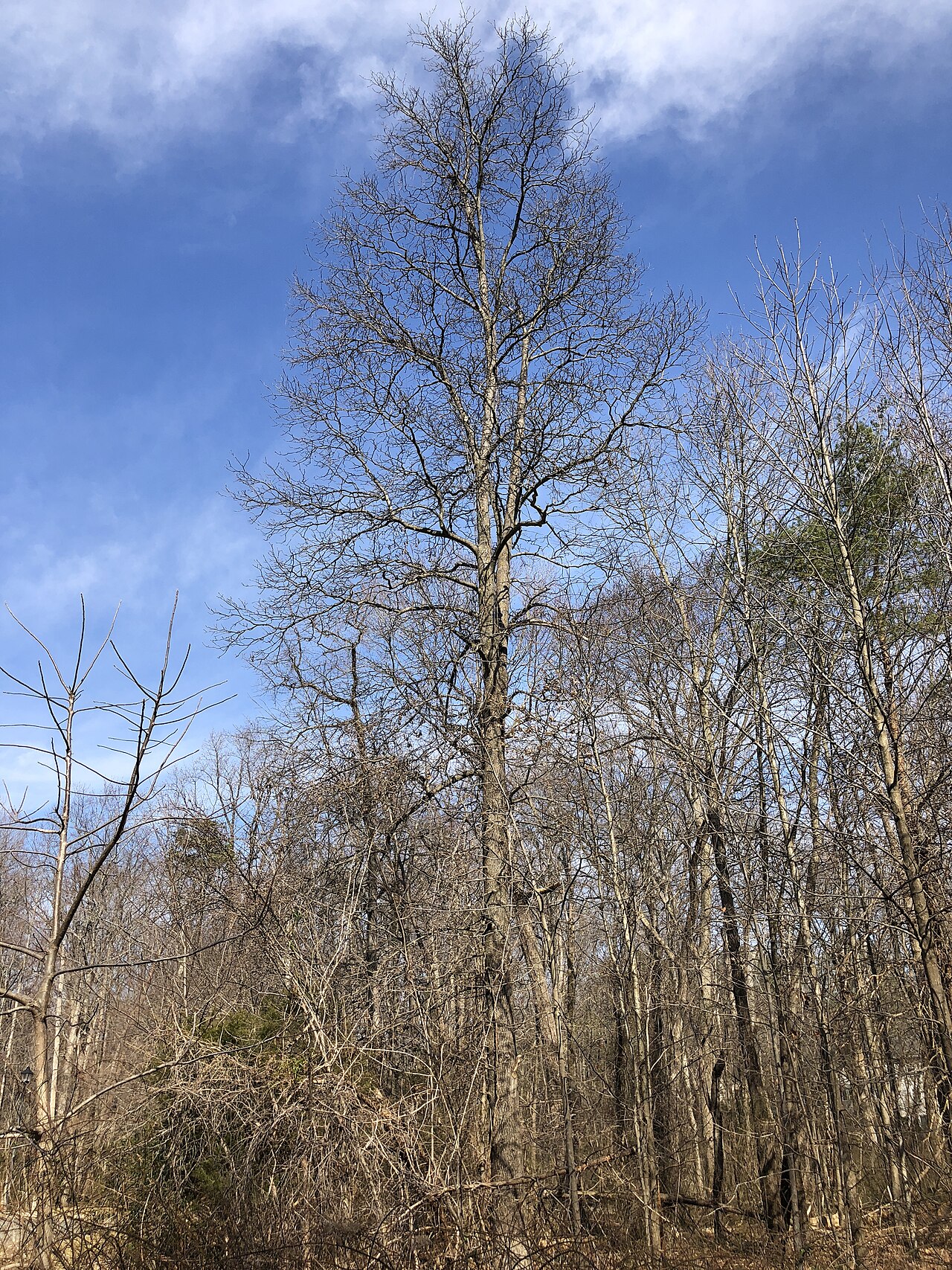
A mature Mockernut Hickory towers over its neighbors in a Fairfax County, Virginia woodland. Photo: Famartin / Wikimedia Commons (CC BY-SA 4.0) Carya tomentosa (syn.
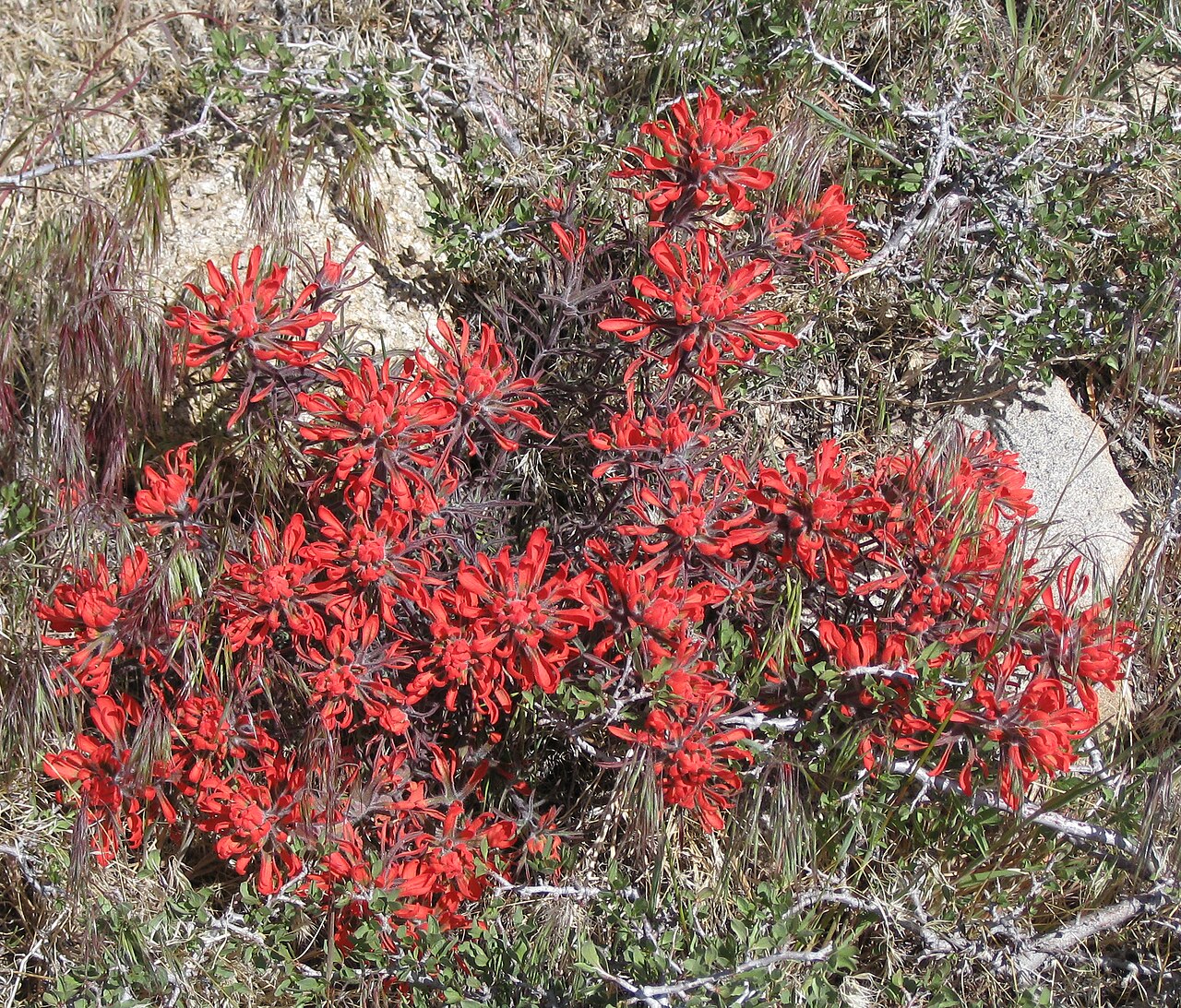
A flowering clump of Desert Paintbrush among rock and dry grasses. Photo: Jane S. Richardson (Dcrjsr) / Wikimedia Commons (CC BY 3.0) Castilleja angustifolia, commonly
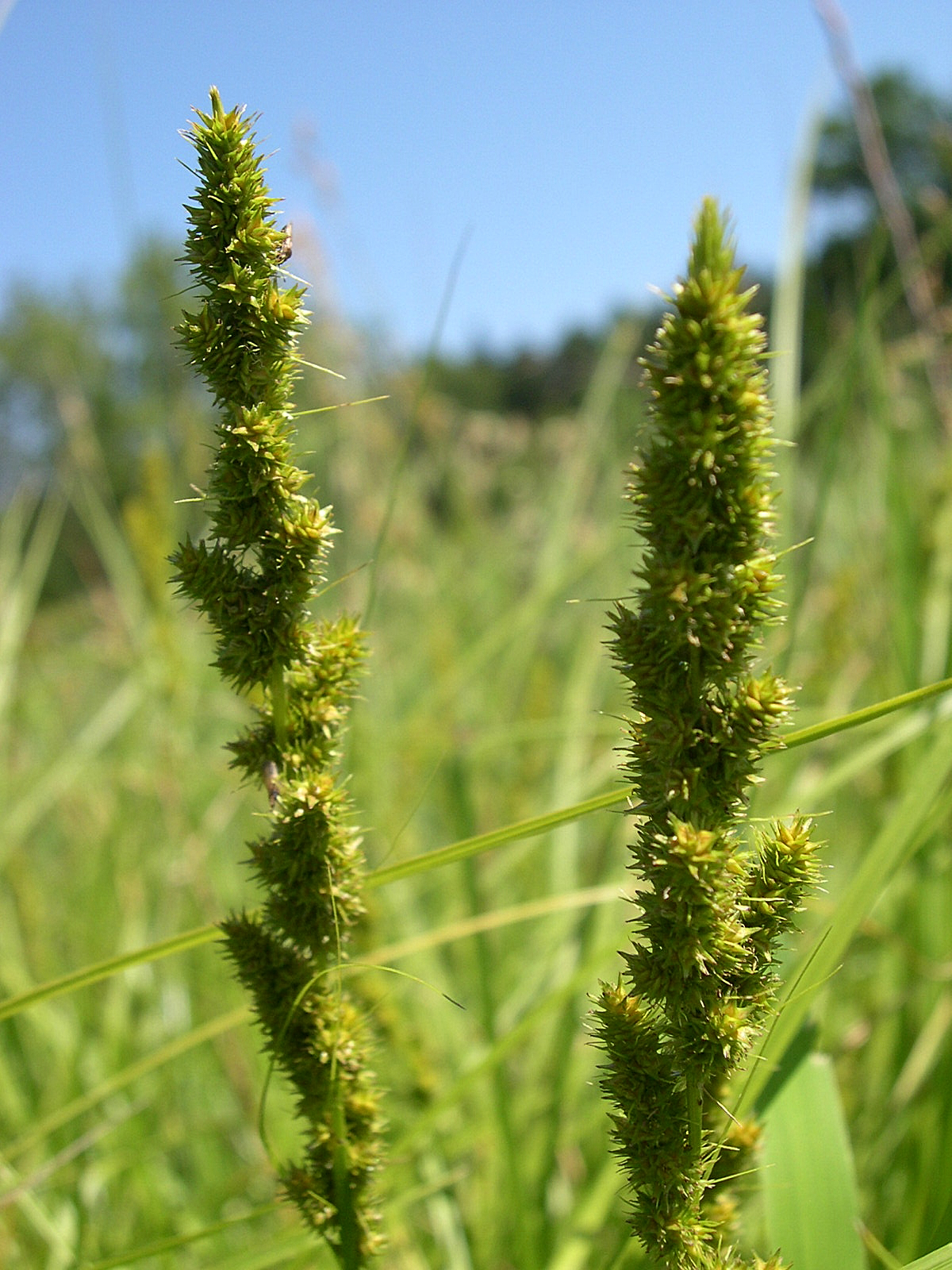
Fox sedge sends up dense, bristly flower spikes above its grassy clump in early summer. Photo: Jay Sturner, Wikimedia Commons (CC BY 2.0) Carex vulpinoidea,
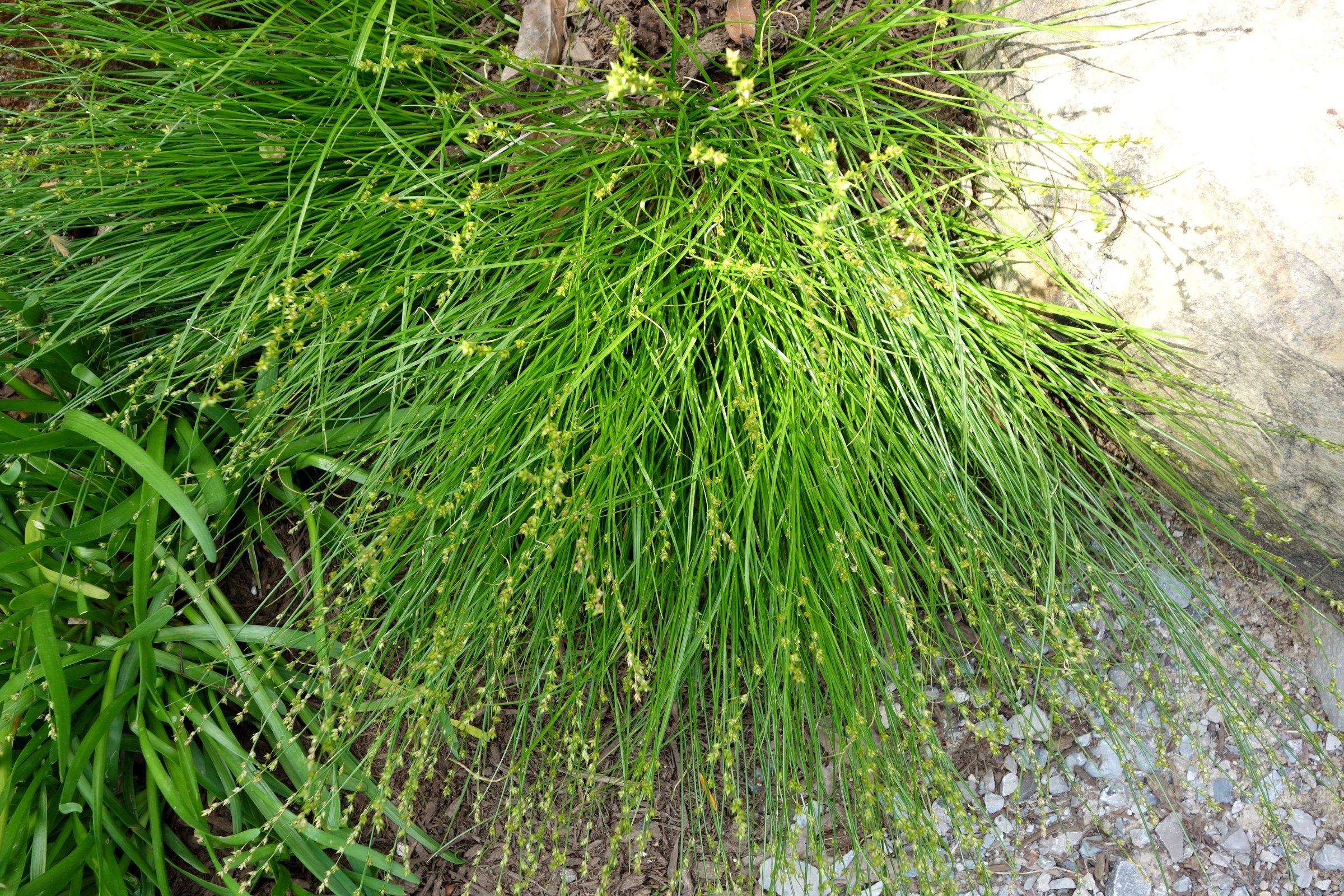
Eastern star sedge forms a neat, fountain-shaped clump of thread-fine leaves. Photo: Daderot, Wikimedia Commons (CC0) Carex radiata, commonly called eastern star sedge or straight-styled
View More