
Lucca Olive Tree (Olea europaea ‘Lucca’)
Last updated: November 3, 2026
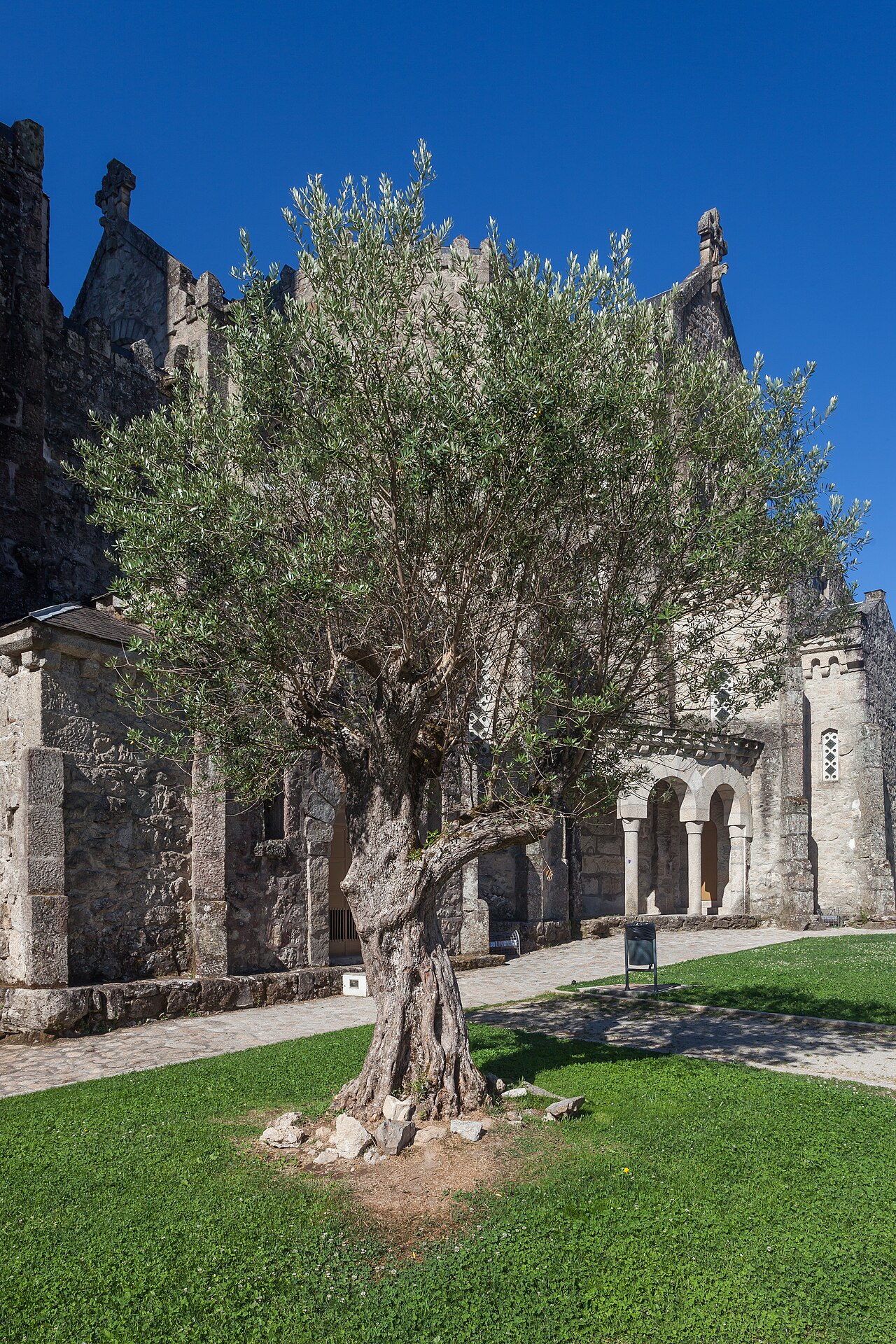
Olea europaea ‘Lucca’, the Lucca Olive Tree, is a cold-hardy, high-yielding oil cultivar developed at the University of California, Davis by pomologist Hudson T. Hartmann, bred by selecting and hybridizing Italian olive stock for better cold tolerance and productivity in California conditions. Despite its Italian-sounding name, which references the olive-growing province of Lucca in Tuscany that inspired the breeding work, Lucca as a named, released cultivar is a University of California selection rather than a traditional Old World landrace.
Gardeners grow Lucca for its graceful, silvery, upright form, its reputation for setting a heavy crop, and its comparatively good tolerance of cold snaps for an olive — qualities that have made it a popular choice for ornamental and small-orchard plantings somewhat outside the classic Mediterranean olive belt. The oil pressed from Lucca fruit is well regarded, and the tree’s vigor and productivity make it a satisfying choice for a home grower who wants a reliable harvest.
Olive (Olea europaea) is not native to North America; it is native to the Mediterranean basin. It carries no federal noxious-weed listing, but the California Invasive Plant Council lists olive as a limited-impact invasive in parts of California, where birds spread fruit from fruiting cultivars into oak woodland and other wildland habitat. Lucca is a fruiting, oil-type cultivar, so California gardeners near natural open space should harvest the crop, avoid planting next to wildlands, and remove any volunteer seedlings.
Identification
Lucca grows as a medium to large, upright evergreen tree with a notably vigorous, productive habit for a cultivar bred partly for cooler growing conditions.
Bark & Stems
Young growth is gray-green and moderately stiff rather than weeping; as the tree matures the trunk and older branches develop the furrowed, gray bark typical of olive wood, often with a gnarled, sculptural character on older specimens.
Leaves
Leaves are narrow and lance-shaped, silvery gray-green above and silvery-white beneath, giving the whole canopy a soft, shimmering look that is often described as more strikingly silvery than many other oil cultivars — one of the traits that makes Lucca popular as an ornamental as well as a production tree.
Flowers & Fruit
Small, cream-colored flowers open in dense clusters in late spring. Lucca is a heavy, reliable bearer, and the fruit is grown primarily for oil rather than table use; as with most oil cultivars, olives darken from green through purple to black as they ripen in fall. Because it was selected in part for cold tolerance, Lucca can continue cropping well in sites where more tender Mediterranean cultivars struggle with occasional winter cold.
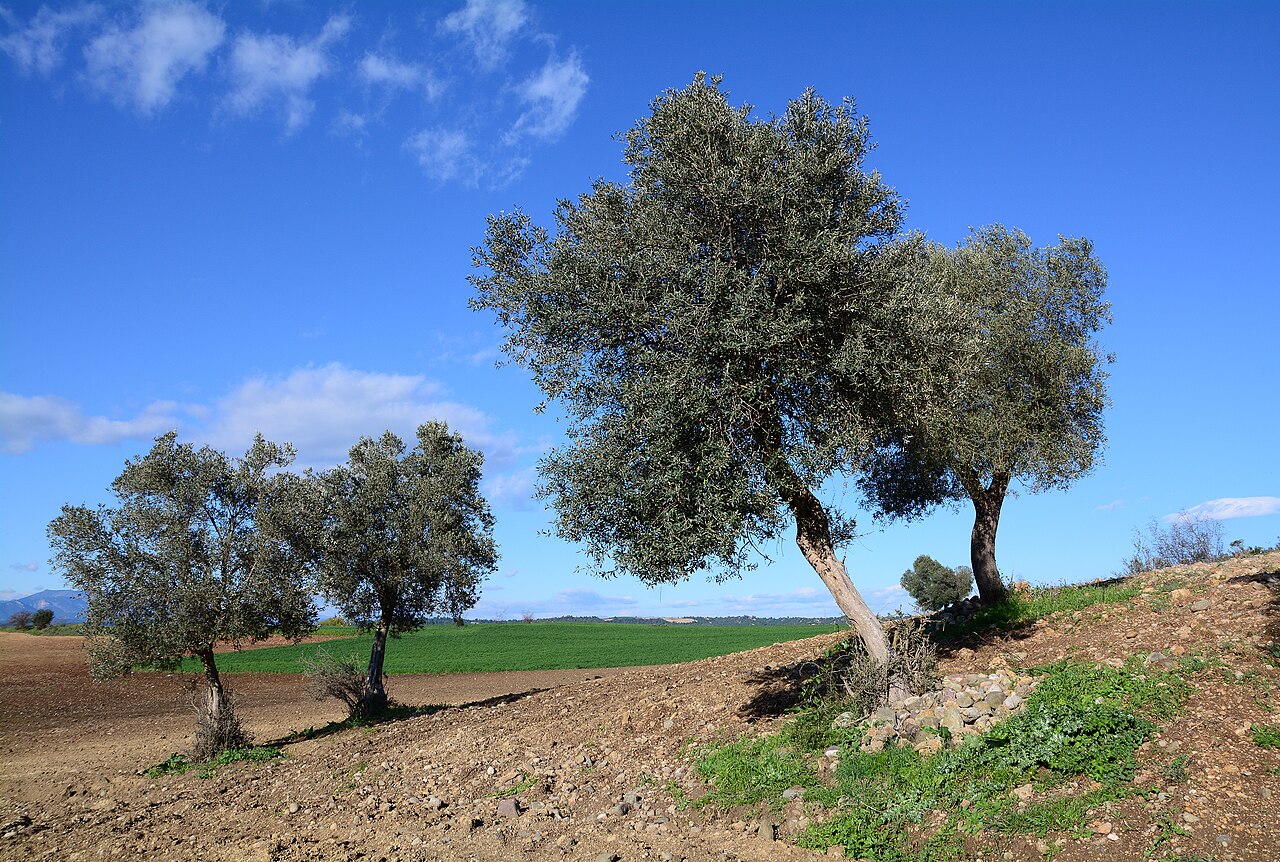
Quick Facts
| Scientific Name | Olea europaea ‘Lucca’ |
| Cultivar | Lucca |
| Family | Oleaceae (Olive) |
| Plant Type | Evergreen fruiting tree |
| Native to North America | No — introduced; bred at UC Davis from Italian olive stock |
| Mature Height | 20–25 ft (prunable to 10–12 ft) |
| Mature Spread | 15–20 ft, upright and rounded |
| Growth Rate | Fast; vigorous and heavy-bearing |
| Sun Exposure | Full sun |
| Water Needs | Low to moderate once established; drought tolerant |
| Soil Type | Well-drained loam, sand or rocky soil |
| Soil pH | Neutral to alkaline, about 6.5–8.5 |
| Bloom Time | Late spring (May–June) |
| Leaf / Fall Color | Evergreen; silvery gray-green year-round |
| Fruit | Oil-type; heavy, reliable crop; ripens in fall |
| Deer Resistant | Yes |
| USDA Hardiness Zones | 8–10; noted for better-than-average cold tolerance among olive cultivars |
| Invasive Status | Not federally listed; Cal-IPC limited-impact invasive risk in parts of California for fruiting cultivars |
Origin & Where It Grows
The species Olea europaea is native to the Mediterranean basin and the Near East, where it has been cultivated for thousands of years, with wild and naturalized stands from Iberia and North Africa through the Levant and Iran.
Lucca as a cultivar was developed in California, at the University of California, Davis, by pomology professor Hudson T. Hartmann, who worked with Italian olive germplasm — including material connected to the Lucca region of Tuscany, a historic Italian olive-oil area — to breed a cold-hardier, high-yielding oil tree suited to a wider range of California growing conditions than some traditional Mediterranean cultivars.
In the United States, Lucca is grown throughout California’s olive districts and has also found a following with home gardeners in slightly cooler or more marginal olive-growing areas, including parts of the Pacific Northwest and the warmer inland Southeast, precisely because of its above-average cold tolerance for the species. It still needs a true Mediterranean or warm-temperate climate overall and benefits from a sheltered site at the cold edge of its range.
Lucca Origin & Range
| Species Native Range | Mediterranean basin: southern Europe, North Africa, the Levant |
| Cultivar Origin | Bred at UC Davis, California, by Hudson T. Hartmann from Italian olive stock |
| Best U.S. Regions | California statewide olive districts; marginal/cooler sites in the Pacific Northwest and warm inland Southeast |
| USDA Zones | 8–10 |
| Invasive Status | Not native; limited-impact invasive risk in parts of California (Cal-IPC) for fruiting cultivars |
Growing & Care Guide
Lucca is a vigorous, forgiving cultivar that rewards minimal care once it is through its first couple of growing seasons.
Light
Plant Lucca in full sun — at least six to eight hours a day — for the best flowering, fruit set and oil quality. Its silvery foliage is at its most striking in bright, direct light.
Soil & Water
Give it well-drained soil; like all olives, Lucca is intolerant of wet, poorly drained ground and prone to root rot there. Water deeply but infrequently through the first two to three years to build a deep root system, then reduce watering — established trees are drought tolerant, though occasional deep summer water improves fruit size and oil yield.
Planting Tips
Plant in spring once frost danger has passed, choosing a site with good air drainage if you are gardening near the cooler edge of its range. Give it 15 to 20 feet of room in an orchard setting; a single specimen fruits well on its own but benefits from a compatible pollinizer cultivar nearby.
Pruning & Maintenance
Because Lucca is vigorous and productive, annual pruning in late winter helps keep the canopy open to light and manageable in size; remove crossing and crowded growth and avoid heavy cuts during the growing season, since olives fruit on the previous year’s wood.
Propagation
Like every named olive cultivar, Lucca must be propagated from cuttings or by grafting to come true to type; seedlings grown from its fruit revert to unpredictable, usually inferior wild-type characteristics and lose the cold tolerance the cultivar was bred for. Semi-hardwood cuttings root reliably under mist with rooting hormone.
Landscape Uses
- Home orchards in marginal or slightly cooler olive-growing areas, thanks to above-average cold tolerance
- Ornamental specimen valued for its silvery, shimmering foliage
- Mediterranean and drought-tolerant gardens alongside lavender, rosemary and other low-water plantings
- Container growing in regions where winters require moving the tree under cover
Harvest & Pollination
Lucca sets a heavy, reliable crop, with yields further improved by a compatible pollinizer cultivar nearby such as Pendolino or another oil-type variety. Harvest in fall as fruit darkens from green through purple toward black for the best oil yield; a portion can be picked earlier and greener if a lighter, more peppery oil is preferred. Any fruit set aside for table use must be cured first — brined, lye-treated, water-cured or dry-salted — since raw olives are intensely bitter and not eaten straight off the tree.
Wildlife & Ecological Value
Olive flowers are wind-pollinated rather than insect-pollinated, so Lucca offers little nectar or pollen value to bees and other pollinators compared with native flowering trees, and it supports very few native North American insects since it evolved outside the continent. Birds will eat unharvested fruit, which is the pathway by which fruiting olive cultivars have naturalized in parts of coastal and interior California — one more reason to pick the crop rather than let it drop. Beyond its harvest, Lucca functions mainly as an ornamental and production tree in the garden rather than as wildlife habitat.
Native Alternatives
- Desert Olive (Forestiera neomexicana) — a small, silvery-leaved native shrub-tree of the Southwest with similar fine texture and far lower water needs
- Texas Olive (Cordia boissieri) — a small evergreen native tree from South Texas with gray-green leaves and showy white flowers
- American Sweet Olive / Devilwood (Osmanthus americanus) — a native evergreen tree in the same olive family (Oleaceae) with fragrant flowers and glossy foliage
- Texas Persimmon (Diospyros texana) — a tough, drought-tolerant native small tree with silvery-gray bark and fine foliage for dry Southwestern gardens
History & Uses
Lucca is a relatively modern cultivar compared with the centuries- or millennia-old landraces of the Mediterranean; it was developed at the University of California, Davis by pomology professor Hudson T. Hartmann, who worked with olive stock connected to the historic Lucca olive-growing area of Tuscany to breed a tree better suited to California’s climate range, including sites cooler than the classic Mediterranean olive belt. Its name honors that Italian heritage even though the named, released cultivar itself is an American selection.
Lucca has become a popular choice for home growers and small producers who want a vigorous, heavy-bearing oil olive with a bit more cold resilience than some traditional cultivars offer, and its oil is well regarded for both home and small-scale commercial pressing.
Frequently Asked Questions
Is Lucca olive tree native to the United States?
No. Olive (Olea europaea) is native to the Mediterranean basin, not North America, even though Lucca itself was bred in California. In parts of California it is treated as a limited-impact invasive risk because birds can spread unharvested fruit into wildland habitat, so pick the crop and avoid planting it next to natural open space there.
Is Lucca olive the same as the French “Lucques” table olive?
No, and the similar names can cause confusion. Lucques is a traditional French table-olive cultivar from Languedoc, named after the Italian city of Lucca but developed independently in France. Lucca, the subject of this page, is a separate, more recently bred oil cultivar developed at UC Davis by Hudson T. Hartmann, using Italian olive stock connected to the Lucca region of Tuscany.
How cold-hardy is a Lucca olive tree?
It was bred in part for better cold tolerance than many traditional Mediterranean cultivars, and growers report it performing well in some marginal or slightly cooler olive-growing sites, though it still needs a true Mediterranean or warm-temperate climate (roughly USDA zones 8–10) and benefits from a sheltered spot at the cold edge of its range.
Can you eat Lucca olives straight off the tree?
No. Like all olive cultivars, Lucca fruit is intensely bitter when raw because of natural oleuropein and must be cured — typically brined, lye-treated, water-cured or dry-salted — before it is palatable.
Is Lucca mainly an oil or a table olive?
It is primarily an oil cultivar, bred and grown chiefly for a heavy, reliable crop pressed into high-quality oil, rather than for table use.

