ʻĀkia (Wikstroemia uva-ursi)
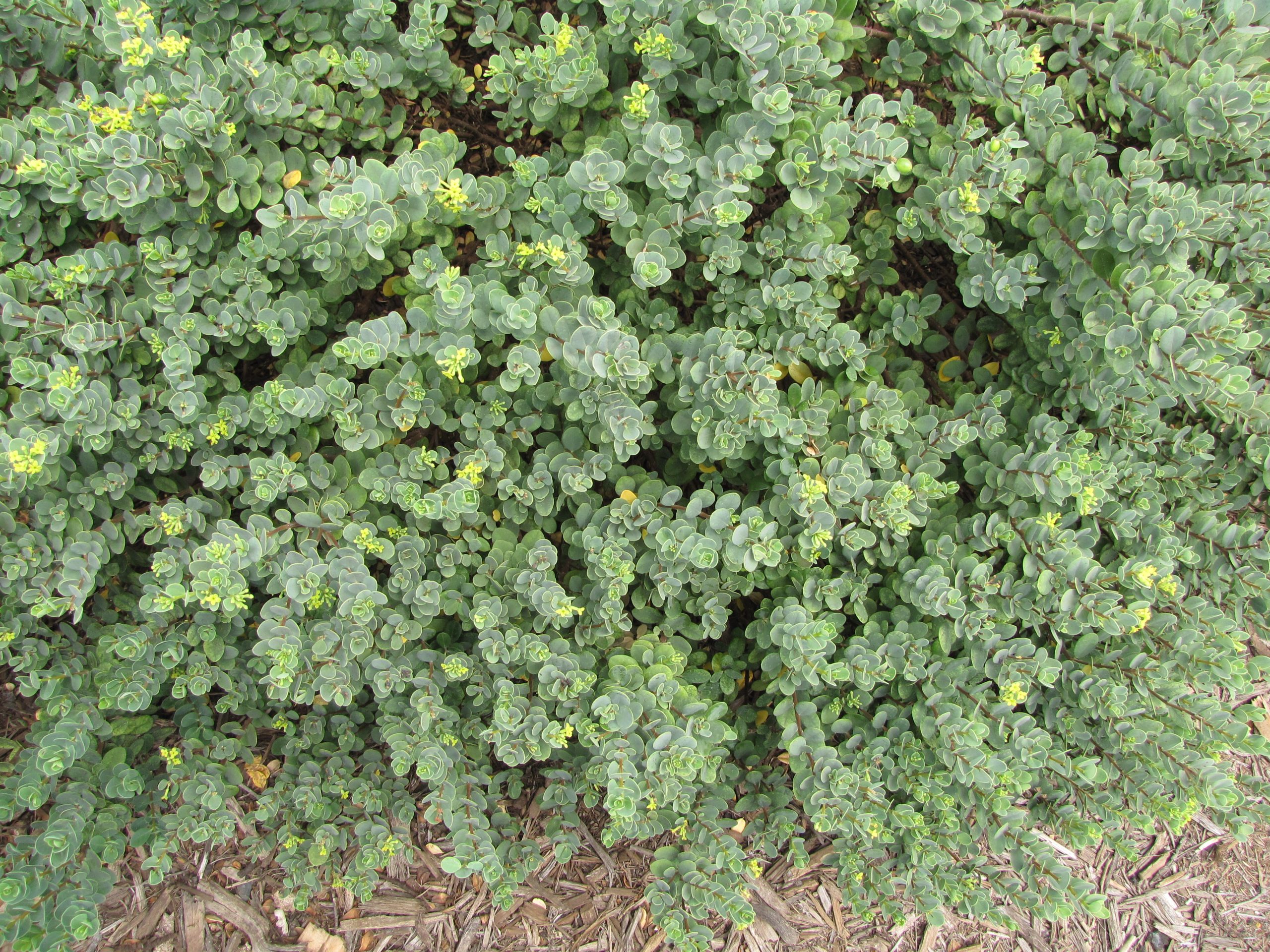
Wikstroemia uva-ursi, known in Hawaiian as ʻākia, is a low, spreading shrub endemic to the Hawaiian Islands and one of the toughest native plants available for coastal and dryland gardens. A member of the Thymelaeaceae (mezereum) family — the same family that gives us daphne — ʻākia shares that family’s combination of tidy, leathery foliage and a quietly poisonous constitution. In the wild it grows as a sprawling groundcover or low mound along sea cliffs, lava flats, and dry shrubland, anchoring itself in thin, rocky soil where almost nothing else will take hold.
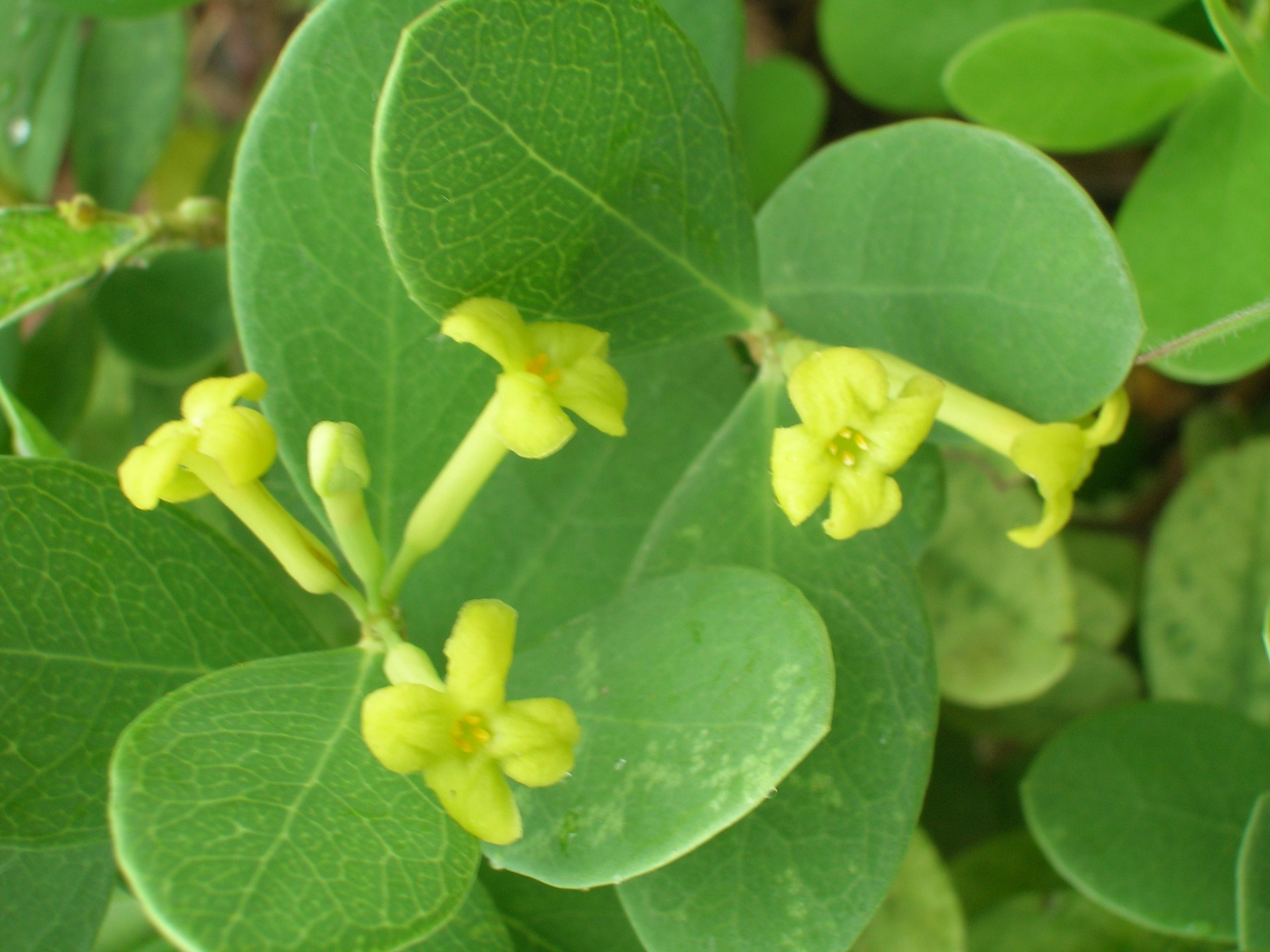
The plant’s rounded, blue-green to gray-green leaves are thick and slightly succulent, often edged with a pale margin that gives established plants a silvery, variegated look from a distance. Clusters of small, four-lobed yellow-green flowers appear nearly year-round at the branch tips, followed by bright red to orange-red berries that ripen in small, eye-catching clusters. The overall effect is a neat, mounding shrub that needs almost no care once it is in the ground — exactly why it has become a staple of xeriscaping and coastal landscaping across the islands.
ʻĀkia carries real cultural weight as well. Native Hawaiians pounded its bark and roots and used the resulting mash to stupefy fish in shallow tide pools, a practice recorded across the islands and reflected in the plant’s association with fishing traditions. That same chemistry makes every part of the plant toxic if eaten, and gardeners should treat ʻākia strictly as an ornamental: admire the berries, don’t taste them, and keep small children and pets from chewing on the foliage.
Identification
ʻĀkia is a low, often prostrate shrub, typically 1 to 6 feet tall with a spread of 3 to 8 feet or more, though height and habit vary considerably with exposure — plants on wind-scoured coastal bluffs hug the ground tightly, while those in more sheltered dry shrubland grow into looser, slightly taller mounds. The branching is dense and twiggy, giving the plant good structure even without flowers.
Leaves
Leaves are simple, opposite, and arranged closely along the stems, each one rounded to broadly elliptic, roughly ¾ to 1½ inches long, with a leathery, slightly fleshy texture. Color ranges from gray-green to blue-green, and many plants show a faint pale edge or glaucous bloom that catches the light. The foliage is evergreen and holds its color through Hawaii’s dry season, which is part of why the plant reads as “clean” in a landscape even with no irrigation.
Flowers
Flowers are small — about ¼ inch across — tubular at the base and flaring into four yellow-green lobes, borne in loose clusters at the stem tips. They lack showy petals in the usual sense and are easy to overlook, but they appear more or less continuously, with a stronger flush in spring and summer. Pollination is largely handled by small native insects.
Fruit & Seeds
The fruit is a small, egg-shaped drupe, about ¼ to ⅓ inch long, ripening from green to a bright orange-red. Clusters of ripe fruit stand out against the gray-green foliage and are the plant’s most ornamental feature outside of the flowering flush. The fruit, like the rest of the plant, is toxic to people and should not be eaten.
Quick Facts
| Scientific Name | Wikstroemia uva-ursi |
| Family | Thymelaeaceae (Mezereum family) |
| Plant Type | Evergreen shrub, prostrate to mounding |
| Mature Height | 1–6 ft (0.3–1.8 m) |
| Mature Spread | 3–8 ft (0.9–2.4 m) |
| Growth Rate | Slow to moderate |
| Sun Exposure | Full Sun |
| Water Needs | Low (drought tolerant once established) |
| Soil Type | Sandy, rocky, or lava-derived; well-drained |
| Soil pH | Neutral to alkaline |
| Bloom Time | Nearly year-round, peaking spring–summer |
| Flower Color | Yellow-green |
| Fall Color | None (evergreen) |
| Fruit | Orange-red drupe; toxic, not edible |
| Deer Resistant | Not applicable (no wild deer in Hawaii); generally avoided by goats |
| USDA Hardiness Zones | 10–11 |
Native Range
ʻĀkia is endemic to the Hawaiian Islands, occurring on Niʻihau, Kauaʻi, Oʻahu, Molokaʻi, Lānaʻi, Maui, Kahoʻolawe, and Hawaiʻi Island. It is found nowhere else in the world. Within the islands it grows from near sea level up to roughly 2,000 feet elevation, favoring open, sun-baked sites: coastal strand just above the splash zone, sea cliffs, dry lava fields, and the drier reaches of lowland shrubland.
It is genuinely common in cultivation around Hawaiian gardens, resorts, and highway medians — a testament to how easy it is to grow — but it has become uncommon in intact wild populations in several areas due to habitat loss and competition from introduced grasses and shrubs along the coast. Plants on Kahoʻolawe and remote coastal bluffs of Maui represent some of the more robust wild populations.
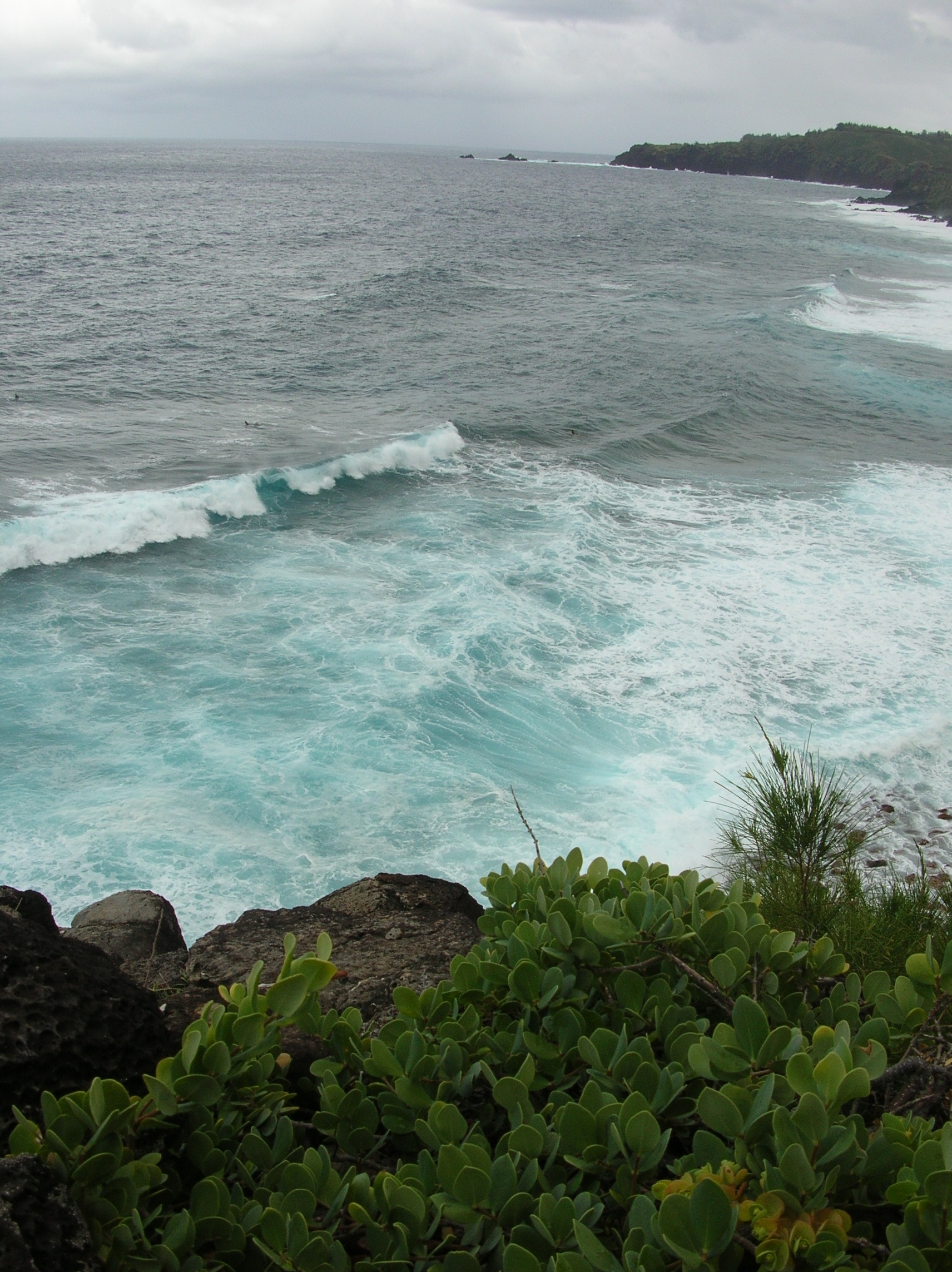
Because ʻākia tolerates salt spray, wind, drought, and poor rocky soil better than almost any other landscape plant native to Hawaii, it plays an outsized ecological role on the driest, harshest sites — stabilizing loose coastal and lava soils where few other native shrubs can establish.
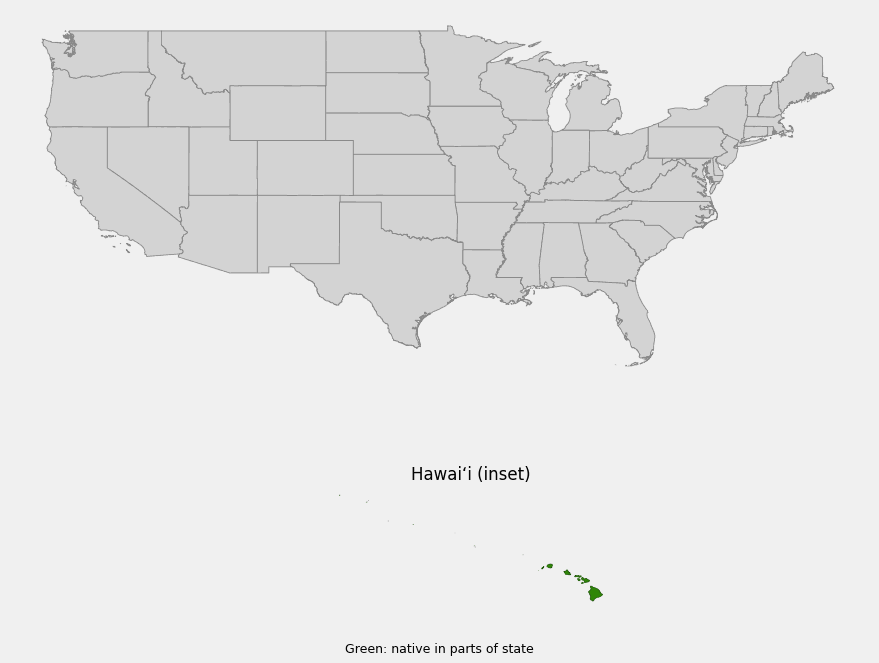
📋 Regional plant lists featuring ʻĀkia: Hawaii
Growing & Care Guide
ʻĀkia is about as low-maintenance as a native Hawaiian shrub gets. Give it sun, sharp drainage, and room to spread, and it will largely take care of itself — making it a favorite for xeriscape beds, slopes, and coastal gardens where irrigation is limited or salt spray rules out most other plants.
Light
Full sun is essential for a dense, well-flowered plant. In partial shade, ʻākia grows leggy and sparse, with fewer flowers and berries. Coastal, wind-exposed sites that would stress many other shrubs are exactly where ʻākia performs best.
Soil & Water
Drainage matters more than fertility. ʻĀkia thrives in sandy, rocky, or lava-derived soils that would be considered too poor for most garden plants, and it has no particular preference for rich organic matter. Water regularly to establish new plants through their first six months to a year, then taper off — mature plants need little to no supplemental irrigation outside of extended drought, and overwatering in heavy, poorly drained soil is a more common problem than underwatering.
Planting Tips
Plant from containers at the start of the wetter season to give roots time to establish before summer heat. Space plants 3 to 6 feet apart for a continuous groundcover effect, or further apart if you want individual mounded specimens. Amend heavy or clay-rich soils with coarse sand or cinder to improve drainage before planting.
Pruning & Maintenance
ʻĀkia tolerates shearing well and can be kept as a tidy low hedge or allowed to sprawl naturally as a groundcover. Light pruning after a flowering flush encourages denser growth. Beyond an occasional trim, the plant needs essentially no maintenance once established, and it is not prone to significant pest or disease problems in a well-drained site.
Landscape Uses
- Coastal and seaside gardens — tolerates salt spray and wind better than most landscape shrubs
- Xeriscaping — minimal water once established
- Erosion control on dry slopes, lava rock, and coastal bluffs
- Low hedging or border plantings with occasional shearing
- Groundcover for sunny, rocky areas where turf struggles
- Native Hawaiian gardens and cultural landscaping projects
Wildlife & Ecological Value
As one of the toughest native shrubs on Hawaii’s driest, most exposed sites, ʻākia contributes structure and food where few other plants can establish.
For Pollinators
The small, near-continuous flowers provide nectar and pollen for native Hawaiian insects, including native bees, across much of the year — a steady resource in habitats where blooming native plants can otherwise be sparse during the dry season.
For Birds
The bright orange-red berries are eaten by native and introduced birds alike, which help disperse the seed across coastal and dryland habitats. The dense, twiggy growth also offers low cover for ground-foraging birds.
Ecosystem Role
ʻĀkia’s deep, wide-spreading root system stabilizes loose coastal sand and broken lava substrate, helping to hold soil on slopes and bluffs that are otherwise prone to erosion. As a hardy pioneer on disturbed lava and dry shrubland sites, it helps create the microhabitat conditions — shade, leaf litter, wind protection — that allow other native plants to establish nearby.
Cultural & Historical Uses
ʻĀkia holds a well-documented place in Hawaiian ethnobotany as a fish stupefying plant. Native Hawaiian fishers pounded the bark and roots and released the crushed material into tide pools and shallow reef pockets; the toxic compounds in the plant stunned fish, bringing them to the surface where they could be caught by hand or net. This technique, part of a broader tradition of using native plants to aid fishing, made ʻākia a practically useful shrub as well as a hardy garden plant long before Western contact.
The same toxicity that made ʻākia useful for fishing makes it unsafe for human or animal consumption. Historical accounts describe its use strictly as a fishing aid, not as food or medicine, and modern gardeners should treat the entire plant — leaves, bark, and berries — as poisonous.
Today ʻākia is widely planted in Hawaiian landscaping for its drought and salt tolerance, and it appears in native and cultural plant gardens as a living link to traditional Hawaiian fishing practices.
Frequently Asked Questions
Is ʻākia poisonous?
Yes. All parts of the plant — leaves, bark, and berries — are toxic if ingested. Historically the toxic compounds were used by Native Hawaiians to stupefy fish, not as food. Keep it out of reach of children and pets, and never eat the berries.
How much water does ʻākia need?
Very little once established. Water regularly for the first six months to a year after planting, then reduce to occasional deep watering during extended dry spells. It is one of the most drought-tolerant native Hawaiian shrubs available.
Can ʻākia grow right on the coast?
Yes — it is one of the best native choices for direct coastal exposure, tolerating salt spray, wind, and thin, rocky or sandy soil better than most other landscape shrubs.
Is ʻākia the same plant used to make fishing poison?
Yes. ʻĀkia is the plant traditionally used by Native Hawaiians to stupefy fish in tide pools, by pounding the bark and roots and releasing the mash into the water.
How big does ʻākia get?
Most plants stay low, from 1 to 6 feet tall with a spread of 3 to 8 feet, depending on exposure. Wind-exposed coastal plants tend to stay lower and more prostrate; sheltered plants grow somewhat taller and more upright.

Looking for a nursery that carries ʻĀkia?
Browse our native plant nursery directory: Hawaii