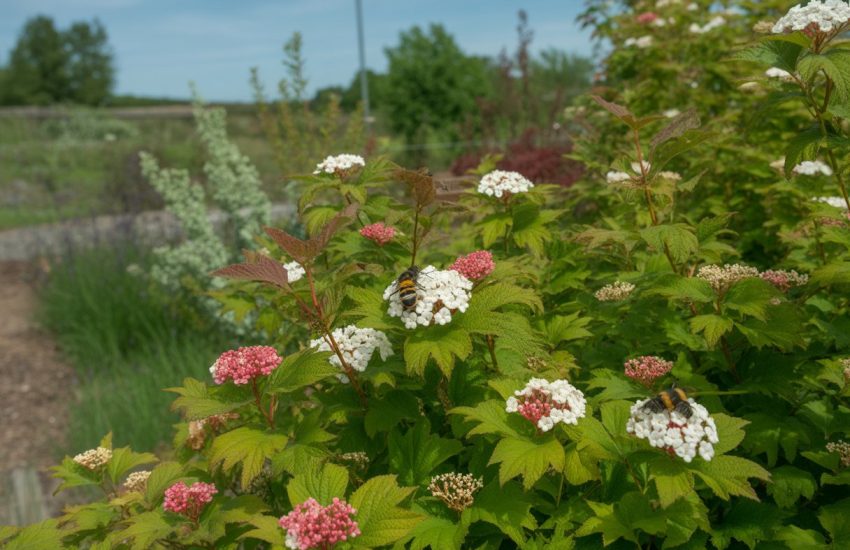
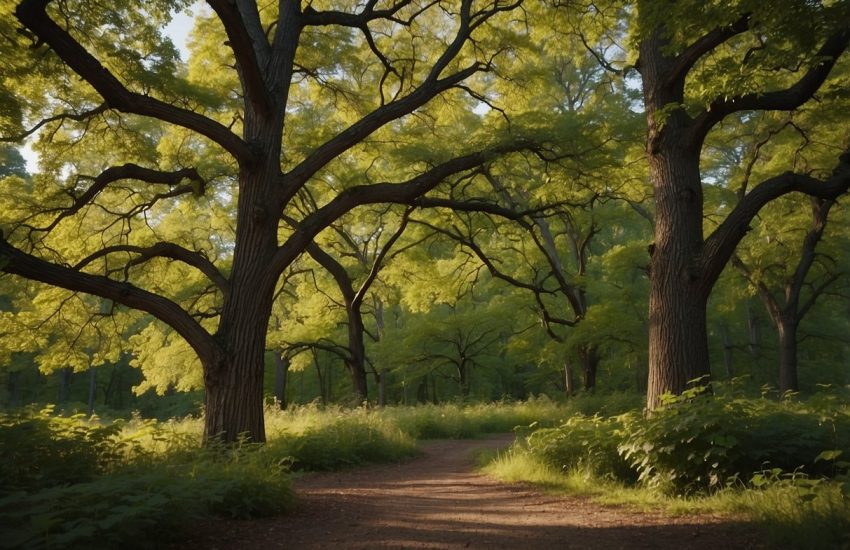
Black Hawthorn (Crataegus douglasii)
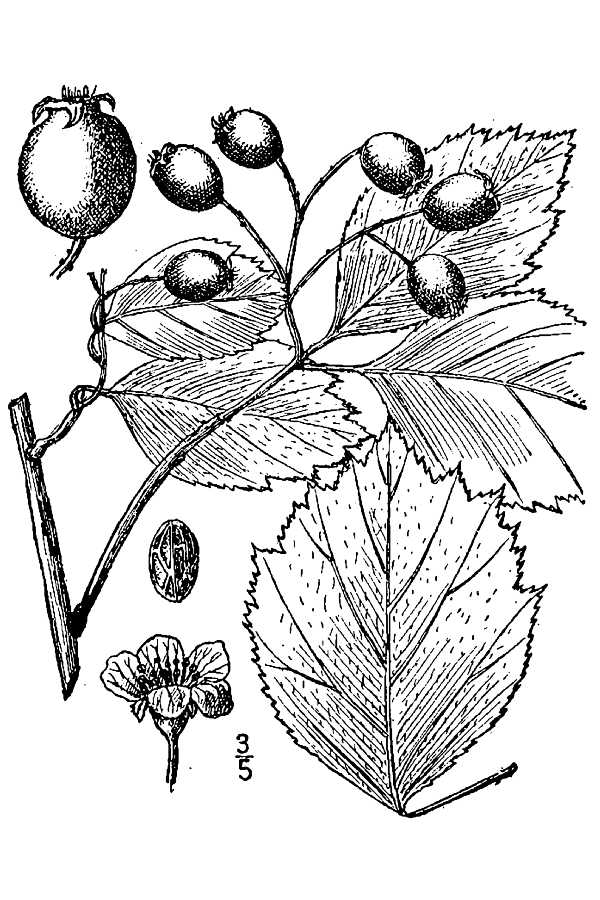
Crataegus douglasii, commonly known as Black Hawthorn or Douglas’ Thornapple, is a robust and adaptable native shrub or small tree that forms a cornerstone of North American ecosystems from the Pacific Northwest to the Great Lakes. Named after renowned botanist David Douglas, who collected seeds from this species during his groundbreaking explorations of the Pacific Northwest, this hardy member of the Rosaceae (rose) family combines ornamental beauty with extraordinary ecological value and remarkable resilience.
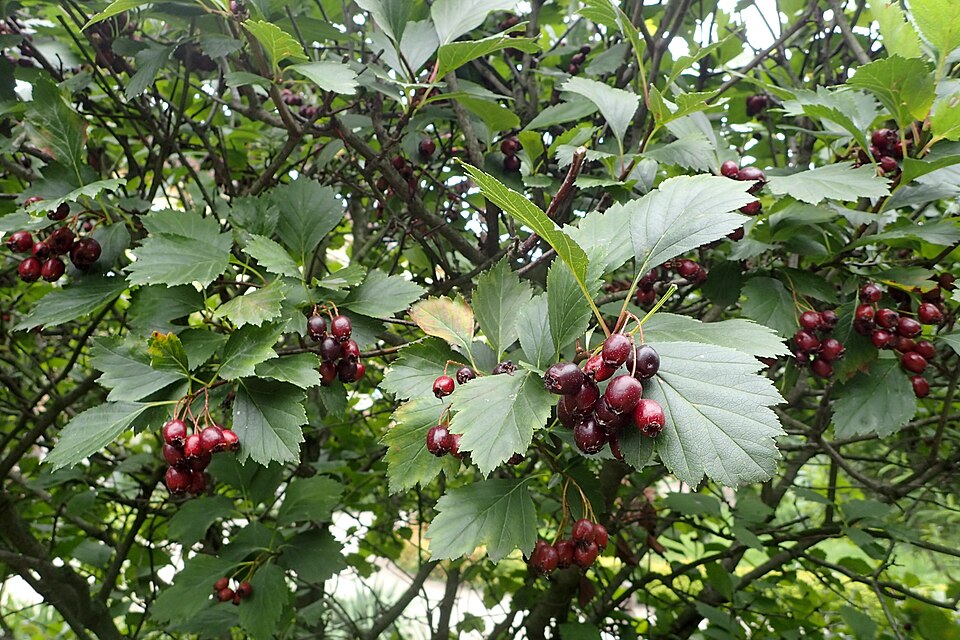
Black Hawthorn is instantly recognizable by its distinctive combination of features: clusters of pristine white flowers with greenish centers that bloom in late spring, glossy fan-shaped leaves with serrated edges, formidable thorns that provide excellent wildlife protection, and most notably, its dark purple-black berries that give the species its common name. Unlike many hawthorns that bear red fruit, the deep blackish pomes of this species set it apart and make it easily identifiable in the field.
This versatile native thrives in an impressive range of habitats, from moist streamside areas and forest edges to drier upland sites and coastal bluffs. Its adaptability extends across elevation zones from sea level to middle mountain elevations, and across diverse climate conditions from the maritime Pacific Northwest to the continental interior. Black Hawthorn serves as both a stunning landscape specimen and a vital component of native plant communities, supporting an extensive network of wildlife relationships that have evolved over millennia.
Quick Facts
| Scientific Name | Crataegus douglasii |
| Family | Rosaceae (Rose) |
| Plant Type | Deciduous Shrub or Small Tree |
| Mature Height | 20–30 ft |
| Spread | 8–20 ft |
| Growth Rate | Slow to Moderate |
| Sun Exposure | Full Sun |
| Water Needs | High |
| Soil Type | Highly adaptable; clay, loam, sandy |
| Soil pH | 6.0–8.0 (slightly acidic to alkaline) |
| Bloom Time | May – June |
| Flower Color | White with greenish centers |
| Fruit | Dark purple-black berries (pomes) |
| Fall Color | Yellow to orange-red |
| Wildlife Value | Exceptional for birds, butterflies, mammals |
| USDA Hardiness Zones | 2–8 |
Identification
Black Hawthorn is a distinctive member of the hawthorn genus, easily identified by several key characteristics that distinguish it from related species. The most reliable identifying feature is the combination of its thorny branches, distinctive leaf shape, white flowers, and especially its dark purple-black fruit — a color that sets it apart from the more common red-fruited hawthorns.
Growth Form & Size
Black Hawthorn typically grows as a compact, densely branched shrub or small tree reaching 8-30 feet in height, though most specimens range between 15-20 feet tall. The crown is usually rounded to irregular, often broader than tall, with a trunk diameter up to 10 inches. In open situations, it forms a more rounded, multi-stemmed shrub, while in partial shade or competition it may develop a more tree-like form with a single dominant trunk.
Leaves
The leaves are among the most recognizable features of Black Hawthorn. They are fan-shaped (broadly ovate to diamond-shaped) with a distinctive wedge-shaped base, measuring 2.5-5 cm (1-2 inches) long. The leaf margins are sharply serrated, typically with 3-5 shallow lobes, though some leaves may be unlobed. The upper surface is dark green and glossy, while the underside is paler. Leaves emerge bright green in spring, remain attractive through summer, and turn yellow to orange-red in fall, creating an attractive seasonal display.
Thorns
The thorns are straight, stout, and formidable, measuring 1-2.5 cm (0.5-1 inch) long. They are sharp-pointed and arise from nodes along the branches, providing excellent protection for nesting birds and making the shrub somewhat challenging to work around. The thorns are one of the plant’s most distinctive features and serve important ecological functions.
Flowers
The flowers appear in dense, flat-topped clusters (corymbs) at the ends of branches in late spring (May-June). Each individual flower is about 1 cm across with five white petals surrounding a greenish center with prominent stamens. The flower clusters are typically 5-10 cm wide and contain 10-20 individual flowers. The blooms are mildly fragrant and create an impressive white display against the emerging green foliage.
Fruit
The fruit is perhaps the most diagnostic feature of Black Hawthorn. The berries are dark purple to nearly black pomes, roughly 1 cm in diameter, containing 3-5 hard, seed-like stones. They ripen in late summer to early fall and persist into winter, providing an important food source for wildlife during lean months. The dark color is unique among western hawthorns and makes identification straightforward.
Bark
Young bark is smooth and gray, becoming rougher and darker with age. Mature bark develops shallow furrows and may become scaly, creating additional texture and winter interest. The bark on younger twigs often has a reddish-brown tint.
Native Range
Black Hawthorn has one of the most extensive native ranges of any North American hawthorn, demonstrating remarkable adaptability across diverse climatic and geographic conditions. The species occurs naturally from southwestern British Columbia south through Washington and Oregon to northern California, east through Idaho and Montana, and extends across the northern Great Plains and into the upper Midwest, reaching as far east as Minnesota, Wisconsin, and Michigan.
This broad distribution reflects the species’ exceptional tolerance for varied environmental conditions. In the Pacific Northwest, it thrives in the region’s Mediterranean climate with wet winters and dry summers. Moving eastward, it adapts to increasingly continental conditions with hotter summers, colder winters, and more variable precipitation patterns. The species’ presence in both maritime and continental climates demonstrates remarkable genetic plasticity and adaptive capacity.
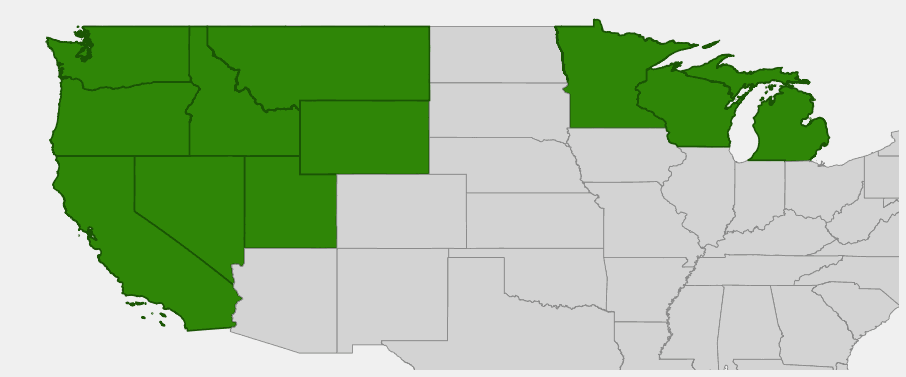
In its native habitats, Black Hawthorn typically occupies edge environments where different plant communities meet. It thrives along stream courses, forest margins, in natural openings within woodlands, and on transition zones between grassland and forest. This preference for ecotonal habitats contributes to its high wildlife value, as these areas naturally support greater biodiversity than more uniform habitats.
📋 Regional plant lists featuring Black Hawthorn: Western Oregon & Western Washington · Idaho, Eastern Oregon & Eastern Washington · Northern Rockies
Growing & Care Guide
Black Hawthorn is among the most adaptable and low-maintenance native trees available to gardeners, combining remarkable resilience with outstanding ornamental and ecological value. Its tolerance for diverse soil conditions, variable moisture levels, and challenging climates makes it an excellent choice for sustainable landscaping across much of North America.
Site Selection
Choose a location with full sun to partial shade — Black Hawthorn performs best with at least 6 hours of direct sunlight but tolerates some afternoon shade, especially in hot climates. The plant is highly adaptable to various soil types and pH levels, thriving equally well in clay, loam, or sandy soils with pH ranging from slightly acidic (6.0) to moderately alkaline (8.0). Good drainage is helpful but not essential, as the species tolerates both well-drained and occasionally wet conditions.
Planting
Plant in early spring or fall when temperatures are moderate and rainfall is typically more reliable. Dig a hole twice as wide as the root ball but no deeper — the root flare should be at or slightly above soil level. Black Hawthorn has a somewhat slow establishment period, typically taking 2-3 years to become fully established and begin vigorous growth. During this period, provide supplemental water during extended dry spells.
Water Requirements
One of Black Hawthorn’s greatest assets is its exceptional drought tolerance once established. The species evolved in regions with dry summers and can thrive with minimal supplemental irrigation. However, it also performs well with regular water and can tolerate periodic flooding, making it suitable for rain gardens and riparian plantings. For best growth and flowering, provide moderate moisture during the growing season, allowing the soil to dry between waterings.
Soil Preferences
Black Hawthorn’s adaptability to different soil types is remarkable. It thrives in heavy clay soils that challenge many other trees, performs well in average garden loam, and tolerates sandy soils with good organic matter content. The species is also notably tolerant of alkaline conditions, making it valuable in areas with naturally high pH soils or where lime has been applied. Adding compost or organic matter benefits young plants but is not essential for established specimens.
Pruning & Maintenance
Pruning requirements are minimal, which is fortunate given the formidable thorns. Remove dead, damaged, or crossing branches in late winter or early spring before new growth begins. The plant can be trained to a single-trunk tree form or allowed to develop as a multi-stemmed shrub depending on desired landscape effect. Light pruning to shape the crown is best done immediately after flowering. Always wear heavy gloves and long sleeves when working around the thorns.
Black Hawthorn is naturally resistant to most pests and diseases, requiring no routine treatments. Fire blight can occasionally affect hawthorns but is rarely serious on this species. Good air circulation and avoiding overhead watering help prevent any fungal issues.
Fertilization
Fertilization is rarely necessary. Black Hawthorn evolved in naturally nutrient-poor soils and excessive fertilization can actually reduce flowering and fruit production while promoting vegetative growth that may be more susceptible to pests. If growth appears unusually slow, a light application of balanced organic fertilizer in early spring may be beneficial, but most established plants thrive without any supplemental nutrition.
Wildlife & Ecological Value
Black Hawthorn stands among North America’s most ecologically valuable native trees, supporting an intricate web of wildlife relationships that spans the entire food chain. Its combination of protective thorns, abundant flowers, nutritious fruit, and dense branching structure creates habitat opportunities for dozens of species while providing critical food resources throughout multiple seasons.
For Birds
The wildlife value of Black Hawthorn for birds is exceptional and multifaceted. The dark purple-black berries are consumed by over 35 species of birds, including American Robins, Cedar Waxwings, Evening Grosbeaks, Pine Grosbeaks, Varied Thrushes, Bohemian Waxwings, and numerous finch species. Game birds such as Blue Grouse, Ring-necked Pheasants, Hungarian Partridge, and various quail species also feed heavily on the fruit, making Black Hawthorn valuable for both songbird and upland game bird habitat.
The thorny branches provide ideal nesting sites for many bird species, offering protection from predators while creating secure foundations for nests. Magpies, in particular, frequently choose Black Hawthorn for their large, dome-shaped nests, taking advantage of the thorny protection and sturdy branching structure. Smaller songbirds such as American Goldfinches, Lesser Goldfinches, and various sparrow species also nest within the protected interior of the shrub.
The abundant spring flowers attract numerous insects, which in turn provide protein-rich food for insectivorous birds feeding young during the critical nesting season. This indirect food provision extends the plant’s wildlife value beyond just its fruit production.
For Butterflies & Pollinators
Black Hawthorn serves as a larval host plant for several butterfly species, including the Gray Hairstreak, Mourning Cloak, Pale Tiger Swallowtail, and Western Tiger Swallowtail. These butterflies lay their eggs on hawthorn leaves, and the emerging caterpillars feed on the foliage, completing their life cycles with the support of this native plant.
The spring flower displays attract a diverse array of pollinators including native bees, honeybees, beneficial wasps, flies, and beetles. The flowers provide both nectar and pollen during a critical time when many native plants are just beginning their growing season, making Black Hawthorn an important early-season pollinator resource.
For Mammals
Large mammals including black bears, deer, and elk consume the berries, particularly in fall when building fat reserves for winter. The foliage is browsed by cattle, sheep, deer, and elk, though the thorns provide some protection against excessive browsing pressure.
Small mammals such as squirrels, chipmunks, and mice also eat the berries and may use the dense, thorny growth for shelter and protection from predators. The plant’s structure creates valuable cover habitat that supports diverse small mammal populations.
Ecosystem Services
Beyond direct wildlife support, Black Hawthorn provides numerous ecosystem services. Its extensive root system helps prevent soil erosion on slopes and unstable areas. The dense growth can serve as a natural windbreak, protecting more sensitive plants and reducing wind erosion. In riparian areas, the roots help stabilize stream banks while the canopy provides shade that keeps water temperatures suitable for fish and aquatic life.
The plant’s role as a “nurse plant” is also significant — young trees and shrubs often establish successfully in the protected microenvironment created by mature Black Hawthorn shrubs, facilitating natural plant succession and habitat restoration.
Cultural & Historical Uses
Black Hawthorn has a rich history of use by Indigenous peoples throughout its range. The berries were an important food source for many tribal nations, including the Cheyenne, Nlaka’pamux (Thompson), Blackfoot, and numerous Pacific Northwest tribes. The berries were typically eaten fresh in season or dried for winter storage, often mixed with other foods to create nutritious traveling foods.
The wood, though small in diameter, is extremely hard and dense, making it valuable for crafting tool handles, digging sticks, and other implements requiring durability. Various parts of the plant were also used medicinally, though such uses should only be undertaken with appropriate traditional knowledge and guidance.
The species’ common name honors David Douglas (1799-1834), the Scottish botanist who collected specimens during his extensive explorations of western North America in the 1820s and 1830s. Douglas collected seeds and specimens of this hawthorn, along with hundreds of other plant species that were new to science, contributing enormously to botanical knowledge of the region.
Landscape Uses & Design Ideas
Black Hawthorn’s combination of adaptability, low maintenance requirements, seasonal beauty, and exceptional wildlife value makes it suitable for numerous landscape applications:
- Wildlife gardens — Essential for comprehensive native bird and butterfly habitat
- Natural barriers & privacy screens — The thorns provide effective but attractive security
- Erosion control — Excellent for slopes, banks, and areas prone to erosion
- Xeriscaping & drought-tolerant landscapes — Thrives with minimal water once established
- Native plant gardens — Provides structure and year-round interest
- Rain gardens & bioswales — Tolerates periodic flooding while providing filtration
- Restoration projects — Pioneer species for degraded sites
- Orchard & food forest edges — Provides wildlife habitat while supporting beneficial insects
- Windbreaks — Dense growth provides effective wind protection
- Specimen plantings — Attractive multi-season interest as a focal point
Seasonal Interest
Black Hawthorn provides four-season interest that makes it valuable as both an ornamental and ecological landscape component:
Spring: Emerging bright green foliage creates fresh color, followed by spectacular displays of white flower clusters that can cover the entire plant. The blooming period extends over 2-3 weeks, providing extended ornamental value.
Summer: Dense, glossy green foliage provides excellent backdrop for other plants while the developing fruit adds interest. The thorny structure offers secure nesting sites during peak breeding season.
Fall: Leaves turn attractive shades of yellow, orange, and red while the dark purple-black berries create striking color contrast. This is the peak wildlife feeding season as birds harvest the abundant fruit.
Winter: The architectural branching pattern becomes prominent, creating interesting silhouettes against winter skies. Persistent berries continue to provide wildlife food through the dormant season, while the thorny structure offers continued shelter for birds and small mammals.
Companion Plants
Black Hawthorn combines beautifully with other native plants that share its adaptability and wildlife value. Consider pairing with Serviceberry (Amelanchier alnifolia) for extended fruiting season, Chokecherry (Prunus virginiana) for complementary white spring flowers, and Blue Elderberry (Sambucus canadensis) for diverse berry colors and timing.
Native grasses like Blue Bunch Wheatgrass (Pseudoroegneria spicata) and Idaho Fescue (Festuca idahoensis) create natural-looking ground layers, while wildflowers such as Prairie Smoke (Geum triflorum), Blanket Flower (Gaillardia aristata, and Lupines (Lupinus spp.) add color and pollinator support.
Frequently Asked Questions
How do I tell Black Hawthorn apart from other hawthorns?
The dark purple-black fruit is the most reliable distinguishing feature — most hawthorns have red berries. The fan-shaped leaves and stout thorns are also characteristic.
Are the berries edible?
The berries are technically edible but quite tart and seedy. They were traditionally used by Indigenous peoples but require preparation. They’re best left for wildlife.
How fast does Black Hawthorn grow?
Growth is slow to moderate, typically 1-2 feet per year once established. The plant may take 3-5 years to begin significant fruiting but can live for many decades.
Will Black Hawthorn survive harsh winters?
Yes, it’s extremely cold-hardy (Zone 2-8) and adapted to harsh continental climates. It’s more cold-tolerant than most other hawthorn species.
Do I need to worry about the thorns?
The thorns are sharp and should be respected, but they’re part of what makes the plant so valuable for wildlife habitat. Plant away from high-traffic areas and always wear protective clothing when pruning.

Looking for a nursery that carries Black Hawthorn?
Browse our native plant nursery directory: Oregon · Washington