Bluebells (Mertensia paniculata)
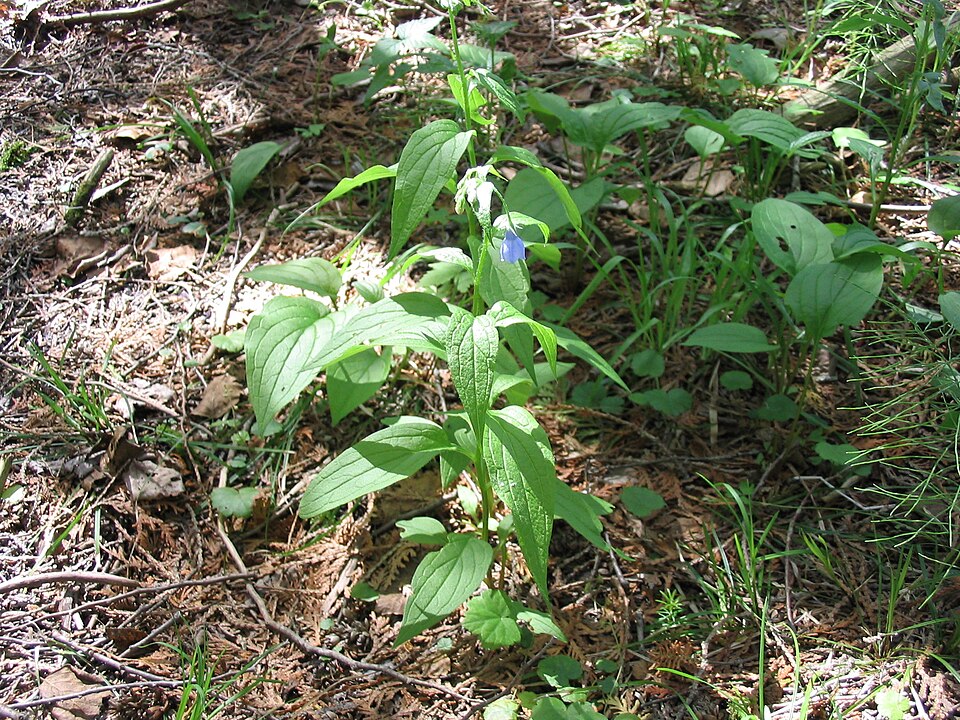
Mertensia paniculata, commonly known as Bluebells or Tall Bluebells, is one of Alaska’s most enchanting wildflowers — a graceful, nodding perennial herb whose pendulous clusters of sky-blue, pink, and occasionally white bell-shaped flowers brighten the understory of boreal forests, wetland margins, and moist mountain meadows from late spring through midsummer. Named after the German botanist Franz Karl Mertens, Mertensia is a genus of roughly 40 species in the Boraginaceae (borage) family, and M. paniculata is among the most beautiful and ecologically important members of the genus in the north.
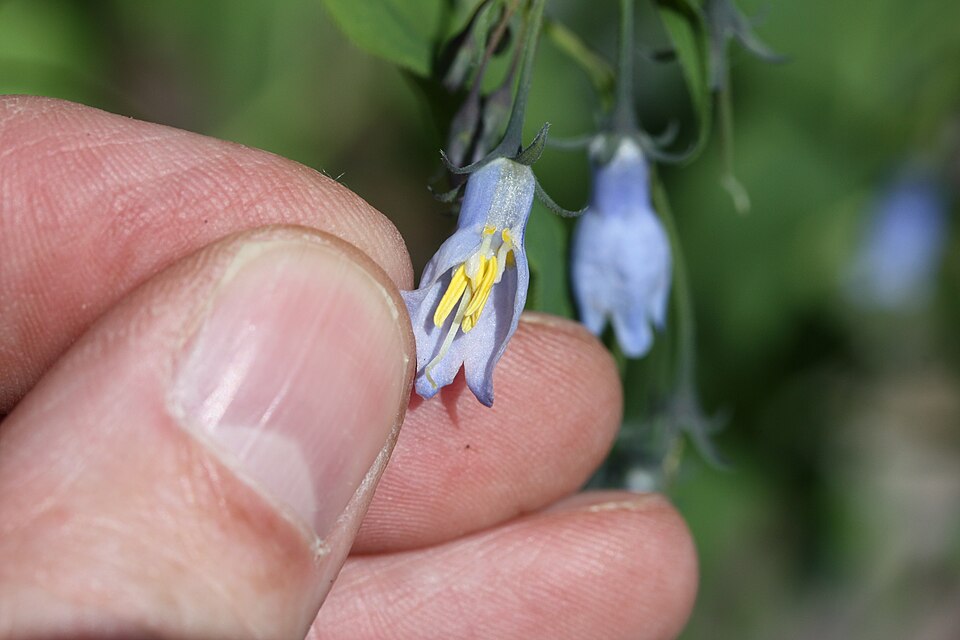
What makes Bluebells particularly captivating is the remarkable color transformation of its flowers: the buds open pink, then gradually shift to the characteristic clear blue-purple as they mature, with some plants producing white flowers due to genetic variation. This color progression — pink to blue — is characteristic of the borage family and results from pH changes in the flower’s cell sap during development. In bloom, a single plant can simultaneously display pink buds, lavender-tinged opening flowers, and fully blue mature bells, creating a painterly effect. The drooping, scorpioid (coiled) flower clusters — called cymes — give the plant a distinctive weeping silhouette that makes it instantly recognizable even from a distance.
In Alaska and the northern boreal zone, Bluebells colonize the shaded, humus-rich soil beneath white spruce and paper birch, emerging in late May and June to provide one of the season’s first major nectar sources. The flowers are strongly preferred by long-tongued bees and bumblebees, while their nodding posture deters short-tongued visitors from reaching the nectar without pollinating. After flowering, the plant produces small nutlets (characteristic of Boraginaceae) and dies back completely to the ground by late summer — completely invisible until the following spring.
Identification
Mertensia paniculata grows as an upright to arching perennial herb, typically reaching 1 to 3 feet (30–90 cm) tall. Multiple stems arise from a fibrous root system, each bearing alternate leaves and terminating in drooping clusters of tubular flowers. The plant is smooth to slightly bristly-hairy, with a soft, somewhat succulent texture typical of many borage-family plants.
Leaves
The leaves are alternate, broadly ovate to lanceolate, 2 to 5 inches (5–13 cm) long, with a prominent midvein and secondary veins. The texture is somewhat rough or sandpapery on the upper surface and paler on the underside. Basal leaves (when present) may have winged petioles; upper stem leaves are sessile (lacking a stalk) or nearly so. The leaves have a distinctive appearance that resembles some comfreys (Symphytum) but are generally more softly textured and less bristly.
Flowers
The flowers are the plant’s defining feature: small (about ⅓ to ½ inch or 8–13 mm long), tubular with a 5-lobed bell-shaped face, and arranged in drooping, coiled cymes (scorpioid cymes) that straighten as the flowers open. The color progression from pink bud to blue mature flower is consistent and diagnostic. The flowers have 5 small scales (fornices) at the throat that restrict nectar access to long-tongued pollinators. The flowering period extends from late May through July depending on elevation and latitude.
Fruit
After pollination, the flowers produce 4 small, wrinkled nutlets (about 2–3 mm long) that are characteristic of the borage family. These nutlets are dispersed by animals and gravity, slowly building local populations in appropriate habitat. The plant has no special long-distance dispersal mechanism — which is why Bluebells tend to form stable colonies in favorable spots rather than spreading widely.
Quick Facts
| Scientific Name | Mertensia paniculata |
| Family | Boraginaceae (Borage) |
| Plant Type | Perennial Herb / Wildflower |
| Mature Height | 1–3 ft |
| Sun Exposure | Part Shade to Full Shade (thrives in dappled forest light) |
| Water Needs | Moderate to High (consistently moist soil) |
| Bloom Time | May – July |
| Flower Color | Pink (buds) to blue-purple (mature); occasionally white |
| USDA Hardiness Zones | 2–7 |
Native Range
Mertensia paniculata is a species of the northern boreal and montane zone, native to Alaska, northwestern Canada, and the northern Rocky Mountains. In Alaska, it is widespread throughout the Interior, Southcentral, and Southeastern regions, growing from sea level to alpine elevations wherever moist, shaded conditions prevail. It is particularly abundant along streams, in rich, moist forest understory, and in mountain meadows that receive late-season snowmelt.
The species extends east across the Canadian boreal zone through Yukon and Northwest Territories, British Columbia, Alberta, Saskatchewan, and Manitoba, reaching into the Great Lakes region of Minnesota, Wisconsin, and Michigan, and extending south through Montana, Idaho, Wyoming, and into South Dakota in the northern Great Plains. In the Rocky Mountains, it grows at elevations from valley bottoms to well above 8,000 feet in subalpine meadows.
Within its range, Bluebells is typically found in moist forest understory, particularly beneath white spruce, Engelmann spruce, paper birch, and aspen. It is also common along streambanks, in open willow and alder thickets, and in the transition zone between wetlands and upland forest. Its tolerance of shade and preference for cool, moist conditions make it characteristic of the northern boreal biome.
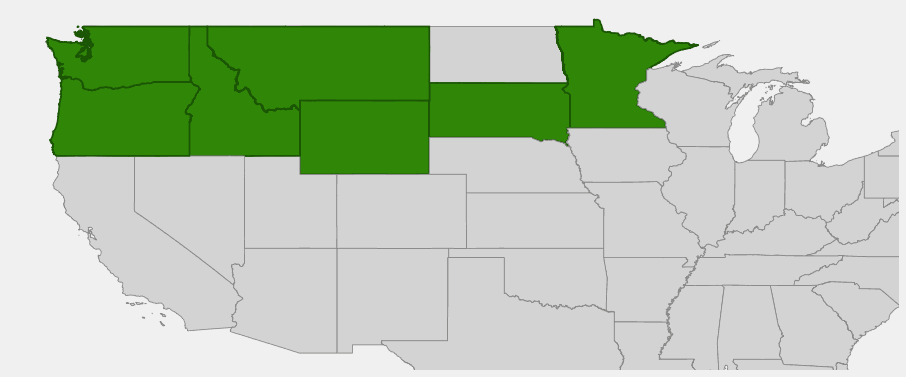
📋 Regional plant lists featuring Bluebells: Alaska
Growing & Care Guide
Mertensia paniculata is a relatively easy native wildflower to grow if you can provide its essential requirement: consistently moist, humus-rich soil in a partially shaded location. In the right spot, it will reward you with spectacular early-summer color and return reliably for many years.
Light
Bluebells thrives in partial shade to dappled light — conditions found at the edge of the forest canopy or beneath deciduous trees that provide open shade. It tolerates deeper shade but produces fewer flowers. Full sun is generally too stressful in most of the lower 48, though in Alaska’s cool climate it can grow in more exposed conditions. Morning sun with afternoon shade is an excellent compromise in garden settings.
Soil & Water
This plant requires consistently moist, rich, well-drained soil with high organic matter content — the kind found naturally in forest understory with deep leaf litter accumulation. It does not tolerate drought or standing water. Amend clay or sandy soils generously with compost before planting. A 2–3 inch layer of leaf mulch mimics the plant’s natural growing conditions and helps maintain the consistent moisture it needs. Water regularly during dry spells, as the foliage will wilt and the plant will decline rapidly if allowed to dry out.
Planting Tips
Plant Bluebells from nursery-grown container stock or divisions in early spring or fall. Space plants 12–18 inches apart to allow for natural spread. Bluebells can also be grown from seed — sow fresh seed in fall (cold stratification naturally occurs over winter) or stratify seeds artificially for 4–6 weeks before spring sowing. Be patient: seed-grown plants may take 2–3 years to reach flowering size. Once established, Bluebells will self-seed modestly and gradually naturalize in appropriate habitat.
Pruning & Maintenance
Bluebells requires virtually no maintenance once established. Allow the foliage to die back naturally in midsummer — this is normal summer dormancy, not disease. The spent stems can be cut back at this point or left to decompose naturally. Do not disturb the roots during summer dormancy, as the plant’s location may be difficult to mark. Bluebells pairs beautifully with other shade-loving natives like Bunchberry (Cornus canadensis), Wild Ginger, and Western Trillium that provide foliage interest after Bluebells has gone dormant.
Landscape Uses
- Woodland garden as a spectacular early-summer accent
- Shaded border combined with ferns, hostas, and other shade lovers
- Streamside planting in moist, partially shaded riparian areas
- Native meadow mix at forest edges and clearings
- Pollinator garden — excellent for early-season bumblebees
- Naturalized areas beneath deciduous trees where it can self-seed
Wildlife & Ecological Value
Despite its modest stature, Mertensia paniculata provides significant ecological value in boreal and northern forest ecosystems, particularly as an early-season resource for pollinators.
For Birds
While Bluebells does not produce fleshy fruit, the small nutlets are consumed by some ground-foraging birds. More importantly, the dense foliage provides cover for ground-nesting birds and small songbirds during the breeding season. The insects attracted to the flowers provide protein for insectivorous birds and their nestlings.
For Mammals
Moose and deer browse the foliage of Bluebells, which can limit its establishment in heavily browsed areas. The plant’s toxicity (it contains pyrrolizidine alkaloids) may deter some grazers, but ungulate browsing pressure can be significant in early spring when fresh green growth is scarce. Voles and other small rodents may consume the roots and nutlets.
For Pollinators
This is where Bluebells truly shines ecologically. The tubular, nectar-rich flowers are specialist resources for long-tongued bumblebees (Bombus spp.) and other long-tongued native bees. The flowers’ design — with nectar-protecting fornices (throat scales) — physically excludes short-tongued visitors, ensuring that only effective pollinators can access the nectar. Queen bumblebees, which need abundant nectar resources in early summer to establish new colonies, rely heavily on Mertensia and similar tubular flowers. In Alaska, Bluebells is one of the most important early-season bumblebee forage plants across vast stretches of the Interior.
Ecosystem Role
Mertensia paniculata contributes to the structural complexity of the forest understory, providing a mid-layer of flowering vegetation between the ground and the canopy. Its presence indicates high-quality, undisturbed forest soil conditions — it is often one of the first casualties of soil compaction, excess deer browsing, or invasive plant encroachment. Protecting and encouraging Bluebells in forest understory plantings helps maintain the ecological integrity of the herbaceous layer.
Cultural & Historical Uses
Like many members of the borage family, Mertensia paniculata was used medicinally by Indigenous peoples across its range, though specific ethnobotanical documentation for this species is less extensive than for some other Alaskan native plants. Athabascan peoples of Alaska’s Interior were familiar with the plant and recognized its different properties from related species. The borage family as a whole has a long history of use in traditional medicine for its mucilaginous, soothing properties.
In Alaska Native traditional knowledge systems, the landscape’s wildflowers served as ecological indicators — their presence, abundance, and timing providing information about seasonal changes, soil conditions, and ecosystem health. Bluebells, as a consistent component of healthy boreal forest understory, would have been recognized as a marker of good forest conditions. Its relationship with pollinators, particularly bumblebees, connected it to the broader web of understanding about how forest ecosystems function.
Today, Mertensia paniculata is grown by native plant enthusiasts and wildflower gardeners throughout the northern United States and Canada for its ornamental value. Its stunning flower color and early bloom season make it a prized addition to woodland gardens. Seed is increasingly available from native plant nurseries specializing in boreal and northern species, reflecting growing recognition of its value for both beauty and ecological function. The species is also valued by restoration ecologists for its role in reconstructing the herbaceous layer of disturbed boreal forests.
Frequently Asked Questions
Why do Bluebells change color from pink to blue?
The color change from pink bud to blue flower is caused by a shift in the pH of the cell sap in the petals as the flower matures. The pigment responsible — an anthocyanin — appears pink in acidic conditions and blue in neutral to alkaline conditions. As the flower develops, the pH of the petal cells changes, triggering this color shift. This phenomenon is common throughout the borage family (Boraginaceae).
Is Mertensia paniculata toxic?
Like many borage-family plants, Mertensia contains pyrrolizidine alkaloids — compounds that can cause liver damage if consumed in large quantities over time. The plant is not considered a significant poisoning risk for humans who handle it in the garden, but it should not be consumed internally. Animals that repeatedly graze on it over extended periods may be at risk, though the bitter taste typically discourages overconsumption.
Why did my Bluebells disappear in summer?
Bluebells is a summer-dormant perennial — it naturally dies back to the ground in midsummer after setting seed, then remains dormant underground until the following spring. This is normal behavior, not disease or death. Mark the location with a plant tag so you don’t accidentally dig it up or plant something else in its spot during dormancy.
Can Bluebells grow in full shade?
Mertensia paniculata can tolerate fairly deep shade, though it flowers best in dappled or partial shade. In very deep shade, it may produce few or no flowers. The ideal situation is the shifting light conditions found at the edge of a deciduous woodland — bright enough for good flowering, but shaded enough to keep the soil cool and moist.
How do I get Bluebells to spread in my garden?
Allow spent flower heads to set seed and disperse naturally — the plant will self-sow modestly in appropriate conditions. Ensure the soil is consistently moist, humus-rich, and partially shaded. Dividing established clumps in early spring (just as growth begins) is another way to increase your plants. Avoid disturbing the soil during summer dormancy, and be patient — Bluebells builds slowly but rewards patience with beautiful, long-lived colonies.

Looking for a nursery that carries Bluebells?
Browse our native plant nursery directory: Alaska