Butter-and-Eggs (Triphysaria eriantha)
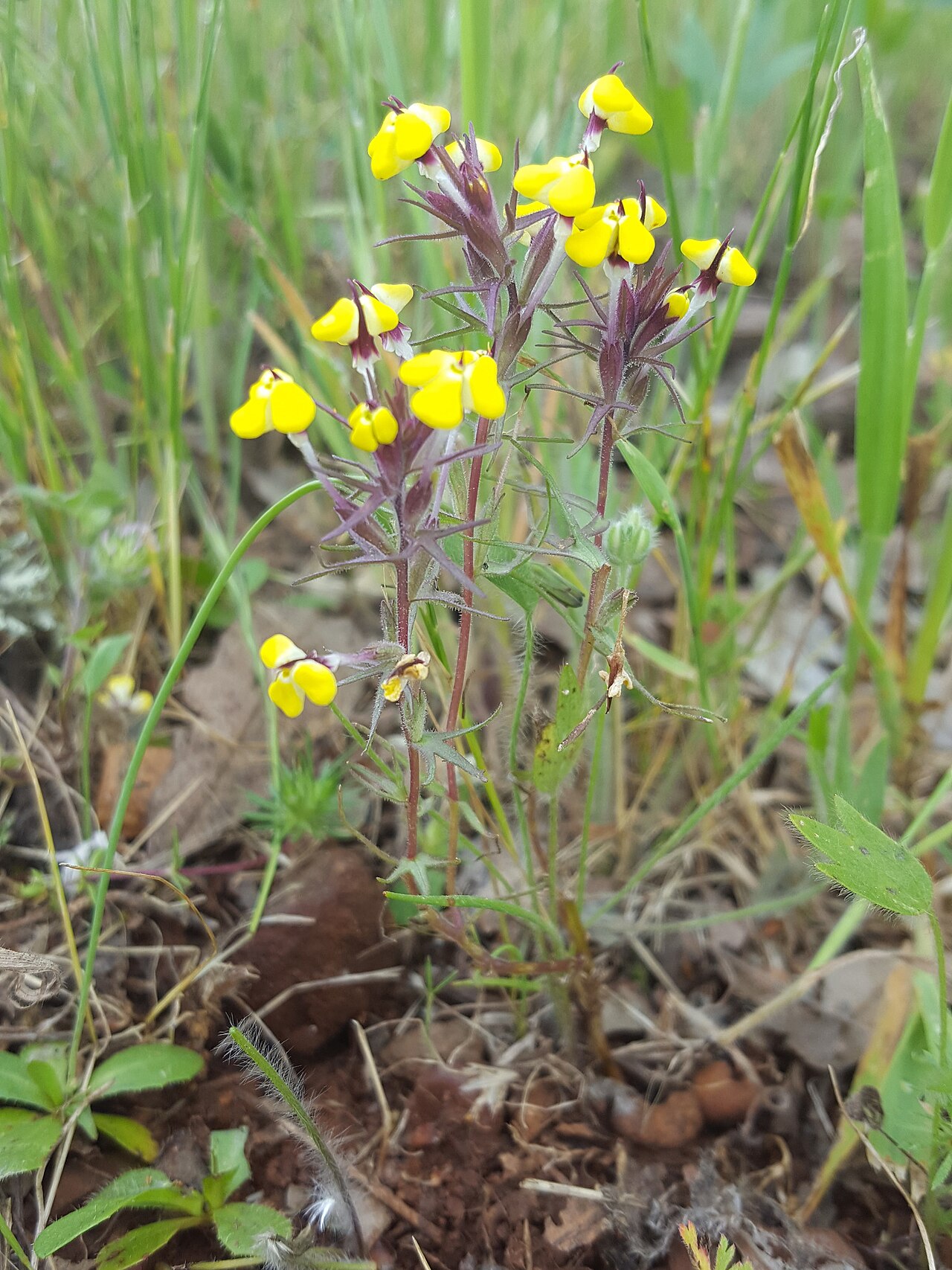
Triphysaria eriantha, commonly called butter-and-eggs or johnny-tuck, is a small native annual wildflower found in grassy and open habitats across California and southwestern Oregon. Its cheerful two-toned flowers — bright egg-yolk yellow with a pale, cream-colored lip — give it both of its common names and make it one of the more recognizable small wildflowers of the West Coast spring. It belongs to the broomrape family (Orobanchaceae), the same family as Indian paintbrush and owl’s-clover, and like many of its relatives it is a partial root parasite, tapping into the roots of nearby grasses and other plants for extra water and nutrients.
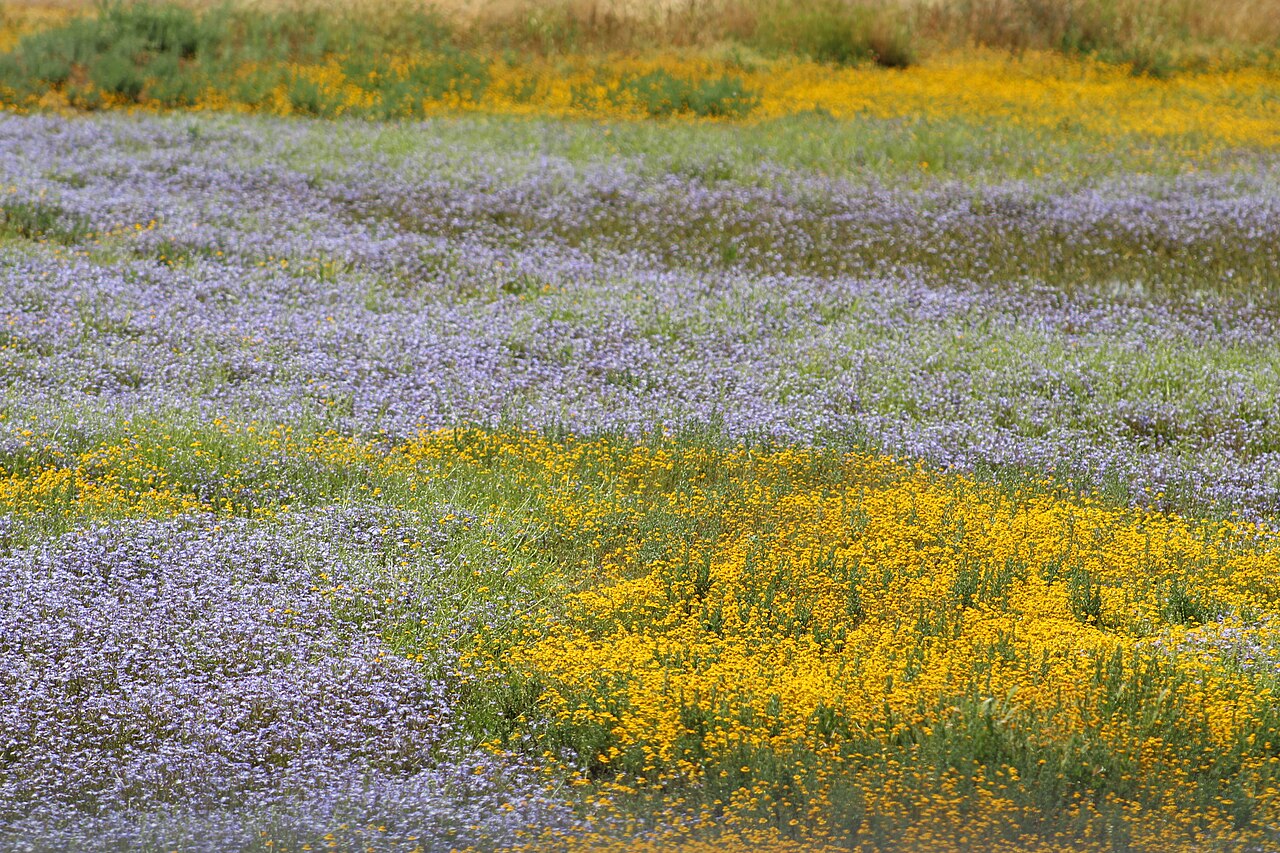
Despite the parasitic habit, butter-and-eggs is a well-behaved, modest-sized annual that rarely exceeds 14 inches tall. It is a signature species of California’s grasslands, oak woodland openings, and especially its vernal pools, where it often blooms in bright yellow sheets alongside other spring ephemerals such as Downingia and goldfields. The plant completes its entire life cycle — germination, flowering, seed set, and death — within a single growing season, usually February through May depending on elevation and rainfall.
For native plant gardeners in California and southwestern Oregon, butter-and-eggs is best grown in a wildflower meadow or mixed with bunchgrasses rather than as a standalone specimen, since it benefits from (though does not strictly require) a grassy host nearby. It self-sows readily where conditions suit it, reappearing each spring from its own seed bank.
Identification
Butter-and-eggs is a slender annual herb, typically 4 to 14 inches (10–35 cm) tall, with a single or branched, often purplish, softly hairy stem. The overall look is wiry and upright rather than sprawling, with flowers clustered toward the stem tips.
Leaves
Leaves are narrow and alternate, up to 2 inches long, deeply divided into a few slender, pointed lobes that give the foliage a feathery or finely dissected look. Foliage color ranges from green to purplish, especially in the upper leaves and bracts nearest the flowers, which often take on a dusky purple cast that contrasts with the bright yellow blooms.
Flowers
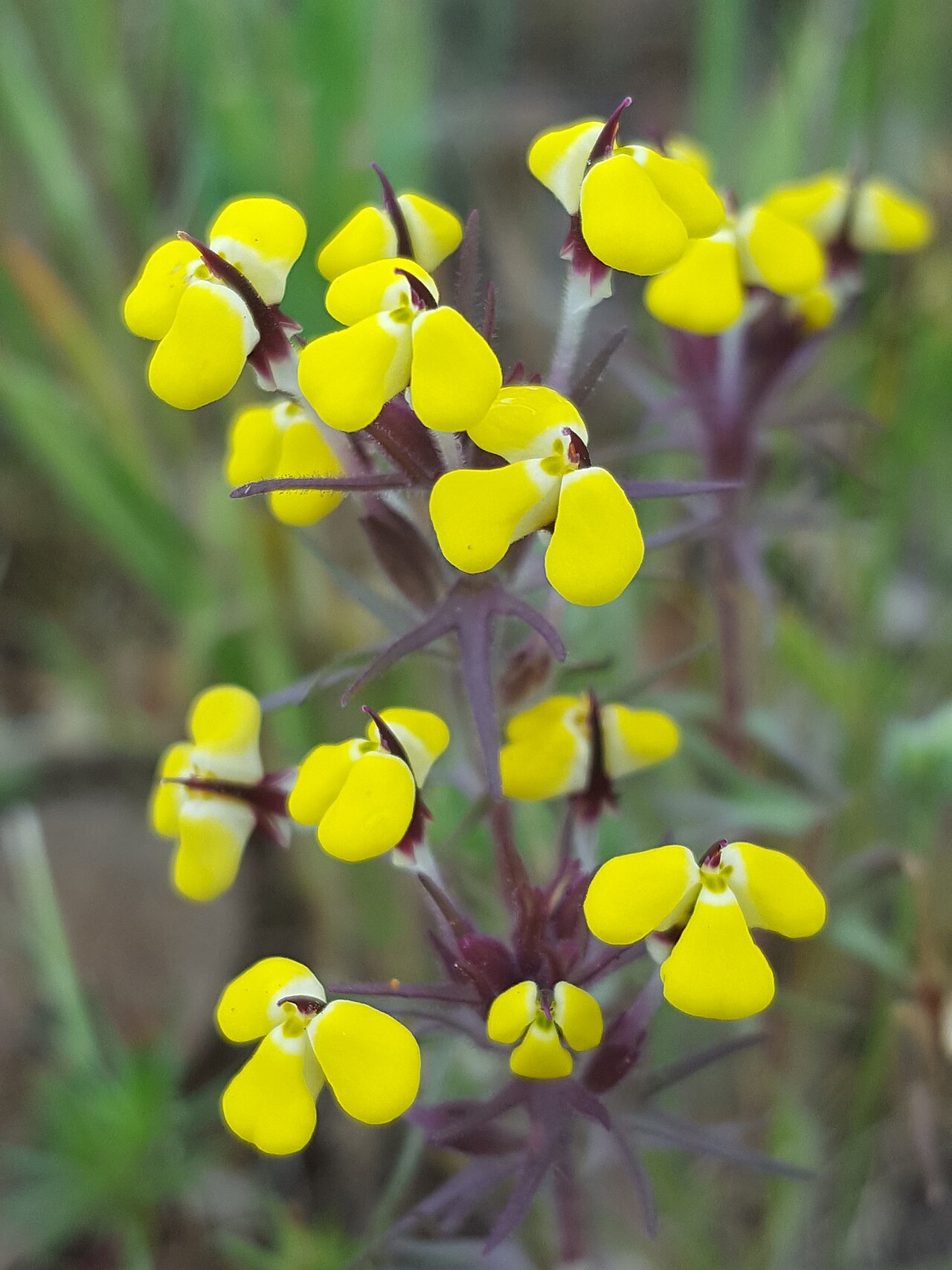
The tubular, two-lipped flowers are arranged in a loose spike at the stem tips, each flower cupped by a leafy, often purple-tinged bract. The upper lip is hooded and typically dark-tipped; the lower lip forms two or three rounded, pouch-like lobes in bright yellow, often with a white or cream patch at the throat. A separate color form, sometimes called pink butter-and-eggs, replaces the yellow with soft rose-pink, though the common yellow form is far more widespread. Bloom occurs from late winter into late spring.
Fruit & Seeds
After flowering, each flower produces a small, inconspicuous capsule containing numerous tiny seeds. Seed is the plant’s sole means of persistence from year to year, since it is a true annual with no perennial rootstock; healthy populations maintain themselves through a persistent soil seed bank.
Quick Facts
| Scientific Name | Triphysaria eriantha (syn. Orthocarpus erianthus) |
| Family | Orobanchaceae (Broomrape) |
| Plant Type | Annual Wildflower (facultative root hemiparasite) |
| Mature Height | 4–14 in (10–35 cm) |
| Mature Spread | 6–10 in, often in loose colonies from self-sowing |
| Growth Rate | Fast (completes life cycle in one season) |
| Sun Exposure | Full Sun to Part Shade |
| Water Needs | Moist in winter/spring, dry in summer (typical California annual pattern) |
| Soil Type | Clay, loam or sandy soils, including seasonally wet vernal-pool margins |
| Soil pH | 6.0–7.5 |
| Bloom Time | February – May |
| Flower Color | Bright yellow with cream throat (occasionally pink) |
| Fall Color | None (annual; dies back after seed set in late spring) |
| Fruit | Small dry seed capsule |
| Deer Resistant | Generally yes (low palatability reported) |
| USDA Hardiness Zones | 8–10 |
Native Range
Butter-and-eggs is native to California, where it is common and widespread across the Coast Ranges, Central Valley, Sierra foothills, and southern California, and to southwestern Oregon, where its range extends through the Rogue and Umpqua Valleys and nearby coastal foothills. It is not documented as a native species outside these two states.
Within this range, it grows across a wide variety of open habitats: grasslands, oak woodland and chaparral openings, coastal bluffs, and — perhaps most famously — vernal pools and their surrounding grassy margins, where it blooms alongside other seasonal wildflowers in some of California’s most distinctive spring wildflower displays. It grows from near sea level up into the lower mountains, generally below about 5,000 feet.
Because it is a facultative hemiparasite, butter-and-eggs is most often found growing among native bunchgrasses and other herbaceous plants whose roots it can tap, though it is also capable of completing its life cycle without a host. It is not known to be weedy or invasive anywhere, and gardeners outside California and southwestern Oregon should look for regional native wildflowers in the same family rather than attempting to grow this species out of range.
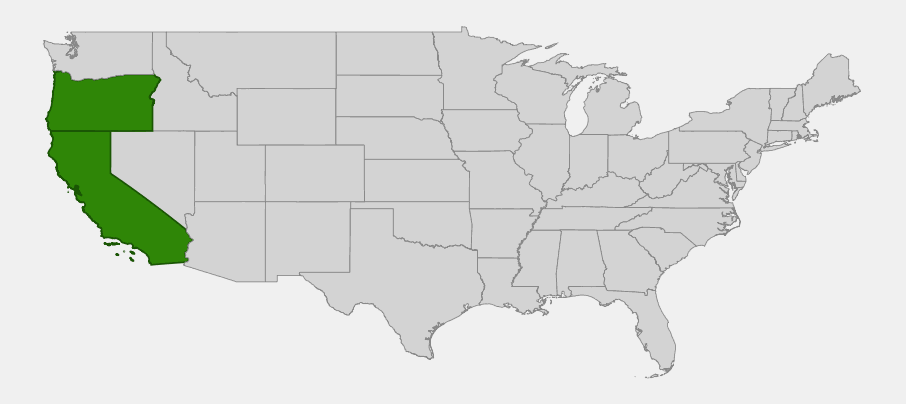
📋 Regional plant lists featuring butter-and-eggs: California & Nevada · Western Oregon & Washington
Growing & Care Guide
Butter-and-eggs is a cheerful, low-fuss addition to a California or southwestern Oregon wildflower meadow. Because it relies at least partly on host roots for extra nutrition, it performs best sown alongside bunchgrasses rather than grown alone in bare soil.
Light
Full sun to light part shade produces the densest flowering. In hot interior valleys, light afternoon shade can extend the bloom period slightly into late spring.
Soil & Water
This species follows California’s classic winter-wet, summer-dry annual pattern. It germinates with fall or winter rains, grows and flowers through a moist spring, and sets seed before drying out completely as the soil dries in late spring and summer. No irrigation is needed once established in a climate-appropriate planting; in fact, summer watering can shorten the bloom season and invite fungal problems.
Planting Tips
Sow seed directly in fall, scattering it over prepared, weed-free soil among an existing stand of native bunchgrasses or other low wildflowers that can serve as host plants. Light raking to ensure soil contact helps germination; the seed needs light and should not be buried deeply. Because it is a hemiparasite rather than a strict parasite, it will still germinate and grow without a host, though vigor is usually better with grassy neighbors nearby.
Pruning & Maintenance
None needed. As an annual, the plant completes its cycle and dies back on its own after seed set; leave the dried plants in place until seed has dropped if you want the patch to return the following year. Avoid tilling or heavy disturbance of the soil seed bank between seasons.
Landscape Uses
Butter-and-eggs works well in several native planting styles:
- California wildflower meadows mixed with bunchgrasses and other annual natives
- Vernal pool and seasonal wetland margin restorations
- Oak woodland understory plantings in open, sunny gaps
- Pollinator gardens as an early-spring nectar source
- Naturalistic grassland restoration projects
Wildlife & Ecological Value
Butter-and-eggs plays a modest but reliable role in California’s spring wildflower ecosystems, particularly in vernal pool habitats that support a specialized community of plants and insects.
For Pollinators
The tubular flowers are visited by native bees and other small pollinating insects drawn to the bright yellow color and nectar reward, contributing to the overall floral diversity that makes California’s spring wildflower displays so valuable to early-season pollinators.
For Birds
Seed-eating birds forage among grassland and vernal pool wildflower stands where butter-and-eggs grows, benefiting from the broader seed and insect resources these diverse annual communities support.
For Mammals
Small mammals move through and forage in the grassy, wildflower-rich habitats where this species grows, though butter-and-eggs itself is not a major forage plant and is generally reported as low in palatability.
Ecosystem Role
As a hemiparasite, butter-and-eggs draws some water and nutrients from neighboring grass roots, a relationship thought to help moderate grass vigor and maintain space for other wildflowers in competitive grassland communities. Its presence is often used as an indicator of relatively intact native grassland or vernal pool habitat, since it tends to decline where soils are heavily disturbed or dominated by aggressive non-native grasses.
Cultural & Historical Uses
Butter-and-eggs is primarily known today as a conspicuous and well-loved component of California’s spring wildflower displays rather than as a plant with a documented history of direct human use. Its bright yellow blooms, often carpeting grassland and vernal pool margins in great numbers, have long made it a favorite subject for wildflower enthusiasts, photographers, and native plant educators highlighting the state’s seasonal floral diversity.
As with many small annual wildflowers in California’s grasslands, butter-and-eggs would have been part of the diverse plant communities that Indigenous peoples of California managed through practices like seasonal burning, which helped maintain open grassland and wildflower habitat over many centuries. No specific historical record of direct use of this species as food or medicine is documented.
Today, butter-and-eggs is valued chiefly for its conservation and educational significance, serving as a readily recognizable marker species for healthy vernal pool and native grassland ecosystems — habitats that have been dramatically reduced by agricultural conversion and development across California’s Central Valley and coastal regions.
Frequently Asked Questions
Is butter-and-eggs a true parasite that will kill my other plants?
No. It is a facultative hemiparasite, meaning it can draw some water and nutrients from neighboring grass roots but is not dependent on a host and does not seriously harm established companion plants. It also carries out its own photosynthesis.
Can I grow butter-and-eggs outside of California or Oregon?
It is only native to California and southwestern Oregon, and is best kept within that range. Gardeners elsewhere should look for a regional native wildflower instead of introducing this species outside its natural range.
Why do I need a host grass to grow butter-and-eggs?
A host is not strictly required, since the species is a facultative rather than obligate parasite, but it typically grows more vigorously and flowers more densely when planted among native bunchgrasses it can tap for extra nutrients.
When does butter-and-eggs bloom?
Bloom runs from February to May depending on elevation, rainfall, and location, with coastal and low-elevation populations typically flowering earliest in the season.
Will butter-and-eggs come back every year?
As a true annual, individual plants die after setting seed each spring, but established populations reseed themselves naturally from the soil seed bank, returning reliably year after year as long as the site isn’t heavily disturbed.

Looking for a nursery that carries butter-and-eggs?
Browse our native plant nursery directory: California · Oregon