California Coneflower (Rudbeckia californica)
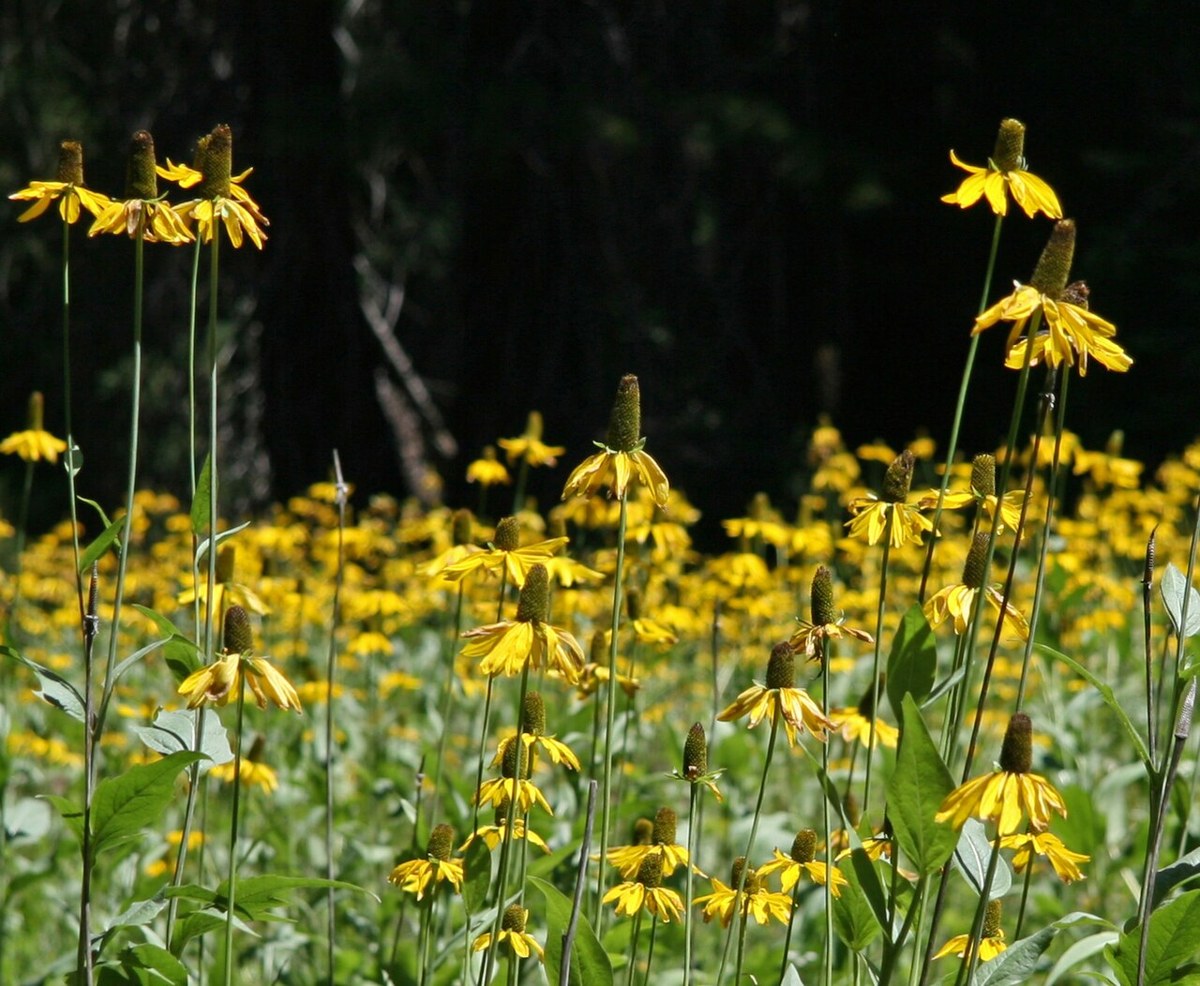
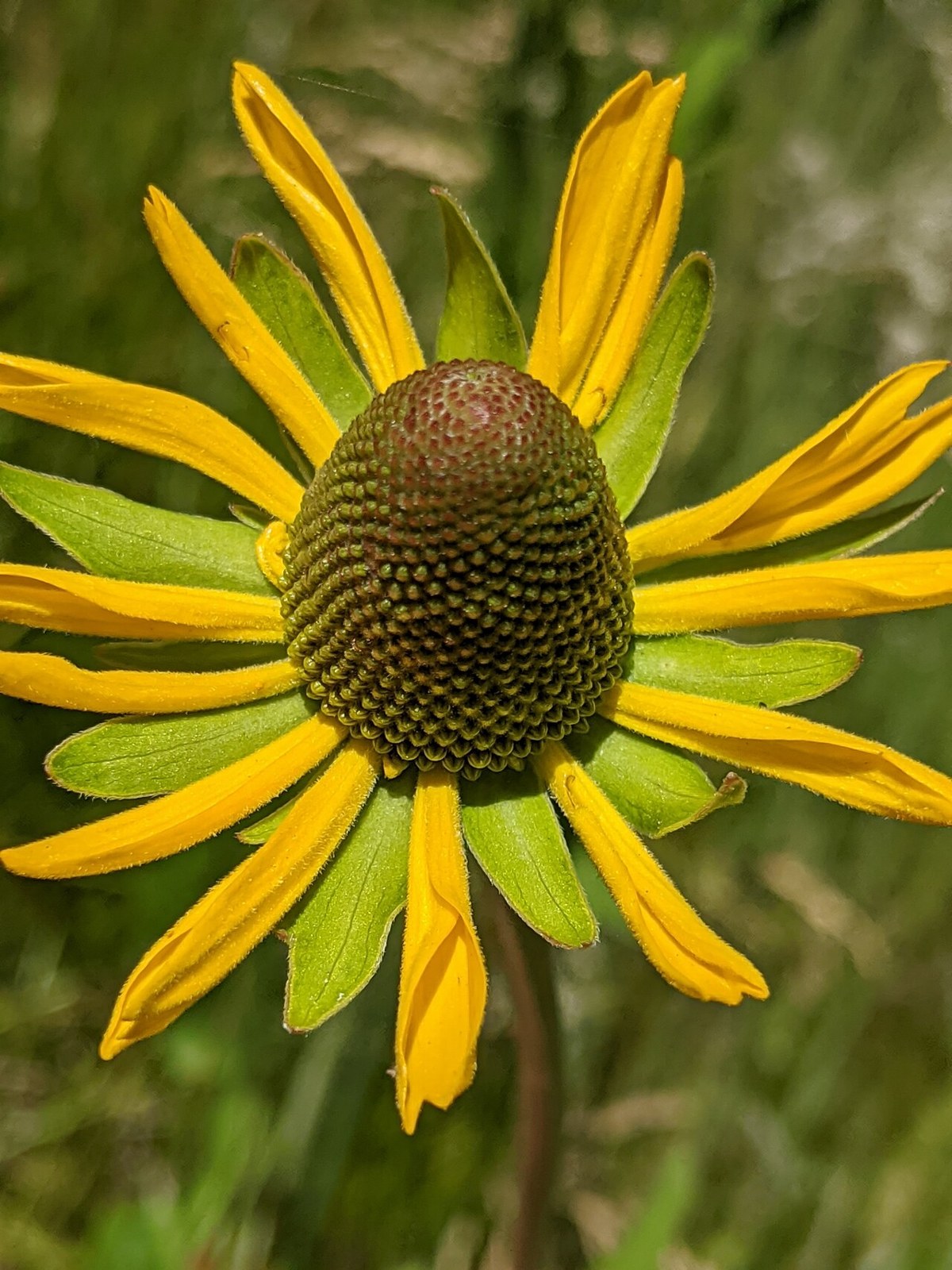
Rudbeckia californica, commonly called California coneflower, is a tall, dramatic perennial wildflower of high mountain meadows in the Sierra Nevada and the Klamath-Siskiyou ranges of far northern California. It is instantly recognizable by its unusually elongated, cylindrical cone — far taller than the flattened disks of most black-eyed susans — surrounded by a loose skirt of drooping, bright yellow ray petals.
Growing 3 to 7 feet tall in the wettest pockets of subalpine and montane meadows, California coneflower forms bold, eye-catching stands wherever summer moisture lingers — along stream edges, seeps, and snowmelt-fed meadows at mid to high elevation. Its scale and unusual flower shape make it one of the most distinctive native sunflowers of California’s mountains.
In the garden, California coneflower is best suited to consistently moist sites — rain gardens, pond edges, or irrigated borders — where its height and architectural cone-shaped blooms create a striking late-summer focal point, especially valued by pollinators and seed-eating birds.
Identification
California coneflower is a robust, clump-forming perennial, typically 3 to 7 feet tall, with sturdy, mostly unbranched stems rising from a basal clump of large leaves.
Stems
Stems are stout, erect, and largely unbranched below the flowering heads, often somewhat hairy, and capable of standing without staking even at their full height in consistently moist soil.
Leaves
Basal and lower leaves are large, oval to broadly lance-shaped, 4 to 10 inches long, coarsely toothed, and usually slightly rough or hairy to the touch. Upper stem leaves are smaller and narrower, reducing in size toward the flower heads.
Flowers
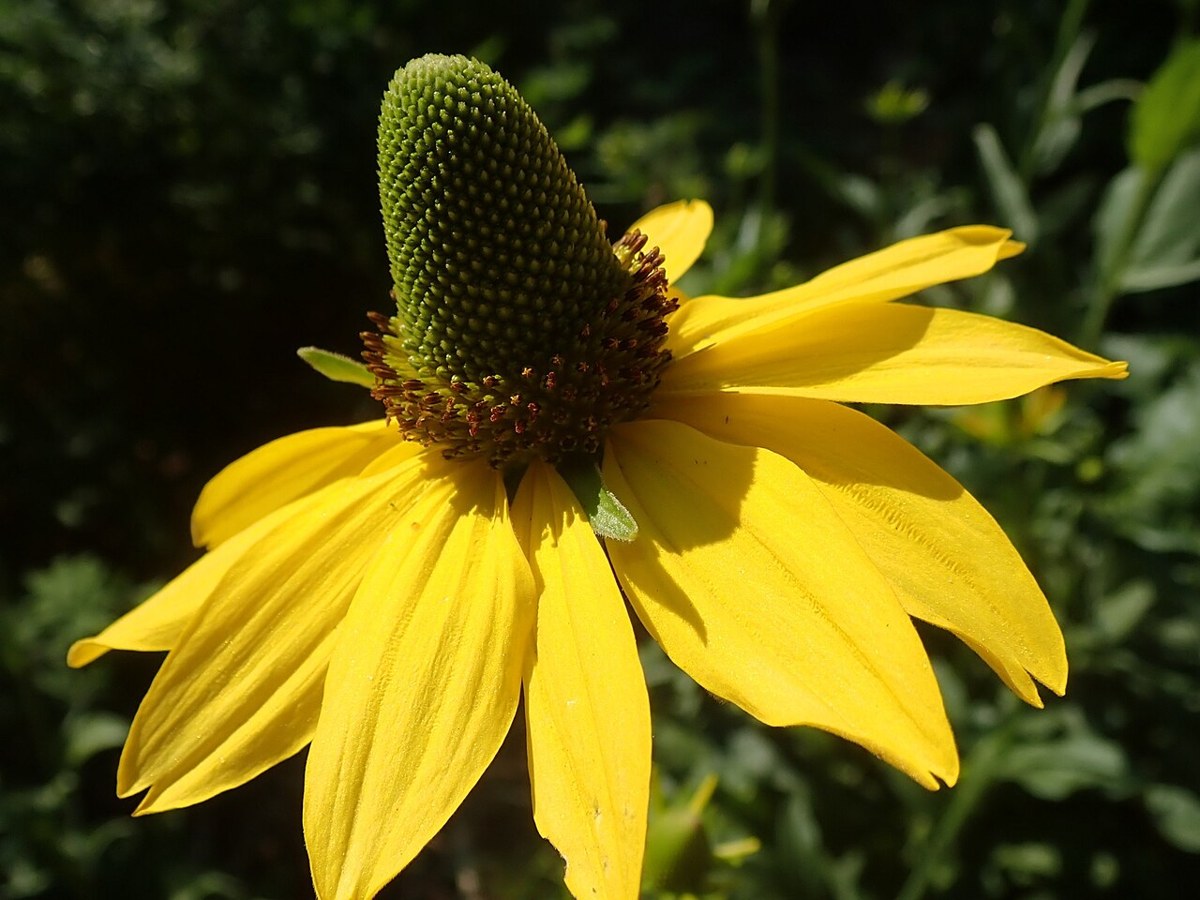
The flower heads are the plant’s signature feature: a tall, cylindrical to conical central disk, often 1 to 2 inches tall, colored brownish-green to olive, surrounded by 8 to 14 bright yellow ray florets that droop or flare outward rather than lying flat. Bloom occurs from mid to late summer, typically July through September, timed to the brief high-elevation growing season.
Fruit & Seeds
After bloom, the tall cones persist and dry to a dark brown, packed with small achenes that remain available to seed-eating birds well into fall and winter.
Quick Facts
| Scientific Name | Rudbeckia californica |
| Family | Asteraceae (Aster) |
| Plant Type | Herbaceous Perennial |
| Mature Height | 3–7 ft |
| Mature Spread | 2–3 ft |
| Growth Rate | Moderate to fast (in moist soil) |
| Sun Exposure | Full Sun to Part Shade |
| Water Needs | High (consistent moisture) |
| Soil Type | Rich, moist loam; tolerates seasonally saturated soil |
| Soil pH | 5.5–7.0 (slightly acidic to neutral) |
| Bloom Time | July – September |
| Flower Color | Yellow rays with an olive-brown cone |
| Fall Color | Foliage browns after frost; dried cones persist |
| Fruit | Small achenes packed in the persistent cone |
| Deer Resistant | Moderate |
| USDA Hardiness Zones | 6–9 |
Native Range
California coneflower is native to California, where county-level records confirm it through the high Sierra Nevada and the Klamath-Siskiyou Mountains of the far north, generally at middle to high elevations where summer moisture persists into the growing season.
It is a plant of wet mountain meadows, stream banks, seeps, and the margins of montane marshes — habitats that stay saturated or at least consistently moist through the growing season even as surrounding slopes dry out. Because of this narrow moisture requirement, the species tends to occur in scattered, localized stands rather than spreading broadly across the landscape.
Its reliance on reliable summer moisture at elevation ties California coneflower closely to snowmelt-fed meadow systems, making it sensitive to changes in mountain hydrology and a useful indicator of healthy, well-watered subalpine meadow habitat.
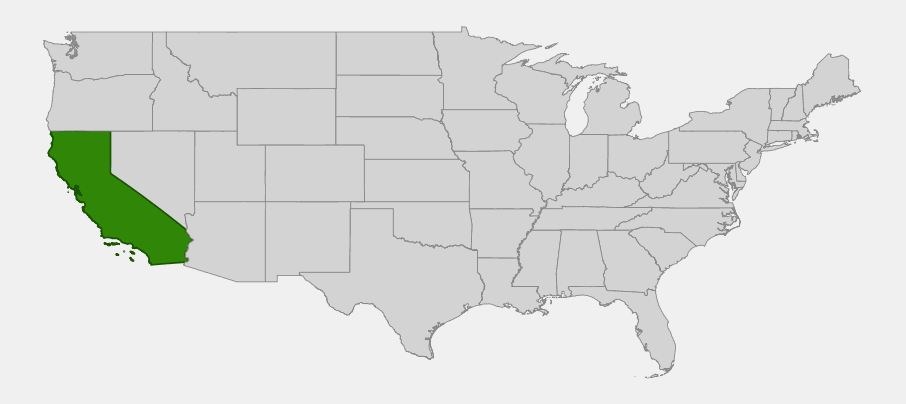
📋 Regional plant lists featuring California coneflower: California & Nevada
Growing & Care Guide
California coneflower is easy to grow wherever soil stays consistently moist, but it struggles quickly in dry conditions that most other California natives tolerate.
Light
Full sun produces the sturdiest stems and best bloom, though the plant tolerates light shade, especially in hotter inland gardens where some afternoon relief helps prevent wilting.
Soil & Water
This is one of the thirstier California natives — plant it in rich, consistently moist soil and expect to irrigate regularly through summer unless the site is naturally wet, such as a streamside or low spot that collects runoff. It tolerates occasional standing water better than most garden perennials but does not do well in dry, fast-draining soil without supplemental water.
Planting Tips
Plant in spring after the danger of hard frost has passed, siting it near downspouts, rain gardens, pond margins, or other reliably moist spots. Space plants 18 to 24 inches apart to allow for their eventual height and spread.
Pruning & Maintenance
Cut stems back in late fall or early winter after birds have had a chance to feed on the seed heads. Taller stands may benefit from staking in windy sites, though sturdy, well-watered plants rarely need it.
Propagation
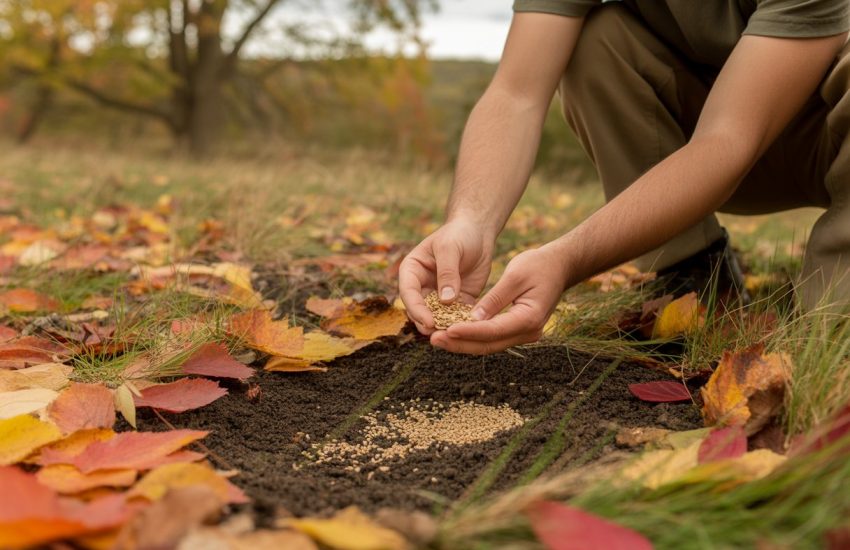
Propagate by dividing clumps in early spring, or by sowing seed in fall and allowing winter cold to assist germination.
Landscape Uses
- Rain gardens and bioswales
- Pond and stream margins
- Back-of-border accent in irrigated beds
- Wet meadow restoration plantings
- Cut flower gardens — the tall cones hold up well in arrangements
Wildlife & Ecological Value
For Pollinators
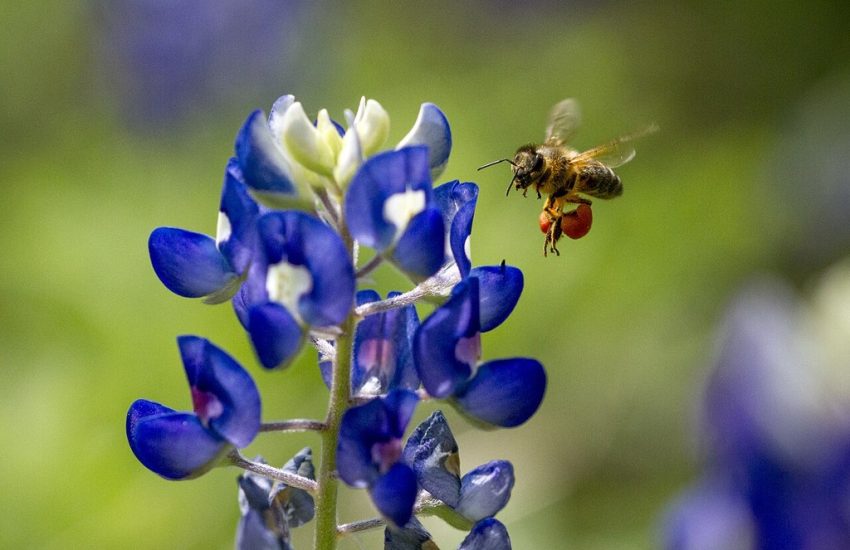
The large flower heads attract native bees, bumblebees, and butterflies throughout the summer bloom period, providing an important nectar and pollen source in high-elevation meadows where flowering plants can be scarce.
For Birds
Goldfinches and other seed-eating songbirds feed on the ripe achenes packed into the tall, persistent cones, often well into fall and winter if stems are left standing.
For Mammals
Deer browse California coneflower occasionally but generally prefer other, more palatable meadow plants, giving it moderate resistance in gardens with light to moderate deer pressure.
Ecosystem Role
As a tall, moisture-loving perennial, California coneflower contributes structure and late-season nectar to wet mountain meadow communities, and its persistence is closely tied to the health of the snowmelt-fed hydrology that keeps these meadows wet through summer.
Cultural & Historical Uses
Documentation of traditional use of California coneflower specifically is limited, though other native Rudbeckia species have a history of use by Indigenous peoples across North America, including as topical treatments and in ceremonial contexts. These broader genus-level uses are noted here as history, not as guidance for use of this species.
The plant’s striking, oversized cone has made it notable among botanists and wildflower enthusiasts exploring Sierra Nevada meadows, where it stands out dramatically from the more common black-eyed susans and other coneflowers of lower elevations.
Frequently Asked Questions
What makes California coneflower different from other Rudbeckia species?
Its unusually tall, cylindrical cone — often an inch or two tall — sets it apart from the flatter, more rounded centers typical of black-eyed susan and other coneflowers.
How much water does California coneflower need?
A lot, by California native standards. It comes from consistently wet mountain meadows and needs regular moisture through summer to thrive in cultivation.
How tall does California coneflower grow?
Typically 3 to 7 feet in good conditions, making it one of the taller native perennials suited to California gardens with reliable moisture.
Is California coneflower deer resistant?
Moderately. Deer will browse it occasionally but tend to prefer other plants when available, so it holds up reasonably well under light deer pressure.
Can California coneflower be grown in a dry garden?
Not successfully without supplemental irrigation. It is best reserved for rain gardens, pond edges, or other consistently moist planting areas.

Looking for a nursery that carries California coneflower?
Browse our native plant nursery directory: California