Chaparral Currant (Ribes malvaceum)
Ribes malvaceum, commonly known as chaparral currant, is a soft-leaved, deciduous shrub endemic to California, where it ranks among the very first native shrubs to bloom each year. Its felted, maple-like leaves and hanging clusters of pink to rose-colored flowers open as early as November and continue through February — well before most chaparral and coastal sage scrub plants stir from winter dormancy. A member of the Grossulariaceae (currant and gooseberry family), it lacks the spines of many of its Ribes relatives, making it a friendlier, easier shrub to work with in the garden.
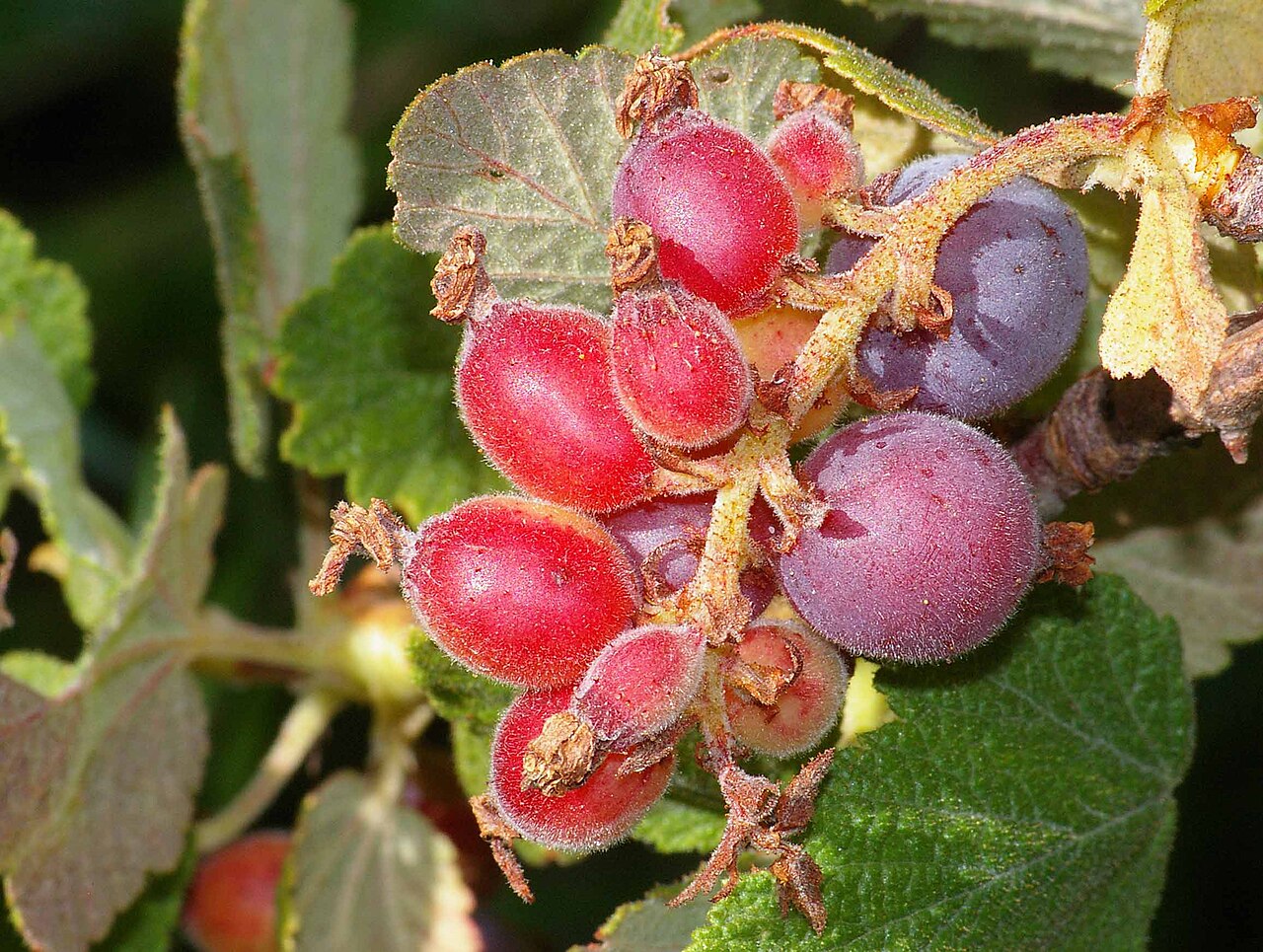
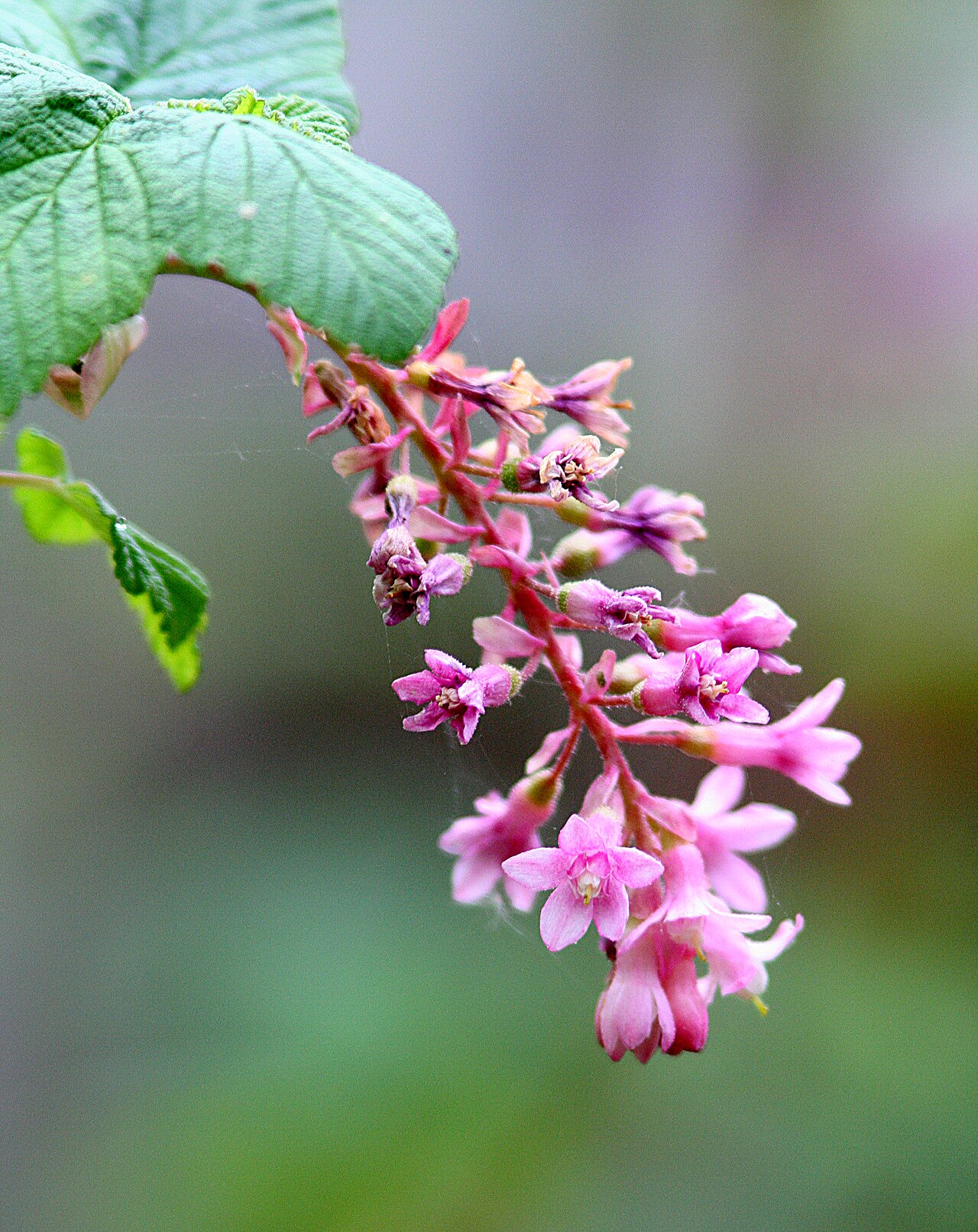
Growing 3 to 8 feet tall and often wider than tall, chaparral currant forms an arching, loosely rounded mound of gray-green, softly hairy leaves that drop in the heat of summer as the plant goes dormant — a classic drought-avoidance strategy shared by many California chaparral natives. The tubular pink flowers, borne in drooping racemes, are a critical nectar source for Anna’s hummingbirds during the lean winter months, and the small, dark, glandular-hairy berries that follow in late spring feed a range of birds and mammals.
Chaparral currant is an excellent choice for dry shade or part-sun gardens throughout its native range, tolerating poor soils, needing no summer irrigation once established, and rewarding gardeners with months of winter color when little else is blooming. Its willingness to go summer-deciduous also makes it a natural fit for authentic, low-water chaparral and coastal sage scrub plant communities.
Identification
Chaparral currant is a many-branched, deciduous shrub typically 3 to 8 feet tall and 4 to 10 feet wide, with an open, arching growth habit. Unlike gooseberries in the same genus, it is unarmed — the stems lack spines or prickles, making it comfortable to plant near paths and seating areas.
Bark & Stems
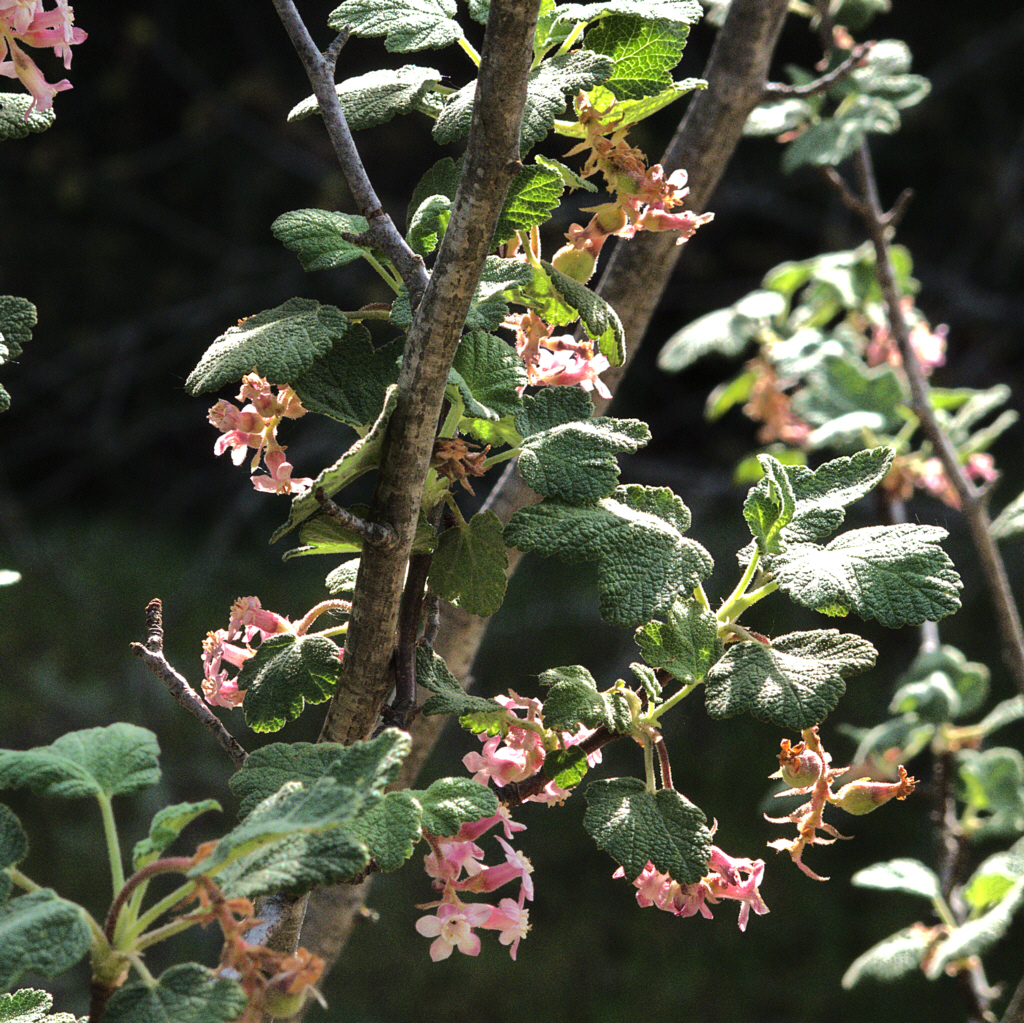
Young stems are slender and grayish, covered in fine, soft hairs and small glandular hairs that give the whole plant a slightly sticky, aromatic feel when brushed. Older wood becomes gray and somewhat shreddy with age.
Leaves
Leaves are simple, alternate, and roughly maple-shaped, 1 to 3 inches across, with three to five shallow lobes and toothed margins. The upper surface is dull gray-green and softly hairy (hence the species name malvaceum, “mallow-like”), while the underside is paler and more densely felted. Leaves emerge with the winter flowers and are typically shed by mid- to late summer as the plant enters drought dormancy, a trait that distinguishes it from the closely related, evergreen pink-flowering currant (Ribes sanguineum) of wetter regions.
Flowers
Flowers are small, tubular, and pink to deep rose, roughly ⅜ inch long, hanging in loose, drooping racemes of 10 to 20 blooms from the leaf axils. Bloom time runs from November through February or March depending on elevation and rainfall — among the earliest of any California native shrub — providing crucial nectar when few other plants are in flower.
Fruit & Seeds
The fruit is a small round berry, about ¼ to ⅜ inch across, covered in fine glandular hairs, ripening from green to dark purple-black in late spring to early summer. The berries are edible but seedy, somewhat resinous, and not particularly palatable fresh; they are consumed far more enthusiastically by wildlife than by people.
Quick Facts
| Scientific Name | Ribes malvaceum |
| Family | Grossulariaceae (Currant) |
| Plant Type | Deciduous Shrub |
| Mature Height | 3–8 ft |
| Mature Spread | 4–10 ft |
| Growth Rate | Moderate |
| Sun Exposure | Part Shade to Full Sun (coastal) |
| Water Needs | Low; summer-deciduous and drought tolerant once established |
| Soil Type | Well-drained clay, loam, or rocky soils |
| Soil pH | 6.0–7.5 |
| Bloom Time | November – March |
| Flower Color | Pink to rose |
| Fall Color | Leaves drop in summer dormancy, not noted for fall color |
| Fruit | Small glandular-hairy purple-black berries |
| Deer Resistant | Moderate |
| USDA Hardiness Zones | 8–10 |
Native Range
Chaparral currant is endemic to California, ranging from the inner North Coast Ranges and San Francisco Bay Area south through the Central Coast and Transverse Ranges to San Diego County, with its range continuing into northern Baja California, Mexico. It is most common and abundant in the Central Coast and South Coast ranges, where it is a signature early-blooming shrub of the chaparral and foothill woodland understory.
Throughout its range, chaparral currant typically grows below about 5,000 feet elevation in chaparral, coastal sage scrub, foothill oak woodland, and the edges of closed-cone pine forest, often on north-facing slopes or in partial shade beneath oaks where competition for winter moisture is reduced. It commonly grows alongside California sagebrush, toyon, laurel sumac, and coast live oak.
Chaparral currant is not native outside California and northern Baja California; it does not occur naturally in Nevada, Arizona, or further north in Oregon, so gardeners outside this coastal and foothill range should look to regionally appropriate currant species instead.
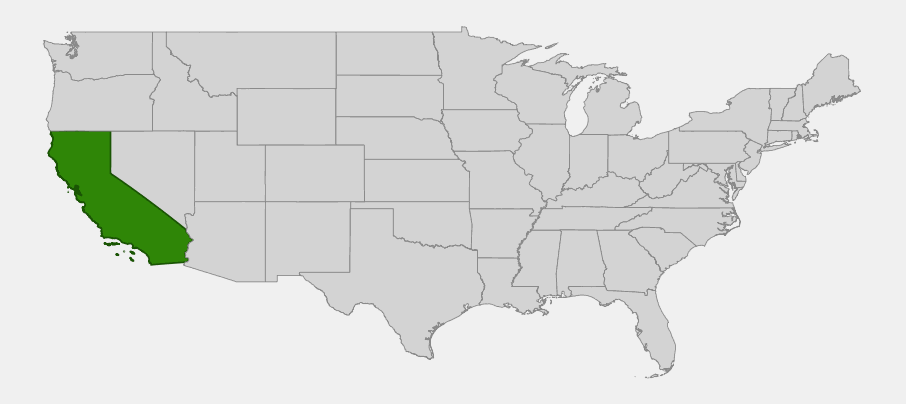
📋 Regional plant lists featuring Chaparral currant: California & Nevada
Growing & Care Guide
Chaparral currant is a low-fuss, rewarding shrub for California gardens, offering some of the earliest flowers of the gardening year with minimal input once it’s settled in.
Light
Give it part shade to filtered sun in hot inland gardens, or full sun along the cooler coast. In its native habitat it often grows in the dappled shade of oaks, and container plants typically establish fastest with some afternoon shade during their first summer.
Soil & Water
Chaparral currant tolerates clay, loam, or rocky soils as long as drainage is reasonable. Water regularly through the first one to two growing seasons to establish a deep root system, then taper off — established plants need little to no summer water and, in fact, resent regular summer irrigation, which can encourage root rot and shorten the plant’s life. Expect the shrub to drop its leaves and look dormant through the hottest months; this is normal, not a sign of distress.
Planting Tips
Plant from containers in fall, timed with the first rains, so roots can establish over the cool, wet winter before summer drought arrives. Space plants 5 to 8 feet apart for an informal hedgerow, or use as a single specimen near a path or window where its winter bloom and hummingbird visitors can be enjoyed up close.
Pruning & Maintenance
Little pruning is needed. Thin out dead or crowded interior branches after flowering to maintain an open, graceful form, and avoid heavy shearing, which removes next winter’s flower buds and spoils the shrub’s natural arching habit. Chaparral currant is generally untroubled by pests, though aphids may appear on tender new growth in late winter.
Propagation
Propagate from hardwood cuttings taken during winter dormancy, or from seed collected from ripe summer berries and cold-stratified before spring sowing. Cuttings root readily with rooting hormone in a well-drained mix kept lightly moist.
Landscape Uses
- Winter-blooming hummingbird gardens — a key nectar source when little else flowers
- Dry shade plantings beneath oaks and other established trees
- Chaparral and coastal sage scrub restoration
- Informal native hedgerows
- Low-water foundation plantings in California gardens
- Slope stabilization on dry banks
Wildlife & Ecological Value
Chaparral currant’s timing — flowering through the heart of winter — makes it an outsized contributor to the survival of several wildlife species during the leanest part of the year.
For Pollinators
The winter flowers are visited by native bees active during warm winter spells, as well as by overwintering insects. Because so few other California natives bloom in December and January, chaparral currant plays an outsized role in supporting pollinator populations through the cool season.
For Birds
Anna’s hummingbirds, which remain in California year-round, rely heavily on chaparral currant’s tubular winter flowers for nectar at a time when most other nectar sources are unavailable. The ripe summer berries are eaten by robins, towhees, mockingbirds, and other fruit-eating songbirds.
For Mammals
Coyotes, foxes, and other small mammals eat the ripe berries and help disperse the seeds. The dense branching structure also offers cover for small mammals moving through chaparral and woodland edges.
Ecosystem Role
As one of the first chaparral shrubs to flower each year, chaparral currant helps bridge the seasonal gap in nectar availability between fall-blooming and spring-blooming plant communities. Its summer deciduousness is a textbook example of drought-avoidance strategy in Mediterranean-climate shrublands, reducing water loss during the dry season while allowing the plant to put energy into vigorous winter and spring growth when rainfall is available.
Cultural & Historical Uses
California tribes throughout the shrub’s range, including groups in the Central Coast and Transverse Ranges, made limited use of chaparral currant’s berries as a minor food source, typically eaten fresh in small quantities or mixed with other gathered fruits, since the berries are seedy and somewhat resinous compared to other native currants and gooseberries. Various Ribes species were more broadly valued across California for their fruit, and chaparral currant’s abundance in foothill woodland made its berries an available, if secondary, seasonal resource.
In more recent decades, chaparral currant has become a mainstay of California native plant horticulture, prized by habitat gardeners and native plant societies for its reliable winter bloom and its value to Anna’s hummingbirds. It is widely available from California native plant nurseries and is commonly included in coastal sage scrub and chaparral restoration seed and container-plant mixes.
The berries are edible in small amounts but are not typically gathered today for food; they are left for wildlife, and the plant’s primary modern value lies in habitat gardening and restoration rather than any harvest tradition.
Frequently Asked Questions
Why does my chaparral currant lose its leaves in summer?
This is normal. Chaparral currant is summer-deciduous, dropping its leaves during the dry season as a drought-avoidance strategy. New leaves and flowers return with the winter rains.
Is chaparral currant the same as pink-flowering currant?
No. Pink-flowering currant (Ribes sanguineum) is a related but distinct, generally evergreen species native to wetter parts of the Pacific Coast further north. Chaparral currant is a separate, summer-deciduous California endemic adapted to drier chaparral conditions.
Do hummingbirds really depend on this plant?
Anna’s hummingbirds, which overwinter in California, rely heavily on chaparral currant’s winter blooms, since few other native plants flower during December and January when this shrub is at its peak.
How much water does chaparral currant need?
Very little once established. Regular deep watering helps young plants root in during their first one to two years, but mature shrubs thrive on winter rainfall alone and can suffer from root rot if watered through summer.
Can chaparral currant grow outside California?
It is endemic to California and northern Baja California and is not native elsewhere. It can be grown in similar Mediterranean climates, but gardeners outside its native range should check regional nursery availability and consider locally native alternatives first.

Looking for a nursery that carries Chaparral currant?
Browse our native plant nursery directory: California