Cottontop Cactus (Echinocactus polycephalus)
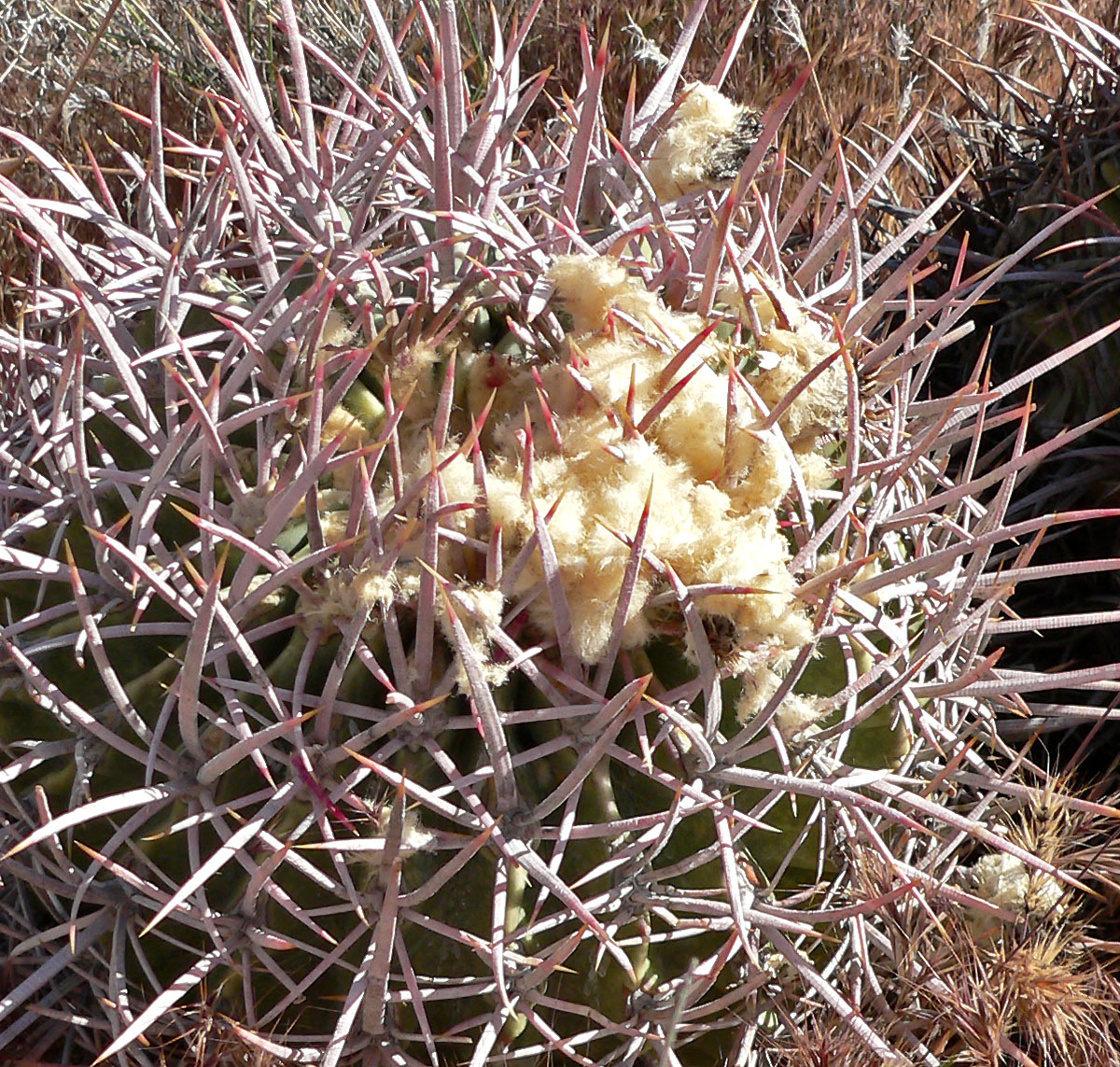
Echinocactus polycephalus, commonly called Cottontop Cactus (also Many-headed Barrel Cactus), is a slow-growing, clump-forming barrel cactus of the Mojave and northern Sonoran deserts. The name comes from the dense mat of cream-colored wool that caps each stem, especially conspicuous when the cactus flowers or fruits — from a distance a cluster can look like it is wearing a patch of cotton batting. Unlike the familiar single-stemmed barrel cacti sold in nurseries, cottontop cactus almost always grows in multi-headed clumps, with a dozen or more rounded stems rising shoulder to shoulder from a single base.
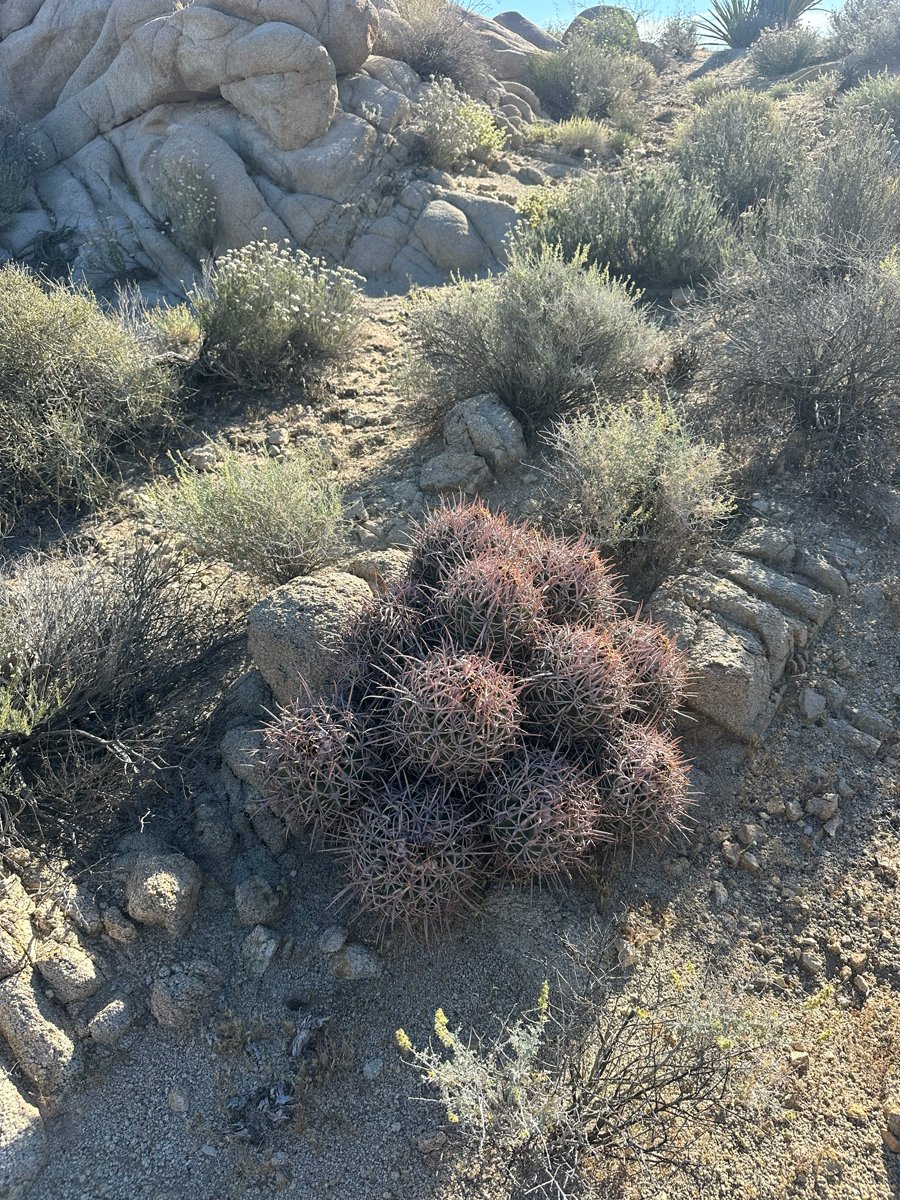
This is one of the toughest plants of the open desert, rooted in the harshest gravelly bajadas, rocky slopes and desert pavement where almost nothing else grows. Its thick covering of curved, flattened gray-to-pinkish spines is so dense that the green stem body is barely visible beneath it, an adaptation that shades the plant and deflects the intense desert sun. Cottontop cactus is extremely slow-growing and extremely long-lived, with some clumps estimated to be well over a century old.
For gardeners in the low desert Southwest, cottontop cactus is a striking but demanding specimen plant — it rewards extreme neglect and punishes any attempt at kindness with excess water. It is best suited to xeriscape and rock gardens in Arizona, Nevada and California where its slow, sculptural form and odd woolly crown can be appreciated up close, away from foot traffic where its spines are a liability.
Identification
Cottontop cactus forms rounded to oval, barrel-like stems typically 8 to 20 inches tall and 6 to 12 inches in diameter, though old, well-grown clumps can have individual heads over 2 feet tall. Nearly every plant you see in the wild is a clump of multiple heads — solitary single-stemmed individuals are uncommon. The ribs number 13 to 21 per stem, low and rounded rather than sharply angled.
Spines
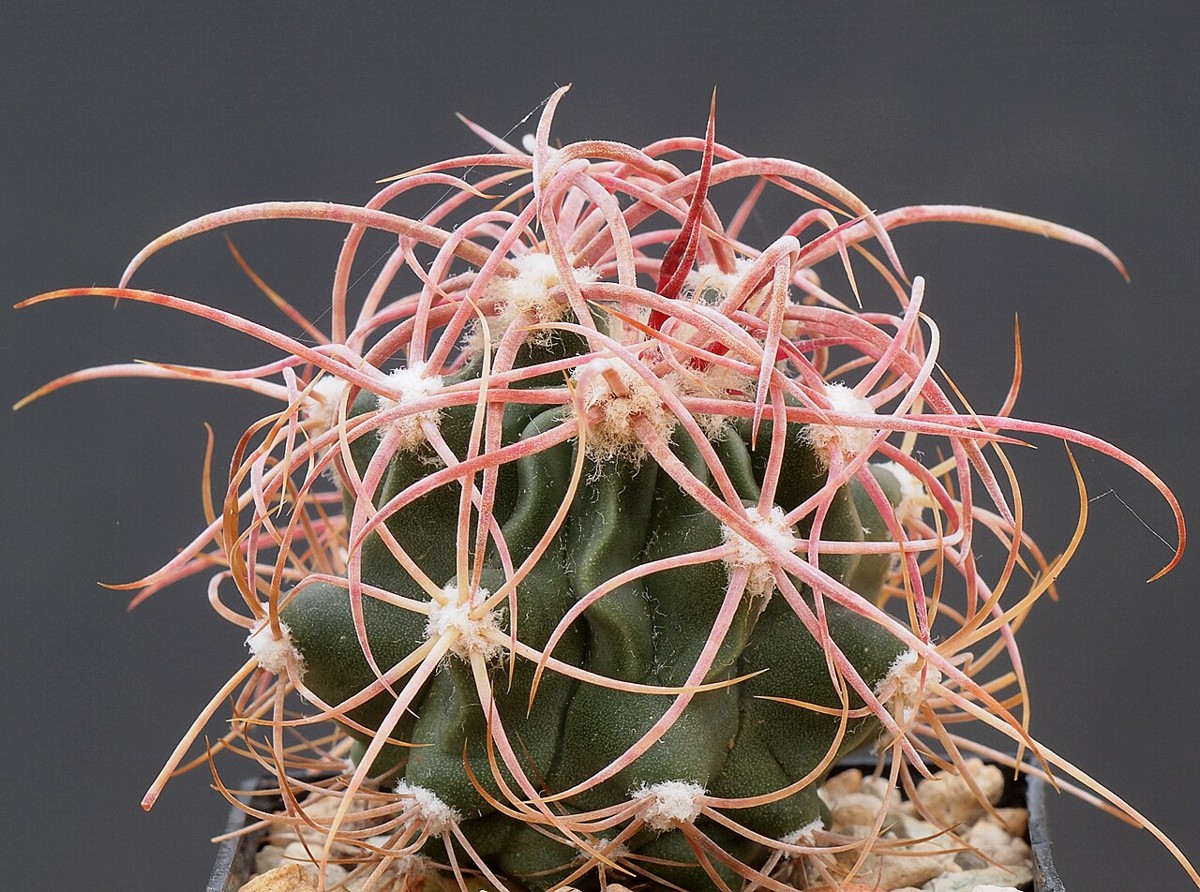
The spines are the plant’s most distinctive feature: thick, flattened, and strongly curved or twisted, in shades of gray, pink, or reddish-tan that fade to ashy gray with age. Each areole bears both stout central spines (some hooked) and shorter radial spines, and the covering is so thick it obscures most of the stem surface — giving the whole plant a shaggy, bristling silhouette rather than the neat geometric ribs of other barrel cacti.
Woolly Crown
At the growing point of each stem, a dense mat of long, cream-white to tan wool develops, most pronounced in the flowering and fruiting season. This cottony cap, visible even from a moving car, gives the species both its common name and its easiest field mark for separating it from other regional barrel cacti.
Flowers & Fruit
Flowers are pale yellow to cream, sometimes with a pinkish cast, about 1.5 to 2 inches across, and open in late spring to early summer (April–June) nestled down in the woolly crown. The fruit that follows is dry, woolly, and roughly egg-shaped, splitting open at the base when ripe to release numerous small black seeds — unlike the fleshy fruit of many other cacti, cottontop’s fruit stays dry and persists on the plant for months.
Quick Facts
| Scientific Name | Echinocactus polycephalus |
| Family | Cactaceae (Cactus) |
| Plant Type | Clump-forming barrel cactus |
| Mature Height | 8–20 in per stem (clumps lower and wider) |
| Mature Spread | 1–3 ft per clump, widening slowly over decades |
| Growth Rate | Very slow |
| Sun Exposure | Full Sun |
| Water Needs | Very Low; extremely drought tolerant |
| Soil Type | Gravelly, rocky or sandy; fast-draining desert pavement |
| Soil pH | Neutral to alkaline (7.0–8.5) |
| Bloom Time | April – June |
| Flower Color | Pale yellow to cream, sometimes pink-tinged |
| Fall Color | None (evergreen succulent) |
| Fruit | Dry, woolly, splitting capsule with black seeds |
| Deer Resistant | Yes |
| USDA Hardiness Zones | 8b–10b |
Native Range
Cottontop cactus is native to the Mojave Desert of southeastern California, southern Nevada and western Arizona, with its range extending into the northern edge of the Sonoran Desert near the Colorado River and in parts of the Lower Colorado River Valley. It is a characteristic plant of Death Valley, the Mojave National Preserve, and the desert ranges around Las Vegas, as well as the lower-elevation deserts of western Arizona.
It grows on gravelly bajadas, rocky limestone or volcanic slopes, and the flat, pavement-like desert floor between creosote bushes, usually below about 4,500 feet elevation. These are some of the hottest, driest, most exposed sites in its range, and cottontop cactus is almost never found in shade or on moister north-facing slopes where competing shrubs are denser.
Because the species grows so slowly and tolerates almost no disturbance to its shallow root system, established wild clumps are essentially irreplaceable on a human timescale; off-road vehicle damage and development in the Mojave have reduced some populations. It is not federally listed, but it is a protected native plant under Arizona and California native plant laws restricting collection from the wild.
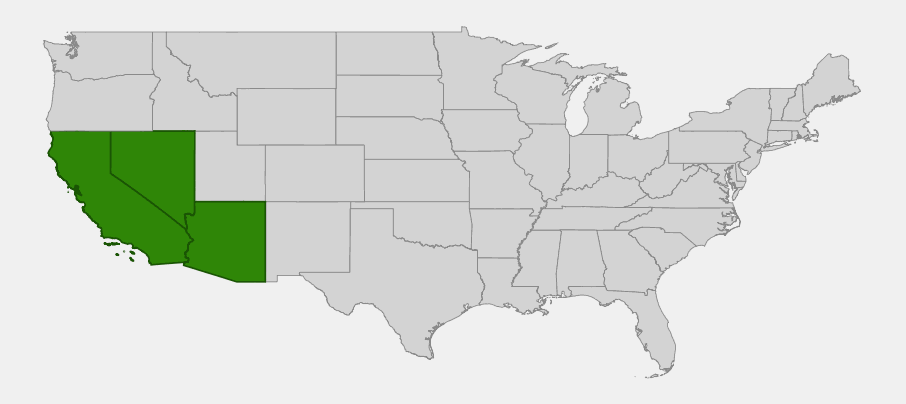
📋 Regional plant lists featuring Cottontop Cactus: California & Nevada · Arizona & New Mexico
Growing & Care Guide
Cottontop cactus is a plant for patient gardeners in the hottest, driest parts of the Southwest. It is not fast or showy, but a healthy specimen rewards decades of neglect with slow, dignified growth and an odd sculptural charm few other cacti can match.
Light
Give it full, unfiltered sun all day. In the wild it grows on open, shadeless ground, and in cultivation it needs the same exposure to avoid stretching, etiolation, or rot. Avoid any reflected heat traps against south walls in the hottest low-desert gardens, which can scorch young plants before their spine cover fully develops.
Soil & Water
Plant in extremely fast-draining, gravelly or rocky soil — amend heavy garden soil generously with coarse sand or decomposed granite, or better yet mimic a natural bajada with a mineral mulch of crushed rock. Water deeply but very infrequently, no more than once or twice a month in summer and essentially not at all in winter. Overwatering, more than drought, is what kills cottontop cactus in cultivation; root and stem rot set in quickly in soil that stays wet.
Planting Tips
Because the species grows so slowly, start with the largest nursery-propagated specimen you can find and budget for a plant that will look much the same in five years as the day you plant it. Never collect from the wild — it is illegal in California and Arizona and the plant rarely survives transplanting at a mature size anyway. Set the base slightly above grade on a mound of gravel so water sheds away from the stem, and keep it well away from paths, since the curved spines snag clothing and skin.
Pruning & Maintenance
None needed. Do not prune or cut the stems; damage heals slowly if at all and invites rot. Remove fallen leaf litter or windblown debris that collects in the spine mass, since trapped moisture there can promote fungal problems.
Landscape Uses
- Xeriscape and rock gardens as a slow, long-lived focal specimen
- Desert habitat gardens paired with creosote bush and brittlebush
- Gravel and desert-pavement plantings that mimic its natural bajada setting
- Barrier or accent plantings where the dense spines deter foot traffic
- Container culture in a wide, shallow pot with a mineral grit mix
Wildlife & Ecological Value
Cottontop cactus is a modest but steady contributor to the Mojave Desert food web, offering forage, cover and a late-spring nectar source in an otherwise spare landscape.
For Pollinators
The cream to pale yellow flowers open during the day and are visited by native bees, including cactus-specialist bees, as well as occasional beetles. Blooming in April through June, cottontop cactus flowers when many other desert annuals have already finished, giving pollinators another nectar source late in the spring bloom season.
For Birds
Small desert birds occasionally use the dense, spiny clumps for nesting cover, since few predators can reach into the protected interior. Seed-eating birds will take the small black seeds once the dry fruit splits open.
For Mammals
Desert rodents such as kangaroo rats and pocket mice gather the dry seeds, and desert bighorn sheep and other large herbivores occasionally chew into the stems during extreme drought for their stored moisture, despite the heavy spine armor. Woodrats sometimes incorporate fallen spine clusters into their middens as defensive material.
Ecosystem Role
As a long-lived perennial on otherwise sparsely vegetated desert pavement, cottontop cactus adds structural diversity and a small but stable patch of shade and cover at ground level. Its presence is often used by desert ecologists as an indicator of undisturbed, geologically old desert pavement, since the species cannot recolonize areas where that fragile surface has been physically disturbed.
Cultural & Historical Uses
Cottontop cactus has comparatively little recorded use by Indigenous peoples of the Mojave and Sonoran deserts compared to more productive cacti such as saguaro or prickly pear, likely because its small, dry, non-fleshy fruit offers little food value and its dense spine covering makes it difficult to harvest or process.
Early Euro-American botanists and desert travelers, including members of the Pacific Railroad Survey expeditions in the 1850s, noted and collected the species for its unusual, shaggy appearance, which gave rise to both its scientific epithet polycephalus (“many-headed”) and the English name “cottontop,” after the conspicuous wool at the growing point.
Today the main human relationship with cottontop cactus is as a photographic subject and a draw for desert naturalists in places like Death Valley National Park, where interpretive signage sometimes highlights the species as an example of extreme desert adaptation. It is occasionally grown by specialist cactus collectors, almost always from nursery-propagated stock rather than wild-collected plants.
Frequently Asked Questions
Why is it called cottontop cactus?
The name comes from the dense mat of cream-white to tan wool that develops at the growing point of each stem, most noticeable when the plant is flowering or fruiting. From a distance, the woolly crown can look like a tuft of cotton sitting atop the spiny stem.
Does cottontop cactus grow as a single stem or in clumps?
Almost always in clumps. Wild plants typically consist of many rounded stems — sometimes a dozen or more — rising together from a shared base, which is where the species name polycephalus, “many-headed,” comes from. Solitary single-stemmed plants do occur but are the exception.
How fast does cottontop cactus grow?
Extremely slowly, even by cactus standards. A clump can take decades to reach a foot or more in height, and some wild specimens are believed to be over a hundred years old. This makes wild plants essentially impossible to replace if removed or damaged.
Can I grow cottontop cactus outside the low desert?
It is hardy to roughly USDA zone 8b–9a given fast drainage, but it struggles anywhere with regular winter rain or humid summers, since excess moisture around the roots causes rot. It is best suited to low-desert gardens in Arizona, Nevada and California that can replicate its native dry, gravelly conditions.
Is it legal to dig up cottontop cactus from the wild?
No. It is a protected native plant in both Arizona and California, and removing it from public or private desert land without authorization is illegal. Always buy nursery-propagated specimens, which also establish and survive transplanting far better than wild-collected plants.

Looking for a nursery that carries Cottontop Cactus?
Browse our native plant nursery directory: California · Nevada · Arizona