Deerbrush (Ceanothus integerrimus)
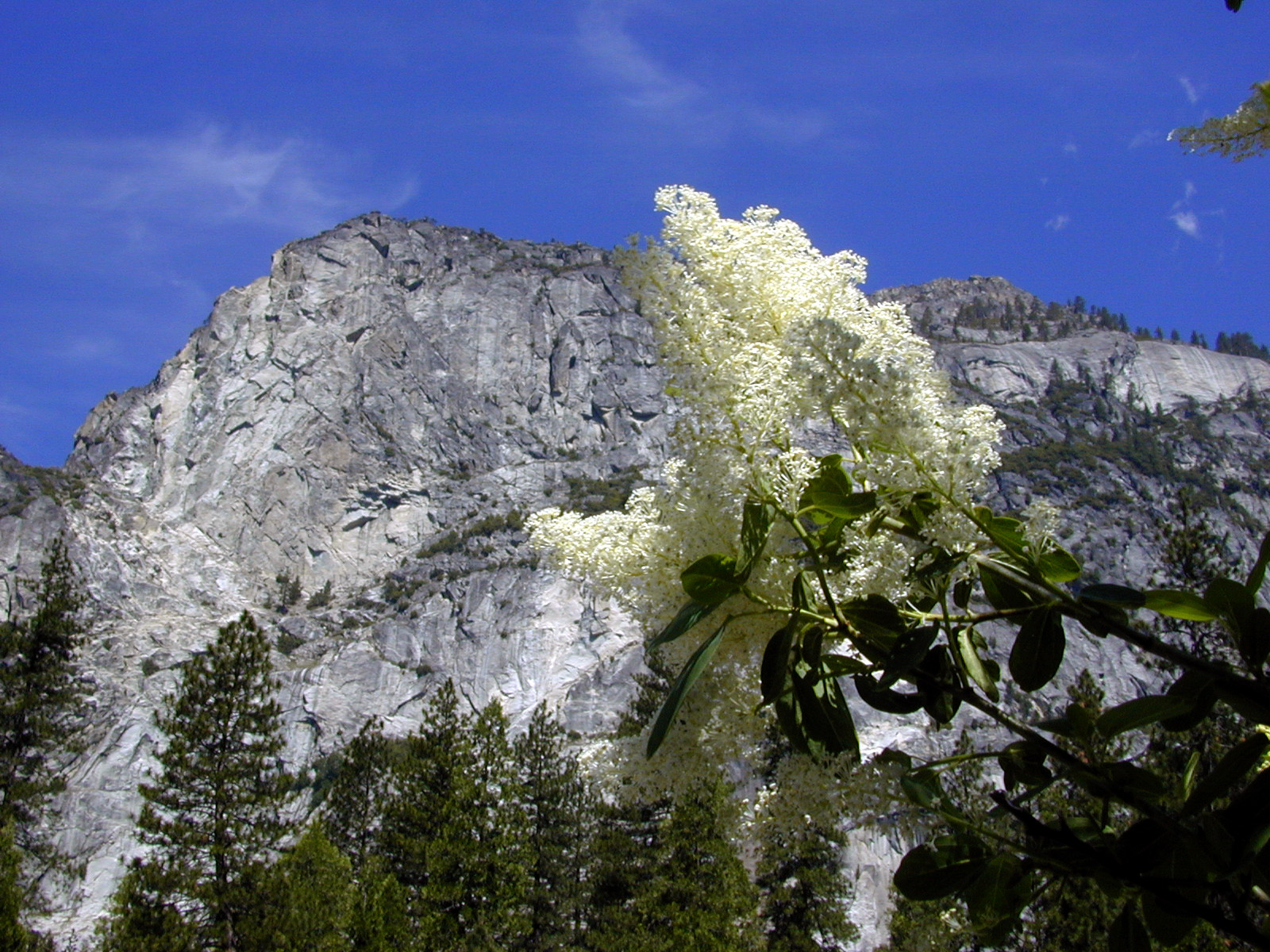
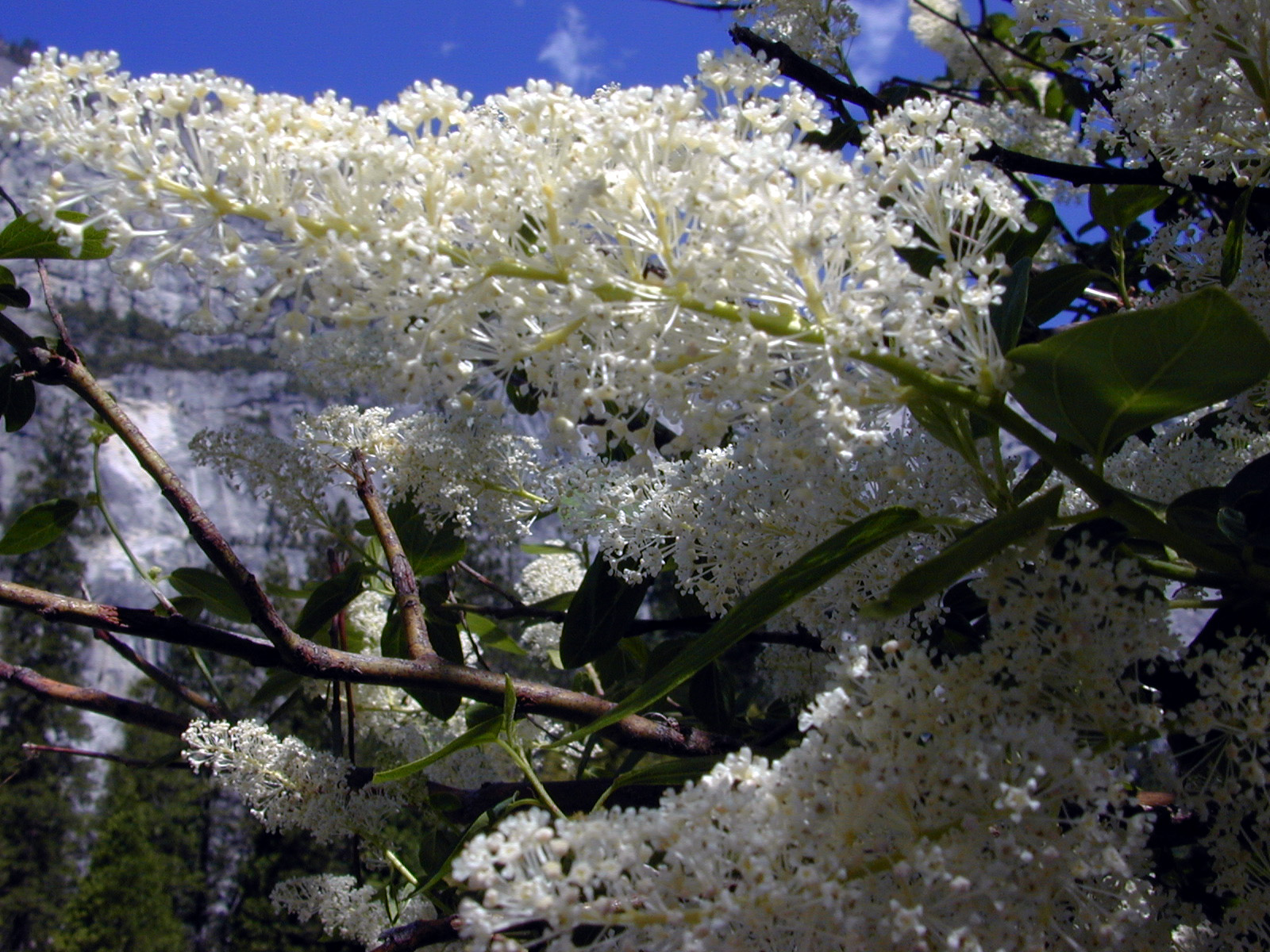
Ceanothus integerrimus, commonly known as deerbrush, is a deciduous shrub of California and Oregon’s mountain forests, prized for its billowing clusters of fragrant white to pale blue flowers that cover the plant each late spring and early summer. Unlike many of its evergreen Ceanothus relatives, deerbrush drops its leaves each winter, putting its energy instead into vigorous new growth and an abundance of bloom the following season. The flower display is dramatic enough that entire hillsides can appear dusted with white where deerbrush colonizes after fire or logging.
Deerbrush is one of the first shrubs to recolonize open, disturbed ground in the Sierra Nevada and Klamath mountains, forming loose, airy thickets 3 to 12 feet tall in sunny clearings, along forest roads, and on recently burned slopes. As a nitrogen-fixing member of the buckthorn family, it improves soil fertility wherever it grows, helping pave the way for the conifers and other species that eventually shade it out — a role that has earned it a central place in forest succession throughout its range.
True to its common name, deerbrush is an important browse plant for deer and other wildlife, and its dense, twiggy structure and abundant flowers also make it valuable for pollinators and ground-nesting birds. For native-plant gardeners with enough space and sun, deerbrush offers a spectacular, low-water flowering shrub that asks for little beyond good drainage and room to spread.
Identification
Deerbrush is a deciduous, multi-stemmed shrub typically reaching 3 to 12 feet tall, with an open, somewhat arching growth habit. Young stems are flexible and yellow-green to pale green, becoming woodier and grayer with age.
Stems
New growth is notably pliable and yellowish-green, a useful identification trait that distinguishes deerbrush from the stiffer, often spine-tipped stems of many other California Ceanothus species. Older stems become gray-brown and more rigid, but deerbrush remains, overall, one of the less spiny members of the genus.
Leaves
The leaves are deciduous, alternate, and oval to elliptical, 1 to 3 inches long, with three prominent veins radiating from the leaf base — a classic Ceanothus trait. Leaf margins are finely toothed to nearly smooth, and the upper surface is a medium to dark green, paler and often slightly hairy beneath. The plant is leafless through winter dormancy, leafing out again in spring.
Flowers
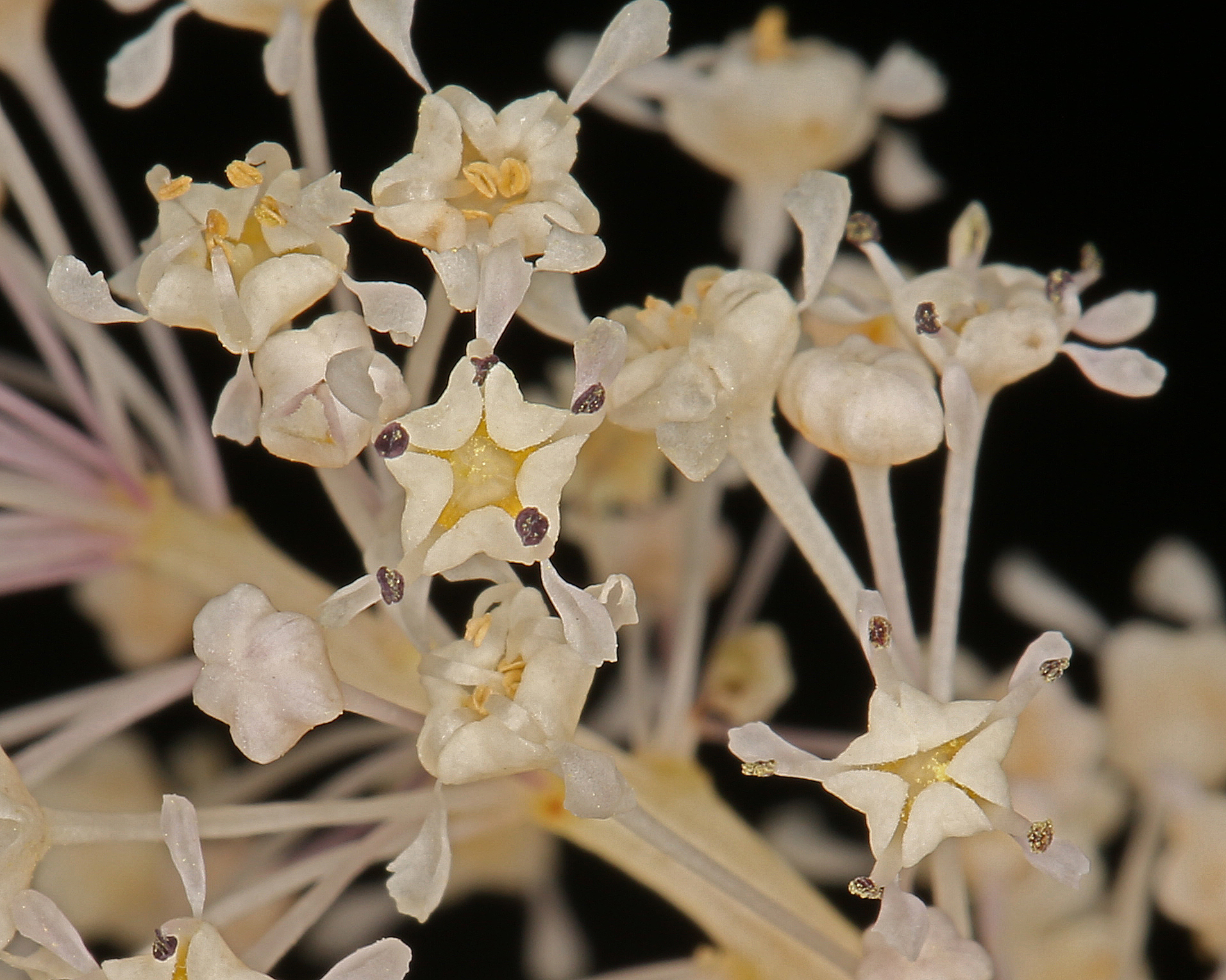
Deerbrush produces dense, elongated clusters (panicles) of small flowers 2 to 6 inches long at the ends of branches, ranging in color from pure white through pale blue to lavender depending on the population. The flowers are intensely fragrant and bloom heavily from May through July depending on elevation, often covering the entire shrub and drawing large numbers of pollinating insects.
Fruit & Seeds
Following bloom, deerbrush produces small, three-lobed seed capsules about ¼ inch across that dry and split open explosively to eject seeds a short distance from the parent plant — a dispersal mechanism shared by many chaparral shrubs. The hard seed coat allows seeds to remain viable in the soil for decades, germinating in large numbers after fire scarifies the seed coat and clears competing vegetation.
Quick Facts
| Scientific Name | Ceanothus integerrimus |
| Family | Rhamnaceae (Buckthorn) |
| Plant Type | Deciduous Shrub |
| Mature Height | 3–12 ft |
| Mature Spread | 4–8 ft |
| Growth Rate | Fast |
| Sun Exposure | Full Sun to Part Shade |
| Water Needs | Low once established |
| Soil Type | Well-drained; rocky, sandy or granitic soils |
| Soil pH | 5.5–7.0 |
| Bloom Time | May – July |
| Flower Color | White to pale blue or lavender |
| Fall Color | None (deciduous, drops green to yellowing leaves) |
| Fruit | Small three-lobed seed capsules |
| Deer Resistant | No (heavily browsed by deer) |
| USDA Hardiness Zones | 7–10 |
Native Range
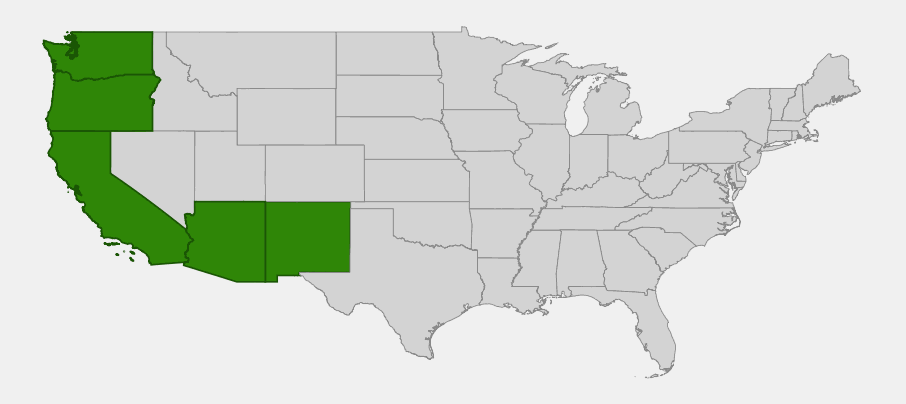
Deerbrush is native to the mountains of California and Oregon, with its core range running from the Klamath Mountains and southern Cascades of Oregon south through the Sierra Nevada, Coast Ranges, and Transverse Ranges of California. Disjunct populations also occur farther east in the mountains of Arizona and New Mexico, generally at higher elevations where moisture and cooler temperatures replicate conditions of its core range.
Across this range, deerbrush is found mainly in the mixed-conifer belt, from roughly 2,000 to 8,000 feet in elevation, where it occupies openings in ponderosa pine and mixed-conifer forest, recently logged or burned ground, and dry slopes along forest roads. It is strongly associated with disturbance, often forming dense, short-lived stands that persist for a decade or two before being shaded out as the forest canopy closes back in.
Deerbrush is not native to Nevada; populations there, where present, are the result of planting rather than natural occurrence, and gardeners east of the Sierra crest should treat it as an introduced ornamental.
📋 Regional plant lists featuring deerbrush: California & Nevada · Western Oregon & Western Washington · Arizona & New Mexico
Growing & Care Guide
Deerbrush rewards a native-plant gardener with a spectacular bloom display in exchange for minimal care, provided its need for excellent drainage and lean soil is respected.
Light
Full sun produces the heaviest bloom and the most compact growth; deerbrush also tolerates part shade, especially in hotter inland gardens, though plants will be somewhat looser and bloom less densely.
Soil & Water
Deerbrush demands sharp drainage and performs best in lean, rocky, or sandy soils rather than rich garden loam — like many chaparral and montane shrubs, it is highly susceptible to root rot in soils that stay wet, especially in summer. Water during the first one to two years to establish roots, then taper off sharply; mature plants should receive little to no supplemental summer water in most California and Oregon gardens. Avoid irrigating near the base of established plants, especially in combination with regular landscape watering of lawns or thirstier shrubs.
Planting Tips
Install container plants in fall so roots can establish over the cool, wet season before summer drought arrives. Choose a site with full sun and excellent drainage, such as a slope or raised bed, and avoid heavy clay or low spots where water collects. Give plants plenty of room — 6 to 8 feet between shrubs — to accommodate their eventual spread.
Pruning & Maintenance
Deerbrush is relatively short-lived, often declining after 10 to 20 years, which is a normal part of its ecological role as an early-successional species. Light shaping after bloom can keep plants more compact, but avoid cutting into old wood, which deerbrush does not resprout from reliably. Established plants need little other maintenance beyond occasional removal of dead wood.
Landscape Uses
- Dry slope or bank plantings where drainage is excellent
- Wildlife garden — exceptional for pollinators and browse
- Restoration plantings on burned or disturbed forest sites
- Screening or informal hedge in a low-water garden
- Fragrant flowering accent near a patio or path
Wildlife & Ecological Value
Few Sierra Nevada shrubs match deerbrush for sheer wildlife value, supporting browsers, pollinators, and birds across its fast-growing, flower-heavy life cycle.
For Pollinators
The abundant, fragrant flower clusters draw enormous numbers of native bees, honeybees, butterflies, and other beneficial insects during the height of bloom, making deerbrush one of the most important nectar sources in its montane habitat during late spring and early summer.
For Birds
The dense, twiggy branch structure provides excellent nesting and cover habitat for small birds, while the seed capsules offer a modest food source. Insect-eating birds also benefit indirectly from the abundance of pollinators and other insects the blooms attract.
For Mammals
True to its common name, deerbrush is a preferred browse plant for both mule deer and black-tailed deer, especially in spring and summer when new growth is tender and nutritious; it is considered one of the most important deer browse shrubs in the Sierra Nevada. Small mammals also use the dense cover for shelter.
Ecosystem Role
As a nitrogen-fixing shrub, deerbrush enriches soil fertility through a symbiotic relationship with root bacteria, improving conditions for the conifers and other plants that eventually succeed it. Its fire-adapted seed bank allows rapid recolonization of burned ground, where it stabilizes soil, suppresses erosion, and creates habitat structure during the critical years before forest canopy closes back in.
Cultural & Historical Uses
Indigenous peoples of California and the Sierra Nevada, including Sierra Miwok and other tribal groups, made practical use of deerbrush’s flexible young stems, which were gathered and used in basketry construction, particularly for hoops, frames, and other structural elements requiring pliable wood. The shrub’s abundance following fire — itself often the result of Indigenous fire management practices that maintained open forest and meadow habitat — made it a reliably available material source.
Deerbrush flowers, like those of several other Ceanothus species, contain saponins that produce a mild lather when crushed and worked with water, and the blossoms were used informally by some communities as a natural soap substitute for washing, a practice shared with other soap-producing native plants across California.
In more recent history, deerbrush has drawn attention from range scientists and foresters for its role as deer browse and its rapid, fire-following growth, and it remains a subject of forest management interest where land managers balance post-fire shrub recovery against conifer regeneration.
Frequently Asked Questions
Why is it called deerbrush?
Because its tender new growth is a favored, highly palatable browse for mule deer and black-tailed deer, especially in spring and early summer.
Does deerbrush need summer water in the garden?
No, and in fact it should be avoided. Mature deerbrush is adapted to dry summers and is prone to root rot if given regular summer irrigation, particularly in heavier soils.
How long does deerbrush live?
It is relatively short-lived for a shrub, typically 10 to 20 years, reflecting its ecological role as an early-successional species that thrives after disturbance and is eventually shaded out by longer-lived forest species.
Is deerbrush native to Nevada?
No. Its native range covers California, Oregon, Washington, Arizona, and New Mexico; it does not occur naturally in Nevada.
Can deerbrush resprout after being cut back hard?
Not reliably. Avoid heavy pruning into old wood; light shaping after bloom is safer than hard cutbacks, which deerbrush often does not recover well from.

Looking for a nursery that carries Deerbrush?
Browse our native plant nursery directory: California · Oregon · Washington · Arizona · New Mexico