Fragrant Bursera (Bursera fagaroides)
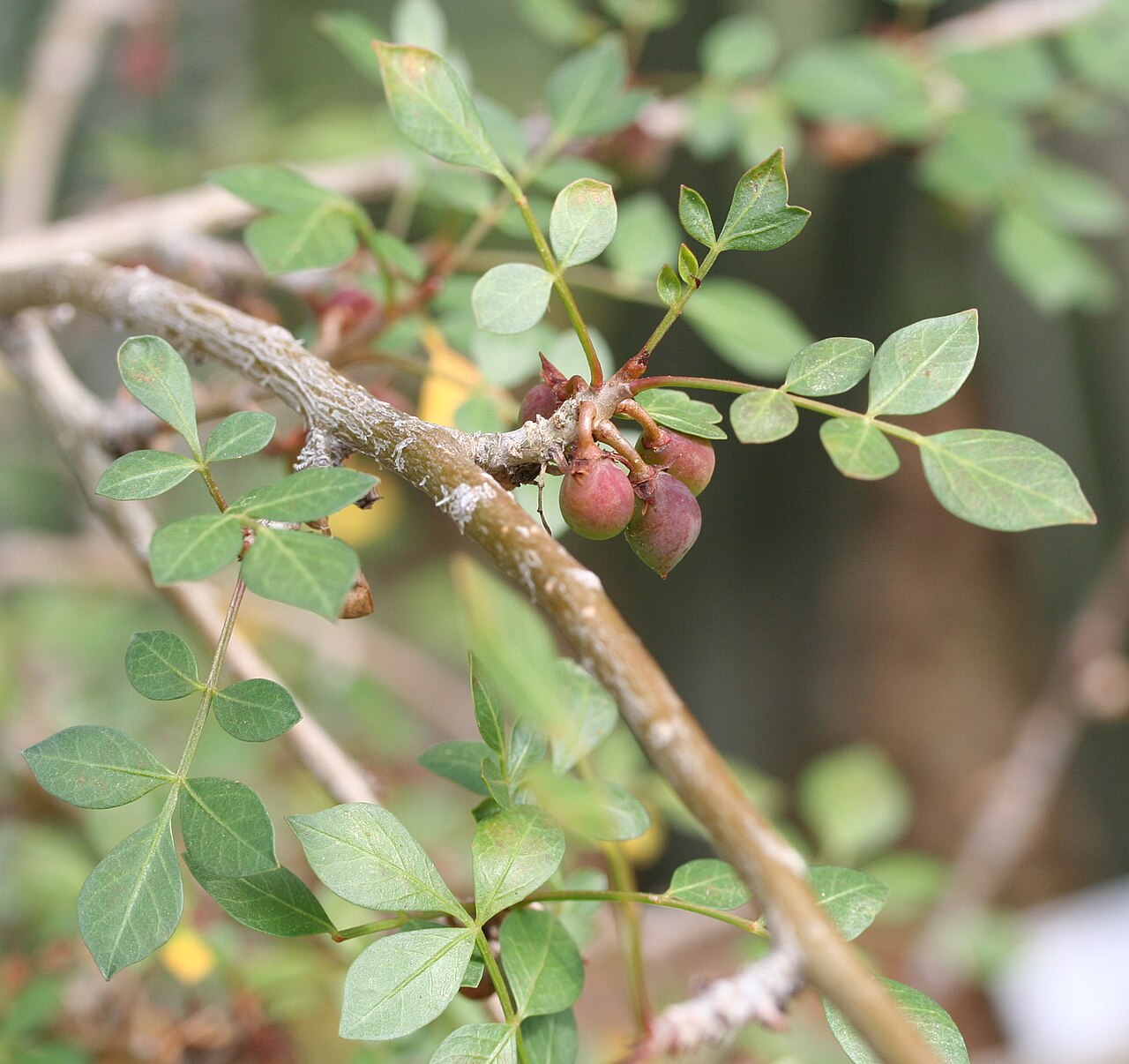
Bursera fagaroides, known as Fragrant Bursera, torchwood copal, palo mulato, or (loosely, alongside its close relative) elephant tree, is a small, drought-deciduous tree of the Burseraceae — the same aromatic-resin family that gives the world frankincense and myrrh. It is overwhelmingly a Mexican species, ranging widely across Sonora, Chihuahua, and much of the country south to Oaxaca, with its native range reaching just barely into the United States at the very southern tip of Arizona. This makes fragrant bursera one of the rarest and most range-restricted native trees covered in this guide — and its U.S. story comes with an honest asterisk.
The species develops a thick, swollen, caudex-like trunk and papery, peeling, reddish-brown to coppery bark that exposes smooth, pale green-gray tissue beneath — a striking, almost sculptural look shared with its better-known cousin, elephant tree (Bursera microphylla). Small, fine, citrus-scented compound leaves emerge after the summer rains and drop again during the long dry season, leaving the thick, photosynthetic bark to carry on much of the plant’s energy production — a classic desert survival strategy also seen in ocotillo and palo verde.
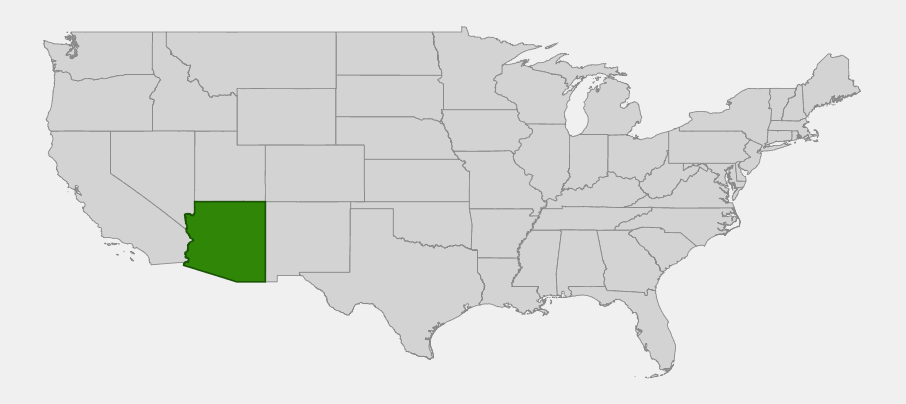
In the United States, fragrant bursera was historically documented only from Fresnal Canyon in the Baboquivari Mountains of Pima County, Arizona — and it has not been reliably reported there since 1931. Some botanists now consider the species possibly extirpated from Arizona entirely, even as it remains common and widespread just across the border in Sonora. We cover it here because it is a legitimately native U.S. tree with a documented historical record, but gardeners and native-plant enthusiasts in Arizona should understand they are growing a species whose wild American population may no longer exist — reason enough never to seek out or collect from any surviving wild plants, and to rely only on nursery-propagated stock sourced from Mexican populations.
Identification
Fragrant bursera is a large shrub to small tree, typically 8 to 25 feet tall, with a short, thick trunk and a rounded, often sculptural branching crown. The exposed, swollen lower trunk and peeling, papery bark make it instantly recognizable even without leaves — which, in its dry native habitat, is much of the year.
Bark & Stems
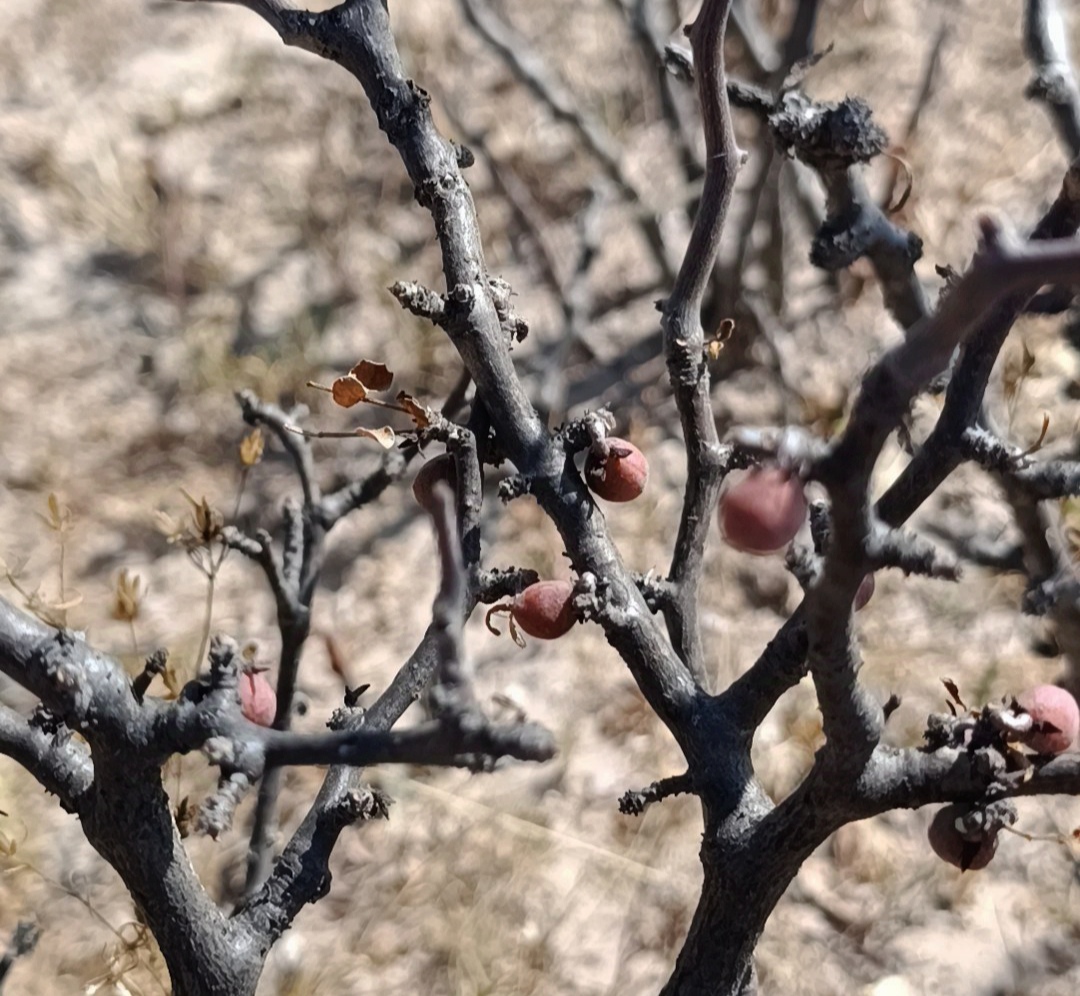
The defining feature of fragrant bursera is its bark: smooth, reddish-brown to coppery, and constantly peeling away in thin, papery sheets to reveal pale green-gray tissue beneath. This two-toned, continuously shedding bark is both an identification hallmark and a striking ornamental feature prized by bonsai and succulent-collection growers. Branches are thick and somewhat swollen, especially near the base, helping the plant store water through long dry spells.
Leaves
Leaves are pinnately compound with 5 to 11 small, oval leaflets, bright green and strongly citrus-scented when crushed — the source of the species name fagaroides, meaning “resembling Fagara,” an old genus name for the related wild lime (Zanthoxylum fagara), which has a similar leaf scent. Foliage emerges with summer rains and is shed during extended drought or cold, leaving the tree’s distinctive bark as its primary visual feature for much of the year.
Flowers & Fruit
Flowers are tiny and creamy white to pale yellow, inconspicuous and easy to overlook amid the foliage. They give way to small, grayish-brown to reddish fruit capsules about ¼ inch long, which split into valves to release a seed coated in a thin, colorful aril — a feature that helps attract birds for seed dispersal.
Quick Facts
| Scientific Name | Bursera fagaroides |
| Family | Burseraceae (Frankincense family) |
| Plant Type | Drought-deciduous Shrub / Small Tree |
| Mature Height | 8–25 ft |
| Mature Spread | 6–15 ft |
| Growth Rate | Slow |
| Sun Exposure | Full Sun |
| Water Needs | Very low; drought-deciduous |
| Soil Type | Rocky, well-drained desert soils |
| Soil pH | Neutral to alkaline |
| Bloom Time | Spring, inconspicuous |
| Flower Color | Creamy white to pale yellow |
| Fall Color | Drought-deciduous; drops foliage in dry season rather than for fall color |
| Fruit | Small reddish-brown capsules with arillate seed |
| Deer Resistant | Good |
| USDA Hardiness Zones | 9–11 (cold-sensitive; damaged below roughly 28°F) |
Native Range
Fragrant bursera is widespread and common across much of Mexico, from Sonora and Chihuahua south through the central highlands to Oaxaca. Its range reaches the United States only at the extreme southern edge of Arizona, where the sole documented historical population grew in Fresnal Canyon in the Baboquivari Mountains, Pima County — a desert mountain range southwest of Tucson near the Mexican border.
That Arizona population has not been reliably relocated since a 1931 collection, and botanists working the region now consider the species possibly extirpated in the state. It remains listed as native to Arizona in federal and state plant databases on the strength of that historical record, even though living wild plants may no longer be present. This combination — a legitimate native status built on a single, century-old specimen record and no confirmed modern sightings — is rare enough that it is worth stating plainly rather than glossing over.
Within its broader Mexican range, fragrant bursera grows on rocky slopes and in thornscrub and tropical deciduous forest, often alongside other Bursera species in mixed desert and foothill plant communities — habitat very similar to the Sonoran Desert uplands that extend into southern Arizona.
📋 Regional plant lists featuring Fragrant Bursera: Arizona & New Mexico
Growing & Care Guide
Fragrant bursera is a slow-growing, long-lived desert tree best suited to warm, frost-protected microclimates and collectors of unusual desert trees.
Light
Plant in full sun, matching the open, rocky slopes where it grows in Sonora. It tolerates intense desert heat and reflected light well once established.
Soil & Water
Give it sharply drained, rocky or gravelly soil — standing water or heavy clay will quickly rot the roots of this desert specialist. Water sparingly; like its elephant tree relative, fragrant bursera is drought-deciduous and naturally drops its leaves to conserve water during dry periods, resuming growth with summer rain.
Planting Tips
Because confirmed wild plants may no longer exist in Arizona, all nursery stock is propagated from Mexican source material or from cultivated collections — never seek out or collect from the wild. Plant in a warm, south-facing, frost-protected microclimate; this species is markedly more cold-sensitive than desert natives like palo verde or mesquite and can suffer serious damage below the high twenties Fahrenheit.
Pruning & Maintenance
Minimal pruning is needed — the naturally sculptural branching and peeling bark are the plant’s main ornamental feature and are best left alone. Remove only dead or frost-damaged wood after winter. The species is a popular subject for bonsai and succulent collections specifically because of this low-maintenance, naturally artistic form.
Landscape Uses
Given its rarity and cold sensitivity, fragrant bursera is a specialty rather than a mainstream landscape plant:
- Specimen plant in warm, protected desert gardens
- Container or bonsai subject, prized for its caudex-like trunk and peeling bark
- Botanical and conservation collections documenting Sonoran Desert flora
- Rock gardens paired with other Bursera and desert tree species
Wildlife & Ecological Value
Within its Sonoran Desert range, fragrant bursera contributes modest but real wildlife value as part of a diverse desert tree community.
For Birds
The small, arillate seeds attract birds, which eat the fleshy seed coating and disperse the hard inner seed to new locations — a classic bird-dispersal partnership found throughout the Bursera genus.
For Pollinators
Though inconspicuous, the small spring flowers provide a nectar source for native bees and other small pollinating insects during a season when flowering desert plants can be scarce.
For Mammals
The aromatic, resinous foliage and bark are not a preferred browse for most desert mammals, giving the species some natural protection from grazing pressure compared to more palatable desert shrubs.
Ecosystem Role
As one of several Bursera species occupying rocky desert mountain slopes, fragrant bursera adds structural and species diversity to Sonoran Desert uplands, a habitat type with relatively few tree species. Its thick, water-storing bark and drought-deciduous habit represent a distinct desert survival strategy alongside the more familiar palo verdes and ironwoods it grows among.
Cultural & Historical Uses
The genus name Bursera honors the 17th-century Danish botanist Joachim Burser, while the species epithet fagaroides references the citrus-like scent of its crushed foliage, likened to the related wild lime, Zanthoxylum fagara. Across its Mexican range, the aromatic resin produced by Bursera species generally — sometimes called copal — has a long history of ceremonial and incense use among Indigenous peoples of Mexico and Central America, continuing a tradition shared with frankincense and myrrh trees on other continents, though documentation specific to this particular species’ resin use is limited compared to some of its more heavily harvested relatives.
In the United States, fragrant bursera has no meaningful history of Indigenous or settler use, given how marginal and apparently fleeting its Arizona presence was even a century ago. Its modern relevance here is almost entirely as a conservation curiosity and a collector’s plant, grown by desert-adapted-tree and succulent enthusiasts drawn to its striking bark and caudiciform trunk.
The species’ likely disappearance from its one known U.S. location is a quiet reminder that a plant can hold legitimate native status on paper while functionally vanishing from the landscape — a pattern worth keeping in mind for other range-edge species along the Arizona-Mexico border.
Frequently Asked Questions
Is fragrant bursera still found in the wild in Arizona?
Possibly not. The only documented U.S. population was in Fresnal Canyon in the Baboquivari Mountains, and it has not been reliably reported there since a 1931 collection. Botanists consider the species possibly extirpated from Arizona, even though it remains common in Sonora, Mexico, just across the border.
How is fragrant bursera different from elephant tree?
Both are Bursera species with swollen trunks and peeling bark, but elephant tree (Bursera microphylla) is more widespread in the Arizona and California deserts with tiny, fern-like leaflets, while fragrant bursera has somewhat larger leaflets and a historical range in the U.S. limited to a single Arizona mountain range.
Can I collect seed or plants from the wild?
No. Given the species’ uncertain or likely extirpated status in Arizona, wild collection is never appropriate. All garden and nursery specimens should come from cultivated or Mexican-sourced propagated stock, never from wild populations.
How cold-hardy is this tree?
Not very, by desert-tree standards — expect damage below the high twenties Fahrenheit. It needs a warm, frost-protected microclimate, which likely contributed to its marginal, edge-of-range presence in Arizona to begin with.
Why does it lose its leaves?
Fragrant bursera is drought-deciduous, dropping its foliage during the long dry season to conserve water and relying on its thick, green-tinted bark to continue some photosynthesis. New leaves flush again with summer rainfall.

Looking for a nursery that carries Fragrant Bursera?
Browse our native plant nursery directory: Arizona
Related reading and associate species: Elephant Tree (Bursera microphylla) · Sonoran Desert Cacti: A Guide to the Most Common Species · Cactus in Sonoran Desert: A Guide to the Iconic Plants of the Region