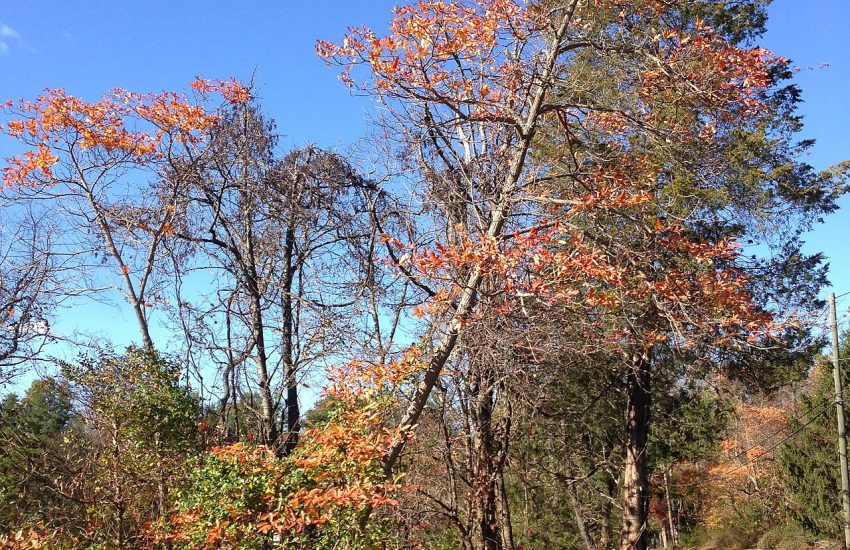
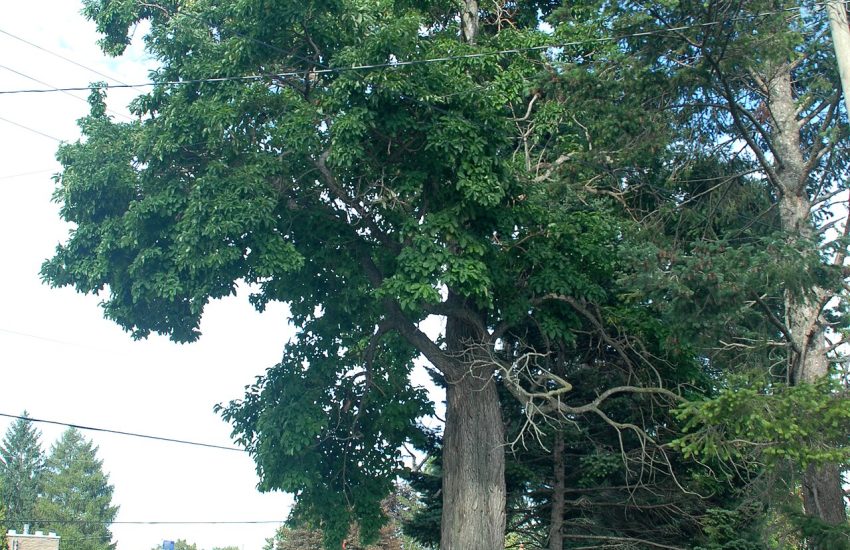
Guajillo (Senegalia berlandieri)
Senegalia berlandieri — long familiar to Texans as Acacia berlandieri — is commonly known as Guajillo, Berlandier Acacia, Guajillo Acacia, or huajilla. It is one of the signature shrubs of the South Texas brush country and southern Edwards Plateau, named in part for the German-born naturalist Jean Louis Berlandier, who collected plants across Texas and northern Mexico in the 1820s and 1830s. Guajillo is a nearly thornless, fine-textured, mimosa-like legume shrub to small tree, and it is best known regionally for one remarkable product: guajillo honey, prized by Texas beekeepers for its pale color and delicate flavor, produced during the shrub’s heavy, fragrant spring bloom.
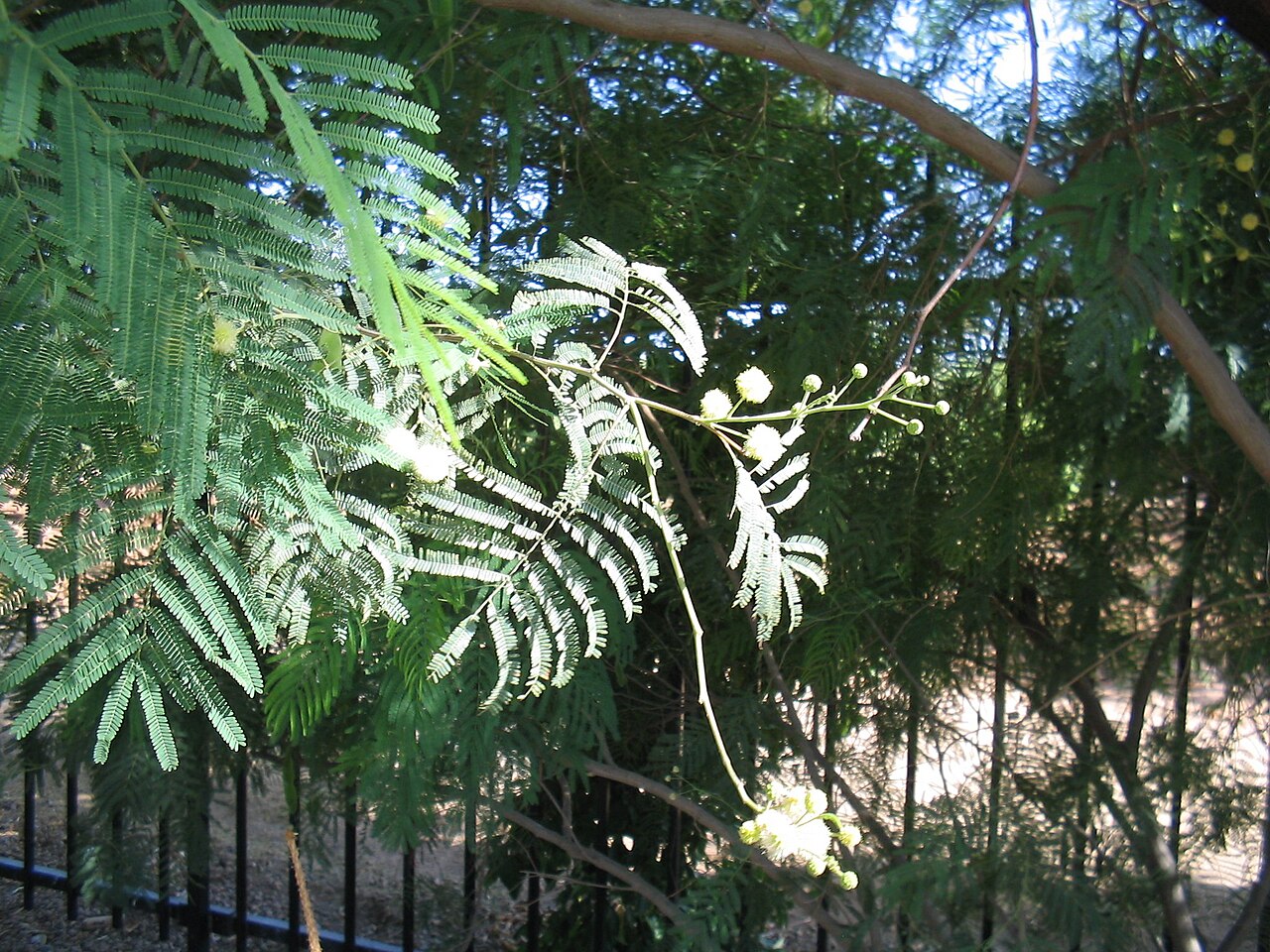
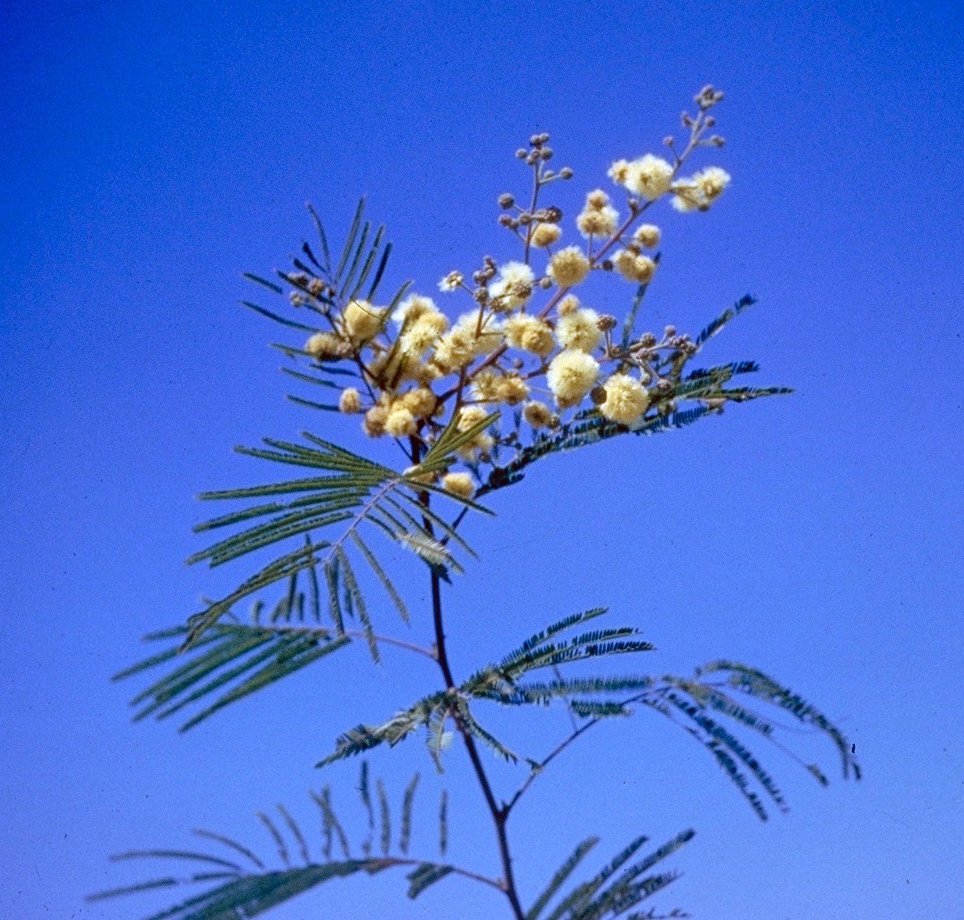
Growing 3 to 15 feet tall with multiple stems from the base, guajillo carries lacy, bipinnately compound leaves that give the whole plant a soft, ferny texture distinct from the thornier mesquites and catclaw acacias it often grows among. In late winter and spring, it covers itself in small, spherical, cream-to-white flower puffs with a sweet fragrance that draws bees from considerable distances — a bloom so reliable and heavy that it anchors a genuine regional honey industry in the brush country around Uvalde and the Rio Grande Plains.
Guajillo also carries a well-documented complication worth understanding before planting it where livestock graze: in large, sustained quantities it is toxic to sheep and goats, producing a distinctive neurological condition known as “guajillo wobbles” or limberleg. This makes it an important plant to know honestly, not just admire — valuable rangeland and wildlife forage in moderation, genuinely risky as an exclusive diet.
Identification
Guajillo is a spreading, multi-stemmed shrub or small tree, usually 3 to 15 feet tall, with numerous slender stems arising from the base rather than a single dominant trunk. Unlike many of its thorny legume relatives in South Texas brush country, it is nearly unarmed, with at most small, inconspicuous prickles rather than the stout spines of catclaw acacia or blackbrush.
Bark & Stems
Young stems are slender, gray-brown, and finely textured; older bark on larger stems becomes gray and slightly roughened but stays relatively thin compared to the heavier bark of mesquite. The overall branching habit is loose and spreading, often wider than tall in open settings.
Leaves
Leaves are bipinnately compound and genuinely fern-like — finely divided into numerous small leaflets that give the plant a soft, feathery silhouette. The species is evergreen to semi-evergreen through most winters, losing leaves only during prolonged drought or after a hard freeze, when it typically resprouts readily.
Flowers
Spherical clusters of small, fragrant, white-to-cream flowers appear primarily in late winter through spring (and sometimes again after summer rain), aging to a pale yellow as they mature. The bloom is heavy and reliable, and the sweet fragrance can be detected from a distance on a warm, still day — a signal to local beekeepers that it’s time to move hives into guajillo country.
Fruit & Seeds
Flowers give way to flattened, bean-like seedpods containing dark brown seeds, maturing through summer. The pods are typical of the mimosoid legumes and split to release seed once fully dry.
Quick Facts
| Scientific Name | Senegalia berlandieri (syn. Acacia berlandieri) |
| Family | Fabaceae (Pea/Legume family) |
| Plant Type | Evergreen to Semi-evergreen Shrub / Small Tree |
| Mature Height | 3–15 ft |
| Mature Spread | 6–12 ft |
| Growth Rate | Moderate |
| Sun Exposure | Full Sun |
| Water Needs | Low once established |
| Soil Type | Shallow, calcareous, rocky ridges; well-drained |
| Soil pH | Neutral to alkaline |
| Bloom Time | February – April, sometimes again after summer rain |
| Flower Color | Cream to white, aging pale yellow |
| Fall Color | Evergreen to semi-evergreen; not a fall-color plant |
| Fruit | Flat bean-like pods with dark brown seeds |
| Deer Resistant | Fair — moderately browsed |
| USDA Hardiness Zones | 8–10 (hardy to around 16°F) |
Native Range
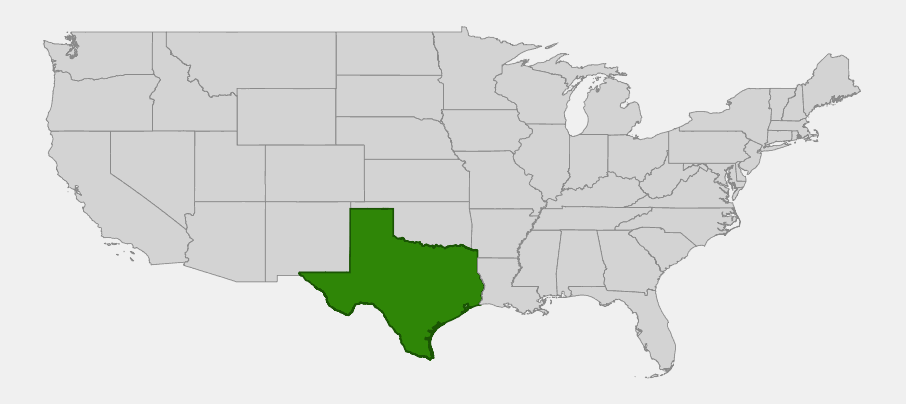
Guajillo is native to the South Texas Plains and the southern Edwards Plateau, with its U.S. range extending west into the Trans-Pecos region of far West Texas; it continues south into arid northeastern Mexico, particularly Coahuila, Nuevo León, and Tamaulipas, where it occupies a broad swath of thornscrub-covered hillsides and slopes. Some broader taxonomic treatments list the species as reaching into southeastern Arizona and southern New Mexico as well, but the core, well-documented native range — and the center of the guajillo honey industry — is squarely South and West Texas.
Within this range, guajillo favors shallow, rocky, calcareous soils on ridges and hillsides rather than bottomland, often forming dense stands on the caliche-capped slopes characteristic of the Rio Grande Plains and southern Hill Country. It is a defining member of South Texas thornscrub alongside blackbrush, catclaw acacia, and cenizo.
Guajillo’s regional importance is significant enough that it has lent its name to both a well-known Texas honey variety and to local place names across the brush country — a reflection of how closely tied this unassuming shrub is to the ranching and beekeeping economy of South and West Texas.
📋 Regional plant lists featuring Guajillo: South and West Texas
Growing & Care Guide
Guajillo is a tough, low-input native for rocky, dry sites across South and West Texas, valued as much for pollinator and wildlife support as for ornamental use.
Light
Plant in full sun for the heaviest bloom. It naturally occupies open, exposed ridges and hillsides and does not perform well in significant shade.
Soil & Water
Guajillo thrives on shallow, rocky, calcareous soils with excellent drainage, exactly the caliche ridges typical of its native range. It is highly drought tolerant once established and requires supplemental water only during the first year or two after planting. Avoid heavy clay or poorly drained sites.
Planting Tips
Install from container stock in fall or early spring. If the property runs sheep or goats, fence young plantings or site them away from pasture areas grazed by small ruminants, since the toxicity risk applies specifically to sheep and goats consuming guajillo as a large part of their diet over an extended period — cattle and horses are not affected the same way, and wildlife browsing in moderation poses little concern.
Pruning & Maintenance
Guajillo needs little pruning beyond removing dead wood after a hard freeze; it typically resprouts vigorously from the base. Its naturally loose, spreading form is attractive left alone, though it can be shaped lightly after bloom if a tidier form is wanted.
Landscape Uses
Guajillo’s fine texture and reliable bloom make it a genuinely useful South Texas landscape plant:
- Pollinator and bee-forage plantings — a cornerstone of the regional honey industry
- Informal native hedges or screens on rocky, dry sites
- Rangeland and wildlife habitat restoration on caliche ridges
- Xeriscape gardens needing a soft, ferny textural contrast to spinier natives
Wildlife & Ecological Value
Guajillo is a genuine pillar of the South Texas brush-country food web, especially for pollinators, even as it demands caution around certain livestock.
For Pollinators
Guajillo’s heavy, fragrant late-winter and spring bloom is one of the most important early-season nectar sources in South Texas, supporting both native bees and the region’s substantial honeybee industry. Guajillo honey — pale, mild, and highly regarded — is a specialty product of the brush country around Uvalde and the western Rio Grande Plains, harvested specifically during the shrub’s bloom window.
For Birds & Wildlife
White-tailed deer browse guajillo foliage in moderation, and it is considered a useful, if secondary, rangeland browse species. Game birds and small mammals use the dense, many-stemmed growth for cover in otherwise open thornscrub.
Livestock & Toxicity Caution
Guajillo contains compounds, including phenethylamine alkaloids, that can cause a distinctive neurological toxicity in sheep and goats — commonly called “guajillo wobbles” or limberleg — when the plant makes up a large share of their diet for an extended period, typically six months or more, especially during drought when other forage is scarce. Affected animals develop an uncoordinated, rubbery gait, particularly in the hind legs, though they generally remain alert with a normal appetite. Ranchers managing guajillo rangeland for small ruminants should ensure diverse forage is available so guajillo never becomes an exclusive, prolonged food source. Cattle and horses are not affected in the same way, and the toxicity is a livestock-management issue rather than a human safety concern — it is not a food plant and should never be considered for human consumption.
Ecosystem Role
As a nitrogen-fixing legume covering extensive acreage of South Texas thornscrub, guajillo contributes meaningfully to soil fertility on the thin, rocky ridges it favors, and its dense stands help stabilize erosion-prone caliche slopes across the Rio Grande Plains.
Cultural & Historical Uses
The common name “guajillo” and its variant “huajillo” come from Spanish, and the plant has given its name to the broader “guajillo brush country” landscape and economy of the western Rio Grande Plains, as well as to the honey harvested from its bloom — one of the better-known specialty honeys of South Texas, sold by beekeepers specifically as single-source guajillo honey for its pale color and delicate flavor.
The species commemorates Jean Louis Berlandier, a Swiss-French naturalist who explored Texas and northern Mexico in the 1820s and 1830s as part of a Mexican boundary and natural history survey, documenting plants, wildlife, and Indigenous cultures of the region decades before it became part of the United States. His name is attached to several South Texas natives besides this one.
On South Texas ranches, guajillo has long been understood as a dual-edged plant — valuable rangeland browse and an important honey source, but one requiring informed management around sheep and goats. That practical, working knowledge, passed down through generations of ranchers and beekeepers, remains the most important “cultural use” of the species today.
Frequently Asked Questions
Is guajillo dangerous to plant in my yard?
Not for typical home landscaping. The toxicity concern specifically involves sheep and goats consuming large quantities of guajillo as a major part of their diet over an extended period — it is not a hazard to people, dogs, cats, cattle, or horses in ordinary garden settings.
What is guajillo honey?
It’s a prized single-source honey produced by bees working guajillo’s heavy late-winter and spring bloom in South and West Texas brush country, known for its pale color and mild, delicate flavor — a genuine regional specialty tied directly to this plant’s bloom cycle.
Is guajillo the same as Acacia berlandieri?
Yes. Acacia berlandieri is the long-used name for this species; current taxonomy places most New World acacias, including this one, in the genus Senegalia, making Senegalia berlandieri the currently accepted scientific name.
Does guajillo have thorns?
No, or only very minor ones — it is nearly unarmed, which sets it apart from many of the thornier legumes, like catclaw acacia and blackbrush, that it commonly grows alongside in South Texas brush country.
How drought tolerant is guajillo?
Very — it is adapted to the shallow, rocky, calcareous ridges of South and West Texas and handles extended dry spells well once established, needing supplemental water only during initial establishment.

Looking for a nursery that carries Guajillo?
Browse our native plant nursery directory: Texas
Related reading and associate species: Honey Mesquite · Texas Persimmon · Best Shade Trees to Grow in San Antonio