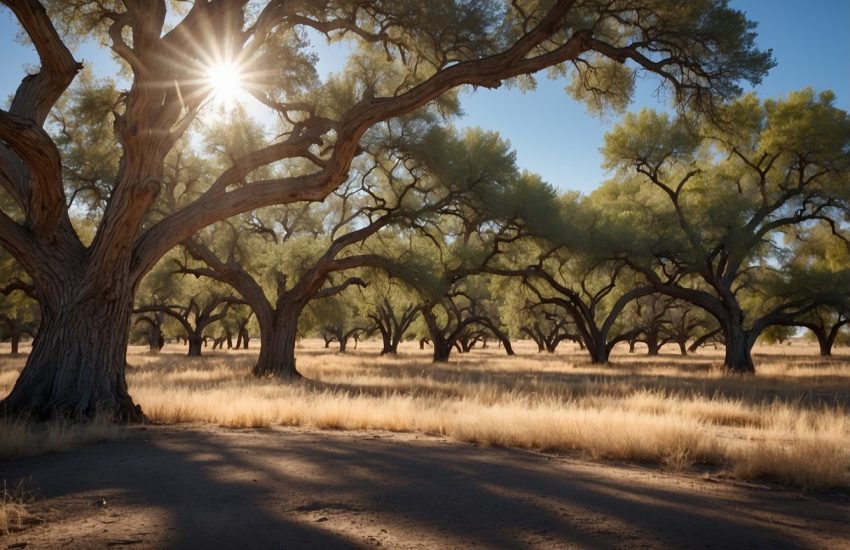
Fragrant False Indigo (Amorpha nana)
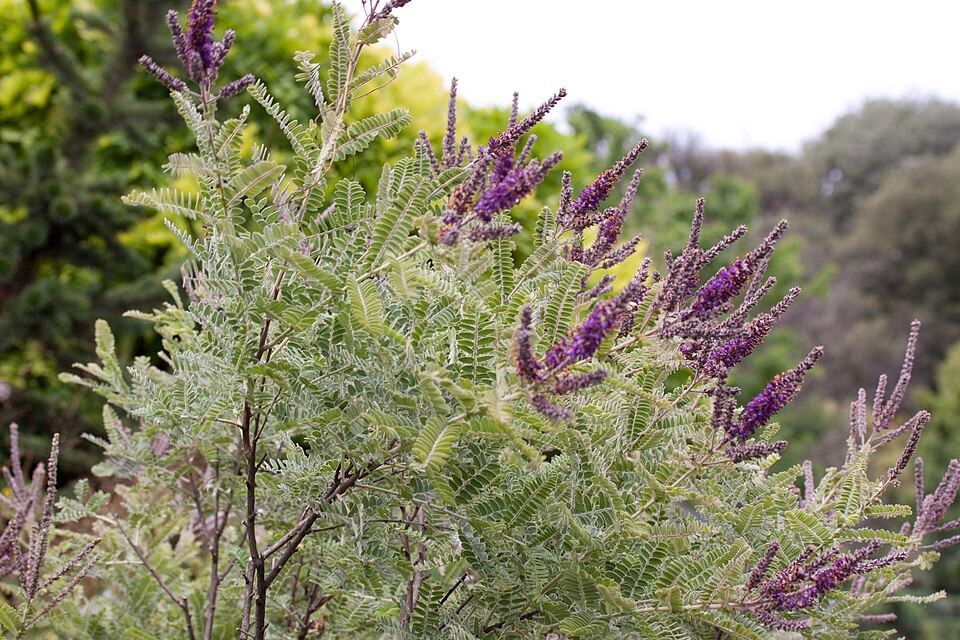
Amorpha nana, commonly known as Fragrant False Indigo or Dwarf Wild Indigo, is a compact, aromatic native shrub of the central Great Plains that delivers a spectacular late-spring floral display unlike almost any other plant at its diminutive size. A member of the Fabaceae (legume) family, this low-growing deciduous shrub typically reaches only 1 to 3 feet tall but produces dense, upright spikes of deep purple flowers accented with vivid orange-yellow anthers — a color combination that practically glows in the afternoon sun. The flowers are intensely fragrant, filling the garden with a rich, sweet scent during their June bloom period.
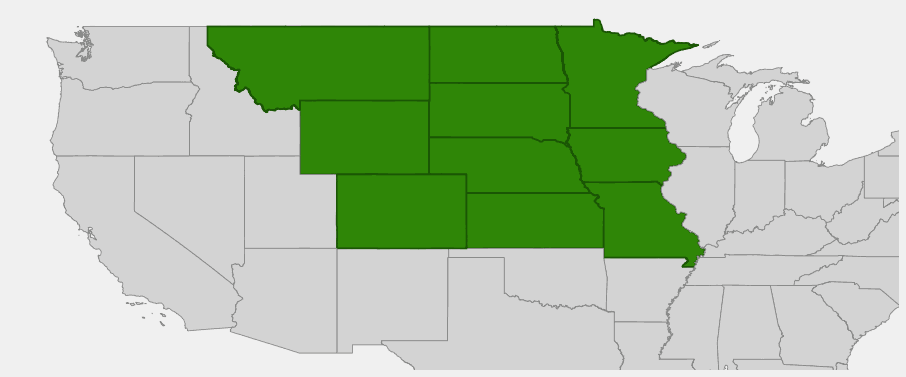
Native to the mixed grass and shortgrass prairies of Nebraska, Kansas, Colorado, and the Dakotas, Fragrant False Indigo is adapted to the challenging conditions of the Great Plains: seasonal drought, harsh winters, wind, and rocky or thin soils. As a nitrogen-fixing legume, it actively improves soil health, making it both a beautiful ornamental and a functional ecological component of restored prairies and naturalistic plantings. Unlike some of its taller relatives in the Amorpha genus, the dwarf stature of A. nana makes it easy to incorporate into mixed borders and smaller native plant gardens.
Fragrant False Indigo is one of the signature wildflowers of the Nebraska Sandhills and adjacent mixed grass prairie regions. Its presence in a planting signals authenticity and ecological integrity — this is a plant that has evolved over thousands of years in the central Plains, and it shows in its performance, resilience, and the wildlife that recognizes and depends on it.
Identification
Fragrant False Indigo is a low, multi-stemmed deciduous shrub, typically 1 to 3 feet (30–90 cm) tall with an equal or wider spread. The plant forms spreading mounds of pinnately compound foliage from woody, branched base stems. In favorable soils, it may spread slowly by rhizomes to form small colonies. Its small size, fragrant flowers, and legume affiliation make it distinctive among native Great Plains shrubs.
Leaves
The leaves are pinnately compound with 11 to 19 small, elliptic to oval leaflets, each about ½ inch long and marked with tiny gland dots that release a pleasant fragrance when crushed or brushed against. The leaflets are dark gray-green, smooth on top and finely hairy beneath, with a prominent midrib. The overall leaf appearance is fine-textured and delicate for a shrub, giving the plant an airy, almost fern-like quality when in full leaf. Foliage emerges relatively late in spring and drops early in fall.
Flowers & Fruit
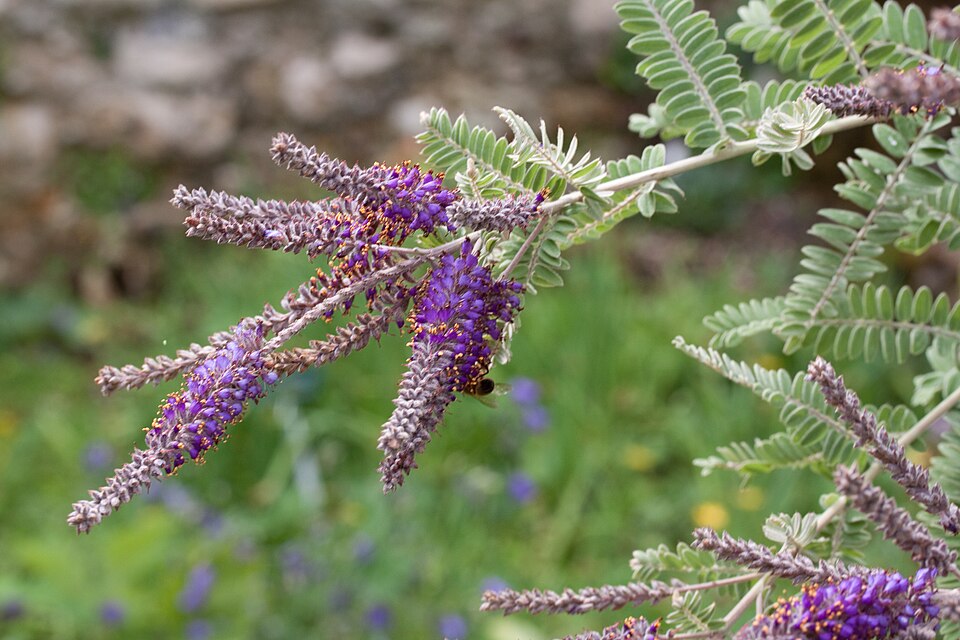
The flowers are borne in dense, upright racemes (spikes) 2 to 4 inches long at the tips of the current season’s growth. Each individual flower is tiny — characteristic of the entire Amorpha genus — with a single purple banner petal (the keel and wing petals are absent, making Amorpha flowers technically “imperfect” legumes) and prominent bright orange-yellow exserted stamens. The contrast of the deep violet-purple petal against the vivid orange stamens is visually striking, and the flowers are heavily fragrant. Bloom time in Nebraska and Kansas is typically late May to June.
The fruit is a small, one-seeded pod (legume) ¼ to ⅓ inch long, gland-dotted, and remaining attached to the plant after maturity. The pods are not particularly ornamental but provide food for specialist seed-eating insects and birds.
Quick Facts
| Scientific Name | Amorpha nana |
| Family | Fabaceae (Legume / Pea Family) |
| Plant Type | Deciduous Native Shrub (low-growing) |
| Mature Height | 1–3 ft |
| Sun Exposure | Full Sun |
| Water Needs | Low to Moderate |
| Bloom Time | Late May – June |
| Flower Color | Deep purple with vivid orange-yellow anthers |
| Fragrance | Intensely sweet-fragrant flowers and foliage |
| Soil Type | Well-drained; sandy, rocky, loamy; nitrogen-fixing |
| Deer Resistant | Yes (fragrant foliage deters most browsers) |
| USDA Hardiness Zones | 3–7 |
Native Range
Fragrant False Indigo is native to the central Great Plains of North America, with a core range centered on Nebraska, Kansas, Colorado, and the Dakotas, extending north into Minnesota and Montana and south into northern Oklahoma. It is endemic to the interior Great Plains region — a true prairie native with no natural occurrence east of the Mississippi River or west of the Rocky Mountain foothills.
Within its range, Fragrant False Indigo is characteristic of dry to moderately moist mixed grass and shortgrass prairies, particularly on rocky or sandy soils. It is a common species in the Nebraska Sandhills, the Flint Hills of Kansas, and the Rolling Plains of Colorado, growing in association with the native bunchgrasses and forbs that define these grassland communities. It is typically found in open, sunny locations — never in shade — and is a reliable indicator of high-quality, intact prairie remnants.
Prairie fires historically maintained the open conditions that Fragrant False Indigo requires. Like most Great Plains shrubs and forbs, it responds vigorously to burning — resprouting from the root crown after fire and producing its best flowering displays in post-burn seasons. Fire management or mowing every 3–5 years helps maintain the plant’s vigor and prevents succession to taller woody plants that would shade it out over time.
📋 Regional plant lists featuring Fragrant False Indigo: Nebraska & Kansas
Growing & Care Guide
Fragrant False Indigo is a low-maintenance native shrub perfectly suited to the challenging growing conditions of the Great Plains. Once established, it thrives with minimal intervention — making it an excellent choice for gardeners who want high-impact, low-input landscapes.
Light
Full sun is essential for Fragrant False Indigo — this is a prairie plant through and through, accustomed to the open, sunny conditions of the Great Plains grasslands. It will not perform well in shade; partial shade (less than 6 hours of direct sun) will result in open, weak growth and reduced or absent flowering. Plant it in the sunniest spots in your garden for best results.
Soil & Water
Well-drained soil is the key requirement. Fragrant False Indigo performs best in sandy, rocky, or loamy soils with good drainage — it dislikes wet feet and will decline quickly in poorly drained or chronically moist conditions. It is drought-tolerant once established (typically after 1–2 growing seasons), making it an excellent plant for water-wise gardens and areas without irrigation. As a nitrogen-fixing legume, it actually improves soil fertility over time, making it a beneficial companion plant in prairie restorations and native seed mixes.
Planting Tips
Plant Fragrant False Indigo in spring from container stock after the last frost. Choose a sunny, well-drained location and avoid heavy amendments to the native soil — this plant is adapted to lean, native conditions and may grow too lush and fall open in overly enriched soil. Space plants 2 to 3 feet apart in mass plantings. The plant may take 2–3 years to reach full size and flowering potential as it establishes its root system.
Pruning & Maintenance
Cut plants back hard (to 6 inches) every 2–3 years in late winter or early spring to maintain compact, vigorous growth and maximize flower production. Alternatively, burning or mowing in late winter mimics the natural fire regime under which this plant evolved. Without periodic cutting, the plant can become woody and open at the base. Deadheading is not necessary — the seed pods are small and not messy, and provide food for wildlife.
Landscape Uses
- Prairie gardens and restorations — a signature Great Plains native
- Dry mixed borders — provides a dramatic late-spring bloom
- Slope stabilization on dry, rocky or sandy soils
- Xeriscape and water-wise gardens — excellent drought tolerance
- Bee gardens and pollinator plantings — outstanding nectar plant
- Transition zones between prairie and garden plantings
- Front of shrub borders where low height is desired
Fire & Prairie Management
Fragrant False Indigo is fire-adapted — it responds to burning with vigorous resprouting from the root crown and often produces its most spectacular floral displays in the growing season following a burn. Incorporating periodic burning or cutting into management practices for prairie restorations will maintain this plant in the long-term and prevent it from being shaded out by taller grasses or forbs.
Wildlife & Ecological Value
Fragrant False Indigo punches well above its weight class for ecological value. Its dense flower spikes, nitrogen-fixing capability, and specialized interactions with native insects make it an essential component of Great Plains prairie ecosystems.
For Pollinators
The flowers are a magnet for bumblebees (Bombus spp.), which are the primary pollinators. The dense flower spikes provide abundant nectar at a time — late May to June — when many prairie forbs are not yet in bloom, making Fragrant False Indigo a particularly valuable early-season resource. Specialist native bees in the genus Andrena and Calliopsis (which have co-evolved with Amorpha) visit the flowers for both nectar and pollen.
For Birds
Seed-eating birds including American Goldfinch, Field Sparrow, and various finches consume the small seed pods in late summer and fall. The dense, low mound of foliage provides ground-level cover for sparrows and other ground-nesting birds. The plant’s association with native bees also makes it valuable in the food chain — bee larvae are a protein-rich food source for nesting songbirds.
For Specialist Insects
Several specialist butterfly and moth species use Amorpha as a larval host plant, including the Silver-spotted Skipper (Epargyreus clarus), the Dogface Butterfly (Zerene cesonia), and various Colias sulphur butterflies. These are specialized relationships built over evolutionary time, underscoring the ecological value of planting native species rather than non-native alternatives.
Ecosystem Role
As a nitrogen-fixing legume, Fragrant False Indigo actively enriches the soil in which it grows, converting atmospheric nitrogen into forms available to other plants. This makes it a functional “ecosystem engineer” in prairie communities — improving conditions for neighboring species. Its low, mounding form also captures windblown organic matter and reduces soil erosion in open prairie environments.
Cultural & Historical Uses
The Amorpha genus — which includes both Fragrant False Indigo (A. nana) and the related Lead Plant (A. canescens) — was well known to Native American peoples of the Great Plains. The Lakota and Omaha used Lead Plant extensively for smoking mixtures and as a ceremonial herb; Fragrant False Indigo, with its intensely fragrant foliage, likely served similar aromatic and ceremonial purposes. Both species were used to treat fever and rheumatic conditions in traditional medicine, with decoctions made from the leaves and stems.
European settlers recognized Amorpha nana as an indicator of fertile, well-drained prairie soil — its presence in the grassland landscape told early farmers something valuable about the land beneath their feet. The genus name Amorpha comes from the Greek for “misshapen” or “deformed,” referring to the unusual flower structure with its single petal (all other legumes have three or more petals). The species name nana means “dwarf” in Latin, distinguishing it from the taller species in the genus.
In contemporary native plant gardening, Fragrant False Indigo is increasingly recognized for its exceptional combination of ornamental qualities — fragrance, vivid flower color, neat compact habit — and ecological function. It is recommended by prairie restoration practitioners and native plant nurseries throughout the Great Plains as a front-line species for both aesthetic and conservation plantings.
Frequently Asked Questions
How is Fragrant False Indigo different from Lead Plant (Amorpha canescens)?
Both are native prairie legumes in the same genus, but Fragrant False Indigo (A. nana) is shorter (1–3 ft vs. 2–4 ft), has greener foliage (Lead Plant has silvery-gray, wooly leaves that give it its name), and is generally more intensely fragrant. Lead Plant has a slightly broader range and may be more common in some areas. Both are excellent native plants for prairie gardens.
Does Fragrant False Indigo fix nitrogen?
Yes. Like all members of the legume family, Fragrant False Indigo forms root nodules with nitrogen-fixing bacteria (Rhizobium spp.) that convert atmospheric nitrogen gas into plant-available forms. This makes it a soil-building plant — planting it in prairie restorations and native gardens improves soil fertility for neighboring species over time.
Why aren’t my Fragrant False Indigo plants blooming well?
The most common causes of poor flowering are insufficient sunlight (the plant needs full sun) and overly rich or moist soil. If plants are growing vigorously but not blooming, try cutting them back hard in late winter — this often stimulates the best flowering response. Also ensure the planting site receives at least 6 hours of direct sun daily.
Is it invasive?
No. Fragrant False Indigo is native to the central Great Plains and is not invasive anywhere in its native range. In fact, it is less common than it once was due to prairie conversion, and planting it supports native grassland biodiversity.
Can I grow Fragrant False Indigo from seed?
Yes. Seeds benefit from scarification (nicking the seed coat) and cold stratification (6–8 weeks at 35°F) before sowing. Direct sowing in fall (allowing natural cold stratification over winter) is a reliable method. Germination and establishment are slow — expect 2–3 years before plants reach full size and flowering potential.