
Fringed Loosestrife (Lysimachia ciliata)

Lysimachia ciliata, commonly known as Fringed Loosestrife, is a remarkable native North American plant species that showcases the incredible diversity and ecological importance of our continent’s flora. Belonging to the Primulaceae (Primrose) family, this herbaceous perennial represents a perfect example of how native plants have evolved to thrive in specific environmental niches while providing essential ecosystem services.
Fringed Loosestrife stands out among native plants for its unique combination of ornamental appeal and ecological functionality. Throughout its extensive native range, which spans multiple states and diverse ecosystems, Fringed Loosestrife has established itself as a cornerstone species that supports complex webs of wildlife interactions while adapting to various environmental conditions.
What makes Fringed Loosestrife particularly valuable for modern conservation efforts and native plant gardening is its proven resilience and adaptability. As climate patterns shift and natural habitats face increasing pressure, species like Fringed Loosestrife serve as genetic repositories of adaptation strategies honed over millennia. For gardeners seeking to create authentic regional landscapes that support native biodiversity while requiring minimal inputs, Fringed Loosestrife represents an ideal choice that connects cultivated spaces to the broader ecological fabric of North America.
Identification
Proper identification of Fringed Loosestrife requires attention to several distinctive characteristics that separate it from closely related species and other plants sharing its habitat. Understanding these identification features not only helps with accurate plant recognition but also deepens appreciation for the evolutionary adaptations that make this species unique.
Stems & Growth Form
Fringed Loosestrife grows as an upright herbaceous perennial, forming colonies through underground rhizomes. The stems are smooth, four-angled (square in cross-section), and often reddish-tinged, particularly at the nodes where leaves attach. Plants typically reach 1–3 feet in height, though exceptional specimens in ideal conditions may approach 4 feet.
Leaves
The leaves are opposite, lance-shaped to oval, 2–6 inches long and 1–3 inches wide, with distinctive fringed (ciliate) margins that give the plant its common name. The leaf surfaces are smooth and medium green, often with a slight sheen. Petioles (leaf stalks) are notably fringed with fine hairs, particularly prominent on young growth. This ciliate margin is the key identifying feature that distinguishes this species from other loosestrifes.
Flowers & Fruit
The flowers are the plant’s most striking feature—bright golden-yellow, star-shaped blooms about 1 inch across with five pointed petals. Each petal has a narrow base that creates distinctive gaps between petals, giving the flower a star-like appearance. Flowers are borne singly on long stalks (pedicels) arising from leaf axils, creating an open, airy display from June through August. The fruit is a small, round capsule that splits to release tiny seeds.

Quick Facts
| Scientific Name | Lysimachia ciliata |
| Family | Primulaceae (Primrose) |
| Plant Type | Herbaceous Perennial |
| Mature Height | 1–3 ft |
| Sun Exposure | Part Shade to Full Sun |
| Water Needs | Moderate to High |
| Bloom Time | June – August |
| Flower Color | Bright yellow |
| USDA Hardiness Zones | 3–9 |
Native Range
Fringed Loosestrife demonstrates the remarkable adaptability of North American flora through its extensive native distribution across diverse ecological regions. This species has evolved to thrive in multiple climate zones, soil types, and habitat conditions, making it one of the more geographically widespread native plants in its respective regions.
The natural distribution of Fringed Loosestrife reflects millions of years of evolutionary adaptation to North American landscapes, climate patterns, and ecological relationships. From the humid forests of the Southeast to the prairie edges of the Midwest, this species has developed local adaptations that allow populations to succeed in remarkably diverse conditions while maintaining their core ecological functions.
Understanding the native range of Fringed Loosestrife is crucial for both conservation efforts and successful cultivation. Plants grown within or near their native range are more likely to establish successfully, require fewer inputs, and provide maximum ecological benefits to local wildlife and ecosystem processes. This geographic context also helps explain the species’ specific growing requirements and ecological relationships.
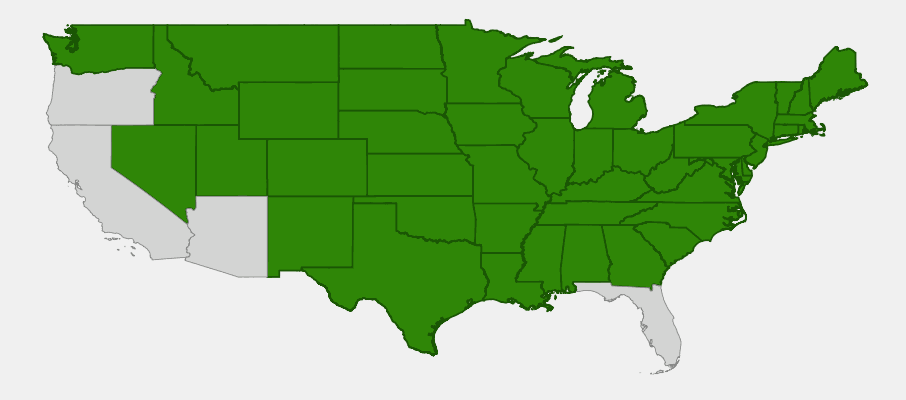
📋 Regional plant lists featuring Fringed Loosestrife: North Carolina & South Carolina
Growing & Care Guide
Successfully cultivating Fringed Loosestrife requires understanding its natural habitat preferences and growth patterns. As a native species, it has evolved specific relationships with soil conditions, moisture patterns, and light availability that, when replicated in cultivation, lead to thriving, low-maintenance plants that provide maximum ecological benefits.
The key to growing Fringed Loosestrife successfully lies in matching your garden conditions to its natural habitat as closely as possible. This approach not only ensures plant health and longevity but also maximizes the ecological services the plant can provide, from supporting native pollinators to contributing to local ecosystem stability.
Light Requirements
Fringed Loosestrife thrives in part shade to full sun conditions, demonstrating the flexibility that has enabled its success across diverse habitats. In cultivation, this light tolerance means the species can adapt to various garden locations, from bright, open areas to partially shaded sites beneath taller plants or structures. This adaptability makes it valuable for challenging garden locations where light conditions may vary throughout the day or season.
Soil & Water Requirements
Fringed Loosestrife naturally occurs in wet meadows and along stream banks, indicating its preference for consistently moist to wet soils. In cultivation, provide regular watering and avoid allowing the soil to dry completely. The species tolerates brief flooding and thrives in boggy conditions, making it excellent for rain gardens, pond edges, and other water feature plantings. Soil pH can range from slightly acidic to slightly alkaline (6.0-8.0), with the plant showing good tolerance for various soil types as long as moisture needs are met.
Planting & Establishment
Plant in spring after frost danger passes or in fall at least 6-8 weeks before expected frost. Space plants 18-24 inches apart for naturalistic plantings, as the species spreads via underground rhizomes to form colonies. This spreading habit makes it excellent for naturalizing in appropriate wet areas but requires management in more formal garden settings. Regular division every 3-4 years helps maintain plant vigor and controls spread.
Maintenance & Care
Once established, Fringed Loosestrife requires minimal maintenance when grown in appropriate conditions. The species benefits from organic mulch to retain soil moisture and suppress weeds. Avoid over-fertilization, which can promote excessive vegetative growth at the expense of flowering and ecological function. In naturalistic plantings, allow the plant to follow its natural growth patterns with minimal intervention.
Landscape Applications
Fringed Loosestrife excels in several landscape contexts:
- Native plant gardens — Provides authentic regional character and supports local ecosystems
- Wildlife habitat restoration — Offers food and shelter for native fauna
- Rain gardens and bioswales — Excellent for managing stormwater runoff while creating beauty
- Naturalistic plantings — Perfect for creating low-maintenance, ecologically functional landscapes
- Educational gardens — Demonstrates native plant adaptation and ecological relationships

Wildlife & Ecological Value
The ecological importance of Fringed Loosestrife extends far beyond its ornamental qualities, representing a critical component in the complex web of relationships that sustain healthy North American ecosystems. As a native species, it has co-evolved with local wildlife over millennia, developing specialized relationships that benefit both the plant and the animals that depend on it.
Native plants like Fringed Loosestrife form the foundation of food webs, supporting insects that in turn feed birds, mammals, and other wildlife. Research has shown that native plants support 35 times more caterpillar species than non-native plants, and since caterpillars are a crucial food source for songbird chicks, the presence of native plants directly impacts bird population success.
For Birds
While Fringed Loosestrife may not produce seeds that directly feed many bird species, its role in wetland ecosystems makes it valuable for waterfowl and wetland-associated songbirds. The plant’s presence in marsh and pond edge habitats helps maintain water quality and provides structural diversity that benefits species like Red-winged Blackbirds, Marsh Wrens, and various warbler species that forage in wetland vegetation.
The insect communities supported by Fringed Loosestrife are particularly important for aerial insectivores such as swallows and flycatchers. The plant’s long flowering period ensures a consistent supply of pollinators and other insects throughout the mid-summer period when many bird species are raising their young.
For Pollinators
The bright yellow flowers of Fringed Loosestrife are highly attractive to a diverse array of native pollinators. Native bees, including various sweat bees, leafcutter bees, and bumble bees, are frequent visitors, drawn by the abundant pollen and nectar. The open flower structure makes resources easily accessible to pollinators of various sizes and types.
The extended blooming period from June through August ensures pollinator support during the critical mid-summer period when many spring-blooming plants have finished flowering but fall bloomers have not yet begun. This timing makes Fringed Loosestrife particularly valuable in pollinator gardens and restoration projects aimed at providing season-long pollinator support.
For Other Wildlife
The wetland habitats where Fringed Loosestrife grows naturally support diverse wildlife communities. Amphibians such as frogs and salamanders benefit from the plant’s role in maintaining wetland water quality and providing cover. Small mammals that frequent wetland edges, such as voles and shrews, find shelter among the plant’s stems and rhizomes.
The plant’s role in wetland ecosystem function extends to its interactions with aquatic invertebrates and the maintenance of water quality through nutrient cycling and sediment stabilization. These ecosystem services benefit all wetland wildlife by maintaining the habitat conditions they depend upon.
Cultural & Historical Uses
The relationship between humans and Fringed Loosestrife spans centuries and reflects the deep knowledge that Indigenous peoples developed about North American flora. Long before European colonization, numerous tribal nations recognized and utilized this species for various practical, medicinal, and cultural purposes, knowledge that was often later adopted and adapted by European settlers.
Traditional ecological knowledge about Fringed Loosestrife represents sophisticated understanding of plant properties, seasonal availability, preparation methods, and sustainable harvesting practices. This knowledge was typically passed down through generations via oral tradition and hands-on teaching, creating cultural connections to the landscape that reinforced conservation values and ecological awareness.
Many Indigenous groups utilized Fringed Loosestrife for its medicinal properties. The plant was commonly used to treat eye ailments—its application as an eyewash gave rise to one of its alternative common names, “eyebright loosestrife.” The anti-inflammatory properties of the plant made it valuable for treating various conditions, and different tribal nations had specific preparation methods and application techniques.
European settlers learned of these uses and incorporated Fringed Loosestrife into their own herbal medicine practices. The plant appeared in various folk remedies and was sometimes cultivated in herb gardens. Its attractive flowers also made it a candidate for ornamental use, though it was primarily valued for its practical applications.
Contemporary interest in Fringed Loosestrife focuses on its ecological value and its role in wetland restoration projects. The plant’s ability to thrive in disturbed wetland areas makes it valuable for restoration efforts, while its aesthetic appeal and native status have made it increasingly popular in naturalistic landscaping and native plant gardens. Research into the plant’s traditional medicinal uses continues, though such applications should only be pursued with proper expertise and caution.
Frequently Asked Questions
How do I properly identify Fringed Loosestrife in the wild?
The key identifying features of Fringed Loosestrife include its distinctive bright yellow flowers that bloom june – august. Pay attention to leaf arrangement, flower structure, and overall growth habit to distinguish it from similar species. When in doubt, consult multiple field guides or seek expert confirmation before making positive identification.
Is Fringed Loosestrife difficult to grow from seed?
Fringed Loosestrife can be grown from seed, but the easiest propagation method is division of established clumps in spring or fall. Seeds are tiny and require light to germinate, so barely cover them with soil. The species also spreads readily by rhizomes once established.
What wildlife will Fringed Loosestrife attract to my garden?
Fringed Loosestrife supports various wildlife species throughout the growing season. Expect to see pollinators working the bright yellow flowers, birds foraging for insects and seeds, and other beneficial creatures that contribute to garden ecosystem health. The plant’s value extends beyond direct wildlife attraction to include its role in supporting food web relationships.
Can Fringed Loosestrife become invasive in garden settings?
Fringed Loosestrife can spread via underground rhizomes and may colonize suitable wet areas in the garden. While this spreading habit is part of its natural behavior, it can be managed through division and root barriers if needed. In appropriate wetland or naturalized settings, this spreading is actually beneficial for erosion control and wildlife habitat.
What are the main challenges in growing Fringed Loosestrife?
The primary challenge is providing appropriate growing conditions that match the plant’s native habitat preferences. Fringed Loosestrife requires moderate to high soil conditions and part shade to full sun light exposure for optimal performance. Failure to provide adequate moisture is the most common cause of poor performance or plant loss. Once established in suitable conditions, the species is generally quite resilient and low-maintenance.
How does Fringed Loosestrife benefit the local ecosystem?
As a native species, Fringed Loosestrife has co-evolved with local wildlife and provides ecosystem services that non-native plants cannot match. It supports specialized relationships with native insects, provides food and habitat for various wildlife species, and contributes to local ecosystem stability and resilience. Native plants like Fringed Loosestrife form the foundation of healthy food webs and support biodiversity in ways that exotic species typically cannot.

Looking for a nursery that carries Fringed Loosestrife?
Browse our native plant nursery directory: North Carolina · South Carolina