
Jewelweed (Impatiens capensis)
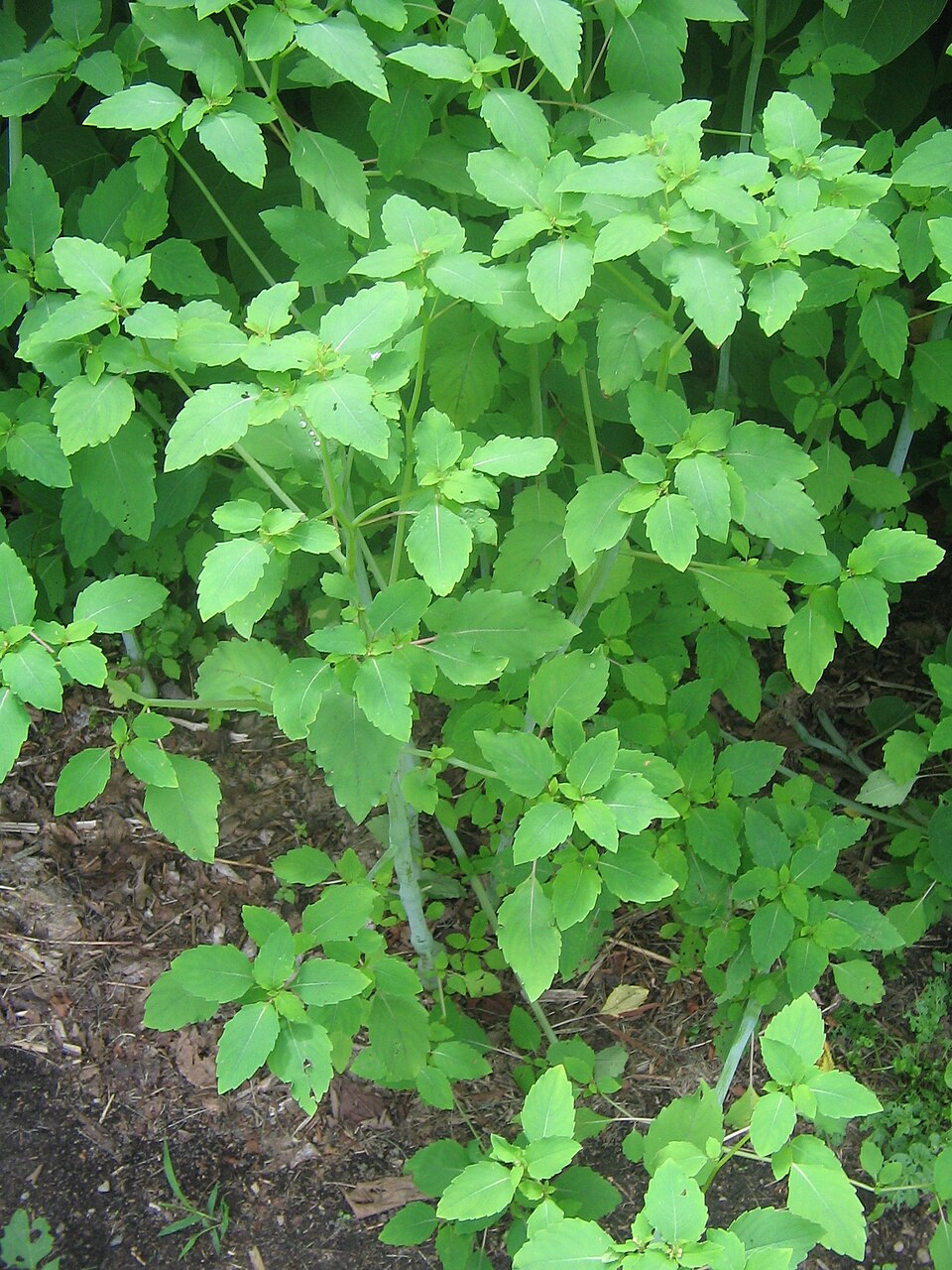
Impatiens capensis, commonly known as Jewelweed, is a remarkable native North American plant species that showcases the incredible diversity and ecological importance of our continent’s flora. Belonging to the Balsaminaceae (Balsam) family, this annual herb represents a perfect example of how native plants have evolved to thrive in specific environmental niches while providing essential ecosystem services.
Jewelweed stands out among native plants for its unique combination of ornamental appeal and ecological functionality. Beautiful orange flowers attract butterflies & hummingbirds Throughout its extensive native range, which spans multiple states and diverse ecosystems, Jewelweed has established itself as a cornerstone species that supports complex webs of wildlife interactions while adapting to various environmental conditions.
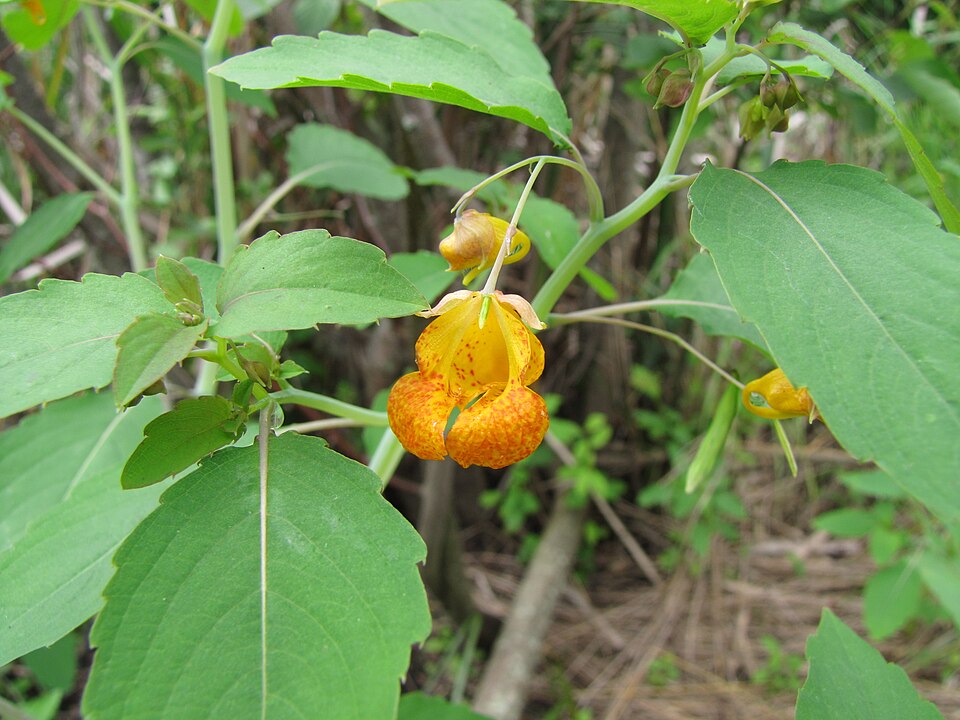
What makes Jewelweed particularly valuable for modern conservation efforts and native plant gardening is its proven resilience and adaptability. As climate patterns shift and natural habitats face increasing pressure, species like Jewelweed serve as genetic repositories of adaptation strategies honed over millennia. For gardeners seeking to create authentic regional landscapes that support native biodiversity while requiring minimal inputs, Jewelweed represents an ideal choice that connects cultivated spaces to the broader ecological fabric of North America.
Identification
Proper identification of Jewelweed requires attention to several distinctive characteristics that separate it from closely related species and other plants sharing its habitat. Understanding these identification features not only helps with accurate plant recognition but also deepens appreciation for the evolutionary adaptations that make this species unique.
Stems & Growth Form
Jewelweed grows as an annual herb with succulent, translucent stems that are somewhat swollen at the nodes. The stems are smooth, hairless, and typically green but may develop a reddish tinge in full sun or with age. Plants form bushy clumps reaching 3–5 feet tall in optimal conditions, though height varies considerably based on growing conditions and moisture availability.
Leaves
The leaves are alternate, oval to elliptical, 1–4 inches long with coarsely toothed margins. They have a distinctive blue-green color with a waxy surface that causes water to bead up and roll off—creating the “jeweled” appearance after rain or dew that gives the plant its common name. The leaf surfaces appear almost silvery when submerged in water due to trapped air bubbles.
Flowers & Fruit
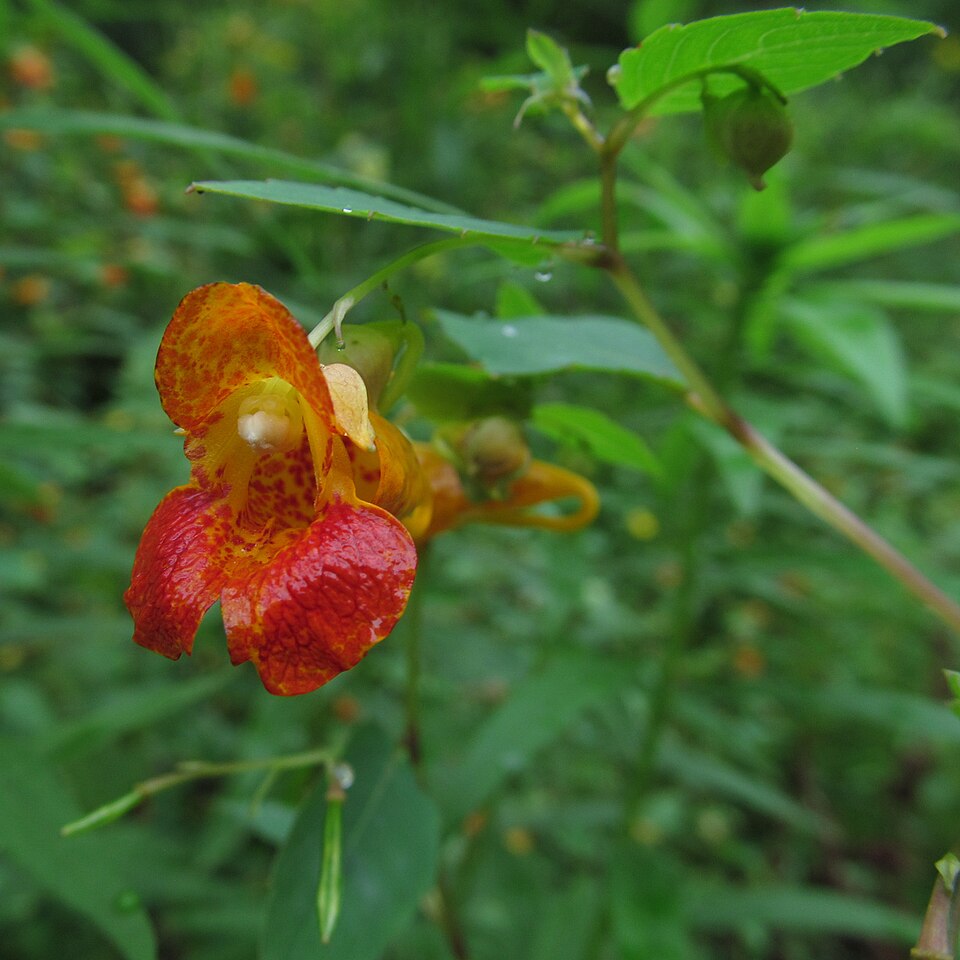
The flowers are perhaps the most recognizable feature—bright orange, trumpet-shaped blooms with red-brown spots and a distinctive curved spur at the back. Each flower is about 1 inch long and hangs from thin stalks, typically appearing in small clusters. The fruit is an explosive seed pod that, when ripe, bursts open at the slightest touch, shooting seeds several feet away—a adaptation that has earned it another common name, “Touch-me-not.”
Quick Facts
| Scientific Name | Impatiens capensis |
| Family | Balsaminaceae (Balsam) |
| Plant Type | Annual Herb |
| Mature Height | 3 ft |
| Sun Exposure | Full Sun to Part Shade |
| Water Needs | Moderate |
| Bloom Time | July – September |
| Flower Color | Orange with red spots |
| USDA Hardiness Zones | 2–11 |
Native Range
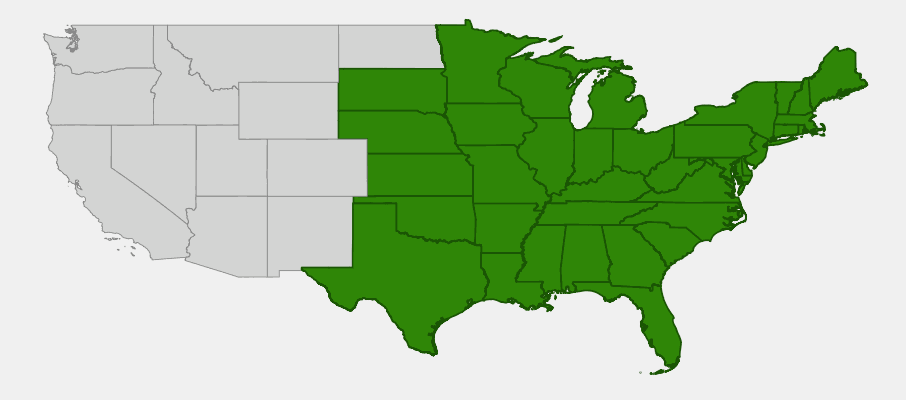
Jewelweed demonstrates the remarkable adaptability of North American flora through its extensive native distribution across diverse ecological regions. This species has evolved to thrive in multiple climate zones, soil types, and habitat conditions, making it one of the more geographically widespread native plants in its respective regions.
The natural distribution of Jewelweed reflects millions of years of evolutionary adaptation to North American landscapes, climate patterns, and ecological relationships. From the humid forests of the Southeast to the prairie edges of the Midwest, this species has developed local adaptations that allow populations to succeed in remarkably diverse conditions while maintaining their core ecological functions.
Understanding the native range of Jewelweed is crucial for both conservation efforts and successful cultivation. Plants grown within or near their native range are more likely to establish successfully, require fewer inputs, and provide maximum ecological benefits to local wildlife and ecosystem processes. This geographic context also helps explain the species’ specific growing requirements and ecological relationships.
📋 Regional plant lists featuring Jewelweed: North Carolina & South Carolina
Growing & Care Guide
Successfully cultivating Jewelweed requires understanding its natural habitat preferences and growth patterns. As a native species, it has evolved specific relationships with soil conditions, moisture patterns, and light availability that, when replicated in cultivation, lead to thriving, low-maintenance plants that provide maximum ecological benefits.
The key to growing Jewelweed successfully lies in matching your garden conditions to its natural habitat as closely as possible. This approach not only ensures plant health and longevity but also maximizes the ecological services the plant can provide, from supporting native pollinators to contributing to local ecosystem stability.
Light Requirements
Jewelweed thrives in full sun to part shade conditions, demonstrating the flexibility that has enabled its success across diverse habitats. In cultivation, this light tolerance means the species can adapt to various garden locations, from bright, open areas to partially shaded sites beneath taller plants or structures. The species naturally grows in partial shade along woodland streams but can adapt to more open conditions with adequate moisture.
Soil & Water Requirements
As an annual of wetland edges and moist woodlands, Jewelweed requires consistently moist soil throughout its growing season. The species thrives in rich, organic soils but adapts to various soil types as long as moisture is adequate. It cannot tolerate drought conditions and will quickly wilt and decline if water-stressed. For best results, provide regular watering or plant in naturally moist areas such as near water features, in low-lying areas, or in spots that receive runoff from downspouts or irrigation.
Planting & Establishment
As an annual, Jewelweed is typically grown from seed sown in spring after the last frost. Seeds can be direct-sown in garden beds or started indoors 4-6 weeks before the last frost. The explosive seed pods mean that established plants will often self-sow prolifically, creating naturalized colonies in suitable habitats. Seedlings transplant easily when small but become more difficult to move as they mature due to their succulent stems.
Maintenance & Care
Once established, Jewelweed requires minimal maintenance when grown in appropriate conditions. The species benefits from organic mulch to retain soil moisture and suppress weeds. Avoid over-fertilization, which can promote excessive vegetative growth at the expense of flowering and ecological function. In naturalistic plantings, allow the plant to follow its natural growth patterns with minimal intervention.
Landscape Applications
Jewelweed excels in several landscape contexts:
- Native plant gardens — Provides authentic regional character and supports local ecosystems
- Wildlife habitat restoration — Offers food and shelter for native fauna
- Rain gardens and bioswales — Excellent for managing stormwater runoff while creating beauty
- Naturalistic plantings — Perfect for creating low-maintenance, ecologically functional landscapes
- Educational gardens — Demonstrates native plant adaptation and ecological relationships
- Children’s gardens — The explosive seed pods provide interactive natural entertainment
Wildlife & Ecological Value
The ecological importance of Jewelweed extends far beyond its ornamental qualities, representing a critical component in the complex web of relationships that sustain healthy North American ecosystems. As a native species, it has co-evolved with local wildlife over millennia, developing specialized relationships that benefit both the plant and the animals that depend on it.
Native plants like Jewelweed form the foundation of food webs, supporting insects that in turn feed birds, mammals, and other wildlife. Research has shown that native plants support 35 times more caterpillar species than non-native plants, and since caterpillars are a crucial food source for songbird chicks, the presence of native plants directly impacts bird population success.
For Birds
Jewelweed provides exceptional value for bird communities, particularly hummingbirds, which are strongly attracted to the bright orange, nectar-rich flowers. Ruby-throated Hummingbirds are frequent visitors, and the plant’s long blooming period provides crucial late-summer nectar when many other flowers have finished blooming. The relationship between Jewelweed and hummingbirds represents a classic example of co-evolution, with the flower shape perfectly matched to hummingbird anatomy.
The explosive seed pods provide food for various seed-eating birds, including goldfinches and sparrows. The succulent stems and foliage also support numerous insect species that feed birds, while the dense growth provides cover and foraging opportunities for species that prefer dense, low vegetation such as wrens and thrushes.
For Pollinators
While Jewelweed flowers are primarily adapted for hummingbird pollination, they also support various native pollinators. Bees can be seen working the flowers for nectar, though they must approach from unusual angles due to the flower’s specialized shape. Native bees, particularly smaller species, have learned to access the spurred flowers and are regular visitors along with beneficial insects such as hover flies.
The plant’s role in supporting pollinators extends beyond its own flowers—the insects that feed on Jewelweed’s foliage and stems provide prey for predatory and parasitic insects that help control pest populations in garden and natural settings. This ecological complexity demonstrates how native plants support entire communities of beneficial organisms.
For Other Wildlife
Beyond birds and pollinators, Jewelweed supports various other wildlife species. The succulent stems and leaves are consumed by some mammals, and the plant’s dense growth provides cover for small animals. Amphibians such as frogs and toads often shelter beneath the plant’s broad leaves in the moist habitats where it grows.
Interestingly, Jewelweed has been used traditionally to treat poison ivy rash, and its presence in natural areas often coincides with poison ivy habitat, creating a natural remedy alongside the problem. This relationship demonstrates the complex chemical ecology that characterizes many native plant communities.
Cultural & Historical Uses
The relationship between humans and Jewelweed spans centuries and reflects the deep knowledge that Indigenous peoples developed about North American flora. Long before European colonization, numerous tribal nations recognized and utilized this species for various practical, medicinal, and cultural purposes, knowledge that was often later adopted and adapted by European settlers.
Traditional ecological knowledge about Jewelweed represents sophisticated understanding of plant properties, seasonal availability, preparation methods, and sustainable harvesting practices. This knowledge was typically passed down through generations via oral tradition and hands-on teaching, creating cultural connections to the landscape that reinforced conservation values and ecological awareness.
Jewelweed holds a special place in traditional North American medicine due to its effectiveness in treating skin irritations, particularly those caused by poison ivy and stinging nettle. Multiple Indigenous groups throughout its range used the plant’s succulent stems and leaves to create poultices and washes for treating rashes, burns, cuts, and insect stings. The Potawatomi, Cherokee, and other nations had sophisticated methods for preparing and applying Jewelweed remedies.
This traditional use was quickly adopted by European colonists, who found the plant’s anti-inflammatory and antihistamine properties remarkably effective. The common name “touch-me-not” refers not only to the explosive seed pods but also to the plant’s reputation as a remedy for the painful “touch” of poison ivy. Scientific research has validated many of these traditional uses, identifying compounds in Jewelweed that do indeed have anti-inflammatory and soothing properties.
Beyond medicinal uses, some Indigenous groups used the seeds of Jewelweed as food, either raw or ground into meal. The young shoots were occasionally consumed as potherbs, though this use was less common. The explosive seed pods provided entertainment for children and demonstrated natural mechanisms for seed dispersal, making the plant a valuable teaching tool about plant adaptations.
In contemporary times, Jewelweed continues to be valued for its traditional medicinal properties, with many hikers and outdoor enthusiasts learning to identify and use the plant for treating poison ivy exposure. Commercial preparations and homemade remedies using Jewelweed remain popular, though proper identification and preparation are essential for safe use.
Frequently Asked Questions
How do I properly identify Jewelweed in the wild?
The key identifying features of Jewelweed include its distinctive orange with red spots flowers that bloom july – september. Pay attention to leaf arrangement, flower structure, and overall growth habit to distinguish it from similar species. When in doubt, consult multiple field guides or seek expert confirmation before making positive identification.
Is Jewelweed difficult to grow from seed?
Jewelweed is easy to grow from seed. Simply scatter seeds in moist soil in spring after frost danger passes. The plant readily self-sows, so once established, it often returns year after year without replanting. Seeds do not require special treatment but must be kept consistently moist during germination.
What wildlife will Jewelweed attract to my garden?
Jewelweed supports various wildlife species throughout the growing season. Expect to see pollinators working the orange with red spots flowers, birds attracted to the nectar-rich blooms, and other beneficial creatures that contribute to garden ecosystem health. The plant’s value extends beyond direct wildlife attraction to include its role in supporting food web relationships.
Can Jewelweed become invasive in garden settings?
As an annual, Jewelweed is not invasive in the traditional sense, though it can self-seed prolifically in ideal conditions. The explosive seed pods scatter seeds several feet from the parent plant, potentially creating new colonies. This self-seeding behavior is easily managed by removing seed pods before they mature if spread control is desired.
What are the main challenges in growing Jewelweed?
The primary challenge is providing appropriate growing conditions that match the plant’s native habitat preferences. Jewelweed requires moderate soil conditions and full sun to part shade light exposure for optimal performance. Failure to provide adequate moisture is the most common cause of poor performance or plant loss. Once established in suitable conditions, the species is generally quite resilient and low-maintenance.
How does Jewelweed benefit the local ecosystem?
As a native species, Jewelweed has co-evolved with local wildlife and provides ecosystem services that non-native plants cannot match. It supports specialized relationships with native insects, provides food and habitat for various wildlife species, and contributes to local ecosystem stability and resilience. Native plants like Jewelweed form the foundation of healthy food webs and support biodiversity in ways that exotic species typically cannot.

Looking for a nursery that carries Jewelweed?
Browse our native plant nursery directory: North Carolina · South Carolina