Golden Aster (Pityopsis graminifolia)
Pityopsis graminifolia, commonly known as Golden Aster, Narrowleaf Silkgrass, or Grassleaf Golden Aster, is a distinctive native perennial that brings brilliant golden-yellow blooms to southeastern landscapes from late summer through fall. This member of the Asteraceae (sunflower) family is beloved for its unique combination of silvery, grass-like foliage and abundant bright yellow daisy flowers that create a stunning textural and color contrast in native plant gardens.
Standing typically 2 feet tall and forming neat, compact clumps, Golden Aster is easily recognized by its narrow, linear leaves that are covered with silky hairs, giving them a distinctive silvery-green appearance that looks remarkably like ornamental grass. The bright yellow composite flowers, measuring 1-2 inches across, appear in loose clusters at the tops of sturdy stems from August through October, providing crucial late-season nectar when many other wildflowers have finished blooming.
What makes Golden Aster particularly valuable in native gardens is its exceptional drought tolerance, adaptability to poor soils, and ability to thrive in full sun conditions where many other perennials struggle. Its extended blooming period coincides with fall migration, making it an important nectar source for butterflies and other pollinators preparing for winter. The silvery foliage provides year-round interest even when the plant is not in bloom, and its neat growth habit makes it suitable for both formal and naturalized garden settings.
Identification
Golden Aster is unmistakable once you learn to recognize its distinctive grass-like foliage and bright yellow fall flowers. The plant forms neat, non-spreading clumps that maintain their form throughout the growing season, making it easy to distinguish from true grasses or other wildflowers with similar bloom times.
Leaves
The leaves are perhaps Golden Aster’s most distinctive feature – they are extremely narrow and linear, typically 2-6 inches long and only ⅛ to ¼ inch wide, giving them an almost grass-like appearance. However, unlike true grass leaves, they are alternate rather than basal, and they are densely covered with soft, silky hairs that give them a distinctive silvery-green to gray-green color. These hairs not only create the plant’s attractive appearance but also help it conserve moisture in hot, dry conditions. The leaves feel soft to the touch due to the dense pubescence.
Flowers
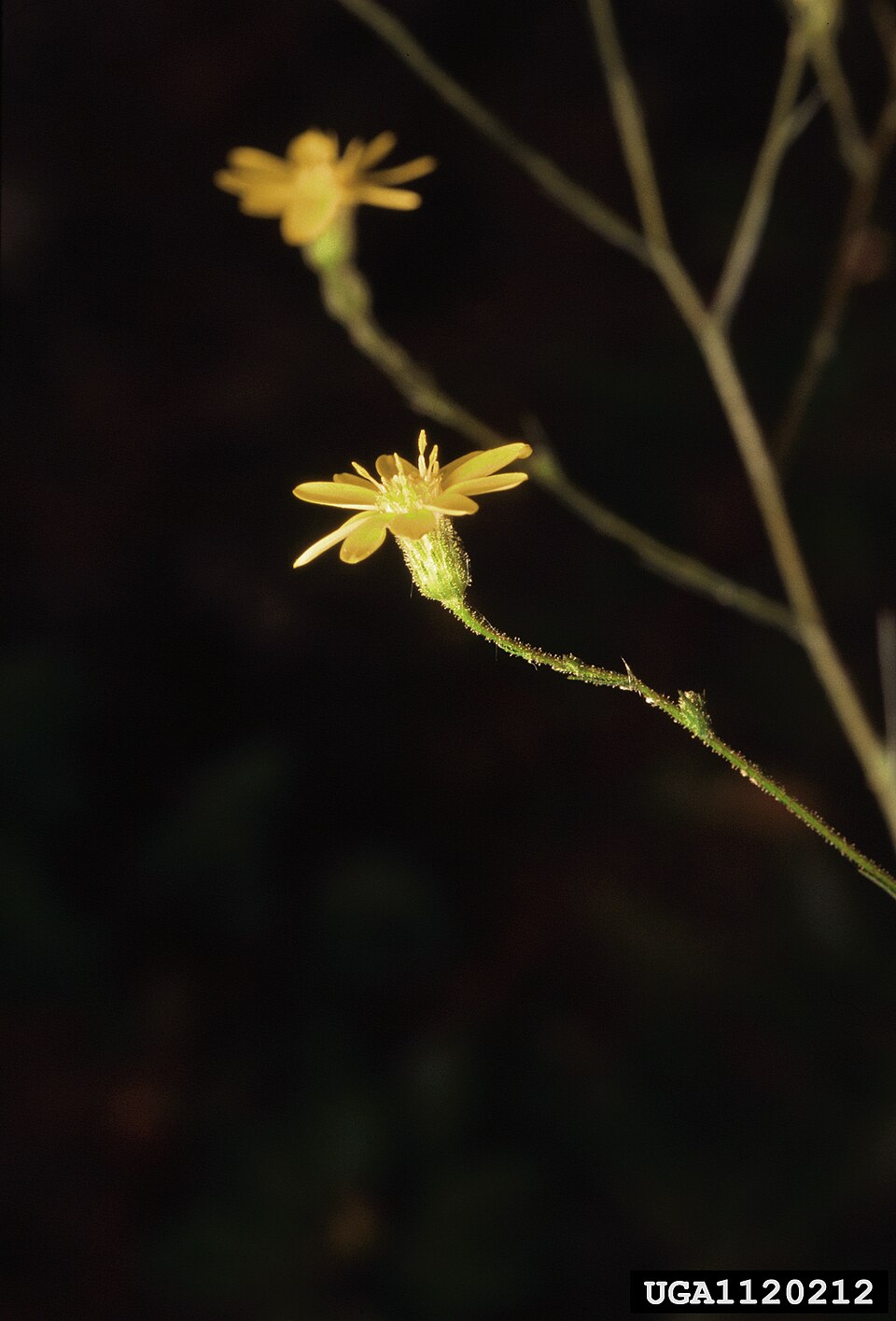
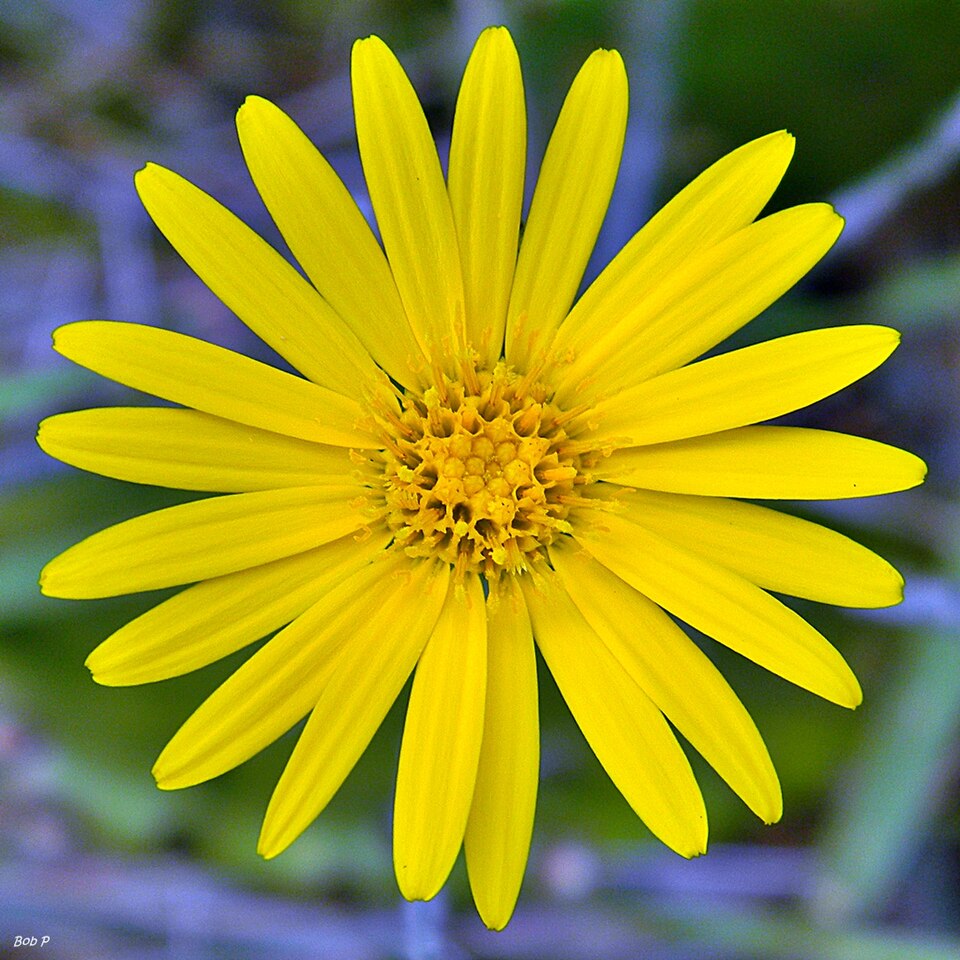
The bright golden-yellow composite flowers are classic members of the sunflower family, typically measuring 1-2 inches across. Each flower head consists of 10-20 bright yellow ray petals surrounding a yellow center disc, creating the familiar daisy-like appearance. The flowers appear in loose, branching clusters (corymbs) at the tops of stems from late summer through fall. Individual flowers are quite showy and last well both on the plant and as cut flowers.
Stems & Growth Habit
Golden Aster grows from a perennial rootstock, producing multiple upright stems that typically reach 18-24 inches tall. The stems are sturdy and branching toward the top, covered with the same silky hairs as the leaves. The plant forms neat, non-spreading clumps that gradually increase in size over time but remain well-behaved in garden settings. The overall growth habit is upright and somewhat vase-shaped, with the flowering stems rising above the basal foliage.
Seeds
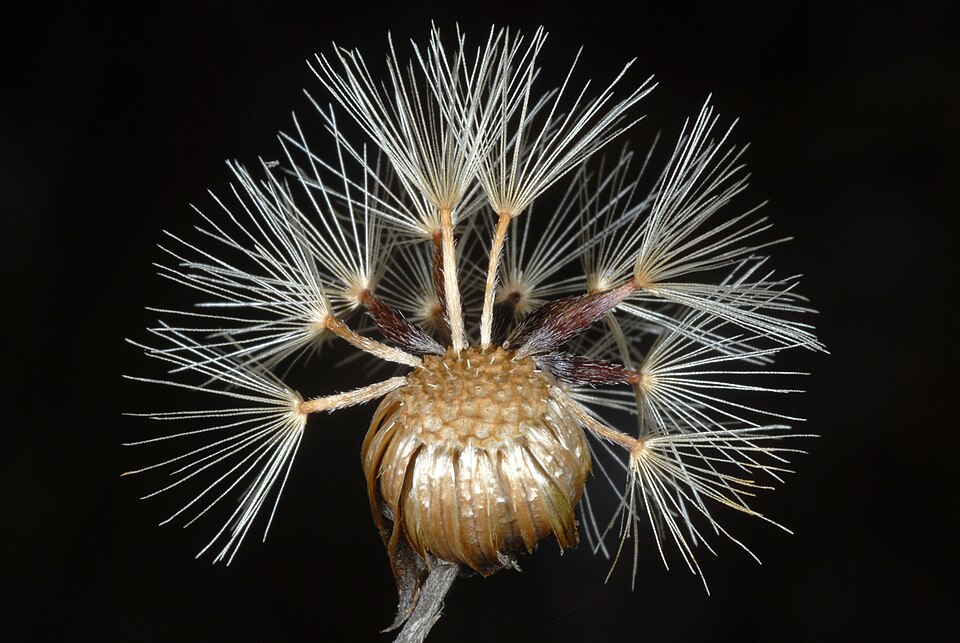
Like other members of the sunflower family, Golden Aster produces small seeds (achenes) topped with fluffy white bristles (pappus) that allow them to be dispersed by wind. The seeds ripen in late fall and can self-seed modestly in suitable conditions, though the plant is not aggressive about spreading.
Quick Facts
| Scientific Name | Pityopsis graminifolia |
| Family | Asteraceae (Sunflower) |
| Plant Type | Herbaceous Perennial |
| Mature Height | 2 ft |
| Sun Exposure | Full Sun |
| Water Needs | Low to Moderate |
| Bloom Time | August – October |
| Flower Color | Bright golden-yellow |
| USDA Hardiness Zones | 6–9 |
Native Range
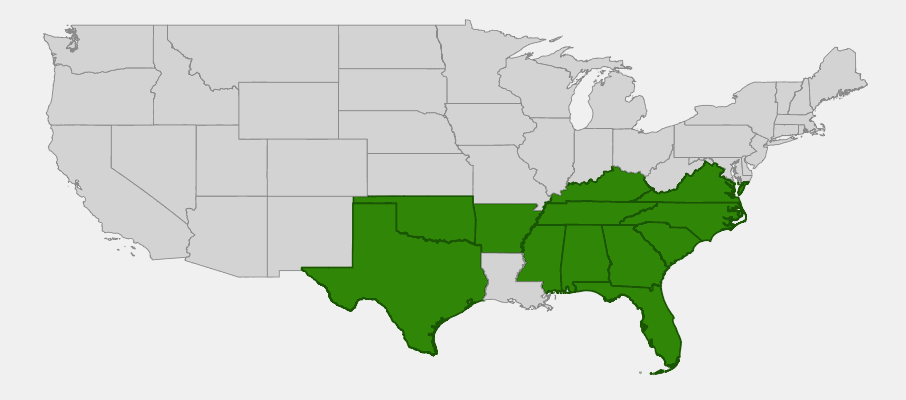
Golden Aster is native to the southeastern United States, with its range extending from Virginia and Kentucky south to Florida and west to eastern Texas and Oklahoma. The species is most abundant in the Coastal Plain and Piedmont regions, where it grows naturally in sandy soils, open woodlands, prairies, and disturbed sites that receive full sun.
In its native habitat, Pityopsis graminifolia typically occurs in well-drained, often nutrient-poor soils that many other plants find challenging. It is particularly common in longleaf pine savannas, coastal plain prairies, and the edges of wetlands where the soil transitions from moist to dry. The plant shows a strong preference for sandy soils and can often be found growing alongside other drought-tolerant natives such as wiregrass, blazing stars, and other members of the sunflower family.
Throughout its range, Golden Aster plays an important ecological role as a late-season nectar source. Its blooming period coincides with fall migration patterns of many butterflies and other pollinators, providing crucial energy resources when most other wildflowers have finished blooming. The plant’s ability to thrive in disturbed sites also makes it valuable for natural revegetation of areas recovering from disturbance.
📋 Regional plant lists featuring Golden Aster: North Carolina & South Carolina
Growing & Care Guide
Golden Aster is one of the most low-maintenance native perennials available, thriving in conditions that challenge many other garden plants. Its exceptional drought tolerance and ability to grow in poor soils make it an excellent choice for xeriscapes, natural gardens, and any site where water-wise gardening is a priority.
Light
Golden Aster requires full sun to perform its best, needing at least 6-8 hours of direct sunlight daily. In shadier conditions, the plant becomes leggy, produces fewer flowers, and may lose its compact, attractive form. The silvery foliage color is also most pronounced in full sun conditions, where the silky hairs reflect light and create the plant’s distinctive appearance.
Soil & Water
This adaptable wildflower thrives in well-drained soils and actually prefers somewhat poor, sandy conditions over rich, fertile soils. It performs best in soils with a pH range of 5.5-7.0 but adapts to various soil types as long as drainage is good. Once established, Golden Aster is extremely drought tolerant and typically requires no supplemental watering except during extended severe droughts. Overwatering or planting in rich, moist soils can lead to overly lush growth that flops over and reduces flowering.
Planting Tips
Plant Golden Aster in spring or fall, spacing plants 18-24 inches apart to allow for their mature spread. Container-grown plants establish quickly, and the species can also be grown from seed sown directly in fall or spring. Seeds should be barely covered with soil as they need some light to germinate. Young plants establish rapidly and often bloom in their first year from spring plantings.
Pruning & Maintenance
Golden Aster is virtually maintenance-free. The plant does not require deadheading to continue blooming, and the spent flowers can be left for wildlife to enjoy the seeds. In late winter or early spring, cut back the previous year’s stems to 2-3 inches above ground level. The plants may self-seed lightly, and unwanted seedlings are easy to remove. Division is rarely necessary, as the plants form neat clumps that don’t become overcrowded.
Landscape Uses
Golden Aster’s unique appearance and late-season blooms make it valuable in numerous garden settings:
- Xeriscape gardens and drought-tolerant landscapes
- Native wildflower gardens paired with other southeastern species
- Pollinator gardens – crucial late-season nectar source
- Prairie and meadow restorations
- Coastal gardens – tolerates salt spray and sandy soils
- Rock gardens and well-drained slopes
- Mixed perennial borders for textural contrast
- Cut flower gardens – flowers last well in arrangements
Wildlife & Ecological Value
Golden Aster provides exceptional value to wildlife, particularly during the crucial fall period when many plants have finished blooming. Its late-season flowers and seeds support numerous species preparing for winter or migration, while its year-round presence adds structural diversity to native plant communities.
For Birds
The fluffy seeds of Golden Aster are consumed by various songbirds, including American Goldfinches, Pine Siskins, and various sparrow species. The seeds ripen in late fall and early winter, providing food during a season when natural seed sources become scarce. The sturdy stems often persist through winter, making the seeds accessible to birds even after snowfall. Some birds also use the soft, fibrous material from old stems as nesting material in spring.
For Mammals
While not a primary food source for most mammals, the seeds are occasionally eaten by small rodents such as mice and voles. The compact clumps provide some shelter for small ground-dwelling creatures, and the plant’s presence contributes to the overall habitat complexity that benefits various small mammals.
For Pollinators
Golden Aster is outstanding for late-season pollinator support, blooming when most other wildflowers have finished. The bright yellow flowers attract numerous butterflies, including Monarchs preparing for migration, various skippers, sulphurs, and fritillaries. Native bees, including sweat bees, leafcutter bees, and mining bees, are frequent visitors, along with beneficial wasps and flies. The composite flower structure provides both nectar and pollen, making each bloom highly valuable to visiting insects.
Ecosystem Role
As a native wildflower that thrives in disturbed and marginal sites, Golden Aster plays an important role in ecological restoration and succession. Its ability to establish quickly in poor soils helps stabilize sites and create habitat for other species. The plant’s extended blooming period helps maintain pollinator populations during the critical fall period, supporting the complex relationships between plants and animals that sustain healthy ecosystems.
Cultural & Historical Uses
While Golden Aster doesn’t have as extensive a history of human use as some other native plants, it has been recognized and utilized by various southeastern Indigenous peoples and early settlers. The plant’s distinctive appearance and late-season blooming made it a notable part of the southeastern flora, particularly in areas with sandy soils and open habitats.
Some Native American tribes in the Southeast used various members of the Asteraceae family, including Pityopsis species, for medicinal purposes, though specific documentation for Golden Aster is limited. The plant’s late-season blooming period may have made it valuable as an indicator of seasonal changes and timing for various cultural activities, as many Indigenous cultures paid close attention to natural seasonal markers.
Early European settlers and botanists noted the plant’s distinctive grass-like foliage and bright fall flowers, leading to common names like “Silkgrass” that reference the silvery, silky texture of the leaves. The plant was sometimes confused with true grasses until its composite flowers made its sunflower family membership clear during the blooming season.
In more recent times, Golden Aster has gained recognition as a valuable native plant for landscaping and ecological restoration. Its drought tolerance and late-season blooms have made it increasingly popular in xeriscaping and native plant gardens, particularly as awareness of the importance of supporting late-season pollinators has grown. Plant breeders and horticulturists have begun to appreciate the plant’s unique combination of textural interest and bright fall color, leading to increased availability in native plant nurseries.
The species has also become important in ecological restoration projects, particularly in efforts to restore longleaf pine ecosystems and coastal plain prairies where Golden Aster is a natural component of the plant community. Its ability to establish quickly and thrive in disturbed, poor soils makes it valuable for revegetating sites that are challenging for other species.
Frequently Asked Questions
Is Golden Aster actually related to true asters?
Golden Aster was formerly classified in the genus Chrysopsis and is still sometimes called by that name. While it’s in the same family (Asteraceae) as true asters (Symphyotrichum species), it’s in a different genus (Pityopsis) and is more closely related to goldenrods than to fall-blooming asters.
Why do the leaves look like grass but the flowers look like daisies?
The narrow, linear leaves are an adaptation to hot, dry conditions – the reduced leaf surface area helps conserve water. Despite the grass-like appearance, Golden Aster is firmly in the sunflower family, as evidenced by its composite flower structure and alternate leaf arrangement (unlike grasses, which have parallel leaf veins and different flower structures).
Will Golden Aster spread aggressively in my garden?
No, Golden Aster forms neat, well-behaved clumps that expand slowly over time. While it may self-seed lightly under ideal conditions, it’s not aggressive and unwanted seedlings are easily removed. The plant is considered well-mannered in garden settings.
Can Golden Aster handle coastal conditions?
Yes, Golden Aster is quite tolerant of coastal conditions, including salt spray and sandy soils. Its natural habitat includes coastal areas, and it’s often recommended for seaside gardens where its drought tolerance and salt tolerance are valuable.
When should I plant Golden Aster for the best establishment?
Spring planting generally gives the best results, allowing the plant a full growing season to establish before its first winter. However, fall planting can also be successful in milder climates. Container-grown plants establish quickly regardless of planting season, provided they receive adequate water during the first few weeks.

Looking for a nursery that carries Golden Aster?
Browse our native plant nursery directory: North Carolina · South Carolina