
ʻIhiʻihilauākea (Marsilea villosa)
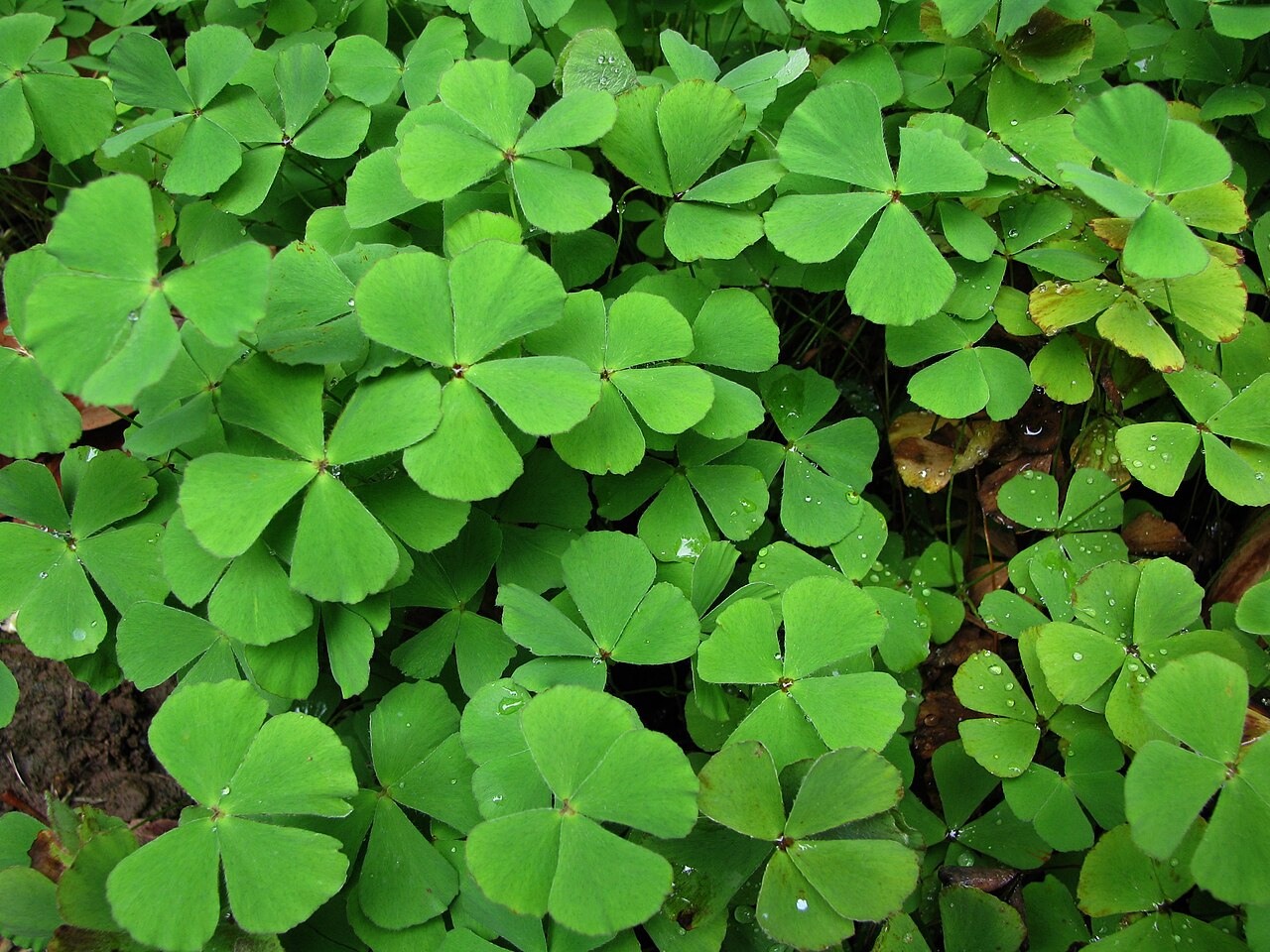
Marsilea villosa, known in Hawaiian as ʻIhiʻihilauākea or simply ʻihiʻihi, and in English as Hawaiian water clover or villous waterclover, is a rare fern found only in the Hawaiian Islands. Its fronds look like a four-leaf clover, and it grows in shallow, seasonally flooded depressions in the dry lowlands of Oʻahu and Molokaʻi, with a historical record from Niʻihau.
It is a creeping, mat-forming plant with soft, hairy leaflets, and it depends on a cycle of winter flooding and summer drying: it grows when its pools fill with rain and produces hard, bean-like spore cases (sporocarps) as they dry out. Most of its natural habitat has been lost to development, grazing and invasive plants.
ʻIhiʻihilauākea is federally listed as endangered. Wild plants and their sporocarps must never be collected, but nursery-propagated plants are grown in Hawaiʻi as an attractive native ground cover and container plant. This guide covers how to identify it, where it grows, how to grow nursery stock and its role in Hawaiian ecosystems.
Identification
ʻIhiʻihilauākea is a low, creeping fern with long-stalked, four-leaflet fronds that look like clover, soft hairs on the leaflets and hard, hairy spore cases at the base of the stalks.
Growth Form
It spreads by slender, branching rhizomes that creep along or just below the soil surface, rooting at the nodes and forming dense mats. Fronds rise from the rhizome singly or in small groups, standing a few inches tall on dry ground and floating on the water surface when the pools flood.
Fronds
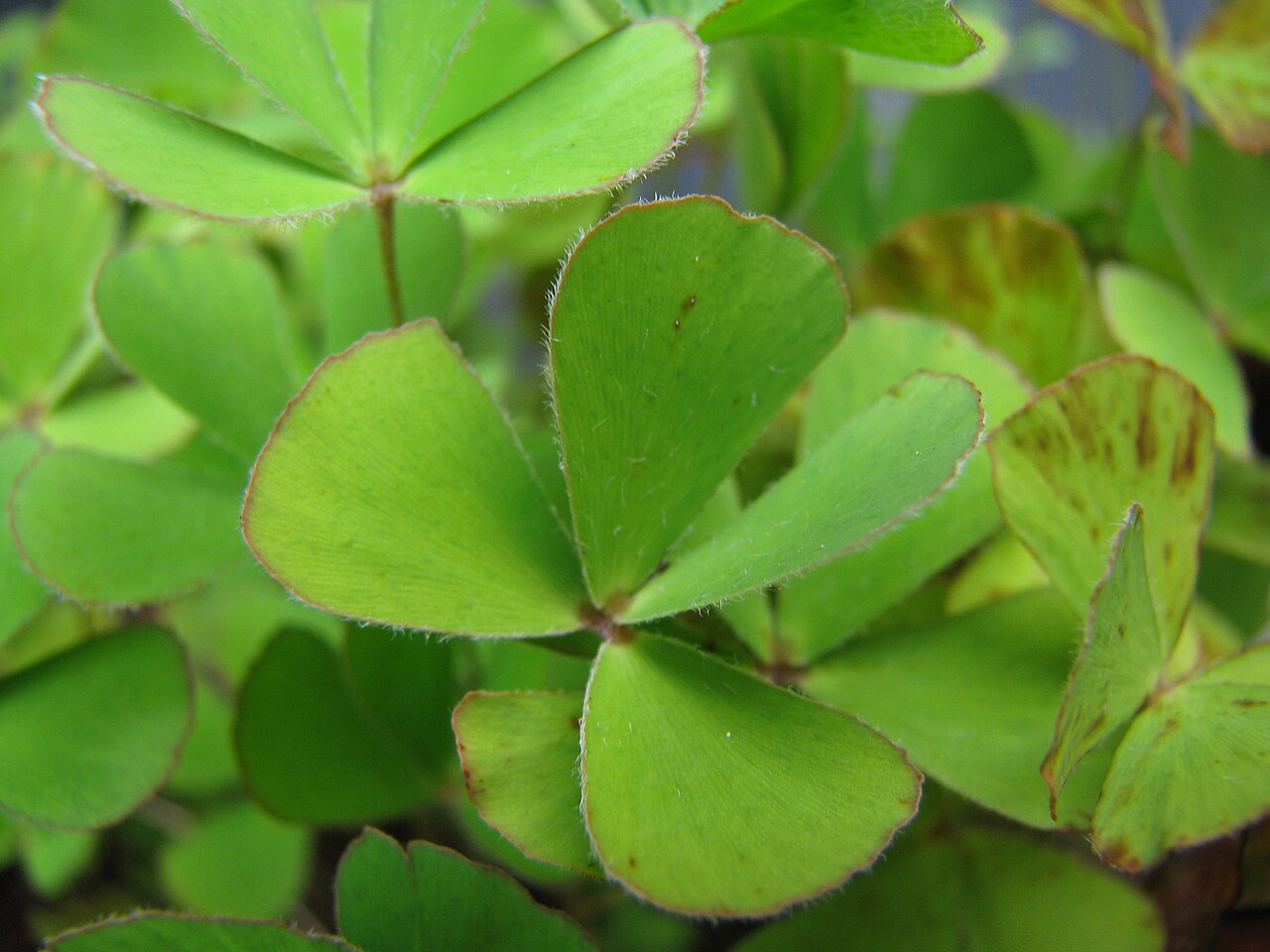
Each frond has a slender stalk, usually about 2 to 8 inches long, topped by four wedge- to fan-shaped leaflets arranged like a four-leaf clover. The leaflets are about ¼ to ¾ inch long, green to gray-green, and covered, especially when young, with soft, long hairs. Like other ferns, it has no flowers or seeds.
Sporocarps
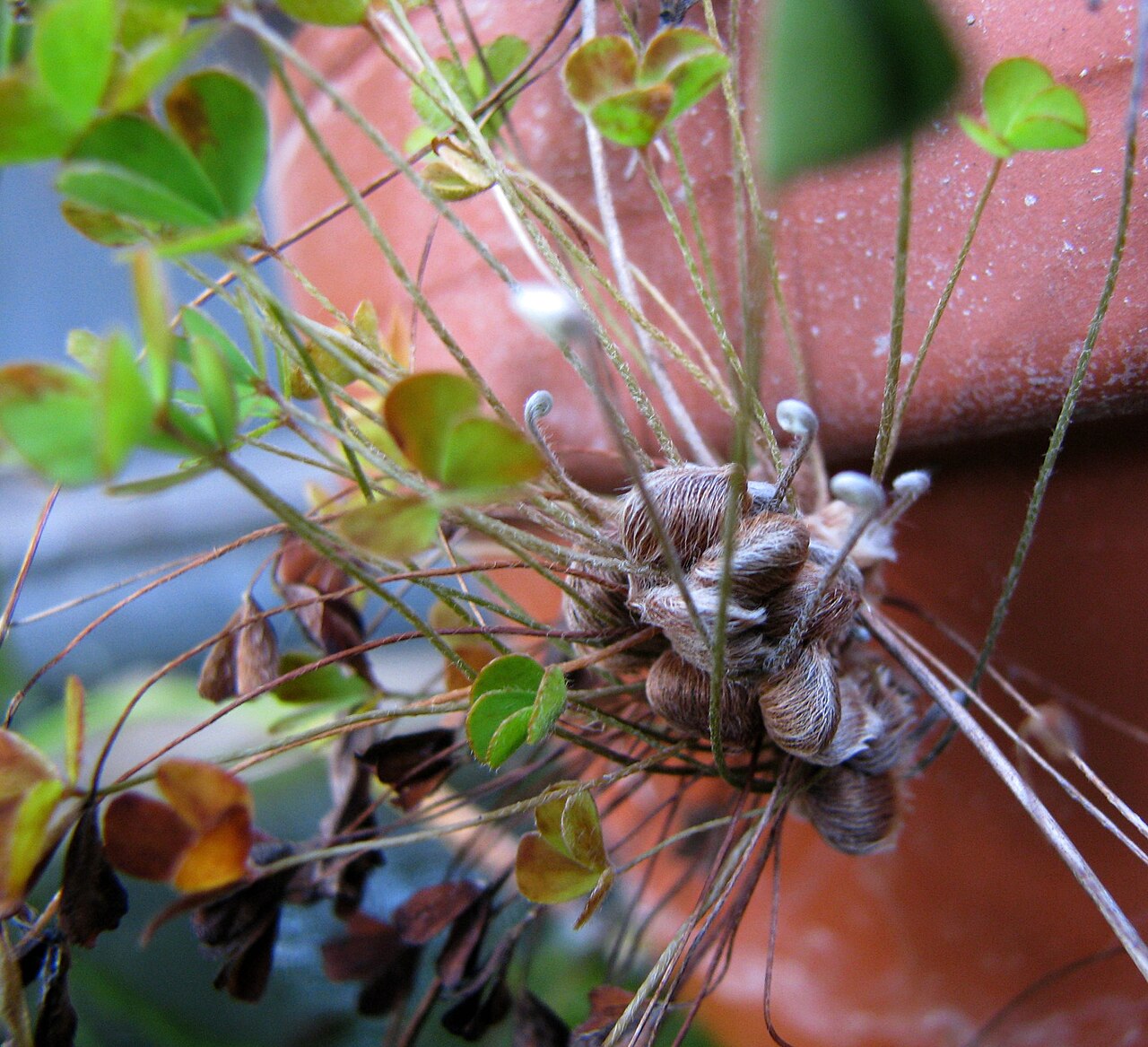
As the habitat dries, the plant produces small, hard, bean-shaped sporocarps on short stalks near the base of the frond stalks. They are covered in dense hairs at first and darken as they mature. Each sporocarp contains both male and female spores and can survive dry periods for years; it opens only after it is wetted and its hard wall is cracked or worn.
Look-alikes
The fronds are often mistaken for clover or wood-sorrel (Oxalis), which has three leaflets and yellow or pink flowers. Introduced water clovers of the genus Marsilea are sold in the aquarium and pond trade, and some have smoother leaflets. In Hawaiʻi, a fern with four hairy, clover-like leaflets in a seasonal wetland is almost certainly ʻihiʻihilauākea.
Quick Facts
| Scientific Name | Marsilea villosa Kaulf. |
| Family | Marsileaceae (water clover family) |
| Plant Type | Aquatic to amphibious, rhizomatous fern |
| Mature Height | 2–8 in |
| Mature Spread | Spreading mats, several feet over time |
| Growth Rate | Moderate to fast when wet |
| Sun Exposure | Full sun |
| Water Needs | Seasonally flooded to moist; tolerates drying |
| Soil Type | Heavy clay or silty soil in shallow depressions |
| Soil pH | About 6.0–8.0 |
| Bloom Time | None (fern); sporocarps form as soil dries |
| Flower Color | None |
| Fall Color | None |
| Fruit | None; hard, hairy sporocarps |
| Deer Resistant | Moderate |
| USDA Hardiness Zones | 10–12 |
Native Range
ʻIhiʻihilauākea is endemic to the Hawaiian Islands, meaning it grows wild nowhere else. USDA PLANTS lists it as native only in Hawaiʻi. Today it survives in a small number of populations on Oʻahu and Molokaʻi; it was also recorded historically from Niʻihau.
On Oʻahu, its remaining wild sites are in the dry southeastern and leeward lowlands, and on Molokaʻi on the dry western and southern sides of the island. Several of these populations are protected and managed, and botanic gardens and conservation nurseries keep plants of known wild origin as a safeguard.
It grows near sea level up to a few hundred feet, in shallow depressions in clay soil or on rock that fill with rain in the winter wet season and dry out in summer. Sexual reproduction requires both: the sporocarps form as the soil dries and release spores when the depressions flood again. Where the water regime is changed, or invasive grasses take over, populations decline.
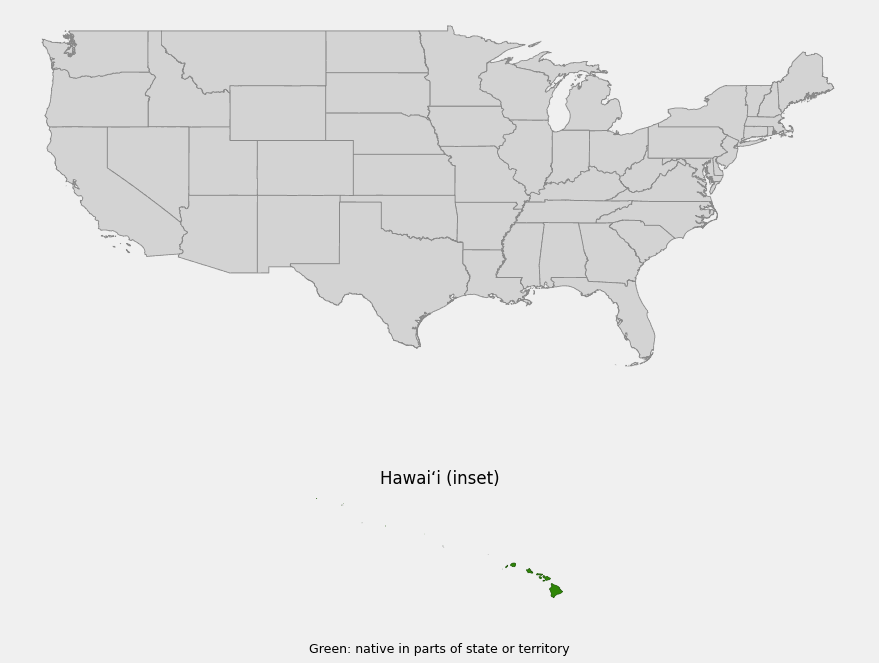
📋 Regional plant lists featuring ʻIhiʻihilauākea: Hawaii
Growing & Care Guide
Because it is federally endangered, never collect wild plants or sporocarps. Some native plant nurseries in Hawaiʻi offer nursery-propagated ʻihiʻihilauākea, often grown from conservation stock. It is used as a low ground cover, a lawn substitute in small areas, a container plant and a water garden plant. Outside Hawaiʻi it can only be grown in frost-free climates or as a pond or container plant indoors.
Light
Full sun gives the densest, most attractive mats. It tolerates light shade but becomes leggy with fewer fronds.
Soil & Water
It grows in heavy, clay-rich or silty soil. In a garden it does well in a shallow basin, low spot or container that can be kept wet or briefly flooded, and it can also be grown in standing water a few inches deep. It tolerates drying out once established, when the fronds may die back until water returns.
Planting Tips
Plant nursery-grown plugs or potted plants 6 to 12 inches apart in a sunny area that collects runoff, or in a pot set in a saucer of water. Keep it away from natural wetlands and wild populations, so cultivated plants do not mix with wild stock. It is a good companion for ʻilima, ʻākulikuli and other low Hawaiian coastal natives.
Pruning & Maintenance
Weed regularly, especially in the first year, because invasive grasses easily overrun it. Trim the edges of mats to keep them in bounds. In containers, divide and repot every couple of years.
Propagation
In cultivation it is propagated by dividing rhizomes, which root readily. Sporocarps can also be germinated by nicking the hard coat and placing them in water, but this is mainly done by conservation programs. Buy plants only from reputable nurseries that use legally propagated stock.
Landscape Uses
- Native Hawaiian ground cover: soft, clover-like mats in sunny, moist spots
- Water gardens and containers: pots or shallow ponds in frost-free climates
- Rain gardens and swales: low areas that flood briefly after rain
- Conservation education: a living example of Hawaiʻi’s endangered flora
Wildlife & Ecological Value
ʻIhiʻihilauākea is part of the rare seasonal wetland community of Hawaiʻi’s dry lowlands.
For Pollinators
As a fern, it has no flowers and offers no nectar or pollen. Its mats shelter small invertebrates.
For Birds
The seasonal pools where it grows are used by native waterbirds such as Hawaiian stilts and ducks when they hold water, and the mats provide habitat for the small invertebrates they feed on.
For Mammals
Hawaiʻi has no native land mammals other than a bat. Feral goats, deer and cattle have damaged its habitat by grazing and trampling, which is one reason it became endangered.
Ecosystem Role
It is a specialist of ephemeral wetlands, one of Hawaiʻi’s rarest habitats. Its mats help hold soil in the depressions, and its long-lived sporocarps let it survive years of drought. The main threats to it are habitat loss, invasive grasses and shrubs, off-road vehicles, and changes to drainage.
Cultural & Historical Uses
The species was described in the 1820s by the German botanist Georg Friedrich Kaulfuss from Hawaiian specimens. The species name villosa means “covered in soft, long hairs,” for its hairy leaflets and sporocarps.
The Hawaiian name ʻihiʻihi is also applied to wood-sorrels with similar clover-like leaves. Today ʻihiʻihilauākea is a well-known plant in Hawaiian native gardens, where nursery-grown plants help raise awareness of the species.
ʻIhiʻihilauākea was listed as endangered under the U.S. Endangered Species Act in the early 1990s. Federal, state and private partners manage its remaining sites by controlling weeds and protecting the natural flooding cycle.
Frequently Asked Questions
What is ʻihiʻihilauākea?
It is Marsilea villosa, a rare water clover fern endemic to Hawaiʻi, with four-leaflet, clover-like fronds covered in soft hairs.
Is ʻihiʻihilauākea endangered?
Yes. It is federally listed as endangered and survives in only a few wild populations on Oʻahu and Molokaʻi. Never collect it from the wild.
Is it a clover?
No. Despite its clover-like look, it is a fern. It has no flowers and reproduces by spores produced in hard sporocarps and by creeping rhizomes.
Can I grow ʻihiʻihilauākea?
Yes, if you buy nursery-propagated plants from a reputable Hawaiian native plant nursery. Grow it in full sun in moist to briefly flooded soil, a container or a shallow water garden in a frost-free climate.
Why does it need its pools to dry out?
It produces its spore cases as the soil dries, and the spores are released when the pools flood again. Both the wet and the dry season are needed for it to reproduce sexually.

Looking for a nursery that carries ʻIhiʻihilauākea?
Browse our native plant nursery directory: Hawaii

