
ʻŌhai (Sesbania tomentosa)
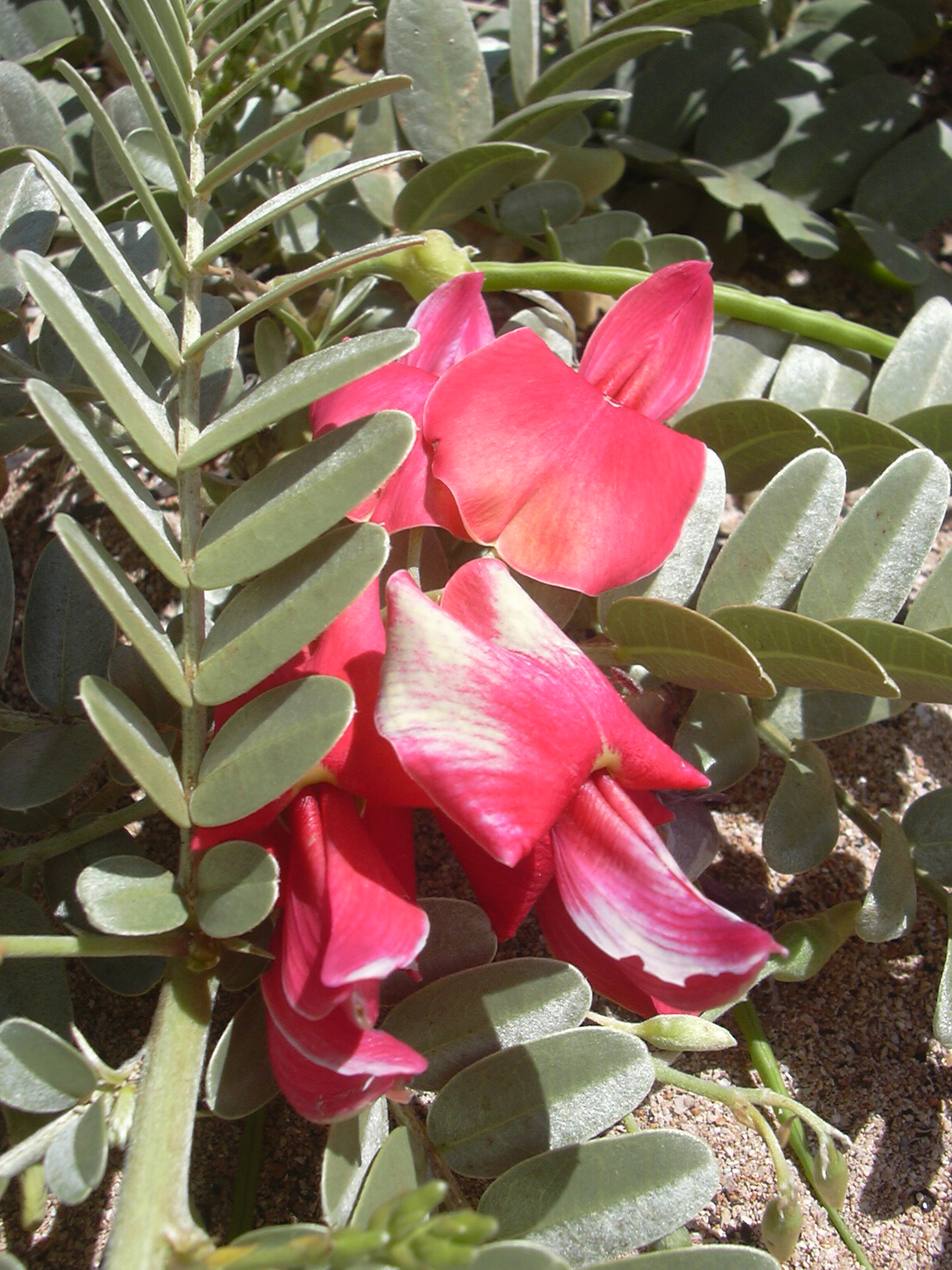
Sesbania tomentosa, known in Hawaiian as ʻŌhai (also Oʻahu riverhemp), is a rare flowering shrub found only in the Hawaiian Islands. It has soft, silvery-gray, feathery leaves and large, showy pea flowers that are usually salmon-pink to scarlet. Along windswept coasts it grows as a low, sprawling shrub that hugs the sand and rocks, while in sheltered dry forests it can become an upright shrub or small tree.
ʻŌhai is a member of the pea family and is endemic to Hawaiʻi. It once grew on most of the main islands and on Nihoa and Necker in the Northwestern Hawaiian Islands, mostly on coastal dunes, sandy beaches, rocky shores and dry lowland slopes. Today it survives in a few scattered wild populations, and it is listed as federally Endangered under the U.S. Endangered Species Act. Its main threats are development of its coastal habitat, invasive plants, grazing animals, fire and insect pests.
The good news is that ʻōhai grows well in cultivation and is offered by some Hawaiian native plant nurseries, so gardeners in Hawaiʻi and other frost-free places (USDA zones 10–12) can grow it. Buy only nursery-propagated plants and never collect seeds or cuttings from wild plants. Safety note: the seeds of several Sesbania species are poisonous, so do not eat any part of the plant, and keep pets and livestock from eating the pods. This guide covers identification, native range, growing tips and conservation.
Identification
ʻŌhai is easy to recognize when it is flowering. Its silvery foliage and large red-orange pea flowers set it apart from other plants of Hawaiian coasts.
Growth Habit
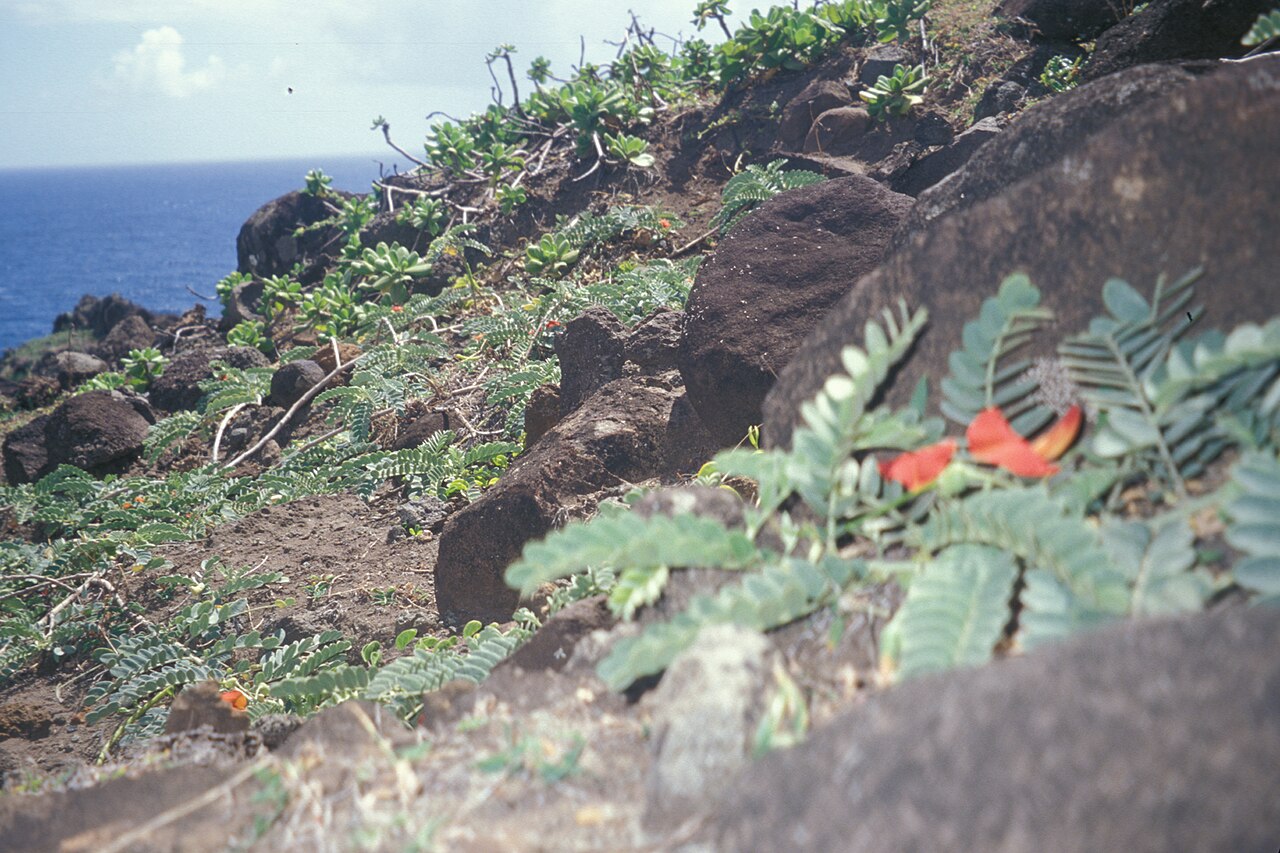
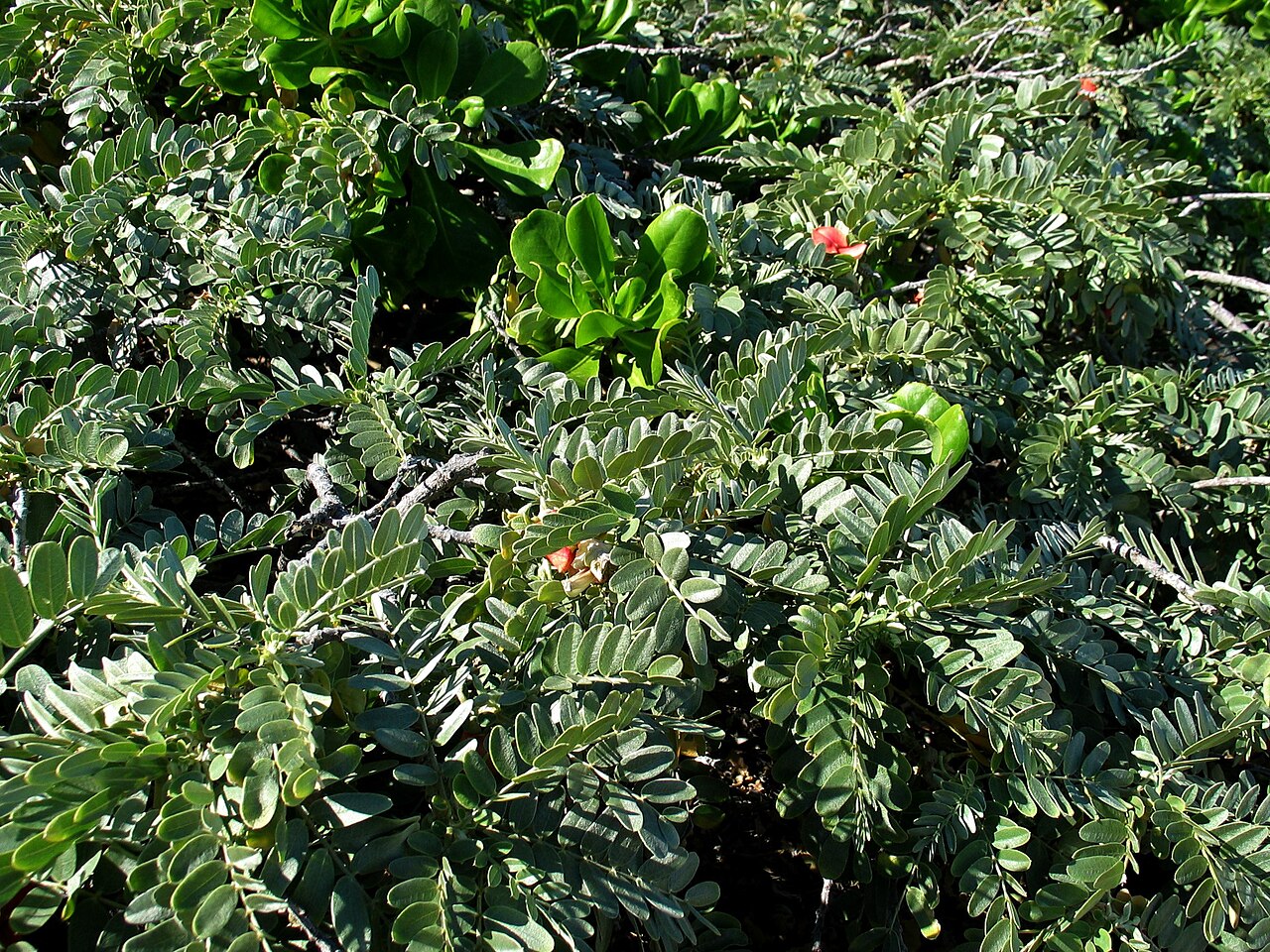
Its form depends on its habitat. On exposed coasts it is a low, spreading or trailing shrub, usually 1 to 3 feet tall and up to 6 feet or more across. In more sheltered places it can grow into an upright shrub or small tree up to about 15 to 20 feet tall. The stems and leaves are covered with fine, soft hairs, which give the whole plant a silvery-gray look; tomentosa means “densely hairy.”
Leaves
The leaves are alternate and evenly pinnately compound, about 3 to 6 inches long, with many (often 18 to 38) small, oblong leaflets arranged in pairs. The dense hairs make them gray-green to silvery, especially on coastal plants.
Flowers
ʻŌhai flowers in clusters of two to nine on short stalks from the leaf axils. Each pea flower is large, about 1 to 1½ inches long, with a broad upper petal (banner), two side petals (wings) and a curved keel. The color is usually salmon-pink, orange-red or scarlet, sometimes paler or tinged with yellow. Plants can bloom much of the year, especially in winter and spring.
Fruit
The fruit is a long, narrow, straight or slightly curved pod, about 3 to 9 inches long, containing many small seeds. Pods turn brown as they dry and split to release the seeds.
Related Species
There are other Sesbania species in the United States, such as Rattlebush and Bagpod of the Southeast, but ʻōhai is the only native Sesbania in Hawaiʻi. The introduced Sesbania grandiflora (ʻautu) is a much larger tree with big white or pink flowers.
Quick Facts
| Scientific Name | Sesbania tomentosa Hook. & Arn. |
| Family | Fabaceae (pea family) |
| Plant Type | Sprawling evergreen shrub to small tree; endemic to Hawaiʻi |
| Mature Height | 1–3 ft on coasts; to 15–20 ft in sheltered sites |
| Mature Spread | 3–10 ft |
| Growth Rate | Fast |
| Sun Exposure | Full sun |
| Water Needs | Low; drought-tolerant once established |
| Soil Type | Well-drained sand, coral rubble, cinder or rocky soil |
| Soil pH | About 6.0–8.5 |
| Bloom Time | Much of the year; peak in winter and spring |
| Flower Color | Salmon-pink, orange-red to scarlet |
| Fall Color | None; evergreen |
| Fruit | Long, narrow pod 3–9 in (seeds toxic) |
| Deer Resistant | No; browsed by goats, deer and cattle |
| USDA Hardiness Zones | 10–12 (frost-free) |
Native Range
ʻŌhai is endemic to the Hawaiian Islands. USDA PLANTS lists it as native to Hawaiʻi; records from Puerto Rico represent introduced, cultivated plants. Historically it was found on most of the main islands and on Nihoa and Necker in the Northwestern Hawaiian Islands.
It grows mainly in coastal and lowland dry habitats from sea level to about 2,700 feet: sand dunes and beaches, coastal strand vegetation, rocky and windswept shores, lava fields, and dry shrublands and forests on leeward slopes. Wild populations remain on several islands, including Oʻahu (for example at Kaʻena Point), Maui, Hawaiʻi Island and Nihoa, but many of them are small.
The U.S. Fish and Wildlife Service listed ʻōhai as Endangered in 1994. The main threats are loss of coastal habitat to development and recreation, competition from invasive plants such as buffelgrass and kiawe, browsing by goats, deer and cattle, fire, and damage from introduced insects that eat its leaves, flowers and seeds. Conservation groups protect and replant it in places such as the Kaʻena Point Natural Area Reserve.
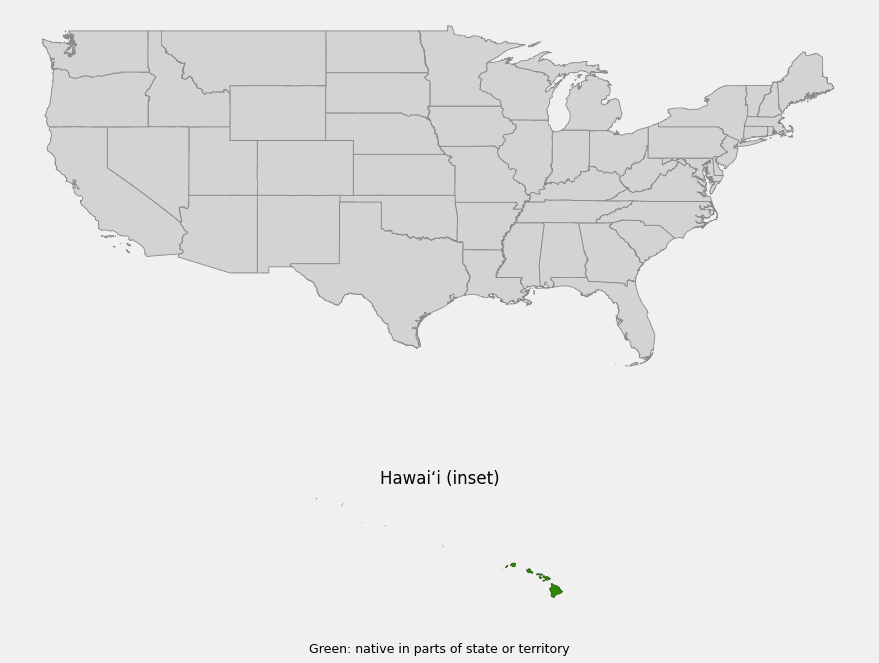
📋 Regional plant lists featuring ʻŌhai: Hawaii
Growing & Care Guide
ʻŌhai is a rewarding plant for sunny, dry gardens in Hawaiʻi and other frost-free areas. It grows quickly and flowers when young, and its silvery foliage looks good with other coastal natives. The plants are often short-lived, lasting several years, so many growers sow fresh seed now and then to keep it in the garden.
Light
Plant in full sun. In shade it becomes leggy, flowers poorly and is more prone to pests.
Soil & Water
It needs very well-drained soil such as sand, coral rubble, cinder or rocky soil. It is salt- and wind-tolerant and does well near the ocean. Water regularly until it is established, then only during long dry spells. Overwatering and heavy, poorly drained soil cause root rot.
Planting Tips
Buy nursery-propagated plants from Hawaiian native plant nurseries; never take seeds or cuttings from wild plants, which are federally protected. Space plants 4 to 6 feet apart as a groundcover, or use a single plant as a small accent shrub. Planting in a group helps pollination and seed set. Ask your nursery about the source of the plant: many growers keep separate island stocks, and using plants from your own island is best for conservation plantings.
Pruning & Maintenance
Lightly trim to shape after flowering and remove dead stems. Watch for aphids, scale insects, mealybugs, spider mites and the Chinese rose beetle, which can damage the leaves and flowers. Healthy plants in full sun with good air flow resist pests best. A light application of slow-release fertilizer helps plants grown in pure sand.
Propagation
ʻŌhai is easy to grow from seed. The seeds have hard coats, so nick them or soak them in hot water overnight before sowing. They usually germinate within a week or two, and seedlings can flower within a year. Cuttings also root, but less reliably than seed.
Landscape Uses
- Coastal and xeriscape gardens in Hawaiʻi: salt-, wind- and drought-tolerant
- Native groundcover: a silvery, sprawling cover for sandy and rocky sites
- Conservation plantings: helps restore an endangered Hawaiian species
- Lei flowers: the bright flowers are used in lei
- Container plant: grows well in large pots with sandy, fast-draining mix
Wildlife & Ecological Value
ʻŌhai is part of the native coastal plant community of Hawaiʻi, and like other legumes it enriches poor, sandy soils.
For Pollinators
The large flowers produce nectar and are visited by bees and other insects. Its showy red flowers resemble those of some bird-pollinated plants, and researchers have suggested that native birds may once have visited them. Low seed set in some small wild populations shows how important healthy pollinator communities are for this plant.
For Birds
On Nihoa and other seabird islands, ʻōhai grows in the shrublands where seabirds nest, and its low cover provides shelter. The native Nihoa finch and Nihoa millerbird live on the same small island.
For Mammals
Hawaiʻi has few native land mammals. Introduced goats, deer and cattle browse ʻōhai heavily and have eliminated it from many areas, so fencing is an important part of its conservation.
Ecosystem Role
As a legume, ʻōhai forms root nodules with nitrogen-fixing bacteria, adding nitrogen to nutrient-poor sand and lava soils. Its sprawling stems help hold coastal sand in place.
Cultural & Historical Uses
ʻŌhai has long been valued in Hawaiʻi for its beautiful flowers, which were strung into lei. The name ʻōhai is also used in Hawaiian for some other flowering legumes, so the scientific name helps avoid confusion.
The species was described in the 1830s by the British botanists William Jackson Hooker and George Arnott, from specimens collected in Hawaiʻi on an early European expedition.
Today ʻōhai is a symbol of Hawaiian coastal conservation. Volunteers, botanical gardens and agencies grow it from seed and plant it in protected areas such as Kaʻena Point on Oʻahu. Its popularity with native plant gardeners also helps keep a wide range of genetic stocks alive outside the wild.
Frequently Asked Questions
Is ʻōhai endangered?
Yes. Sesbania tomentosa was listed as Endangered by the U.S. Fish and Wildlife Service in 1994. Only scattered wild populations remain in Hawaiʻi, threatened by habitat loss, invasive plants, grazing animals, fire and insect pests.
Can I grow ʻōhai in my garden?
Yes, if you live in a frost-free climate (USDA zones 10–12). Some Hawaiian native plant nurseries sell nursery-grown ʻōhai. Give it full sun and fast-draining sandy or rocky soil. Never collect seeds or cuttings from wild plants.
Is ʻōhai poisonous?
The seeds of several Sesbania species are known to be poisonous to people and animals. Do not eat any part of ʻōhai, and keep pets and livestock away from the pods and seeds.
How long does ʻōhai live?
It is often short-lived in gardens, lasting several years. It grows fast and flowers young, so you can keep it going by sowing fresh seed from your own plants.
Where does ʻōhai grow in the wild?
Only in Hawaiʻi, mainly on coastal dunes, sandy beaches, rocky shores and dry lowland slopes. Kaʻena Point on Oʻahu is one of the best places to see it.

Looking for a nursery that carries ʻŌhai?
Browse our native plant nursery directory: Hawaii

