Nootka Lupine (Lupinus nootkatensis)
Lupinus nootkatensis, commonly known as Nootka Lupine or Alaska Lupine, is one of the most visually spectacular wildflowers native to coastal and interior Alaska — a robust, fast-growing perennial that erupts each summer in dense stands of brilliant blue to purple-violet flower spikes, transforming meadows, roadsides, and open slopes into fields of vibrant color. Named for Nootka Sound on Vancouver Island, British Columbia, where early European botanical collectors first documented the species, Nootka Lupine is a member of the large and diverse Fabaceae (legume) family, and like its relatives, it plays a crucial ecological role as a nitrogen-fixer, enriching poor soils and enabling the establishment of other plant species.
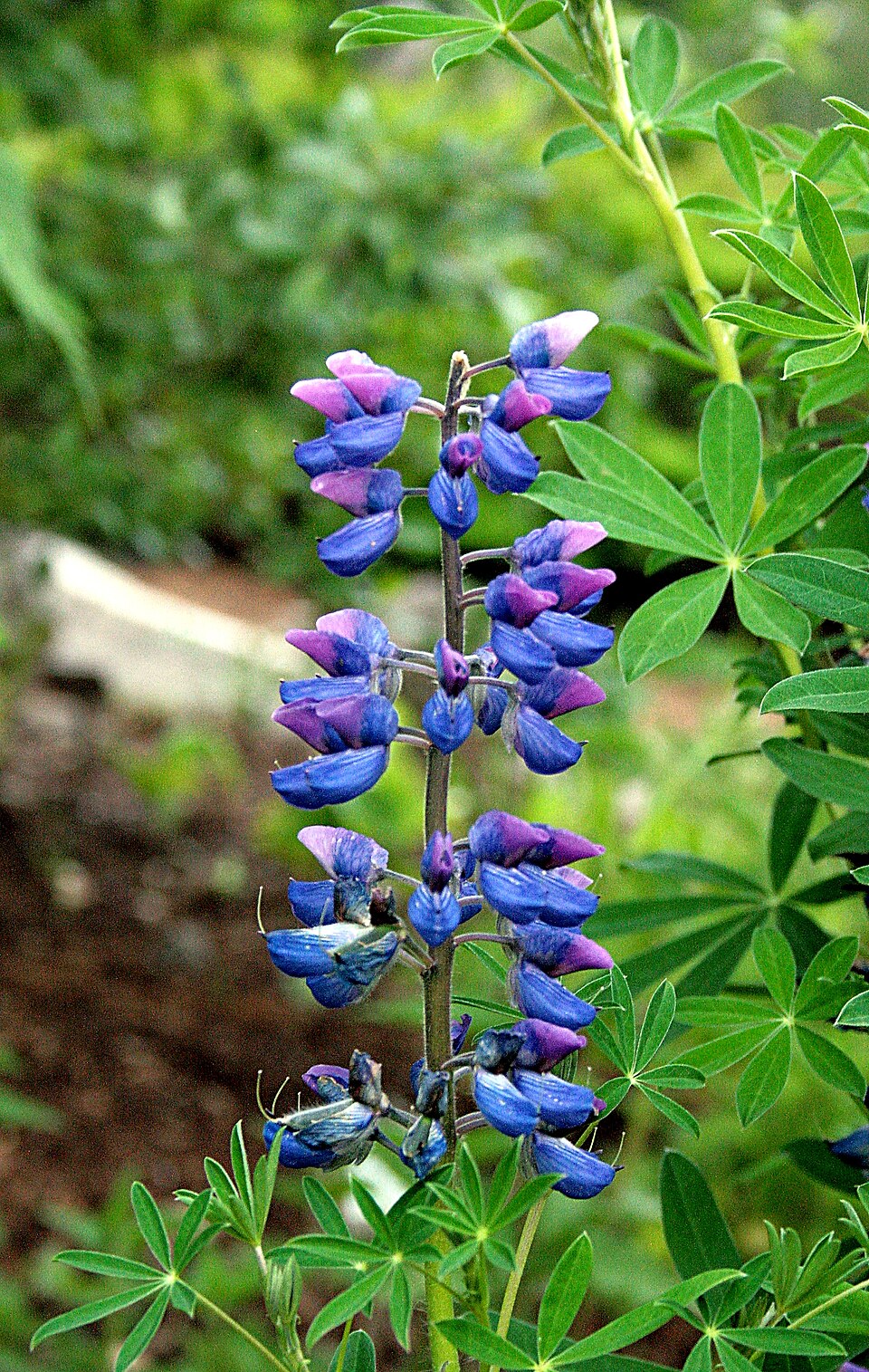
Standing 2 to 3 feet tall with palmately compound leaves radiating like the fingers of an open hand, and erect racemes of pea-like flowers that attract bumblebees by the hundreds on warm summer days, Nootka Lupine is a plant of extraordinary visual impact. The flowers range from deep violet-blue to blue-purple, sometimes with white or pinkish tinges, and the entire spike transitions through bloom from bottom to top over 2–3 weeks. After flowering, the plant produces characteristic legume pods covered in silky hairs that dry and twist dramatically to fling seeds several feet from the parent plant — a ballistic dispersal mechanism that allows the species to colonize disturbed soils with impressive speed.
While Nootka Lupine is native to Alaska and the Pacific Northwest, it is important to note that it has been introduced to Iceland and the Faroe Islands as a soil stabilizer, where it has become invasive, outcompeting native vegetation. In its native range, however, Nootka Lupine fills a valuable ecological role as a pioneer species on disturbed, nutrient-poor soils, fixing nitrogen and creating conditions that allow other native plants to establish. Gardeners should be aware that it self-seeds prolifically in suitable conditions — a desirable trait in large naturalistic plantings, but potentially challenging in small, formal garden settings.
Identification
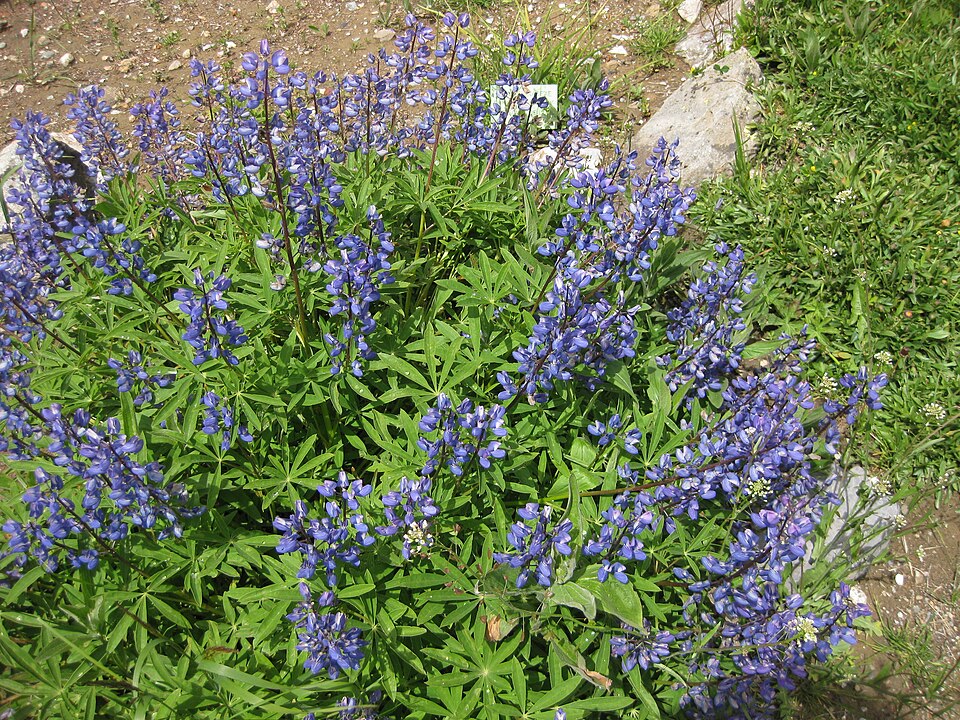
Lupinus nootkatensis is a robust perennial herb growing 2 to 3 feet (60–90 cm) tall from a deep, woody taproot. The stems are erect, moderately branched, and covered in soft, spreading hairs. The overall plant habit is upright and clumping, forming attractive multi-stemmed specimens that can reach 3 feet across at maturity.
Leaves
The leaves are one of the most immediately recognizable features of any lupine: palmately compound, with 6 to 9 leaflets (typically 7–8 in Nootka Lupine) radiating from a central point like the spokes of a wheel. Each leaflet is 1 to 3 inches (2.5–7.5 cm) long, narrowly oblanceolate, and covered on the underside with soft, silky hairs that give it a silvery sheen. The upper surface is smooth and dark green. After rain, water droplets bead perfectly on the hairy leaf surface, collecting in the center of the leaflet whorl in beautiful, mercurial spheres — one of the plant’s most charming features.
Flowers
The flowers are produced in dense, erect terminal racemes 4 to 12 inches (10–30 cm) long. Individual flowers are typical pea-flowers (papilionaceous), about ½ inch (12–15 mm) long, with a broad upper petal (banner/standard), two lateral petals (wings), and a lower keel enclosing the stamens. The color is typically brilliant blue-violet to purple, often with a white or pale central spot on the banner that guides pollinators. The raceme blooms from bottom to top over 2–3 weeks. Seeds are TOXIC — do not consume.
Seed Pods
After flowering, the plant produces hairy, flattened legume pods 1 to 2 inches (2.5–5 cm) long, containing 4–6 seeds. As the pods dry in late summer, they twist dramatically and split explosively, launching seeds up to 10 feet from the parent plant. The seed coat is hard and impermeable, allowing seeds to remain viable in soil for many years — contributing to the species’ persistence even after plants are removed.
Quick Facts
| Scientific Name | Lupinus nootkatensis |
| Family | Fabaceae (Legume / Pea) |
| Plant Type | Perennial Herb / Wildflower |
| Mature Height | 2–3 ft |
| Sun Exposure | Full Sun |
| Water Needs | Low (Drought Tolerant) |
| Bloom Time | June – August |
| Flower Color | Brilliant blue-violet to purple |
| Toxicity | Seeds and all plant parts are toxic if ingested |
| USDA Hardiness Zones | 3–8 |
Native Range
Lupinus nootkatensis is native to coastal and interior Alaska and the Pacific Northwest, with its center of distribution in Alaska’s coastal regions from Southcentral through Southeast. It grows throughout the Kenai Peninsula, the Anchorage area, the Mat-Su Valley, Kodiak Island, Prince William Sound, and the coastal rainforest zone of Southeast Alaska. Inland, it extends into portions of the Alaska Range foothills and Interior Alaska along river corridors.
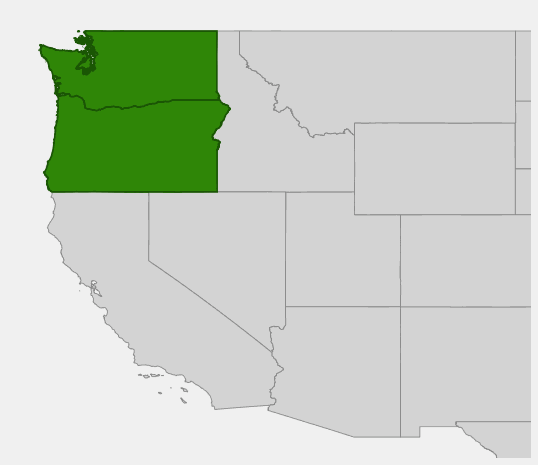
South of Alaska, Nootka Lupine occurs in coastal British Columbia, Washington, and Oregon, primarily in the coastal influence zone west of the Cascades. It favors open, disturbed habitats with well-drained, often rocky or gravelly soils — glacial outwash plains, riverbanks, roadsides, and open meadows. It is particularly common in the transition zones between beach, meadow, and shrub communities in coastal Alaska, where it often forms spectacular dense stands.
The species is highly adaptable to poor, nitrogen-deficient soils — indeed, this is one of its most ecologically significant traits. Its root nodules harbor nitrogen-fixing bacteria (Rhizobium spp.) that convert atmospheric nitrogen into forms usable by plants, effectively fertilizing the surrounding soil. This nitrogen-fixing capacity makes it a classic pioneer species on nutrient-poor substrates like glacial moraines, volcanic soils, and gravel bars.
📋 Regional plant lists featuring Nootka Lupine: Alaska
Growing & Care Guide
Nootka Lupine is an excellent garden plant for sunny, well-drained sites where its spectacular flower display and easy-care nature can be fully appreciated. Its drought tolerance, ability to thrive in poor soils, and rapid growth make it one of the most low-maintenance native perennials available for Alaska and Pacific Northwest gardens.
Light
Nootka Lupine requires full sun for best performance. In partial shade, stems become etiolated (stretched toward light) and flower production is significantly reduced. Choose the sunniest spot in your garden for maximum visual impact — in Alaska’s long summer days, this plant absolutely thrives with 16–20 hours of light during peak season.
Soil & Water
One of Nootka Lupine’s greatest strengths is its ability to thrive in poor, well-drained soils. It actually performs worse in rich, heavily amended soils — the nitrogen-fixing symbiosis it relies on is suppressed when soil nitrogen is high, and the plant becomes rank and floppy. Sandy, gravelly, or thin soils are ideal. Do not fertilize. Excellent drainage is essential — the deep taproot rots in consistently wet or waterlogged conditions. Once established (after the first season), Nootka Lupine is quite drought-tolerant and requires little to no supplemental watering in most Alaska gardens.
Planting Tips
Plant from seed or container-grown plants in early spring. Lupine seeds have hard seed coats — scarify with sandpaper or soak in warm water for 24 hours before sowing to improve germination. Sow directly in the garden in early spring (seeds tolerate light frost) or start indoors 6–8 weeks before last frost. Lupines resent root disturbance — handle container plants carefully and avoid damaging the taproot. Plants bloom in their second year from seed. Space 18–24 inches apart. Deadhead spent flowers before seeds set to control self-seeding (or allow self-seeding for naturalization).
Pruning & Maintenance
After the first flush of bloom, cut spent spikes back to basal foliage to encourage a second bloom later in summer. Cut the entire plant back to the ground in fall after frost kills the foliage. Mark the location with a stake — the crown goes completely dormant and is difficult to locate in early spring. Nootka Lupine is generally pest- and disease-resistant in Alaska. Powdery mildew can occur in hot, humid conditions; ensure good air circulation and avoid overhead irrigation.
Landscape Uses
- Meadow and prairie plantings for spectacular early-summer color
- Roadside and slope naturalization — excellent for poor, disturbed soils
- Pollinator garden — one of the top bumblebee plants in the north
- Erosion control on well-drained slopes and banks
- Soil building — nitrogen fixation improves adjacent plantings
- Wildlife habitat — food and cover for multiple species
Important Safety Note
All parts of Nootka Lupine — particularly the seeds — contain toxic quinolizidine alkaloids. Keep children and pets away from seed pods. The seeds resemble edible beans and can be mistaken for food. Do not consume any part of this plant.
Wildlife & Ecological Value
Nootka Lupine plays several overlapping ecological roles in Alaskan ecosystems: pollinator magnet, nitrogen-fixer, soil builder, and habitat structure provider.
For Birds
Several species of birds eat Lupine seeds, including various finches and sparrows. The dense foliage provides cover for ground-nesting birds. In Alaska, Common Redpolls and White-crowned Sparrows have been observed foraging in Lupine stands. Insectivorous birds exploit the abundant invertebrates that inhabit Lupine foliage, including multiple species of moth caterpillars that specialize on lupines.
For Mammals
Despite the plants’ toxicity, Moose browse Nootka Lupine foliage with apparent impunity — a well-documented behavior throughout Alaska. Brown Bears occasionally consume the roots. Ground squirrels and other small mammals may cache seeds, occasionally leading to localized seed dispersal beyond the plant’s own ballistic range. The dense stands of mature Lupine provide cover for small mammals and nesting sites for ground-nesting species.
For Pollinators
Nootka Lupine is one of the premier bumblebee plants of coastal Alaska. The flowers are designed for bumblebee pollination: the weight of a landing bee depresses the keel petal, exposing the stigma and stamens for pollination. Several species of native bumblebees — including the Yellow-banded Bumblebee, Western Bumblebee, and various Alaskan species — are important pollinators. Nootka Lupine also supports the larvae of at least two butterfly species in the Coliadinae (sulphur butterfly) subfamily.
Ecosystem Role
Nootka Lupine’s nitrogen-fixing capability is its most significant ecosystem service. By converting atmospheric nitrogen into soil-available forms, it literally fertilizes the ground beneath and around it, facilitating the establishment of other plant species on what would otherwise remain barren, nitrogen-depleted substrates. In post-glacial succession, Lupine is often among the first colonizers of raw mineral soils, creating the nutrient conditions that allow willows, alders, and eventually spruce to establish. This successional role makes it a foundation species of northern terrestrial ecosystem development.
Cultural & Historical Uses
Lupines have been used by Indigenous peoples throughout their range, though the toxicity of seeds and other plant parts requires careful knowledge of preparation methods. Some First Peoples of the Pacific Northwest developed techniques for leaching the bitter, toxic alkaloids from lupine seeds through repeated boiling and rinsing — producing edible seeds, though this practice required precise knowledge to avoid poisoning. The Nootka (Nuu-chah-nulth) people of Vancouver Island, for whom the species is named, recognized the plant’s properties and used it with appropriate caution.
In more recent history, Nootka Lupine became famous — or infamous — for its role in Iceland’s landscape transformation. Introduced from Alaska in the 1940s as a soil-stabilization and nitrogen-fixing tool for revegetating barren lava fields and eroded hillsides, the plant proved explosively successful and has since spread across vast areas of the Icelandic interior, outcompeting native vegetation and dramatically altering the landscape’s appearance and ecology. This example has made Nootka Lupine a prominent case study in the complexities and risks of species introductions, even with well-intentioned conservation goals.
Within its native Alaska range, Nootka Lupine is celebrated primarily for its extraordinary visual impact on the summer landscape. The brilliant blue-purple stands along the Kenai Peninsula, in the Matanuska-Susitna Valley, and along coastal Southeast Alaska have made it one of the most photographed wildflowers in the state. It has been planted extensively along roadsides and in disturbed areas for both aesthetic value and slope stabilization, representing one of the more successful native plant uses in Alaskan roadside revegetation programs.
Frequently Asked Questions
Are Nootka Lupine seeds really toxic?
Yes. All lupine seeds contain toxic quinolizidine alkaloids, which can cause respiratory distress, rapid heart rate, muscle weakness, and in severe cases, death. The toxicity varies by species and growing conditions, but Nootka Lupine seeds should never be consumed without extensive preparation by someone trained in the traditional methods of alkaloid removal. Keep children and pets away from the seed pods.
Will Nootka Lupine spread aggressively in my garden?
In Alaska and the Pacific Northwest (its native range), Nootka Lupine will self-seed in favorable conditions — sunny, open, well-drained soil. This can be desirable for naturalization but may require management in formal garden settings. Deadhead spent flower spikes before seeds develop to limit self-seeding. The plant is NOT invasive in its native range the way it is in Iceland.
How do I tell Nootka Lupine from other lupine species in Alaska?
Nootka Lupine is the dominant lupine species in coastal and Southcentral Alaska. It typically has 7–8 leaflets (vs. more for some species), robust stems 2–3 feet tall, and brilliant blue-violet flowers. Arctic Lupine (Lupinus arcticus) is the common species of the Interior and northern Alaska, and is generally shorter with a more compact habit. Where ranges overlap, hybridization occurs, making species identification challenging.
Can I grow Nootka Lupine in a container?
Not well — Lupinus nootkatensis develops a deep taproot that is poorly suited to container culture. It requires deep, freely draining soil and resents root restriction. It is best grown directly in the ground. In-ground planting also allows it to form the symbiotic root nodules with nitrogen-fixing bacteria that are part of its ecological function.
Does Nootka Lupine need fertilizing?
No. In fact, fertilizing lupines is counterproductive — in nutrient-rich soil, the plant’s nitrogen-fixing symbiosis is suppressed, the plant grows overly lush and floppy, and flowering is often reduced. Nootka Lupine thrives in poor soil without any fertilization. If anything, adding organic matter to very rich soil can help reduce soil fertility to a level more suitable for this species.

Looking for a nursery that carries Nootka Lupine?
Browse our native plant nursery directory: Alaska