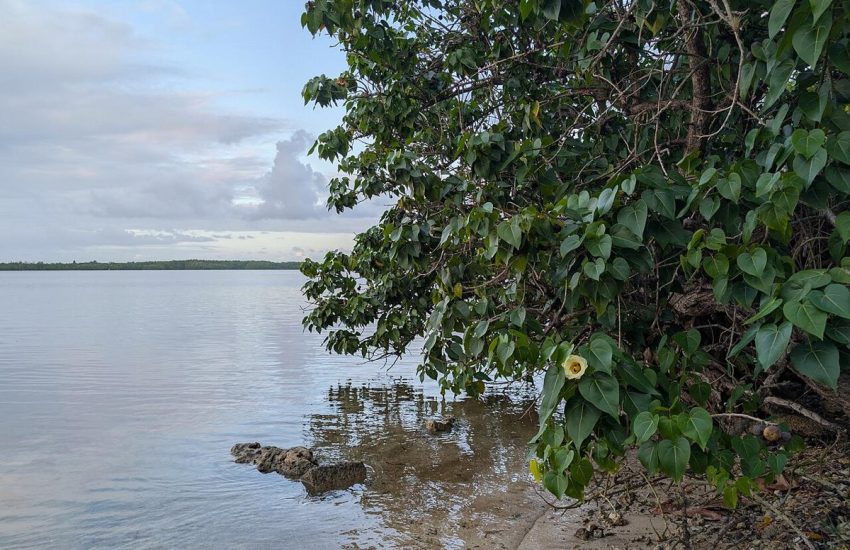
ʻOhe Mauka (Tetraplasandra oahuensis)
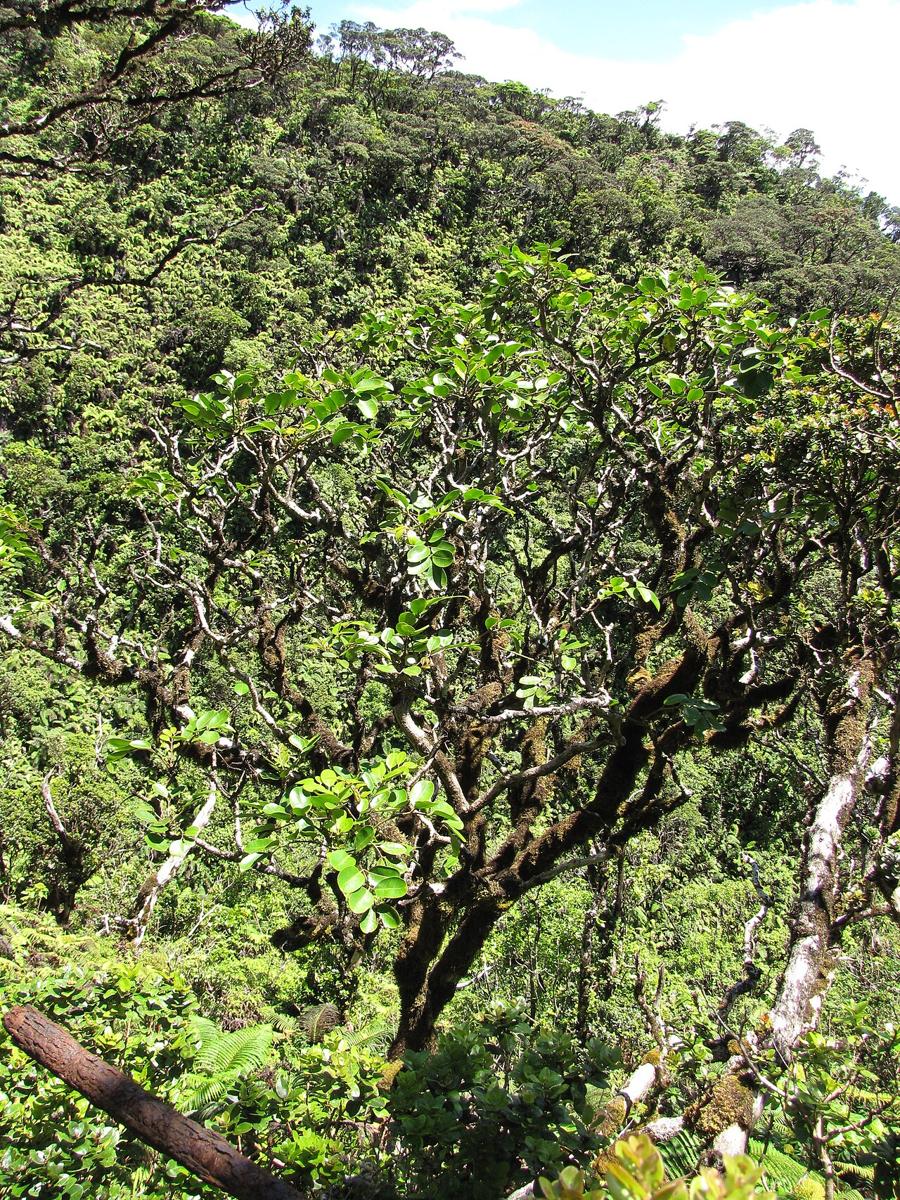
Tetraplasandra oahuensis, known in Hawaiian as ʻOhe Mauka, is a tree in the ginseng family (Araliaceae) endemic to the Hawaiian Islands. Current taxonomic treatments place the species in the genus Polyscias as Polyscias oahuensis, merging the formerly recognized genus Tetraplasandra into the broader Polyscias; USDA PLANTS and many field references, however, still list it under its older name, Tetraplasandra oahuensis, which this page uses alongside the current name for clarity.
ʻOhe mauka was historically described as the most variable species of the genus Tetraplasandra, and it remains one of the more widespread native trees in that group today, found on all the main Hawaiian Islands except Niʻihau and Kahoʻolawe. The Hawaiian name ʻohe mauka (“mountain ʻohe”) distinguishes it from lowland relatives such as ʻOhe Makai (Polyscias sandwicensis), reflecting the different forest zones each typically occupies.
For Hawaiian native gardens at moist, mid- to upper-elevation sites, ʻohe mauka offers a distinctive compound-leaved tree that fits naturally into mixed native mountain forest plantings and supports native birds with its dark fruit.
Identification
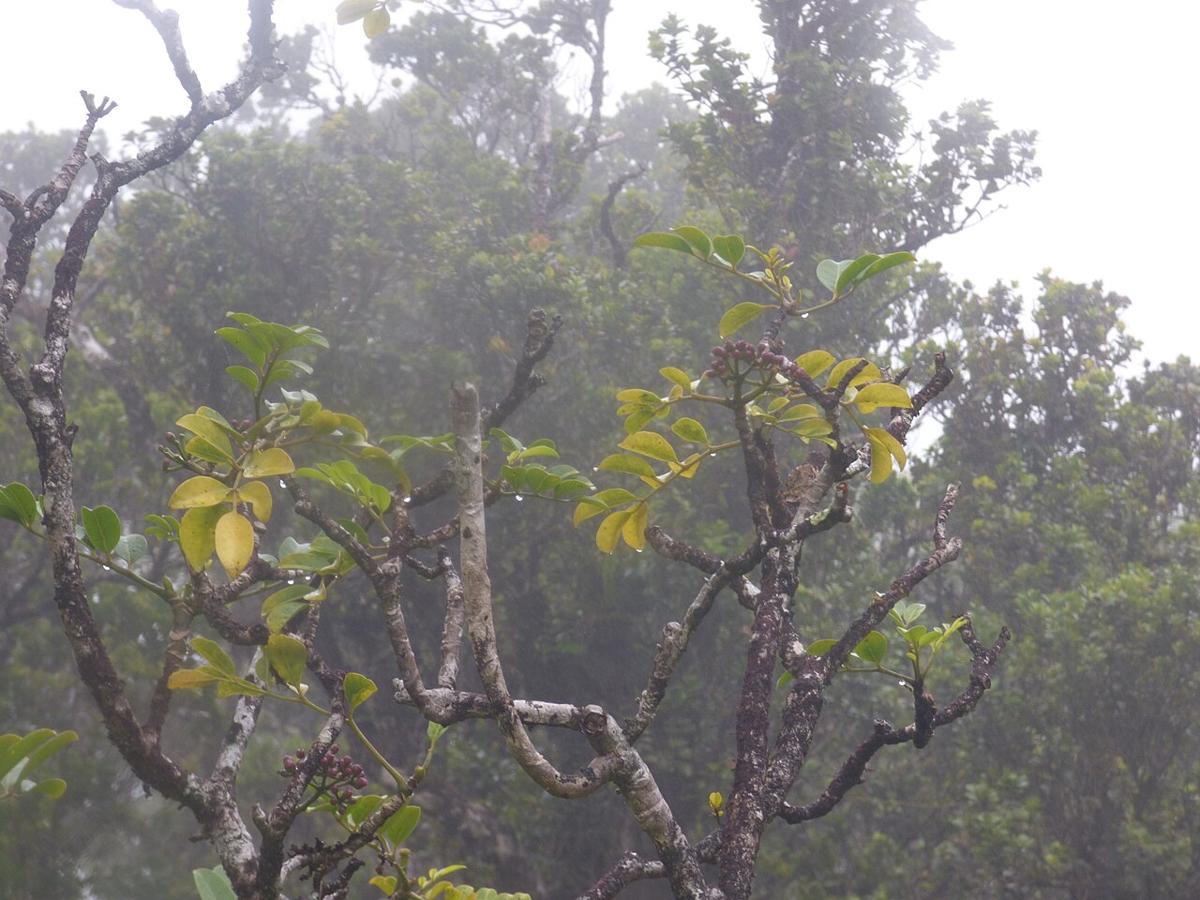
ʻOhe mauka grows as a tree with a crooked, many-branched crown, often draped in moss in the cool, wet upland forest where it is most common, and containing a clear sap in its stems and leaves.
Leaves
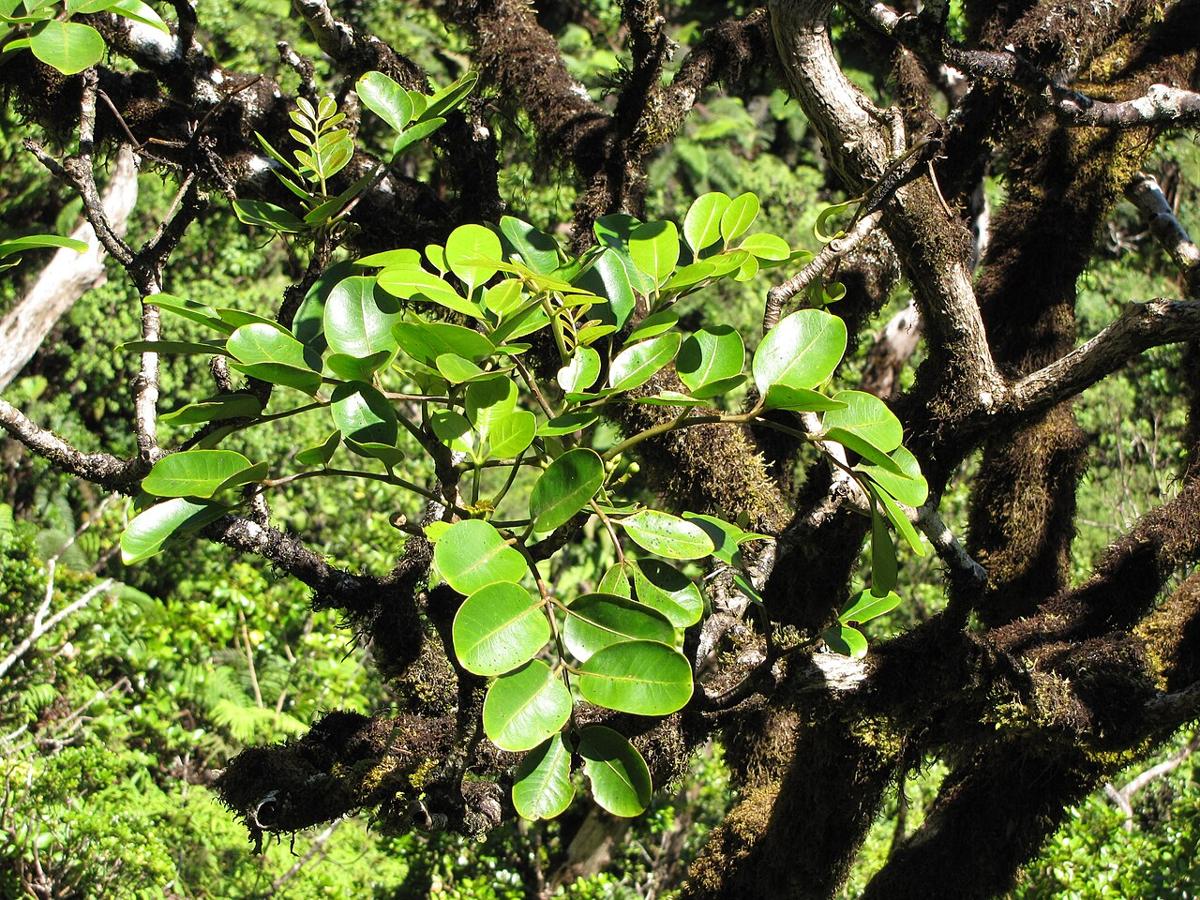
Leaves are large and compound, each made up of 7 to 15 dull (not glossy) leaflets arranged pinnately along the leaf stalk, with the lowest pair of leaflets usually smaller than the rest. The dull leaf surface is a useful feature distinguishing it from some glossier-leaved relatives in the genus.
Flowers
Flowers are small and clustered in the branched umbel arrangement typical of the ginseng family, not individually showy, and are borne among the compound leaves at the branch tips.
Fruit
The fruit is a small, rounded drupe that ripens to black or purple, maturing in clusters and dispersed by birds that feed on it. Ripening fruit can appear alongside developing leaves in a range of colors from green through yellow to the final dark ripe stage.
Quick Facts
| Scientific Name | Tetraplasandra oahuensis (syn. Polyscias oahuensis) |
| Family | Araliaceae (Ginseng) |
| Plant Type | Evergreen Tree |
| Mature Height | 15–30 ft (variable) |
| Growth Rate | Slow to Moderate |
| Sun Exposure | Partial Shade to Full Sun |
| Water Needs | Moderate to High |
| Soil Type | Moist, humus-rich mountain forest soils |
| Flower Color | Greenish-white |
| Fruit | Small black to purple drupe |
| Special Trait | Large compound leaves with 7–15 dull leaflets; clear sap |
| USDA Hardiness Zones | 10–11 |
Native Range
ʻOhe mauka is endemic to the Hawaiian Islands and occurs on all the main islands except Niʻihau and Kahoʻolawe, growing in moist to wet mountain forest, often at mid to upper elevations in mossy, cloud-forest conditions.
It is not native anywhere outside the Hawaiian Islands and does not occur in the continental United States. Because of its conservation status, NatureServe lists the species as Vulnerable (G3).
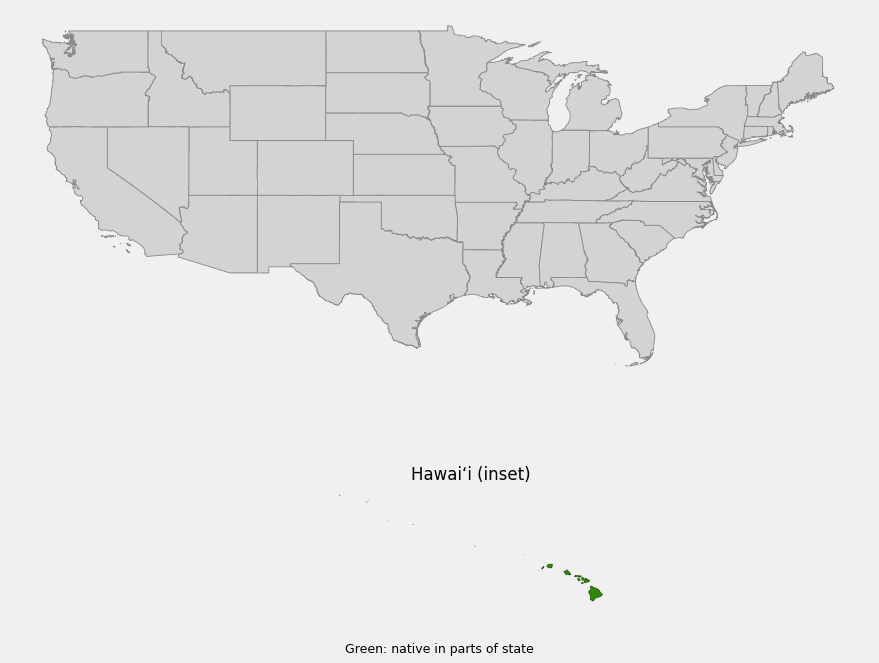
📋 Regional plant lists featuring ʻOhe Mauka: Hawaii
Growing & Care Guide
ʻOhe mauka suits Hawaiian native gardens at moist, mid- to upper-elevation sites, where its large compound leaves and naturally crooked branching add character to a mixed mountain-forest planting.
Light & Site
It tolerates a range of light from partial shade to full sun, consistent with growing in both forest understory and more open canopy conditions in the wild. Choose a site with reasonably good air movement to mimic its native cloud-forest habitat.
Soil & Water
Moist, humus-rich mountain forest soils suit it best, with consistent moisture rather than drought; it is not adapted to dry leeward conditions the way some other Hawaiian trees are. Regular rainfall or irrigation that mimics its wet upland native range will help it establish and thrive.
Planting Tips
Source nursery-propagated plants rather than collecting from the wild, given the species’ Vulnerable conservation status. Give it space for its broad, many-branched crown to develop, and plant alongside other native mountain forest associates for a naturalistic effect.
Pruning & Maintenance
Minimal pruning is needed beyond removing dead or damaged wood. The tree’s naturally crooked branching habit is a feature, not a flaw, and heavy corrective pruning is rarely necessary or desirable.
Pests & Problems
No major pest or disease issues are commonly reported for ʻohe mauka in cultivation. As with many Hawaiian upland natives, ensure good drainage in garden settings, since the tree’s preference for consistent moisture does not extend to standing or waterlogged soil.
Landscape & Restoration Uses
- Wet and mesic mountain forest restoration across the main islands
- Conservation plantings for a Vulnerable-status native species
- Bird-friendly native gardens, for its fruit
- Mixed native plantings alongside other upland forest natives
Wildlife & Ecological Value
ʻOhe mauka plays a valuable role in Hawaiian mountain forest ecosystems, both as a structural tree and a food resource.
For Birds
The ripening black to purple fruit is eaten by native and introduced forest birds, which disperse the seeds through the wet and mesic forest zones where ʻohe mauka grows. Its relatively wide distribution across the main islands makes it a dependable food source compared to more narrowly distributed relatives.
Ecosystem Role
As a widespread member of a genus with many rarer relatives, ʻohe mauka contributes meaningfully to canopy and sub-canopy structure in Hawaiian mountain forest, supporting the mosses and epiphytes that often grow on its branches as well as the birds that feed on its fruit. Its Vulnerable conservation status makes it an important target for forest restoration efforts aiming to maintain the genus’s presence across the islands.
Cultural & Historical Uses
The Hawaiian name ʻohe mauka (“mountain ʻohe”) distinguishes this tree from several lowland and coastal relatives that share the root name ʻohe, a naming pattern applied across multiple genera of Hawaiian trees with somewhat similar foliage. As with many native forest trees documented more thoroughly for ecology than specific cultural applications, ʻohe mauka’s primary significance in the historical record relates to its presence as a recognizable, useful-sized tree within accessible upland forest zones that Hawaiians traveled through.
Today, ʻohe mauka is chiefly significant for conservation and native forest restoration, given its Vulnerable status and its role as one of the more secure representatives of a genus that includes several rarer island-endemic relatives.
Frequently Asked Questions
Is ʻohe mauka the same as Polyscias oahuensis?
Yes. Tetraplasandra oahuensis is the name still used by USDA PLANTS and many field references; current taxonomy places the species in the genus Polyscias as Polyscias oahuensis, merging the formerly separate genus Tetraplasandra into the larger genus.
How is ʻohe mauka different from ʻohe makai?
Both are Hawaiian Araliaceae trees with compound leaves, but ʻohe mauka (“mountain ʻohe”) grows in wetter, higher-elevation forest and is evergreen, while ʻohe makai (“seaward ʻohe”) grows in lowland dry forest and is drought-deciduous, dropping its leaves in the dry season.
Is ʻohe mauka endangered?
It is not federally listed, but NatureServe rates it Vulnerable (G3), reflecting real conservation concern; wild plants should never be collected and nursery-propagated stock should always be used for planting.
Does ʻohe mauka need full sun?
No. It tolerates a range of light from partial shade to full sun and is typically found in mountain forest with some canopy cover, so it does not require full, exposed sun to thrive.
Is ʻohe mauka fruit edible?
There is no reliable record of its fruit being used as a human food source; treat it as a wildlife food plant that supports native forest birds rather than an edible landscape fruit.
Why does ʻohe mauka have a clear sap?
Clear sap in the stems and leaves is a trait shared across several species in the Araliaceae, including ʻohe mauka’s relatives; it is simply a family characteristic rather than anything concerning, though as with any plant sap it is sensible to avoid unnecessary skin contact.

Looking for a nursery that carries ʻOhe Mauka?
Browse our native plant nursery directory: Hawaii