Oneleaf Onion (Allium unifolium)
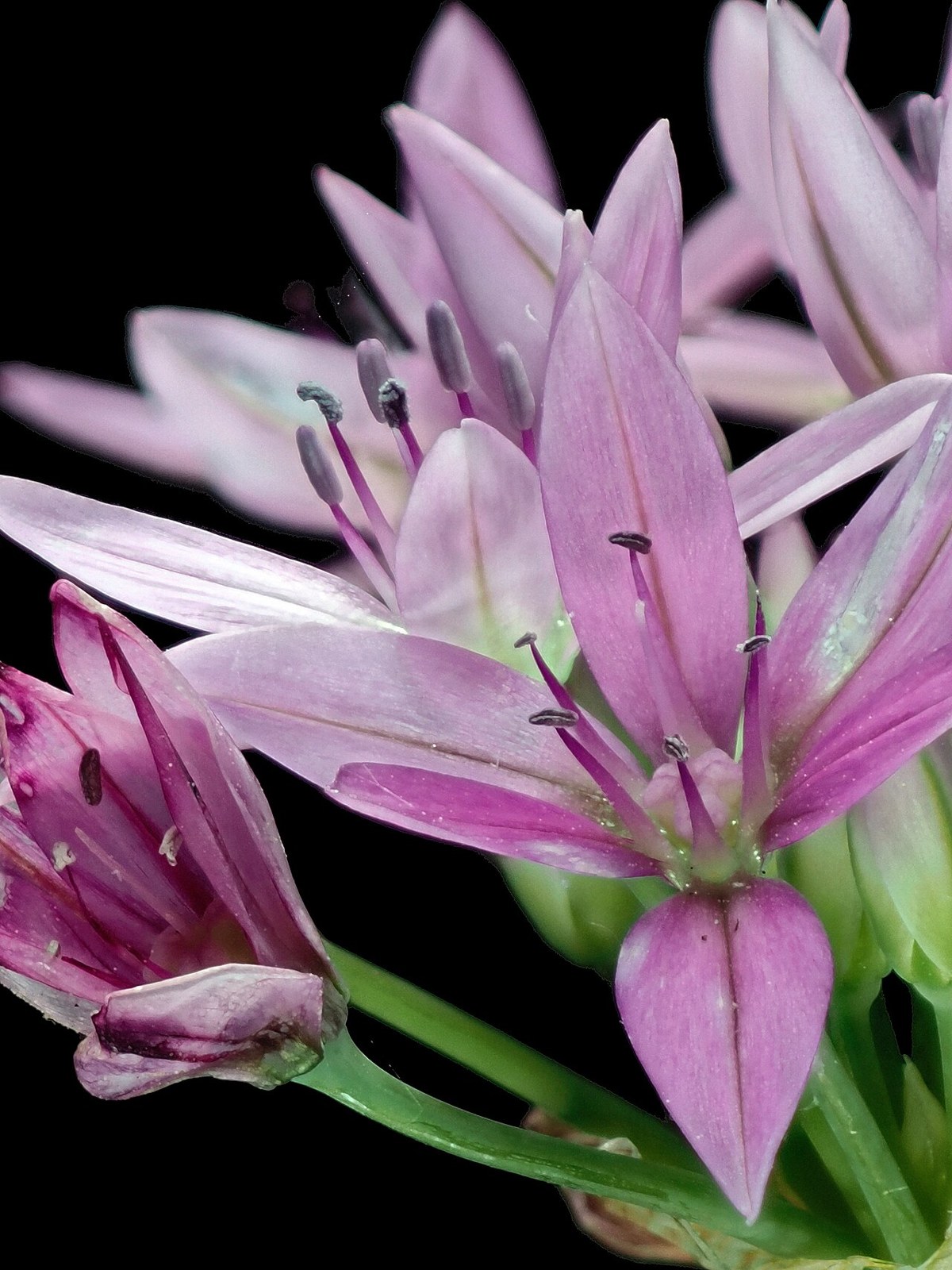
Allium unifolium, commonly called oneleaf onion or American garlic, is a striking spring-flowering bulb native to the coastal mountain ranges of California and southwestern Oregon. A member of the Amaryllidaceae (onion family), it is prized among native plant gardeners for producing some of the showiest flowers of any western wild onion — rounded clusters of large, rose-pink, star-shaped blooms held well above the foliage on slender stems.
Despite its common name, oneleaf onion is somewhat misleadingly named: most plants actually produce two or three flat, grass-like leaves rather than the single leaf the name implies. The leaves emerge in late winter, reach up to 20 inches long, and persist a bit longer into the bloom period than in many of its onion relatives, giving it a slightly more garden-friendly appearance through spring.
In the wild, oneleaf onion grows on clay soils, including serpentine, in open grassland, chaparral, and woodland margins of California’s Coast Ranges and the far southwestern corner of Oregon. Its large, long-lasting flower clusters and relative ease of cultivation have made it one of the more widely grown California native bulbs, both in native plant gardens and in general ornamental horticulture.
Identification
Oneleaf onion is a perennial bulb, typically 12 to 20 inches tall in flower, growing from an ovoid bulb with brown, fibrous outer coats. Crushed leaves or bulbs give off a mild onion or garlic scent, a useful trait for confirming identification against non-onion lily relatives.
Bulb & Leaves
The bulb produces two or three (rarely just one) flat, somewhat glaucous (blue-green), grass-like leaves up to 20 inches long and roughly ½ inch wide. The leaves emerge with the flowering stem in late winter to early spring and remain green through much of the bloom period before yellowing as the plant moves toward summer dormancy.
Flowers
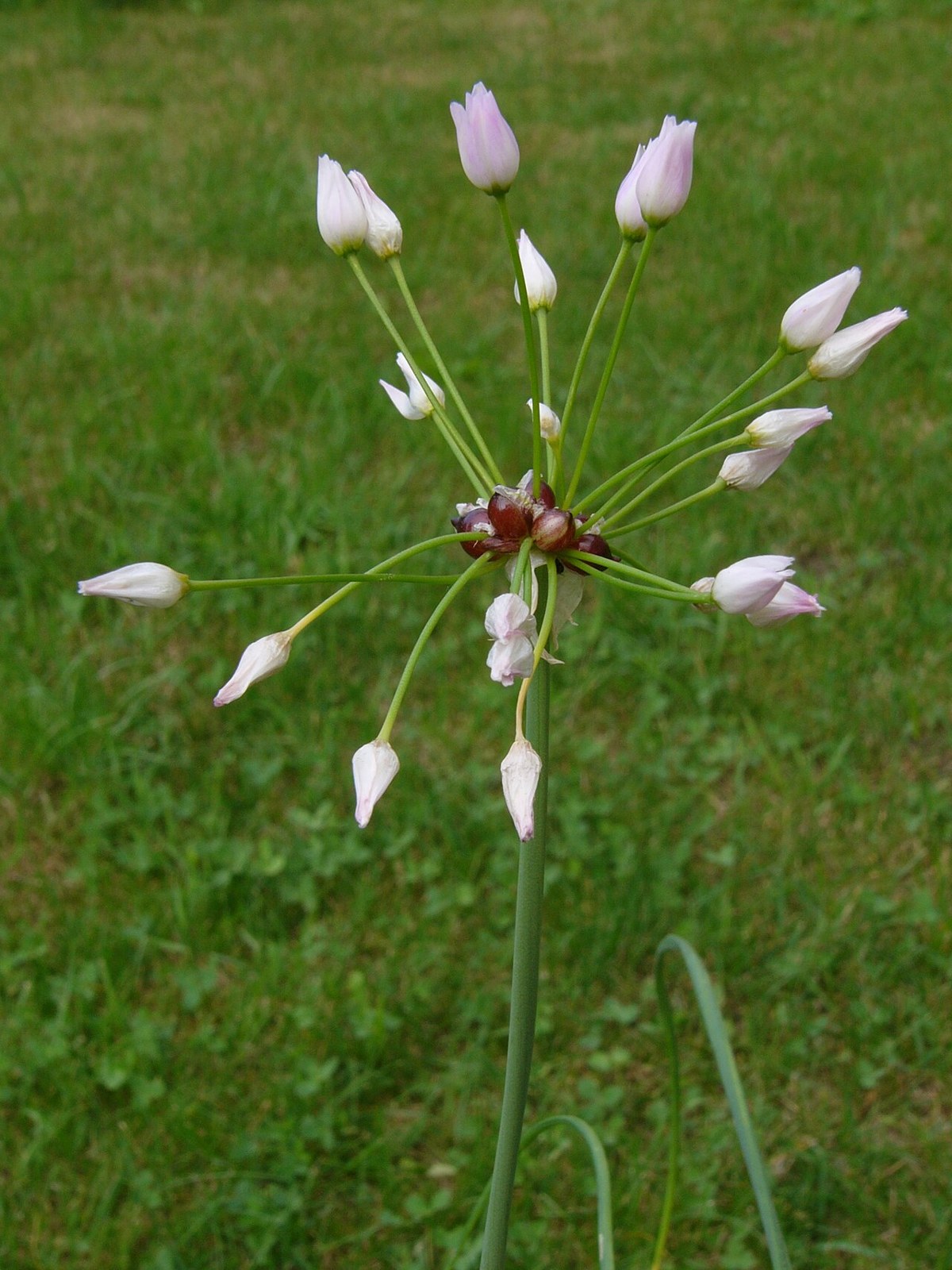
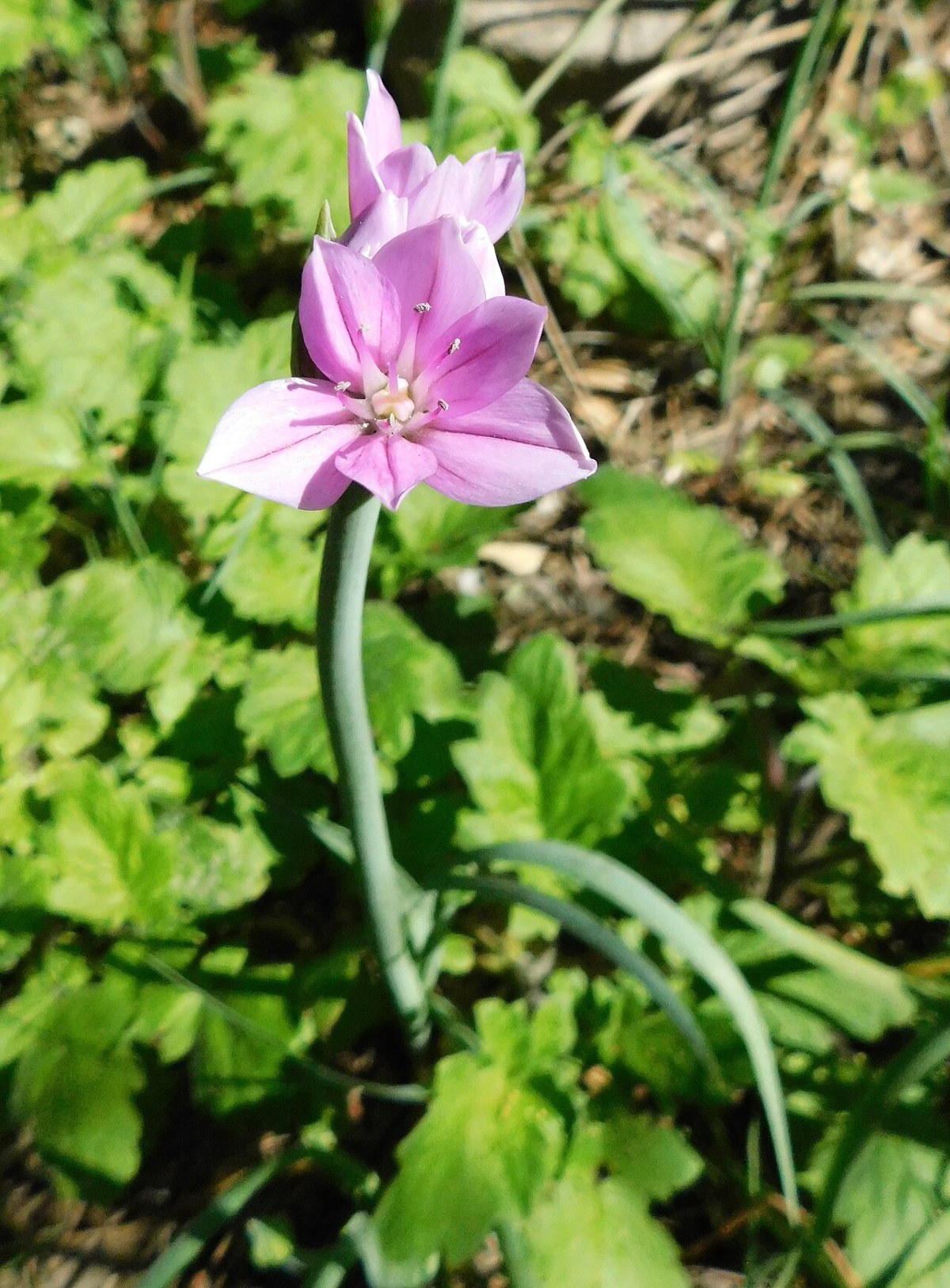
The leafless flowering stem rises well above the foliage, topped by a rounded umbel of 6 to 20 (sometimes more) flowers, each up to an inch across — notably large for a wild onion. Flowers are rose-pink to light purple-pink with darker veining, with six pointed, spreading tepals and prominent stamens. Bloom occurs from April into June depending on elevation and site.
Fruit & Seeds
After flowering, the plant forms small, three-lobed, papery capsules that split to release black, angular seeds. The dried capsules and stems are sometimes left in place for their subtle seasonal interest before the plant goes fully dormant below ground for summer.
Quick Facts
| Scientific Name | Allium unifolium |
| Family | Amaryllidaceae (Onion) |
| Plant Type | Perennial Bulb |
| Mature Height | 12–20 in in flower |
| Mature Spread | 4–6 in per bulb |
| Growth Rate | Slow to moderate (offsets and seed) |
| Sun Exposure | Full Sun to Part Shade |
| Water Needs | Low to Moderate (winter-spring moisture, dry summer dormancy) |
| Soil Type | Clay, including serpentine; tolerates average garden soil |
| Soil pH | 6.0–7.5 |
| Bloom Time | April – June |
| Flower Color | Rose-pink to light purple-pink |
| Fall Color | Not applicable (summer dormant) |
| Fruit | Small three-lobed capsule with black seeds |
| Deer Resistant | Yes |
| USDA Hardiness Zones | 6–9 |
Native Range
Oneleaf onion is native to the coastal mountain ranges of California, where it is widespread from the north coast and Klamath ranges south through the Coast Ranges, and to the extreme southwestern corner of Oregon, where county-level records confirm scattered populations near the California border. It also occurs in Baja California, Mexico, outside the scope of this guide.
It grows in open grassland, oak woodland edges, and chaparral, often on heavy clay soils, including serpentine substrates, at elevations up to about 3,600 feet. Like many California geophytes, it follows a winter-wet, summer-dry growth cycle, emerging with fall and winter rains and going dormant by midsummer.
Oneleaf onion is not native to Washington or areas north and east of its coastal California-Oregon range; gardeners outside this range should choose a locally native onion species. Widely cultivated garden stock sold through the horticultural trade is not evidence of naturalization outside this native range.
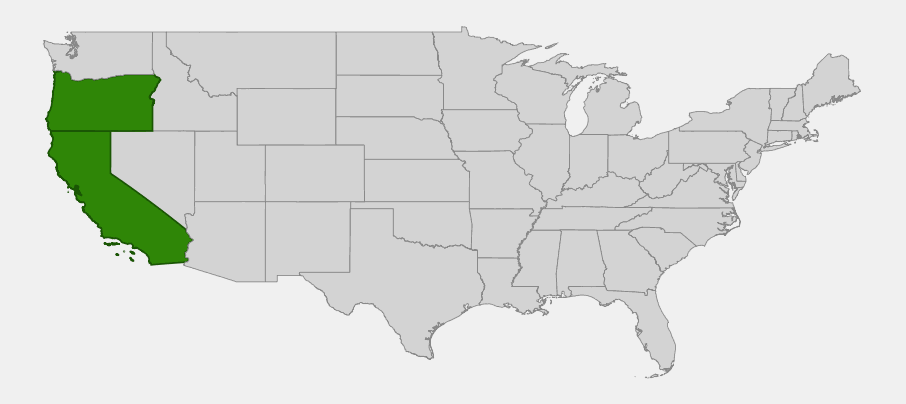
📋 Regional plant lists featuring oneleaf onion: California & Nevada · Western Oregon & Western Washington
Growing & Care Guide
Oneleaf onion is one of the easier California native bulbs to grow, tolerating a somewhat wider range of garden conditions than many of its more exacting relatives, which has helped make it a popular choice among native plant gardeners.
Light
Full sun brings out the best flowering, though oneleaf onion also performs well in light, open shade such as beneath deciduous oaks, echoing its natural woodland-edge habitat.
Soil & Water
This species tolerates heavier clay soils than many garden bulbs and is comfortable in serpentine or average garden loam alike. Water during the fall-through-spring growing season; once the foliage begins to yellow in late spring, reduce water and allow the bulb to rest dry through summer. Established plantings tolerate occasional summer water better than many California bulbs, but prolonged wet soil should still be avoided.
Planting Tips
Plant bulbs in fall, about 3 inches deep and 4 to 6 inches apart, to root ahead of winter rains. Oneleaf onion combines well with other spring-blooming California natives in a mixed bulb bed or naturalistic meadow planting, and its relatively large, long-lasting flowers make it a good front-of-border accent.
Pruning & Maintenance
Let the foliage yellow and die back naturally after bloom rather than cutting it early, since the leaves continue feeding the bulb for the following year. No regular fertilizing is needed; established clumps are largely self-sufficient.
Propagation
Propagate by seed sown in fall, which germinates with winter rains and typically reaches flowering size in two to three years, or by dividing bulb offsets during summer dormancy.
Landscape Uses
- Spring bulb borders paired with other California native wildflowers
- Native meadow and grassland plantings
- Oak woodland edge gardens
- Rock gardens with winter-wet, summer-dry conditions
- Cut flowers — the long stems and large blooms hold up well indoors
Wildlife & Ecological Value
Oneleaf onion’s large, abundant spring flowers make it a valuable nectar and pollen source in California grassland and woodland-edge habitats during a season when many pollinators are actively building populations.
For Pollinators
The showy flowers attract native bees, bumblebees, and butterflies more readily than many smaller-flowered wild onions, thanks to their larger size and bright color. Honeybees also visit readily where present.
For Birds
Small seed-eating birds forage on the ripe capsules in early summer, though as with other wild onions this is a minor food source relative to the grasses and larger-seeded forbs sharing its habitat.
For Mammals
The pungent bulb and foliage, typical of the onion genus, generally deter browsing by deer and rodents, making oneleaf onion a reliably persistent component of plantings in areas with grazing pressure.
Ecosystem Role
As a summer-dormant geophyte, oneleaf onion occupies a seasonal niche within California’s Mediterranean-climate grasslands and oak woodlands, flowering and setting seed during the brief wet season before retreating underground to avoid summer drought, contributing to the layered plant diversity that characterizes healthy native grassland communities.
Cultural & Historical Uses
Wild onions, including species in the Allium genus found across California, were gathered by Indigenous peoples of the region as a seasonal food source, generally alongside other native bulbs and greens available in spring. Specific historical documentation naming oneleaf onion alone is limited, as multiple similar-looking wild onion species were often used interchangeably where their ranges overlapped.
Oneleaf onion gained early horticultural attention in the 19th century for its unusually large, showy flowers compared to other native onions, and it has since become one of the more commonly cultivated California native bulbs, both within the state and in gardens well beyond its natural range, prized for its reliable, colorful spring display.
Botanically, its serpentine and clay-soil tolerance has made it useful to ecologists studying specialized soil-adapted plant communities within California’s Coast Ranges.
Frequently Asked Questions
Is oneleaf onion edible?
Like other wild onions, the bulb is aromatic and has a history of use as food among Indigenous peoples of California. As with any wild plant, correct identification is essential, and wild populations should not be harvested given this species’ more limited coastal range.
Why is it called oneleaf onion if it has multiple leaves?
Most plants produce two or three leaves, but the single-leaf form (or the appearance of one dominant leaf) is common enough in the species that the common and scientific names both reference it; the number of leaves can vary somewhat between individual plants and sites.
Does oneleaf onion need to go dormant in summer?
Yes. Like most California native bulbs, it follows a winter-wet, summer-dry cycle and dies back above ground after flowering. This is normal and does not mean the bulb has died.
Can oneleaf onion handle more summer water than other native bulbs?
It tolerates occasional summer water somewhat better than many California geophytes, but consistently wet summer soil still risks bulb rot, so moderation is still recommended.
Is oneleaf onion native to my area if I live outside California or southwest Oregon?
No. Its native range is limited to California’s coastal mountains and the adjacent corner of southwestern Oregon; gardeners elsewhere should look for a locally native onion species instead, even though oneleaf onion is widely sold in the nursery trade.

Looking for a nursery that carries oneleaf onion?
Browse our native plant nursery directory: California · Oregon