Oregon Ash (Fraxinus latifolia)
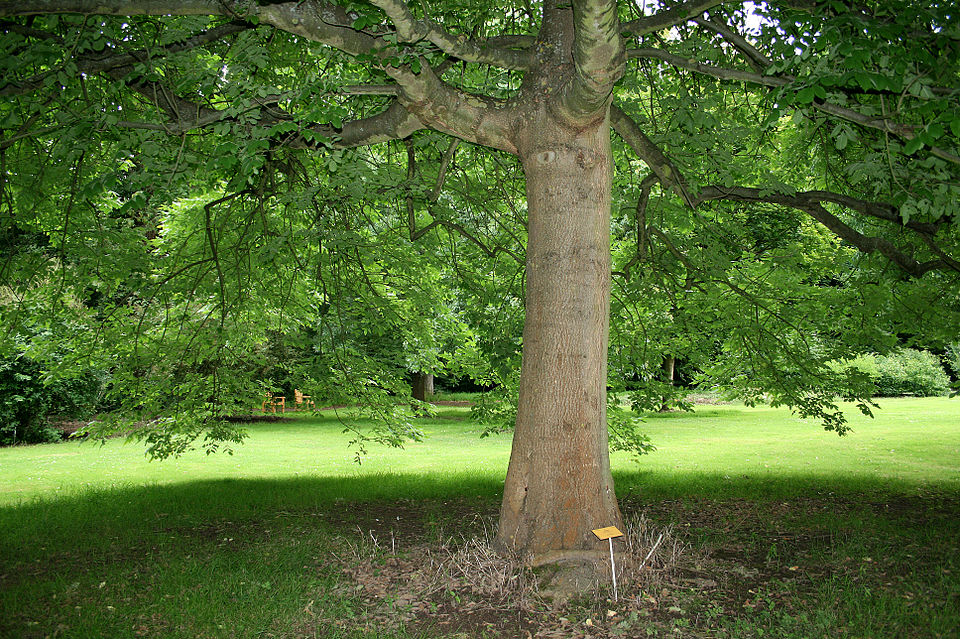
Fraxinus latifolia, commonly known as Oregon Ash, stands as the Pacific Northwest’s only native ash species and one of the region’s most important riparian trees. This stately deciduous tree graces wetland edges, stream corridors, and bottomlands from British Columbia to California, where its tolerance for seasonal flooding and distinctive light-green foliage make it a cornerstone species in valley floor ecosystems. Unfortunately, like many ash species worldwide, Oregon Ash faces significant challenges from the invasive Emerald Ash Borer, making conservation of existing populations critically important.
Quick Facts
| Scientific Name | Fraxinus latifolia |
| Plant Type | Medium to large deciduous tree |
| Height | 65-80 feet (20-25 m), occasionally larger |
| Sun Exposure | Full Sun |
| Water Needs | High |
| Soil Type | Moist to wet, rich bottomland soils |
| Soil pH | Adaptable (6.0-8.0) |
| Bloom Time | Mid to late spring |
| Flower Color | Inconspicuous greenish clusters |
| USDA Hardiness Zones | 6-9 |
Identification
Oregon Ash is readily distinguished from other Pacific Northwest trees by its compound leaves, opposite branching pattern, and distinctive bark characteristics.
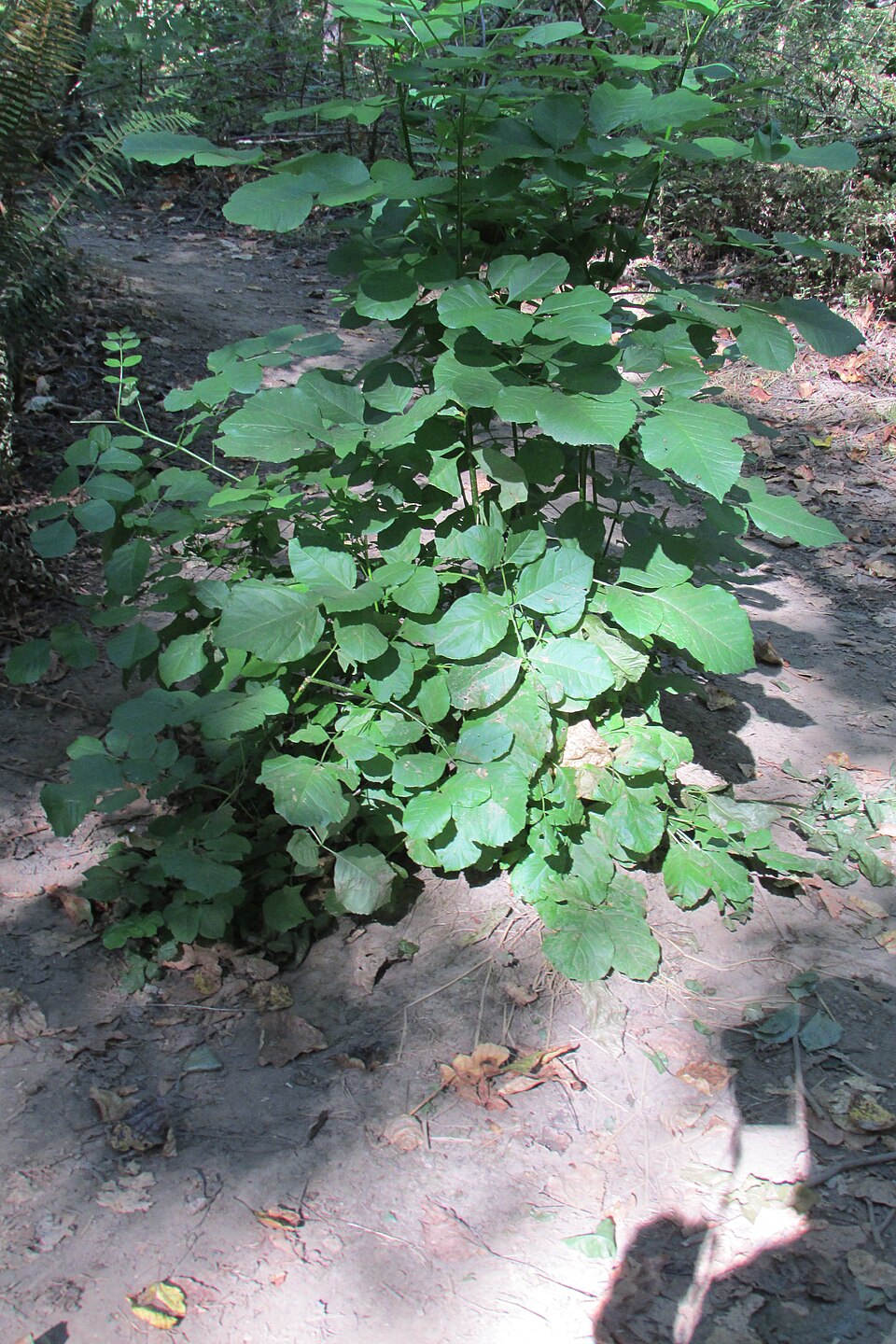
Distinctive Compound Leaves
The pinnately compound leaves are 5-13 inches long, consisting of 5-9 leaflets arranged in pairs along a central rachis with a terminal leaflet at the tip. Each leaflet is oval-shaped, 2¼-4¾ inches long and about 1-1⅝ inches wide. The leaves have a distinctively light green color that sets them apart from other broadleaf trees in the region—noticeably paler than the deep greens of Bigleaf Maple or other associates.
In autumn, the leaves turn a bright, clear yellow before dropping early in the season. This early leaf drop is characteristic and can help identify the species even after other trees have changed color.
Bark and Branching
The bark develops a distinctive pattern with age—dark gray-brown with deep fissures creating an interwoven, basket-like pattern of ridges. Young trees have smoother bark, but the characteristic furrowed pattern becomes prominent on mature specimens.
The opposite branching arrangement is a key identifying feature, easily visible in winter when leaves have dropped. The stout twigs are covered with woolly hairs, distinguishing them from similar species like Bigleaf Maple. The winter buds are also arranged oppositely and are quite prominent.
Flowers and Fruits
Oregon Ash is dioecious, with separate male and female trees. In mid to late spring, both produce small, inconspicuous flowers in clusters before the leaves fully expand. The flowers lack petals and are not particularly noticeable.
Female trees produce distinctive winged seeds (samaras) that hang in clusters. Each samara is 1-2 inches long, shaped like a canoe paddle with the seed at one end and a prominent wing for wind dispersal. These seed clusters are quite conspicuous and persist on the tree well into autumn.
Native Range and Habitat
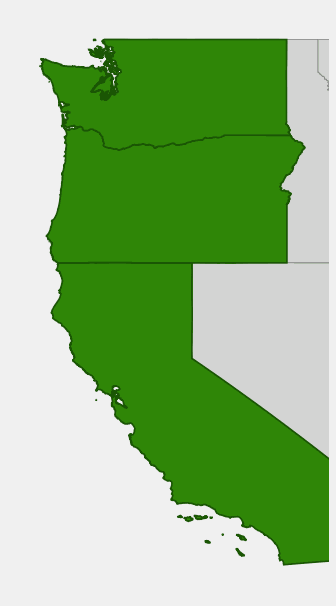
Oregon Ash has a relatively limited but distinct range along the Pacific Coast, where it occupies a critical niche in valley floor ecosystems.
Specialized Wetland Habitat
Oregon Ash is specifically adapted to wet habitats and shows strong preferences for specific site conditions. It thrives in sloughs, swales, wet meadows, swamps, stream corridors, and bottomlands—areas that experience seasonal flooding or maintain high soil moisture year-round.
The tree’s extensive, moderately shallow root system makes it exceptionally well-adapted to these conditions. Unlike many trees that suffer in waterlogged soils, Oregon Ash tolerates prolonged flooding much better than associates like Douglas-fir or Grand Fir.
📋 Regional plant lists featuring Oregon Ash: Western Oregon & Western Washington
Ecological Role and Flood Tolerance
Oregon Ash plays a crucial role in riparian ecosystems, serving as both a pioneer species and a long-term component of bottomland forests.
Flood Adaptation
The species has remarkable tolerance for seasonal flooding, a common occurrence in its native habitat. The extensive, shallow root system allows the tree to access oxygen even when soil is waterlogged, while the strong wood and flexible branches help it withstand flood currents and debris.
Following floods, Oregon Ash often shows vigorous sprouting from the base, helping to quickly reestablish canopy cover and stabilize disturbed soils. This resilience makes it invaluable for riparian restoration projects.
Succession and Disturbance Response
Oregon Ash is shade-intolerant and requires disturbances to create the open conditions it needs for establishment. Floods, windstorms, and other natural disturbances create opportunities for new ash seedlings to establish in the increased light conditions.
The tree grows rapidly in its first 60 years, then slows considerably. Without periodic disturbances to maintain open conditions, ash stands may eventually be succeeded by more shade-tolerant species like Bigleaf Maple or conifers.
Growing & Care Guide
Successfully growing Oregon Ash requires understanding its specific moisture needs and providing appropriate site conditions.
Site Selection
Choose locations with consistent high moisture—this is not a tree for dry sites. Ideal locations include areas near streams, in low-lying areas that collect water, or sites with high water tables. The tree can tolerate periodic flooding and even short-term standing water.
While Oregon Ash prefers full sun, it can tolerate some shade, especially when young. However, full sun promotes the best growth and form.
Soil and Water Requirements
Plant in rich, organic soils that retain moisture well. Heavy clay soils are acceptable as long as they don’t become completely waterlogged for extended periods. The tree adapts to a range of soil pH but performs best in neutral to slightly alkaline conditions.
Irrigation is typically necessary except in naturally wet sites. Maintain consistent soil moisture throughout the growing season, and don’t allow the soil to dry out completely.
Planting and Establishment
Plant in early spring while the tree is dormant. Dig a hole twice as wide as the root ball but no deeper. In wet sites, ensure the planting hole has adequate drainage to prevent the root ball from sitting in stagnant water.
Mulch around the base to retain moisture and suppress weeds. Young trees may need staking in windy locations due to their rapid growth and relatively soft wood.
Wildlife & Ecological Value
Oregon Ash provides significant wildlife habitat and food resources, particularly in riparian ecosystems where biodiversity is often highest.
Birds
The large, open crown structure provides excellent nesting sites for many bird species. Cavity-nesting birds often utilize natural hollows or woodpecker excavations in older trees. The seeds provide food for various songbirds, waterfowl, and game birds.
Riparian forests dominated by Oregon Ash support some of the highest bird diversity in the Pacific Northwest, serving as crucial habitat corridors for both resident and migratory species.
Large Mammals
Deer and elk browse the foliage and young shoots, particularly during winter when other foods are scarce. The nutritious leaves and sprouting growth provide important protein sources.
Small mammals, including squirrels, utilize the seeds as food sources and may nest in hollow trunks or dense foliage areas.
Aquatic Ecosystem Support
In riparian settings, Oregon Ash provides crucial shade for streams, helping to moderate water temperatures for fish and other aquatic life. Falling leaves contribute organic matter to aquatic food webs, supporting insect populations that feed fish.
The extensive root system helps stabilize stream banks and filter runoff, improving water quality downstream.
Traditional and Historical Uses
Indigenous peoples of the Pacific Northwest developed various uses for Oregon Ash, taking advantage of its strong, flexible wood and accessibility in riparian areas.
Tool Making
The Cowlitz Indian Tribe and other regional groups used Oregon Ash wood for making canoe paddles and digging sticks. The wood’s combination of strength, flexibility, and shock resistance made it ideal for tools that needed to withstand repeated impact and stress.
The light color and fine grain of the wood made it suitable for various implements, though its limited availability meant it was never as extensively used as eastern ash species by European settlers.
Modern Applications
Today, Oregon Ash wood is occasionally used for specialty applications including tool handles, baseball bats, and furniture, though commercial use is limited by the species’ restricted range and relatively small population. The wood shares many of the desirable characteristics of eastern ash species—strength, flexibility, and attractive grain.
Conservation Concerns
Oregon Ash faces significant conservation challenges, particularly from the invasive Emerald Ash Borer (EAB) that has devastated ash populations across North America.
Emerald Ash Borer Threat
While EAB has not yet reached the Pacific Coast in large numbers, its eventual arrival poses a severe threat to Oregon Ash populations. The beetle has killed hundreds of millions of ash trees in eastern North America, and there’s no reason to believe Oregon Ash will be resistant.
Conservation efforts are underway to preserve genetic material and develop potential treatments, but the long-term outlook remains concerning.
Habitat Loss
Many Oregon Ash populations have been impacted by urban development, agricultural conversion, and changes to natural flood regimes. Wetland protection and restoration efforts are crucial for maintaining viable populations.
Frequently Asked Questions
Can Oregon Ash survive in non-wetland sites?
While Oregon Ash strongly prefers wet sites, it can survive in moderately moist locations with supplemental irrigation. However, growth will be slower and the tree may be more susceptible to stress-related problems.
How can I tell Oregon Ash from other trees with compound leaves?
The combination of opposite branching, light green leaflets, and preference for wet sites distinguishes Oregon Ash from other compound-leaved trees. Elder has similar leaves but is a shrub, while Mountain Ash has alternate leaves and bright red berries.
Is Oregon Ash threatened by Emerald Ash Borer?
Yes, EAB poses a significant future threat to Oregon Ash, though it hasn’t yet reached most of the species’ range. Monitoring and early detection efforts are ongoing to help protect remaining populations.

Looking for a nursery that carries Oregon Ash?
Browse our native plant nursery directory: Oregon · Washington