
A spreading colony of Vine Mesquite in desert grassland near Deming, New Mexico, with slender flowering culms rising above the foliage. Photo: Patrick Alexander, Wikimedia
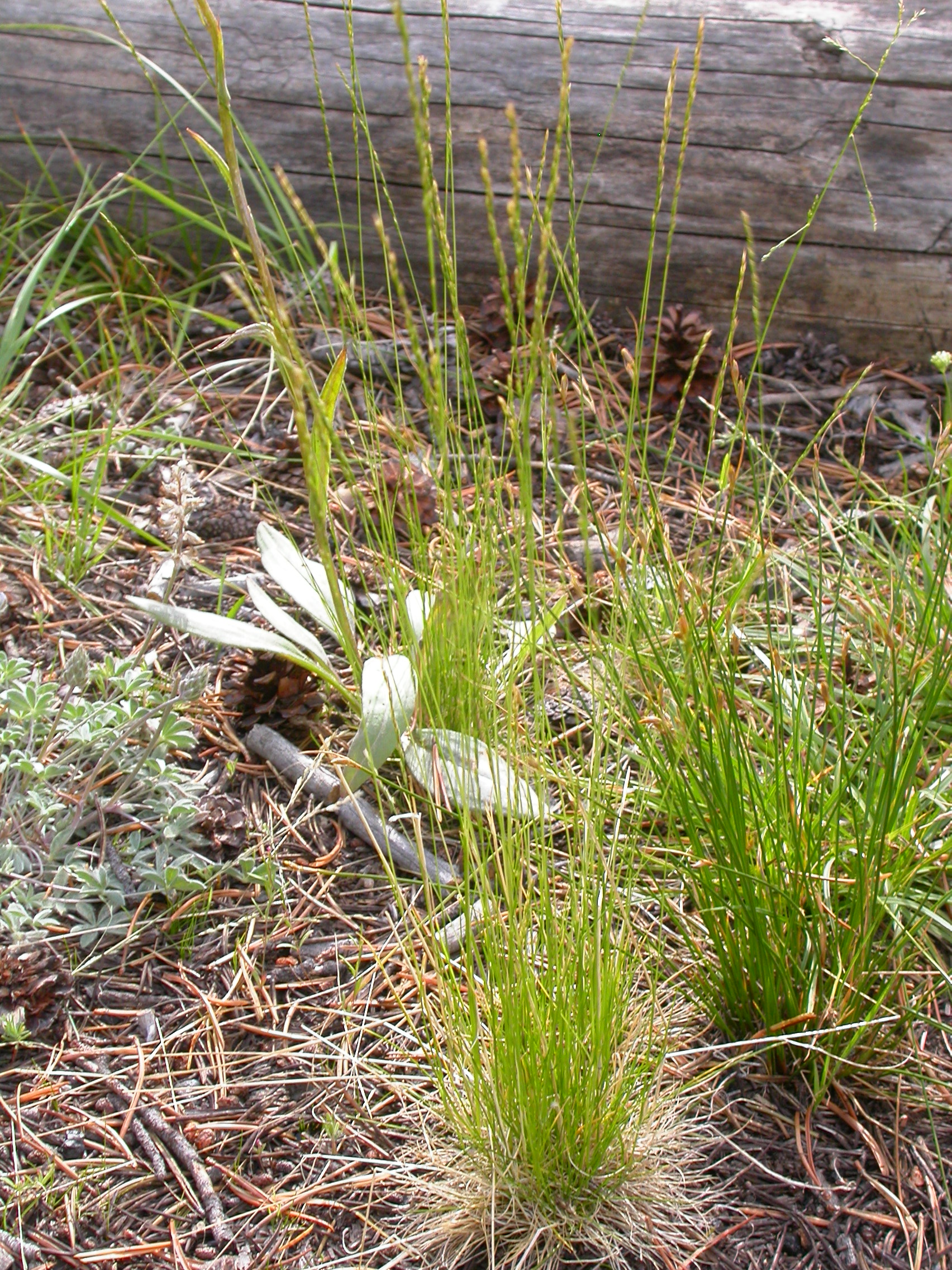
Slender Hairgrass in its natural habitat showing the delicate, narrow culms and airy seed panicles. Photo: Wikimedia Commons (CC BY-SA 2.0) Deschampsia elongata, commonly known

SW Coral Bean’s brilliant scarlet flowers bloom before the leaves emerge in spring. Photo: Wikimedia Commons (CC BY-SA 4.0) Erythrina flabelliformis, commonly known as Southwestern

Honey Mesquite showing its characteristic feathery bipinnate leaves and twisted seed pods. Photo: Wikimedia Commons (CC BY-SA 4.0) Prosopis glandulosa, commonly known as Honey Mesquite,
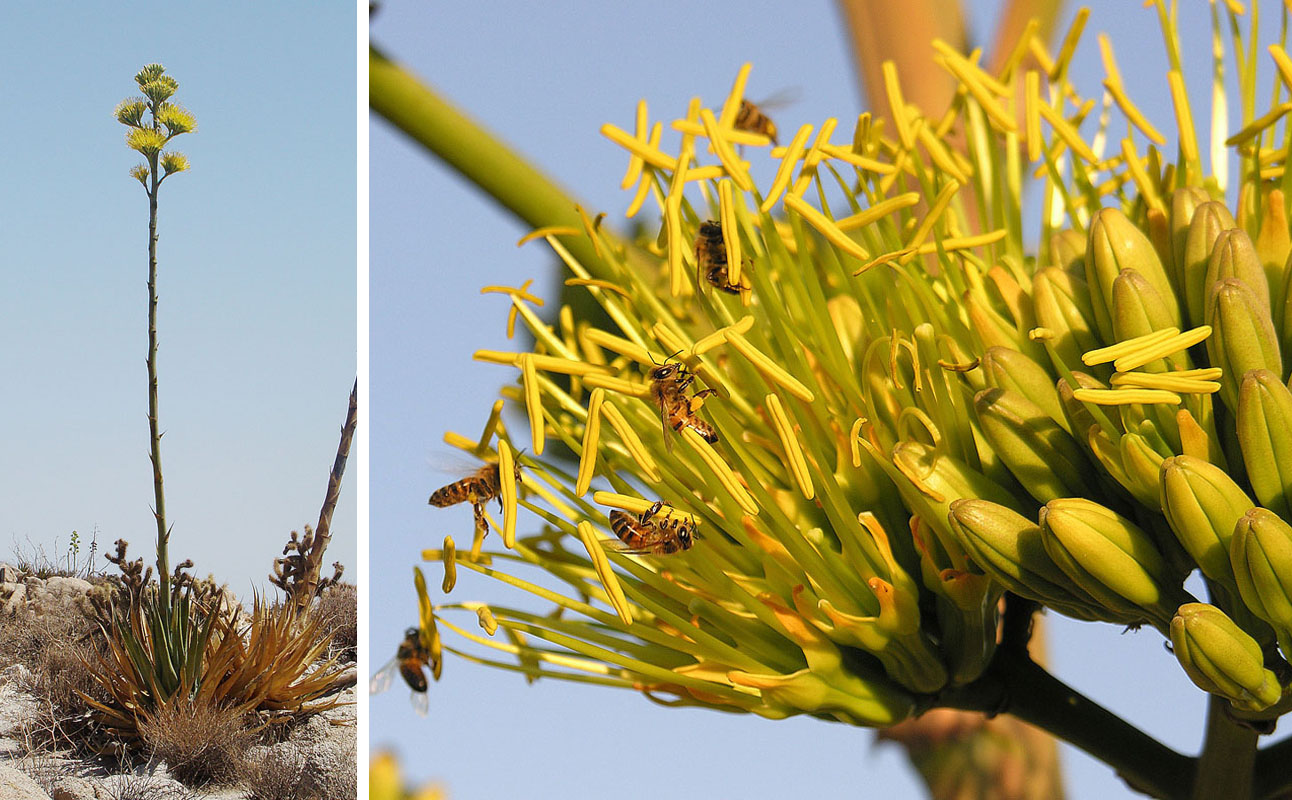
Desert Agave rosette with characteristic blue-gray, spine-tipped leaves in its native Sonoran Desert habitat. Photo: Wikimedia Commons (CC BY 2.0) Agave deserti, the Desert Agave,

Bigelow Nolina’s long, arching, grass-like leaves emerging from a woody trunk base. Photo: Wikimedia Commons (CC BY 4.0) Nolina bigelovii, commonly known as Bigelow Nolina
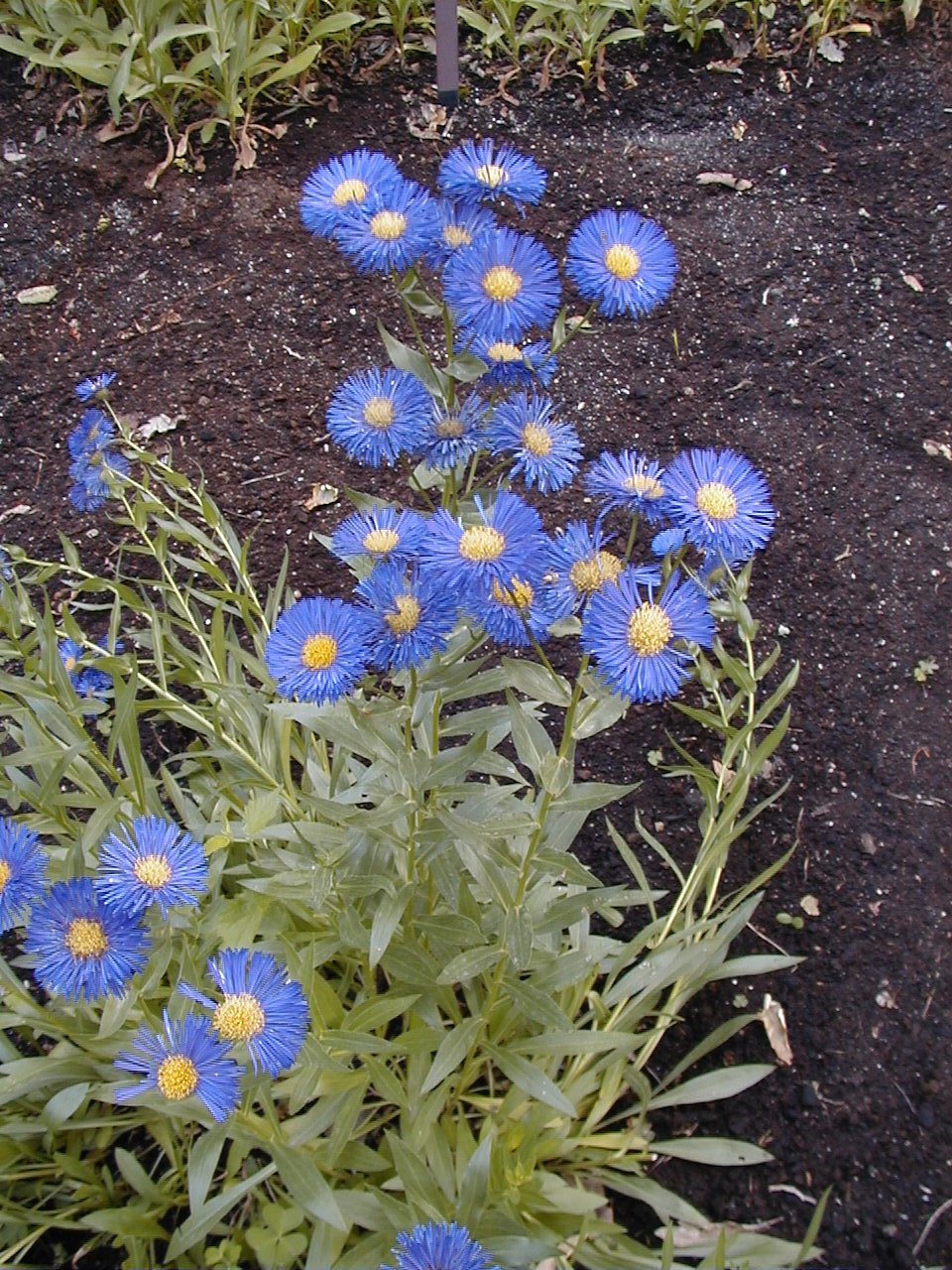
Showy Fleabane in full bloom — delicate purple daisy-like flowers that brighten mountain meadows from late spring through summer. Photo: Wikimedia Commons (CC BY-SA 4.0)
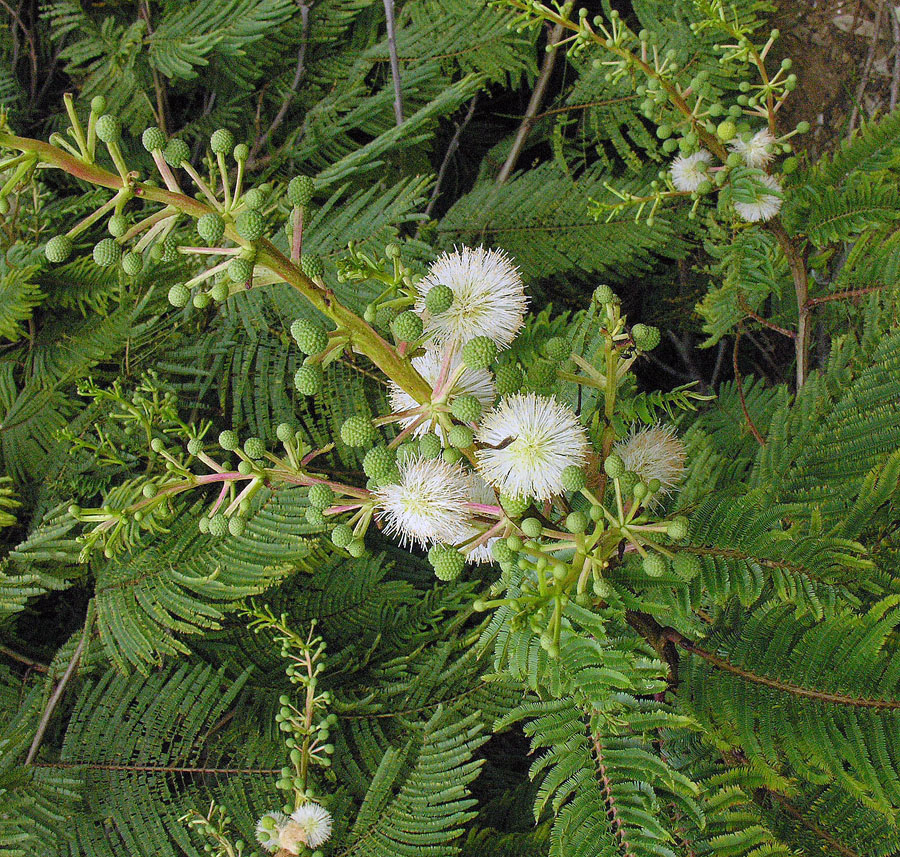
Prairie Acacia’s delicate white puffball flowers — attractive to a wide range of native bees and butterflies. Photo: Wikimedia Commons (CC BY 2.0) Acacia angustissima,
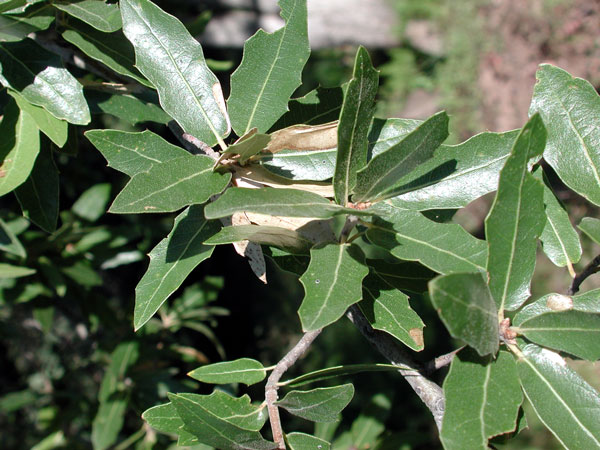
Emory Oak — the cornerstone tree of Arizona’s sky island woodlands and a critical food source for wildlife. Photo: Wikimedia Commons (CC BY-SA 3.0) Quercus
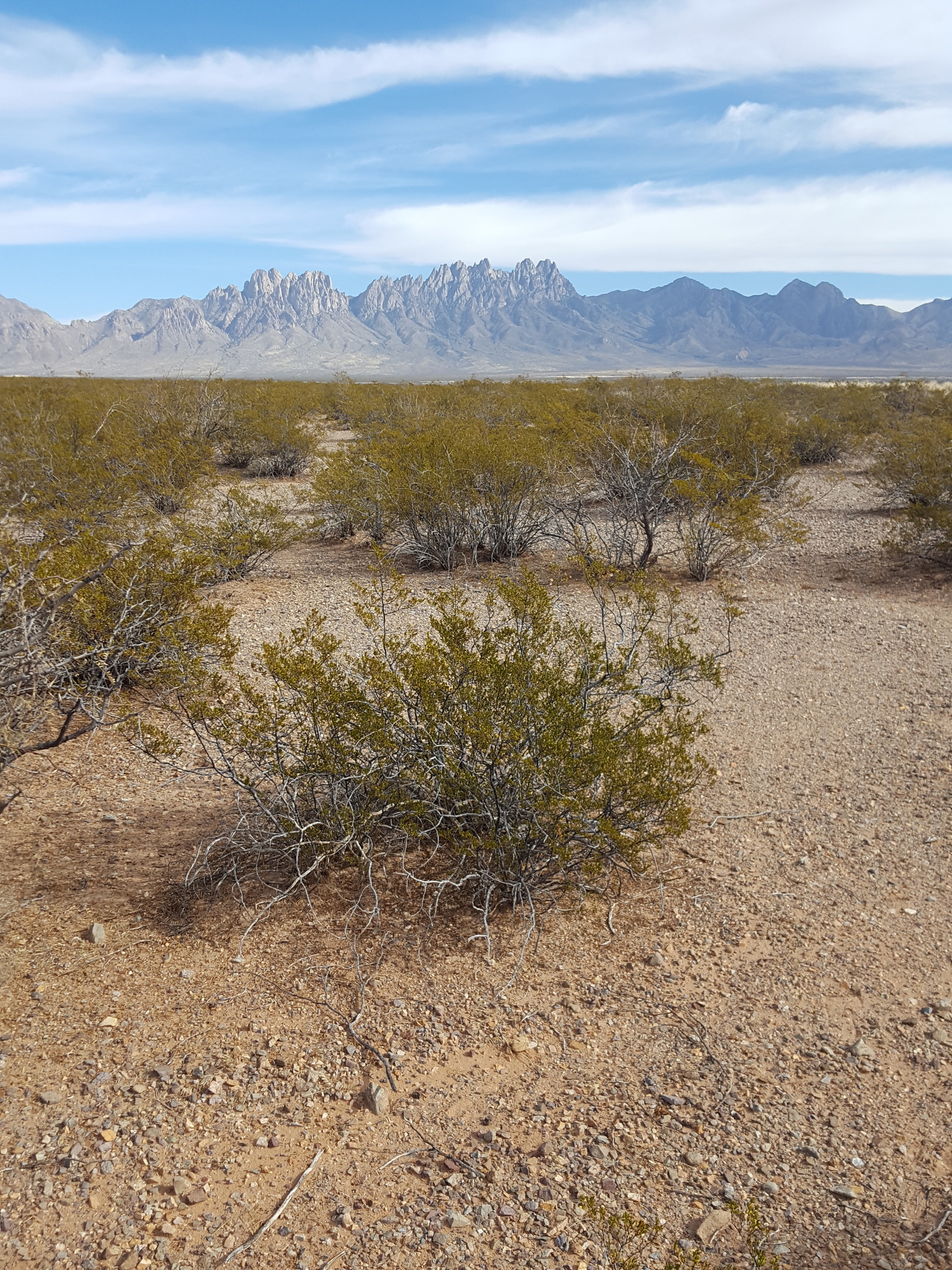
Creosote Bush dominating the Sonoran Desert landscape — a defining species of North American hot deserts. Photo: Wikimedia Commons (CC BY 4.0) Larrea tridentata, known
View More