Paper Birch (Betula papyrifera)
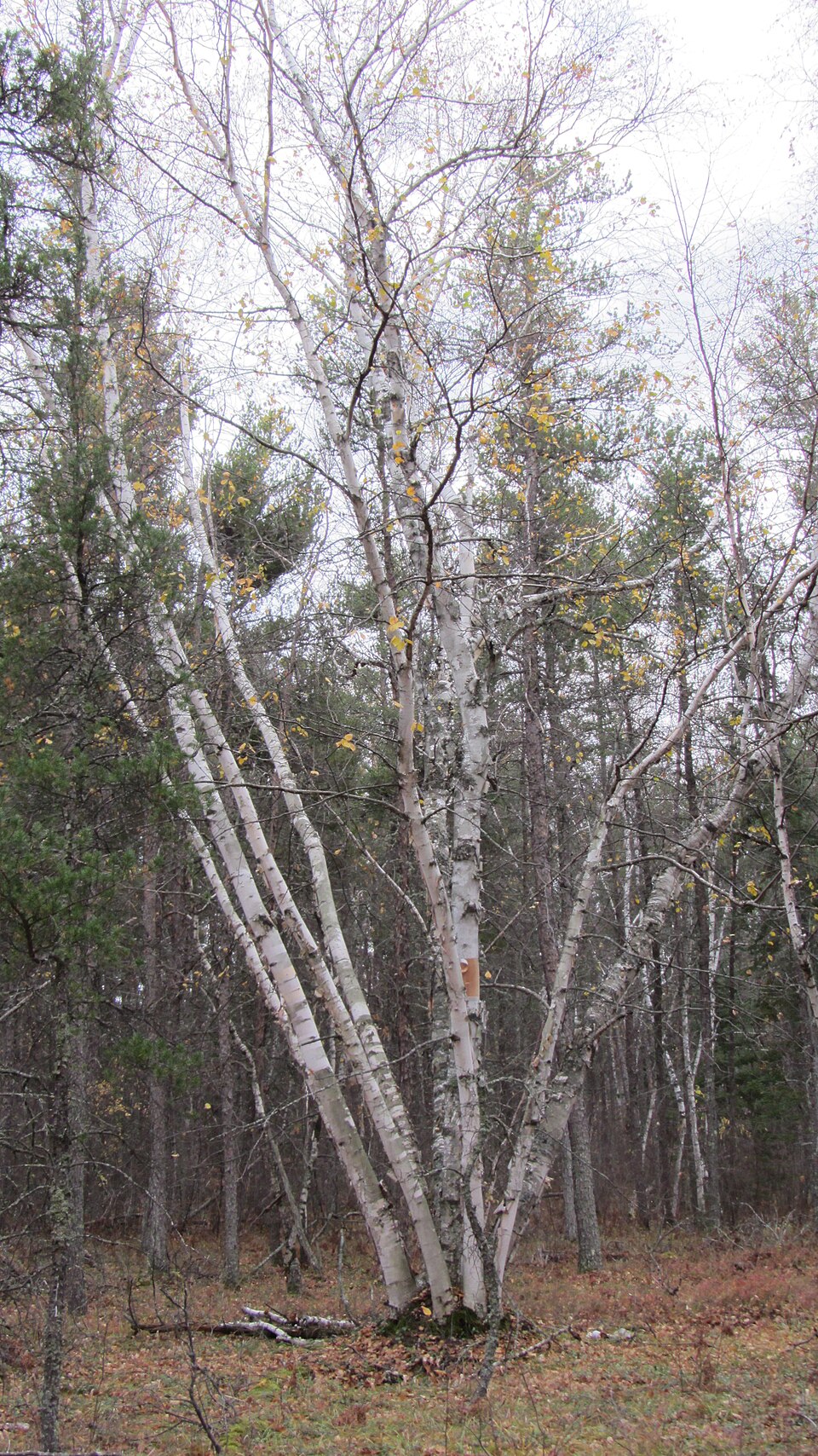
Betula papyrifera, commonly known as Paper Birch, ranks among North America’s most distinctive and culturally significant trees. Famous for its brilliant white bark that peels in paper-thin layers, this graceful deciduous tree has served human cultures for thousands of years while supporting diverse northern forest ecosystems. From the Inuit of Alaska to the Ojibwe of the Great Lakes, indigenous peoples have crafted everything from canoes to shelter coverings from its remarkable bark, earning it names like Canoe Birch and White Birch across its vast northern range.
Quick Facts
| Scientific Name | Betula papyrifera |
| Plant Type | Medium to large deciduous tree |
| Height | 50–70 ft |
| Sun Exposure | Full Sun |
| Water Needs | Moderate |
| Soil Type | Well-draining, acidic to neutral |
| Soil pH | Acidic to neutral (5.0-7.0) |
| Bloom Time | Early spring, with leaf emergence |
| Flower Color | Yellowish-green catkins |
| USDA Hardiness Zones | 2-7 |
Identification
Paper Birch is unmistakable due to its distinctive white bark and graceful form, making it one of the easiest native trees to identify across its range. Mature trees typically reach 50-80 feet in height with a trunk diameter of 1-3 feet, though exceptional specimens can approach 100 feet tall. The crown is open and irregularly shaped, with slender branches that often droop slightly at the tips, giving the tree an elegant, somewhat weeping appearance.
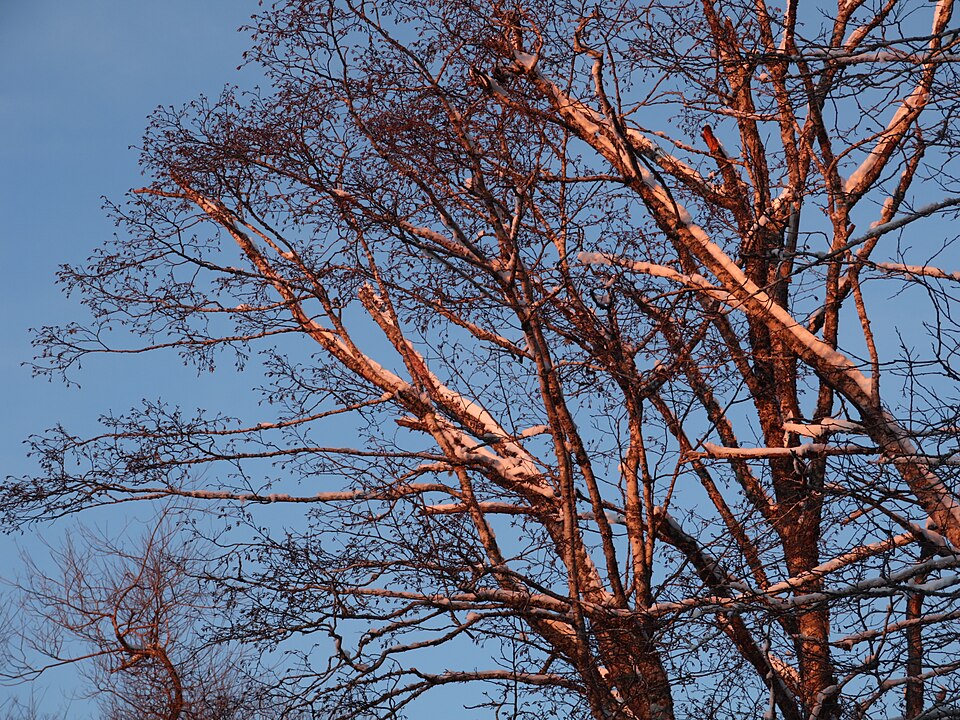
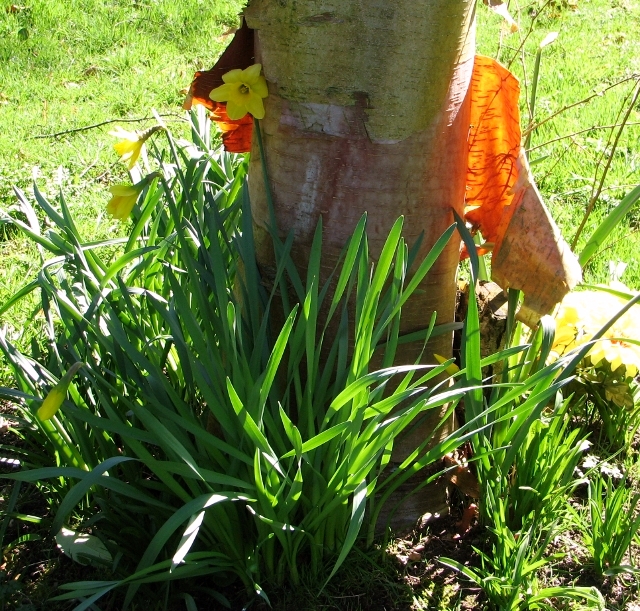
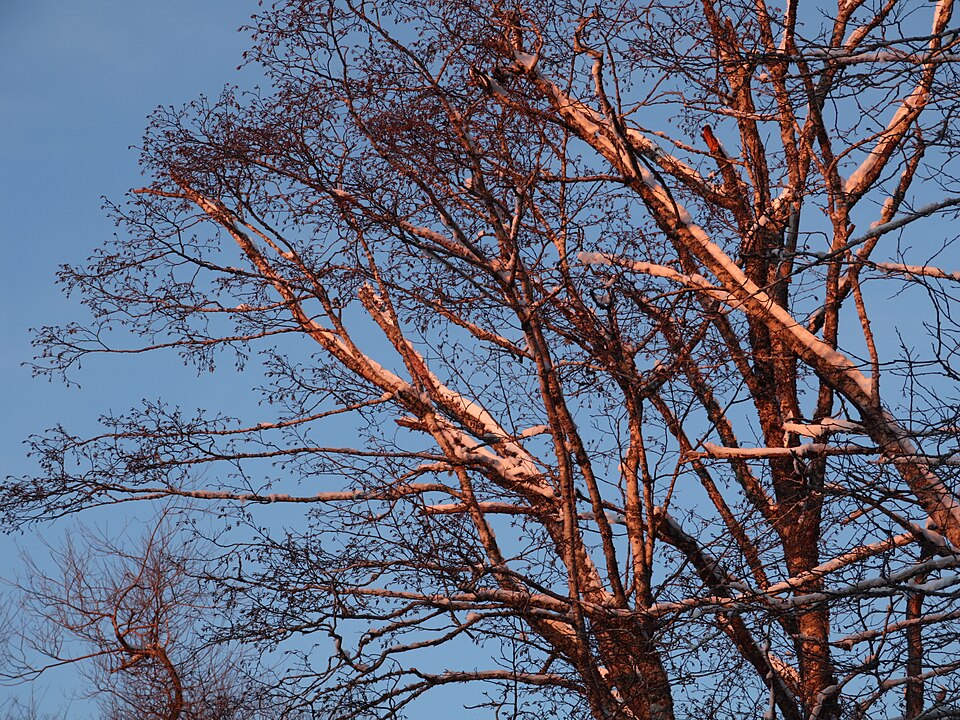
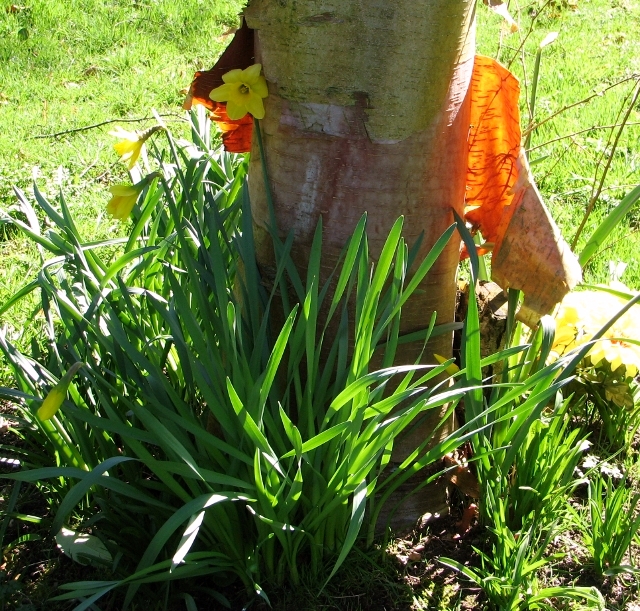
Additional identification details for Paper Birch include seasonal variations in appearance, distinguishing features from similar species, and characteristics that make it unique in its habitat. Field guides and botanical keys can help with positive identification, especially when comparing to closely related species in the same genus or family.
The Famous White Bark
The bark is the tree’s signature feature—brilliant white to cream-colored, marked with prominent horizontal black lines (lenticels) that provide breathing pores for the living tissue beneath. The outer bark peels naturally in thin, papery sheets, revealing fresh white bark underneath. Young trees may have reddish-brown bark that gradually whitens with age.
Leaves and Seasonal Changes
The alternate, simple leaves are 2-4 inches long, oval to triangular with doubly serrated edges and a pointed tip. They’re bright green in summer, turning a beautiful clear yellow in autumn before dropping. The leaves have a slightly rough texture and prominent veining.
Flowers and Seeds
Paper Birch is monoecious, producing both male and female flowers on the same tree. Male catkins are long and drooping (2-4 inches), while female catkins are shorter and upright, appearing in early spring with the leaves. The female catkins mature into small, cone-like structures that release thousands of tiny winged seeds in late summer.
Native Range
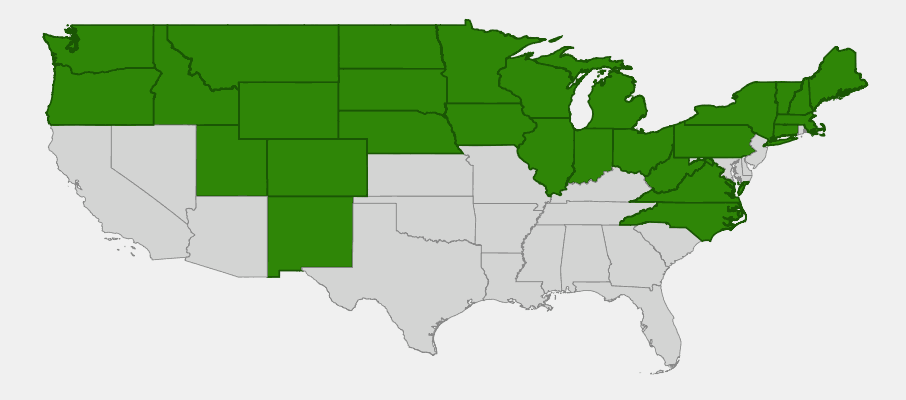
📋 Regional plant lists featuring Paper Birch: Western Oregon & Western Washington
Ecological Role
Paper Birch plays crucial roles in northern forest ecosystems as both a pioneer species and long-term forest component.
Pioneer Species Function
Following disturbances like fire, windstorms, or logging, Paper Birch is often among the first trees to colonize open areas. Its light, wind-dispersed seeds can travel long distances and germinate on mineral soil exposed by disturbance. The rapid early growth helps stabilize soils and begins the process of forest succession.
Wildlife Support
The tree supports an remarkable diversity of wildlife. Over 40 bird species feed on birch seeds, buds, or catkins. Woodpeckers often excavate nesting cavities in the soft wood, later used by secondary cavity nesters. Mammals from moose to mice utilize various parts of the tree for food and shelter.
Cultural and Historical Significance
Few trees have been as culturally important to human societies as Paper Birch, particularly among indigenous peoples of northern North America.
Birchbark Canoes
The Ojibwe, Cree, and other tribes perfected the art of birchbark canoe construction, creating vessels so effective that European explorers quickly adopted them. The bark’s unique properties—waterproof, flexible, and lightweight—made it ideal for watercraft that could be easily portaged between waterways.
Multiple Traditional Uses
Indigenous peoples found dozens of uses for Paper Birch:
- Shelter construction (bark sheets as roofing and siding)
- Container making (baskets, storage vessels, cooking pots)
- Writing material (messages carved or written on bark sheets)
- Fire starting (bark strips as tinder)
- Medicine (tea from inner bark, poultices from leaves)
- Food preparation (bark used to wrap and cook foods)
Modern Growing and Care
While challenging to grow outside its natural range, Paper Birch can be successfully cultivated in appropriate conditions.
Site Requirements
Paper Birch requires cool, moist conditions and performs poorly in hot, dry climates. It prefers well-drained, acidic to neutral soils with consistent moisture. Full sun to partial shade is acceptable, though full sun promotes the best form and bark development.
Challenges in Cultivation
The tree is susceptible to several serious pests and diseases, including bronze birch borer, which can be fatal in stressed trees. Leaf miners and birch skeletonizer can cause aesthetic damage. These problems are most severe when trees are grown outside their natural range or in stressful conditions.
Wildlife & Ecological Value
Paper Birch supports an extraordinarily diverse wildlife community throughout its range.
Bird Species
Numerous bird species depend on Paper Birch for food and nesting sites. Ruffed grouse consume the buds and catkins, while various songbirds feed on the abundant small seeds. Woodpeckers favor the relatively soft wood for excavating nesting and roosting cavities.
Mammal Relationships
Large mammals including moose, deer, and elk browse the twigs and bark, particularly during winter when other foods are scarce. The nutritious inner bark has historically been an emergency food source for both wildlife and humans during times of scarcity.
Frequently Asked Questions
Can I safely peel bark from Paper Birch trees?
Only collect bark from dead trees or fallen branches. Peeling bark from living trees can seriously damage or kill them by exposing the vulnerable inner bark to insects and disease. The bark naturally sheds in thin layers — collect these naturally shed pieces instead of stripping bark directly from the tree.
Why is my Paper Birch struggling in my garden?
Paper Birch is notoriously difficult to grow outside its native range, especially in warm or dry climates. It requires cool temperatures, consistent moisture, and well-draining acidic soil. Heat stress makes it vulnerable to bronze birch borer, a devastating pest. Consider it only if you live in USDA zones 2-6 with cool summers and adequate rainfall.
How can I tell Paper Birch apart from other white-barked birches?
Paper Birch has the whitest bark of all North American birches, with distinctive horizontal black lenticels (breathing pores). The bark peels in large sheets rather than small curls. River Birch has salmon-pink to brown bark that peels in smaller pieces, while Yellow Birch has yellowish bark with a different peeling pattern.
Do Paper Birch trees really make good firewood?
Paper Birch is excellent firewood — it burns hot and clean with minimal sparking. The bark is legendary as natural fire starter, igniting easily even when wet due to its high oil content. However, please only harvest firewood from dead trees or managed woodlots, never from landscape specimens or wild trees in protected areas.
Can Paper Birch bark really be used for writing and art projects?
Yes! The smooth, paper-like bark has been used for centuries for writing, artwork, and crafts. Indigenous peoples recorded messages, maps, and stories on birchbark sheets. Today, artists still use it for printmaking, painting, and decorative crafts. Always use naturally shed bark or bark from dead trees — never strip bark from living trees.

Looking for a nursery that carries Paper Birch?
Browse our native plant nursery directory: Oregon · Washington