Piedmont Azalea (Rhododendron canescens)
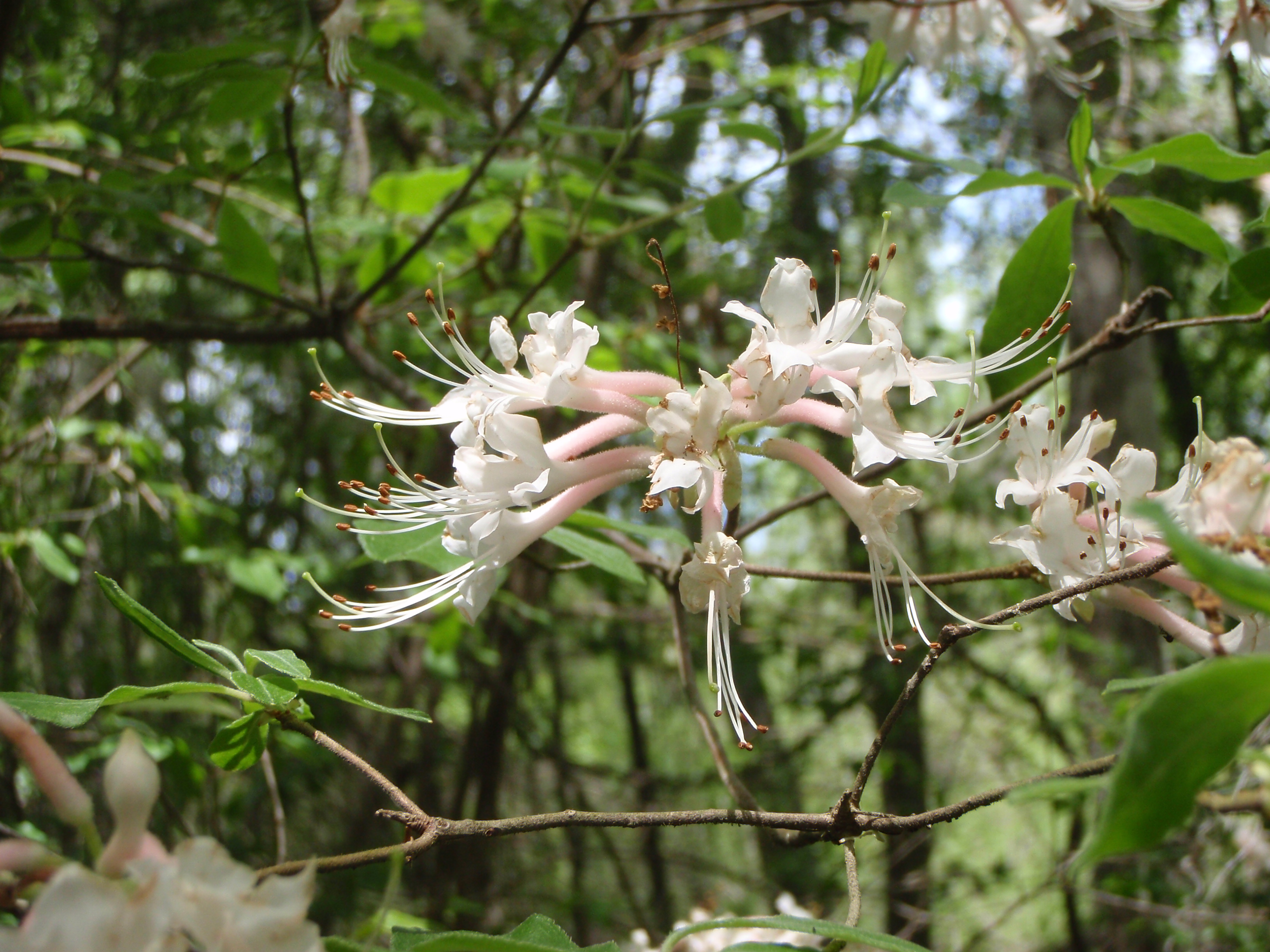
Rhododendron canescens, commonly known as Piedmont Azalea, Hoary Azalea, or Wild Azalea, is perhaps the most widely distributed and beloved native azalea of the southeastern United States. Unlike the flashy, large-flowered cultivated azaleas that dominate suburban landscapes, this graceful native deciduous shrub offers something the cultivars cannot match: an enchanting, sweet fragrance that drifts through entire woodland hollows in early spring, combined with delicate clusters of white to pale pink tubular flowers that appear before or with the emerging leaves, creating an ethereal spring display.
A member of the Ericaceae (heath) family, Piedmont Azalea grows 6 to 15 feet tall in the wild, typically as a multi-stemmed, loosely branched shrub found in the understory of moist to dry-moist deciduous and mixed forests, along stream banks, and in sandy pine flatwoods throughout the Southeast. Its native range extends from Delaware and New Jersey through Virginia, the Carolinas, and Georgia into Florida, westward through Alabama, Mississippi, Louisiana, and Arkansas into eastern Texas and Oklahoma, with populations in Kentucky and Tennessee.
The Piedmont Azalea blooms from late March through May — typically just before or as the leaves unfurl — creating a delicate, almost translucent effect as the soft pink and white flowers emerge against bare branches. The combination of abundant fragrance, graceful form, and spring bloom timing makes it one of the most important and rewarding native shrubs for woodland and naturalistic gardens throughout the Southeast and Mid-South.
Identification
Piedmont Azalea is one of several native deciduous azaleas in eastern North America. It can be distinguished from related species by its combination of fragrant flowers, hairy (canescent) foliage and flower tubes, and relatively early bloom time. The botanical epithet canescens refers to the characteristic grayish hairiness of the stems and foliage.
Bark & Stems
The bark is gray-brown to brown, thin, and somewhat shreddy on older stems. Young stems are covered in dense grayish hairs — this hairiness is the source of the name “Hoary Azalea” and the scientific epithet canescens. The shrub typically develops a multi-stemmed, open, somewhat irregular form, and may gradually spread by root suckering to form loose colonies in favorable conditions.
Leaves
The leaves are deciduous, alternate, elliptic to obovate, and 1 to 3 inches long, with margins that are entire or slightly wavy. Both surfaces are somewhat hairy, particularly the lower surface, giving the foliage a soft, grayish-green texture. Leaves emerge during or just after flowering. Fall color is variable but often attractive, ranging from yellow to orange-red. The leaves have a slightly musky or medicinal scent when crushed.
Flowers
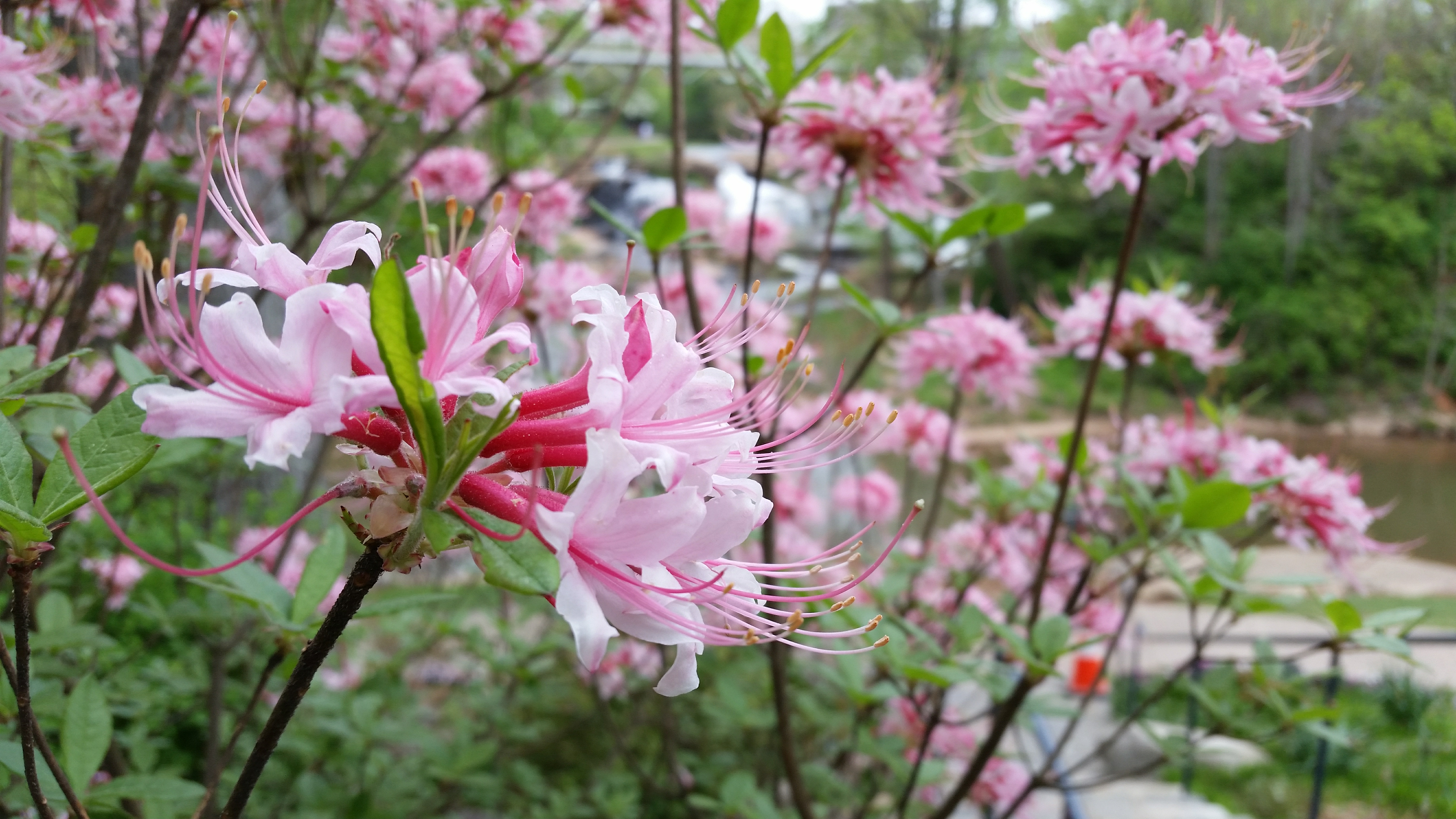
The flowers are the plant’s defining ornamental feature: fragrant, funnel-shaped (trumpet-shaped), about 1 to 1½ inches long, with five flaring petals that are white to pale pink or deep pink. The five long stamens and single style protrude conspicuously beyond the flower tube, giving the blooms an elegant, whiskered appearance. Flowers are borne in terminal clusters of 6–15 blooms before or with the emerging leaves. The fragrance is sweet and clove-like, notably stronger in the morning and evening. Bloom time varies from mid-March to mid-May depending on location and elevation.
Quick Facts
| Scientific Name | Rhododendron canescens |
| Family | Ericaceae (Heath) |
| Plant Type | Deciduous Shrub |
| Mature Height | 6–15 ft |
| Sun Exposure | Part Shade to Full Shade |
| Water Needs | Moderate |
| Bloom Time | March – May (before or with emerging leaves) |
| Flower Color | White to pale pink or deep pink; fragrant |
| Fragrance | Sweet, clove-like; notable in morning and evening |
| Fall Color | Yellow to orange-red |
| USDA Hardiness Zones | 5–9 |
Native Range
Piedmont Azalea has one of the widest native ranges of any deciduous azalea in eastern North America, extending from the mid-Atlantic coastal plain states southward through the entire Southeast and Gulf Coast region. Its range encompasses Delaware, New Jersey, Pennsylvania, Virginia, the Carolinas, Georgia, Florida, Alabama, Mississippi, Louisiana, Arkansas, eastern Texas and Oklahoma, with populations in Kentucky, Tennessee, and Maryland.
Within its native range, Piedmont Azalea occupies a broad range of habitats — from moist, acidic stream bottoms and pond margins in the coastal plain to drier sandy pine flatwoods and upland pine-oak forests. It is characteristic of the understory layer in acidic, well-drained to moderately moist soils throughout the Coastal Plain and Piedmont regions. In the Appalachian foothill and Cumberland Plateau regions of Kentucky and Tennessee, it tends to favor moist, sheltered ravines and north-facing slopes.
The species displays considerable natural variation across its range, particularly in flower color (ranging from nearly pure white to deep pink) and flowering phenology. Plants from the southern portion of the range tend to bloom earlier; northern and higher-elevation populations bloom later. This natural variation makes Piedmont Azalea a diverse and visually interesting species throughout its range.
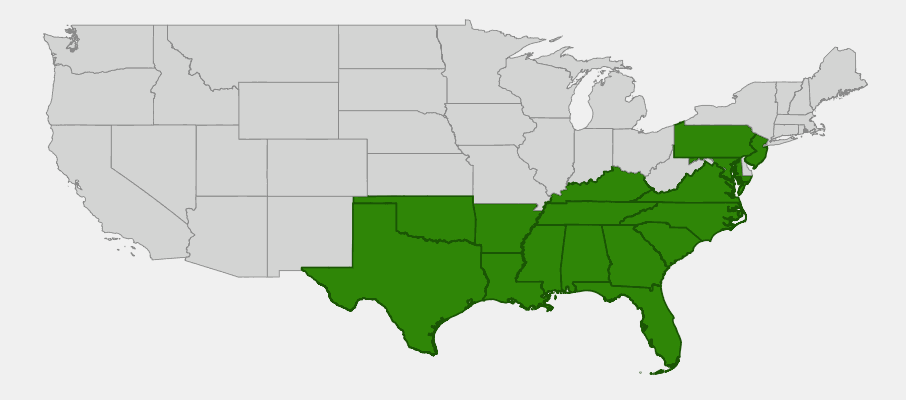
📋 Regional plant lists featuring Piedmont Azalea: Kentucky & Tennessee
Growing & Care Guide
Piedmont Azalea is far easier to grow than its reputation suggests, provided you meet its two non-negotiable requirements: acidic soil and consistently moist (but well-drained) conditions. Once established in the right site, it is a vigorous, long-lived shrub with minimal care requirements.
Light
Piedmont Azalea naturally grows in part shade to full shade in the forest understory and performs best in similar garden conditions — dappled light, light shade, or morning sun with afternoon shade. Unlike many azalea cultivars, it is well-adapted to the deep shade found under tall hardwoods. In full sun, it requires consistent moisture and may show foliage stress during the hottest summer periods. The best flowering occurs in bright indirect light or light shade.
Soil & Water
Like all native azaleas and rhododendrons, Piedmont Azalea demands acidic soil — pH 4.5 to 6.0 is ideal. Amend alkaline soils with sulfur or plant in raised beds filled with acid-amended soil mixes. The soil must be well-drained but consistently moist; the plant does not tolerate waterlogging (unlike Deciduous Holly) but equally dislikes drought. A rich, humus-y, leaf-litter-amended soil closely mimics the forest floor conditions where the plant thrives. Mulch with 2–4 inches of pine bark, pine straw, or shredded oak leaves to maintain soil acidity and moisture.
Planting Tips
Plant in fall or spring in a sheltered location with protection from harsh afternoon sun and desiccating winter winds. The shallow, fibrous root system is easily damaged — handle root balls carefully and avoid deep planting (set the crown at or slightly above soil level). Space plants 6–10 feet apart to allow for their natural spreading habit. Never use lime or wood ash around native azaleas — these will raise soil pH and can kill the plant.
Pruning & Maintenance
If pruning is needed, do so immediately after flowering — Piedmont Azalea sets its flower buds for the following year by late summer, and pruning after July will remove next year’s blooms. Remove any dead or winter-damaged wood in spring. The plant requires no regular pruning to maintain its natural form, which is part of its considerable charm. Avoid fertilizing with high-phosphorus fertilizers; acid-formulated rhododendron fertilizers applied in spring are appropriate if the soil is naturally poor.
Landscape Uses
- Woodland gardens — perfect for naturalistic plantings beneath high deciduous canopies
- Fragrance gardens — the sweet spring scent fills entire garden areas
- Native shrub borders — spectacular in spring when combined with native ferns and wildflowers
- Pollinator gardens — critical early spring nectar source for hummingbirds and native bees
- Shade gardens — one of the best native flowering shrubs for shaded conditions
- Riparian plantings — naturalizes beautifully along stream corridors in acidic soils
Wildlife & Ecological Value
Piedmont Azalea is a high-value native plant for wildlife, particularly during its spring bloom period when nectar sources are critical for early-season pollinators and returning hummingbirds.
For Birds
Ruby-throated Hummingbirds are important visitors and pollinators of Piedmont Azalea’s tubular flowers, which produce abundant nectar accessible to hummingbirds but difficult for short-tongued bees to reach. The early spring bloom coincides with the arrival of hummingbirds in Kentucky and Tennessee (late April–early May), providing a critical early nectar source for newly arrived birds. The dense multi-stemmed growth habit provides valuable nesting habitat and protective cover for a variety of woodland songbirds.
For Mammals
Important note: all parts of Piedmont Azalea (and all rhododendrons and azaleas) contain toxic compounds — grayanotoxins — that are harmful to livestock, dogs, cats, and humans. White-tailed deer and rabbits generally avoid browsing the foliage due to these compounds, making this a good choice for deer-prone gardens. The toxicity of the plant to livestock is well-documented and it should not be planted in pastures.
For Pollinators
Piedmont Azalea is an exceptionally important early spring nectar plant for bumblebee queens (which emerge from hibernation in March–April and depend on early flowers), native bees, and long-tongued bees such as bumble bees that can force their way into the tubular flowers. The Palamedes Swallowtail butterfly is a notable visitor. Native long-tongued bee species are particularly important pollinators and engage in a fascinating relationship with the long-tubed flowers.
Ecosystem Role
Piedmont Azalea is an important structural and functional component of southeastern forest understory communities. Its deep root system helps prevent erosion on slopes and stream banks. As a member of the Ericaceae, it forms mycorrhizal associations with ericoid mycorrhizal fungi that are essential for nutrient uptake in acidic, nutrient-poor soils. These same fungi support a diverse community of other ericaceous plants (blueberries, huckleberries, mountain laurel) that share the same mycorrhizal networks.
Cultural & Historical Uses
Like many azaleas and rhododendrons, Piedmont Azalea has a complex relationship with human culture. Indigenous peoples throughout the Southeast were well aware of the plant’s toxic properties — the Cherokee, Choctaw, and other nations documented the plant’s ability to cause illness and used it cautiously, if at all, in very controlled medicinal applications. Honey made from azalea nectar (sometimes called “mad honey”) can cause toxic symptoms in humans, and the plant has been associated with livestock poisoning throughout its range.
Despite its toxicity, Piedmont Azalea was quickly appreciated by European botanists and horticulturists for its extraordinary ornamental value. The Swedish botanist Peter Kalm collected specimens during his travels in North America in the 1740s, and the plant was soon being cultivated in European botanical gardens. The 18th-century botanist William Bartram described the beauty of flowering azaleas in his Travels, helping to establish their reputation as among the most beautiful native shrubs of the American continent.
Today, Piedmont Azalea is increasingly recognized as one of the best native shrubs for southeastern and mid-south gardens. The native plant landscaping movement has highlighted its superior ecological value compared to non-native Asian azalea cultivars, which dominate suburban plantings but provide minimal wildlife value. Native plant nurseries throughout Kentucky, Tennessee, and the Southeast offer Piedmont Azalea, and it is experiencing a well-deserved renaissance in landscape design as gardeners prioritize both beauty and ecological function.
Frequently Asked Questions
Is Piedmont Azalea toxic?
Yes — like all rhododendrons and azaleas, Piedmont Azalea contains grayanotoxins that are toxic to humans, livestock, dogs, and cats if ingested. Symptoms include salivation, vomiting, dizziness, and in severe cases, irregular heartbeat. Never eat any part of the plant. The honey produced from azalea nectar is also toxic (“mad honey”). Despite this, the plant is safe to touch and handle normally, and its toxicity to deer makes it advantageous in deer-prone areas.
Can I grow Piedmont Azalea in heavy clay soil?
With amendments, yes — but it requires work. Mix generous amounts of organic matter and coarse sand into the planting area to improve drainage, and ensure the crown is planted at or slightly above grade. Alternatively, use raised beds filled with acid-amended planting mix. The critical factors are good drainage and acidic pH; heavy clay that stays wet or drains poorly will kill the plant. Raised beds are often the best solution for clay soils.
How do I increase the fragrance of my Piedmont Azalea?
The fragrance is naturally strongest in the morning and evening, and on warm, calm days. There is no way to increase the plant’s natural fragrance, but you can maximize your enjoyment of it by: (1) planting near a seating area or path you walk regularly, (2) planting in a slightly sheltered location where the fragrance concentrates rather than dissipating in wind, and (3) choosing locally sourced plants from populations known for strong fragrance (fragrance varies naturally between individual plants).
What native plants can I combine with Piedmont Azalea?
Excellent companions that share similar acidic, moist, partly shaded conditions include: Highbush Blueberry (Vaccinium corymbosum), Mountain Laurel (Kalmia latifolia), Sweetshrub (Calycanthus floridus), Wild Hydrangea (Hydrangea arborescens), and native ferns including Cinnamon Fern, Christmas Fern, and Royal Fern. As a groundcover under the azalea canopy, wild ginger (Asarum canadense) or foamflower (Tiarella cordifolia) work beautifully.
My Piedmont Azalea is not blooming — what’s wrong?
Bloom failure is usually caused by one of several factors: (1) Too much shade — a common cause, especially if nearby trees have grown up since planting. (2) Pruning at the wrong time — pruning after July removes the following year’s flower buds. (3) Wrong soil pH — alkaline or neutral soil stresses the plant and reduces flowering. Test your soil and acidify if needed. (4) Excessive nitrogen fertilizer — promotes foliage growth at the expense of flowers. (5) Drought stress — if the plant is dry during bud set in summer, next year’s flowering is reduced.