
Rough Blazing Star (Liatris aspera)
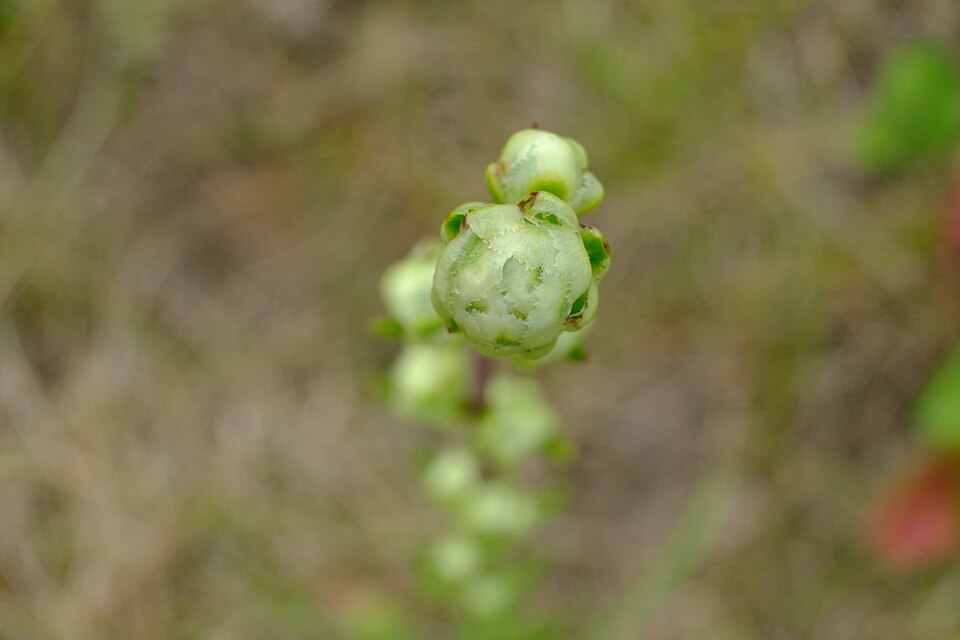
Liatris aspera, commonly known as Rough Blazing Star, Button Blazing Star, or Lacerate Blazing Star, is a striking native perennial that brings dramatic late-summer color and exceptional wildlife value to prairie gardens and naturalized landscapes across much of central and eastern North America. This member of the Asteraceae (sunflower) family is beloved for its distinctive tall spikes of fluffy purple flowers that bloom uniquely from top to bottom — opposite the pattern of most flowering plants — creating a spectacular display from August through September when many other wildflowers are beginning to fade.
Growing naturally in the challenging environments of tallgrass prairies, oak savannas, and sandy woodlands, Rough Blazing Star has evolved remarkable drought tolerance and an ability to thrive in poor soils where many other plants struggle. The plant typically reaches 1 to 4 feet tall, forming clumps of narrow, grass-like leaves that provide an attractive backdrop for the showy flower spikes. The rough, hairy texture of the leaves — which gives the plant its common name — helps it conserve moisture and withstand the intense sun and wind of its native prairie habitat.
What makes Rough Blazing Star particularly valuable in ecological gardens is its late-season blooming period and its exceptional ability to support butterflies, bees, and other pollinators at a critical time when nectar sources are becoming scarce. Monarch butterflies are especially drawn to the flowers during their fall migration, making Rough Blazing Star an essential component of butterfly gardens and pollinator corridors throughout its range. The plant also serves as a host for several specialist insects and provides seeds that sustain birds through fall and winter, cementing its role as a keystone species in healthy prairie ecosystems.
Identification
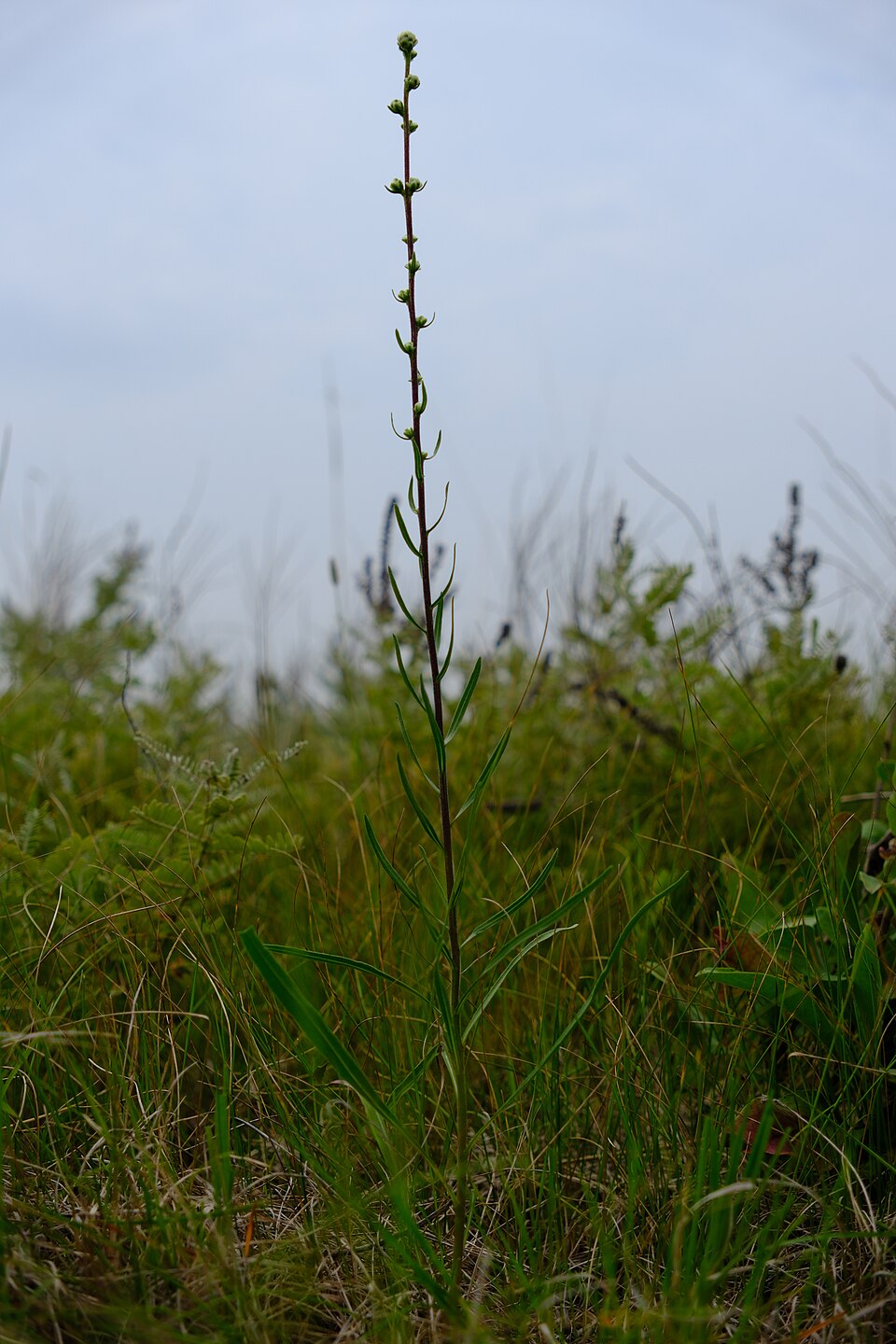
Rough Blazing Star is an herbaceous perennial that forms clumps from a prominent taproot system and underground corm (a bulb-like storage organ). This storage structure allows the plant to survive prairie fires, droughts, and harsh winters, re-emerging vigorously each spring. The plant typically reaches 1 to 4 feet tall, though exceptional specimens may grow slightly taller in ideal conditions.
Leaves
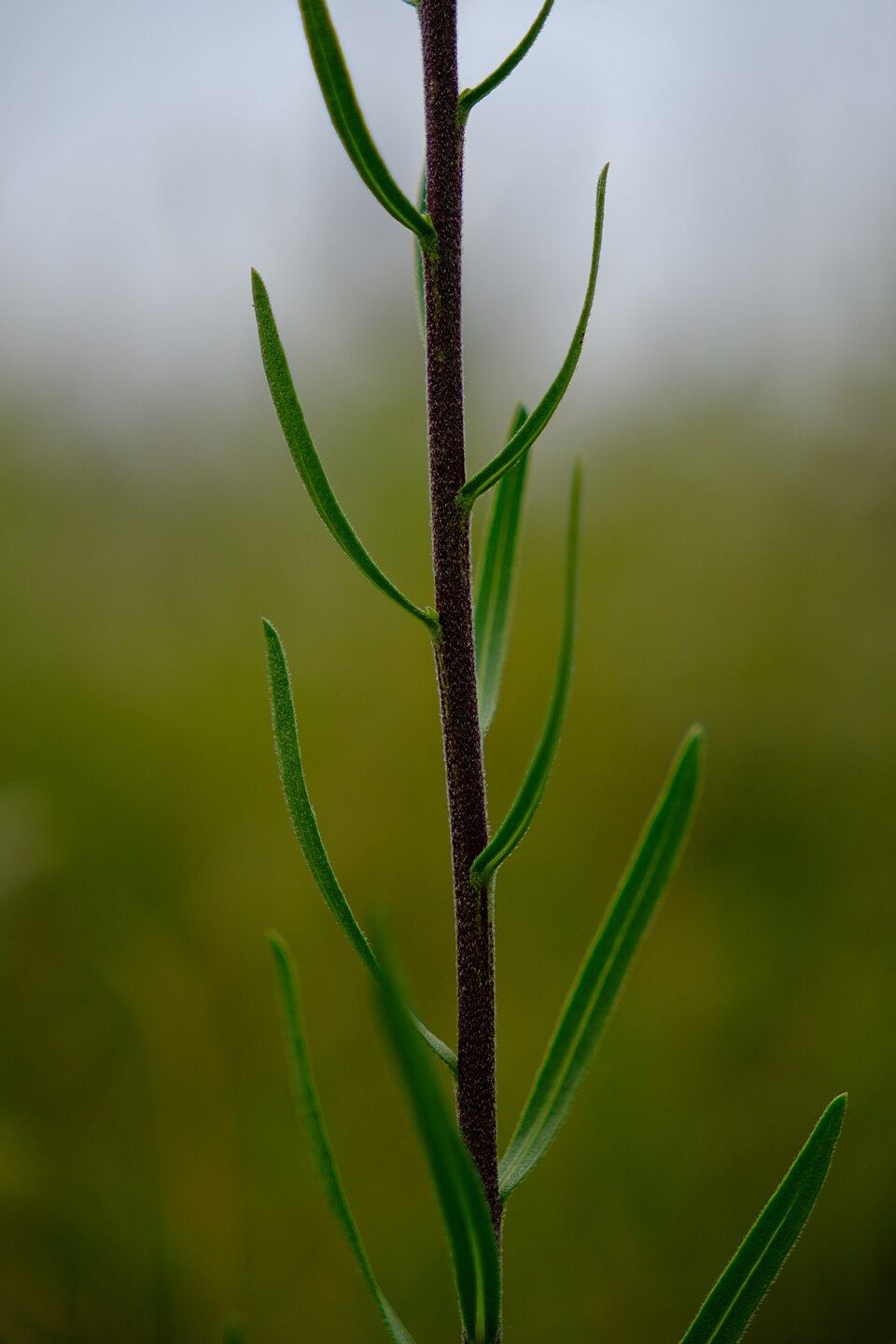
The leaves are one of Rough Blazing Star’s most distinctive features — narrow, linear, and arranged alternately along the stem, resembling grass blades more than typical wildflower foliage. Each leaf is 2 to 8 inches long and ¼ to ½ inch wide, with parallel venation and a rough, hairy texture that gives the species its common name. The leaves are sessile (directly attached to the stem without petioles) and become progressively smaller toward the top of the plant. This grass-like foliage helps the plant blend seamlessly into prairie grassland communities while conserving moisture in the challenging prairie environment.
Flowers
The flowers are Rough Blazing Star’s crowning glory — arranged in tall, dense, cylindrical spikes (racemes) that can extend 6 to 18 inches above the foliage. What makes these flower spikes truly unique is their blooming pattern: flowers open from the top of the spike downward, the reverse of most plants. Individual flower heads are composed entirely of disc flowers (no ray petals), each about ¼ to ½ inch across, with prominent purple to pink stamens and styles that create the characteristic “fuzzy” appearance. The flowers are typically a rich purple-pink color, though occasional white forms exist. Each spike contains dozens of individual flower heads, creating a spectacular display that lasts for several weeks.
Seeds
After flowering, Rough Blazing Star produces small, dark achenes (seed-like fruits) topped with feathery white pappus that aids in wind dispersal. The seeds are about ¼ inch long, narrow and angular, with a bristly pappus that can extend twice the length of the seed itself. This dispersal mechanism allows the seeds to travel considerable distances on prairie winds, helping the species colonize suitable habitat across the landscape.
Quick Facts
| Scientific Name | Liatris aspera |
| Family | Asteraceae (Sunflower) |
| Plant Type | Herbaceous Perennial |
| Mature Height | 1–4 ft |
| Sun Exposure | Full Sun |
| Water Needs | Low to Moderate |
| Bloom Time | August – September |
| Flower Color | Purple-pink |
| USDA Hardiness Zones | 3–9 |
Native Range
Rough Blazing Star has an extensive native range across much of central and eastern North America, stretching from the Great Plains eastward to the Atlantic Coast and from southern Canada south to the Gulf Coast states. This broad distribution reflects the species’ remarkable adaptability to diverse soil types, climate conditions, and ecological communities. The plant is most abundant in the tallgrass prairie regions of the Midwest, where it serves as a characteristic species of the diverse wildflower community that defines these ecosystems.
In its natural habitat, Rough Blazing Star is found in a variety of environments including tallgrass prairies, oak savannas, prairie edges, sandy woodlands, and occasionally in more open pine forests. It shows particular affinity for well-drained, sandy or loamy soils but demonstrates impressive tolerance for clay soils and both drought and periodic flooding. This ecological flexibility has allowed it to persist across much of its historical range despite extensive habitat conversion and fragmentation.
The species occurs from near sea level in coastal areas to moderate elevations in the Appalachian foothills, typically below 1,500 feet elevation. It is particularly common in the prairie-forest transition zones where it thrives in the dynamic edge environments between grasslands and woodlands. Fire plays an important role in maintaining suitable habitat for Rough Blazing Star, and the species is well-adapted to regular burning cycles that historically characterized prairie and savanna ecosystems.
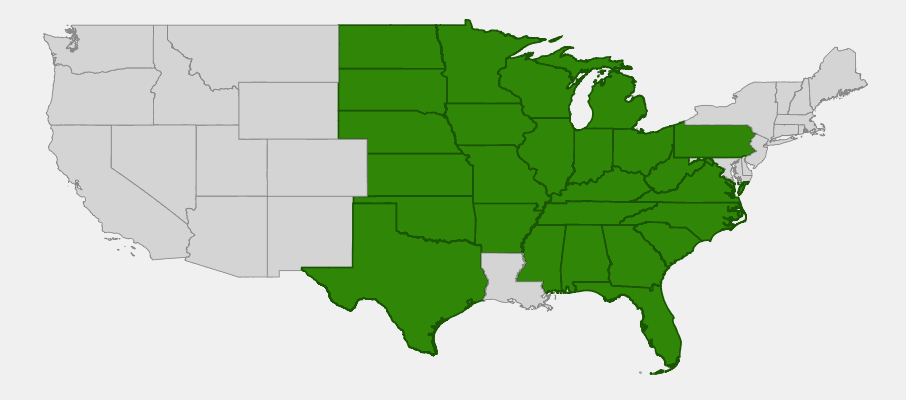
📋 Regional plant lists featuring Rough Blazing Star: North Dakota, South Dakota & Western Minnesota
Growing & Care Guide
Rough Blazing Star is an excellent choice for gardeners seeking low-maintenance, drought-tolerant perennials with exceptional late-season color and wildlife value. Once established, it thrives with minimal care and provides years of reliable blooms that support countless butterflies and other pollinators.
Light
Rough Blazing Star performs best in full sun, where it develops the most compact growth habit, strongest stems, and heaviest flowering. It requires at least 6–8 hours of direct sunlight daily for optimal performance. In partial shade, plants become tall and floppy, may require staking, and produce fewer flowers. The plant’s prairie origins have adapted it for intense sunlight, and anything less than full sun will compromise its performance.
Soil & Water
One of Rough Blazing Star’s greatest assets is its adaptability to challenging soil conditions. It thrives in sandy, loamy, or clay soils as long as drainage is adequate. The plant is extremely drought-tolerant once established, thanks to its deep taproot and underground corm that store water and nutrients. It actually prefers lean, infertile soils and may become floppy and overgrown in rich, heavily fertilized conditions. Avoid planting in areas that stay wet, as this can lead to root and corm rot.
Planting Tips
Rough Blazing Star can be grown from seed, division, or nursery plants. Seeds require 30–60 days of cold stratification and should be surface-sown in fall or early spring. Germination can be sporadic, so be patient. Division is best done in early spring when new growth appears — carefully dig up clumps and separate the individual corms. Space plants 12–18 inches apart to allow for mature spread. The plant develops slowly in its first year but establishes a strong root system that supports vigorous growth in subsequent years.
Pruning & Maintenance
Rough Blazing Star is virtually maintenance-free. Deadheading spent flower spikes will extend blooming slightly and prevent excessive self-seeding, but many gardeners prefer to leave the seed heads for winter interest and bird food. The plant naturally dies back to the ground each winter and emerges reliably in spring. Avoid fertilizing, which can cause weak, floppy growth. The only regular maintenance needed is dividing clumps every 4–5 years to prevent overcrowding and maintain vigor.
Landscape Uses
Rough Blazing Star excels in multiple garden situations:
- Prairie and meadow gardens — essential component of authentic grassland plantings
- Pollinator gardens — critical late-season nectar source for butterflies and bees
- Perennial borders — provides dramatic vertical accent and late-summer color
- Xeriscaping — excellent drought-tolerant option for water-wise gardens
- Cut flower gardens — spectacular in fresh arrangements and dried bouquets
- Naturalized areas — perfect for low-maintenance, wildlife-friendly plantings
- Rain gardens — tolerates both wet and dry periods
- Butterfly gardens — particularly valuable during Monarch migration period
Wildlife & Ecological Value
Rough Blazing Star ranks among the most ecologically valuable native plants in North America, serving as a critical late-season resource for pollinators and providing important habitat and food sources for numerous wildlife species.
For Birds
The abundant seeds produced by Rough Blazing Star are eagerly consumed by numerous bird species throughout fall and winter. American Goldfinches are particularly fond of the seeds and can often be seen clinging to the dried flower heads, extracting seeds with their specialized bills. Other frequent visitors include Pine Siskins, House Finches, Purple Finches, Indigo Buntings, and various sparrows. The sturdy seed stalks persist through winter, providing continued foraging opportunities when other seed sources become scarce. Many seed-eating birds also collect the fluffy pappus for nest-building material.
For Mammals
While large mammals don’t typically browse heavily on Rough Blazing Star, small mammals including chipmunks, ground squirrels, and various mice species collect and cache the nutritious seeds. White-tailed deer occasionally browse the foliage, particularly during drought periods, but the plant’s rough texture and somewhat bitter taste make it less preferred than many other wildflowers. The clumping growth habit provides cover for small rodents and ground-nesting birds.
For Pollinators
This is where Rough Blazing Star truly excels. The plant is a magnet for butterflies, particularly during its August–September blooming period when many other nectar sources are diminishing. Monarch butterflies are especially drawn to the flowers during their fall migration southward, making Rough Blazing Star essential for Monarch conservation efforts. Other frequent butterfly visitors include Painted Ladies, Red Admirals, Great Spangled Fritillaries, and various skippers and blues. Native bees, including bumblebees, sweat bees, and leafcutter bees, are also regular visitors, as are beneficial wasps, hover flies, and bee flies.
Ecosystem Role
In prairie and savanna ecosystems, Rough Blazing Star serves multiple ecological functions. Its late-season blooming extends the nectar season for pollinators, providing critical resources during the fall migration period. The plant is well-adapted to fire, resprouting vigorously from its underground corm after burning, and actually benefits from periodic fires that reduce competing vegetation. As a deep-rooted plant, it helps improve soil structure and brings nutrients from deep soil layers to the surface. The species also serves as a host plant for several specialist insects, including the larvae of certain moths and the Blazing Star Root Borer beetle, contributing to the complex web of biodiversity that characterizes healthy prairie ecosystems.
Cultural & Historical Uses
Rough Blazing Star holds a significant place in the cultural traditions of Indigenous peoples across the Great Plains and eastern woodlands, valued both for its medicinal properties and spiritual significance. Various Native American tribes, including the Lakota, Cheyenne, Cherokee, and Menominee, used different parts of the plant to treat a wide range of ailments. The roots and corms were particularly prized, often prepared as teas or poultices to treat kidney and bladder problems, digestive issues, and respiratory ailments.
The plant’s distinctive appearance and late-summer blooming made it an important ceremonial plant for many tribes. Some Plains tribes incorporated Rough Blazing Star into rituals related to the changing seasons, using the dramatic flower spikes in ceremonies marking the transition from summer to fall. The Cheyenne used the plant in various medicinal preparations, while the Lakota employed it in treating wounds and skin conditions. The feathery seeds were sometimes used decoratively in clothing and ceremonial objects.
European settlers arriving in prairie regions quickly noticed Rough Blazing Star’s striking appearance and began incorporating it into their own folk medicine practices. Pioneer women often gathered the roots for treating “female complaints” and used teas made from the plant to treat coughs, colds, and digestive problems. The plant’s common name “blazing star” reflects its dramatic appearance when in full bloom — a sight that could be seen from great distances across the open prairie.
During the 19th century, Rough Blazing Star and related species became popular in formal gardens and were among the first North American wildflowers to be widely cultivated in European gardens. The plant’s drought tolerance and spectacular late-season bloom made it particularly valued in Victorian-era gardens, where it was often featured in large perennial borders and cutting gardens. This early cultivation helped preserve genetic diversity of the species even as wild populations declined due to prairie conversion.
In modern times, Rough Blazing Star has become a symbol of prairie conservation and restoration efforts. Its inclusion in native plant gardens and restoration projects represents not just aesthetic choice but a commitment to preserving the ecological heritage of North America’s grasslands. The plant’s critical role in supporting Monarch butterflies has given it particular importance in conservation discussions, and it is now widely recognized as an essential component of pollinator corridors and wildlife-friendly landscaping throughout its range.
Frequently Asked Questions
Why do Rough Blazing Star flowers bloom from top to bottom?
This unique blooming pattern, called “acropetal” flowering, may have evolved to extend the plant’s attractiveness to pollinators over a longer period. By opening flowers progressively down the spike over several weeks, the plant maintains a consistent nectar source and visual appeal, maximizing its chances of successful pollination and seed set.
How long does it take for Rough Blazing Star to bloom from seed?
Rough Blazing Star typically takes 2–3 years to reach blooming size from seed. The first year, plants focus on developing their root system and underground corm. The second year usually produces larger foliage but may not flower. Full, spectacular blooming typically begins in the third year and improves with age.
Can I divide Rough Blazing Star, and when should I do it?
Yes, division is the best way to propagate established plants. Divide in early spring just as new growth appears, typically April or early May. Carefully dig up clumps and separate individual corms, ensuring each division has roots attached. Replant immediately and water well until established.
Will Rough Blazing Star spread and take over my garden?
No. Rough Blazing Star spreads very slowly through underground corms and occasional self-seeding. It forms well-behaved clumps that expand gradually over many years. While it may self-seed in ideal conditions, seedlings are easy to remove if unwanted, and the plant is not considered invasive.
Is Rough Blazing Star the same as other Liatris species?
Rough Blazing Star is one of about 40 species in the genus Liatris, each with slightly different characteristics and habitat preferences. L. aspera is distinguished by its rough, hairy leaves and relatively few, large flower heads per spike. Other common species include Dense Blazing Star (L. spicata) with many small flower heads, and Prairie Blazing Star (L. pycnostachya) with very dense, cylindrical spikes.

Looking for a nursery that carries Rough Blazing Star?
Browse our native plant nursery directory: North Dakota · South Dakota · Minnesota