Slough Sedge (Carex obnupta)
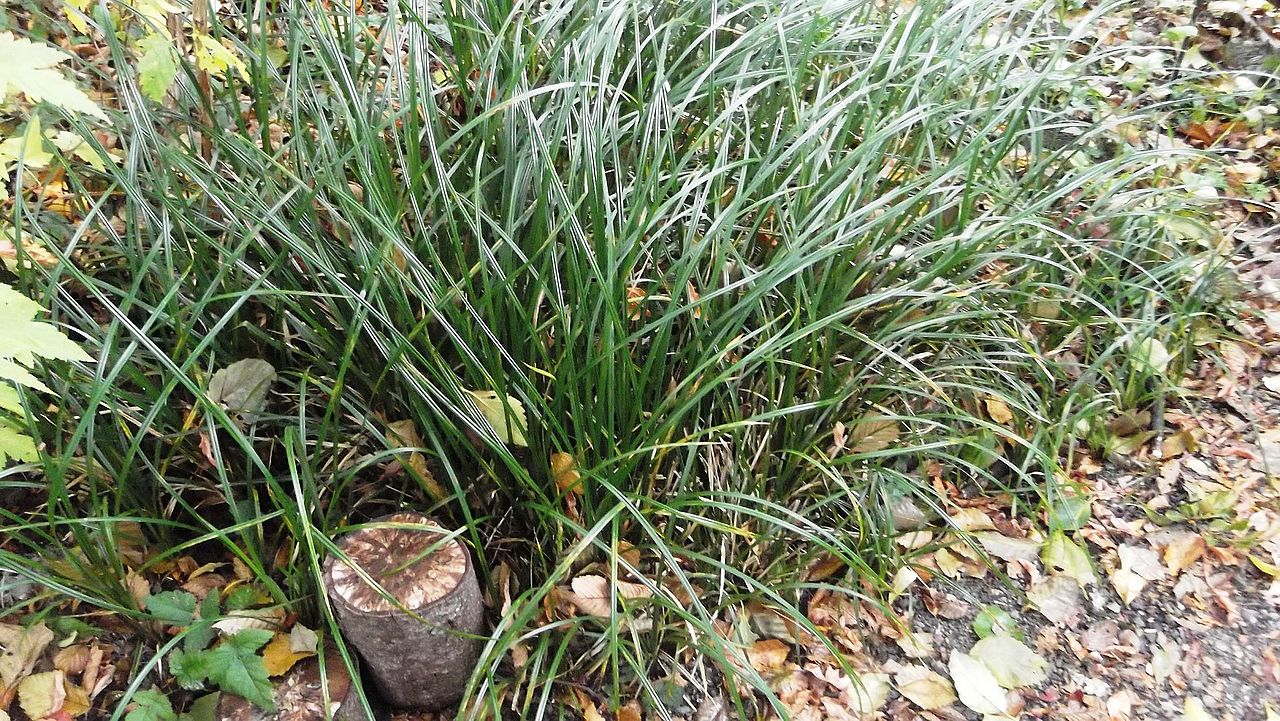
Carex obnupta, known as Slough Sedge, is the workhorse wetland sedge of the Pacific coast — the plant you find anchoring the edges of nearly every slough, marsh, streambank, and seasonally wet ditch from British Columbia to central California. It belongs to the Cyperaceae (sedge family) and forms large, dense, arching clumps of glossy, dark green leaves that stay attractive through the growing season and well into winter. Where other wetland plants go dormant and brown, Slough Sedge often remains a steady patch of green structure.
This is not a dainty accent plant. Mature clumps can send up leaves and flowering culms reaching 2 to 4 feet, and established colonies spread by rhizome to form substantial, weed-suppressing stands. That vigor is exactly why it is so widely used in Pacific Northwest rain gardens, bioswales, and wetland mitigation projects — few native sedges establish as reliably or hold a wet or seasonally wet bank as well.
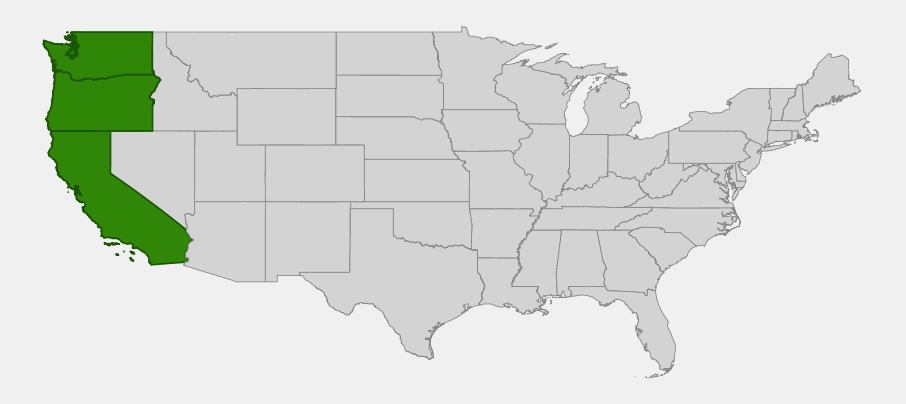
Slough Sedge is native to the immediate Pacific coast and nearby lowlands of Washington, Oregon, and California, generally staying within reach of coastal fog, maritime rainfall, or river floodplains. It does not range east of the Cascades or Coast Ranges into the continent’s dry interior, and gardeners outside its coastal native range should treat it as a regional specialty rather than a plant for inland gardens.
Identification
Slough Sedge forms large, coarse, rhizomatous clumps of evergreen foliage, typically 2 to 4 feet tall, with leaves often slightly exceeding the flowering stems in length. The leaves are dark green, somewhat glossy, V-shaped to flat in cross-section, and relatively wide for a native sedge — around ¼ to ½ inch across — giving clumps a dense, coarse-textured look distinct from the fine-leaved turf sedges.
Stems
Flowering culms are sharply triangular, as in all true sedges, and rise well above the basal leaf clump in spring. The stems are stiff enough to stand upright even in exposed, windy coastal sites, though older clumps often lean and arch outward under their own weight.
Flowers & Fruit
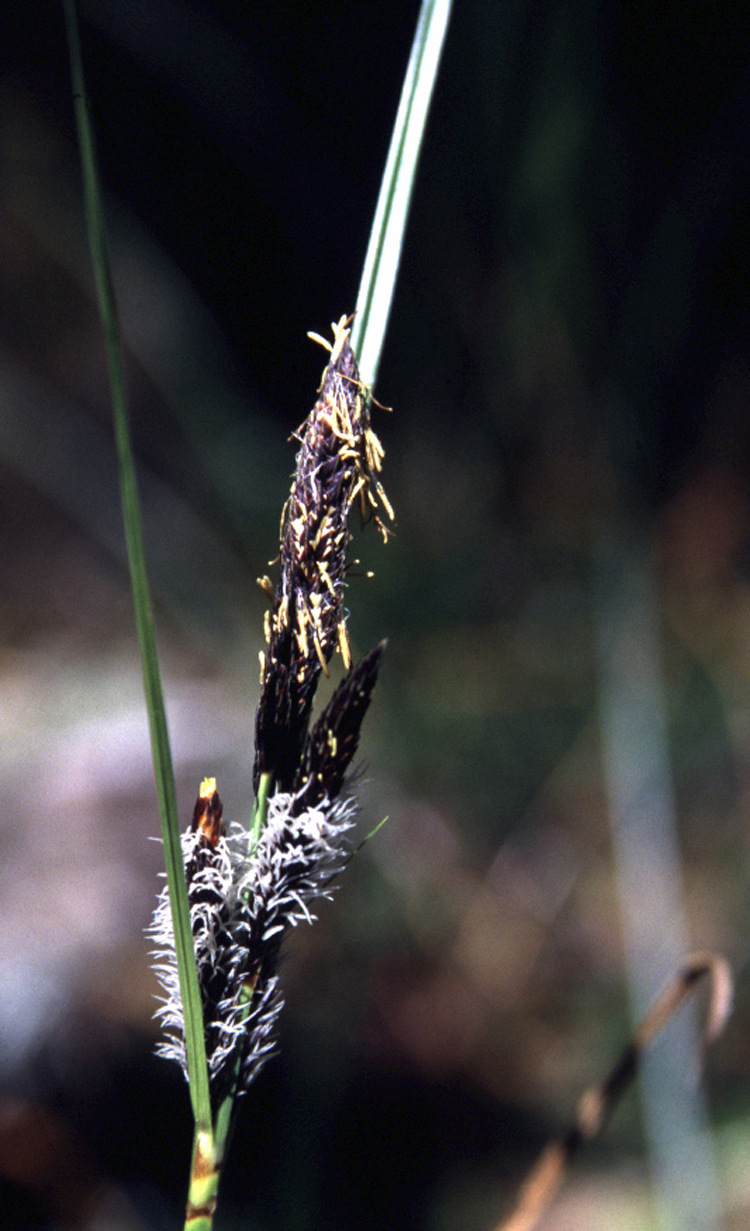
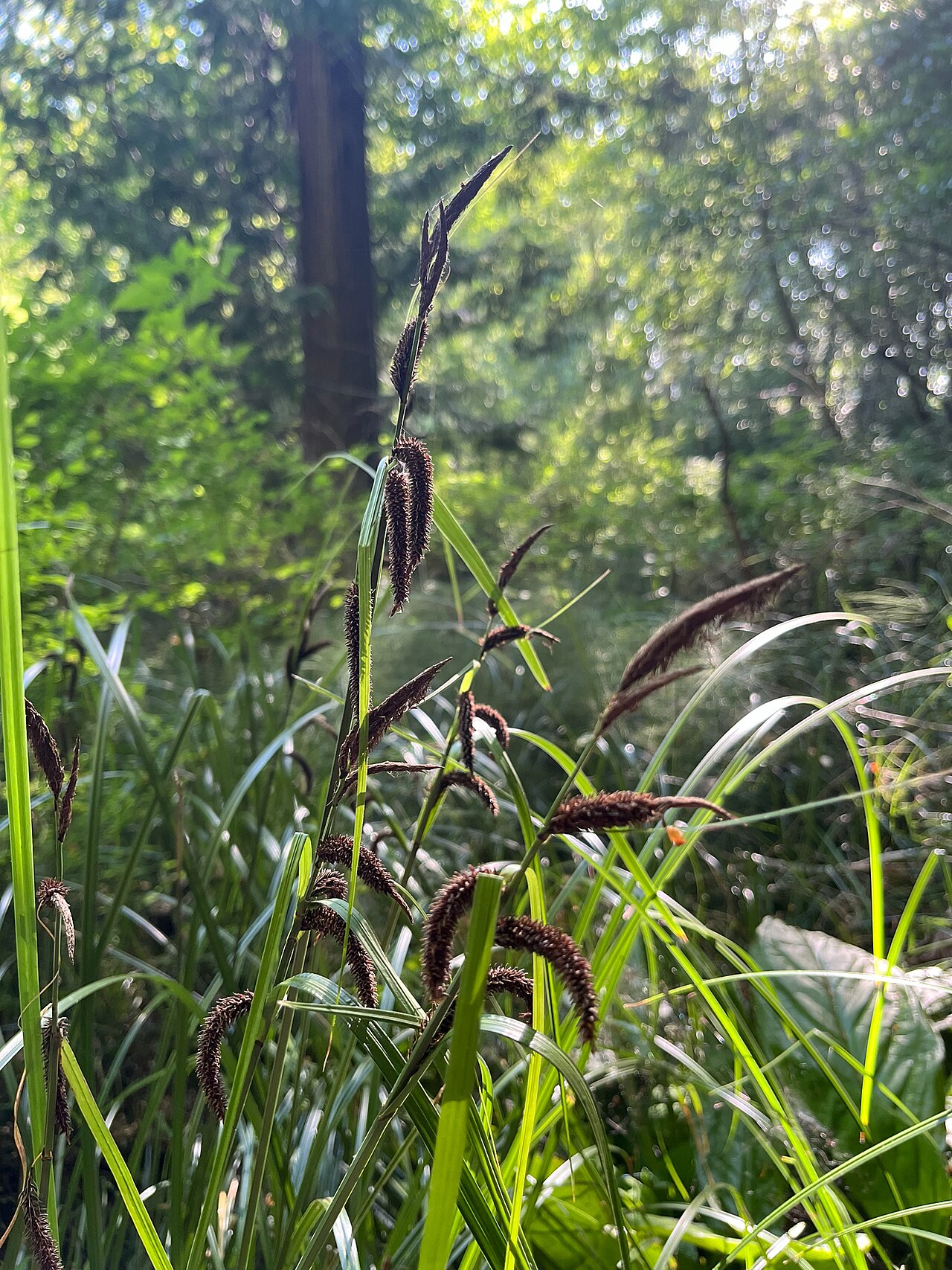
Slough Sedge blooms in spring, typically April into June. Each stem carries several long, narrow, pendant spikes — the upper, male spikes are slender and pale, while the lower, female spikes are thicker, cylindrical, and matte blackish-brown at maturity, giving the whole inflorescence a dark, almost sooty look that is highly distinctive in the field. The individual perigynia (seed sacs) are small, flattened, and olive to blackish, packed densely along each drooping spike. These dark, nodding seed spikes are one of the easiest ways to identify the species even from a distance, long after the main flowering period has passed.
Quick Facts
| Scientific Name | Carex obnupta |
| Family | Cyperaceae (Sedge) |
| Plant Type | Evergreen rhizomatous perennial sedge |
| Mature Height | 2–4 ft (occasionally to 5 ft) |
| Mature Spread | 2–4 ft, spreading by rhizome into colonies |
| Growth Rate | Fast |
| Sun Exposure | Full Sun to Part Shade |
| Water Needs | Wet to consistently moist |
| Soil Type | Wet clay, muck, or saturated loam |
| Soil pH | 5.5–7.0 (slightly acidic to neutral) |
| Bloom Time | April – June |
| Flower Color | Blackish-brown (inconspicuous petals, dark seed spikes) |
| Fall Color | Evergreen; dark green year-round |
| Fruit | Small blackish perigynia on drooping spikes |
| Deer Resistant | Yes, generally avoided |
| USDA Hardiness Zones | 7–9 |
Native Range
Slough Sedge is native to the Pacific coast of North America, ranging from British Columbia south through western Washington and western Oregon to central and northern California, generally staying within the coastal fog belt, lower river valleys, and areas with reliably high rainfall or year-round soil moisture. It is absent from the drier interior of all three states — east of the Cascades in Washington and Oregon, and inland of the Coast Ranges and Central Valley margins in California, conditions are too dry for this wetland specialist.
Within its range, Slough Sedge is a defining species of freshwater and brackish-edge wetlands: tidal sloughs, marshes, streambanks, wet meadows, roadside ditches, and the margins of ponds and lakes. It tolerates periodic flooding and saturated soils far better than most garden perennials, and it is equally at home in full coastal sun or the dappled light at the edge of a riparian alder or willow thicket.
Because of its tolerance for disturbance and reliable establishment, Slough Sedge is one of the most frequently specified native sedges in Pacific Northwest wetland restoration and stormwater projects — but it should still be sourced from regional native nurseries rather than planted outside its natural coastal range, where it does not have the climate to thrive and could displace regionally appropriate alternatives.
📋 Regional plant lists featuring Slough Sedge: Western Oregon & Western Washington
Growing & Care Guide
Slough Sedge is one of the easiest native wetland plants to establish, provided it has the one thing it truly requires: consistent moisture. Give it a spot that stays wet or at least reliably moist, and it will fill in fast, outcompete most weeds, and ask for almost nothing else.
Light
This sedge grows well in full sun to part shade. In full coastal sun with adequate moisture it forms the densest, most upright clumps; in the dappled shade of a streamside alder or willow canopy it grows a bit looser and more arching, but remains healthy and attractive either way.
Soil & Water
Slough Sedge wants wet to consistently moist soil and tolerates standing water and periodic flooding better than almost any other native sedge offered in the nursery trade. It is equally happy in heavy clay, muck, or saturated loam, and tolerates brackish influence near tidal wetlands. It is not a plant for dry upland soil — without reliable moisture it will struggle and underperform compared to a sedge actually suited to drier sites.
Planting Tips
Plant from containers or bare-root plugs in fall or early spring, spacing clumps 18 to 24 inches apart if the goal is a continuous bank or ditch planting — the rhizomatous spread will fill gaps within a couple of seasons. It is a mainstay of bioswale and rain garden plantings along the Pacific coast because it establishes quickly from plugs and tolerates both the periodic inundation and the dry spells typical of stormwater features in summer.
Pruning & Maintenance
Little pruning is required. Cut back old, tattered foliage in late winter if desired, though the evergreen leaves generally hold up well through the mild, wet Pacific coast winters. In confined garden beds, the spreading rhizomes may need periodic division or edging to keep the clump within bounds; in a naturalized wetland or restoration planting, that same vigorous spread is exactly the point.
Landscape Uses
Slough Sedge is purpose-built for wet and seasonally wet landscapes:
- Rain gardens and bioswales that cycle between saturated and moist conditions
- Pond and stream bank stabilization where root mass helps resist erosion
- Wetland and tidal marsh restoration plantings
- Naturalized bog or wet meadow gardens
- Screening or structural mass planting at the edge of water features
- Wildlife habitat plantings in constructed wetlands
Wildlife & Ecological Value
Slough Sedge is a foundational plant of Pacific coast wetland ecosystems, providing structure, food, and shelter well beyond what its modest flowers would suggest.
For Birds
Dense Slough Sedge stands provide nesting cover and concealment for marsh-dwelling birds, including various sparrows, wrens, and waterfowl that nest along the vegetated margins of sloughs and ponds. The seed is eaten by some waterfowl and songbirds, particularly in fall and winter.
For Mammals
Beaver, muskrat, and other wetland mammals use Slough Sedge stands for cover and occasionally forage on the foliage. Dense root mats also help stabilize banks that these animals den in and travel along.
For Pollinators
As a wind-pollinated sedge, Slough Sedge provides little direct floral resource to bees or butterflies, but the early-season foliage and spike emergence coincide with, and provide shelter for, insects that in turn feed nesting birds and amphibians in the surrounding wetland.
Ecosystem Role
Slough Sedge is a keystone structural species in Pacific Northwest tidal and freshwater wetlands. Its dense rhizome mats stabilize banks and slow erosion, its standing foliage filters runoff and traps sediment, and its year-round evergreen cover provides continuous habitat structure through the wet winters that define the region’s climate. It is frequently one of the first native plants to recolonize disturbed wetland edges, making it an important pioneer species in both natural succession and active restoration.
Cultural & Historical Uses
Slough Sedge holds a significant place in the material culture of Pacific Northwest Coast and Coast Salish peoples, who used its long, tough leaves as a key basketry and weaving material. The leaves were gathered, dried, and sometimes split to produce cordage and the foundation material for woven baskets, mats, and other containers, valued for their length, flexibility, and durability compared to many other wetland plants.
Because Slough Sedge grows reliably and abundantly in the wetlands that were central to Coast Salish village sites and travel routes, it was a convenient, close-at-hand resource rather than one requiring long-distance trade or travel to obtain — a pattern typical of many utilitarian plants in Pacific Northwest Indigenous material culture.
In the present day, Slough Sedge’s main cultural role has shifted to ecological restoration: it is one of the most widely propagated native sedges by Pacific Northwest nurseries specifically for wetland mitigation, rain garden, and shoreline stabilization projects, reflecting a renewed appreciation for its practical, workhorse value in the landscape.
Frequently Asked Questions
Can Slough Sedge grow in a regular garden bed, not a wetland?
Only if the bed stays consistently moist to wet. In average garden soil that dries out over summer, Slough Sedge will struggle; it is best reserved for rain gardens, pond edges, streambanks, or other sites with reliable moisture.
Is Slough Sedge invasive in a garden setting?
It spreads by rhizome and can form large colonies, which is desirable for erosion control and wetland restoration but may be too vigorous for a small, contained bed. In tight spaces, plan on periodic division or use a root barrier.
What’s the difference between Slough Sedge and other Pacific Northwest wetland sedges?
Slough Sedge is distinguished by its coarse, wide, glossy dark green leaves and distinctive blackish-brown drooping seed spikes. Similar-looking wetland sedges in the region, such as Carex stipata or Carex obscura, lack this combination of leaf width and dark spike color.
Will Slough Sedge tolerate full sun?
Yes, as long as soil moisture is adequate. In full coastal sun with wet soil it grows densely and upright; it also tolerates the dappled shade of streamside trees equally well.
Is Slough Sedge native outside the Pacific Northwest?
No. Its natural range is limited to the coastal strip from British Columbia to central California. It is not native to inland areas east of the Cascades or Coast Ranges, nor to any other region of North America, and should not be planted outside this coastal range.

Looking for a nursery that carries Slough Sedge?
Browse our native plant nursery directory: Oregon · Washington · California