
Stiff Sunflower (Helianthus rigidus)
Helianthus rigidus, commonly known as Stiff Sunflower, is a beautiful native herbaceous perennial that belongs to the Asteraceae (Aster/Daisy) family. Growing to a mature height of 3–6 ft, this herbaceous perennial is well-adapted to the northern Great Plains and provides both ornamental beauty and ecological value in native landscapes. Its yellow with dark center flowers bloom from july – september, adding seasonal color when many other plants have finished their display.
Stiff Sunflower thrives in full sun conditions with low (drought tolerant) water requirements, making it well-suited for a variety of garden settings across the Dakotas and western Minnesota. In the wild, it is found in dry prairies, open hillsides, roadsides, gravelly ridges, railroad prairies, where it has co-evolved with local wildlife and pollinators over thousands of years. The plant is hardy in USDA Zones 3–9, ensuring reliable winter survival even in the harsh northern plains climate.
For native plant gardeners in North Dakota, South Dakota, and western Minnesota, Stiff Sunflower offers an excellent combination of beauty, resilience, and ecological function. Whether used in prairie restorations, pollinator gardens, or ornamental borders, this native species rewards gardeners with low maintenance requirements and a strong connection to the region’s natural heritage.
Identification
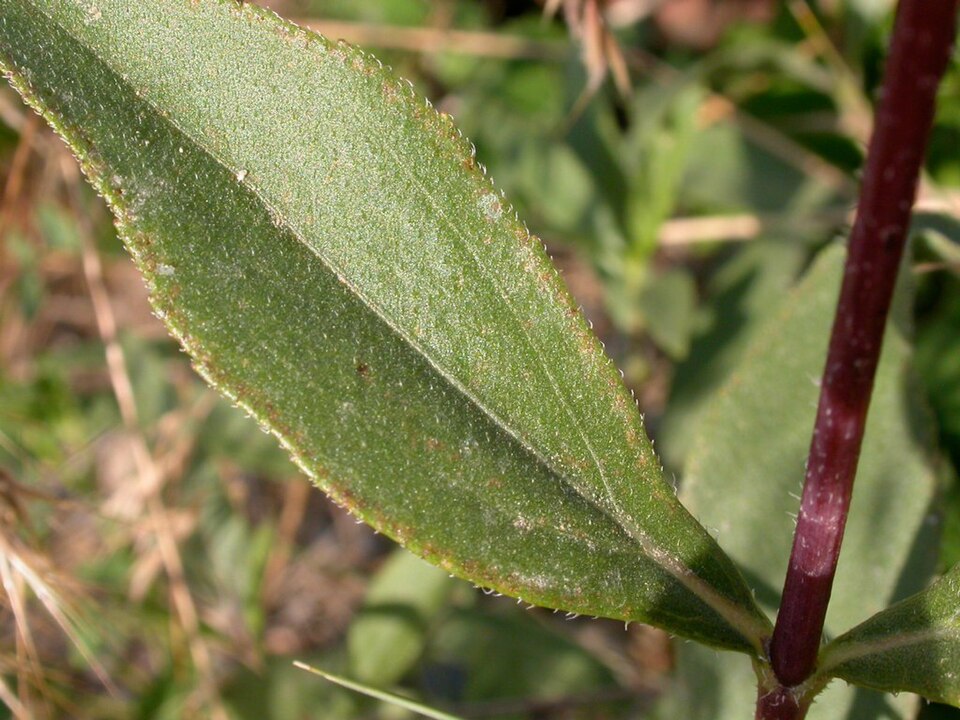
Leaves
The foliage of Stiff Sunflower is one of its key identification features. The leaves emerge in spring with fresh green color and maintain their attractive appearance throughout the growing season. Leaf shape, arrangement, and texture are characteristic of the Asteraceae (Aster/Daisy) family. In autumn, the foliage may provide additional color before the plant enters dormancy for winter.
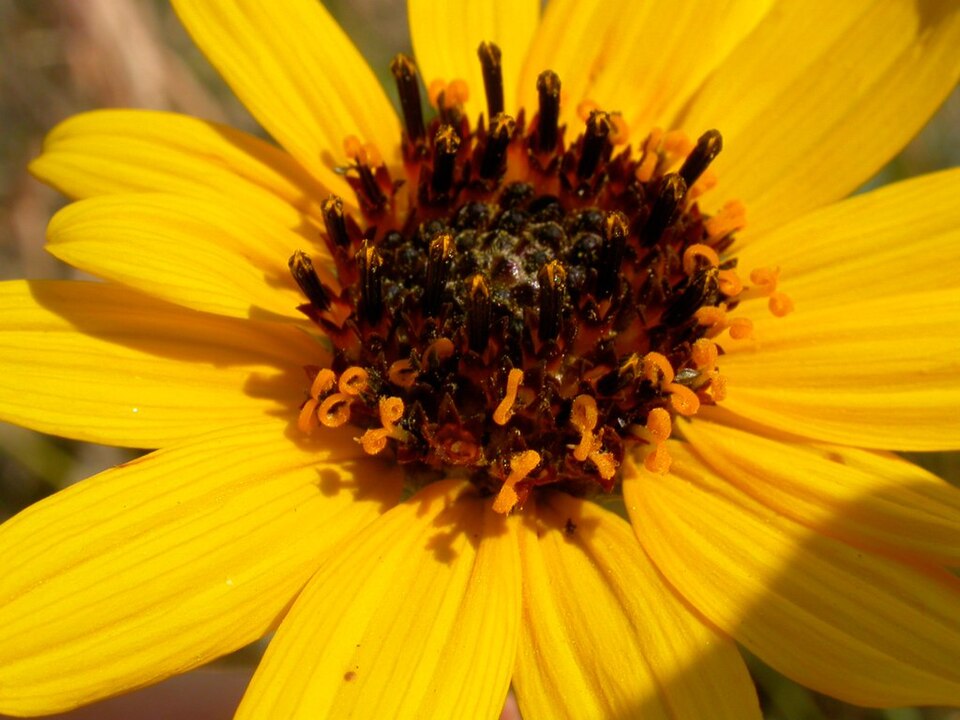
Flowers & Fruit
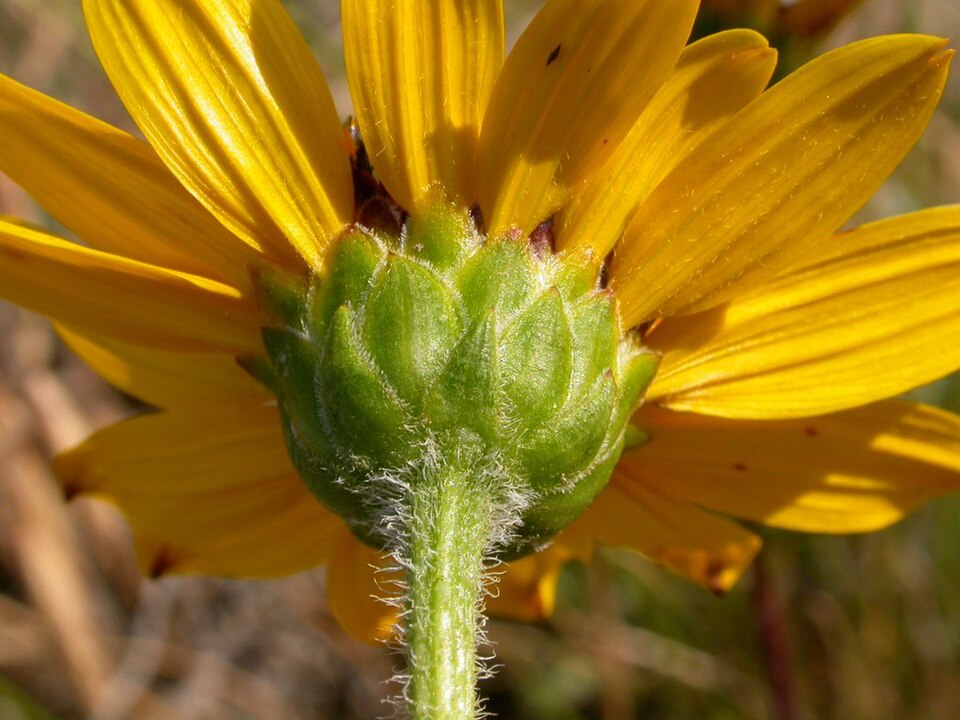
Stiff Sunflower produces yellow with dark center flowers during July – September. The blooms are characteristic of the Asteraceae (Aster/Daisy) family and attract various pollinators including native bees, butterflies, and other beneficial insects. After pollination, the plant produces seeds that are dispersed by wind, gravity, or wildlife, contributing to natural regeneration. The flowering display is one of the most attractive features of this native species, providing weeks of color in the garden or natural landscape.
Quick Facts
| Scientific Name | Helianthus rigidus |
| Family | Asteraceae (Aster/Daisy) |
| Plant Type | Herbaceous Perennial |
| Mature Height | 3–6 ft |
| Sun Exposure | Full Sun |
| Water Needs | Low (Drought Tolerant) |
| Bloom Time | July – September |
| Flower Color | Yellow with dark center |
| USDA Hardiness Zones | 3–9 |
Native Range
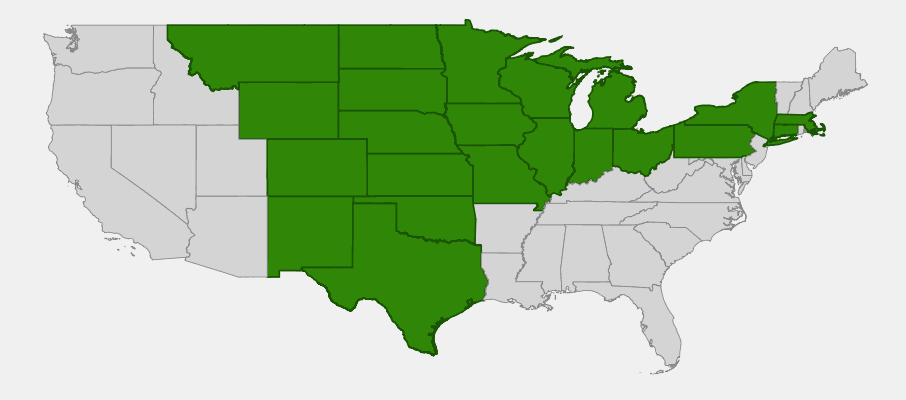
Stiff Sunflower (Helianthus rigidus) is native to a broad range across North America, growing naturally in dry prairies, open hillsides, roadsides, gravelly ridges, railroad prairies. In the United States, it occurs in Colorado, Connecticut, Illinois, Indiana, Iowa, Kansas, Massachusetts, Michigan, Minnesota, Missouri, Montana, Nebraska, New Mexico, New York, North Dakota, Ohio, Oklahoma, Pennsylvania, South Dakota, Texas, Wisconsin, Wyoming. The species is found from 500 – 6,500 ft elevation, adapting to the local conditions within each region of its range.
Within its native range, Stiff Sunflower is associated with the Great Plains tallgrass and mixed-grass prairies ecoregion, where it grows alongside species such as Big Bluestem, Little Bluestem, Leadplant, Prairie Dropseed, Purple Coneflower. These plant communities have co-evolved over thousands of years, forming the complex ecological relationships that characterize healthy native landscapes. The presence of Stiff Sunflower in a plant community is often an indicator of good site conditions and ecological integrity.
In the Dakotas and western Minnesota, Stiff Sunflower occurs naturally in suitable habitats and is well-adapted to the region’s continental climate with its cold winters, warm summers, and variable precipitation. Conservation efforts and native plant restoration projects are helping to maintain and expand populations of Stiff Sunflower throughout the region, ensuring that this valuable native species continues to thrive for future generations.
📋 Regional plant lists featuring Stiff Sunflower: North Dakota, South Dakota & Western Minnesota
Growing & Care Guide
Light
Stiff Sunflower performs best in full sun conditions. Choose a planting site that matches these light requirements for optimal growth, flowering, and overall plant health. Plants grown in appropriate light conditions will be more compact, produce more flowers, and resist disease better than those in suboptimal light.
Soil & Water
This species requires low (drought tolerant) moisture levels. It adapts to a range of soil types common in the northern Great Plains, including loam, clay-loam, and sandy soils. Good drainage is generally important, though requirements vary based on the plant’s natural habitat. Mulching with 2–3 inches of organic material helps retain moisture and moderate soil temperature throughout the growing season.
Planting Tips
Plant Stiff Sunflower in spring or fall for best establishment. Space plants appropriately based on mature size, typically 12–24 inches apart for perennials and grasses, or wider for shrubs and trees. Water regularly during the first growing season to establish a strong root system. Once established, Stiff Sunflower is adapted to local conditions and requires less supplemental care. Native plant nurseries in the Dakotas region are the best source for locally adapted stock.
Pruning & Maintenance
Stiff Sunflower requires minimal maintenance once established. For herbaceous plants, cut back dead foliage in late winter or early spring before new growth emerges. Leave standing stems through winter when possible, as they provide wildlife habitat and winter interest. The plant is generally pest- and disease-resistant when grown in appropriate conditions, reflecting its long adaptation to the northern Great Plains environment.
Landscape Uses
- Native plant gardens and restored prairies
- Pollinator gardens providing nectar and habitat
- Low-maintenance landscapes adapted to local conditions
- Wildlife habitat plantings
- Erosion control and soil stabilization
- Educational gardens showcasing regional native flora
Wildlife & Ecological Value
For Birds
Stiff Sunflower provides valuable resources for native birds. The seeds are consumed by sparrows, finches, and other seed-eating songbirds, while the plant structure offers perching, nesting, and sheltering opportunities. The insects attracted to the flowers and foliage serve as essential protein for insectivorous birds, especially during the breeding season when adults are feeding nestlings.
For Mammals
Small mammals including rabbits, voles, and mice utilize Stiff Sunflower for food and shelter. The plant provides cover from predators and nesting material. In native prairie and woodland settings, the presence of Stiff Sunflower contributes to the habitat mosaic that supports diverse mammal communities. White-tailed Deer may browse the foliage, particularly in areas with high deer density.
For Pollinators
Stiff Sunflower is an important nectar and pollen source for native pollinators. The yellow with dark center flowers attract native bees (including bumblebees, sweat bees, and mining bees), butterflies, hover flies, and other beneficial insects. The bloom period of July – September provides resources during a critical time in the pollinator activity calendar. Supporting native pollinators is essential for maintaining healthy ecosystems and productive gardens.
Ecosystem Role
As a native species adapted to the northern Great Plains over thousands of years, Stiff Sunflower plays an integral role in local ecosystems. Its root system helps stabilize soil and cycle nutrients. The plant contributes to biodiversity by supporting specialized insect-plant relationships that have co-evolved over millennia. In restoration contexts, Stiff Sunflower helps rebuild the complex web of ecological relationships that characterize healthy native plant communities.
Cultural & Historical Uses
Indigenous peoples of the Great Plains and surrounding regions recognized Stiff Sunflower for its practical and medicinal value long before European contact. Various Native American nations, including the Dakota, Lakota, Cheyenne, and Pawnee, incorporated native plants like Stiff Sunflower into their daily lives, using them for food, medicine, ceremony, and practical purposes. The detailed traditional knowledge of plants like Helianthus rigidus reflects centuries of careful observation and experimentation by Indigenous botanists.
European and American settlers encountered Stiff Sunflower as they moved westward across the Great Plains in the 19th century. Early botanists documented the species and its uses, while settlers learned from Indigenous knowledge about the region’s native flora. The plant was formally described and classified by Western science, joining the growing catalog of North American native plants that were being studied and documented during the great era of botanical exploration.
Today, Stiff Sunflower has found renewed appreciation in the native plant movement. Conservation organizations, botanical gardens, and individual gardeners are working to restore native plant communities that include Stiff Sunflower and its associates. The species is increasingly available from native plant nurseries specializing in regional ecotypes — plants grown from locally collected seed that are best adapted to local growing conditions. This emphasis on local genetics and ecological function represents a return to the land-based wisdom that Indigenous peoples practiced for millennia.
Frequently Asked Questions
Is Stiff Sunflower native to the Dakotas?
Yes. Stiff Sunflower (Helianthus rigidus) is native to North Dakota, South Dakota, and the surrounding region. It has adapted to local soil, climate, and ecological conditions over thousands of years, making it an excellent choice for native plant gardens and restoration projects in the area.
How tall does Stiff Sunflower grow?
Stiff Sunflower typically reaches a mature height of 3–6 ft. Actual size may vary depending on growing conditions, including soil quality, moisture availability, and sun exposure. Plants in ideal conditions may reach the upper end of the height range.
When does Stiff Sunflower bloom?
Stiff Sunflower blooms from July – September, producing yellow with dark center flowers. The bloom period may vary slightly depending on local weather conditions and elevation. The flowers attract various pollinators including native bees and butterflies.
Is Stiff Sunflower deer resistant?
Deer resistance varies by location and deer pressure. In areas with high deer populations, most plants may be browsed. Stiff Sunflower is generally not a preferred deer food, but hungry deer will eat almost anything. Consider deer fencing or repellents if deer pressure is severe in your area.
Where can I buy Stiff Sunflower?
Look for Stiff Sunflower at native plant nurseries in the Dakotas and Minnesota region. Plants grown from local seed sources (local ecotypes) will be best adapted to your growing conditions. Check our nursery directory for North Dakota, South Dakota, and Minnesota for regional sources.

Looking for a nursery that carries Stiff Sunflower?
Browse our native plant nursery directory: North Dakota · South Dakota · Minnesota